U.S. Cyber Forces Succumb to Suicide Clusters
"[Among the command's top unfunded priorities, spending $11 million to study and address the mental health of cyber personnel is critical].""[The funding is used for] cognitive, psychological, physiological and spiritual sustainment for high-tempo cyber operators.""Without funding, burnout and force degradation will increase."General Joshua Rudd, Leader, Cyber Command
 |
US Cyber Command is scrutinizing an unusually high number of deaths by suicide among personnel over a month-long period this summer, Bloomberg |
Deaths by suicide in unusual numbers among the cyberwarfare unit of the U.S. military represents a dilemma in search of a cure; at the very least an understanding of what drives the cluster of suicide deaths. The secretive section of the armed forces facing this phenomenon are of high concern to both U.S. lawmakers and military leaders within the armed forces section tasked to defend U.S. computer systems, and which in turn hacks the systems of foreign adversaries.
The mental health state of military hackers have long been concerning, as a reflection of their workload surging as a result of foreign conflicts. Up to five individuals working in or closely with US. Cyber Command took their on lives between early June and early July, according to internal military communications, public records and those who spoke on condition of anonymity. Cyber Command's leader acknowledged three of those suicides in an email to staff; two more suicides fo;lowed.
Sgt. Kevin Stallings, a digital network intelligence analyst, was stationed at Fort Meade, Maryland where Cyber Command headquarters sits. He took his own life just before his 37th birthday. According to the U.S. Centers for Disease Control and Prevention, suicide is rarely caused by a single event or circumstance. The circumstances of at least one of the recent deaths is being actively investigated. Motivation for the suicides remains unclear from a study of the records.
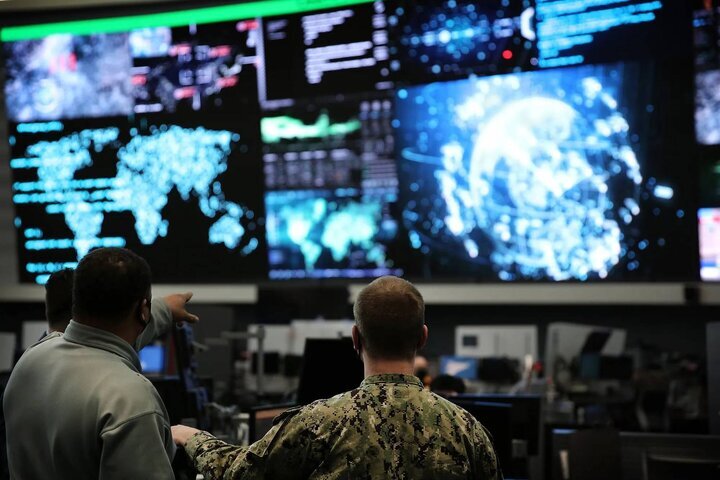 |
| An unusually high number of deaths by suicide among personnel in the U.S. military's cyberwarfare unit is concerning for lawmakers and military leaders. Josef Cole/ U.S. Army Files |
Personnel with Cyber Command most often work far from the physical front lines of war; their roles are largely secret. They suffer, in some cases, from insomnia, from memory loss, rumination and physical illness, according to Erick Miyares, psychologist and former military employee embedded at the National Security Agency.
Cyber Command has linked the quick succession of deaths as a 'suicide cluster', which the Pentagon defines as suicides taking place closer together than normal, and requires they be addressed with specific actions. Cyber Command's workload surged this year, resulting from factors that include the U.S. war with Iran and other foreign conflicts. Also driven up by the urgent need to use and guard against new artificial intelligence models, increasingly adept at hacking computer systems.
According to the National Defense Authorization Act from 2023, the command faced "chronic shortage of proficient personnel in key work roles" since its founding in 2010.
 |
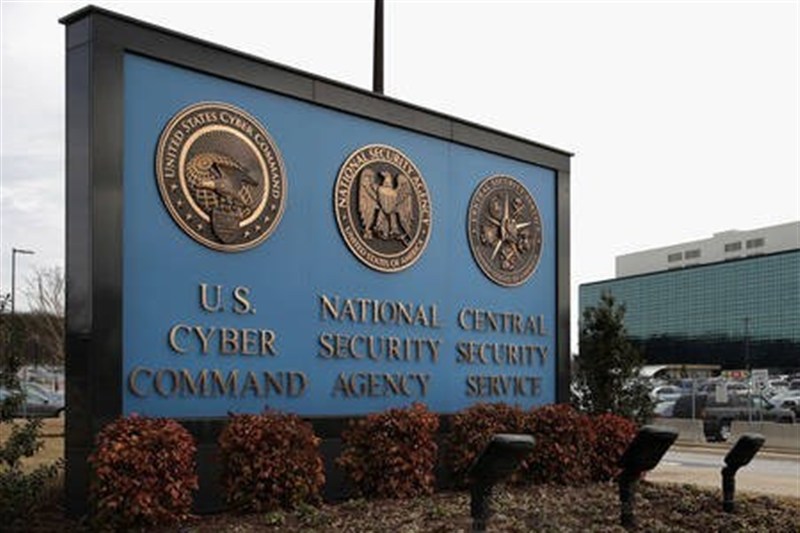
| The U.S. Cyber Command building (center) stands on the National Security Agency campus at Fort Meade, Maryland. | REUTERS |
"The loss of any member of the military community is a tragedy, and our deepest sympathies are with their loved ones."
"[The military] remains steadfast in our commitment to suicide prevention. [We] take a comprehensive, integrated approach to suicide prevention [at all levels]."
"[As a result of these] tragic incidents [the Senate Armed Services Committee] is actively engaging with Cyber Command to discuss what resources are needed."
Pentagon
Labels: American Co9mputer Systems, Foreign Adversary Hacking, Investigation, Military Hackers Mental Health, Suicide Clusters, U.S. Cyber Command, U.S. Military
posted by Pieface @ 8:09 PM


0 Comments:
Post a Comment
<< Home