Astronomy's Headache: Night-Sky Illumination
"When a satellite crosses what we observe, it makes a bright streak on our image, zapping whatever is behind it.""For the past few years, this has been happening -- but it is still manageable.""But if we go from 14,000 to 1.7 million [orbiting satellites], we are really going to have problems.""[Whether in France, the Sahara Desert or Chile, the sky] would no longer be clear, resembling instead the sky seen in the suburbs of a city.""[And in light-polluted cities the satellites] would be the only 'stars' visible in the night sky."Olivier Hainaut, European Southern Observatory"Astronomy generates huge value for humankind, including scientific, technical, economical, and educational, and helps us understand our place in the Universe.""The large number of planned satellites in low-Earth orbit challenges that capacity, underscoring the need to limit future satellite launches and for astronomers, engineers, satellite operators and other stakeholders to work together to adopt strict mitigation measures."ESO Director General Xavier Barcons
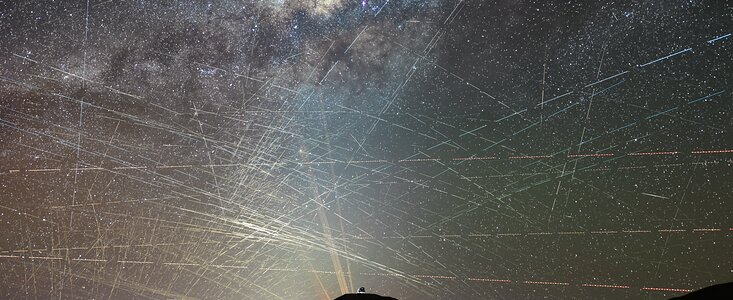 |
| One hour of satellites over the northern Atacama Desert in Chile (October 2025) (Credit: F. Kamphues, ESO/M. Kornmesser) |
Astronomers have known for many years that such a catastrophic event for viewing the night sky was imminent as more and more satellites were sent into orbit year after year, and plans to increase those numbers dramatically would be in the works, blocking their access to viewing the night sky, New research has once again warned of "devastating consequences for astronomy" in view of, and taking account of Earth's orbit in coming years drowning in swarms of huge, extremely bright satellites that represent an "existential threat" to telescopes viewing the universe.
The latest research, published in Astronomy & Astrophysics through the European Southern Observatory (ESO) warns that the loss of the observable night sky would represent a dreadful loss to humankind. The team of researchers from ESO who produced the study urge for a re-consideration, that no greater number than 100,000 satellites should be launched, to preserve the capacity for astronomy to continue making findings explaining more about the universe and our place in it.
This is the first study to calculate how the visual disturbance of large, particularly bright satellites in released constellations would impact astronomical observations through producing a night sky that is no longer the dark heaven that nature intended, but one bright enough to critically interfere with the observable universe that ever more powerful telescopes make possible. Currently, there is an estimated 14,000 satellites orbiting Earth, many of which have been launched by Space X's Starlink internet constellation.
 |
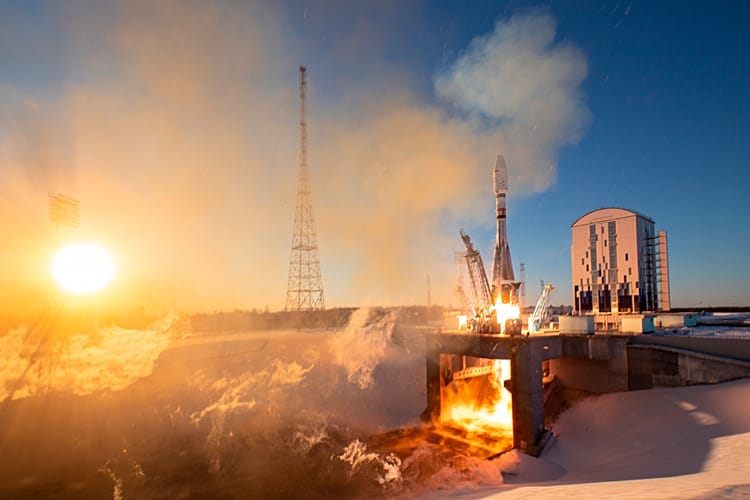
Plans to launch over a million satellites by 2028 to serve as data centres powering the boom in artificial intelligence has been announced by Space X. Additionally, projects such as the 'Cinnamon' plans of start-up E-Space and Chinese constellations CTC-1 and CTC-2 would add other hundreds of thousands more satellites. Reflect Orbital, another U.S. startup, plans to launch 50,000 huge satellites using giant mirrors to reflect sunlight back down to Earth with the intention of providing light over a night-darkened Earth.
The prospect for the near future is that over 1.7 million satellites could conceivably light the night sky and in the process obscure or blot out views of ground-based telescopes. Essentially the Reflect Orbital satellites alone pose a particularly significant threat to the dark night skies. The light they scatter will make each one as bright as Venus, even when their mirrors are not pointed at the observer.
The ESO observers concluded that images captured by the largest camera ever to have been built, part of the new Vera C. Rubin Observatory in Chile, would be rendered invalid. Moreover, concerns over making space a junkyard of revolving satellites, many of which might collide, along with parts and pieces that fall to Earth, represents a potential dilemma of immense proportions.
 |
"Sending thousands of satellites has implications: economical, ecological, and astronomical.""[Light pollution from very bright satellite constellations can impact the health and functioning of life on Earth, by disrupting biological clocks and ecosystems. Large constellations also have direct impacts on air quality from the numerous launches required to send and maintain thousands of satellites, as well as from the atmospheric pollution caused as they burn up on re-entry at the end of life].""My job is astronomy, so I quantify the effects on astronomy. I hope others will evaluate the other impacts in their field of expertise.""Low Earth orbit is a celestial seashore that provides immense value to modern life, from global connectivity to our clear access to the Universe. However, we must manage the footprint of mega-constellations — from the light pollution affecting astronomy to the atmospheric effects of satellite re-entry — to ensure this resource remains pristine and accessible for future generations."Olivier Hainaut, ESO study lead author
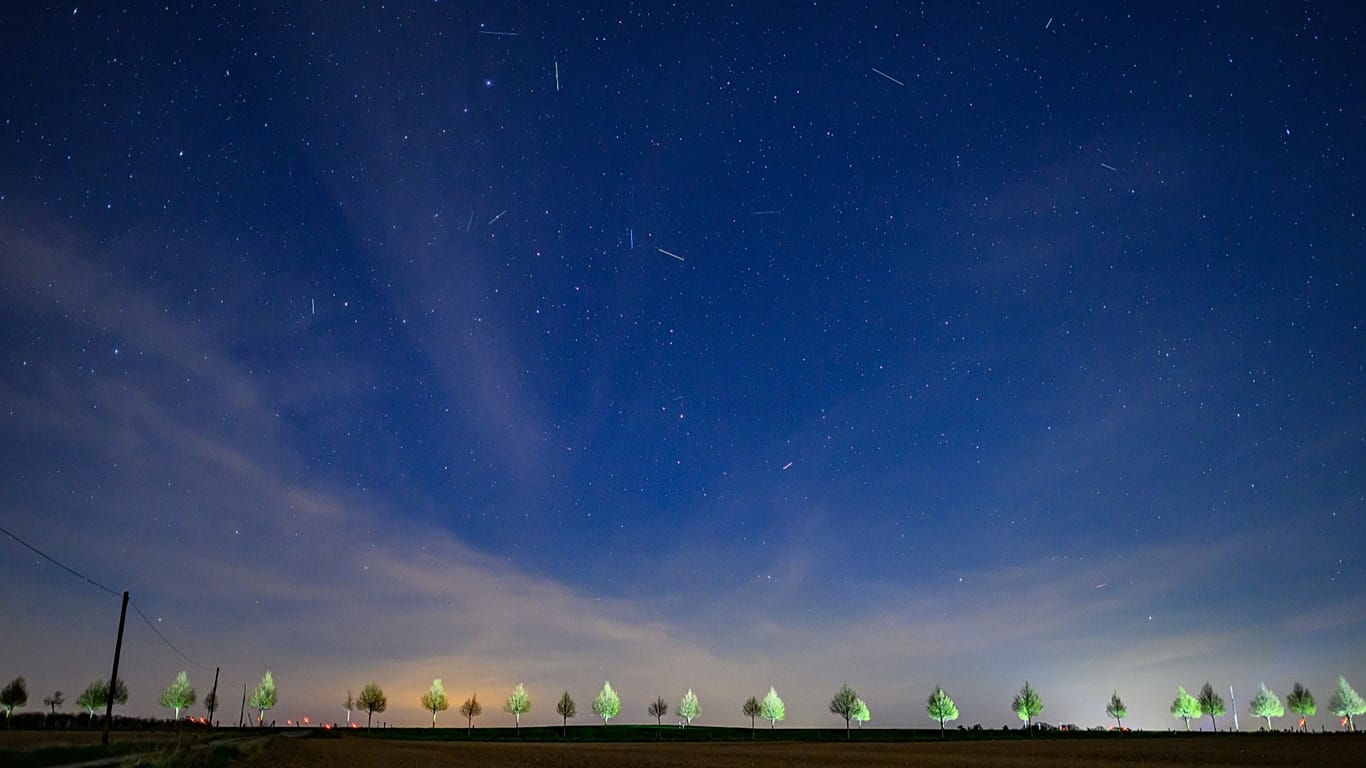 |
Planned 1.7 million satellites 'devastating' for astronomy by making night sky brighter AP Photo |
Labels: Constellations of Satellites, Land-Based Telescopes, Light Pollution, Orbiting Satellites, Sight Interference
posted by Pieface @ 8:33 PM


0 Comments:
Post a Comment
<< Home