BMI or BIA Predictive of future Health Risks?
 |
"Body mass index has no statistically significant relationship with all-cause mortality.""[The study used BIA -- bioelectrical impedance analysis -- technology decades old] and that still had stronger associations with mortality when compared with the BMI [body mass index].""Current BIA models provide reproducible results in less than one minute [making their adoption easy for busy family medicine clinics.""[While] this is the strongest and most definitive health outcome [the researchers bypassed morbidity; other health complications other than death, in their study]."University of Florida research team"This is the ultimate Coke versus Pepsi test. And BMI failed.""BMI is just so ingrained in how we think about body fat. I think the study shows it's time to go to an alternative that is now proven to be far better [risk-predictive].""For essentially the same price as a scale to weigh newborns or a machine to sterilize instruments, a machine to reliably and validly assess body fat percentage will allow a practise to accurately target the patient who can benefit most from obesity and body fat reduction strategies to prevent a wide variety of diseases."Professor Arch Mainous, vice-chair, research in community health and family medicine, University of Florida"Now remember, using BMI did not flag any risk at all in this younger population, which isn't one we typically consider to be at high risk for heart disease.""Think of the interventions we can do to keep them healthy when we know this early. I think it's a game-changer for how we should look at body composition."Dr. Frank Orlando, study senior author
 |
| Cleveland Clinic |
A study questioning the utility of the long-relied-upon body mas index to project injurious health outcomes recently published in the July edition of the journal Annals of Family Medicine, reflects the outcome of the research where adults with a high body-fat percentage were found to be close to twice as likely to die from any cause over 15 years, in comparison with others that have a healthy body fat range...and over three times likelier to die from heart disease.
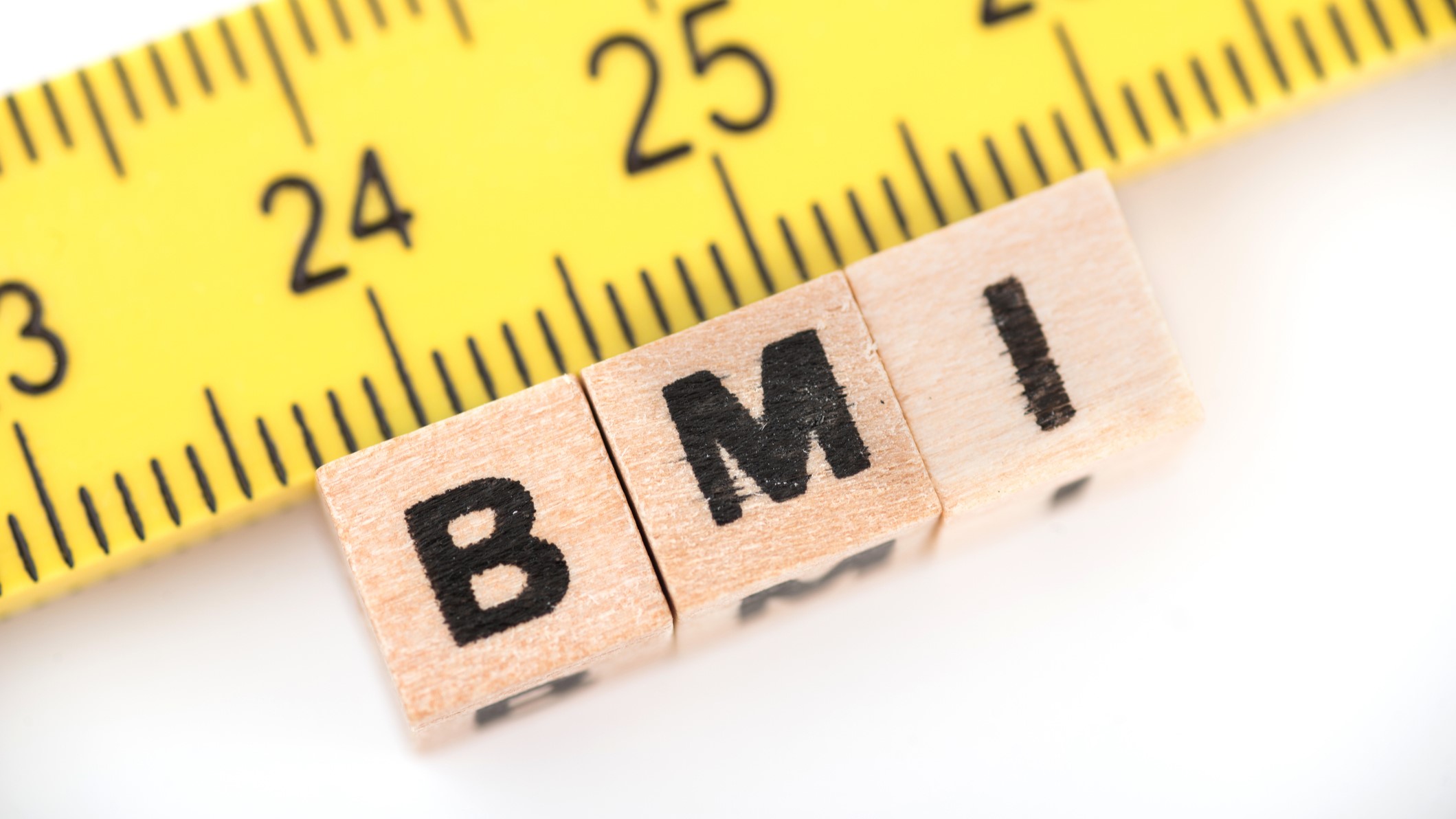
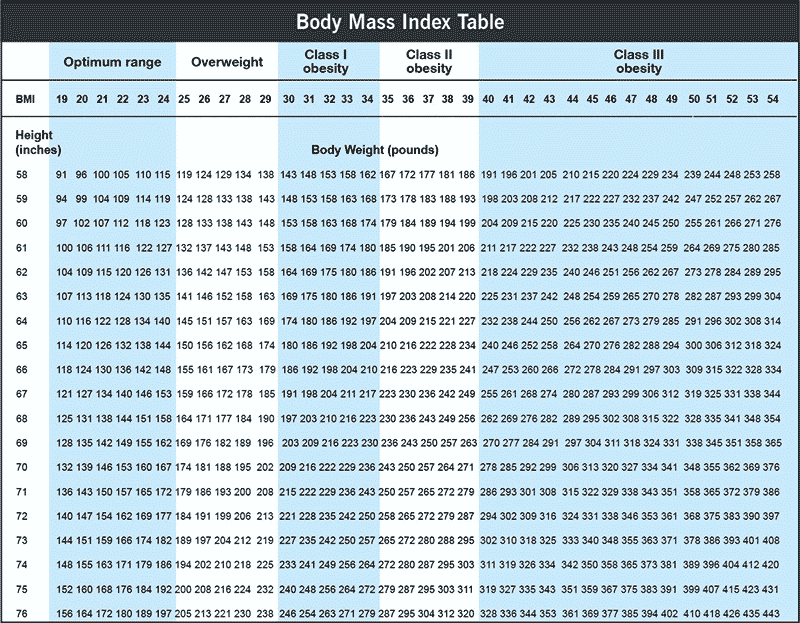
The researchers found that a BMI indicating overweight or higher, not to be associated with a statistically significant higher risk of death from any cause. Body mass index has been the subject of growing criticism with the realization that the body composition measure is flawed and overrated for determining anyone's health. A person's weight is divided by the square of his/her height, then based on a range of numbers, places people into one of four subsequent categories: underweight, healthy weight, overweight or obese, in arriving at results for body mass index.
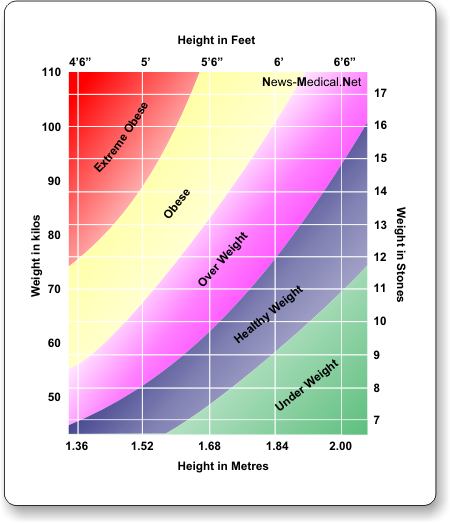 |
The World Health Association along with other health associations globally has endorsed the BMI as representing the standard measure for body composition. People with muscular physiques, however, can be classified as overweight or obese, since the BMI fails to account for bone or muscle. Nor does it take into account where excess fat is deposited; visceral or belly fat that wrap around internal organs, increasing the risk of diabetes and heart disease is in fact more dangerous than fat acquired around the hips.
The researchers analyzed data taken from 4,252 people age 20 to 49 who were enrolled in a national U.S. health and nutrition survey, all of whom had a technician measure height, weight and waist circumference. Body-fat percentage was assessed via 'bioelectrical impedance analysis" (BIA), applying a light, harmless current through the body to measure resistance as it passes through bodily tissues to estimate total body composition including fat-free mass and total body water. Collected data from the health survey were then linked to records of death certificates.
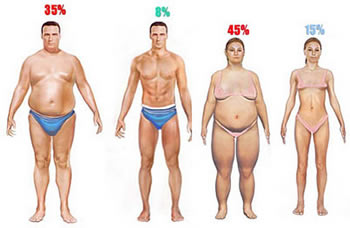 |
After a fifteen year period, the researchers examined "mortality status" of each participant. Those adults with a higher body-fat percentage (27 percent or more in men; 44 percent or greater in women) were 78 percent more likely to die from any cause than those people with lower body-fat percentages. Any with a high body-fat count were also 3.62 times likelier to die from heart disease.
A BMI in the unhealthy range, on the other hand -- 25 or higher -- was not associated with a statistically significant higher risk of death from any cause, in comparison with adults in the healthy BMI range. At-home bathroom scales, fitness apps and smartwatches have begun to incorporate BIA technology. A high waist circumference of over 44 inches for men and more than 35 inches in women independent of height or weight, also performed more meaningfully than BMI in predicting risks.
 |
| Victoria State Government, Department of Health |
Labels: Body Mass Index, Insignificant Measurement To Outcome, Predictive of Early Death, Research Study, Total Body Fat More Maningful
posted by Pieface @ 7:40 PM


0 Comments:
Post a Comment
<< Home