Courting the Agrarian Vote in Rural Alberta
"I can tell you it's no fun ringing the manufacturer for after-hours service, and having them charge you $50 to $100 a pop for a call-out fee.""Our combines are 2011 model year, and will be 15 years old come Christmas-time ... the simple depreciation on those things is more than the farm can bear."Rick Strankman, grain farmer"As an Independent in such a tight minority government, I intend on using that position to push for a private member's bill that limits how much corporations can continue to squeeze money out of us, after we've already purchased their product.""[T]hese bills [federal legislation enacted last year] make circumventing digital locks in devices legal, but continue to prohibit the manufacture, import, or sale of the tools used to circumvent those protection measures, making repairing personal property -- be it a modern combine or a cellphone -- infeasible in practice."Independent candidate Bonnie Critchley
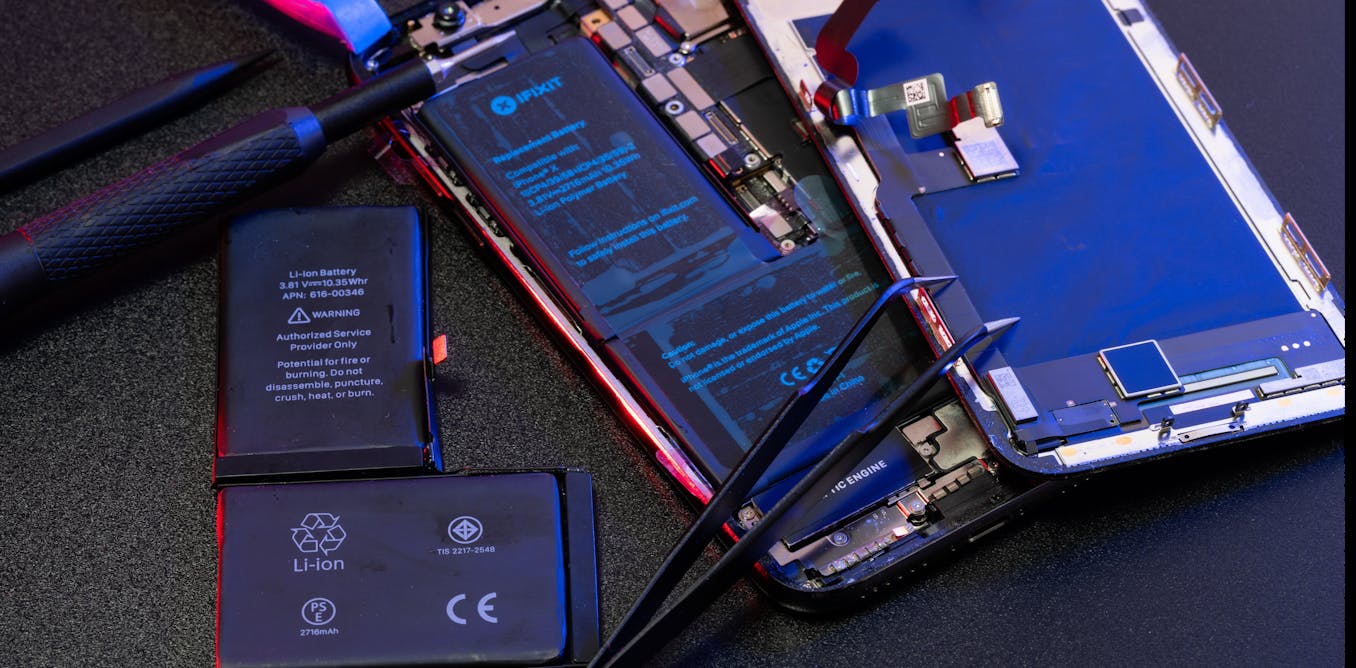 |
| Technological protection measures can prevent repairs by anyone other than designated providers. (Shutterstock) |
A by-election in Battle River-Crowfoot, Alberta has spotlighted a battle among rural/remote Canadians for what they consider their right and entitlement as owners of equipment to be able to repair what they own without compelling strings in the way. Living in an advanced technology era of software installed on all manner of mechanical devices, large and small, including tractors and assorted specialized farm equipment that have been made reliant on proprietary software, manufacturers lock out their customers' ability to access what they own on the issue of mechanical breakdown and repair of their own volition and choice.
Owners of equipment may no longer call in third-party repairs, a proprietary requirement that is the cause of aggravation, anger, and financial outlays by farmers and owner of all manner of businesses, forcing them to deal exclusively with manufacturer-authorized service providers. And it is a requirement that has farmers and others seeing red, locking them into a repair protocol that is frustratingly time-consuming and costly. All the more so when farmers are already grappling with a south-of-the-trading-border complication that leaves them with reduced profit margins.
"[I] feel strongly that when you purchase a much-needed piece of equipment, whether it be a tractor for your farm, a dishwasher for your home, or a [cash] register for your small business, you should not be beholden to the high cost to repair forced upon you by the manufacturer through their monopoly on replacement parts, manuals, and control over software updates.""As [a] member of Parliament, I will work across the aisle to ensure that your right to repair is respected and brought into law."Green party candidate Ashley MacDonald
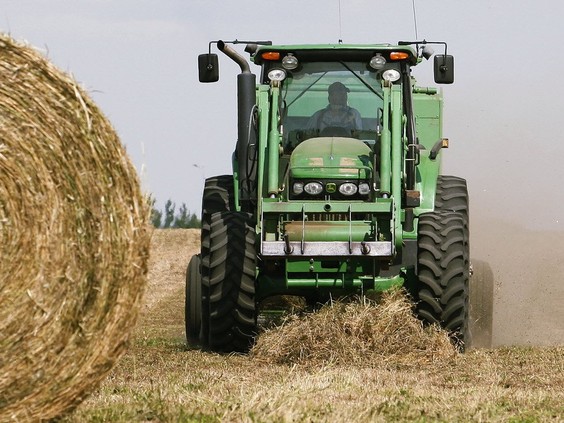 |
The family-owned-and-operated Strankman farm is located two hours' distant from the nearest service hub in Lloydminster, Alberta. Mr. Strankman has attempted to minimize dependence on manufacturer servicing that is costly, through the prolonged possession of and use of older, analog equipment. How much longer he will be able to rely on the faltering serviceability of his elderly machinery is a question that looms large.
A sprawling riding of over 52,000 square kilometres, Battle River-Crowfoot boasts the presence of about 4,000 farms just like the Strankman farm. This is a far-flung, agrarian region and they are at the forefront of the growing insistence of fed-up farmers, of their right of ownership entitling them to call for cessation of manufacturer-imposed barriers in repairing consumer appliances; specifically the digital locks that ensure third-parties are kept out of embedded software.
A year ago a pair of federal right to repair laws were enacted; "complicated, bureaucratic and ultimately toothless", according to Independent candidate Bonnie Critchley and helpful to no one. This is obviously an issue in search of a solution. It is also an issue that crosses from manufacturer to production at all levels, and one that is overdue for a restraining order of some magnitude to induce manufacturers to the realization that their self-entitlement to a revenue source that is immoral in nature must stop.
"As Canada grapples with the ever-concerning rise in automotive thefts tied to organized crime networks, broader themes of security, innovation, and the accountability of industries in the digital age have emerged.""Claims from vehicle manufacturers that allowing the right to repair will perpetuate car thefts and work against their efforts to keep vehicle systems secure are reflective of a revolving strategy of deflection, denial and distortion, rather than addressing the root causes of vulnerabilities. Similarly, considering a ban of cybersecurity testing devices like the Flipper Zero without a thorough understanding of their functions and benefits, is counterproductive.""The right to repair is about ensuring independent repair and service technicians have access to necessary data strictly for the diagnosis, service or repair of a product. If providing independent technicians with access to necessary vehicle data would compromise security, this suggests that the vehicle was not designed with security in mind from the outset."Canadian Repair Coalition
Labels: Digital Locks, Farming Equipment, Manufacturers' Repair Monopoly, Replacement Parts, Software Technology
posted by Pieface @ 7:44 PM


0 Comments:
Post a Comment
<< Home