Dredging the Ocean Floor and Capturing all that Swims
 |
| A bottom trawler scours the ocean floor. In his new documentary, Ocean with David Attenborough, the famed broadcaster looks at the vast but fragile underwater world. (Silverback Films and Open Planet Studios) |
"Over three-quarters of a trawler's catch may be thrown away. It's hard to imagine a more wasteful way to catch fish.""[The seas are] the last great wilderness ... our final frontier.""No one alive today has known the abundance of a truly wild ocean. We have drained the life from our ocean[s].""Now we are almost out of time."David Attenborough, Ocean documentary"[The documentary has failed to incorporate anything] about aggregate dredging; about subsea cables; about seabed mining [or about wind turbines and the damage they do to the seabed.""Bottom trawling is a relatively small, but important part of [the industry] in the U.K. today."National Federation of Fishermen's Organization
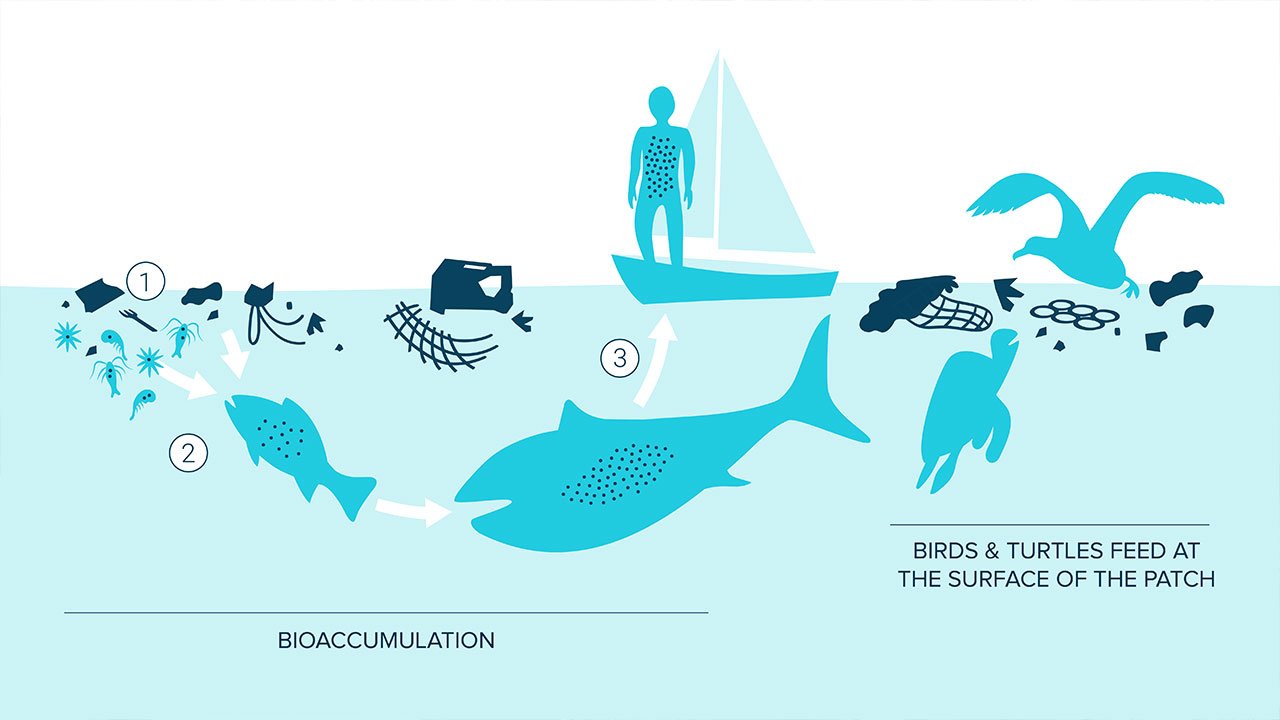 |
| Not only does plastic pollution in the Great Pacific Garbage Patch pose risks for the safety and health of marine animals, but there are health and economic implications for humans as well. The Ocean Cleanup |
Conservationist, 99-year-old David Attenborough grows apoplectic at footage of net dredging the ocean floor by commercial trawlers. He has produced another -- the latest -- documentary, Ocean, now being featured in some theatres on May24, with a wider audience beginning June 7 when it is set to be streamed on National Geographic, Disney+ and Hulu. Mr. Attenborough's passionate appeal against environmental degradation has inevitably turned more political in its nature.
He rages against the fishing industry, specifically its trawling technique impacting the sea bottom. Fishing boats drag iron nets along the sea floor, in bottom trawling. Every animal in the path of the iron nets is caught, while the seabed itself becomes damaged as a result of the net-dragging. The Ocean documentary producers managed to obtain footage of an unprecedented nature that eluded Greenpeace itself. Attaching a camera to a commercial trawler's net resulted in a sharp focus on what transpires at the ocean bottom with that kind of trawling.
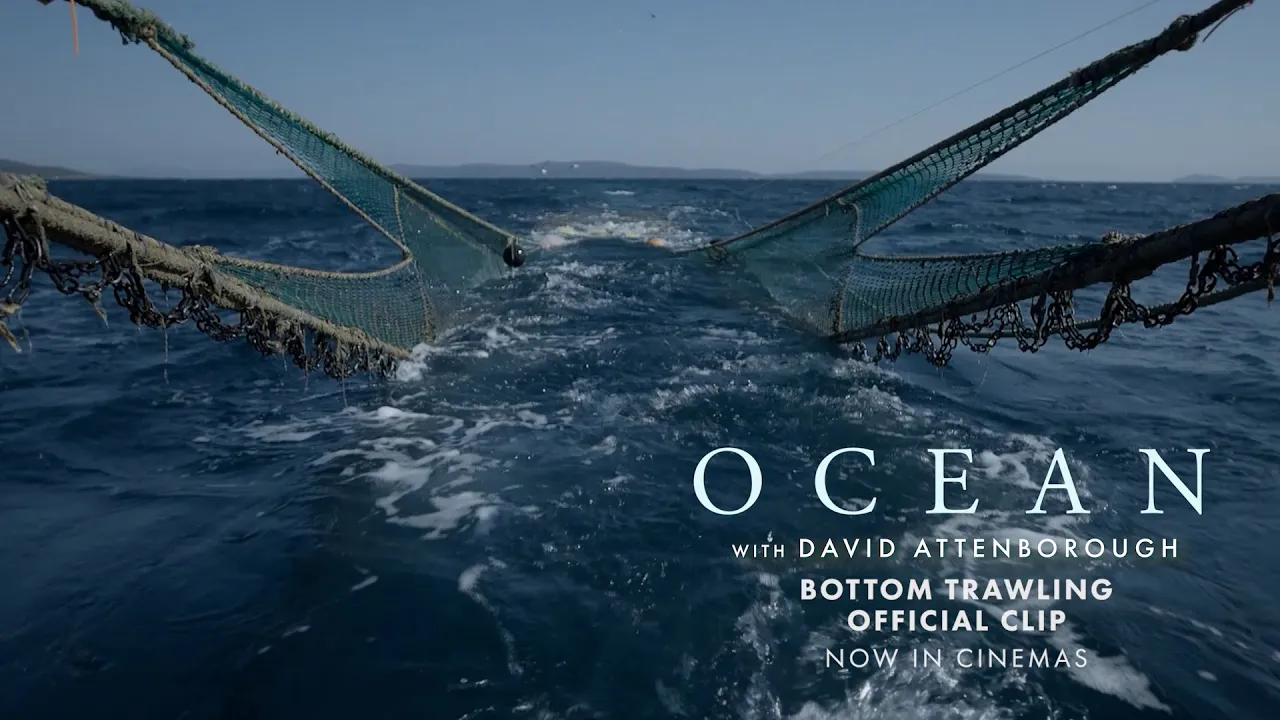 |
| The beast that opens its maw to swallow everything is a bottom trawler, grinding the sea floor indiscriminately for fish. |
According to one of the directors of Ocean, some of the most affecting images -- "terrible shots of all these spider crabs being crunched up because the dredge has these teeth" -- failed to make an appearance in the final version of the documentary, because it didn't make it past the cutting floor, with the realization that the plight of the creatures would be too "upsetting" for most viewers, at the release of the documentary.
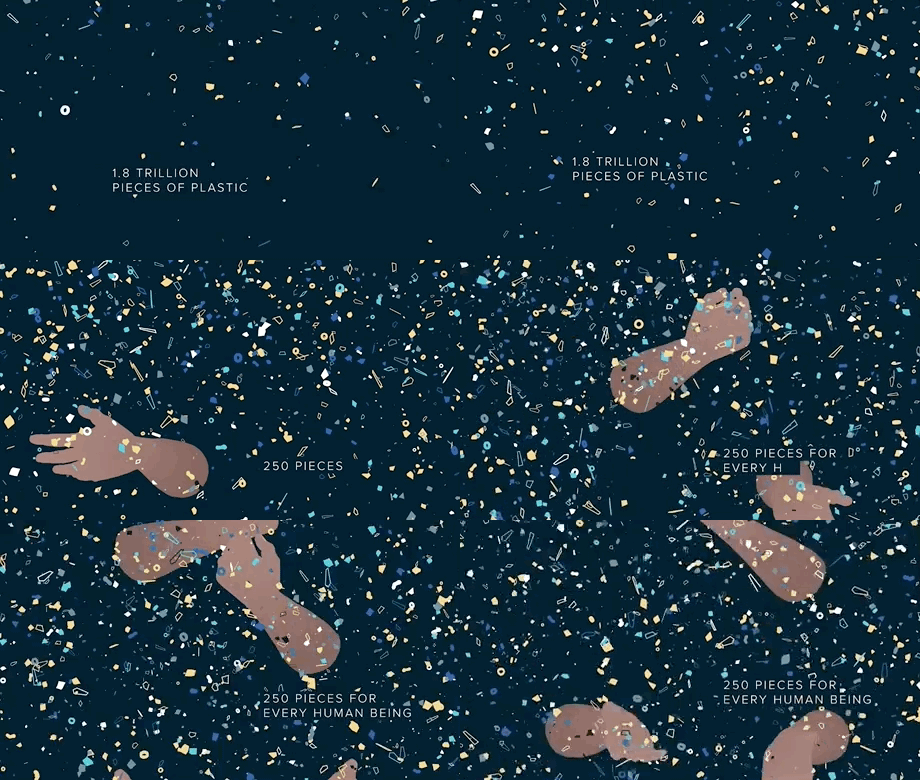 |
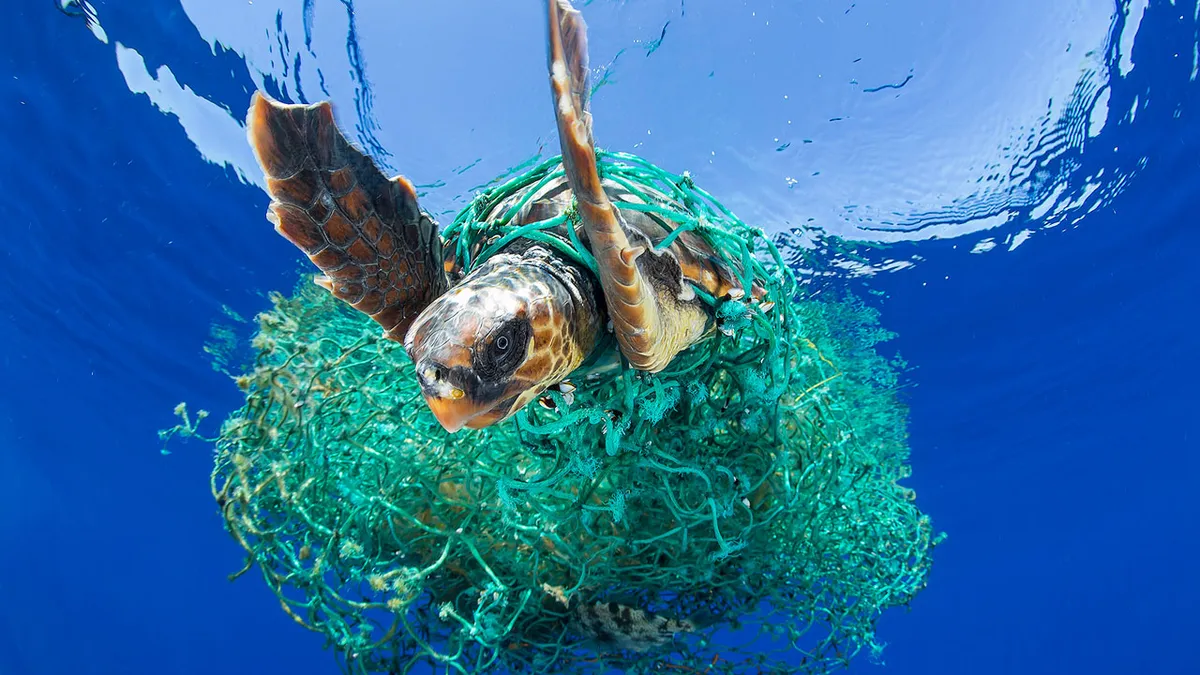
Sustainable fishing practices merit no complaints from the documentary. According to You-Gov., David Attenborough is the most popular individual in the United Kingdom, resulting from his revelatory documentation of fishing industry practices inimical to the environment and to the creatures sharing the ocean as a home. Fishing nets and allied fishing gear account for much of the accumulated ocean plastic; between 75 and 86 percent of the plastic waste that accumulates in the Great Pacific Garbage Patch.
Conservation organizations and campaigners urge a ban on all dredging in marine protected areas, covering less than half of Britain's waters. Of Britain's marine protected areas, bottom trawling is banned in only five percent. The pushback from the U.K. fishing industry argues that the Ocean documentary is "indiscriminate" in its charges of environmental degradation.
What the documentary sets out to accomplish is for promises made by countries to protect 30 percent of the oceans, to be actualized rather than remaining a promissory note acknowledging their responsibilities yet failing to act upon them.
 |
Labels: Challenging Nature's Balance, Deep Sea Trawling, Disrupting Natural Ecosystems, Environmental Degradation
posted by Pieface @ 8:07 PM


0 Comments:
Post a Comment
<< Home