Weizmann Institute of Science -- Casualty of War
 |
| Weizmann Institute of Science, Rehovot, Israel |
"The first 48 hours, we were trying to stabilize the situation, extract [samples] from laboratories that were hit but not burnt, rescue as many research assets as possible. These are some of the buildings hit: the cancer research centre and immunology research centre. These labs have tumour samples, cultured cells, genetically modified samples.""We had no [serious] casualties. That's the most important thing. That's how science is lost, when you lose the people. That is because we were careful to evacuate everyone from campus.""[One of the biggest setbacks] is physical lab space that we lost. We lost five buildings, seriously damaged. That means it'll take up to five years to recover those buildings, lost equipment and thousands that were specialized. They can be rebuilt and repurchased, but it takes time. And physical research assets that were lost.""When you take 52 research groups, which is the number of groups that lost their physical space equipment, and you set them back by a couple of years, you lose potential treatment for disease. Groups that were hit were working on research topics anywhere from blood tests to cancers, and many other examples."Professor Roee Ozeri, physicist specializing in quantum information and quantum computing, Weizmann Institute
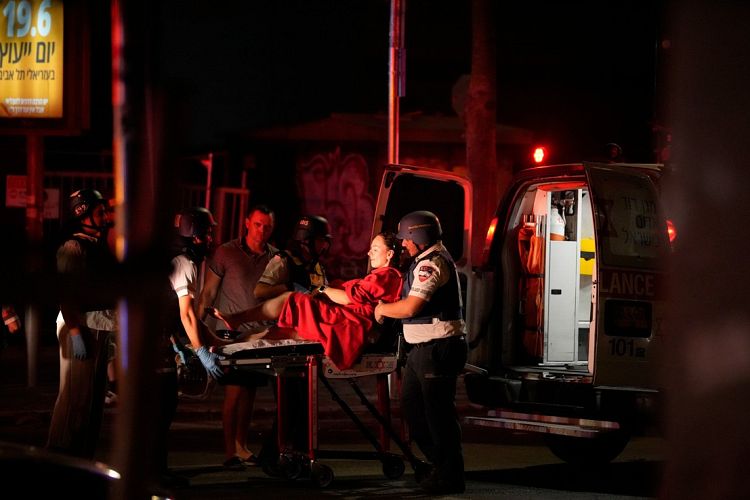 |
The Weizmann Institute of Science located in Rehovot, Israel which marked its 90th anniversary last year, is now facing one of its greatest challenges after having been struck by two Iranian ballistic missiles back in June on Friday 13th. The institute's hub for world-leading cancer research was among the hardest-hit buildings and labs. A building which also housed core facilities that are relied upon by many groups using AI to develop personalized medicine or diseases lacking a cure. Another, a building that was home to many breakthroughs in climate science and in astronomy.
Across the entire campus, however, there was no building that was left unscathed by the attacks. There are 52 research groups whose labs conducted groundbreaking science that were affected, and all of them require relocation and restocking to enable research to continue. Weizmann Canada estimates that it will take years to rebuild the campus as well as hundreds of millions in enabling funding. The institution, before the attack, was home to 23 magnetic resonance scanners, 30 X-ray machines, 610 optical microscopes, and 750 centrifuges There was about 2,500 staff, and the Institute had 246 visiting scientists from 28 countries working there.
Of the world's top 25 drugs, seven were developed at the Institute, including the drug Copaxone, for multiple sclerosis treatment. Foundational research on amniocentesis was conducted at the Institute. Professor Ozeri visited Montreal and Toronto recently for the purpose of promoting the Emergency Rebuild Science Campaign in Canada for the Weizmann Institute. Professor Ozeri, as a physicist specializing in quantum information and quantum computing, led the team that built Israel's first quantum computer, in 2022. He is also vice-president of development and communication for the Institute.
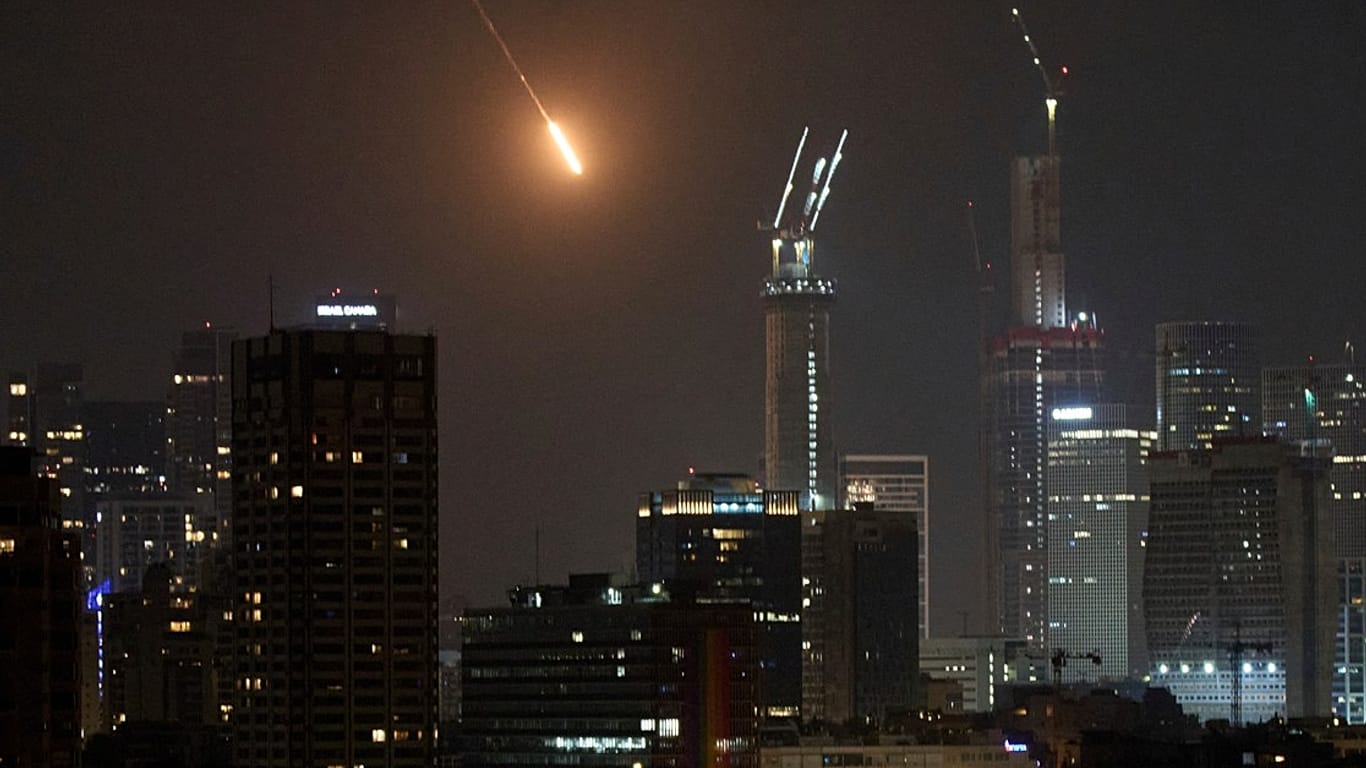 |
Iranian strike hits Israel's most important scientific centre. AP Photo |
"We got offers to help from many institutions, both in and outside of Israel, and we're very thankful for that, both in terms of equipment, in terms of hosting our scientists, in terms of collaborations.""So it's very heartening at a time where we're facing a lot of, shall we say, challenges as Israelis and as Jews, that we have international co-operation in this regard.""Listen, I can't tell you how much you learn to appreciate people who help you at a time of need. Getting help from people when all is quiet, that's easy."Professor Roee Ozeri, Weizmann Institute
Labels: 2025, Fundraising, Iranian Ballistic Missiles, Israel, July 13, Rebuilding, Rehovot, Weizmann Institute
posted by Pieface @ 8:04 PM


0 Comments:
Post a Comment
<< Home