Russia's Teetering Conflict-Impacted Economy
"The upstream oil industry is sliding into a crisis, and the most recent sanctions are going to accelerate that.""[The newly imposed U.S. sanctions represent] an aggressive move that spell more trouble.""You can keep raising more taxes on average Russians or borrow still more to cover growing deficits. But you ask yourself: Is this making my negotiating position stronger or weaker?""It definitely makes Russia look weaker."Craig Kennedy, Davis Center for Russian and Eurasian Studies, Harvard"A banking crisis is possible.""A nonpayments crisis is possible.""I don't want to think about a continuation of the war or an escalation."Anonymous Russian official
 |
| Vladimir Putin is under pressure from business elites (Image: Getty) |
"Russia entered the war already facing a severe demographic and labor crisis. More than a decade ago, Russia’s statistical service created three population scenarios, dependent on various levels of migration into the country. Its most optimistic scenario required Russia to bring in 550,000 migrants every year just to keep the national population from shrinking. Even then, the size of the labor force was expected to shrink.""The war has only worsened what was once called the “biggest political, social, and economic challenge for Russia” through 2050. This spring, unemployment hit a record low of 2.2 percent, signifying a tight economy and labor shortage. In 2024, Russian job site SuperJob reported that 73 percent of the country’s businesses were understaffed.""Even Russia’s most stable and vital industries are feeling the strain; postings for oil and gas positions rose 24 percent in the first quarter of 2024 compared to the same period a year earlier. When the country’s most economically critical and traditionally resilient sectors struggle to staff operations, something is seriously wrong."Lindsey Cliff, researcher, American Foreign Policy, Washington
 |
| The National Interest |
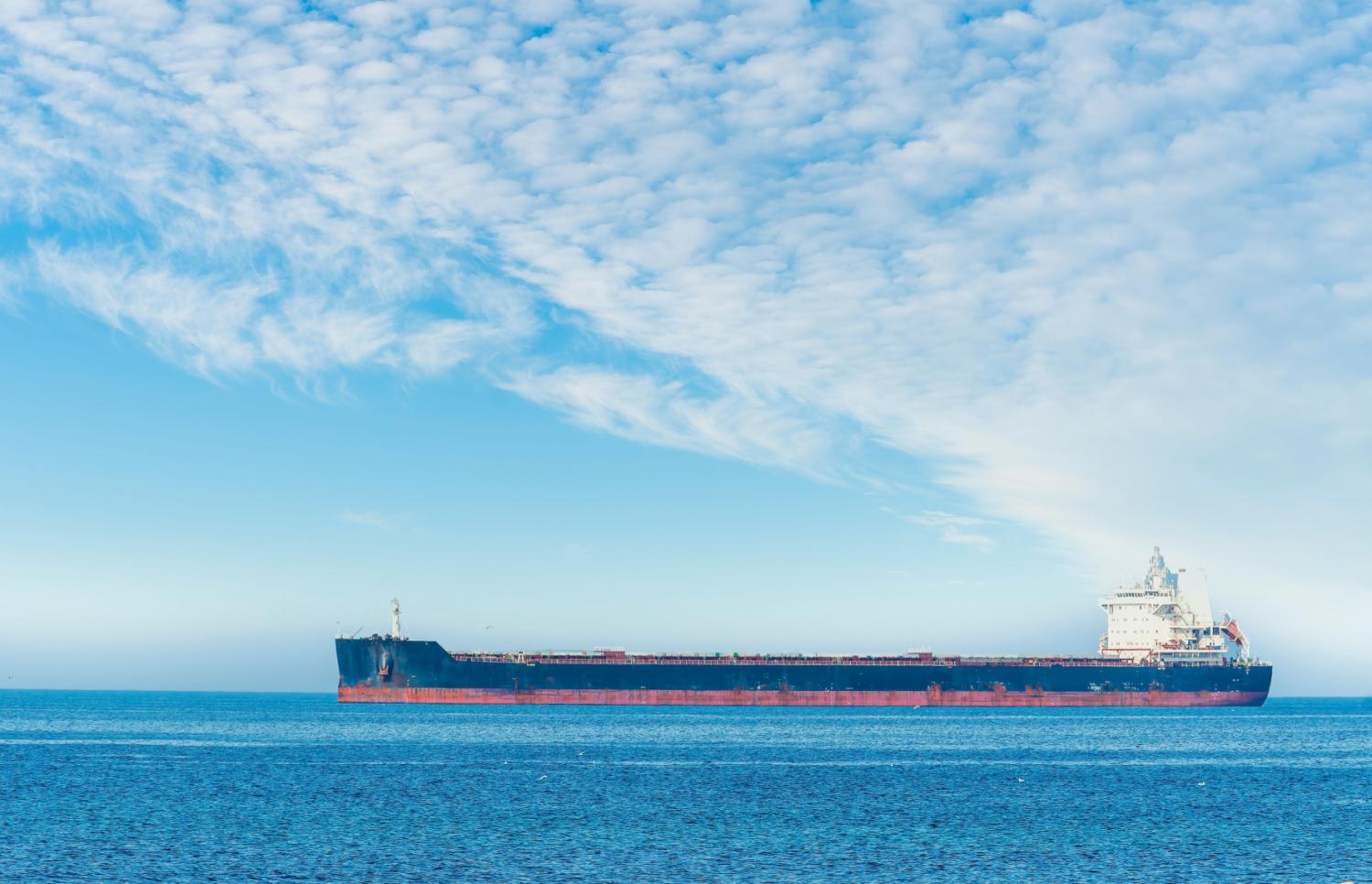
"Sanctions can undoubtedly disrupt an economy. Consider the array of sanctions levied against the Russian oil trade in response to its illegal invasion of Ukraine.""These actions substantially lowered the profitability of Russia’s export of crude oil and refined petroleum products, reducing the associated government revenues in the process. ""Whether these and other sanctions changed the course of the conflict is unknowable, but it is without question that sanctions can impose higher costs on countries that violate international law."Brookings Institute
 |
| Shutterstock / Photo Magistr |
Once benefiting from positive factors such as high global commodity prices and a spending-driven boom, the Russian economy is now reeling. Independent Russian media outlet the Bell heard from economist Alexandra Prokopenko in a video conference, stating despite denials by the Russian leadership the economy is being enfeebled, sanctions biting. The economy, she said "is frozen and fundamentally it is looks to me unsustainable. The closest analogy would be like a car idling in neutral with the engine overheating. The car isn't moving forward or backward, but the longer it sits there, the more damage accumulates under the hood."
Problems have dug deep into the banking system resulting from Russia's massive expansion of corporate lending in the past three years, combined with its prolonged period of high interest rates. Defence sector loans represent close to a quarter of overall corporate ruble loans, totalling just over $202 billion. "It is a big black pool of poorly regulated, opaque debt, and it's sitting in the middle of the banking system", explained Craig Kennedy.
The bleak situation has begun to trickle down to Russian consumers. Belt-tightening is making its presence known, according to a report by Russian state bank Sberbank. People have cut their spending on clothing by 8.7 percent compared with the previous year; on household goods by 8.8 percent, and on health and beauty by 5.9 percent. Governments that bring their countries to war always keep an ear and eye out for citizens' unrest when conflict begins to etch deeply into their comfort zones of everyday living. Moscow has much to be nervous about in the coming year.
 |
| War and sanctions are driving the Russian economy to collapse (Getty Images) |
Labels: Banking System, Conflict Costs in Lives and Treasury, Consumer Confidence Eroded, Economic Collapse, Moscow, Russian Invasion of Ukraine
posted by Pieface @ 7:52 PM


0 Comments:
Post a Comment
<< Home