Canadian Immigration, Population Growth
"Immigration is really fuelling not just population growth, but also the economy, because immigrants are generally younger than the average Canadian. The average Canadian now is 41, and immigrants tend to be younger.""Now, because the religious composition of immigrants is so different from the religious composition of native-born people, we're seeing really fast increases in the Muslim community, in the Sikh community and the Hindu community, and this has really big implications for everything.""I think that's part of the story about how immigration is changing Canada and Canadian families.""This is the first time that I feel like all of Canada's problems aren't economic problems. They're actually demographic problems.""When more money goes to support older people, we have less money for things that go to younger people. Like our daycare programs, our primary schools, our secondary schools, our labour force training programs, our universities, etc."Demographer and sociologist Rachel Margolis, Professor, Western University"Canada has always been a country of diversity. We've always been a country with multiple nations, multiple languages, multiple ethnicities, multiple sources of newcomers.""I don't think it's a matter of saying, 'Who is Canada?' It's some kind of plural version of the question: Who are Canadians?""I'm very interested in the 2026 census, whether we see a bigger share of newcomers, not only from India, but also from some of the African countries, such as Nigeria, Ghana or Tanzania, that also have highly educated populations and would be viable economic migrants.""In Canada, religion has become an important variable that's at the centre of a lot of debates. So, if you look at, for example, some of the secularization legislation in Quebec, it's front and centre to public debates there.""When we look at some of the discrimination that's been experienced over the last five years [or] post-October 7, as well as longer than that, 9/11, we see that religion becomes quite important and it often intersects with newcomers from different parts of the world."Political sociologist Howard Ramos, Professor,Western University
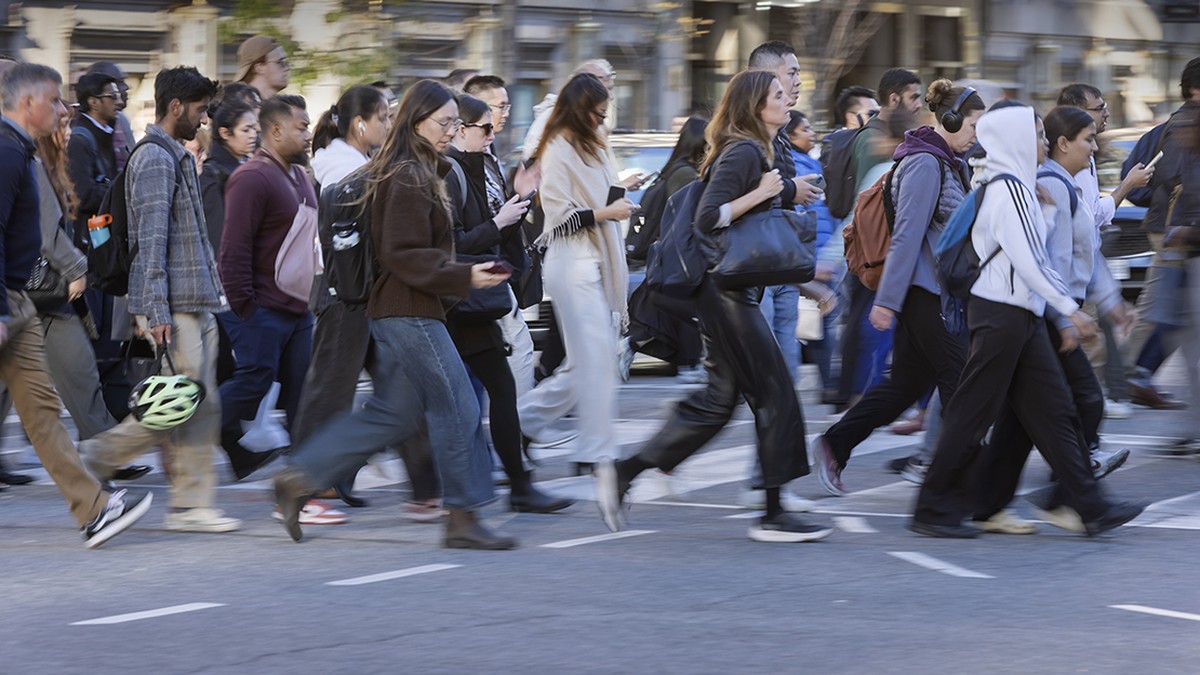 |
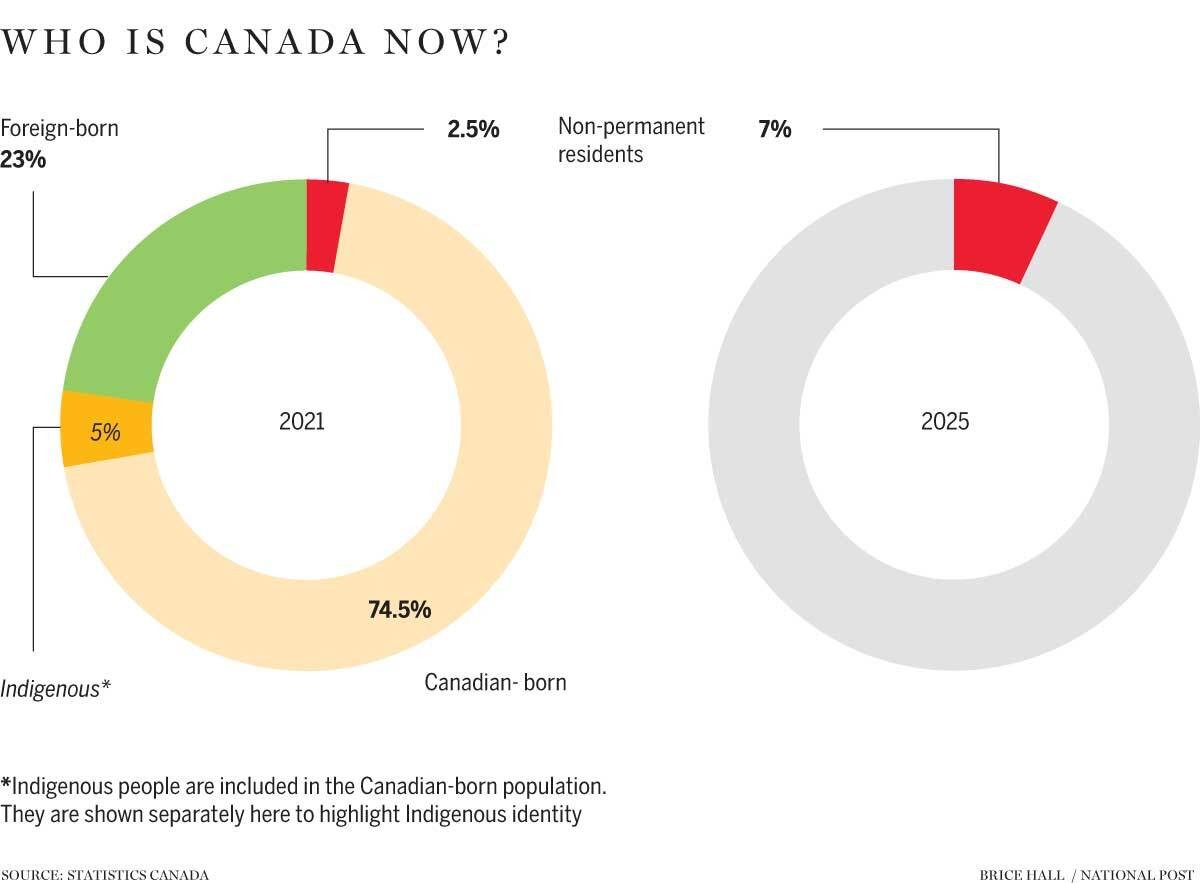
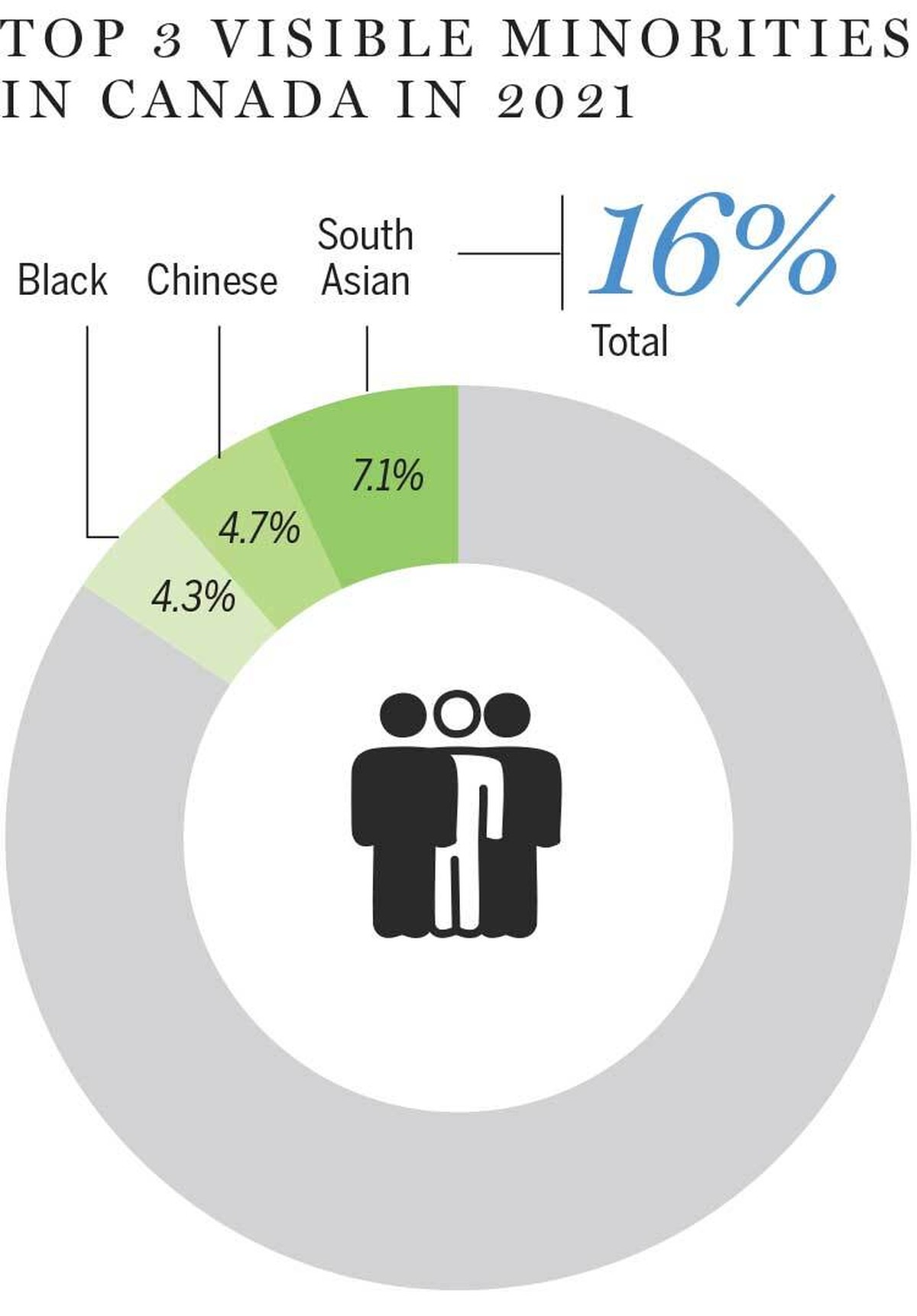
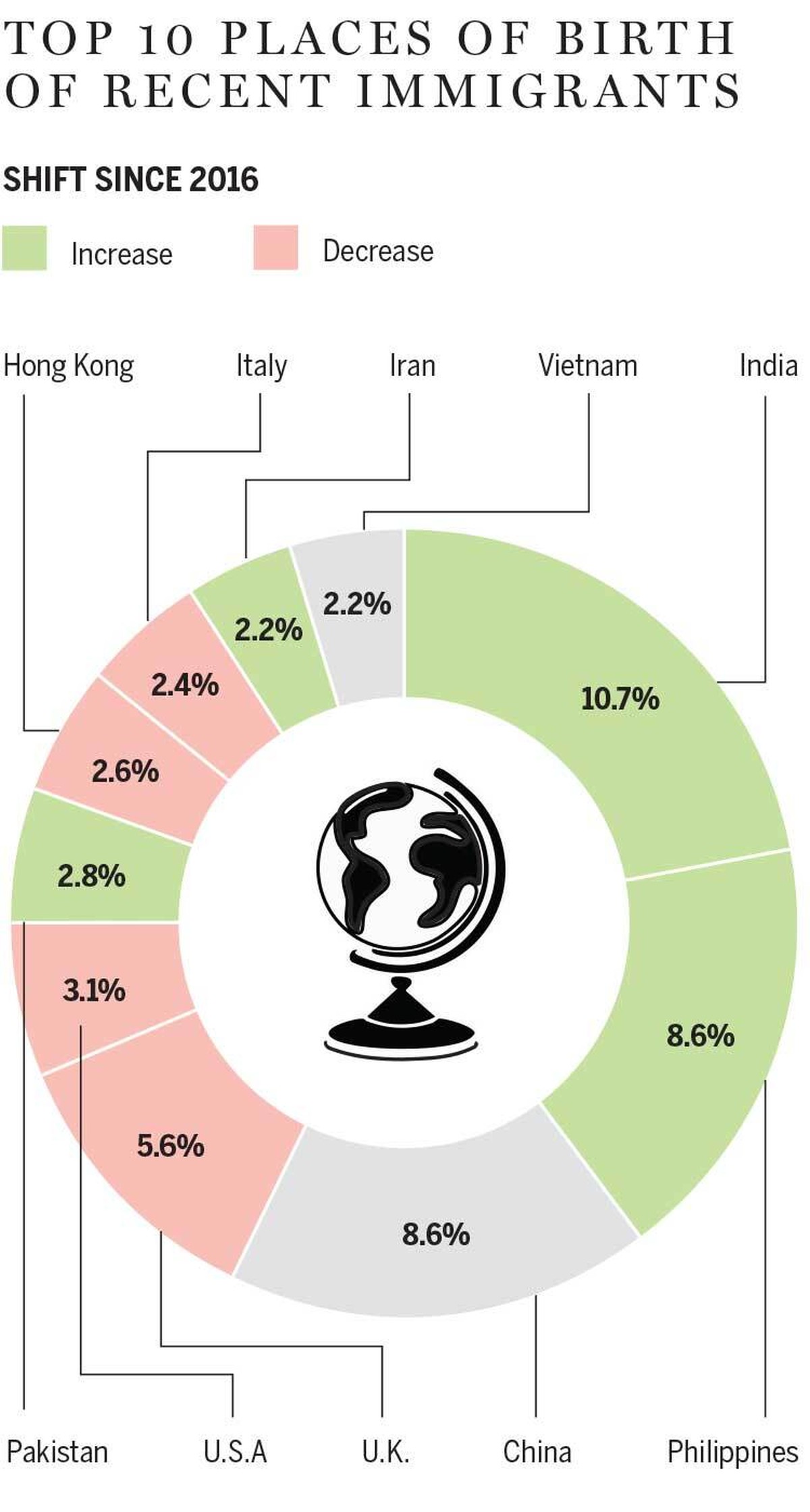
Older, 70% white, plunging fertility and lost faith: Who Canada is now, National Post |
 |
"There's been a really big decline [in the fertility rate with a record low of 1.25 births per woman in 2024, as compared to a century earlier when Canadians on average had just over three children] just in the last 15 to 18 years.""And the reason why that's important is that it took us from kind of low fertility to very, very low fertility. And the problem with very, very low fertility is that without large immigration, it leads to pretty rapid population decline and pretty rapid population aging, which changes the needs of where we put resources.""[There's more freedom in how people choose to see their lives. Younger generations, they say they want few kids... They say it's less important for them to get married than it used to be. And I think that younger people feel more uncertain about what their path is."Professor of sociology, Western University, Rachel Margolis
 |
The downside of this steady surge in population growth can be seen in Canada's universal health care system, hard pressed to provide timely and reliable health care to a growing population, with insufficient numbers of medical personnel, hospitals stressed to their coping limits and millions within the population without a primary health care provider. So too has the housing market been impacted; not enough houses and rentals to meet the demand, with rising prices for accommodation making it more difficult for young people to strike out on their own.
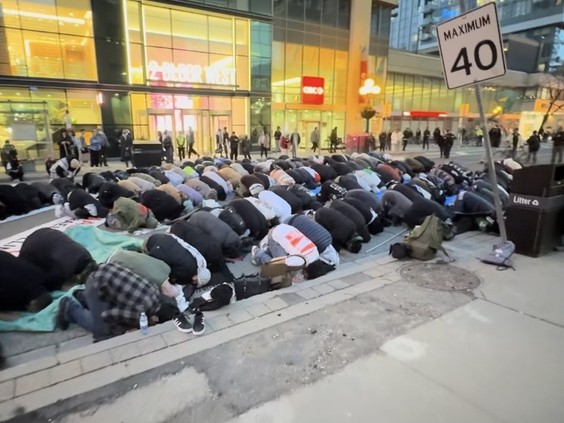
From within the large and still growing Muslim population a phenomenon of public protests against Israel and Jews has arisen, leading to an acute rise in antisemitism. Authorities at every level, while decrying rampant antisemitism have done little to uphold the law when 'pro-Palestinian' groups harass Canadian Jews, threaten their communities and vandalize Jewish businesses, synagogues and parochial schools. Mass Muslim public prayer sessions that block traffic and intersections have assaulted the Canadian social contract.
 |
The incidences of crime, youth crime, gun violence, car thefts, home break-ins has also increased, in part due to the formation of criminal gangs from within immigrant groups. The cost of living in Canada has also soared, making it difficult for many families to make ends meet. The use of Food Banks has increased exponentially, by foreign students, by economically stressed immigrant families, along with native-born in a depressed economy. Shelter use and homelessness has also been impacted by migrant groups arriving in Canada, awaiting the disposition of their claims for haven as refugees.
Labels: Canadian Population, Pricey Accommodation, Rise in Crime, Social Disequilibrium, Statistics Canada, Strained Social Welfare Access
posted by Pieface @ 8:23 PM


0 Comments:
Post a Comment
<< Home