Alcohol Over-Consumption Health Risks
Drinking excessively on an occasion can lead to these harmful health effects:
- Injuries—motor vehicle crashes, falls, drownings, and burns.
- Violence—homicide, suicide, sexual violence, and intimate partner violence.
- Alcohol poisoning—high blood alcohol levels that affect body functions like breathing and heart rate.
- Overdose—from alcohol use with other drugs, like opioids.
- Sexually transmitted infections or unplanned pregnancy—alcohol use can lead to sex without protection, which can cause these conditions.
- Miscarriage, stillbirth, or fetal alcohol spectrum disorder (FASD)—from alcohol use during pregnancy.
 |
The checklist above relates to short-term effects of drinking alcohol; by-products of alcohol consumption leading to events that can have life-altering effects in their harmfulness. But there are also the profound effects of alcohol consumption taking a toll on tipplers over time. Those effects are numerous and most people would like to avoid them if at all possible, but most people reaching for a drink at a social occasion or at home, or at a favourite pub don't really give the time of day to long-term health effect introspection at the moment they are anticipating the comforting high alcohol delivers.
Here are some of the health effects that alcohol consumption has the potential to deliver to the uninitiated whose awareness levels are absent not only in the moment but in their foreseeable future due to lack of exposure to scientific data and public awareness announcements that slip by people's notice. For starters, a brief rundown:
*Alcohol use, while immediately pleasurable, relaxing and hugely anticipated for those benefits, poses a threat associated with brain structure alterations. Middle-aged and older adults who enjoy on average a single daily drink, according to some studies, tend to have somewhat less brain volume than those who don't consume alcohol at all. The brain shrinks in volume the more alcohol is consumed. Without knowing exactly what is involved one theory held by scientists is that the brain's immune system is altered by alcohol in an increase in inflammation, damaging neurons.
**There are also alcohol-linked effects in mouth and neck where microbes convert alcohol into acetaldehyde, a compound that remains in saliva, causing oxidative stress in cells with the potential for inflammation and tissue damage. The compound is a carcinogen able to modify DNA which can then lead to cancer-causing mutation. Risk of mouth and throat cancers increases by 13 percent, and 26 percent or the risk of esophageal cancer -- on merely one drink daily. The risk of all three cancers can rise with five or more drinks daily four times higher.
 |
***Regular alcohol use is associated with higher blood pressure, along with increased risk of hypertension due to alcohol's damaging effect on cells lining blood vessels. Regularly enjoying a drink a day increases the chance of breast cancer developing by 10 percent for women while two drinks daily raises the risk by 19 percent; possibly, experts believe, caused by alcohol increasing estrogen levels.
****Heavy drinking relating to 3 or more drinks daily is associated with higher risk of heart attack and stroke -- with a few studies suggesting that one drink a day results in a modest increased risk. Mixed research results emerge with light to moderate drinking comprising two drinks or less daily. Other research however, report that moderate consumption may reduce risk, in comparison with non-drinkers.
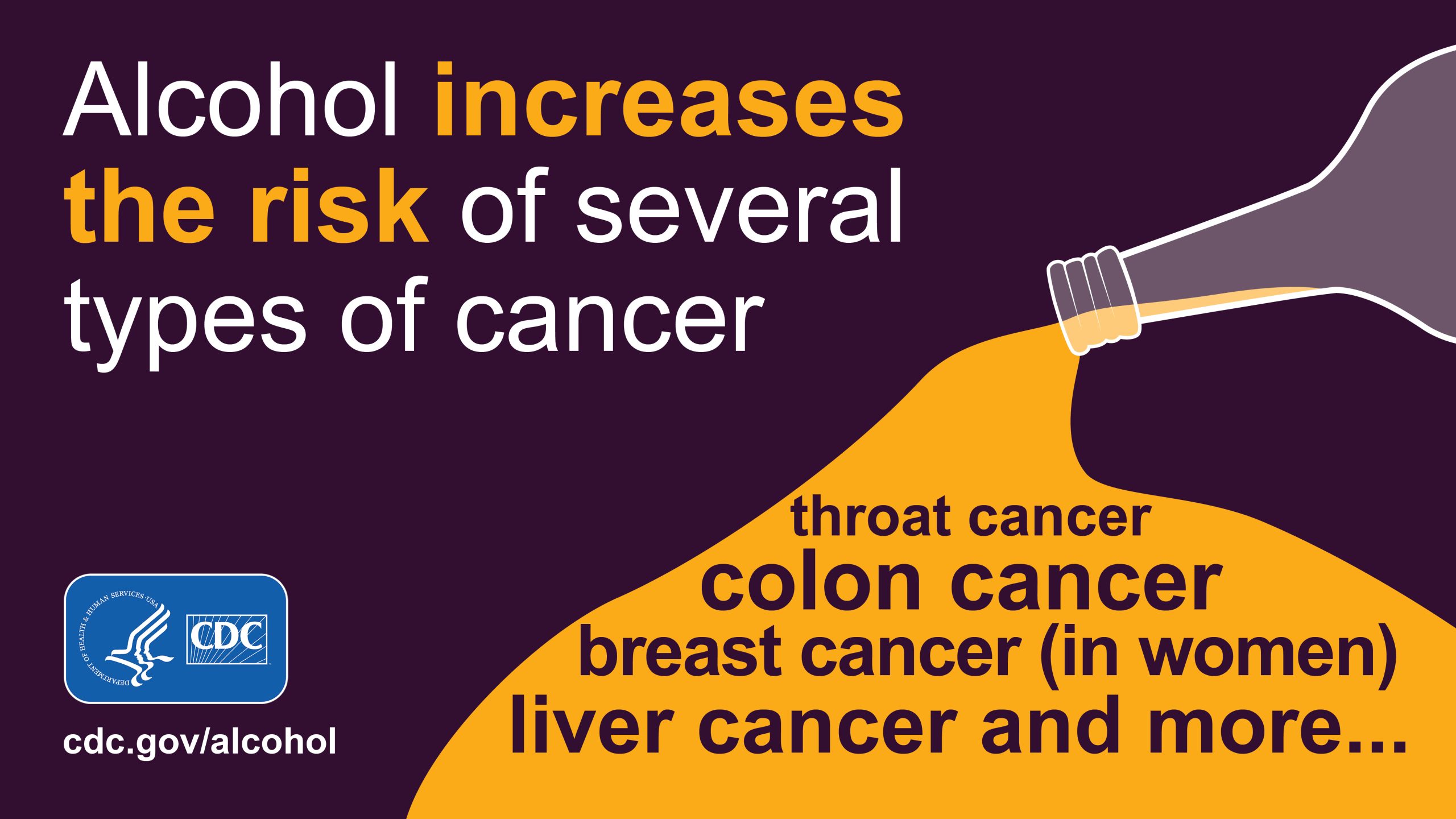 |
*****Intestinal lining leading to gastrointestinal bleeding and 'leaky gut syndrome', where food and microbes escape the intestines to enter the bloodstream is associated with long term, heavy drinking. People who consistently average two or more drinks daily, a recent study found, had a 25 percent increased risk of developing colorectal cancer in comparison with those averaging fewer than one drink per week.
******The organ most vulnerable to drinking damage is the liver where alcohol-related liver disease is the leading cause of death related to excessive alcohol consumption. Some 30 percent of those who regularly take 3 or more drinks daily according to one estimate, will develop cirrhosis. Advanced cirrhosis is permanent, although alcohol-related fat deposits, inflammation and early fibrosis in the liver can be reversed. The risk of liver cancer resulting from DNA damage is linked to heavy drinking caused by acetaldehyde.
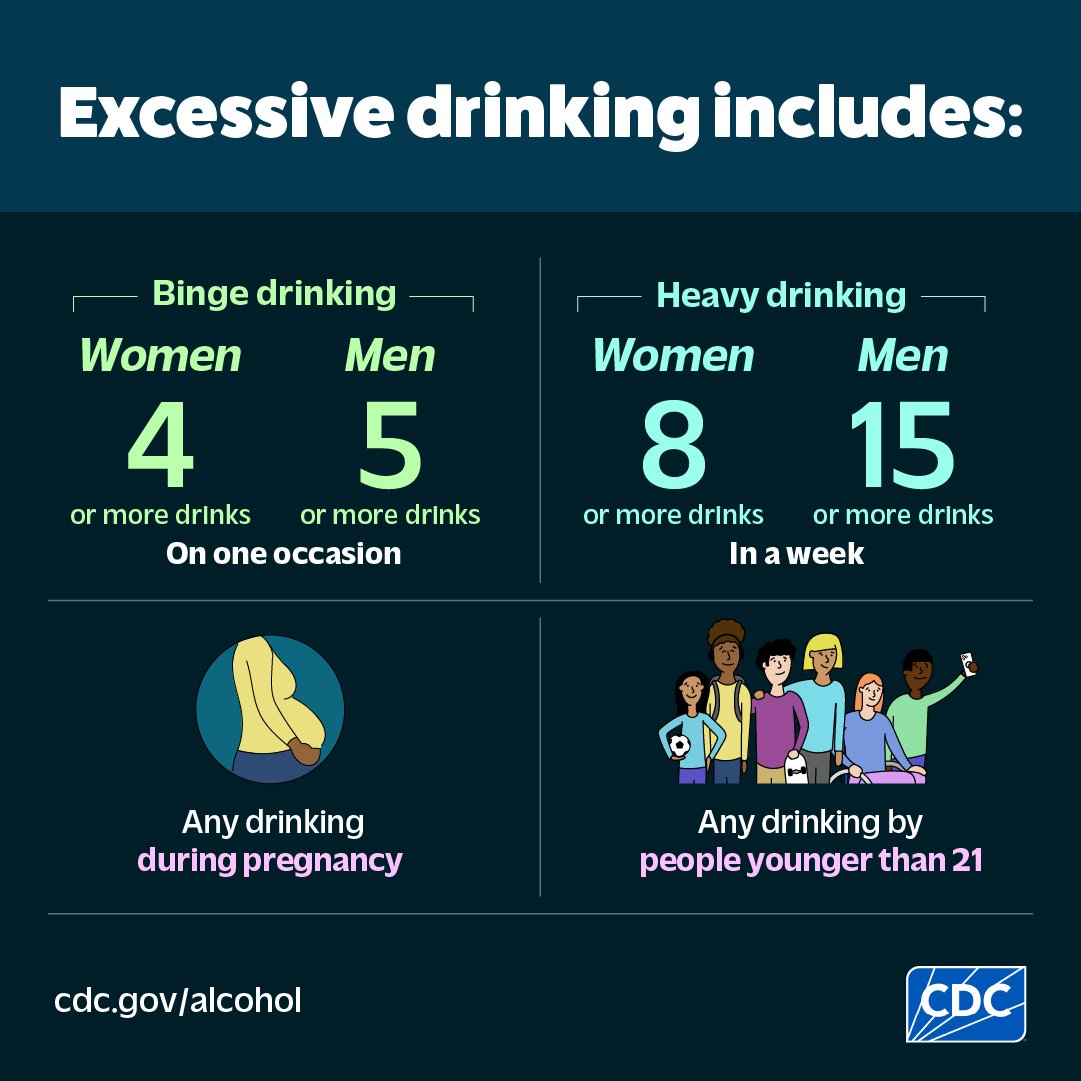
According to experts, odds of experiencing health harms from drinking remain relatively low, averaging one drink or less each day. Risks rise at eight to 14 weekly drinks. An inherited disposition through genetics, along with pre-existing conditions can determine whether someone develops serious illness from alcohol over-consumption. Research also demonstrates that if heavy drinkers stop or cut their drinking level back severely, adverse health effects can be reversed.
 |
| John Hopkins Bloomberg School of Public Health |
Labels: Alcohol Consumption in Excess, Breast Cancer, Cirrhosis of the Liver, Heart Attack/Stroke, Inflammation/Tissue Damage, Mouth/Throat/Esophagus Cancers, Shrinking Brain Volume
posted by Pieface @ 8:21 PM


0 Comments:
Post a Comment
<< Home