Managing Osteoarthritis
"The big toes on both my feet felt like rusty hinges which either didn't want to move at all, or suddenly gave way completely.""It's like walking with a sharp stone in your shoe, except it's in your knee [osteoarthritis in his hands and the base of his spine].""Sometimes it's a dull persistent discomfort or ache, other times, it's a stabbing pain so sharp you feel you might faint.""I don't go to the GP because the most they can do is offer painkillers. But my whole life is about managing pain.""The prime responsibility for my health lies with me -- and there are a load of things I can do."Tom Roberts, 72, retired secondary school teacher
 |
| Arthritis Foundation |
"It [exercise] improves nutrition and blood flow to the joint, lines up the joints, strengthens muscles, improves stability and restores function.""[Avoiding activity because of osteoarthritis pain kicks off a vicious] deconditioning cycle. [Muscles weaken, joints become less stable and the pain gets worse.]""Gels that you rub on your skin can work well and stay where you put them, on the joint, unlike oral NSAIDS which end up in the blood stream.""If you have tried all these [capsaicin, corticoid steroid injections] and can't live with the pain, you're heading into joint replacement territory."Dr. Benjamin Ellis, consultant rheumatologist, senior clinical adviser, Versus Arthritis
 |
| American College of Rheumatology |
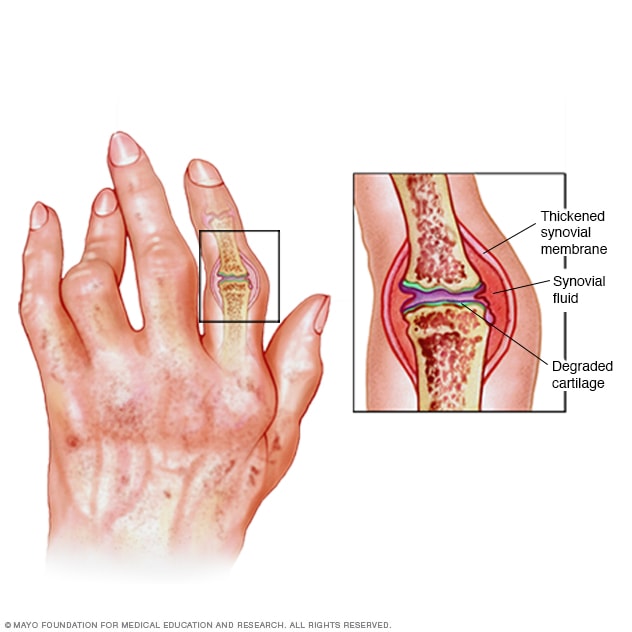
The most common form of arthritis is osteoarthritis which affects an estimated ten percent of men and 18 percent of women over 60. The condition occurs when the cartilage cushioning the ends of bones gradually deteriorates. Osteoarthritis has seen slow progress, even though in the last several decades breakthroughs in treating inflammatory arthritis (including rheumatoid) have occurred. For osteoarthritis no disease modifying treatmentss have appeared, only control of symptoms. Long-term use of painkillers has been downgraded in the latest draft of National Institute for Health and Care Excellence in favour of exercise, weight-management and behaviour change.
Evidence is now settling the question of exercise's role in aiding osteoporosis in multiple ways. "For every pound you carry, four times that amount will go to your weight-bearing joints", explains medical adviser of Arthritis Action, Wendy Holden, at North Hampshire Hospital NHS Foundation Trust in Great Britain. "If you're just 10 kg (22 lbs) overweight, that's another 40 kg (88 lbs) to bear."
Paracetamol performs no better than a placebo for osteoarthritis, according to the latest research. Strong opioids which bring with them the risk of addiction, bring more risk to the situation than benefits. According to the National Institute for Health and Care Excellence (NICE), the best option first to be considered is topical NSAIDS (non-steroidal anti-inflammatory drugs). Capsaicin is recommended by NICE; a cream using chili peppers compound to numb pain.
"Capsaicin comes up very often on our helpline and has been the most frequent question in relation to alternative therapies", director of services and influencing at Versus Arthritis, noted. "You have to really go at it, applying four times a day for three or four weeks to get the effect", said Dr. Ellis. Ibuprofen as an anti-inflammatory can help. In certain conditions weak opioids like codeine can be a help. Corticoid steroid injections can bring relief for two to three months, particularly for pain on hip joints.
Recommendations include soaking in a hot bath, applying packs heated in the microwave or cooled in the freezer to help joint pain. They work better, in fact than do expensive sprays which have a tendency to remain on the skin, not reaching the muscle beneath. "It's finding what gives you symptom relief. Ice can be numbing, heat can help muscles soften and relax", added Dr. Ellis.
A University of Manchester study looked at the impact of weather on long-term pain conditions, in particular arthritis, discovering that bad weather days (humid, low pressure, windy) are 20 percent more likely to coincide with an increase in pain. People with osteoarthritis were particularly sensitive to humidity. Expert advice now is to follow a balanced Mediterranean style diet. Oily fish consumption can reduce disease activity for those with inflammatory arthritis, while the evidence for osteoarthritis is less convincing.
Supplements that have gained popularity such as turmeric as an anti-inflammatory, magnesium for bone health, fish oil and vitamin D. Even though most rheumatologists mention scant proof of benefits.
Arthritis 'fatigue' is found by many sufferers to be more difficult to live with. The LIFT study found that regular cognitive behavioural therapy significantly improved fatigue, mental health and sleep patterns. People keep a daily diary of thoughts, feelings and behaviours to formulate how they might plan better and prioritize while having regular rest breaks and learning to manage stress triggers.
"LIFT focused on people with inflammatory arthritis but it seems likely that cognitive behavioural therapy would help people with osteoarthritis too" adds Dr. Ellis.
Exercise can help you improve your health and fitness without hurting your joints. With your current treatment program, exercise can:
Mayo Clinic
- Strengthen the muscles around your joints
- Help you maintain bone strength
- Give you more energy to get through the day
- Make it easier to get a good night's sleep
- Help you control your weight
- Enhance your quality of life
- Improve your balance
 |
Exercise: Rx for overcoming osteoarthritis Harvard Health Publishing |
Labels: Inflammatory Arthritis, Osteoarthritis Rheumatoid Arthritis, Pain Management, Research
posted by Pieface @ 8:02 PM
0 comments