Russia, Diving Nuclearshod Over Its Arctic Neighbours
"Russia is determined to control access, setting the terms for exploiting regional shipping and resources. It wants to extend command over stretches of Arctic water, with little justification under international law.""If Canada wants stronger maritime security -- as the Canadian Coast Guard's transfer to the Department of National Defence last September suggests -- it must grasp Russia's Arctic plans and the long-term persistent threat they pose."Alexander Dalziel, Macdonald-Laurier InstituteSergey Sukhankin Jamestown Foundation
Canada has for too long neglected its share of the Arctic against the predatory plans of Moscow which has made no secret of its determination to extend its recognized territorial claims by rebuilding its old semi-abandoned bases, investing in nuclear-powered ice-breakers, strengthening its air capabilities in its long-range plans of controlling shipping lanes, and harvesting minerals and oil in their oceanic fastness.
The provocative act of planting its titanium Russian flag on the Arctic seabed in 2007 was a signal of its entitled 'ownership' of an extended, contested area alerting placeholders, Canada, United States, Denmark and Norway that their own long-acknowledged territory at sea can no longer be taken for granted.
Securing and safeguarding the Arctic was a major topic for discussion, along with strengthening maritime security in the Arctic and North Atlantic oceans during the recent NATO summit in Turkey. Russian President Vladimir Putin's territorial ambitions focused the discussion on setting global terms for regional exploitation of the undersea resources, and the associated need to agree on how best to ensure maritime security in the face of a national leader unconcerned with international law.
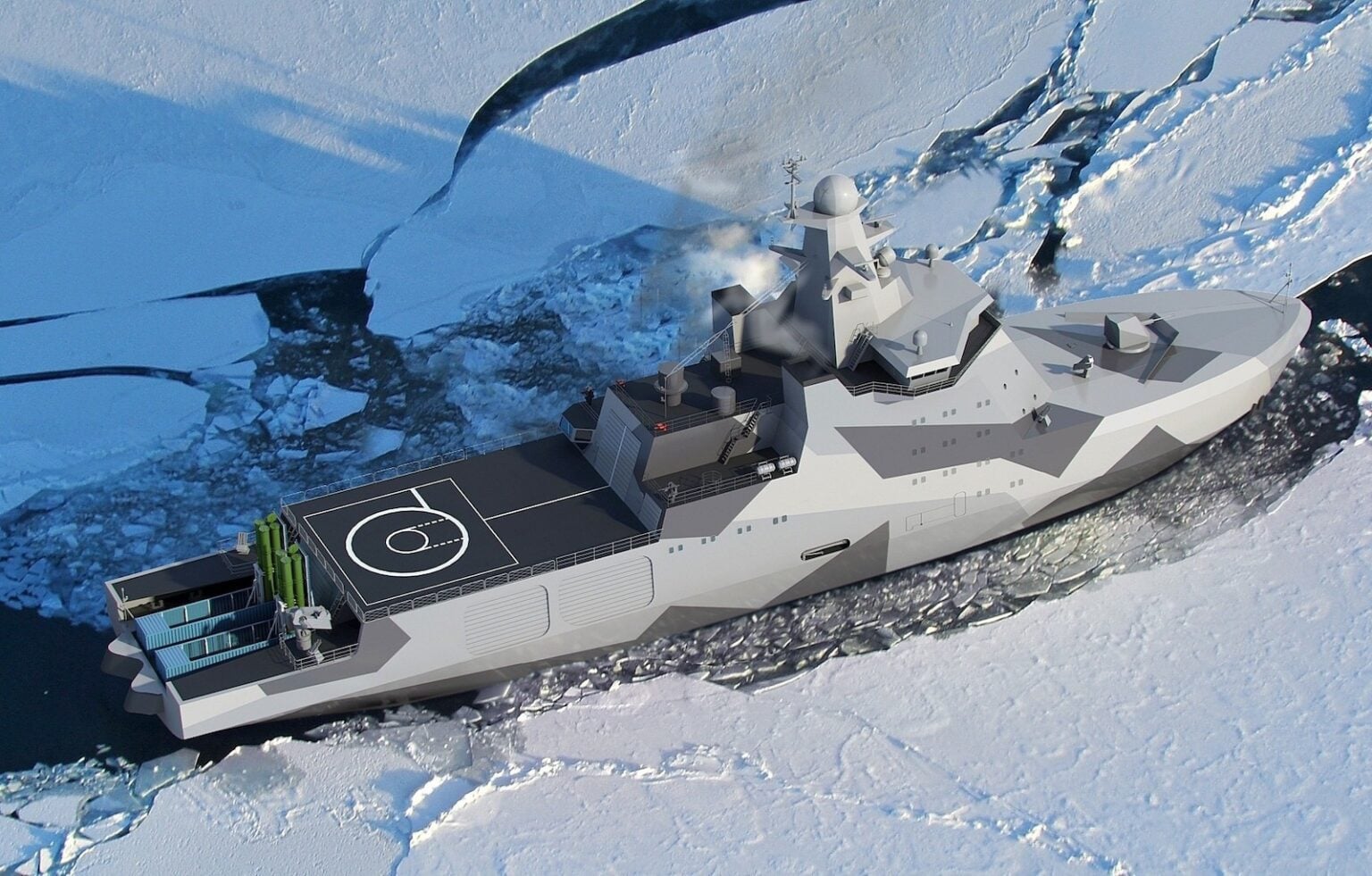 |
| Ivan Papanin was laid down in 2017 and is expected to join Russia’s Northern Fleet by the end of 2024. Two additional vessels of the type are under construction for the naval units of the country’s border patrol. gCaptain |
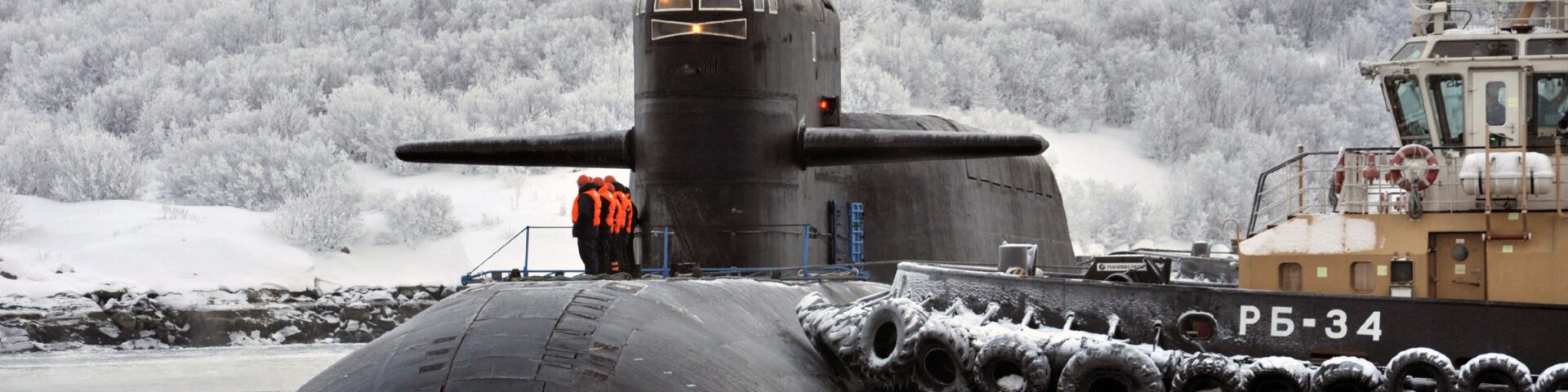
Russia makes no secret of its intention to resort to military means with its formidable nuclear submarines in play and its paramilitary Russian Coast Guard prepared to control access to the Northern Sea Route, north of Russia, bordering on U.S. territory in the east, Norway in the west. Russia's focus is the promotion of year-round shipping through the Arctic. Its investment in ice-class liquefied natural gas carriers illustrate its regional power assertion.
Norwegian and European authorities sanctioned Russian fishing industries on suspicion of espionage and infrastructure sabotage. The Russian proposed "Transarctic Transport Corridor" to connect southern industrial centres and Siberian resource projects to foreign markets through the Northern Sea Route is a marked concern, while offshore drilling and underwater mining are seen as insurance against dwindling land resources.
While Russia polishes its credentials as the only serious player in the Arctic, entitling it to expand its boundaries and without consultation with the other Arctic nations set standards running loops around its Arctic neighbours, its state media invested in propaganda elevating Russian plans, express contempt for Canadian, American or Danish development plans in the North American Arctic, marking them with a hostile purpose, a potential "bridgehead" with which to threaten Russia; its own three-decade military presence aside.
 |
| Three Russian nuclear icebreakers in the Arctic. (Source: Atomflot) |
"The Arctic is central to Russia's deepening partnership with China and its broader authoritarian agenda. Moscow is courting Chinese investment while giving Beijing access denied by Arctic democracies.""China is using Arctic waters to diversify its export routes while gaining experience operating in the region.""The Canadian Security Intelligence Service says that both countries are increasing their espionage activities."Alexander Dalziel/Sergey Sukhankin
Labels: Arctic Resources, Arctic Sea Routes, Canada, Denmark, Norway, Russian/Chinese Arctic Alliance, Security, United States, Vladimir Putin's Ambitions
posted by Pieface @ 8:08 PM
0 comments