Boredom in Kuwait Equals Dog Abandonment -- Mission Wings of Love Kuwait
"I had a flight attendant friend who rescues cats, and her and I were in a jump seat and got to talking. I said, 'Oh, I know, I see so many dogs', and she said, 'If you're not doing anything on your layover, come with me and meet some of these women'.""The kennels are horrible. [Often owners] literally take these dogs out in the middle of the street, tie them to a tree, and walk away."Patricia Riska, flight attendant, Baltimore
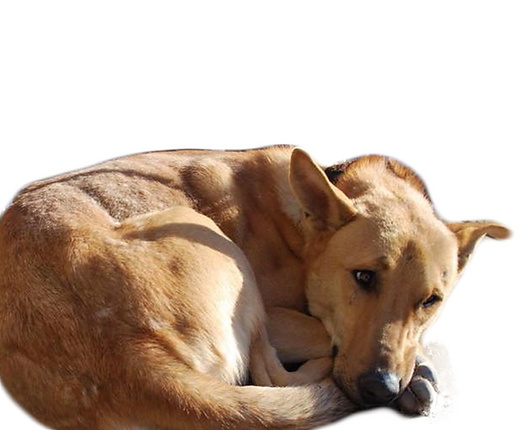
Wings of Love Kuwait "It's not uncommon to see these exotic designer dogs that are just tossed out. There's a whole culture of [seeing] dogs as being dispensable, a thing.""He [Chance, found with over 100 BB pellets lodged in his body, and missing a paw] was probably chained to something and we think he chewed off his paw to get away.""They ['desert dogs'] have that long, lean look, and the curly tail. They're tough dogs, and they tend to be very bright.""They're viewed as being just stray dogs in Kuwait, and here they look exotic."Jennifer Yoon, co-founder, vice-president, Wings of Love

 |
| Wings of Love Kuwait |
Wings of Love Kuwait is a charity founded by two women who saw an opportunity to rescue discarded dogs of all breeds by a society that obviously views these intelligent and affectionately loyal creatures as mere playthings, to be owned for a while, then discarded. Baltimore flight attendant Patricia Riska, during her regular layovers in Kuwait City had noted the presence of a multitude of dogs in the city's streets. Hungry, lost and frightened -- passers-by, obviously inured to their presence and disinterested in their welfare -- would simply walk by ignoring them, sometimes kicking them out of the way.
By chance a conversation she had with another flight attendant led her to a group of women in Kuwait who were doing what they could to help stray dogs and cats. Though pet cafes and pet shops have proliferated in the last decade in Kuwait as numbers of pet dogs rose, there was also a "sudden explosion of dogs on the streets -- visible in the mornings and late evenings scavenging for food", as described in an article that appeared in the English-language daily Kuwait Times.
The situation is redolent of a culture of wealth where people have surplus discretionary funds in spades, and are attracted to prestigious new social acquisitions, and in Kuwait that would be the acquisition and ownership of costly purebred dogs of all descriptions, ordered from breeders abroad. Once the animals arrive from Europe they're brought into a Kuwaiti home, maintained for a year and then set loose to fend for themselves as best they can.
 |
| Wings of Love Kuwait |
There doesn't appear to be an outcry from within the community damning this brutal abandonment of dependent animals. Many of whom are incapable of fending for themselves and starve to death, or are injured as a result of mistreatment from people or attacks by other dogs, or exhaustion from the summer heat that can ratchet up to 54C. The dogs can be seen around markets, nothing but skin and bones and the resolve to somehow go on living.
Urged by her conscience, Patricia Riska began bringing one or two dogs at a time back with her on the 14-hour trip to the U.S. and her home state of Maryland. A friend in Houston adopted the first dog she returned with, which encouraged her to return with another and then another. Finally, she and Jennifer Yoon formed their rescue operation, a non-profit, and from that time forward, kept bringing dogs into the U.S. from Kuwait. In the years since the founding of their rescue in 2015, they brought 535 dogs of various breeds for adoption in the U.S.
 |
| Wings of Love Kuwait |
They worked with a woman in Kuwait committed to rescuing dogs from the streets and sheltering them on her farm. Most of the rescues have found homes in Baltimore and area; some in Washington, D.C., and in Virginia. Baltimore has been accustomed to seeing rescued pit bulls looking for homes. The purebred Yorkies and Maltese, Labrador or German shepherd mixes and the Saluki-type dogs have become popular adoptees in Baltimore. After Dubai and Kuwait, Maryland is the third location with the largest population of "Arabian village dogs", according to DNA tests on Embark, a genetic profiling company for dogs.
The adoption fee is $500 meant to cover expenses, and those interested in adopting are vetted, then matched with dogs that appear a good fit. Adopters must be prepared to spend a week or two with the dog of their choice before formal adoption is completed, to ensure they are a good match. The all-volunteer organization offsets costs through fund-raising and operates on a yearly budge of $100,000. The group now brings in rescue dogs from Lebanon as well as Kuwait.
/arc-anglerfish-arc2-prod-tronc.s3.amazonaws.com/public/34UEAY3SGZE6NJR6MYIDOPHUKQ.jpg) |
| Saleh at the dog shelter in Lebanon. (Courtesy Photo / Youssef Saleh) |
Labels: Animal Rescue, Baltimore, Kuwait, Lebanon, U.S.A. Dog Abandonment
posted by Pieface @ 7:09 PM
0 comments