Ruminations

Blog dedicated primarily to randomly selected news items; comments reflecting personal perceptions

Sunday, October 04, 2026

U.S. Supreme Court-Sanctioned Murder

"The case of Christa Pike lays bare multiple reasons why the death penalty should be abolished."
"The prolonged suffering -- physical and mental -- arising from multiple failed execution attempts is abhorrent and cruel."
"And there are key fair trial questions still unresolved." 
UN rights chief Volker Turk
 
"Pike appeared notably awake as the execution began [at Riverbend Maximum Security Institution]."
"A couple of times she looked around the room. At one point she looked toward prison officials and asked if it was supposed to feel that way."
"[She was] loudly snoring, clearly very much alive [as the journalists were ushered out of the area]." 
Kim Chandler, journalist media witness, The Associated Press 
 
"Apparently at no point did any member of the execution team realize that the IV lines were not correctly placed or that the veins had blown and that the pentobarbital was, in whole or in part, entering Ms Pike’s body."
"[Rather than] remedying this failure, [the execution team proceeded to prepare and administer a backup set of pentobarbital syringes]."
"[She is now] critically ill and … receiving medical care for the devastating effects of Wednesday night's events."
"We are working close with those closest to Christa to respect her wishes, safeguard her privacy and protect her rights as a patient during this extraordinarily difficult time. We ask that the public and the media respect that privacy as well."
"Preserving this evidence is essential to understanding what happened, ensuring accountability and protecting Christa’s legal rights."
Christa Pike's attorneys  
https://i.abcnewsfe.com/a/06ff57f6-0f26-4416-916e-294540212082/Christa-Pike-2-ap-gmh-261003_1791047245169_hpMain.jpg?w=750
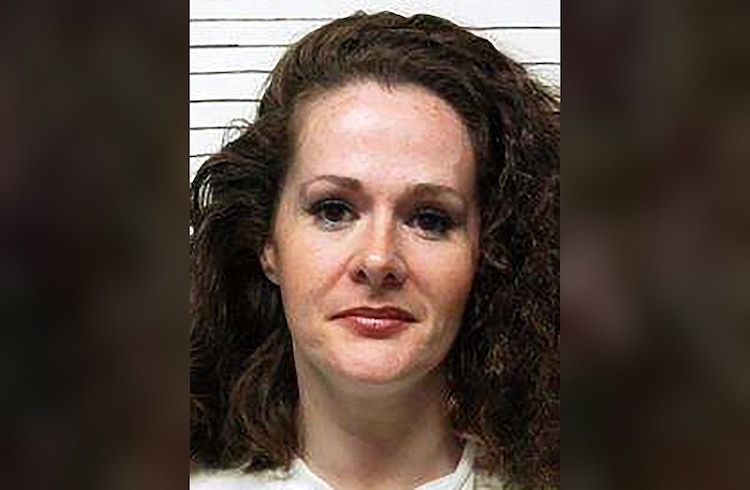
Undated photo of Christa Pike provided by the Tennessee Department of Correction.
Tennessee Department of Correction via AP
 
In Tennessee this past Wednesday, 50-year-old Christa Pike, who has been on death row for 30 years after being convicted at age 20 of murdering a 19-year-old girlfriend whom she accused of trying to steal her boyfriend's affections, was given two lethal injections in the state's follow-through of capital punishment, both of which failed. The woman somehow managed to survive the two deadly doses of pentobarbital, but barely. She was comatose, unresponsive and clearly close to death, but not yet expired.
 
"This event is the worst we've seen and unlike any other botched execution in the modern era", stated the executive director of the Death Penalty Information Centre. "There is no precedent", said Robin Maher. Days after the horrendous malfunction, The Tennessee Department of Correction Commissioner announced his decision to resign.

In 1995, when the murder took place at a job training camp in Knoxville Tennessee, then-20-year-old Pike had been sentenced to death for the killing of 19-year-old Colleen Slemmer. Pike's boyfriend, Tadarvl Shipp, was also involved in the murder. During that time, Pike had been diagnosed with bipolar disorder and post-traumatic stress disorder. "It took me numerous years to even realize the gravity of what I’d done. Even more to accept how many lives I affected. I took the life of someone’s child, sister, friend. It sickens me now to think I had the ability to commit such a crime", she said in a later petition for clemency.

The Tennessee Department of Corrections must be living in the Dark Ages. In this century, individuals who have committed grave crimes of murder who are found to be bipolar and suffering from mental health crises to which their psychosis is attached, are considered to be 'not criminally responsible'. Even if she had been, at age 20 considered fully mentally intact and responsible for the horror of murdering another person, a prison term of 30 years, with a death sentence attached to it must be considered cruel and unusual punishment. Mass murderers get away with less.
 
The woman's lawyers had argued against the execution, and despite their intervention, the barbaric ritual proceeded. What it resulted in was "difficult vein access, blown veins, degraded pentobarbital, no emergency medical care available when things inevitably go wrong, all under a protocol that remains veiled in secrecy". In the 21st Century. In the United States of America.
 
During the procedure, assembled witnesses watched in fascinated horror as the woman was prepared for death, as the attendants proceeded to inject the fatal chemical, and ... nothing happened. And so they tried again, re-preparing the syringes to inject more of the lethal pentobarbital ... and again the expectation that the prisoner condemned to death would cooperate and expire ... but she did not. "We just listened ... to her snoring and making very loud breathing sounds for almost an hour", related Catherine Sweeney of WPLN television. 
 
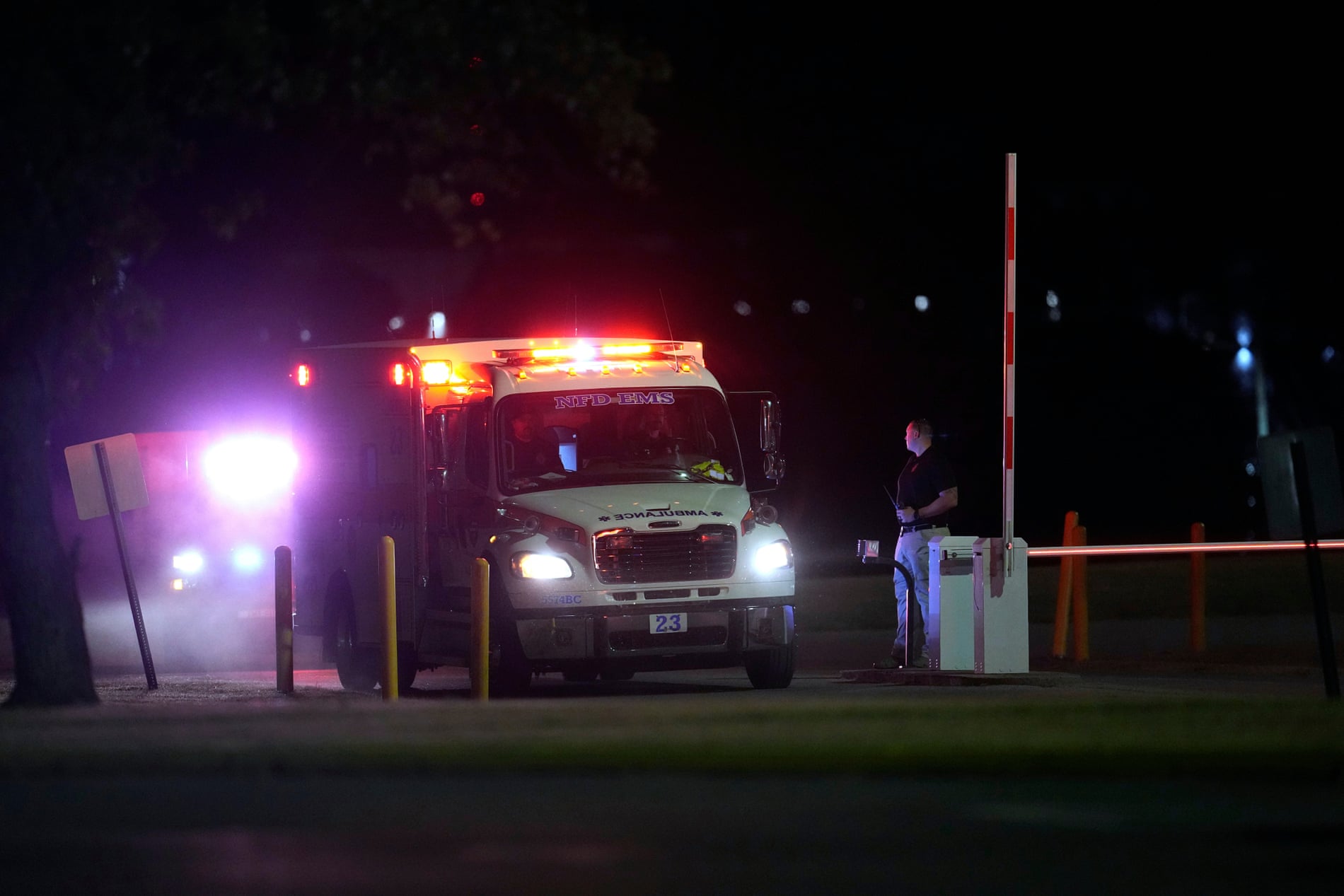
Then, as the witness-journalists were ushered out, an ambulance, lights flashing, left the prison. According to the Tennessee Department of Correction it had "followed every step of the state's lawful, established execution protocol", that the newly-incapacitated Christa Pike, after languishing for 30 years in the state penal system, had been taken to an "off-site medical facility". 
 
The U.S. Supreme Court had actually and truly cleared the way forward for the State of Tennessee to proceed with its intended capital punishment in the wake of legal filings by Ms. Pike's law team. Her lawyers stated: "The resignation of Commissioner Strada is justified, but it does nothing to help Christa now. What happened to her Wednesday reflects a systemic failure that goes far beyond any one person. We hope the Governor's call for a full, independent review will expose the profound problems within Tennessee's entire death penalty system." 
 
https://i.guim.co.uk/img/media/90ab3032593e4cd509264910a5798d745efc3dc1/0_0_8640_5760/master/8640.jpg?width=1900&dpr=1&s=none&crop=none
Emergency vehicles arrive at Riverbend Maximum Security Institution after the execution of Christa Pike was halted Wednesday, Sept. 30, 2026, in Nashville, Tennessee. Photograph: George Walker IV/AP


Labels: , , , ,

Sunday, July 26, 2026

Iran on a Repressive Execution Tear

https://gdb.rferl.org/868A86FE-AD64-42F4-8B33-CBAEF0D3489F_cx6_cy7_cw87_w1023_r1_s.jpg
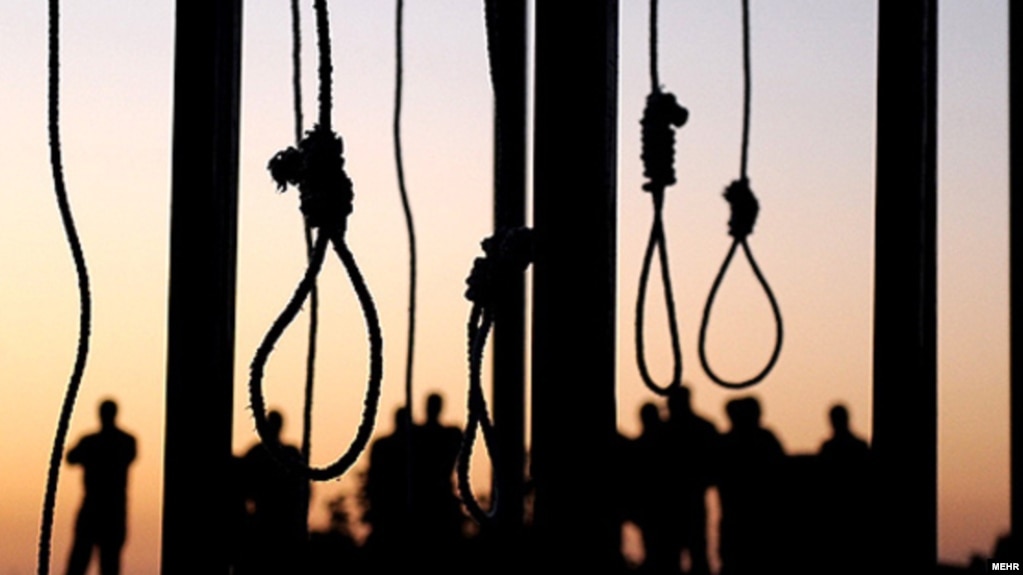
Rights groups condemned the latest executions and warned that they could signal a wider crackdown on protesters facing death sentences. (file photo, MEHR)
 
 
"With the breakdown of the ceasefire and the resumption of the war, we are deeply concerned that the authorities will exploit the situation to intensify the execution of political prisoners."
"The international community -- and the European Union in particular -- must make an immediate moratorium on executions a central issue."
Mahmood Amiry-Moghaddam, director, Iran Human Rights NGO (IHR) 
"Hundreds of political prisoners and protesters are currently facing capital charges", with around 100 already sentenced to death, warns the Iran Human Rights NGO. Over 70 people await the gallows in the central city of Isfahan. Iran's "Killing machine" must be a central issue for dialogue with the Islamic Republic, the IHR has repeatedly stressed.
 
https://i.iranintl.com/images/rdk9umy0/production/c6d1c0e0cc15f78a588c9a4af76847c3d560c77f-670x483.png?rect=13,0,644,483&w=768&h=576&q=58&fit=max&auto=format
Iran executed Erfan Esfandiari, reportedly 18, and Gol Mohammad Mohammadi, a 23-year-old Afghan national, on July 19. Iranian authorities accused them of involvement in the deaths of four members of the security forces.  IHR
 
Vahid Baniamerian, 34, and a physics academic, was sentenced to death, included with sentences issued to five other defendants charged with membership in the Iran-outlawed People's Mujahedin (MEK) organization. He and the five others have been hanged, their families only discovering their execution when it was reported by Iranian state media reports.
 
Dozens of Iranians identified as political prisoners by rights groups, are political prisoners that have been executed since the U.S.-Israel aerial bombardment of Iran began. They represent Iranian protesters against the regime, as well as people accused of being members of banned groups, along with others who have been convicted on charges of spying. 
 
https://i.iranintl.com/images/rdk9umy0/production/4167aa690c8c3891bee77ad1c049cea1eceeb474-1000x668.jpg?rect=0,1,1000,667&w=768&h=512&q=58&fit=max&auto=format
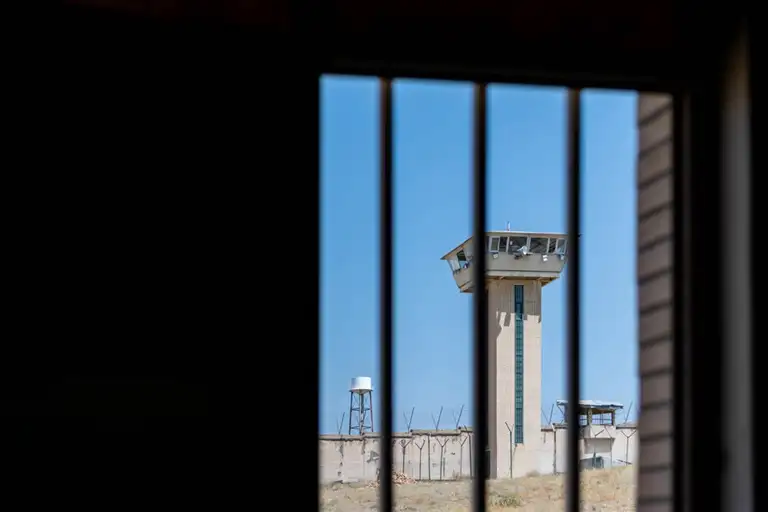
File photo by ISNA shows Rajaeishahr Prison west of Tehran
 
Since the earliest days of the war which came to a halt in March, Iran has committed to increasing executions, interpreted by activists as a scheme to instill fear within Iranian society, with a view to preventing mass protests that shook the regime's leadership last year, from recommencing. The rupture of the on-again-off-again ceasefire has rights groups fearing that executions will continue to be expedited as another intimidation tactic to ensure silence prevails within the fearful populace.
 
According to Iranian authorities, the convicted are guilty of having carried out deadly attacks against security forces, or having targeted public buildings. Rights groups respond by charging that those arrested and confined in Iran's prisons were tortured and convicted in fast-tracked trials.  
 
So far this year according to IHR, over 400 people have been executed, even as the bulk of capital punishment strikes at those hanged on drug-related or murder charges. Inmates at Ghezel Hesar prison outside Tehran, in nearby Karaj, staged a sit-in protest in the wake of fellow prisoners taken to solitary confinement preparatory to hanging on drug charges.  
"These are prisoners who committed errors simply to afford the basic necessities of life, and they deeply regret their actions."
"Where else in the world is a human life taken for a first mistake?"
Prisoner statement 
Over 2,150 Iranians were put to death in Iran in 2025. Identifying it as one of the world's most prolific executioners, second only to China.  
 
https://gdb.rferl.org/a95856d3-f970-4bfe-86e5-c2407da973af_w1023_r1_s.jpg
Radio Free Europe / AFP


Labels: , , , , , ,

Sunday, November 27, 2022

Capital Punishment in Saudi Arabia -- Decapitation

"Over the last two weeks executions have been taking place almost daily in Saudi Arabia after the authorities ended a 21-month unofficial moratorium on the use of the death penalty for drug-related offences."
"Those executed to date are four Syrians, three Pakistanis, three Jordanians, and seven Saudis."
"[These executions are] deeply regrettable."
Elizabeth Throssell, spokesperson, UN human rights

"While all eyes are on the football, Saudi Arabia is carrying out a horrifying execution spree, killing people like Hussein, an innocent man who was tortured by Saudi police to 'confess'."
Maya Foa, director, Reprieve human rights organization
Hands on rusty cage bars. © Getty Images.

“Saudi Arabia’s mass execution of 81 men this weekend [March 2022] was a brutal show of its autocratic rule, and a justice system that puts the fairness of their trials and sentencing into serious doubt.” 
“The shocking callousness of their treatment is compounded by the fact that many families found out about their loved ones’ deaths just like the rest of us, after the fact and through the media.”
Michael Page, deputy Middle East director, Human Rights Watch
Despite promising to stop using the death penalty for punishment of non-violent crimes Saudi Arabia now stands accused of carrying out executions almost daily in the past two weeks. Seventeen men were executed in Saudi Arabia since November 10 for drug and contraband offences, the latest three executions carried out on Monday, according to a UN human rights spokesperson.

Most executions of the total of 144 executions carried out in 2022 believed to be beheadings although circumstances surrounding such executions are "often surrounded in secrecy". Exact numbers of people incarcerated on death row in Saudi Arabia is unclear. Only execution numbers can be verified, according to the commissions' Elizabeth Throssell, at a Geneva press briefing.

She addressed the specific case of Hussein Abu al-Kheir, a 57-year-[old father of eight who "may be at risk of imminent execution", the UN believes. Amphetamine drugs were planted in al-Kheir's car while parked outside his home in Jordan, according to human rights groups. He was forced to confess to drug=related charges, under torture.
 
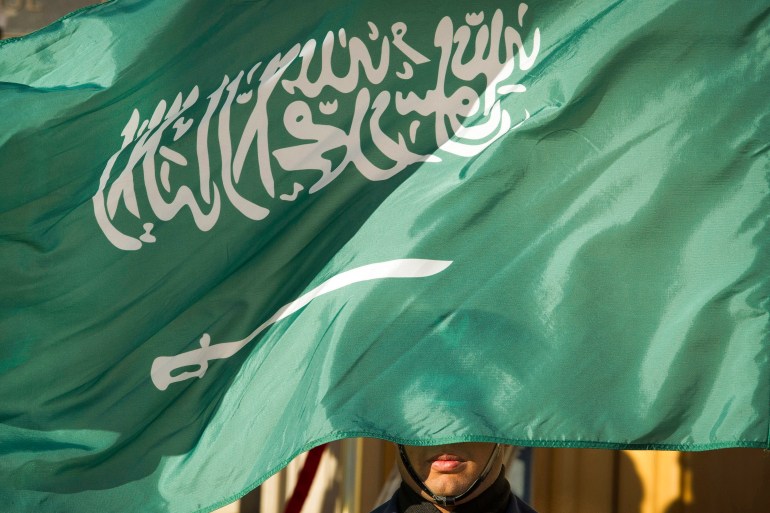
An honor guard member is covered by the flag of Saudi Arabia, in Washington
The number dwarfed the 67 executions reported in the kingdom in 2021 and the 27 in 2020 [File: Cliff Owen/AP Photo]
The capital Riyadh obscured by morning mist
 

Labels: , ,

 
()() Follow @rheytah Tweet