Breakthrough COVID Infections in Vaccinated
"Vaccines may slow spread -- yes. But many policies across [the] U.S. and elsewhere assume vaccines totally prevent spread.""This leads to outbreaks among vax'd -- which ultimately erodes trust in the whole vaccine effort unless the expectations are set properly."Michael Mina, epidemiologist, Harvard University"In a lot of cases there may be a vast, historical context behind all these feelings and reasoning.""When we look at the risks that come with being infected, all the data say getting vaccinated is your safest way to combating the virus. I think it's tough to argue right now at all against vaccination.""We can't think of all of these people [the vaccine hesitant or reluctant] as being people who just read something on the Internet and they haven't decided the virus isn't real.""We don't have that one specific marker that says, 'OK, you have X amount of this antibody so that gives you Y amount of years or months of protection'."Jason Kindrachuk, virologist, University of Manitoba
What we don't want people to say is: 'All right, I should go out and get infected, I should have an infection party'.""Because somebody could die."Michael Nussenzweig, immunologist, Rockefeller University
 |
A Jerusalem health care worker prepares a dose of the Pfizer-BioNTech vaccine designed to prevent COVID-19. AHMAD GHARABLI/AFP via Getty Images |
The most recent issue of the New England Journal of Medicine published a large new study out of Israel with the finding that while the Pfizer vaccine increases heart inflammation risk [three events per 100,000 vaccinated population], among people infected with the SARS-C0V-2 virus the risk becomes several-fold higher [11 cases per 100,000]. COVID infection as well was associated with a substantially increased risk of acquiring conditions or experiencing serious health impacts such as heart attack, blood clots and bleeding within the skull or brain.
Immunity, including protection against a breakthrough infection with Delta lasts longer following a natural infection as compared to immunity conferred by two doses of Pfizer, according to a preprint paper recently published, though no one is prepared to recommend COVID parties where groups of people gathering for the specific purpose of inviting infection to acquire a more robust immunity could conceivably lead to serious consequences, including death for some among the ill-informed and impetuous.
The coronavirus has had ample time to move within the global population where it continues to mutate and produce variants of concern, some acquiring increased transmission properties. Meanwhile, a study published by the U.S. Centers for Disease Control this week, established that the effectivenss of mRNA vaccines such as Pfizer and Moderna decreased from 91 prcent to 66 percent in front line workers, once the Delta strain became dominant. Leading the CDC to advise that the trend should be interpreted with caution.
 |
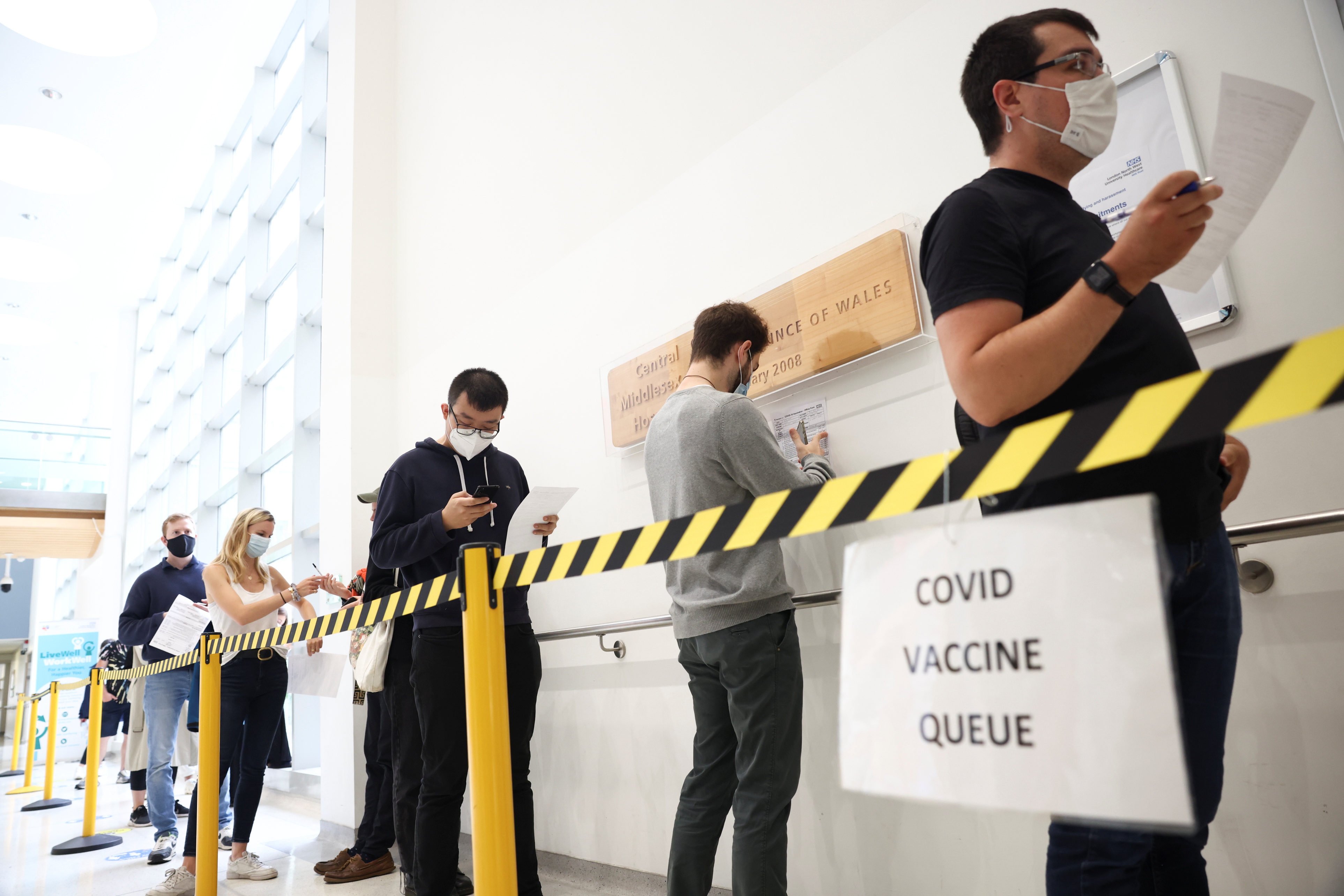
| People line up outside Canada Place for their COVID-19 vaccination in Vancouver in late June. Data shows 'breakthrough infections' after full vaccination aren't common, and experts say that means vaccines are doing their job. (Ben Nelms/CBC) |
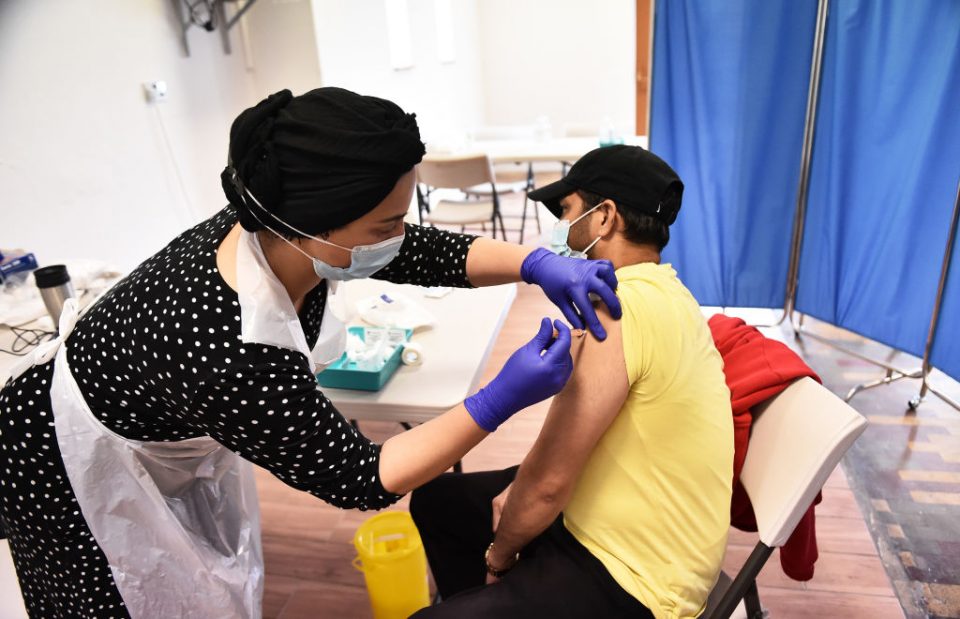
"As time since vaccination increases", says the CDC, protection too might be declining. Vaccines on the other hand, remain effective controls against serious health outcomes such as hospitalization and death. At the same time, ongoing reports of diminished immunity and breakthrough infections are hugely worrying, becoming the driver for debate over enhancing protection against the virus through the expedient of a third, booster dose of vaccine.
Of 680 people in Israel, hospitalized as a result of COVID-19, 331 of the total had been fully vaccinated. People over 60 with heart disease, lung problems or other underlying health issues are primarily represented among cases of severe breakthroughs, according to a Reuters report. And then there is the issue of context, lost in the reportage on social media of highly vaccinated populations seeing rising breakthrough cases.
The proportion of vaccinated among the infected increases resulting from the vaccines' inability to provide full protection against contracting the virus simply because the number of vaccinated in the population is steadily increasing. Even so, severe cases of COVID are rare among the vaccinated. That breakthroughs occur results from the fact that no vaccine can completely inure against infection; they can, however, be relied upon to protect from more serious conditions resulting.
The lesson is that the level of immunity should be tracked. Although inoculation can't entirely prevent acquiring COVID, those who are vaccinated will be less infectious and able to clear themselves of COVID more expeditiously than can those who remain unvaccinated; they also acquire milder infections.
"The only people that are really at risk are the unvaccinated. And, in certain provinces, we're taking very serious steps to protect the unvaccinated by preventing their exposure to the virus and the vaccinated population.""It's sad that we have to go to the extent to do that, to protect the unvaccinated. But that is what is necessary in this situation, until we get them vaccinated."Eric Arts, professor of microbiology and immunology, Western University
 |
| MedPage Today |
Labels: Breakthrough Infections, Delta, SARS-CoV-2, Unvaccinated, Vaccinated
posted by Pieface @ 8:20 PM
0 comments