Ruminations

Blog dedicated primarily to randomly selected news items; comments reflecting personal perceptions

Sunday, December 24, 2023

No, COVID-19 Is Not Like The Flu

https://encrypted-tbn0.gstatic.com/images?q=tbn:ANd9GcRkXaGSMcyD2pvOv4U9WfAAodOKf0DVO3u-PIUECekWxPGTPdsCD_pX&usqp=CAE&s
"We have a much better understanding of the nature of COVID today. COVID damages the inner linings of the blood vessels."
"[COVID] causes inflammation of the blood vessels that can increase the risk of blood clots. We know it can, over time, lead to increased risk of having a heart attack, stroke, heart failure and things like that."
"Since cardiovascular disease can be silent, it's important to get your blood pressure checked and do further screening for cardiovascular disease if there are concerns."
"The severity of the infection doesn't seem to make a difference. These complications can occur even in people who have very mild symptoms. The big surprise is how much this can affect younger people. Studies are showing that even young, active people can experience heightened risk of these complications."
"So the benefit of vaccines far outweighs the risk when it comes to COVID, especially now we realize hos COVID can be so insidious and harmful for our cardiovascular system."
"The message here is you don't want to get COVID-19 if you can help it."
Dr. Peter Liu, chief scientific officer/vice-president research, University of Ottawa Heart Institute
Foam cells.
Foam cells, which accumulate within arteries to form plaques in atherosclerosis, proved particularly susceptible to infection with SARS-CoV-2. Kateryna Kon / Shutterstock

We've lived with SARS-Cov-2 for over three years, ever since it surprised the world with its lightning-fast infection, moving through the planet with amazing ease, infecting populations and leading to a panic within governments, desperately seeking answers from the medical community, urging scientists to decipher the virus that was bringing havoc and sickness and death, burdening hospitals beyond their capacity to care for desperately ill people.
 
That panic is gone. We understand that the virus causing COVID is here and it will remain a threat to people's health as it continuously evolves, becomes more infectious, but somewhat less immediately lethal than the original strain. Yet its impact on human health as it mutates and appears less of a threat has led to a prevailing attitude that like the seasonal flu, it's nothing to be all that concerned about. The cautions of the first year from medical experts to isolate, mask, perform strict hygiene protocols have given way to alert-fatigue.
 
Even when new strains appear that once again are responsible for a resumption of mass infections showing up in waste water as a warning that communities are facing another epidemic resulting in new vaccines designed with the new strains at target, the uptake on vaccines being urged to keep the vulnerable up to date on their immunity levels now fails to convince people they are needed. The message seems to be that since the virus is endemic it's no more threatening than another flu virus.
 
But while during the early pandemic the scientific understanding was that the virus represented a respiratory disease, that perception has now changed, with experience showing that it is also a vascular disease, placing people at heightened risk for heart attack and stroke. COVID-19 is now viewed as a risk factor for cardiovascular disease, joining ranks with high cholesterol and diabetes, high blood pressure and smoking.
  
The research team members say they have long known that infections such as the flu can increase risk for heart disease and heart attack, but the sharp rise in heart attack deaths is like nothing seen before.  Photo by Getty.
The research team members say they have long known that infections such as the flu can increase risk for heart disease and heart attack, but the sharp rise in heart attack deaths is like nothing seen before. Photo by Getty.
 
People with pre-existing cardiovascular risk factors are of course susceptible for a worsening of their conditions as medically vulnerable, but the general public is also at greater risk with COVID onset. Infectious disease specialists now link increased risk of myocardial infarction along with heart rhythm abnormalities, heart failure and myocarditis (inflammation of the heart) with COVID-19 infection of recent vintage. Additionally, mRNA COVID-19 vaccines too can increase myocarditis risk. Even so, the risks associated with COVID are seen to be much grater than potential risk from the vaccine.

The risk of myocarditis was found over seven times higher in people who had been infected with COVID-19 than in those who received the vaccine, according to a 2022 study published in Frontiers of Cardiovascular Medicine. As well, the risk of developing a blood clot after an infection with COVID-19 is multiple times greater than after inoculation with  COVID vaccine. Neurological systems of the body are also affected by COVID-19.

Complications from COVID can be reduced by vaccines, even at infection. The tried-and-true masking and attention to public health advice are also seen to be effective in reducing risk of infection. Over 11 percent of Canadians following COVID infections have experienced long time COVID symptoms. Children vaccinated against COVID-19 were less likely to be left with long COVID, which can last for years, according to a recent study published in the journal Nature.

"I don't think we are going to get rid of COVID, so we need to protect ourselves against it", commented Dr. Liu.

photo of a senior man receiving a vaccination in his upper arm from a health care provider

  • In the year before the pandemic, there were 143,787 heart attack deaths; within the first year of the pandemic, this number had increased by 14% to 164,096.
  • The excess in acute myocardial infarction-associated mortality has persisted throughout the pandemic, even during the most recent period marked by a surge of the presumed less-virulent Omicron variant. 
  • Researchers found that although acute myocardial infarction deaths during the pandemic increased across all age groups, the relative rise was most significant for the youngest group, ages 25 to 44. 
  • By the second year of the pandemic, the “observed” compared to “predicted” rates of heart attack death had increased by 29.9% for adults ages 25-44, by 19.6% for adults ages 45-64, and by 13.7% for adults age 65 and older.
  • Cedar Sinai Medical Center

Labels: , , , ,

Sunday, December 10, 2023

COVID, Here To Stay

"A lot of people think, 'I got COVID, I got over it and I'm fine', and it's a nothing-burger for them. But that's not everything."
"[For some people], it's still wreaking havoc in your body."
Ziyad Al Aly, clinical epidemiologist, School of Medicine, Washington University

"[COVID] immune damage [could be contributing to recent surges in RSV [respiratory synctial virus] and other respiratory infections]."
"[The study] shows that the terrible 2022 RSV epidemic was not as simple as a 'catch up' year."
"The 2022 surge was driven by 'more severe cases'. What happened between 2021 and 2022? Mass infections of children with Omicron."
Lisa Iannattone, assistant professor of dermatology, McGill University
New research out of Israel suggests most symptoms of long COVID clear up within a year, but some — like weakness and trouble breathing — are more likely to persist. CBCNews
 
Although the initial years-long panic over the pandemic has subsided, an estimated three-and-a-half million Canadians have experienced symptoms of fatigue, brain fog, shortness of breath and other associated symptoms that have lingered for three months or more following a confirmed or suspected COVID infection "that could not be explained by anything else", according to a newly published national study on the after-effects of SARS-CoV-2, the virus causing COVID.

From mild to debilitating long-term problems, people tended on average to miss 24 days of work or school for a cumulative total of some 14.5 million missed days. And the more infections circulating within society at any given time, the likelier people were to come away from their COVID-infection experience with long-lasting symptoms. "As of June 2023, about 100,000 Canadian adults have been unable to return to work or school because of their symptoms": Statistics Canada and Public Health Agency of Canada survey.

Dr. Manali Mukherjee, an immunologist with McMaster University, found himself coping with symptoms for a year and a half recovering from long COVID. What exactly defines the "post COVID" experience, how best to treat patients, what possible medications might work best, are questions experts are still struggling with. There are over 100 symptoms, just to complicate matters, ranging from abdominal pain, hair loss and concentration problems.

Some experts believe that rogue autoantibodies turn on the bodies' own tissues, attacking the "host", or overactive cytokines-- proteins that boost inflammation in the body's natural immune response might be the source of the problem. "Cytokines give us an idea that there is still inflammation going on", explained Dr. Mukherjee.

A recent study published in Nature Medicine found increased risks of cardiovascular issues, diabetes, lung problems, gut problems, blood clots as well as additional conditions remained up to two years following infection even after mild or moderate COVID infections. The study was based on the health records of U.S. military veterans, infected prior to vaccines and drugs such as Paxlovid were available.
COVID is known to cause damage to organs and the vascular system in some people.

Some in the medical community engaged in COVID research have once more amplified on social media that COVID "damages the immune system", so that people become more susceptible to other respiratory viruses or pathogens. Some leading  experts in virology and immunology feel this to be speculative rhetoric exaggerating the risks associated with COVID. COVID-19, like other respiratory viruses can lead to 'temporary perturbation' in the immune system.

According to Matthew Miller, COVID can cause immunological changes that can be measured with sophisticated techniques, but whether these are meaningful changes requires careful study.
"It's not that I don't believe it is possible that COVID might, in some cases, cause immune deficiency-- it's simply that there is not currently sufficient evidence to conclude that it happens."
"Is getting infected good for  you? Of course not. Should we take steps to prevent infection? Absolutely!"
"But rhetoric that overstates the current state of evidence related to COVID risks is no more valid than rhetoric that diminishes the seriousness of COVID-19." 
Matthew Miller, director, Michael G. Degroote Institute for Infectious Disease Research, McMaster University
Doctors and epidemiologists are reporting a surge of new COVID infections. CBCNews  

Labels: , , , ,

Sunday, August 27, 2023

Clinical Treatment Decisions

"I've got a lot to live for. I have grandchildren, I have children. Like, they're grown men, but they're my kids."
"Taking this vaccine offends my conscience. I ought to have the choice about what goes into my body, and a lifesaving treatment cannot be denied to me because I chose not to take an experimental treatment for a condition -- COVID-19 -- which I do not have and which I may never have."
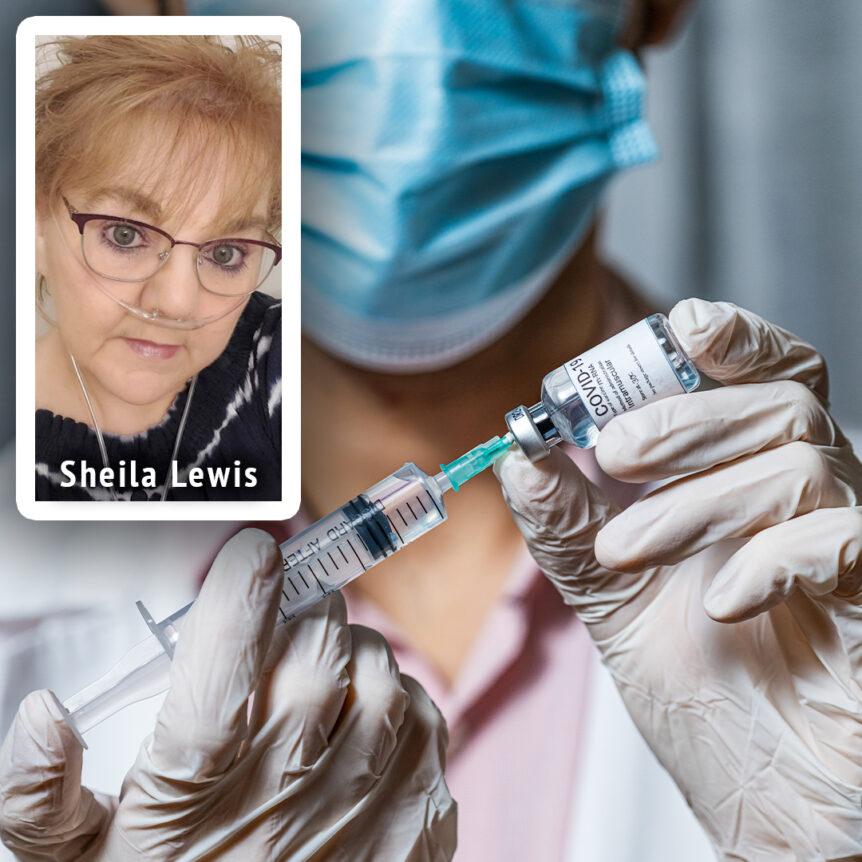
Sheila Annette Lewis, 58, Alberta resident
Sheila Annette Lewis
"[Should the court order the medical system to allow her a transplant despite her having chosen to spurn its conditions, there would be] significant adverse public policy implications."
"The proposition that Treatment Physicians exercising clinical judgment would be subject to the Charter would result in medical chaos, with patients seeking endless judicial review of clinical treatment decisions."
Alberta Court of King's Bench
 
"While Ms. Lewis has the right to refuse to be vaccinated against COVID-19, the Charter cannot remediate the consequences of her choice."
Alberta Court of Appeal
Supreme Court of Canada declines to hear challenge to Covid-19 vaccine mandate for transplant candidates   JCCF

Denied an organ transplant when she refused to receive a COVID-19 vaccine pre-surgery, Sheila Annette Lewis has died. She had been crowdsourcing funding for the purpose of travelling to the United States for an organ transplant. The Justice Centre for Constitutional Freedoms announced her death, and that her plan to seek a transplant where she would not be required to be inoculated beforehand was thus rendered immaterial.

Sheila Annette Lewis was diagnosed in 2018 with a terminal illness, placed on the transplant wait list for her province of Alberta. While awaiting a date assigned to her for the transplant, she undertook to update a number of childhood vaccinations, a condition that was a pre-requisite to receive an organ transplant.

She was informed in 2021 that she would require as well the COVID-19 vaccine to enable her to undergo the needed transplant procedure. The medical argument was that in recognition of high risks of death following a transplant and the immunosuppressed condition of transplant patients, the vaccine for COVID-19 was considered to be a crucial requirement.

Unconvinced by the rationality of the experienced scientific view, Sheila Annette Lewis refused the vaccine, and decided to sue Alberta Health Services. In the event, the courts refused to order the medical system to allow her the transplant under her conditions, not that of the medical community. She appealed the judgement of the Alberta Court, but then the Alberta Court of Appeal also ruled against her.

She decided to continue fighting for what she considered her rights under the Constitution and the medical allocation of scarce transplant resources, as an individual requiring the potentially life-saving procedure, and exercising her right as an individual to spurn the medical requirement of a vaccine prior to surgery. The Supreme Court of Canada declined to hear her case, however.

Despite that a libertarian legal group resisting a number of public-health measures and charges in court, had argued persuasively that their client had achieved natural immunity from a prior COVID-19 infection. "If Ms. Lewis does not get her transplant, she will not survive, and her family will lose years of time with their mother, wife, and grandmother", wrote her Justice Centre lawyer.

Once the courts had turned down her appeal, raising funds for an organ transplant in the United States consumed Ms. Lewis's attention. On GiveSendGo, a fundraising website, she wrote that she had located an American hospital that would agree to an organ transplant without the required vaccination. Her page on the site had reached $124,776 in sympathetic donations just before her death.

COVID-19 vaccine vials
An Alberta woman who tried to take her fight over COVID-19 vaccine requirements for organ transplants all the way to the Supreme Court has died. (Nathan Denette/The Canadian Press)

Labels: , , ,

Tuesday, August 08, 2023

XBB Sublineage of COVID-19 : Fall Vaccines

"The Government of Canada, along with provinces and territories, will continue efforts to optimize its COVID-19 vaccine supply management and further reduce COVID-19 vaccine surpluses and wastage to help inform vaccine supply planning for future pandemics."
"More information on this vaccine [single-strain shots focusing on a version of the XBB subvariant], including the authorized age groups, will be available in coming months."
Public Health Agency of Canada

"[Concerns respecting the threats and effects of COVID have likely diminished] due to the mostly mild illness experience [and while both positive and negative emotions have grown more acute with each new booster campaign, the prevalence of] annoyance [has arisen the most]."
Duke University research study

"[COVID vaccines are shifting toward a yearly routine much like annual flu shots], timed against expected seasonal rise and matched against what is most likely to circulate."
"There are people dug in against vaccination now to the extent that makes getting information to them, having that dialogue and conversation, very difficult. That, I think, is a major problem."
"I hope that we can push the needle forward on getting people vaccinated. But I think it will be very difficult."
"Dr. Fahad Razak, internist, epidemiologist, St. Michael's Hospital, Toronto

"[Decreasing rates of severe disease] will probably influence uptake and acceptability."
"[But when a virus changes sublineages, or subvariants], that does present a new challenge for the antibodies that have been generated with previous versions."
Dr. Mathew Tunis, executive secretary, National Advisory Committee on Immunization (NACI)
https://media-cldnry.s-nbcnews.com/image/upload/t_fit-560w,f_auto,q_auto:eco,dpr_2.0/rockcms/2022-07/220713-covid-vaccine-mn-0950-53c798.jpg
Frederic J. Brown / AFP - Getty Images file
 
It has been revealed that the current federal government in Canada destroyed over 14 million unused and expired doses of COVID-19 vaccines this year alone, with another four million on the cusp of exceeding shelf life by year's end, in a general public atmosphere of growing disinterest in COVID inoculation. This, at a time when the latest Omicron offshoots have of necessity generated new and as-yet-to-be approved vaccines.

Canada's federal vaccine inventory with its 14.4 million doses expired saw to their being discarded this year; as well, 12 million expired doses were disposed of in 2022. By the end of July, 8.6 million unused doses remained in the federal depository, and of that number, another four million is set to expire at year's end. That colossal waste reflects only what has occurred at the federal level without taking into account vaccines that expired and were disposed of once sent to provincial and territorial governments.

The auditor general of Canada criticized the Public Health Agency last year for its "unsuccessful" methods of minimizing vaccine waste, leading to squandered vaccines to the value of $1billion. Then came a scathing editorial in the British Medical Journal, highlighting Canada among the worst of the world's vaccine "hoarders". The Liberal government had "boasted" of securing more doses per capita than any other country.

"Up to 429 million doses of seven different vaccines, approximately 11 doses reserved for each of Canada's 38 million inhabitants", wrote researchers in the special Canada COVID series appearing in the BMJ. At that time it wasn't known which of the vaccines might prove effective. Canada's apparent reluctance to redistribute doses to other countries in need "once it became apparent Canada would have more than enough" for its own population, was a puzzle, wrote the researchers.
 
https://www.cidrap.umn.edu/sites/default/files/vaccine_quality_testing.jpg
iStock
 
The world is now on the doorstep of a new round of reformulated boosters; single-strain shots that focus on a version of the XBB subvariant, thought to represent the most immune-dodging COVID variant yet experienced. Ottawa seems to hesitate how many doses of the new boosters it is prepared to procure though they're expected to be available in early fall. Agreements with vaccine suppliers guaranteed access to up to 60 million doses in 2024 from Pfizer-BioNTech, along with 35 million from Moderna.

The National Advisory Committee on Immunization, Canada's panel of vaccination advisers, recommends anyone eligible receive one of the new fall boosters as long as six months has elapsed since their last vaccine or alternately last COVID infection, most particularly those individuals aged 65 and older, along with other high-risk groups.

At least two doses of a COVID vaccine covered about 83 percent of the Canadian population, a process that saw the initial willingness to be inoculated diminished with the entry of one booster after another. More Canadians now see COVID as an irritation in life, rather than a health threat, with data suggesting that 80 percent of the population  was infected with COVID since the pandemic's appearance, mostly with Omicron.

The Pandemic is no longer considered a global health emergency, reflected by the number of hospital and ICU beds occupied by a COVID sufferer plummeting. According to NACI, however, a fall booster is meant to aid in reducing the risk of infection for individuals and at the same time diminish the strain on public health systems, already in a parlous state. 

https://www.washingtonpost.com/wp-apps/imrs.php?src=https://arc-anglerfish-washpost-prod-washpost.s3.amazonaws.com/public/6RDG4JS6XNJYP62ICIWA44NIWA_size-normalized.jpg&w=1440&impolicy=high_res
Oxford Street, London (Dan Kitwood/Getty Images)

Labels: , ,

Friday, May 26, 2023

Back by Unpopular Demand : XBB Omicron Subvariant

"The number of infections will be less. The severe cases will be certainly less, and deaths will be less, but that could still be a large number."
"Even when we think this is a milder wave, it could still be quite a substantial health impact on the community."
Ben Cowling, epidemiologist, School of Public Health, University of Hong Kong
https://cdn.wionews.com/sites/default/files/styles/story_page/public/2023/05/24/353953-untitled-design-2023-05-24t091421658.png?imwidth=1920
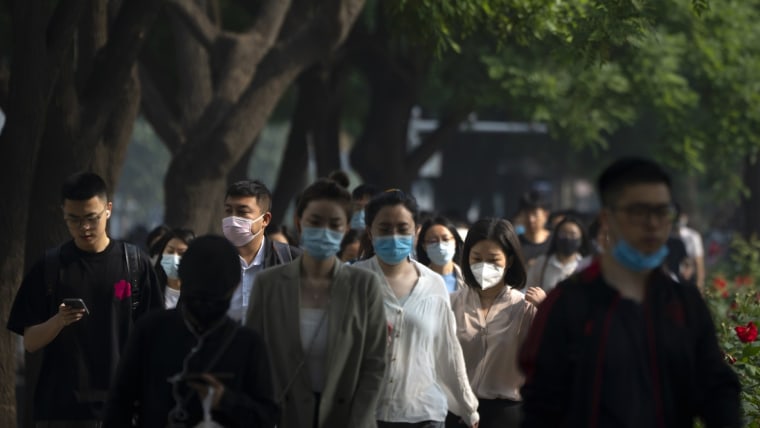
People walk at the tourism site of Qianmen street in Beijing.  Photograph:(Reuters)

There is no complacency over the vastly lower presence in our consciousness of COVID. Globally, one country after another has declared SARS-CoV-2 to have been established as a constant presence which in its various presentations following mutations veered toward greater infectiousness, but lower infections of serious qualities. It still has been capable of great health injury, and the lingering effects of Long COVID, bedevil the unfortunate, but there are far fewer hospitalizations and deaths. 
 
The everyday cautions in the first few years of the coronavirus pandemic such as mask-wearing and enhanced hygiene along with distancing have been officially relaxed at the very same time that regional health authorities warn that the threat of viral infection remains and with it health risks, counselling those at greatest risk to continue practicing those everyday cautions. 
 
In China, the state's 'zero-COVID' policies, strictly policed, made for abject misery for the population. A population so vexed at the severe restrictions that rebellion was in the air, influencing Beijing's decision to release itself from that draconian policy. And people adjusted to life's ordinary freedoms again following a huge outbreak of large-scale infections, which in the final analysis came close to herd protection against the virus.
 
Yet despite the fact that an immense swath of the population was exposed to the virus at some level said to represent fully 85 percent of the population, a new wave of the coronavirus is spreading throughout China with expectations that it will affect up to 65 million people weekly. The new XBB variant of the virus has evolved to overwhelm the built \-up immunity that resulted from the abrupt lifting of the 'zero COVID' mandate of the Chinese Communist Party.
 
As a result Chinese medical authorities are expediting vaccines, two of which, a Chinese epidemiologist, Zhong Nanshan explained, were designed to overcome the XBB omicron subvariant, have been given initial approval. Speaking at a biotech forum in Guangzhou, Dr. Zhong stated that three to four other vaccines would be approved shortly to address the new outbreak which could become the largest infection wave since the zero-COVID regime was dismantled.

Experts in the United States have not ruled out new variants creating another wave of infections in years to come. An increase in infections has been noted in the U.S. caused by the new variants -- which had no impact on the declaration of the end of the public health emergency on May 11. 

Public health experts feel an aggressive vaccine booster program and a ready supply of antivirals at hospitals are required in prevention of another death spike among China's large elderly population despite the acknowledgement that the new wave is expected to be less severe.  Most residents in China are continuing life as usual, and the government has made no effort to prevent infections, resembling the severe restrictions of previous years.
 
NBC News


Labels: , , ,

Friday, March 10, 2023

The Three-year Vaporization of Daily Life in COVID

covid
"We've been through a three year global crisis. It would be really hard not to have this play on the psyche of most individuals."
"Humans are inherently social creatures, and [social distancing guidelines] involve thwarting this natural urge to socialize."
"All of a sudden, everybody's life  has changed."
"We're locked in our houses ... our homes became our workplaces, our source of recreation, our cages."
"We were getting information almost as it came out of the petri dish."
"It gets to a point where people start to desensitize, dissociate, turn off."
"But there hasn't been any encouragement, in fact, we could even say there's been a subversive, an unconscious or unintentional discouragement, of a larger public dialogue on what it's like to live through this."
"It's almost as if the world should be given a six-month stress leave to convalesce, to get over this."
Dr. Marnie Wedlake, psychotherpist, assistant professor, Faculty of Health Sciences, Western University
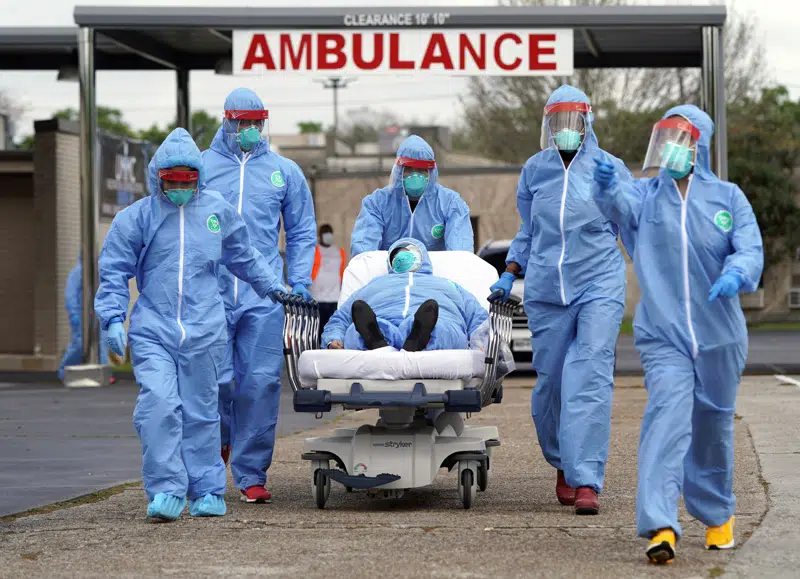
FILE - A person is taken on a stretcher into the United Memorial Medical Center after going through testing for COVID-19 Thursday, March 19, 2020, in Houston. On the third anniversary of the COVID-19 pandemic in 2023, the virus is still spreading and the death toll is nearing 7 million worldwide. Yet most people have resumed their normal lives, thanks to a wall of immunity built from infections and vaccines. (AP Photo/David J. Phillip, File)
Associated Press
 
This is a three-year anniversary that no one individual, group, institution, authority, or nation is eager to celebrate. On March 11, 2020, the World Health Organization issued a declaration that the novel coronavirus that emerged in Wuhan, China, represented a global pandemic. Three years on, the SARS-CoV-2 virus that is responsible for COVID-19 in all its varied manifestations is still hovering about the world, more intensely viral than in its infancy, but causing fewer deaths. Those most vulnerable to its rapacious appetite for replication and its inevitable damage to the human respiratory tract and major organs have left life for those proving less susceptible to its raging appetite.

What was once a dire emergency on a global scale, has become an acknowledgement that human medical intervention has done all it could, in this situation, to forestall and to diminish the ravages of the virus. Tedium, alert fatigue and resignation have led to an accommodation of the realization that the virus is here to stay, leading the world community to resign themselves to its predations in the hope that the exposure to its appetite has led to at the very least, population semi-immunity to its most serious excesses.
 
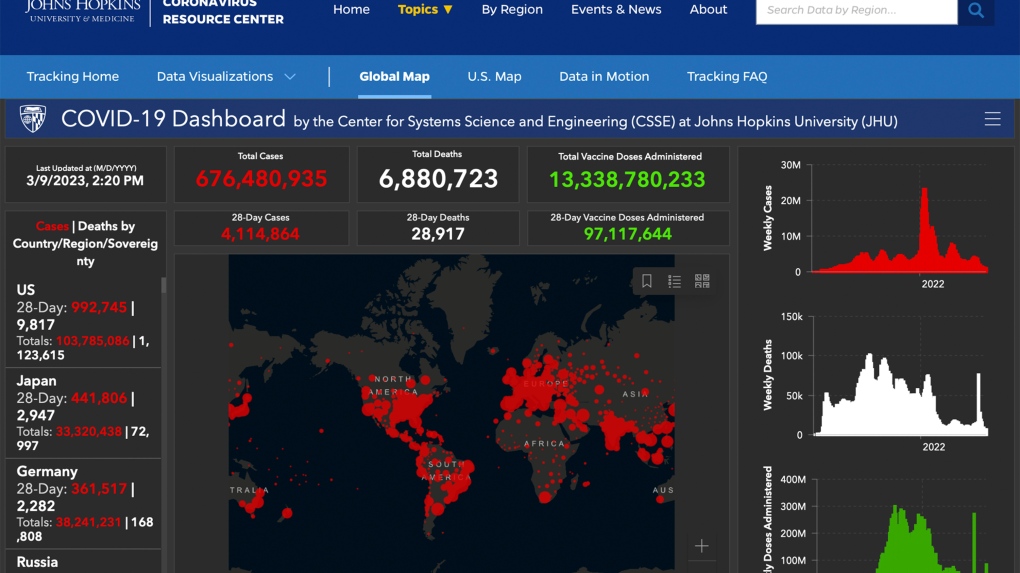
Over the past three years, the pandemic has succeeded in infecting 759 million people; a confirmed number of cases, but by no means the actual total number of those infected by COVID. Of the most seriously injurious of those infections, over 6.8 million people failed to survive. The earliest months of the pandemic were the fiercest, weighted with fear and uncertainty as hundreds of thousands in any country were felled, and new infectious waves swept through a bewildered and frightened world community.
 
COVID is till in circulation, it always will be, for there are no expectations that a cure will ever be found. In the past 28 days, global reports put close to 4.5 million new cases having occurred, along with 32,000 deaths attributable directly to COVID, according to the World Health Organization. After three years of panic, fear and mourning, COVID remains an international threat to population health although WHO Director General Tedros Adhanom Ghebreyesus states the pandemic is "probably at a transition point. We remain hopeful that in the coming year, the world will transition to a new phase in which we reduce hospitalizations and deaths to the lowest possible level." 
 
Researchers at McGill University studying the pandemic's psychological footprints published a study in the British Medical Journal this week, finding little evidence of a "large scale decline in mental health so far" attributable to COVID-19.  Mental health in the general population overall was either "unchanged or worsened by minimal to small amounts", a reflection of he capacity of human resilience.

This image made from the John Hopkins University COVID-19 tracking website shows global coronavirus statistics on Thursday, March 9, 2023. With information sources drying up, the university is shutting down its pandemic tracker on Friday, March 10, 2023. (John Hopkins University via AP)

Labels: , , , , ,

Sunday, January 29, 2023

Politicizing Critical Health and Guidance Communications

"Misinformation is an urgent societal concern that affects us all [with its] infodemic [of falsehoods spread as widely and swiftly as COVID-19."
"Misinformation can be a product of systemic failures in science and medicine, and in the communication of scientific knowledge and research findings."
"[Findings that fail to replicate and weak methodologies are among the reasons why] no one study can be treated as definitive."
Council of Canadian Academies

"[Who or what is to blame? A] perfect storm of actors."
Myth and misperception, lies and deception are not new -- they're probably as old as human communication."
"But something different is afoot. [Pundits have labelled ours a] post-truth [era] where the very idea of truth seems to be under attack, and where misinformation is tied in with ideology and identity and arouses great passions."
"[Misinformation matters, because an] abundance of evidence [shows it causes preventable illness, preventable death and makes people] vulnerable to financial exploitation."
"It's pretty clear that tens of thousands of hospitalizations did occur because of misinformation."
"[It matters when political leaders] endorse [and] further promote misinformation. It accelerates the spread, it matters, it makes it harder to correct."
"When it becomes tied up with identity and ideology, political leaders will often look to misinformation as a means of building their coalition. It has become a tool in politics [and a threat to democracy]."
Dr. Alex Himelfarb, professor of sociology, University of New Brunswick, expert panel chair, Council of Canadian Academies

"A lot of people felt abandoned during this pandemic -- public outreach did not reach them; their needs were not met -- and the response was to turn away and reject all public health communications, and even to respond and protest angrily."
Dr. Maya Goldenberg, philosophy professor. expert in vaccine hesitancy, University of Guelph
A protest against COVID-19 vaccine passports and mandatory vaccinations in Vancouver on September 1, 2021. Among the vaccine refusers, 85 per cent believed that vaccine harms are "covered-up" and 73 per cent believed COVID is fake or overblown.
A protest against COVID-19 vaccine passports and mandatory vaccinations in Vancouver on September 1, 2021. Among the vaccine refusers, 85 per cent believed that vaccine harms are "covered-up" and 73 per cent believed COVID is fake or overblown. Photo by Darryl Dyck/The Canadian Press

A newly issued report points out that beliefs of exaggeration of COVID-19, or that it is a hoax; that vaccines can alter a person's DNA or cause other "covered up problems" had a cost to Canada of an estimated 2,800 lives, along with thousands of hospitalizations over more than nine months of the pandemic. These are held to be conservative estimates based on models which did not address ripple effects of misinformation like postponed surgeries, medical billings or "the social unrest and moral injury to healthcare workers".

The report outlines that between March and November of 2021, misinformation persuaded up to 2.4 million people to delay or refuse to be vaccinated against COVID in Canada. Had those same individuals been vaccinated on eligibility by the end of November 2021, 198,000 fewer cases of COVID would have materialized; 13,000 fewer hospitalizations, and 3,500 fewer people requiring intensive care.

Conspiracy theories appearing on social media, the politicization of misinformation; a "multi-decades-long decline in trust" in institutions that once were viewed as reliable purveyors of truth, as well as theories that pinpoint blame on on something or someone, all were implicated as additional issues in the spread of misinformation impressing the vulnerable to act in defiance of their best interests. 

The 13-member panel that produced the report Fault Lines set out to estimate the effects of COVID-19 vaccine hesitancy; how much more effectively vaccine uptake would have been without the confusing presence of misinformation and what it might have meant for infections and deaths. Under consideration was what would have occurred had the vaccine-reluctant and vaccine-refusers been vaccinated at time of eligibility.

Peer-reviewed publications, government information and statistics all were reviewed and a model plugging in "real world" data on the number of vaccinations, cases, ICU visits and deaths between March 1 and November 30, 2021 were also commissioned. Everyone aged 12 and older over two waves of COVID was tracked by the model. Three different hypothetical scenarios were run.
  • What would have happened to vaccination rates and case numbers if the proportion of people who agreed with the statement that COVID-19 is a hoax or exaggerated, (based on an Abacus survey), were vaccinated as soon as they became eligible;
  • Another scenario studied case numbers if the proportion that agreed vaccines contain microchips or hidden dangers were vaccinated as soon as they were eligible;
  • And a third modelled of what would have occurred if everyone in Canada had been vaccinated when they became eligible.
The analysis led to the conclusion that misinformation contributed to vaccine hesitancy for an estimated 2.35 million people in Canada; had refusers and vaccine-reluctants not delayed or refused inoculation by the end of November 2021, 198,000 fewer COVID cases might have occurred; 13,000 fewer hospitalizations, 3,500 fewer people requiring intensive care, $300 million would have been saved in hospital costs, and 2,800 fewer deaths might have occurred.

Anti-vaccine demonstrators heckle Dr. Joe Vipond, not shown, an emergency room physician, leads a sustained protest against the Alberta government ending COVID testing, tracing, and isolation in Calgary, Alta., Thursday, Aug. 12, 2021. Jeff McIntosh for The Globe and Mail
 

Labels: , ,

Saturday, January 28, 2023

Long COVID Diagnosis and Management

"[Long COVID] has emerged as a complex and multi-system disease that is anticipated to require multidisciplinary management and treatment across the continuum of care."
Ontario Ministry of Health

"The designation of a specific code really does help us track, count and look at the burden of this across Ontario."
"It is the belief of our review that the vast majority of patients can be treated through their primary health care provider."
Dr. Kieran Moore, chief medical officer of health, Ontario

"This code is a big deal. It's helpful for us and I think it's going to help change the way health care is delivered in Ontario in the future for people with Long COVID."
"We have lots of work to do on pretty much everything to do with the treatment and support of people with it. But I think the first step is just acknowledging that it's a real thing."
"It really is critical and it's something that we've been asking for and advocating for, for a while now."
Dr. Kieran Quinn, clinical expert in Long COVID, associate professor, University of Toronto
New research out of Israel suggests most symptoms of long COVID clear up within a year, but some — like weakness and trouble breathing — are more likely to persist. CBC
"People are grieving the loss of who you were. I'm not who I was before COVID."
"It's [news of a small victory in the imposition of a new fee code recognizing the reality of Long COVID] -- just the first step of a thousand."
"We want to see a commitment from the government with some kind of strategy as to how they're going to deal with Long COVID."
Suzie Goulding, COVID Long-Haulers Support Group Canada
After the frustrating, gruelling experience thrust upon Suzie Goulding following her bout with COVID-19, leaving her with the condition now known as Long COVID, she became a warrior for the recognition of the condition, hoping that general practitioners, the first medical doctors generally who see patients suffering from the syndrome and unable to diagnose it, will begin to help others where she was failed. Early in the pandemic she became ill with COVID-19, but her family doctor did not believe what ailed her was the virus.

She has, in fact, never been formally diagnosed, since at the time of her initial bout with the SARS-CoV-2 virus, it was difficult to obtain testing without being judged qualified for the testing process. Eventually she found herself struggling to walk. She was referred to a neurologist whose opinion was she was suffering from anxiety. Low energy levels assail her; she lives with a persistent brain fog affecting her speech.

"The more that I speak, the less words I can find", she said. It occurred to her to launch a community self-help group to welcome others suffering from Long COVID in an atmosphere where it was not being taken seriously throughout the medical community. There are now 18,000 members across the country  for the COVID Long-Haulers Support Group Canada. A support group that lobbies to support researchers like Dr. Quinn in striving to understand the disease.

With his colleague, Dr.Angela Cheung, Dr. Kieran Quinn is preparing to launch clinical trials they call the Reclaim Trial, which purpose is to examine a number of treatments "to actually improve people's quality of life and to treat Long COVID directly".  This all ties in with the recognition of Long COVID by the Ontario Ministry through the release of a new billing code for the use of doctors in diagnosing Long COVID.

The code is to be used when suspected or confirmed Long COVID cases present for treatment. A condition known as well as post-COVID-19 condition. The code also becomes a mechanism through which researchers are enabled to follow patients over time, with Long COVID.  With the bulletin on the new code, came guidelines for primary care physicians to aid them in understanding how to assess and manage their patients with the condition.

Dr. Quinn, along with other researchers has been engaged in painstaking work meant to estimate how many Canadians live with Long COVID. Their conclusion is, about 1.4 million have the condition. Almost every part and organ of the body is affected by the SARS-CoV-2 virus that causes COVID-19. There are well over a hundred symptoms associated with COVID and Long COVID, the most common of which include deep-rooted fatigue, brain fog heart palpitations, insomnia and mood disorders such as anxiety and depression.

In the near term, primary care doctors will be tackling Long COVID. Before it was  disbanded, Ontario's science table informed the province in a brief that saw publication in September, that the lack of a diagnostic code for Long COVID presented as a problem; warning a month later that the heavy lifting going forward on COVID-19 would rest with primary care physicians.

This is doubly problematic given the reality of a shortage of family doctors, with 1.8 million people living in Ontario without a family doctor to call upon. Compounded by the fact that another 1.7 million Ontarians are patients of family doctors aged 65 or older. Backing up family doctors, a number of hospitals in the province have established Long COVID outpatient clinics, with eleven across the province located in cities and with one only in the province's north.


Labels: , , , ,

Saturday, December 10, 2022

Juvenile COVID Infections, Vulnerability to Diabetes

"It 's been pretty clear for over a year now that COVID ... was probably associated with something like a doubling of diabetes risk in little kids."
"The effect pops up over and over again, and at this point the appropriate thing to do is assume it's real and act accordingly, rather than say 'We need more evidence'."
"[This is particularly so given the cost of diabetes both in medical expenses and harm done those with the condition]."
Dr. David Fisman, epidemiologist, University of Toronto Dalla Lama School of Public Health
 
"[People under 18 who had been infected by the novel coronavirus] were more likely to receive a new diabetes diagnosis more than 30 days after infection than those without COVID-19."
U.S. Centers for Disease Control and Prevention study
 
"If one goes to a pediatric emergency room today, and there's a 16-year-old child who comes in with an elevated blood sugar, one would have to be cautious about immediately saying this person has Type 1 versus Type 2 diabetes."
"There's more and more Type 2 diabetes that's starting to become evident in our adolescent and even in younger children, which is tragic. Thirty or 40 years ago, a 16-year-old, that would be Type 1 diabetes until proven otherwise."
"There's uncertainty around whether COVID-19 increases the risk for Type 1 diabetes. I don't think the data supports that right now. But I think the data does support an increase in Type 2 diabetes associated with the pandemic, probably not from the virus but probably from all of these other issues ... the weight gain, the stress, lack of exercise, etcetera." 
Dr. Daniel Drucker, senior investigator, Lunenfeld-Tanenbaum Research Institute, Mount Sinai Hospital, Toronto
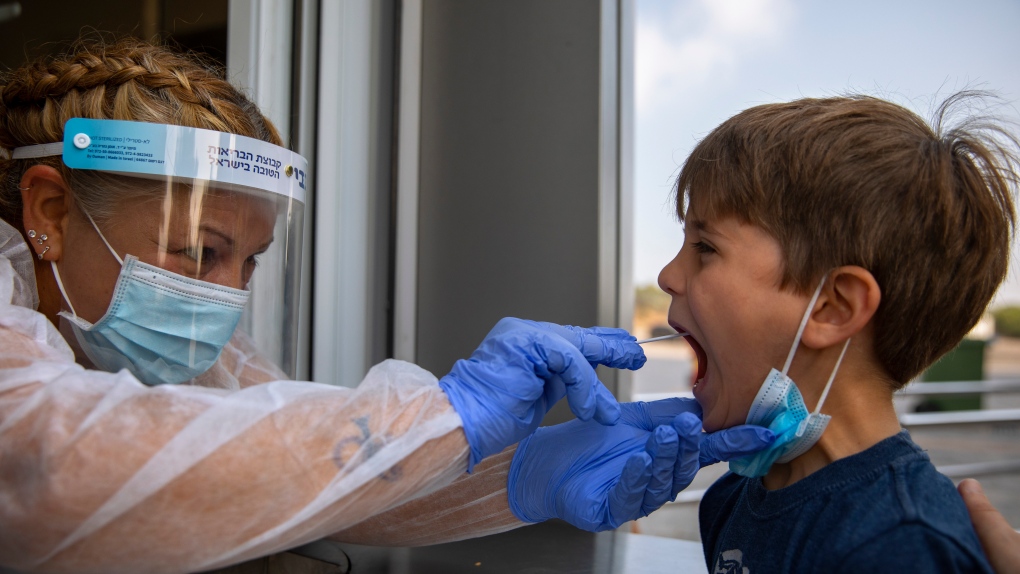
A health worker collects a swab sample from a kid to test for COVID-19, at a coronavirus testing center, in Tel Aviv, Israel, Monday, Aug. 9, 2021. (AP Photo/Oded Balilty)
 
Toronto-based Manulife Financial, a Canadian insurance giant, released data appearing to indicate an increase in diabetes among young people. This represents a trend that some studies and medical experts attribute to the novel coronavirus, SARS-CoV-2 that causes COVID-19. According to their data individuals under age 44 accounted for 19 percent of diabetes claims and that number is on the rise in Canada, an increase from 2019''s 13 percent. That number was not broken down to distinguish Type 1 from Type 2 diabetes.

Type 1, once called Juvenile Diabetes, results from a genetic disposition for the pancreas to stop producing insulin without which a patient would waste away and die and did before 1921 before Banting and Best discovered insulin and revolutionized a treatment for the still-incurable autoimmune disease. Type 2 diabetes means being insulin-dependent and a lifetime of self-administering insulin injections. Type 2, once called Adult-onset Diabetes is when the body no longer makes productive use of the insulin released by the pancreas and is considered more of a lifestyle disease; overweight and sedentary. Treatment usually consists of medication and a therapeutic lifestyle change.

The Centres for Disease Control January study used two U.S. medical claims databases covering March 2020 to June 2021 to find that other respiratory infections were not associated with increased risk of diabetes, postulating that the novel coronavirus might affect pancreatic cells with the potential to prod people with existing pre-diabetes conditions into full-fledged diabetes. Another study in March using international data found a moderate incidence increase of diabetes in individuals between ages 19 and 30 who contracted a COVID-19 infection.

Debate within the medical community questions whether the rise in diagnoses reflect delays in treatment during lockdowns and other issues such as whether children in control groups thought to have been free from COVID-19 infection actually had previously been infected and were asymptomatic. According to Dr. Drucker, skeptical about the conclusions implicating the virus in diabetes onset, additional questions are issues such as rising obesity levels and more sedentary lifestyles during lockdowns leading to young people acquiring Type 2 diabetes.

Another area of research is the interplay between the mental and physical health of people in leading to diabetes onset. Nearly half of adult Americans gained weight during the pandemic and depression and anxiety symptoms rising, reflect predictors of weight gain leading to diabetes onset. According to the Canadian Institute of Actuaries tracking the pandemic experiences of over a dozen life insurers, COVID-related insurance claims across the country accounted for 13 percent of total claims in 2020.

Drs. Shivani Misra and Linda DiMeglio of Imperial College London and Indiana Univ4rsity respectively, summed up the challenge of tackling the complex factors at play during the pandemic, published in the December issue of the journal Diabetes. They wrote of the difficulty involved in reaching "rapid, clear answers" regarding a potential link between COVID-19 and rising rates of blood-sugar disorders.
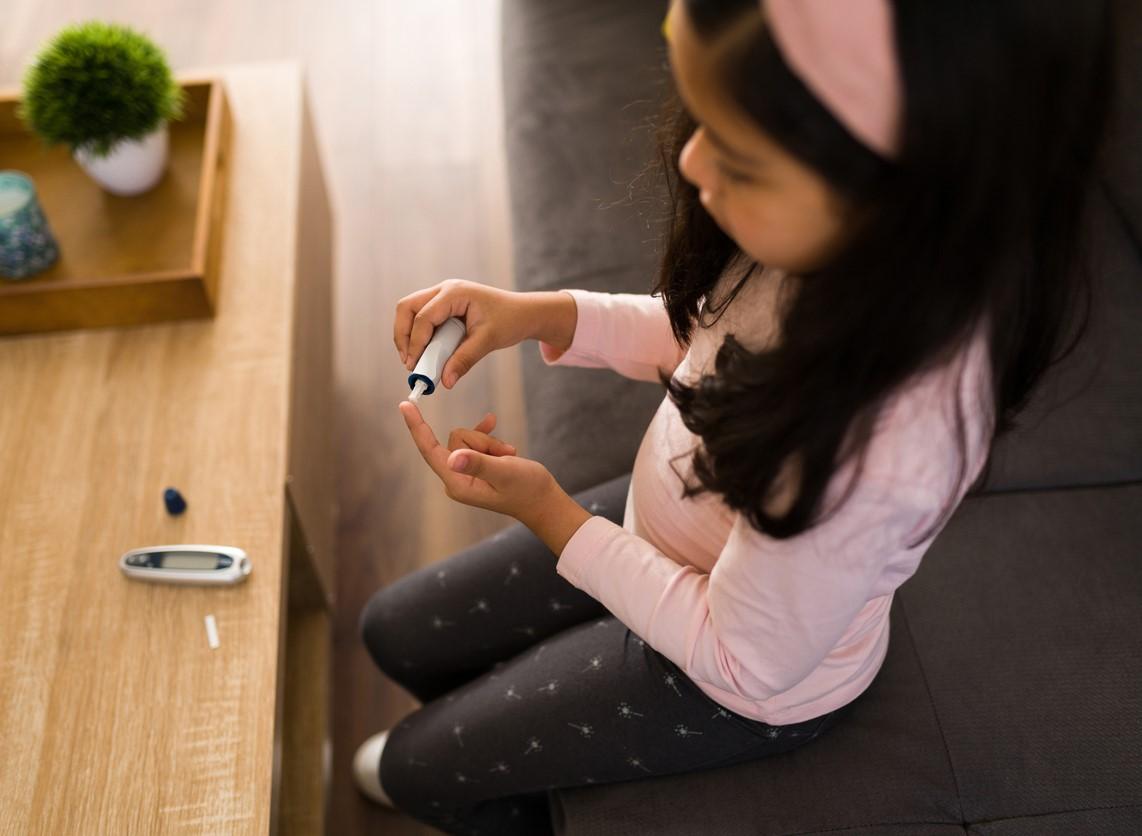
Girl testing her blood glucose level
CIDRAP
"Given the interplay of multiple factors influencing diabetes diagnosis and incidence during the pandemic, although the data remains of interest and are critical to follow, it is unlikely that we will have crystal clear answers soon."
"Unsurprisingly, studies attempting to analyze this association have provided conflicting results."
Shivani Misra, clinical senior lecturer in diabetes and endocrinology, Imperial College London
Linda A. DiMeglio, professor of pediatric endocrinology, Indiana University

Labels: , , , , ,

Thursday, November 03, 2022

Slanderous Defamation of a Medical-Science Idiot

"[The damages sought by the two physicians in their suit was] a considerable sum by any calculation and of understandably great concern [to the people they sued]."
"Although the individual ... plaintiffs are not substantial corporations or institutions, they are educated persons who were represented by counsel throughout."
"[If the suit proceeded] its chilling effects would have an impact well beyond the parties in this case."
"Dr. Gill herself is the most obvious cause of damage to her reputation."
Justice Elizabeth Stewart, Ontario Court
Dr. Kulvinder Kaur Gill, above in her clinic in Brampton in 2017, said a vaccine was not needed against the virus, that most people had natural immunity to COVID-19 and there was no scientific rationale for keeping people at home to short-circuit its spread.
Drs. Kulvinder Kaur Gill, a pediatrician practising in Brampton, Ontario just outside Toronto, and a colleague, Dr. Asvinder Kaur took it upon themselves to serve their ire over criticism from their professional peers and news media sources for defaming them by launching a lawsuit against them. A group of 23 representing, doctors, academics and journalists who had found reason to criticize their COVID vaccine rejecting recommendations to her patients were being sued to the tune of $12-million in a libel suit.

Dr. Gill, counter-sued, was charged with accusing her detractors of representing a "pack of hyenas" determined to destroy her reputation. This week, Justice Elizabeth Stewart ordered Dr. Gill to pay the defendants $1.1 million in legal costs when her lawsuit was struck down in February as representing a potential curb on vital public debate. Dr. Gill is appealing the decision on costs along with the February ruling dismissing her lawsuit.

Dr. Gill had been cautioned last year with respect to some of her COVID statements by the Ontario College of Physicians and Surgeons, advising her that she must appear on similar charges in front of a disciplinary tribunal. Should a guilty verdict come down, her license to practise could be revoked. One of the plaintiffs that Dr.Gill sought to sue is a family physician who hits back against bogus health-care products and practices, welcoming the cost ruling.

Dr. Terry Polevoy paid his lawyer to defend him in the suit out of his own savings since he no longer actively practices medicine. His bills exceeded $51,000. "It's a lot of stress, a lot of pent-up frustration at the legal system", he explained. The suit against the 23 different individuals came complete with separate allegations against each defendant.

"You have to mount a very serious defence. While it's an unprecedented cost award, it's also an unprecedented lawsuit", explained an individual involved in the case, unable to give his name since the case remains before the courts. Most professionally related legal costs for doctors are covered by the Canadian Medical Protection Association.

The lawsuit filed by Dr. Gill in December 2020 accused doctors, a former president of the Ontario Medical Association, university professors, media outlets and newspaper journalists of libeling her. Comments made on Twitter in response to her rejection of the science around COVID-19 were all cited as fodder for her lawsuit. 

Dr. Gill claimed that a vaccine was unneeded to counter the virus, since most people naturally had COVID immunity and no scientific rationale exists for mandating that people remain at home to curtail the spread of the virus. The 23 defendants responded to her lawsuit by filing an anti-SLAPP motion, a manoeuvre designed legally to halt early in the proceedings, lawsuits curbing discussion in the public interest.
 
Justice Stewart, ruling in their favour, rejected the plaintiffs' arguments of excessive costs award against them. However, Justice Stewart pointed out that everyone named in the suit was forced to argue their case based on separate facts, the issues being of "great importance" to them. As the case continues to roll forward, University of Ottawa health law professor Amir Attaran is being sued by Dr.Gill for $7 million in reference to tweets where he named her an idiot.


Labels: , , , , ,

Friday, August 19, 2022

Vulnerability Discovered in Virus Causing COVID-19

"We're always looking for well, is there a chink in the armour? Is there a spot that is not changing so much, that we can direct antibodies to that spot?"
"That is the value of the new finding, that it tells us where to focus our attention."
"[The weak spot and master key 'unlock a whole new realm of treatment possibilities [having the potential to be effective against current or future variants of the SARS-CoV-2 virus."
"The existence of a large number of mutations made it a much more effective escape artist from our immune system."
"We used very advanced imagining tools to literally zero in and cast a spotlight on the interaction of the spike protein with antibodies."
"It [antibody fragment] actually puts out a couple of fingers that still block the binding. So it achieves this effect by sitting next door." 
"It's an interesting physical block that sits close by, but not exactly at that site. And that may well be why [the site] has not mutated so much over time."
Dr.Sriram Subramaniam, study senior author
A nurse provides information to parents and children during the first week of COVID-19 immunization for children over six months at a Vancouver Coastal Health clinic in Vancouver on Aug. 4. (Ben Nelms/CBC)
 
The discovery of a "weak spot" in the virus causing COVID-19 has been isolated by researchers at the University of British Columbia. This discovery is seen as a potential avenue to pave the way for new treatments to be effective against all strains of the virus. Published in the peer-reviewed scientific journal Nature Communications, the study asserts the "key vulnerability" is found in all major variants of the COVID virus.

Anticipating the future, researchers feel that exploiting that weakness could lead to new ways of fighting the disease that has caused the death of close to 6.5 million people worldwide since it was identified over two years earlier. Dr. Subramaniam is a professor in the faculty of medicine at the University of British Columbia who explained that his team studied the virus at an atomic level in hopes of finding that weak spot and to identify an antibody fragment attaching to it across the many mutations of the virus including surging Omicron subvariants.

Antibodies are are naturally produced by the body's immune system triggered to fight infection. They counteract viruses through attaching to them much like a key in a lock. Antibodies can be produced in a laboratory for administration to patients as a treatment, though over time as viruses mutate they become less effective.

The weak spot that Professor Subramaniam's team identified however, is constant in all seven major variants of the SARS-CoV-2 virus, so that one antibody could conceivably act as 'master key' which would be capable of overcoming the creation of extensive mutations of the virus. With the knowledge that the immune system typically responds to what it senses on the surface of the virus (the spike protein), the researchers began their search.

The concern with each new variant of COVID-19 has revolved around whether the immune system would be capable of recognizing the mutated form. The researchers discovered the weak spot to be located on the spike protein, leading the antibody fragment to neutralize the virus attaching to the spike protein, blocking the virus from entering human cells. 

It was also seen that the identified antibody fragment is special in that it attaches next to the site where the spike protein binds with human cells, and not directly on it. It then becomes in some ways, less like locking the door than stretching out an arm to block entry, to begin with.

An image from cryo-electron microscopy performed by University of British Columbia researchers shows how an antibody fragment, red, attaches to a weak spot on the virus that causes COVID-19, grey, to block the virus from binding with the human cells, blue. (Supplied by Sriram Subramaniam/University of British Columbia)

Labels: , , , ,

Monday, July 04, 2022

Learning to Live With Long COVID

"I am able to do what I need to do. My workplace allows me to adapt. If I worked at Tim Hortons or was a nurse working 12-hour shifts, there is no way I could do it. I can't even imagine."
"This is really about pacing yourself  and learning to live differently. A component of rehab is talking about adapting to new realities and new limits."
"It was like a bad cold, not the worst illness I have had in my life [COVID], to be honest."
"It [Long COVID] was almost a surreal lack of energy and lack of ability to do anything. [Even walking around a grocery store] brought me down."
"My hope is I continue to be able to manage well within some new boundaries. I consider myself pretty fortunate. Compared to some people, I live a really good life."
Monique Stone, 41, Anglican priest, Julian Norwich Church, Ottawa
A file photo of The Ottawa Hospital General Campus. Since the hospitals’ long COVID rehab program began last year as a pilot, 41 patients have been through it. There are another 53 people waiting to get in.
The Ottawa Hospital General Campus. Since the hospitals’ long COVID rehab program began last year as a pilot, 41 patients have been through it. There are another 53 people waiting to get in. Photo by Ashley Fraser /Postmedia
A rehabilitation program has been set up at The Ottawa Hospital for patients suffering from Long COVID. Most of the participants are in their prime years accustomed to a busy, active life before they had developed Long COVID. Following a bout with the disease during which they had only mild symptoms, its aftereffects has left them struggling to maintain themselves with basic everyday tasks. 
 
Once their therapy has been completed, a long line-up of others suffering similar symptoms awaits the opportunity to sign into rehabilitation.

This is a program that offers physical, psychological and social support, in teaching people new skills and insights to help them live with Long COVID. The demand for these services is expected to grow even larger as more people are being exposed to new subvariants of Omicron that are more contagious even than it has been. These are not yet in-person programs, but are conducted virtually, through a week-long immersion in learning to live with their disability.

Most of those participating in the program had another issue in common aside from contracting COVID; they had relatively few symptoms, but rather mild cases of COVID-19. The lingering effects, however, seriously affecting their capacity to function as they once did with daily life's tasks, great and small, including work. Among participants the most common symptoms are extreme fatigue that increases with activity; cognitive difficulties; brain fog and problems with breathlessness, anxiety and fear, and chest tightness.

It is believed that Long COVID affects between ten and thirty percent of those with COVID. Published recently, a Canadian study has identified microscopic abnormalities affecting the way oxygen was exchanged from the lungs to red blood cells in those with Long COVID, as a possible cause. Recent research points as well to an increased risk of neurodegenerative disorders, including Alzheimer's disease and Parkinson's disease for people testing positive for COVID-19.

No actual treatment for the condition has yet been devised. Some people with the lingering effects may be able to return to the workplace and eventually see their baseline health and energy levels return. Others may have to resign themselves to living with these long-term alterations to their health and impaired physical capabilities.

Most program participants are women with the average age of 44. Among them are many health workers, or people in leadership roles through professional work. They may have positions they will be unable to return to, perhaps not full-time. However, patients who have been exposed to the program state they feel better able to manage their symptoms, which has enabled them to have an improved quality of life.

Labels: , ,

 
()() Follow @rheytah Tweet