Attention! Driving Under the Influence of Pot
Driving with 5 ng or more of THC per ml of bloodFirst offence is a mandatory minimum $1000 fine. Second offence is a mandatory minimum of 30 days in jail. Third and all subsequent offences result in a mandatory minimum of 120 days in jail. Up to 10 years imprisonment.
What are the dangers of driving high?
Driving while high on weed or any other drug can impair your ability to drive. Smoking pot and taking drugs can affect you in many ways. Smoking pot results in slower response times, reduced memory and reduced ability to concentrate (and learn). So if you’re high and driving, here’s what might happen :
- Decrease in motor skills : You could have trouble performing routine tasks along with issues with balance and coordination.
- Slower reaction time : A driver will take longer to react to a sudden or unexpected event.
- Decreased ability to concentrate : A driver may have decreased attention span (also known as drifting attention).
- Hyper-focus : Pot can also cause a driver to focus too much on some aspects of driving while forgetting others.
- Increased difficulty judging distances and time : It’s harder to judge distances while driving. Pot changes a driver’s sense of time and distance.
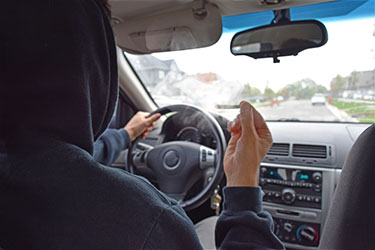 |
| Driving High in Ontario thinkinsure |
"Driving while impaired by a drug has been a criminal offence since 1925, but this offence has always been challenging to prove in court.""Detecting and proving impairment caused by drugs is different and more complex than detecting and proving impairment caused by alcohol.""In most jurisdictions across Canada, data sources ... tend to indicate an ongoing trend over the past ten to twelve years of DID incidents increasing as a proportion of all impaired-driving incidents, with cannabis being one of the most frequently detected class of drug among drivers."Public Safety Canada report
 |
| Toronto DUI |
Police stops where drivers were found to have drugs in their system have increased substantially since 2008; more than one in ten impaired driving reports are now related to drug consumption. In the same period, drug-impaired driving (DID) reported by police increased "significantly" in comparison to alcohol=impaired incidents where a significant drop has been seen over the last decade.
Police reported close to 7,500 drug-impaired driving incidents in 2021, a continuation of the trend to increasing DID incidents since 2009, when 1,407 such incidents were recorded. Starting in 2018, numbers began acceleratomg, reflecting the first full year that the use of recreational cannabis became legal in Canada.
Of all impaired driving charges laid by police, 11 percent now are representative of motorists operating a motor vehicle while impaired by drugs, compared to 1.5 percent in 2009. Survey data show frequent cannabis users increasingly convinced the drug does not impair their driving skills. A study that found drivers injured in a DID incident had higher levels of THC (the chemical that imparts a high in cannabis) in their blood, was cited in the report.
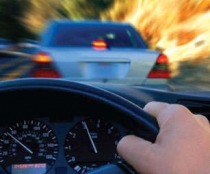 |
| iStock |
Interestingly, Public Safety findings made note of the fact that alcohol-impaired driving offences remain more likely to lead to criminal charges in comparison to drugs. Despite drug-impaired driving incidents having increased as reported by police since cannabis legalization in 2017. The increase is reported to more likely be due to factors such as more power given to officers to detect and investigate drug consumption, along with new detection tools.
The use of new "approved drug screening equipment" during roadside stops, removing barriers that previously prevented police from demanding a driver's blood sample, and creating new criminal offences setting legal blood drug concentration limits (5ng of THC per millilitre of blood) are all cited in the report as possible explanations to a certain extent of the police-reported increase in DID cases.
"Many drugs impair one’s ability to drive. Depending on the drug type, it can reduce alertness, alter depth perception, impair concentration and attention span, slow reaction time, and affect motor skills and visual function. Many people think driving under the influence of cannabis is risk-free, and that drivers on cannabis are more cautious and driver slower. But studies show that cannabis can have a negative impact on driving, including reduced concentration and attention span, slower reaction time, and an altered perception of time and distance. Driving studies (simulated and on-road) showed drivers had increased variability in lane position, following distance and speed following cannabis use. Cannabis also affected driver ability to react to unexpected events, such as a pedestrian darting out onto the roadway."
(Source: Clearing the Smoke on Cannabis Cannabis Use and Driving – An Update. Canadian Centre on Substance Use and Addiction. Douglas J. Beirness, Ph.D., Senior Research Associate, CCSA, Amy J. Porath, Ph.D., Director, Research and Policy, CCSA.)MADD Canada
Labels: Canada, Driving Under the Influence, Legalization of Recreational Marijuana, Marijuana Use
posted by Pieface @ 8:31 PM
0 comments


/https://www.thestar.com/content/dam/thestar/news/cannabis/2020/01/17/cannabis-edibles-in-high-demand-but-not-quite-a-jackpot-for-toronto-store-owners-facing-shortages/_1_helen_jpg.jpg)
