When Allies Fall Out
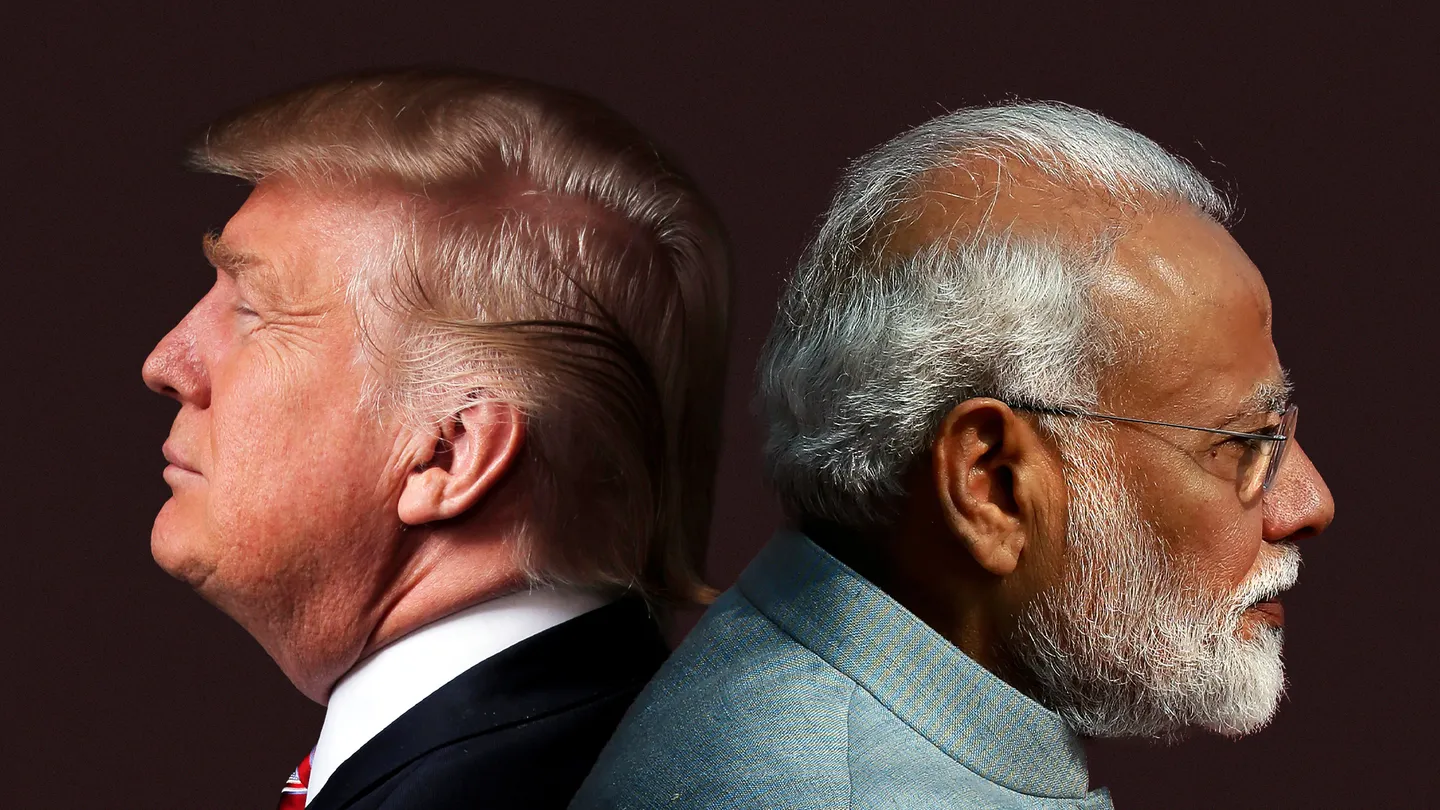
"Sections of the Indian foreign policy community feel 'betrayed' by the Donald Trump administration, which has found unexpected affection for Rawalpindi, raised a host of tough demands on trade, and threatened additional tariffs on India because of its BRICS membership and continued purchase of Russian oil.""It is, perhaps, a small consolation that India is not alone. America’s neighbours and largest trading partners [Mexico and Canada] and its longstanding allies in Europe and Asia have even more reasons to feel betrayed."C. Raja Mohan, Indian Express"[There will be] very pragmatic strategic recalibrations [by New Delhi to protect its interests].""[India's growing economy allows its leaders breathing room, bit it is still a moment of] deep introspection [for the country].""We have to draw our lessons from that and really focus on the national priorities and what we need to do to become strong and more influential."Nirupama Rao, former Indian ambassador to Beijing and Washington"In the dim-lit antechambers of global power, India stands as both witness and architect to a world on the edge of multipolar chaos.""The tectonic plates of international order are shifting, and New Delhi – long a master of strategic ambiguity – now finds itself the subject of a more perilous experiment in global pressure with Washington brandishing the threat of sweeping tariffs and secondary sanctions.""Republican Senator Lindsey Graham’s bill – stipulating 500% tariffs on countries buying Russian oil to curb Moscow’s aggression against Ukraine – puts India’s time-honoured doctrine of ‘strategic autonomy’ to its severest test.""NATO Secretary General Mark Rutte’s subsequent warning to India of being hit ‘very hard’ by secondary sanctions if it continues to trade with Russia only underlines the gravity of the challenge."Vinay Kaura, Royal United Services Institute
 |
| Sunday Guardian |
India, the world's most populous democracy, knows what it feels like to be caught between a rock and a hard place. And right now, the walls of that hard place are steadily albeit slowly moving inward to trap India, giving it due cause for concern and certainly cause to look about carefully in considering its options. Options which in and of themselves complicate an already complex situation, making it extremely difficult to make critical decisions. For any decisions made will come with ready-made headaches at a time when India would prefer to focus on its strengthening economic situation as a potential to nudge China aside as the world's premier producer of hard goods on the world stage.
On the one hand, New Delhi's growing power as a world-class producer capable of overturning China's current status as the globe's producing colossus, has seen Beijing's attention also swivelled to that likelihood so there is a certain level of tension to add to the belligerent territorial claims of the two giants over border issues and the high plateau Himalaya in particular. Rivalry of this calibre makes for uneasy neighbours.
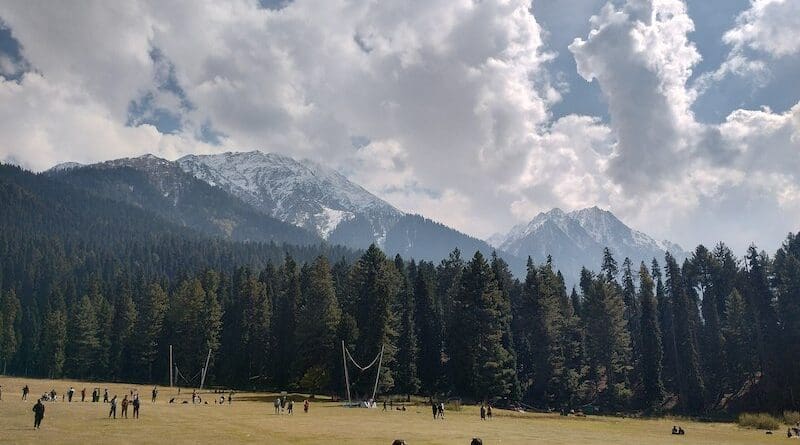 |
| Baisaran Valley, near Pahalgam, Jammu and Kashmir, India. Photo Credit: Hellohappy, Wikipedia Commons |
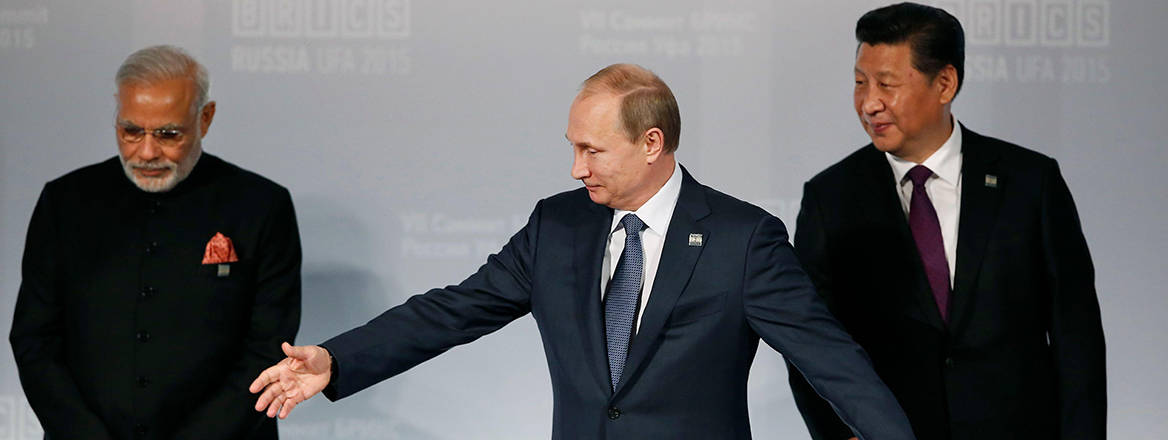 |
| Royal United Services Institute, U.K. |
Labels: China, India, President Donald Trump, Prime Minister Narendra Modi, Russia-India Alliance, Trade Issues, U.S. Tariffs, United States
posted by Pieface @ 8:00 PM


0 Comments:
Post a Comment
<< Home