AstraZeneca in Real Time
"NACI [Canada's National Advisory Committee on Immunization] has determined that there is substantial uncertainty about the benefit of providing AstraZeneca COVID-19 vaccine to adults under 55 years of age, given the potential risks associated with it.""As a precautionary measure, while Health Canada carries out an updated benefit-risk analysis based on emerging data, NACI recommends that the vaccine not be used in adults under the age of 55 years."Dr.Shelley Deeks, vice-chair, National Advisory Committee on Immunization, Canada"The [European Medicine Agency] still considers this product to be safe and effective, but the possibility of a link between the vaccine and clotting issues ... cannot be completely ruled out at this time."Quebec Department of Health
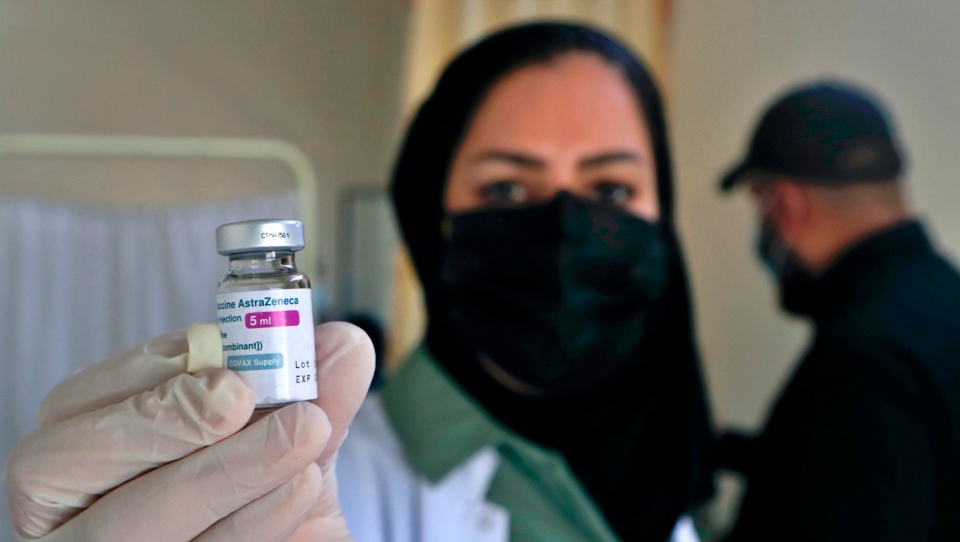 |
| An Iraqi nurse holds a vial of the AstraZeneca COVID-19 vaccine before starting the vaccination at a clinic in Baghdad, Iraq, Tuesday, March 2, 2021. (AP/Photo/Hadi Mizban) |
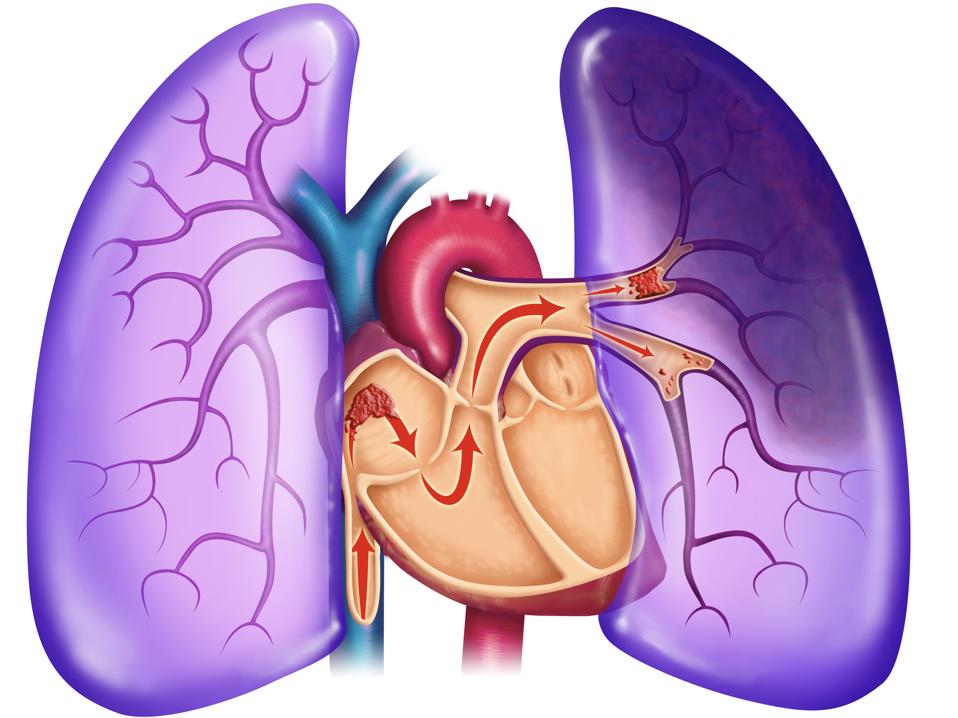
Symptoms of potential serious side effects that may reveal the presence of blood clots are shortness of breath, chest pain, leg swelling, persistent abdominal pain, sudden onset of severe or persistent headache or blurred vision and skin bruising elsewhere than the site of vaccination, developing between four to 20 days following vaccination.
New data originating out of Europe suggesting the risk of blood clots now stands as potentially elevated as one in 100,000 representing a figure of risk substantially higher than the one in one million risk believed to exist in an earlier assessment of the AstraZeneca-Oxford vaccine has moved Canada's National Advisory Committee on Immunization to advise Canadian provinces to suspend their use of the COVID-19 vaccine produced by AstaZeneca.
AstraZeneca was asked by Health Canada on Monday to proceed with a detailed study on risks and benefits of its COVID-19 vaccine across multiple age groups even as the advisory committee recommended use of the shot be suspended until such time as an appropriate review has been achieved and its results studied. Most patients in Europe who developed a rare blood clot following vaccination with the AstroZeneca vaccine were women under age 55. They saw a fatality rate of 40 percent.
 |
| A change in advice has renewed apprehension around the AstraZeneca vaccine, which has been compounded by contradictory messages in Ontario. There’s also concern the confusion will add to vaccine hesitancy. |
There have been no reports of blood clots occurring in Canada with the use of the AstraZeneca vaccine leading Health Canada's chief medical adviser, Dr.Supriya Sharma to declare she retains belief in the vaccine's benefits to outweigh any risks that may be inherent to its use. Health Canada changed the vaccine label to warn of the rare risk of blood clots developing with its use.
Provincial governments take their own initiative on how a vaccine may be used. However, Dr.Howard Njoo, deputy chief medical officer of health in Canada, revealed that all provinces and territories had reached agreement to suspend the vaccine's use for people under 55, while awaiting the results of further study.
Quebec, Manitoba, Newfoundland and Labrador and Prince Edward Island have announced their intention to limit the use of the vaccine. Taking a precautionary measure, Quebec's Health Department affirmed pausing the vaccine's use for its under-55 population, acknowledging the necessity of ruling out any possibility of a link to the development of blood clots with AstraZeneca.
Some adverse symptoms in younger people were noticed in the United Kingdom according to the medical lead of the province of Manitoba. "This is a pause while we wait for more information", explained Dr.Joss Reimer. Newfoundland and Labrador along with Prince Edward Island agreed they were pausing use of the vaccine for younger age groups as they wait for the new data expected to result from greater scrutiny in varied age groups being tested with the vaccine.
 |
| A medical worker receives a dose of the AstraZeneca vaccine in Taipei, Taiwan, on Monday. (Ann Wang/Reuters) |
After AstraZemeca's vaccine was approved by Health Canada for all age groups, NACI observed enough seniors were not included in clinical trails to gain confidence on how the vaccine would perform on people over age 65. NACI then retracted that advice, claiming that new real-world evidence from the U.K. showed the vaccine was very effective in performance, used on seniors.
"What we need to have is continued confidence in our expert review panel that it's looking at these vaccines and deciding what is going to be best, safest and most effective for Canadians.""This is a new vaccine to a new virus, it's really important that we're following all the data as closely as possible and as the vaccines are rolling out, we're understanding them more and reviewing what the guidance should be."Alyson Kelvin, virologist, Canadian Center for Vaccinology, Halifax.
 |
| The National Advisory Committee on Immunization (NACI) updated its guidelines against the use of the vaccine for younger Canadians on Monday. (Dado Ruvic/Reuters) |
Labels: AstraZeneca-Oxford Vaccine, Blood Clotting, Canada, Novel Coronavirus
posted by Pieface @ 7:56 PM
0 comments