Make That Dental Appointment!
"Every time people are in for their checkups, we do a thorough look around the mouth, face and neck. Screening for oral cancer is an important part of the overall screening that we do. Even if someone says they have a sore tooth, we do a thorough once-around because it's important to see the forest for the trees." "Medical history, such as cancer in the family, or habits such as smoking, drinking and spending time in the sun are important." "HPV is also on the rise, with warts possibly turning into cancer." "It's simple things that can make such a difference. Make sure you protect your lips from the sun, limit your drinking, don't smoke, and ensue you have a nutritious diet. Also, it's important to do checkups routinely and get X-rays because we have to see the bones to ensure nothing has developed. Of course, the sooner cancer is diagnosed, the better." Mark McCullough, Capital Dentistry clinics, Ottawa-Gatineau
 |
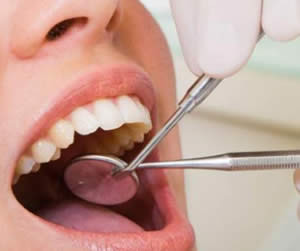
| Using a VELscope to detect oral cancer during a dental exam. |
"Taking the patient's detailed history also includes asking about the duration of the presentation, whatever it may be, if any sort of symptoms, pain, swelling and loss of sensation." "But it's important to note that oral cancer isn't common, so if I see a white lesion on the cheek, I'm more likely to think it's an autoimmune issue." Dr.Timothy Winlow, Capital Dentistry, Gatineau, Quebec
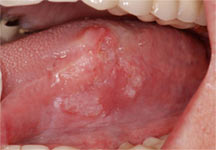 |
Oral cancer* |
Signs and symptoms
- White or dark red patches in your mouth, or on your lips or tongue.
- Lumps or changes in the texture or colour of the mouth tissues.
- Bleeding or numbness in the mouth; sores or patches that do not heal.
- Difficulty swallowing; changes in taste or tongue sensation.
Risk factors
The actual cause of oral cancer is not known but risk factors include:
- Consumption of tobacco products (cigarettes, chewing tobacco, cigars, etc).
- Heavy alcohol consumption (It is especially dangerous to combine smoking and alcohol.)
- Oral sex
- Prolonged, repeated exposure of the lips to the sun.
- Poor diet; genetics and gender (more men develop the disease than women.)
- A history of leukoplakia - a thick, whitish-colour patch inside the mouth.
Diagnosis and treatment
Treatment depends on the severity and location of the disease, as well as the age and health of the patient. If oral cancer is suspected:
- A biopsy (surgical removal and microscopic examination) of the suspicious area may be taken.
- Imaging tests such as X-rays, ultra sounds, CT scans or MRIs may be taken.
- Chemotherapy, radiation therapy or surgery may be necessary to remove tumor(s).
To help prevent oral cancer:
- See your dentist regularly for dental exams and ask about oral cancer screenings.
- Stop using tobacco products - ask your dentist about tools to help you quit.
- Limit alcohol consumption.
- Limit sun exposure and use U/V protective lip balms.
- Eat a healthy diet with lots of fruits and vegetables.
- Check your mouth regularly for signs or symptoms and report any changes in your mouth to your dentist right away. Canadian Dental Association
 |
White or dark red patches in the mouth or on the lips or tongue, lumps or changes in the texture or colour of mouth tissue, bleeding or numbness in the mouth, sores or patches that fail to heal, swallowing difficulty, changes in taste or tongue sensation can all be symptoms of oral cancer. Along with diagnosing a disease such as cancer it is not only spotting these abnormalities, but taking note of personal medical history that helps to determine whether cancer may be present.
In 2020, an estimsted 5,400 Canadians will have been diagnosed with oral cavity cancer, according to the Canadian Cancer Society. Cancer cells, undetected, have the potential to spread from the mouth to other parts of the body. Metastasis can affect the muscle surrounding he mouth, lymph nodes in the neck, bone surrounding the mouth, the liver, lungs and the brain. Should a dentist suspect the presence of cancer, they can perform a biopsy, or alternately send the patient elsewhere for a biopsy and additional testing.
Preventive measures to take steps ensuring that all that could be done to prevent the onset of cancer through modified lifestyle choices represent the first line of defence; taking steps to reduce the potential through proper diet, avoidance of tobacco, excess alcohol consumption, protection from too great sun exposure and regular dental appointments as recommended for good dental hygiene. Cancer detection is not the only disease that dental inspection of the mouth is capable of ferreting out, however.
Many people are unaware of the symptoms of diabetes and as a result are unable to treat this chronic condition that can have such a huge impact on their lives. Untreated diabetes is implicated in long-term harms such as affecting eyesight, neuropathy, kidney function, leading as well to heart conditions, along with other bodily systems including a propensity to developing periodontal disease, an infection of the gums and bones, weakening the structure that holds teeth in place.
"If the diabetes is uncontrolled, people will end up with poor blood circulation, which includes reduced circulation in the oral environment, so there is more of a chance of the body not having a defense against bacteria." "If bacteria from gum infections, enters the blood stream, it also has the potential to worsen or increase the risk of other health issues." Mark McCullough
The American Dental Association reports research suggesting that treating gum disease can aid in improving blood sugar control in people living with diabetes, thus helping to diminish the disease progression impacting the eyes, nerves and heart. Dentistry plays a detection role as well in recognizing other problematical health conditions like vitamin B12 deficiency, syphilis, herpes, HPV, and mental health disorders causing self-injury, bulimia and drug use.

Labels: Dental Health, Dentistry, Gum Disease, Health
posted by Pieface @ 7:19 PM
0 comments