Ruminations

Blog dedicated primarily to randomly selected news items; comments reflecting personal perceptions

Thursday, May 02, 2024

Anger Does Not Favour Survival

"It's fascinating that anxiety and sadness did not have the same effect as anger, suggesting that the ways in which negative emotions contribute to heart disease differ."
Daichi Shimbo, cardiologist, professor of medicine, Columbia University Irving Medical Center
 
"We often hear of someone suffering a heart attack during a highly distressing event."
"We've known that stress from anger can trigger a heart attack, but we didn't understand why until this study, which elucidates the underlying mechanism." 
Brian Choi, cardiologist, professor of medicine and radiology, George Washington University

Some people have heart attacks during moments of anger  smolaw/Shutterstock

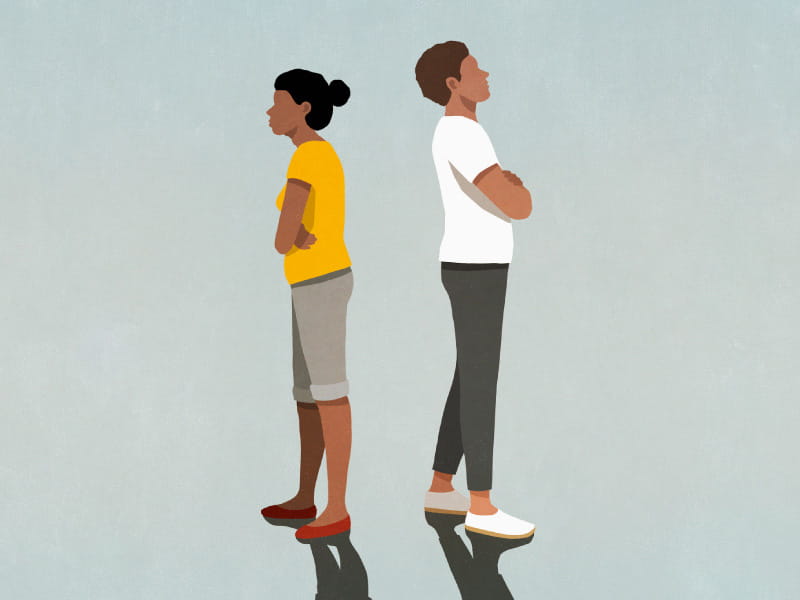
The study, published in the Journal of the American Heart Association, notes potential health risks associated with intense anger, illuminating the influence of negative emotions on health and longevity. Frequent angry outbursts have been linked to an increased risk of cardiovascular disease, and this study explains the body's mechanisms that lead to the problem.
 
The study evolved around 280 healthy adult subjects, randomly assigned eight-minute tasks, each of which was designed to elicit feelings of anger, anxiety, sadness or neutrality. Prior to and following these emotion-inducing trials, researchers assessed the endothelial health of each participant. Lining the interior of blood vessels, endothelial cells are essential for the maintenance of vessel integrity, vital for proper circulation and cardiovascular health. 

Scrutiny and assessment of the results by the researchers, concluded that anger had a significant negative impact on endothelial function, limiting blood vessels' capacity to dilate. Neither anxiety nor sadness had as pronounced a deleterious effect as did anger. The research, remarked Daichi Shimbo, lead study author, represents a link in understanding how different negative emotions affect physical health.

Healthy individuals were chosen by the research team as study subjects in the understanding of the confounding effects of chronic illnesses like diabetes, which can have a compromising effect on vascular function. Should participants have had such conditions, affected blood vessels could already be a reality, raising the difficulty of determining the effect of emotions alone, on vascular health.

The results of the study leads Professor Choi to believe that health-care providers could be prompted to investigate therapy protocols such as anger management to determine if such therapies could serve to reduce risk of cardiovascular disease. Further study in the reasons anger affects the heart detrimentally, and considering whether the case is related to the sympathetic nervous response or inflammation, appeals to Professor Shimbo as meriting further study. 
 
https://www.heart.org/-/media/Images/News/2024/May-2024/0501AngerVascularHealth_SC.jpg?sc_lang=en
(Malte Mueller/fStop via Getty Images)

"There is a heart condition known as takotsubo cardiomyopathy that is precipitated by a stressful event such as the loss of a home, job, or loved one. In this condition, there is a high level of stress hormones that is measurable. Perhaps different emotions have different effects on the cardiovascular system and it would be interesting to explore this further."
"Physical and emotional health are linked, and we should change the way we think about health: health means a healthy body and mind. In addition to a healthy diet and exercise for the body, there are other lifestyle practices and exercises for the mind that we can incorporate into our daily lives such as yoga and meditation."
"These are just a few practices that can help us to manage stressful situations or a spike in emotions that could negatively impact heart health."
Dr. Nieca Goldberg, clinical associate professor of medicine, NYU Grossman School of Medicine

Labels: , , , ,

Monday, May 08, 2023

Health Benefits of Strolling in Green Landscapes

"As little as five minutes of green exercise can be beneficial."
"You may experience greater mental health benefits if you are able to be active outside in a natural environment."
"But, since physical activity is extremely important for our physical and mental health no matter what you do or where you do it, just keep being active."
Claire Wicks, senior research assistant, University of Essex, Britain
Stroll in Bilberry Creek Ravine Forest, Ottawa

A short, leafy stroll improves working memory and concentration notably more than does taking an indoor walk, findings of a new, small study of the neurological effects of "green exercise"; physical activity conducted within a natural landscape. Katherine Boere, a neuroscience doctoral candidate who led the neurological study of green exercise, checked research showing that walking in an interior or out in nature generally increased blood flow, clearing people's minds.

She decided to undertake her own study which began when she and her colleagues gathered 30 college students, tested their working memory and capacity to focus and then choosing alternate days, had them walk for roughly 15 minutes both inside a building or alternately on leaf-canopied paths -- and then repeated the cognitive tests. The outside walk readily surpassed the health effects of the indoor walks. Resulting in better concentration, with students responding with greater alacrity achieving results according with scientific theories on how nature affects the human mind.

One widely held theory holds that the natural world encourages people to relax, diminishing the force of internal ruminations on pressing concerns, allowing our busy brains to experience quiet periods. Nature's effect is what scientists name "soft fascination", explained Ms.Boere, holding our attention and not demanding constant intellectual processing. The overtaxed focus can relax, reset and moving past the event -- people are able to concentrate and reason more readily.

There is, of course, the anticipated physiological effects that walking has on thinking; the augmented flow of blood and oxygen to the brain. That study Ms.Boere was involved with, was titled by herself and her co-authors: Exercising is good for the brain but exercising outside is potentially better.

Other research shows that the effects can extend beyond brief improvements in concentration, to an increase in motivation -- and in the process exercise feels less burdensome. A study published a year ago out of China saw young, inactive people with obesity begin walking in a park or gym on alternate days, reporting feeling considerably less stressed, enjoying exercise more than when they walked for exercise in interiors.

In a previous study of older men and women who wore activity trackers for a week, those who walked outside voluntarily exercised roughly 30 minutes more during the week than those who walked inside. Exercise that is strenuous can feel far easier to perform and more enjoyable within green surroundings -- a landscape can make an important difference.

Researchers found that exercising in urbanized outdoor settings -- commercial districts, downtown areas, and other cityscapes with few trees and other natural elements -- tended to be less beneficial for people's mental health than similar exercise undertaken in greener, natural environments such as community parks and urban forests. Even the unforgiving pavements can cause physical stress to feet, quite unlike walking in a green space or on a forest floor.

In a review of past research published in 2022, people reported feeling tranquil following a walk or gentle jogging for about 15 minutes through parks or similar landscapes, but less so when the exercise lasted for 40 minutes or longer, or was felt to be physically exhausting. A six-kilometre run in a park helped to calm women in one study cited by the review; doubling that distance to about 14 km turned out to be less satisfying.

Hike on Lovequist Trail, Rocky Gorge, New Hampshire


Labels: , , , ,

Sunday, February 26, 2023

Water: The Essential Nutrient

"In terms of research, we still know so little about how to eat, what to eat to be healthy, which supplements to take, which nutrients we need. It can be confusing."
"Dehydration is like a stressor for your body, so I see this as an immune challenge"
"If we are chronically dehydrated, the cells are always on alert, they're always reactive. So they neglect their physiological functions because they become engaged in trying to resolve the challenge."
"The thing about water is that it's an essential nutrient."
Marie-Eve Tremblay, associate professor, Canada research chair, neurobiology of aging and cognition, Institute of Aging and Lifelong Health, University of Victoria
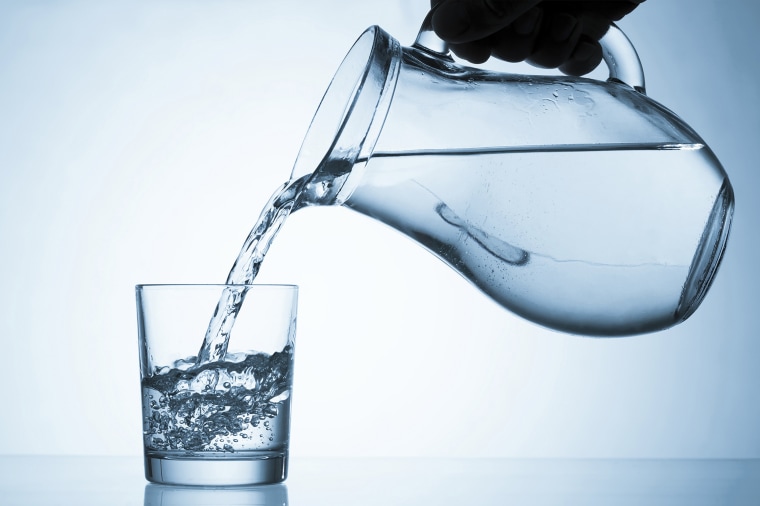
Pouring water into a glass
A study from the NIH finds that adults who stay well-hydrated develop fewer chronic conditions, such as heart and lung disease, and live longer overall than those who don't drink enough fluids.Wladimir Bulgar / Science Photo Library/Getty Images Plus

Water is an absolute necessity. Water from any and all sources, including tea and coffee, the water content of the food we eat. Hydration is vital for metabolism, for cell and organ function, for brain function and for the immune system. Insufficient water in one's system makes it difficult for the body to maintain natural processes.
 
Lack of needed water results in low-grade inflammation linked to most diseases, including neurodegenerative disorders such as Alzheimer's. New research on hydration indicates aging can be decelerated with proper liquid intake; diminishing the risk of developing chronic diseases and the extension of one's lifespan can be achieved through adequate water intake.

A definitive study emerged out of the Laboratory of Cardiovascular Regenerative Medicine at the National Heart, Lung and Blood Institute, a division of the U.S. National Institutes of Health, in Maryland. There, researchers examined lifelong water restriction in mice, studying serum sodium, the concentration of sodium in the blood. Experimental mice with increased serum sodium levels -- more sodium, less water -- had shortened lifespans by six months, equal to 35 years of human life.

The most common factor increasing serum sodium is a decrease in body water content. Researchers focused on hydration for that very reason. Liquid intake from water, other liquids and from fruits and vegetables with high water content influences serum sodium. Hydration also results from food consumed in the human diet. 

The same researchers later began a study with human participants. "We calculated the biological ages of the study participants based on health markers", explained study author Natalia Dmitrieva. Blood sugar, blood pressure and cholesterol measures are biomarkers that measure how well kidneys and cardiovascular, respiratory, organs and immune systems are operating.

Those study participants identified with higher and faster-aging risk held a 64 percent elevated risk for chronic diseases like stroke, heart failure, atrial fibrillation, chronic lung disease, diabetes and dementia. Risk of disease, early death and accelerated aging was also higher in some participants with low serum sodium levels. A similar outcome can be attributed to certain health conditions and medications.


Labels: , , ,

Saturday, December 11, 2021

Appreciating Winter Cold


Traditional Finnish Log House/Cabin in 1988 and 2019 - YouTube
Old Finnish winter log sauna cabin
"You are invited to take off all your clothes and go to a little room heated to almost 100 degrees Celsius, where you will sit, naked, with others for a while and sweat. Then you will go outside and jump (still naked) through a small hole in the ice on a lake, the sea or whatever and refresh yourselves in the freezing water – or roll in the snow instead."
"In short, 'What about a sauna?'"
"The answer should be simple. Be courageous and say 'yes' – because if you don’t you will miss a deliciously relaxing experience which will provide a vital insight into the culture and mentality of your Finnish hosts."
This is Finland : Bare Facts About the Sauna in Finland
 
"Obese people have less total brown fat and this is one contribution to obesity."
"[Exactly how large a factor it is overall is] the million-dollar question."
Michael Symonds, Nottingham University 

"People saying that they  re aroused and alert and they feel alive, well that's really the release of the stress hormones as a result of what is a pretty significant physiological stress."
Mike Tipton, cold exposure physiological effects, Portsmouth University

"I was swimming back to shore [winter cold-immersion swim] with my wife, when everything went completely blank."
"I was walking and talking but had lost my memory. It gradually came back over the next few hours."
"I was told then it was extremely unlikely to happen again and I'm pleased to say it hasn't."
Michael Mosley TV journalist, cold enthusiast
The men only Highgate Ponds, also known as Hampstead Ponds, in North London is a favourite spot for an early morning dip. As Britain is seized by the Big Freeze a few stalwarts go swimming in sub zero temperatures as the snow and ice turns Hampstead Heath in a winter wonderland. Swimming in freezing water can be dangerous to the uninitiated so people wishing to swim in the ponds during the winter are advised to acclimatise themselves to outdoor swimming. Advice from the Amateur Swimming Association is to start swimming outdoors in the summer and continue into winter preferably three or four times a week for short periods. Dangers are said to include numb freezing cold injury, hypothermia and sudden immersion syndrome (SIS). Photo by Michael Walter/Troika swim swimmers swimmer ice extreme sports
Ice ice baby: cold-water swimming at the Men’s Pond in Hampstead, north London. Photograph: Michael Walter/Troika
 
The past few decades has seen research into brown fat in the knowledge that its potential for preventing obesity is fairly vital to explore. There are studies suggesting a link exists between the centrally-heated comfort of our homes and the universal rise in obesity within populations. Slim people tend to have more brown fat than others, but it is known that its amount varies from one individual to another. Unlike white fat which accumulates under skin, brown fat does not store calories, instead it burns calories.

Packed with mitochondria -- tiny cellular power plants burning glucose to produce heat -- brown fat is quite different than what we usually envision fat to be; a thick layer of unwanted weight. It is known that regular exposure to cold temperatures increases the activity of brown fat, consuming energy for several hours after exposure to the cold. A phenomenon that leads to the theory that getting cold may be a solution to burning calories with minimal effort. 

Adapting to the cold is now seen by many to be a simple, natural method of increasing health. Improved mental health along with a healthier immune system, with the additional benefit that it may also lead to weight control. At  home, turning down the thermostat is one way to expose everyday living to winter cold ... within reason. 
 
In the Netherlands, a study found people who spent time in a 15 - 16C room over a ten-day period increased brown fat activity, burning more calories, with volunteers spending six hours daily in the cold. "You do not need to be exposed all day. Most likely a minimum of an hour is required", clarified Wouter van Marken Lichtenbelt of Maastricht University, leader of the research.

Another study led by Susanna Soberg of the University of Copenhagen, found regular cold-water swimmers' brown fat burns more calories when cold than people who hadn't been accustomed to cold exposure; training brown fat makes it work more efficiently. Walking, running or cycling in the  old have all been demonstrated to burn more calories than they would do in warmer weather. 

One can gradually acclimate to being in a colder room, but that isn't the case with dousing oneself with cold water in the winter; a shock to the system ensues wth the body cooling more rapidly in water than it would in air. Rapid loss of heat from the skin sets off the fight-or-flight response, while stress hormones rise sharply and quickly. A shock linked to benefits such as a healthier immune system.
 
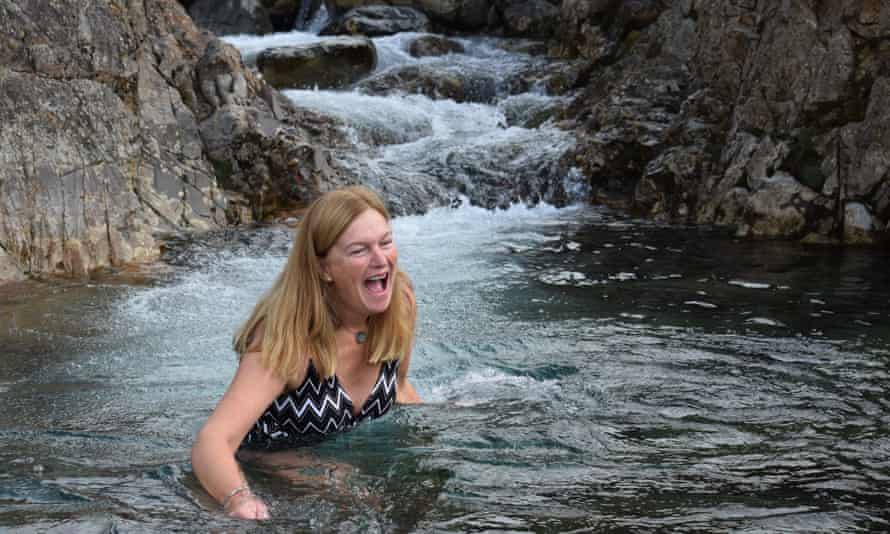
Sara Barnes Cold Water Swimming for the Observer magazine feature only The Blue Lagoon, Wasdale, October 2018
The water felt cool, but the effect on the pain was that it completely numbed my legs’: Sara Barnes at the Blue Lagoon, Wasdale. Photograph: Emily Cornthwaite
 
The initial rush of adrenalin followed swiftly by an increase in anti-inflammatory chemicals in the blood, tamping down the immune response, according to another study. When injected with a small portion of a bacteria to stimulate an immune response afterward, cold-exposed people experienced fewer symptoms and lower fevers than those who had not been in cold water.
 
With over three thousand volunteers, a separate study showed that people who ended a warm shower with a 30 - 90-second burst of cold water daily for a month were 30 percent less likely to take time off work for illness than were those who just had warm showers. An estimated 30 seconds -- one-half minute -- has the same benefits as a one-minute exposure.

It must be pointed out that there is stress and danger in the cold-shock response. The sharp deep intake of breath ("gasp reflex") that strikes when skin feels cold water, is not controllable, and should it happen with the mouth under water a risk of drowning ensues. Hyperventilation that follows the initial gasp is reason enough why jumping off into cold water without being accustomed to it, is not recommended. "You're much better off going in slowly and habituating", advises cold-water enthusiast Mike Tipton.

Additionally, the shock of sudden immersion raises risk of a heart attack, even in people without underlying health issues as well. A rare, but total loss of memory can also result. Safely done, however, there are benefits to be had in teaching the body to deal more efficiently with other stresses; mental, physical, or both.


Labels: , , , , ,

Monday, August 23, 2021

Aging Body Image

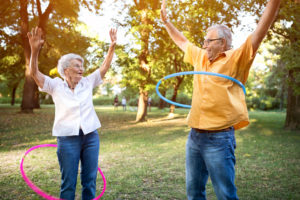
Active senior couple plays hula hoop together in park
"These results are also consistent with theoretical work suggesting that women place less importance on evaluating the appearance of their bodies as they age, and that older adults may value body function over body appearance."
"Similarly to their female peers, aging men may value body functionality over body appearance, which in turn may buffer against appearance dissatisfaction." 
"The weights of contestants and winners of an American beauty pageant were found to persistently decline between 1958 and 1988. Similarly, Playboy centrefold models became increasingly slender between 1959 and 1988."
"[In recent years both men and women were exposed to the] fit [ideal of a slender muscular body shape which can also dent confidence when it eludes achievement]."
Body image study, Australia/New Zealand researchers
Fittingly enough the study and its conclusions on peoples' perceptions as they age of their body image and how important it is in their younger ages -- over time when physical enfeeblement and chronic health conditions turn minds away from image to sheer endurance -- saw publication in the journal Body Image. The researchers wrote of increasing 'body confidence' as men and women age, as opposed to conflicting 'body insecurity' through self-criticism when those same men and women were young and their focus was attaining the perfect body image in a reflection of society's image-conscious young.

The study concluded that once having attained to the age of 60 most people are more content (resigned) with the physical conformations of their bodies. Size, shape and appearance metrics all gain in satisfaction levels  in lock-step with aging, the later years blessed with the highest levels of self-assurance. This, according to data derived from over 15,000 test subjects. 

Women tended to exhibit the greatest degree of unhappiness with their natural bodily attributes aged between 19 and 24. By the time they reached age 60, they were more placid about how they appeared, and accepting to the point of contentment with what is. Men as well between ages 29 and 34 were less self-confident and more self-aware, a condition that diminished slightly from ages 44 to 49. On approaching their 60th birthday, male self-esteem gradually rose and continued to do so as they further aged.

Society's idealization of beauty and associated attractiveness is lodged squarely in nature's gift to her creatures, that appearance appeals, bringing the genders together for the ultimate purpose at the most basic level of existence, of procreation; it is what survival of the species is all about. And so anxiety about personal appearance is the translation of that elemental urge, the need to attract a member of the opposite sex. 

Pressure felt by both men and women to appear to have the perfect body image is responsible for the levels of self-confidence each attains, an emotional self-appraisal based on expectations gleaned from popular images of celebrities, models, athletes and entertainers who groom themselves to appear glamorous, fit and body-image-charismatic, serving symbolically as icons of perfection. 

Once both men and women reach maturity on the other hand, that same urge to perfection has mellowed to take a back seat to concerns over health and aging. The researchers from Australia and New Zealand polled 15,264 people between the ages of 18 and 94, assessing how satisfied they were with their body image, between 2010 and 2015. 
 
Body image satisfaction was given ratings on a sliding scale from one to seven. For women the average rating turned out to be 4.052, while for men it was 4.413. Men tended to have a more positive overall attitude of their bodies, seeing gradual improvement as they aged, while women's increase in body confidence as they aged was more emphatically dramatic.

Body satisfaction increases across the lifespan for men and women, a new study from experts in Australia and the University of Auckland in New Zealand reveals. But women specifically started to love their body around the age of 60

Labels: , , , ,

Wednesday, August 18, 2021

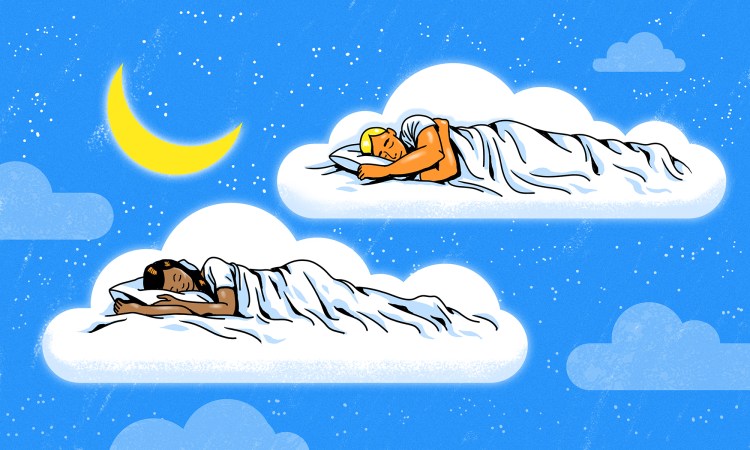
Sleeping Solo

"Few things impact the quality of your sleep each night more than your sleep environment."
"That includes who's sleeping beside you and how well you sleep together."
Meir Kryger, professor of medicine, School of Medicine, Yale 

"Considering all the emotional and physical benefits of sleep, the sum of two healthy/rested individuals who make up a loving couple are greater than their individual parts."
"[I'm] a huge proponent of couples sleeping apart." 
"A bed is always for two things only; sleep and sex. When you crawl into bed, one of those two Pavlovian bells should go off."
Eric Marlowe Garrison, chair, American Association of Sex Educators, Counselors and Therapists

"Sleep deprivation can cause devastating physical and emotional fallout. Electing to sleep apart can often minimize or eliminate sleep problems and save or enhance a relationship."
"The most important sign that sleeping apart may enhance a relationship is that restful and adequate sleep for one or both partners is being compromised because of physical incompatibilities that disrupt sleep."
Joseph Cilona, psychologist, Manhattan 

"Tired, sleep=deprived parents are rarely at their best."
"The choice to sleep apart can be problematic if it is not mutual or agreed upon by both members of the couple."
Aude Henin, co-director, Child Cognitive Behavioural Therapy Program, Department of Psychiatry, Massachusetts General Hospital
Glenn Harvey
 
Overall, the general quality of sleep is just as important as its quantity and likely, somewhat more so. Medical experts recommend 7 hours of nightly sleep but if the sleep is disturbed and an uncomfortable experience, the timing is compromised by the experience. The Centers for Disease Control and Prevention research concludes that fewer people sleep well and research has divulged that may be because the person sleeping beside you is the reason.

Professor Kryger of Yale's School of Medicine, author of The Mystery of Sleep: Why a Good Night's Rest is Vital to a Better, Healthier Life, pinpoints the problem squarely on the struggle with sleep problems like restlessness, parasomnia (sleep terrors and sleepwalking), sleep apnea and late-night trips to the bathroom already afflicting people so that their existing reduced state of quality sleep patterns are exacerbated when sleeping next to someone with some of those same symptoms of sleep-depriving qualities.
 
A furniture showroom circa 1930 showing an “ideal bedroom.”
Topical Press Agency/Getty Images
 
Sleeping next to someone who constantly alters their sleeping positions, pulls the covers toward them, having a sleep schedule unlike your own, equate to a poor night's sleep due to a variety of disturbances all diminishing the quality of sleep. Sex Counsellor Eric Garrison speaks of meeting with thousands of couples anxious to improve their intimate relationships and through those interviews finding separate sleeping arrangements (from twin beds in the same chamber positioned close to each other, to double master bedrooms) helps to nourish marital bonds.

Poor sleep can result in relationship conflicts, according to a study out of University of California at Berkeley. Another study out of Paracelsus Private Medical University concluded that a lack of sleep and relationship problems often companion one another. Sex therapist Garrison emphasizes his finding that couples who sleep apart may also develop an improved sex life. In that a good night's rest tends to reduce stress -- and there is nothing quite like stress to dampen sexual desire.

Improved sleep patterns resulting in superior rest nightly is also involved in reducing the risk of chronic health problems, and may also improve motor functions as well. "We are better at everything when we have had enough sleep", explains professor of family and social science, Paul Rosenblatt, from the University of Minnesota, who cautions that couples who sleep apart may also feel less safe sleeping alone, or be concerned about the loss or cost of additional room required to make sleeping apart possible.
"The primary downsides of sleeping apart are the possibility that there could be a loss of intimacy or closeness, which could lead to feelings of disconnectedness."
"[Couples who decide to sleep apart should] schedule some time to be together in bed to cuddle, be intimate and just experience some closeness."
"For many couples, it's the time before sleep that makes the marital bed so sacred."
Wendy Troxel, senior behavioural and social scientist, Rand Corp.
Lesbian couple asleep in bed, photo by LeoPatrizi/Getty Images
Photo by Leo Patrizi/Getty Images


Labels: , , , , ,

Thursday, February 18, 2021

Convince Me!

"When I see someone, I start a conversation and say, 'It's not as strange as it looks."
"It is good for mental well-being ... the mental and physical effects last for several hours."
David Pattenden, 72, Beverley, East Yorks

"Cold is all in the mind. [Winter gives me] the same feeling as cold water on my skin. It lessens anxiety and makes me feel more resilient."
"Lockdown makes me feel numb, but this makes me happy."
"I expose my skin to the cold air while running and exercising as I find it helps my immune system and keeps me alert and happy."
Debbie Bent, 54

"You really have to be calm, focused and very mindful and aware of your physiology. It's potentially life-threatening if you stay out too long."
"Your body is buzzing, your head is clear, you're warm and you experience all the benefits of being immersed in your environment in these low temperatures."
"[A cold spike and adrenalin release] has a significant impact on inflammation reduction and circulation. Ice baths are an integral part of professional sports recovery."
"We've got used to living in the warm so what may not be that extreme seems so much more uncomfortable. Our body never learns how to thermoregulate itself."
"{People impressed with this new therapeutic push of the body to the limit are] waiting for the snowfall or extreme weather to expose their skin because of the benefits of mindful walking in the cold." 
"[Running or walking in the cold] is about letting go of our preferences for comfort ... I have become phenomenally strong in terms of my emotional, physical and spiritual resilience to life's trials, in all settings and contexts, through the medium of natural cold exposure."
"When you're in that moment of feeling a huge gust of ice-cold wind hitting your body with snow or rain bombarding you, a sense of formidable empowerment overcomes you and all of a sudden, you're warm and you're buzzing with endorphins."
Will van Zyl, 47, teacher, Wim Hof Method workshops and retreats
https://www.wimhofmethod.com/cache/uploads/medias/f95c6c01-095a-4ae9-9d86-275ba80f2a9e/5adf4c0da262a.jpg
Win Hof Method website
 
Wim Hof, a 61-year-old Dutch adventurer has impressed a lot of people with his skin-bared-to-the-cold philosophy on health and well-being. He is the record holder for a barefoot half marathon on ice and snow, and has a cult following. Over 500 Wim Hof Method instructors offer their services to induct, introduce and train people in the Wim Hof way of approaching natural health therapies by the simple expedient of accustoming the body to bare-skin exposure to the cold.

This is an offshoot of the Nordic devotion to the very same type of therapeutic belief in health measured in terms of accustoming the body to exposure to winter cold, toughening the body and relaxing the mind. A 2011 study from Radboud University (Netherlands) found sympathetic nervous and immune systems to be influenced by short-term training programs like unclothing oneself and taking a cold walk outdoors in inclement winter weather. And that study influenced Mr. Hof to take his own experimental first steps in practising winter-weather-skin exposure.
https://www.wimhofmethod.com/cache/uploads/imageWidgets/04eb7113-bc8a-45c5-835a-6e1a5dd8e036/5aab8d0b36ca5.blob?h=600&fit=crop-center
Call it meditation with an Arctic twist

Obviously aspirants to toughening themselves up to withstand the experience of baring oneself nakedly to the winter elements of cold, ice, snow and wind, cannot be achieved overnight. A gradual build-up of body tolerance to the shock must take place before a potential adherent to the method can be capable of spending any length of time exposed in this way. And even then, a reasonable length of time and no more must be dedicated to that exposure. The time element would be best achieved on an individual basis; people becoming aware of the fine line for them personally between achieving comfort and acquiring a dangerous exposure level.

Sensitivity to sensations that may warn of overdoing exposure is paramount for safety since risk of hypothermia and frostbite with excess is always a danger until such time as tolerance has built to a point where lengthier exposure can be achieved. David Pattenden became aware that local police were looking into reports of a semi-naked man tramping through his village in extremely cold temperatures, alerting him to the fact that his hobby was concerning to onlookers perhaps fearing for his sanity.

He has plenty of company and the company of bareskin runners and walkers is steadily increasing, people having become intrigued by the prospect of enjoying the chill feeling against their bare skin. Lockdown has served to point people in unusual directions for relief from boredom and isolation. The Outdoor Swimming Society in the U.K. has enjoyed an increase in membership by a third coinciding with the first of the lockdowns. A Swim England study concludes 7.5 million people in the U.K. swim outdoors in winter.
 
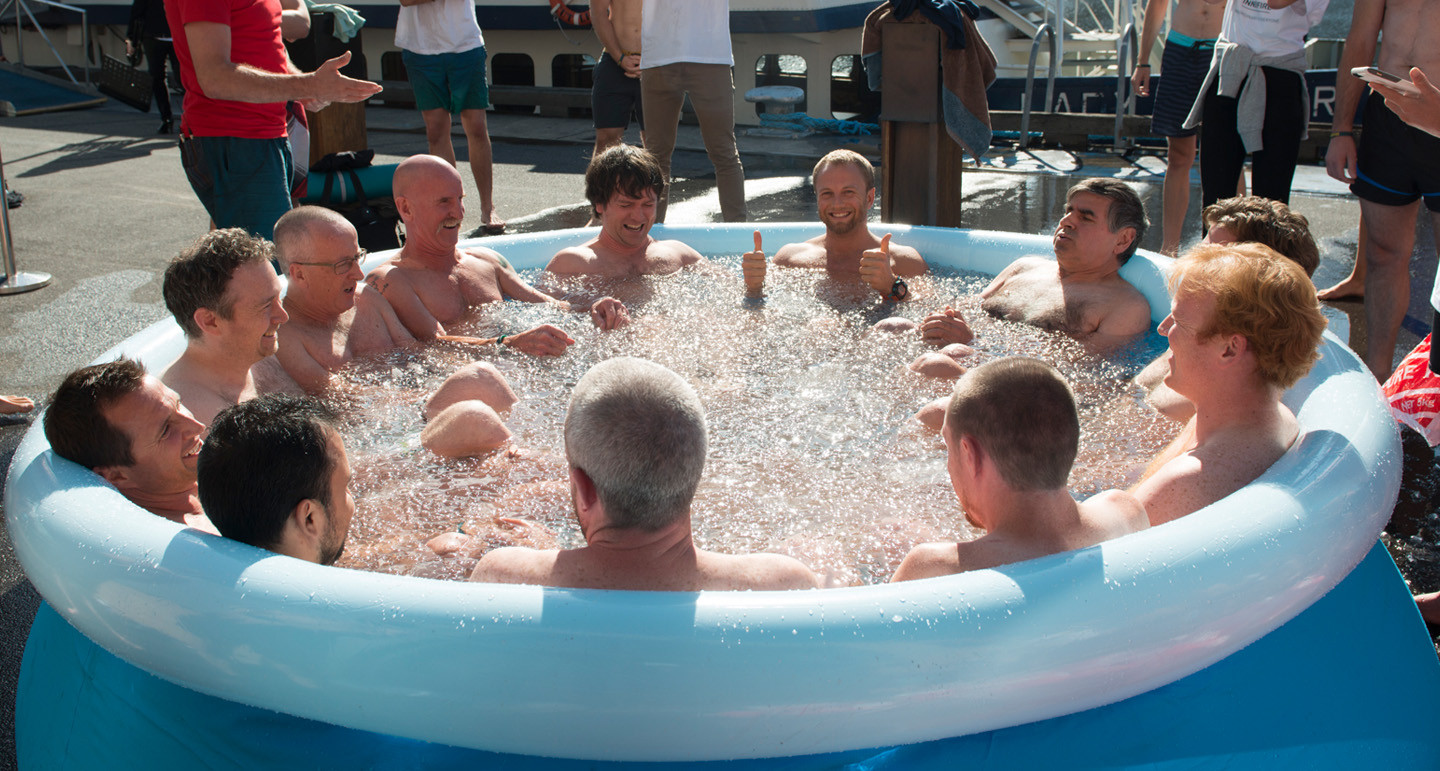
Hof holds 21 Guinness World Records, scooping one for spending nearly two hours in an ice bath. Adults are recommended to spend no more than 10 minutes in one
 
When the third lockdown entered her life, Debbie Bent began to walk her dog, fairly casually dressed in vest top and thin trousers. The British are well known for their 'eccentricity' and that a steadily growing number of people have taken to new lifestyle therapies is hardly surprising. Despite which, people continue to be surprised and perhaps a little concerned when they see someone out and about on frigid days in exposed condition. Ms.Bent has embraced wild swimming as well.

According to presenter Ben Fogle who posted a photograph of himself running in the snow wearing shorts and nothing else, the caption on his Instagram feed captured his sentiment: "cold is all in the mind. I expose my skin to the cold air while running and exercising as I find it helps my immune system and keeps me alert and happy. Clothes, central heating and inactivity have reduced the efficacy of our bodies", he states with the utmost conviction.

Win Hof Workshop, Prague, Czech Republic  
"Exposure to fresh air outside is good for us because it can help provide non-recycled air to the lungs which improves the blood's oxygen levels and circulation."
"Moreover, moderately cold temperatures are good for skin health because it constrains the blood vessels in the skin [allowing the body temperature to regulate]."
Dr.Paul Banwell, founder, Melanoma and Skin Cancer Unit, East Grinstead, U.K.

IS THERE TRUTH TO WIM HOF'S METHOD? 

When the human body is exposed to extreme cold, our core temperature drops, causing the body to enter a state of hypothermia, and eventually we freeze to death.
But 57-year-old Wim Hof, from the Netherlands, has been able to spend nearly two hours in an ice bath and emerge unharmed.
The Iceman, as he is known, has also run a full marathon above the Arctic Circle wearing just shorts.
Hof puts his capabilities down to his self-developed meditation and breathing technique – known as the Wim Hof Method – enabling him to control his body’s autonomous hormonal responses.
This was tested by researchers at Radboud University Medical Centre in the Netherlands as part of research into the treatment of autoimmune diseases.
Hof was injected with endotoxin, a substance that tricks the body into thinking it is under bacterial attack.
He should have developed a fever and flu-like symptoms but did not, so researchers concluded that there may be truth to his claims about his ability to suppress his automatic immune response. 


Labels: , , , ,

Wednesday, February 03, 2021

Alcohol? Nope. Sorry About That!

"Even modest habitual alcohol intake of 1.2 drinks/day was associated with an increased risk of atrial fibrilation [irregular heartbeat]."
"Alcohol consumption at lower doses [was associated with lower overall instances of heart failure]."
"Due to large sample size, we had power to detect associations even at low doses of daily alcohol intake."
"The level of consumption that minimizes health loss is zero."
European study -- European Health Journal
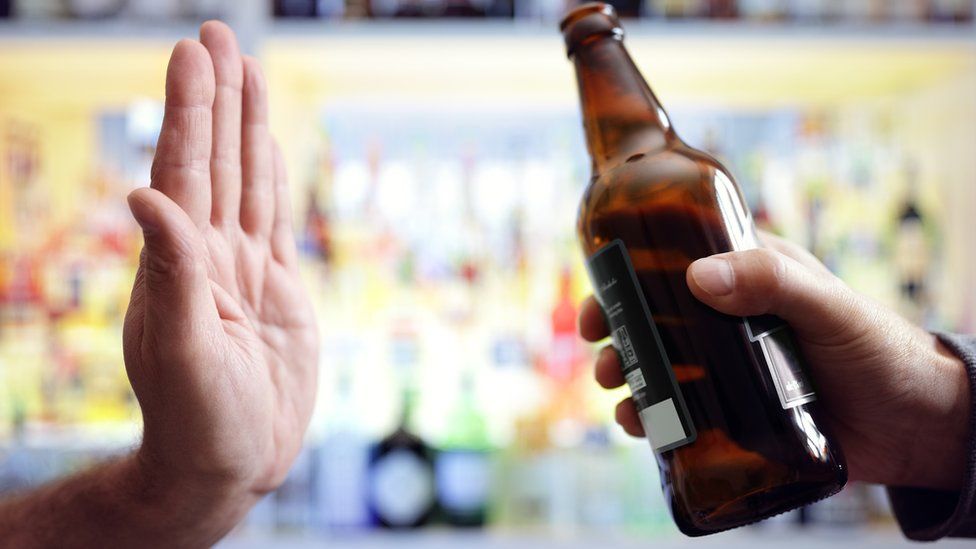
A bottle of beer
Just one drink a day leads to health risks   Getty Images
 
Sometimes assurances that seem too good to be true are quite simply that, in the end -- too good to be true. People enjoy relaxing with alcohol at the end of the day, or to pick up a meal, or to celebrate, or to share with friends. Alcohol is seen as obligatory at social events. And for years we've been reading that health experts have been assuring the imbibing public that drinks in moderation are good for health. That red wine in particular boosts heart health when taken in modest amounts. 
 
Health Canada, as an example goes so far as to recommend a maximum of ten drinks weekly for women and 15 drinks every week for men, as an acknowledgement that people will indulge, and it would be best for a national health authority not to exactly admonish the public for their pleasurable habits, but to help them to understand that in the interests of overall health, moderation is the key to good balance and to good health.
 
And then suddenly, it's all wrong. The long-standing assurance that a glass of wine daily is heart-healthy is not supported by a new European study that concludes even a discreet number of alcoholic drinks over the course of a day, a week, can lead to heart problems. That lower overall instances of heart failure can be identified with decreased alcohol consumption. 
 
The study was thorough in its examination of medical histories of over 100,000 people, to find that the risk of irregular heartbeat and other cardiovascular incidents increased whenever alcohol was introduced in any quantity. Just one drink a day raises the risk of developing heart arrhythmia by 16 percent. "Strong controversy" over the link between moderate drinking and adverse heart health is a reality, the report cautions, adding that most public health agencies tend to avoid recommending total abstinence from alcohol.
 
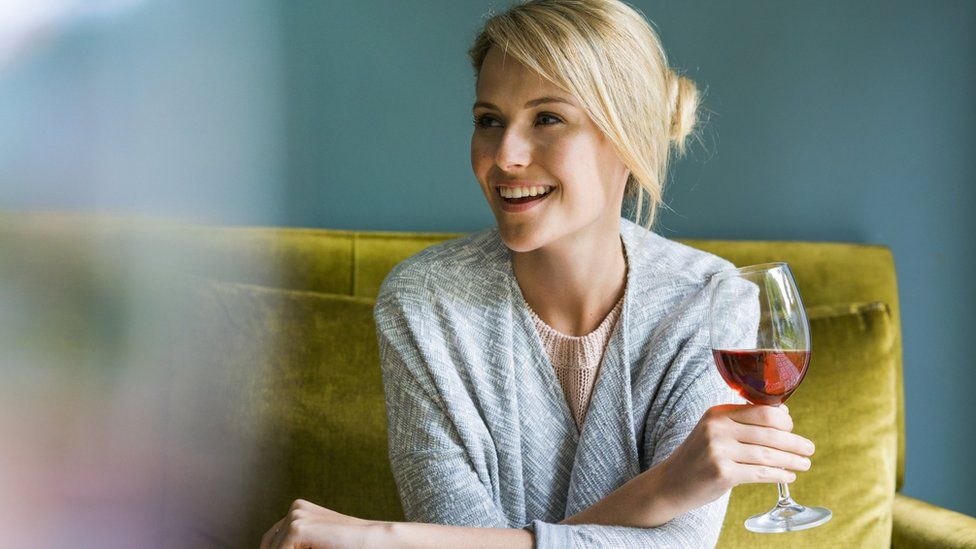
Woman drinking red wine
A glass of red wine a day is not healthy, say researchers    Getty Images
 
A growing body of evidence indicating even small amounts of alcohol can have negative human health effects is growing. Worldwide attention was focused on a 2018 report published in The Lancet which claimed any amount of alcohol was unhealthy. That report resulted from researchers going through close to 600 studies for data from 195 countries which concluded "the level of consumption that minimizes health loss is zero". 

British statistician David Spiegelhalter responded to that mega-analysis by a scathing critique that included: "There is no safe level of driving, but governments do not recommend that people avoid driving. Come to think of it, there is no safe level of living, but nobody would recommend abstention." The irony is that medical science has expressed confidence in the link between heavy drinking and cardiovascular complications, but the dangers of casual drinking impacting heart health only began to be seriously considered when "holiday heart syndrome" that emerged in the late 1970s, gave a heads-up warning.

That was when it was noticed with alarm that otherwise healthy people went through an unexpected, short-lived health crisis when they were struck with irregular heartbeats following about of alcohol-infused partying.

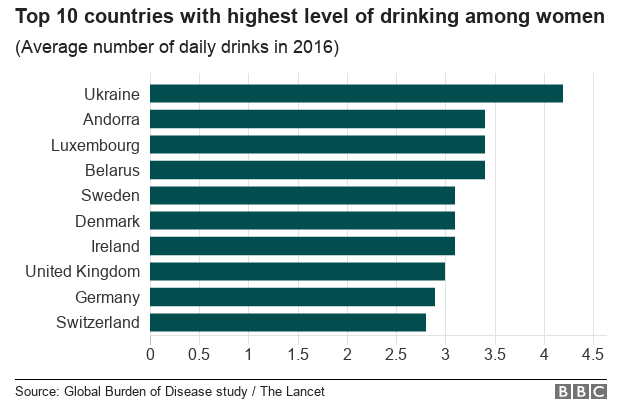
A chart on female drinkers around the world
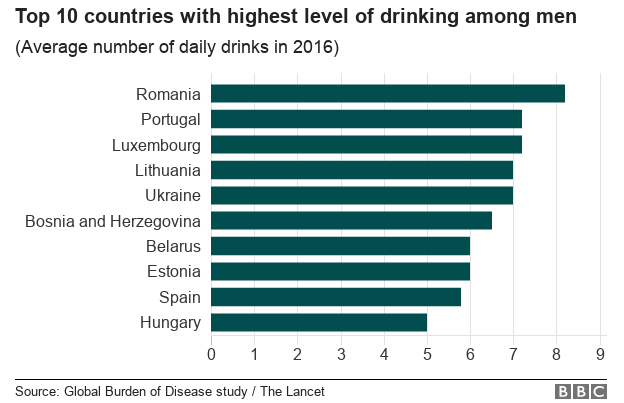
Table of British male drinkers around the world 
 
Hmmm, where's Russia notorious for its level of alcohol consumption, in these graphs?

Labels: , , , ,

Thursday, October 08, 2020

Fancy Over Fact and Function

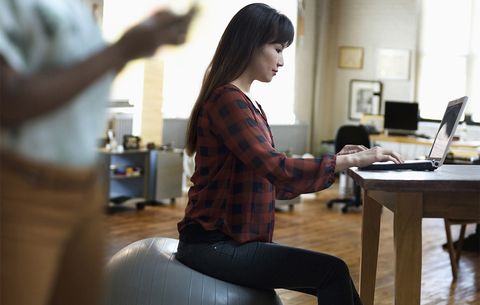
Truth vs. Myth: Is Using an Exercise Ball to Replace Your Office Chair a Good Idea?

"Although the existing body of literature is small, and the studies have limitations ... the literature to date does not suggest significant health benefits to justify unstable sitting as a health promotion practice."
"Increased movement of the spine, if beneficial, should reduce disc shrinkage because the beneficial movement would increase fluid exchange within the intervertebral disc."
"The loss in spinal height due to intervertebral disc shrinkage calls into question any benefits on the spine."
"Anecdotal evidence among ergonomics professionals of people falling from the free-rolling stability balls [speak to a lack of stability]."
Brian Lowe, research industrial engineer, National Institute for Occupational Safety and Health, Centers for Disease Control and Prevention
"[...Prolonged sitting on a stability ball does not greatly alter the manner in which an individual sits, yet it appears to increase the level of discomfort. The amount of movement that these unstable surfaces allow for really is not so much more so that the benefits outweigh the potential consequences."
"I would say, maybe work up to an hour, but at the end of the day, I don't think anyone should be sitting longer than an hour, even in a fancy office chair."
"[Get up, move about]. That's going to be so much more beneficial than anything you're sitting on to begin with."
Diane Gregory, associate professor, Department of Kinesiology and Physical Education, Wilfred Laurier University, Waterloo, Ontario

"Using an unstable surface allows those muscles to be turned on."
"The bigger picture is that a healthier way to sit is varying what we sit on. It's also important to pay attention to posture and get up and move as often as possible, even if it is just for a few seconds."
Tessa Elliott, physical therapist, Atlanta
exercise ball

Replacing your desk chair with a stability ball seems like a good way to sneak in some core exercise while you work. But how effective is it, really? Sitting on a chair requires no muscle activity at all and it actually hurts us for a number of reasons, says John P. Porcari, PhD, FACSM, exercise physiologist at the University of Wisconsin, LaCrosse

 
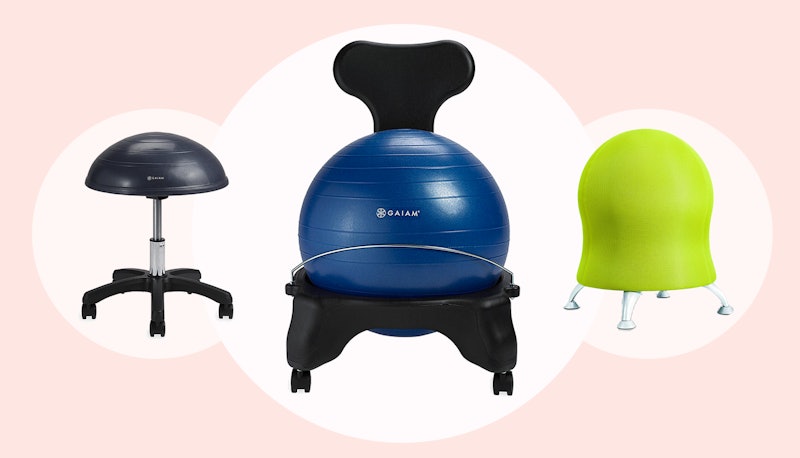
Choosing to balance on an unstable surface requires core engagement; abdominal, lower back and pelvic muscles brought into action. Theoretically engaging the body core aids it to become stronger which should in turn improve posture and reduce back pain. All of which makes sense, when connected to the use of balance balls in preference to desk chairs to gain similar benefits. It's just that, as pointed out by Brian Lowe, research industrial engineer, the theory does not have the support of science.

Stability balls have been promoted by manufacturers, that's what they do, after all, engage in positive public relations for the purpose of gaining notice and customers for their products. So their product is promoted both as workout equipment and as office type 'furniture', with claims that their use as desk chairs will result in improved posture out of which a core-strengthening workout is facilitated. Claims which have made stability balls' use in lieu of office chairs popular for years.

Along with colleagues, Lowe published a commentary in the American Journal of Health Promotion expressing caution over the claims of the balls' superior function and health and fitness properties advanced by the manufacturers and enthusiastically taken up by fitness gurus. The commentary based its conclusions partially on published papers, one of which was a study out of Professor Gregory's lab.  One other study cited by Lowe focused on "spinal shrinkage"; a decrease in spine height as a result of the discs flattening between the vertebrae.


Then there is the promise of burning extra calories as a result of balancing on a stability ball. According to two studies measuring the variance between sitting on a regular chair or on a stability ball, the conclusion was reached that the difference came out to about four calories per hour. In sum, the loss of roughly 30 calories over an eight-hour period of balancing on a stability ball. 
 
Stability balls in fitness routines have their place, but participating in a workout requiring core activities day-long, reflecting their use as office chairs makes little sense, points out Dr.Gregory: "We don't want to have a muscle activated and then stay activated for a period of time".

According to physical therapist Tessa Elliott, the balls can be of help to patients looking to build endurance in their deep abdominal muscles: "Using an unstable surface allows those muscles to be turned on", she explained, as part of a team at Armstrong State University in Savannah, Georgia, comparing stability balls with desk chairs in a 2016 study that concluded sitting on a stability ball failed to reduce lower back pain, while it did improve endurance in the muscles controlling forward and backward movement.
  • Stability balls do not provide any inherent benefits in the absence of other physical training and workstation interventions
  • Over a prolonged period of sitting (one hour) no differences in trunk muscle activation patterns were observed, suggesting the ball does not aid in core strengthening
  • The ball does not actually provoke an improved posture as no differences were found in lumbar spine posture
  • Individuals complained of more discomfort when sitting on the stability ball
  • Use of ball as a chair may increase the risk of developing low back discomfort and increase the risk of sustaining an injury due to the unstable nature of these balls.
Centre of Research Expertise for the Prevention of Musculoskeletal Disorders (CRE-MSD)\, University of Waterloo

Labels: , , ,

Saturday, August 15, 2020

Make That Dental Appointment!

"Every time people are in for their checkups, we do a thorough look around the mouth, face and neck. Screening for oral cancer is an important part of the overall screening that we do. Even if someone says they have a sore tooth, we do a thorough once-around because it's important to see the forest for the trees." "Medical history, such as cancer in the family, or habits such as smoking, drinking and spending time in the sun are important."                                                       "HPV is also on the rise, with warts possibly turning into cancer."                           "It's simple things that can make such a difference. Make sure you protect your lips from the sun, limit your drinking, don't smoke, and ensue you have a nutritious diet. Also, it's important to do checkups routinely and get X-rays because we have to see the bones to ensure nothing has developed. Of course, the sooner cancer is diagnosed, the better."                                                                                                     Mark McCullough, Capital Dentistry clinics, Ottawa-Gatineau 

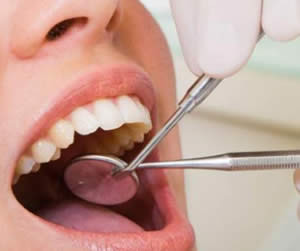
Dr. Dussault using VELscope to detect oral cancer during a dental exam.
Using a VELscope to detect oral cancer during a dental exam.

"Taking the patient's detailed history also includes asking about the duration of the presentation, whatever it may be, if any sort of symptoms, pain, swelling and loss of sensation."                                                                                                          "But it's important to note that oral cancer isn't common, so if I see a white lesion on the cheek, I'm more likely to think it's an autoimmune issue."                Dr.Timothy Winlow, Capital Dentistry, Gatineau, Quebec

Oral Cancer
Oral cancer*

Signs and symptoms

  • White or dark red patches in your mouth, or on your lips or tongue.
  • Lumps or changes in the texture or colour of the mouth tissues.
  • Bleeding or numbness in the mouth; sores or patches that do not heal.
  • Difficulty swallowing; changes in taste or tongue sensation.

Risk factors

The actual cause of oral cancer is not known but risk factors include:

  • Consumption of tobacco products (cigarettes, chewing tobacco, cigars, etc).
  • Heavy alcohol consumption (It is especially dangerous to combine smoking and alcohol.)
  • Oral sex
  • Prolonged, repeated exposure of the lips to the sun.
  • Poor diet; genetics and gender (more men develop the disease than women.)
  • A history of leukoplakia - a thick, whitish-colour patch inside the mouth.

Diagnosis and treatment

Treatment depends on the severity and location of the disease, as well as the age and health of the patient. If oral cancer is suspected:

  • A biopsy (surgical removal and microscopic examination) of the suspicious area may be taken.
  • Imaging tests such as X-rays, ultra sounds, CT scans or MRIs may be taken.
  • Chemotherapy, radiation therapy or surgery may be necessary to remove tumor(s).

To help prevent oral cancer:

  • See your dentist regularly for dental exams and ask about oral cancer screenings.
  • Stop using tobacco products - ask your dentist about tools to help you quit.
  • Limit alcohol consumption.
  • Limit sun exposure and use U/V protective lip balms.
  • Eat a healthy diet with lots of fruits and vegetables.
  • Check your mouth regularly for signs or symptoms and report any changes in your mouth to your dentist right away.    Canadian Dental Association

Oral Cancer Screening

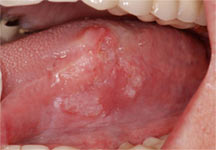
White or dark red patches in the mouth or on the lips or tongue, lumps or changes in the texture or colour of mouth tissue, bleeding or numbness in the mouth, sores or patches that fail to heal, swallowing difficulty, changes in taste or tongue sensation can all be symptoms of oral cancer. Along with diagnosing a disease such as cancer it is not only spotting these abnormalities, but taking note of personal medical history that helps to determine whether cancer may be present.

In 2020, an estimsted 5,400 Canadians will have been diagnosed with oral cavity cancer, according to the Canadian Cancer Society. Cancer cells, undetected, have the potential to spread from the mouth to other parts of the body. Metastasis can affect the muscle surrounding he mouth, lymph nodes in the neck, bone surrounding the mouth, the liver, lungs and the brain. Should a dentist suspect the presence of cancer, they can perform a biopsy, or alternately send the patient elsewhere for a biopsy and additional testing.

Preventive measures to take steps ensuring that all that could be done to prevent the onset of cancer through modified lifestyle choices represent the first line of defence; taking steps to reduce the potential  through proper diet, avoidance of tobacco, excess alcohol consumption, protection from too great sun exposure and regular dental appointments as recommended for good dental hygiene. Cancer detection is not the only disease that dental inspection of the mouth is capable of ferreting out, however.

Many people are unaware of the symptoms of diabetes and as a result are unable to treat this chronic condition that can have such a huge impact on their lives. Untreated diabetes is implicated in long-term harms such as affecting eyesight, neuropathy, kidney function, leading as well to heart conditions, along with other bodily systems including a propensity to developing periodontal disease, an infection of the gums and bones, weakening the structure that holds teeth in place. 

"If the diabetes is uncontrolled, people will end up with poor blood circulation, which includes reduced circulation in the oral environment, so there is more of a chance of the body not having a defense against bacteria."                                    "If bacteria from gum infections, enters the blood stream, it also has the potential to worsen or increase the risk of other health issues." Mark McCullough

The American Dental Association reports research suggesting that treating gum disease can aid in improving blood sugar control in people living with diabetes, thus helping to diminish the disease progression impacting the eyes, nerves and heart. Dentistry plays a detection role as well in recognizing other problematical health conditions like vitamin B12 deficiency, syphilis, herpes, HPV, and mental health disorders causing self-injury, bulimia and drug use.

 Oral Cancer Screening


Labels: , , ,

Sunday, August 09, 2020

Treating/Curing Obesity

"We're definitely hoping physicians and people work on their own biases."          "Our fixation on diet has been failing us for fifty years. Going on a diet guarantees you're going to lose a little bit of weight but you'll gain a significant amount back." "People with obesity are also less likely to receive treatments for other health issues, as physicians are less motivated to treat them."                                       "For physicians, patients and policy-makers, we want them to see this as a disease that deserves treatment. And it deserves empathy and compassion."            Dr.Sean Wharton, Internal Medicine Specialist, Wharton Medical Clinic, Hamilton, Ontario

Obesity guidelines move away from focus on weight loss

Over 60 Canadian health professionals, researchers and individuals living with obesity worked together to help develop -- in tandem with Obesity Canada and the Canadian Association of Bariatric Physicians and Surgeons -- the Canadian Adult Obesity Clinical Practice Guidelines. Dr.Wharton is one of the authors of the new clinical guidelines. It took two years to produce the guidelines to treat obesity in Canada, representing the first major update to obesity treatment since 2007.

The new recommendations for treatment of obesity in Canada where its authors assessed over 50,000 published peer-reviewed articles on obesity to arrive at their considered conclusions, has been published in the Canadian Medical Association Journal. According to the new guidelines, medical professionals are instructed that obesity be viewed and treated as a chronic illness. And as such recommending diet and exercise as a solution will no longer suffice. 

An integral part of treatment is to realize that the stigma surrounding obesity must be ended.

 Genetics, trauma and mental-health issues. (designer491/Shutterstock)

Henceforth, obesity requires viewing as a neurobiological issue, one driven by hormones influencing people's eating habits and behaviours, requiring  patients to be invested in understanding and managing their bodily reactions to the hormones. Medications like glucagon-similar peptide 1 agonists have the potential to increase levels of hormones making people exp0erience a full feeling after meals; similarly antidepressant/anti-addictive medications can be prescribed to manage cravings and hunger pangs.

Bariatric surgery can be contemplated, having the effect of reducing stomach size, an approach which also affects hormones and gut bacteria involved in affecting hunger. People suffering from obesity can be taught through cognitive behavioural therapy to readjust the way in which they view food. The attending physician is the guide, leading the patient to a fuller understanding of the condition afflicting them, who then becomes an invested partner in treatment, through acquiring knowledge.

Obesity
 A new guideline to treat obesity recommends a shift  (Tsuji/Istock.com)

Dr.Wharton feels the language aura around obesity and treatment should undergo a change as well, transitioning from the old familiar word 'diet' to "medical nutrition therapy", an effort to aid in changing eating patterns. The understanding is that one's eating habits which have undergone a voluntary change are based on the understanding that a medical condition underlies the new changed eating pattern. And along with that patient cooperation in the therapeutic mode of eating, obsessions with calories should be abandoned.

"Lower calories", Dr.Wharton observes, "will come", as a natural corollary to committing to sensible nutritional choices. The new guidelines fit seamlessly into the pandemic situation, with obesity being viewed as a major risk factor for developing diabetes and contracting COVID-19. According to research, adipose tissue of people living with obesity can lead to inflammation, complicating these conditions which can ultimately result in more severe symptoms.

Link Found Between Density Of Fast-Food Restaurants And Heavier People

Labels: , , , , , , ,

 
()() Follow @rheytah Tweet