Ruminations

Blog dedicated primarily to randomly selected news items; comments reflecting personal perceptions

Wednesday, April 08, 2020

COVID Food Contamination? Pshaw! Carry on -- As Usual

"It's really not necessary [to wash everything brought home from grocery shopping]."
"You can have potentially dangerous bacterial pathogens in the sink. And people don't generally tend to wash their sinks very well, or clean them that often."
"This is definitely a no-no [washing fruits and vegetables with soap] because we know that soap actually can cause things like vomiting and/or diarrhea."
"If you're getting any symptoms at all that you think could be related to COVID-19, please do not prepare food for other people."
Jeffrey Farber, professor of food science, University of Guelph
groceries
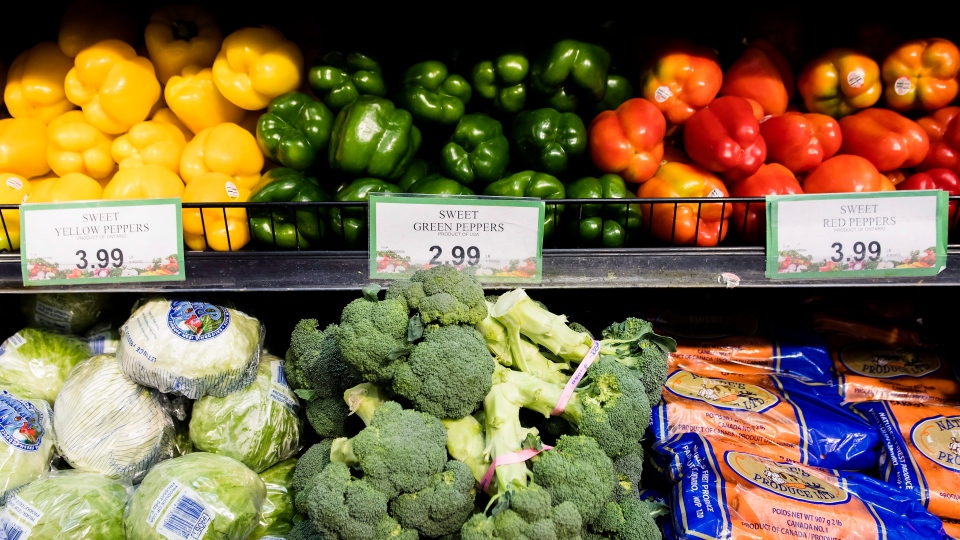
Produce is shown in a grocery store in Toronto on Friday, Nov. 30, 2018. An annual report estimates the average Canadian family will pay about $400 more for groceries and roughly $150 more for dining out next year. THE CANADIAN PRESS/Nathan Denette

While you're out shopping you have the possibility of virus transmission uppermost in mind. In that everyone fears they may touch a surface that is actively infected and transfer the pathogen to themselves inadvertently. So we keep a distance from others, as advised, and are mindful to keep our hands distant from any possible contaminated surfaces. And then, while shopping, the urge to touch loose fruits and vegetables to test for freshness overcomes us and we 'forget'.

Dr. Farber advises that assessing fruit and vegetables with a tender squeeze is to be avoided: "I know people love to touch their tomatoes, but at these times, look at the tomatoes. If they look good, take the ones you want and move on." If a supermarket you're shopping at has failed to provide disinfectant wipes on entering for your hands, and to task employees to disinfect carts and baskets, and have distancing reminders for their customers, shop elsewhere.

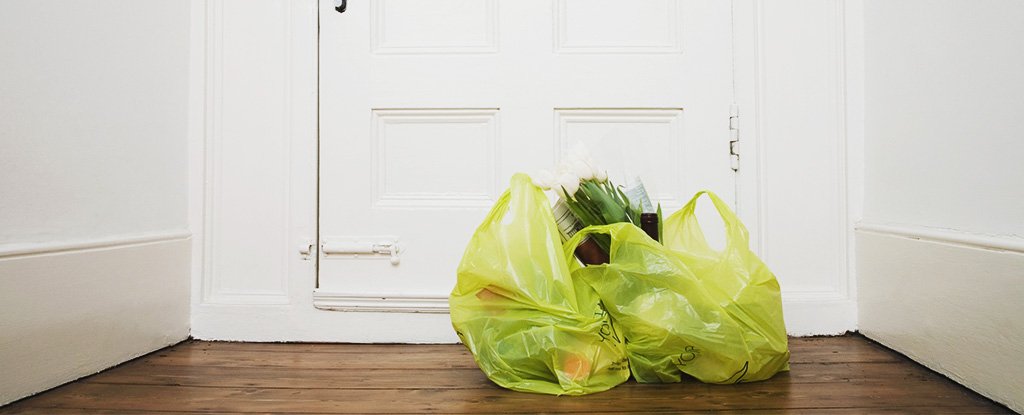
When you arrive home and unload your groceries from the car, place the bags on the counter and wash your hands. Once all your groceries have been placed in the refrigerator or the pantry, disinfect the counter where the bags have sat, and wash your hands again. Oh, did we forget something? Right, washing food containers and foods before they're placed into the refrigerator and pantry. Guess we just took it for granted, right?
main article image

Evidently wrong. In that it is totally, according to Dr.Farber, unnecessary. Those videos we've seen online that have informed and inspired us to do the same; fill up a sink of soapy water and stick everything into it to rid surfaces of the presence of the pathogen, a now-familiar ritual that eases our minds, believing we've done the right thing, and whatever we've brought into the house is now 'safe' have been delivering an unneeded message, he says.

Do not, dump and dunk fresh fruit, vegetables, snacks and packaged foods into that sink full of soapy water. No less authorities than Health Canada and the U.S. Food and Drug administration in fact, recommend the use of cold running water to wash fruit and vegetables, before they are eaten and that "should be more than sufficient", for no evidence exists that links COVID-19 transmission to food or its packaging.

Dr.Farber's opinion does carry weight; as former director of the Bureau of Microbial Hazards at Health Canada, with over 35 years of food safety experience at his back. Cross contamination with bacterial pathogens can occur, if the sink had held something such as raw chicken and hadn't been adequately cleansed, so placing food in a sink to rid it of pathogens may be the right ticket to pick some up....

A shopper uses a paper grocery list at a Trader Joe’s in Brooklyn on March 28.
Robert Nickelsberg/Getty Images

Labels: , , ,

Friday, March 06, 2020

Your Handy, Compact Germ Incubator

"Unless you treat your phone the same way as your hands, it's hard to keep all three clean."
"A petri dish in your pocket [is the description that PhoneSoap website uses to describe the viral breeding state of a cellphone]."
"Warm places like pockets and purses are breeding grounds for bacteria."
Dan Barnes, co-founder, Mashable

"Specifically, mobile device hygiene was a major and fast-growing concern even before coronavirus came on the scene."
Taylor Mann, CEO, CleanSlate UV
screenshot-2020-01-21-at-17-07-48.png
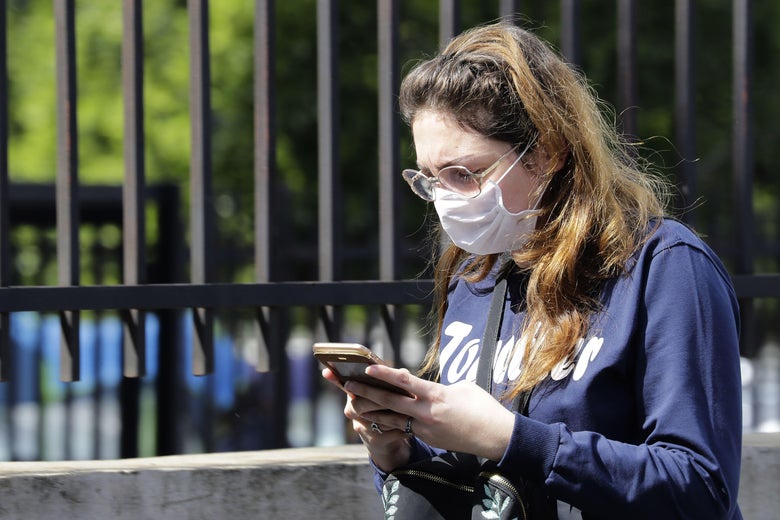
A woman wearing a surgical mask checks her phone, holding it with two hands.
Clean your phone.
Joseph Eid/AFP via Getty Images

Both UV lights and anti-bacterial wipes are equally effective in sanitizing a cellphone, according to a study by MIT. Evidently, however, all UV sanitation do not clean phones in the very same manner, and they don't reduce like amounts of bacteria lodged on the cellphone.

Crunchbase News reported UV sanitizing companies everywhere are noting a dramatic rise in the sales of their devices. PhoneSoap's sales have grown exponentially, about 1,000 percent year over year the past week alone. CleanSlate UV based in Toronto, has managed to raise $2 million in start-up funding. The global hysteria over contracting COVID-19 has alerted people to become more vigilant in protecting themselves from infection.

Up to the present, very few people thought to bother cleaning their cellphones. It simply wasn't considered necessary. Despite that cellphones are in continual use, and the fingers that fly over cellphones also touch all manner of public surfaces, readily conveying whatever pathogens might be present to the very personal device that never leaves the possession -- and the hands -- of the owner.

Pick up viruses, bacteria, spread them on the cellphone unknowingly, and just tuck it safely away in a pocket or purse. Allowing the pathogens to find a nice warm haven, a perfect growth environment.

So, while Health Canada and the Centre for Disease Control caution the public to be aware that there are certain steps to be taken to avoid contracting COVID-19, and the most effective is to carefully wash hands for at least 20 seconds, lathering in the soap and reaching every digit, every fold of skin before rinsing, and once done, a sigh of relief. Then, out with the cellphone and re-contaminate those nice clean hands after which rub your eyes, scratch your chin and smooth your lips. Gotcha!

If maintaining clean hands in the prevention of infection is important, then cleansing the item of possession that most often finds its way into those hands is critically important. Of course the cleaning technique will be somewhat different. You're not about to immerse your cellphone in warm, soapy water, not if you intend to preserve its usefulness. PhoneSoap which sells UV sanitizing devices for phones conducted a new study and its finding was that the surface of the average device is no less than 18 times more soiled than a public washroom.

PhoneSoap UVC Cleaner

Of all the various categories of ultraviolet light -- A, B and C -- it is C only which is strong enough to kill germs, with its wide range of effectiveness. Different light modes for strength of purposeful cleansing is a feature of most UV-C cleaning devices. However, the light penetrates only superficially and is most effective on surfaces that are smooth. Germs securely in place beneath a button, or finding haven in a phone case, are germs the light misses.

Isn't modern technology truly wonderful? Nature throws another zoonotic infection at the world and medical science has to scramble to figure out how to meet another new public health challenge, but the science of technology isn't far behind, presenting ever-new gadgets to help us deal with avoiding transmission of said infections. But just as humanity is grateful for pharmaceuticals that help us live with dire health conditions, there always seem to be downsides, as in drugs with their side effects. UV-C exposure over a long term may have health effects technology and science are not yet aware of.

Oh, and while we're at it, think of all those other metal and plastic objects that we're in frequent contact with on a daily basis. Keyboard, headphones, house/vehicle keys. Don't dip your keyboard in soapy water, but do by all means, scrub those house/vehicle keys on occasion, to remove the nasty bacteria you'll be certain to have picked up over time, without ever considering the possible effects on  your well-being...

screenshot-2020-01-21-at-18-07-04.png


Labels: , , ,

 
()() Follow @rheytah Tweet