Ruminations

Blog dedicated primarily to randomly selected news items; comments reflecting personal perceptions

Monday, February 01, 2021

Microbial Avoidance in COVID-19 Protocols and Human Microbiome

"The COVID-19 pandemic has the potential to affect the human microbiome in infected and uninfected individuals, having a substantial impact on human health over the long term."
Canadian Institute For Advanced Research, humans and microbiome program study
 
"It gives us an experiment that you can't normally do: If you lock people up for a year, does it have long-term consequences?"
"We know, based on history, that there are consequences."
"A child born today in a COVID world, who is that kid interacting with? They are not getting the microbes they are normally exposed to. We know in early life it is really important to have diverse microbial exposure, and that is just not happening in COVID, so I think there is some significant concern about what goes on there."
"We have really drastically changed society in the last year and we know these often result in significant changes in the microbiome. It is a wonderful experiment."
"We are in a position to look at these things, so we need to use this opportunity to really examine this and learn from it."
Brett Finlay, microbiologist, University of British Columbia
https://www.pasteur.fr/sites/default/files/styles/tetiere_1300x527/public/microbiote_intestinal.png?itok=ggIj4HbT&c=139640
Institut Pasteur

Lead author of the study published in the journal Proceedings of the National Academy of Science, Dr.Finlay considers the pandemic a real-time experiment on the impact of public health measures brought to the fore as a required protocol in the time of a global pandemic to avoid contracting the virus associated with SARS-CoV-2 that causes COVID-19, whose longer-term consequences can be anticipated in deleteriously affecting the microorganisms living within human bodies whose role is to contribute to overall health.
 
Undeniably, measures that have been identified by health authorities and which have been urged on the public in an effort to control the coronavirus succeed in contributing to prevention of viral infection. The wearing of protective face masks to screen out the pathogen, maintaining distance, frequent handwashing -- all contribute positively to public measures meant to contain COVID. At the same time there is a growing recognition that scrupulous attention to hygiene has its downside in potential health consequences for the future.
 
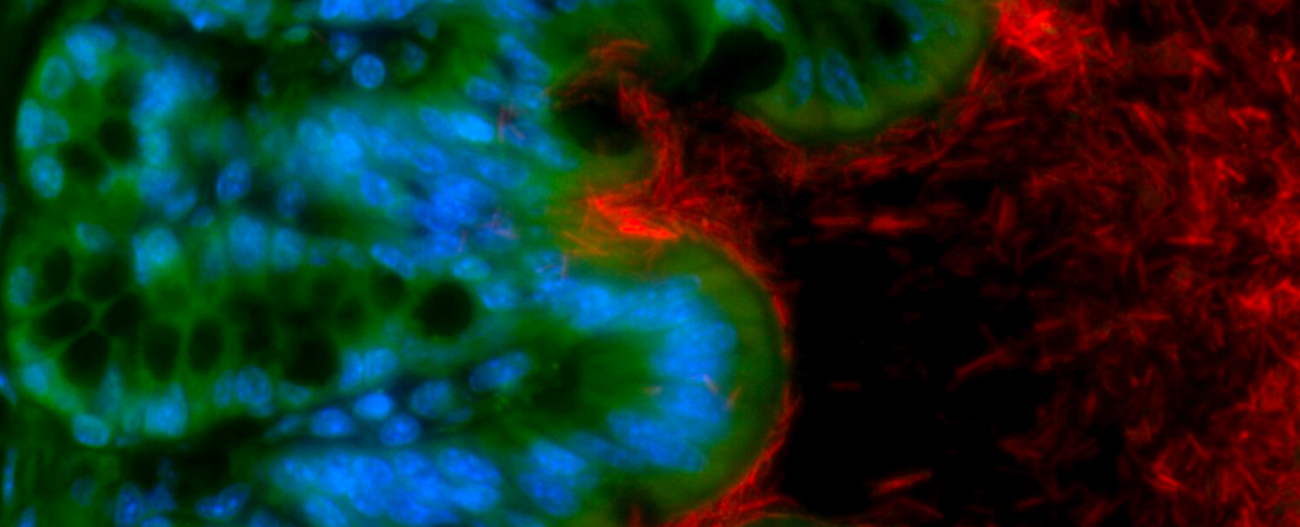
The recently published study raised the possibility of profound changes in the human microbiome resulting from these COVID-protective measures. Changes that will invariably ensure that some people become more susceptible to chronic conditions and diseases which would include obesity and asthma.  Human microbiome is comprised of microbes existing on and within the human body whose function in protecting human health and staving off disease is well known.
 
https://www.sapiens.org/wp-content/uploads/2020/04/01_GettyImages-1087470118-1920x1080.jpg
Sapiens
Changes in the microbiome are inevitable, with the use of antibiotics or alternately through limiting contact with microorganisms and particularly in early childhood with foreseeable health consequences. Early-childhood exposure to certain microorganisms protects against allergic diseases and contributes to the immune system's development, a well-recognized hygiene hypothesis in medicine. While sanitary precautions along with distancing whose aim is to prevent the spread of COVID are recognized preventives, people should be prepared for microbiome changes, as a result.
 
hand hygiene
Some hand sanitizers may negatively impact a person’s microbiome, a suite of microbes that support human health. U.S. Food and Drug Administration

Allergic responses, asthma, obesity and diabetes are all linked to alterations in the human microbiome, resulting from less exposure to microorganisms. Dr.Finlay points out that research demonstrates consequences occur as a result of a "hyperhygienic" society, and he laid it all out in the book Let Them Eat Dirt, that he wrote. Increased rates of obesity, asthma, inflammatory bowel disease and allied conditions, particularly in children, have all been linked to less exposure to microbes. Such that children who are raised on farms, suffer lower incidences of asthma and allergies.
 
The use of antibiotics with infant care has been reduced in British Columbia in the last several decades, and Dr.Finlay has focused on British Columbia in his research to conclude that significantly higher risk of asthma is tied to the use of antibiotics exposure in infancy. What has been seen is that a reduction in rates of asthma resulted when antibiotics use was diminished with infants in the province. Dr.Finlay points out as well that physical distancing itself produces a variance in people's exposure to microbes.
 
He also prescribes a living  formula that can help offset alterations in microbiome as a result of scrupulous hygiene practices in COVID avoidance countered through a diet rich in the kind of fibre found in grains, fruits, nuts and vegetables, along with a regular exercise regimen, and close contact with family pets as well as ensuring outdoor quality time remains a priority. Children in particular benefit hugely from outdoor play "in the environmental microbes", rather than playing indoors.
 

During the 19th-century Crimean War, Florence Nightingale, who transformed the field of nursing, initiated handwashing practices in British army hospitals. J.A. Benwell/Wikimedia


Labels: , , , ,

Sunday, August 23, 2020

The Health/Beauty Marketing Trap

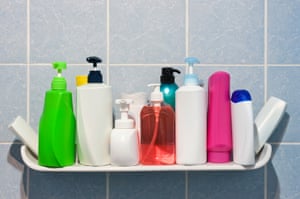
Several bottles of shower gel, shampoo and other washing products
Perfumed, moisturized, exfoliated. Enviromantic/Getty Images

"I don't want to tell anyone they're wrong. Some people really love beauty. If someone has the money and time, and really enjoys those cleansing rituals, that's their right. But it's nothing to do with health or preventing anything."                                "We tend to be very susceptible to marketing and advertising that associates products and brands with health, when in fact many of us are spending time and money doing things that we could try doing without."                            "I take short, quick showers that aren't hot. It gives me a rinse, makes my hair lay down, and makes me feel like there's some divide between night and day in this pandemic time, especially."                                                                                        "I wash my hands because I don't want to have disease. I'm deliberate about why I'm doing what I'm doing."                                                                                   "Teeth whitening is a great example. It's very much social, and about beauty. But it doesn't actually have to do with hygiene, and it doesn't mean your teeth aren't free of bacteria and you don't have an oral infection."                                              "There was great social value in knowing you weren't part of the people living next to the open sewage piles that were in [pre industrial era] London and elsewhere. You were part of the washed class because you could afford soap and water."  Dr.James Hamblin, preventive medicine physician, lecturer in public health policy, Yale University

Research shows that Amish people – who live a rural lifestyle and embrace traditional agricultural methods – have optimally diverse microbiomes. Photograph: Bruce Burkhardt/Getty Images

Dr.Hamblin's argument is that the public has chosen to believe all the marketing and advertising geared to persuade them that cleanliness and optimum hygiene can only be obtained by purchasing and using the products crowding the market promising better health, improved appearance and an upgraded outlook on life come complete with the use of redundant products such as moisterizers, artificial ointments and lotions that smell good and promise the world. When, in fact, all that is required to attain both health and hygiene goals is a bar of soap and running water.

In point of fact, points out Dr.Hamblin in a newly published book, Clean: the New Science of Skin, the overuse of a tangle of products that are unneeded, fail to produce a positive outcome as promised, and in the long run often disturbs the natural cleansing process our bodies themselves have acquired as a result of evolution. Applying artificial ointments, lab-produced with an encyclopedia of chemicals makes it more difficult for the natural processes that have developed to nurture our skin, the largest organ of our body.

The Demodex mite as an example, a microscopic creature which teem in huge numbers over our skin feed off discarded and dead cells, in so doing act as a natural exfoliant, superior to the microbe-ads we are persuaded to scrub on our faces. Additional mites and microbes living on our skin consume sebum which works to apprehend oily skin from developing. "They're not hygiene practices. They're recreational and social practices", Dr.Hamblin notes of the products we use to shower, to scrub and salve skin with.

Stigmatism of body odour began as an advertising strategy that helped quadruple the sales of Lifebuoy soap in the 20s. Photograph: Angela Hampton Picture Library/Alamy

The hygiene, beauty and cosmetics industry has a value of $500billion. Dead cells disappear as our skin regenerates roughly every 27 days. Dust and particulate matter from the atmosphere can be washed away with the use of water. Dr.Hamblin insists that once your body reaches a steady state after returning to normal with the removal of all chemical products commonly seen on the market, problems with body odour tend to disappear. Soap, he contends, dries out the skin, which then requires the use of moisturizers.


Dr.Hamblin uses nothing but water when he takes his regular showers, using hand soap primarily for his hands alone. And he brushes his teeth for the singular purpose of sustaining their condition: "I don't want them to rot", he says. With the original production of soap in the pre-industrial area, soap was expensive, serving as a symbol that you were elevated over those who were unable to afford a bar of soap. With the Industrial Revolution soap, like most other products was produced more inexpensively, placing it in the realm of affordable for many more members of the general public.

Dr.Hamblin is also quick to point out that showering goes beyond its daily cleansing purpose; it is a normalcy measure, a reassuring routine that gives structure to the day. You awaken, you shower, you break your fast, you leave the house and arrive at your workplace. "This is an odd time, and at times like this, it becomes important to do things that ground you. These [ritualistic] markers are important to us to maintain the rhythms of how our minds and bodies are meant to function."

Labels: , , ,

Friday, March 06, 2020

Your Handy, Compact Germ Incubator

"Unless you treat your phone the same way as your hands, it's hard to keep all three clean."
"A petri dish in your pocket [is the description that PhoneSoap website uses to describe the viral breeding state of a cellphone]."
"Warm places like pockets and purses are breeding grounds for bacteria."
Dan Barnes, co-founder, Mashable

"Specifically, mobile device hygiene was a major and fast-growing concern even before coronavirus came on the scene."
Taylor Mann, CEO, CleanSlate UV
screenshot-2020-01-21-at-17-07-48.png
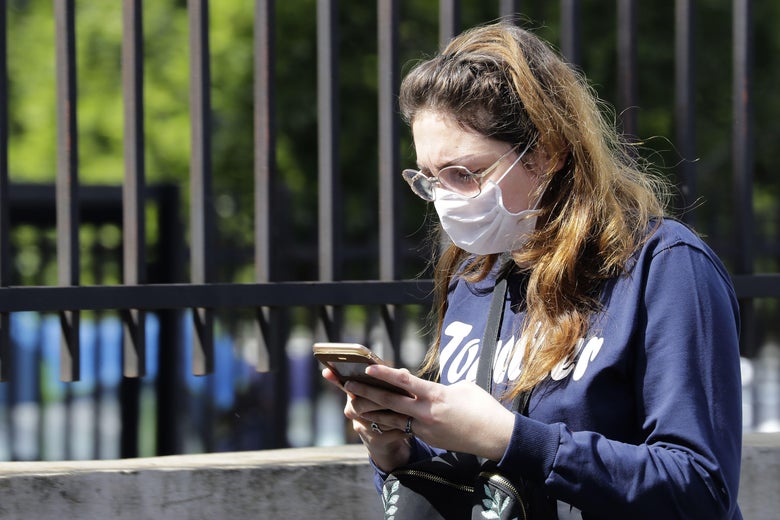
A woman wearing a surgical mask checks her phone, holding it with two hands.
Clean your phone.
Joseph Eid/AFP via Getty Images

Both UV lights and anti-bacterial wipes are equally effective in sanitizing a cellphone, according to a study by MIT. Evidently, however, all UV sanitation do not clean phones in the very same manner, and they don't reduce like amounts of bacteria lodged on the cellphone.

Crunchbase News reported UV sanitizing companies everywhere are noting a dramatic rise in the sales of their devices. PhoneSoap's sales have grown exponentially, about 1,000 percent year over year the past week alone. CleanSlate UV based in Toronto, has managed to raise $2 million in start-up funding. The global hysteria over contracting COVID-19 has alerted people to become more vigilant in protecting themselves from infection.

Up to the present, very few people thought to bother cleaning their cellphones. It simply wasn't considered necessary. Despite that cellphones are in continual use, and the fingers that fly over cellphones also touch all manner of public surfaces, readily conveying whatever pathogens might be present to the very personal device that never leaves the possession -- and the hands -- of the owner.

Pick up viruses, bacteria, spread them on the cellphone unknowingly, and just tuck it safely away in a pocket or purse. Allowing the pathogens to find a nice warm haven, a perfect growth environment.

So, while Health Canada and the Centre for Disease Control caution the public to be aware that there are certain steps to be taken to avoid contracting COVID-19, and the most effective is to carefully wash hands for at least 20 seconds, lathering in the soap and reaching every digit, every fold of skin before rinsing, and once done, a sigh of relief. Then, out with the cellphone and re-contaminate those nice clean hands after which rub your eyes, scratch your chin and smooth your lips. Gotcha!

If maintaining clean hands in the prevention of infection is important, then cleansing the item of possession that most often finds its way into those hands is critically important. Of course the cleaning technique will be somewhat different. You're not about to immerse your cellphone in warm, soapy water, not if you intend to preserve its usefulness. PhoneSoap which sells UV sanitizing devices for phones conducted a new study and its finding was that the surface of the average device is no less than 18 times more soiled than a public washroom.

PhoneSoap UVC Cleaner

Of all the various categories of ultraviolet light -- A, B and C -- it is C only which is strong enough to kill germs, with its wide range of effectiveness. Different light modes for strength of purposeful cleansing is a feature of most UV-C cleaning devices. However, the light penetrates only superficially and is most effective on surfaces that are smooth. Germs securely in place beneath a button, or finding haven in a phone case, are germs the light misses.

Isn't modern technology truly wonderful? Nature throws another zoonotic infection at the world and medical science has to scramble to figure out how to meet another new public health challenge, but the science of technology isn't far behind, presenting ever-new gadgets to help us deal with avoiding transmission of said infections. But just as humanity is grateful for pharmaceuticals that help us live with dire health conditions, there always seem to be downsides, as in drugs with their side effects. UV-C exposure over a long term may have health effects technology and science are not yet aware of.

Oh, and while we're at it, think of all those other metal and plastic objects that we're in frequent contact with on a daily basis. Keyboard, headphones, house/vehicle keys. Don't dip your keyboard in soapy water, but do by all means, scrub those house/vehicle keys on occasion, to remove the nasty bacteria you'll be certain to have picked up over time, without ever considering the possible effects on  your well-being...

screenshot-2020-01-21-at-18-07-04.png


Labels: , , ,

Friday, April 12, 2019

Go Ahead, Pick Your Nose....

"I tell people, when they drop food on the floor, please pick it up and eat it."
"Get rid of the antibacterial soap. Immunize! If a new vaccine comes out, run and get it. I immunized the living hell out of my children. And it's OK if they eat dirt."
"You should not only pick your nose, you should eat it."
"Our immune system needs a job. We evolved over millions of years to have our immune systems under constant assault. Now they don't have anything to do."
Dr. Meg Lemon, dermatologist, specialty allergies and autoimmune disorders, Denver

"Hay fever is said to be an aristocratic disease, and there can be no doubt that, if it is not almost wholly confined to the upper classes of society, it is rarely, if ever, met with but amongst the educated."
British Journal of Homeopathy, Volume 29, 1872

"Allergic diseases were prevented by infection in early childhood, transmitted by unhygienic contact with older siblings, or acquired prenatally from a mother infected by contact with her older children."
"Over the past century, declining family size, improvements in household amenities, and higher standards of personal cleanliness have reduced the opportunity for cross infection in young families."
"This may have resulted in more widespread clinical expression of atopic disease, emerging in wealthier people, as seems to have occurred for hay fever."
Paper: "Hay Fever, Hygiene, and Household Size, British Medical Journal, 1980
Too many? Mark Blinch/Files/Reuters

Hay Fever? A catch-all term for all manner of allergies caused by seasonal exposure to pollen along with other airborne irritants. An aristocratic condition? In the 1980 paper published in BMJ in 1980, the author studied the prevalence of hay fever among 17,414 children whose birth month and year was March of 1958. "Most striking", he observed, was a detected association between the number of a child's siblings and the chance the child would acquire hay fever allergy.

He concluded that the more siblings, the less the likelihood of an allergy. Those children unlikeliest to become allergic were the children with older siblings. Exposure, exposure, exposure. This paper and its conclusion appeared to herald the hygiene hypothesis since evolved and expanded, providing deep insight into a condition the modern world imposes on people. We are now, more than at any time in our relationship with the world around us, exposed to less 'good' bacterial germs that help immunize us against the 'bad' ones.
Jack Gilbert, co-author of the book "Dirt Is Good," says kids should be encouraged to get dirty, play with animals and eat colorful vegetables.      Elizabethsalleebauer/Getty Images/RooM RF

We do all we can to shield ourselves from exposure to unsanitary conditions, unclean water, dire weather conditions, turning what we felt once to be an environment dangerous to good health outcomes in our search for survival techniques. We identified and then avoided foods that could be dangerous. Before refrigeration, long before any kind of safe food storage, pork was identified in ancient cultures as harbouring toxic contaminants from E.coli.

We learned to clear our hands of the presence of contaminants by washing them before eating, we learned to cook our food thoroughly to have it last longer before spoiling and to avoid being threatened by raw-based germs. "So they shall wash their hands and their feet, that they die not", advised the Biblical chapter of Exodus. We wash everything now that comes in contact with our mouths, and we wash our surroundings and purify our water.

Our homes are cleaner than they ever were; we observe the injunction that 'cleanliness is next to godliness'. And our immune system began to find itself unemployed. We have smaller families, our milk is pasteurized, food processed and sterilized, to avoid microbes we imagine are all harmful. The immune system is more readily aggravated, developing allergies, chronic attacks of the immune system and inflammation; counter-productive, irritating and potentially dangerous.
More prescriptions for antibiotics might mean more allergies. Gary Cameron/Reuters

According to a paper citing research from the Journal of Allergy and Clinical Immunology, skin allergies "doubled or tripled in industrialized countries during the past three decades, affecting 15 to 30 percent of children, and two to ten percent of adults [while asthma] is becoming an 'epidemic' phenomenon". Another report by the World Allergy Organization states that by 2011, one in four children living in Europe had acquired an allergy, a figure on the rise.

The conclusion has been realized that antibiotics have been vastly over-prescribed, leading to a situation where the immune system faced with a deadly infection can no longer rely on the efficacy of antibiotics. "We have to get away from the idea of annihilating these things in our local environment. It just plays upon a certain fear", stated Dr. Keiji Fukuda, a scientist who led a mission at the World Health Organization to develop a global policy limiting the use of antibiotics.

We have done ourselves no favours in minimizing our interaction with nature, with germs, and with what can be 'friendly' bacteria by holding ourselves aloft and separate from contact with anything that might conceivably transfer germs to us. Those 'friendly' bacteria and parasites that once taught our immune system how to react are in short supply, leaving our immune system at sea and over-reacting, allowing exposure to dust mites or pollen to produce allergies at an ever-rising rate of infection.

dirt
uBiome

Labels: , , , ,

Sunday, August 05, 2018

Curing The Ills Of The World

"The scratching hurt my eyes so much I could barely go out in the sun to plow. I was always rubbing them."
"My vision is much better now. I can recognize people. I can work."
Shiva Lal Rana, farmer, Geta, Nepal

"The pain is excruciating. People tell me it's like sandpaper scratching over your eye every time you blink [Eventually, the cornea is scarred, slowly decreasing vision until blindness sets in]."
"Once you get to a particular stage, it's irreversible."
"Ghana has eliminated a painful eye disease which has devastated the lives of millions of its most vulnerable people for years. But the fight does not end here. Many other countries are on the cusp of elimination and must continue to push for the elimination of trachoma -- and other neglected tropical diseases -- across the world."
"The disease thrives in areas that are traditionally short of water."
Simon Bush, director, tropical diseases program, NGO Sightsavers
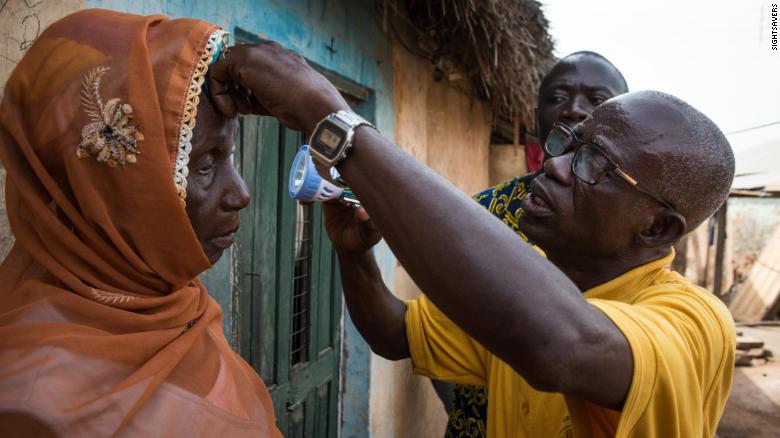
Fuseini Kwadja, an ophthalmic nurse, screens communities in Yendi, Ghana.

China, Gambia, Iran, Iraq and Myanmar claim to have been successful, as a result of a global campaign to wipe out the incidence of trachoma among their populations -- a common affliction of vulnerable people living in Third World conditions lacking proper hygiene and basic amenities that would ensure bacteria resulting from inadequate-to-no latrines are available to isolate human feces from contaminating food and water are kept to a minimum.

Worldwide, according to the World Health Organization's statistics, an estimated 1.2-million people have no vision whatever because of living conditions leading to infections causing trachoma, The WHO further estimates that 190 million people living in infection-vulnerable countries, some 41 in total, are at risk. More people are blinded by cataracts, but they do not result from infections.

While the scientific world community has been focused on fighting the horribly debilitating and often deadly effects of AIDS, malaria and Ebola, for several decade the medical community worldwide has also been focusing on trachoma. According to experts, enforcing basic public health practices is hugely effective in solving much of the problem of infections leading to trachoma.

Millions of people have lost partial eyesight from the effects of trachoma. And roughly seven million sufferers have undergone a brief intervention to reverse the effects of inward-torqued eyelids resulting from trachoma. In addition, 21 million trachoma sufferers suffer from infected lids that can be cured without resorting to surgery. The inversion of inward-torqued eyelids is a surgical procedure, one that takes only 20 minutes to complete.

Mr. Rana, a 65-year-old farmer in Nepal, arrived at the Geta Eye Hospital, a 32 kilometer trip he undertook by walking there, with the request that doctors pluck out his eyelashes. The bacterial infection had swollen and inverted his eyelids so that he suffered excruciating discomfort every time he blinked and his lashes raked his corneas. What he really feared was that the scratches they left and the resulting scar tissue would ultimate blind him.

Doctors responded to his plight by performing a new type of operation. His eyelids were sliced open, then rolled back and sutured, with the lashes facing outward once again. He was prescribed and given antibiotics to clear up the infection. That was fifteen years ago. Nepal's success in eliminating the outcome of this endemic infection led the WHO to declare Nepal's success in clearing up a critical public health condition; the sixth such country to manage that milestone.

Twenty years ago the global campaign to eliminate trachoma was launched, and it has been so successful that Cambodia, Laos, Mexico, Morocco and Oman have succeeded in eliminating the public health problem resulting from the infection. Now, Nepal and Ghana have joined them. The WHO still awaits requests from China, Gambia, Iran, Iraq and Myanmar to achieve certification attesting to their self-proclaimed success.

When fewer than five percent of a country's children show symptoms of trachoma and fewer than one in one thousand adults have vision loss from scarred eyeballs this is taken to represent elimination having succeeded. New cases of trachoma emerge in Nepal yearly, resulting from Nepalis working as seasonal labourers in India. Chlamydia trachomatis, the bacterium, is transmittable from person to person.
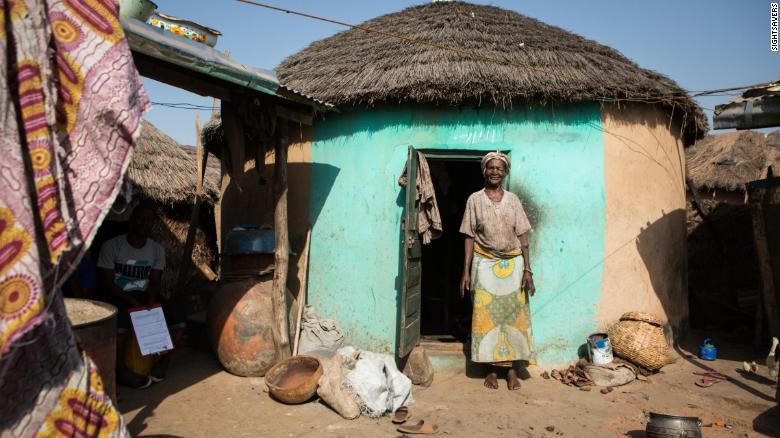
Zeinab Abukari in her home in Yendi district, Ghana. She was infected with trachoma many years ago.
Zeinab Abukari in her home in Yendi district, Ghana. She was infected with trachoma many years ago

In rural areas the common mode of transmission is flies creeping over children's faces eating the discharge from running eyes and noses. Those flies flit about on human feces to lay their eggs, contaminating the children with fecal matter. The first infections occur at the toddler stage; it takes decades for permanent eye damage to set in, after age 30.

A four-pronged strategy is recommended to break the chain of communication; surgery for advanced cases; annual antibiotic doses in hard-hit areas for the residents; teaching mothers to clean their children's faces frequently; and lastly, the use of pit latrines to reduce the fly populations. Suspicion in poor countries leads to problems in implementing the strategy, however.

About 20 percent of all patients requiring eyelid surgery in Tanzania refuse intervention because rumour has it that a six month recovery period follows surgery and they fear being unable to work to earn their daily bread. Attempts to reassure the reluctant patients so that the procedure can proceed to cure their problem are required, to emphasize that bandages are in place for only 24 hours.

And finally, Nepalis -- as elsewhere in poor countries of the world where custom and habit and lack of alternatives lead to outdoor field evacuation -- have resigned themselves to the use of outhouses rather than continue with the familiar traditions of defecating in fields. Many people were resistant to their use simply out of loyalty to old habits.

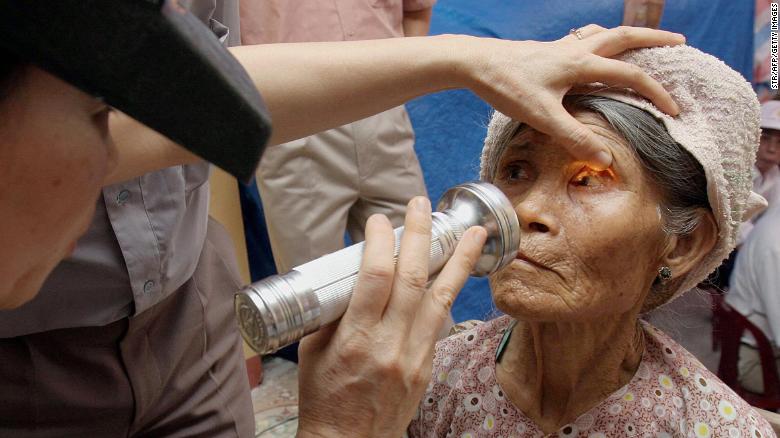
A farmer receives an examination for trachoma at a medical center in Vietnam, one of many countries aiming to eliminate the disease.

Labels: , , , , , ,

Monday, July 30, 2018

Should Women Use Talc? Probably Not!

"The evidence that we have is mixed and has to be taken with a little bit of skepticism."
"This is chronic irritation of the ovary, and we do know that chronic irritation is associated with some carcinomas."
"Do we have really good evidence for that? The literature goes back and forth on this."
"But should you use talc? Probably not."
Dr. James Bentley, gynecological oncologist, Dalhousie University, Halifax

"I'm persuaded by the evidence that talc used in the genital area will reach the ovaries and lymph nodes, and it creates an inflammatory environment that could contribute to the development of cancer."
I've always felt the data was sufficient to warn women about using talc in their feminine hygiene."

Dr. Daniel Cramer, professor of obstetrics, gynecology and reproductive biology, Brigham and Women's Hospital, Boston

"That was part of my routine because you have a bath and then you put powder on."
"We trusted them and we believed in their product. I put it everywhere. I loved it. I thought it smelled pretty. It makes your skin silky and soft."
"Everybody who has suffered through this ... if they used baby powder the way I did and they got sick from it, Johnson & Johnson needs to help us." 
Rhonda Dobson, cancer patient, New Brunswick
main article image
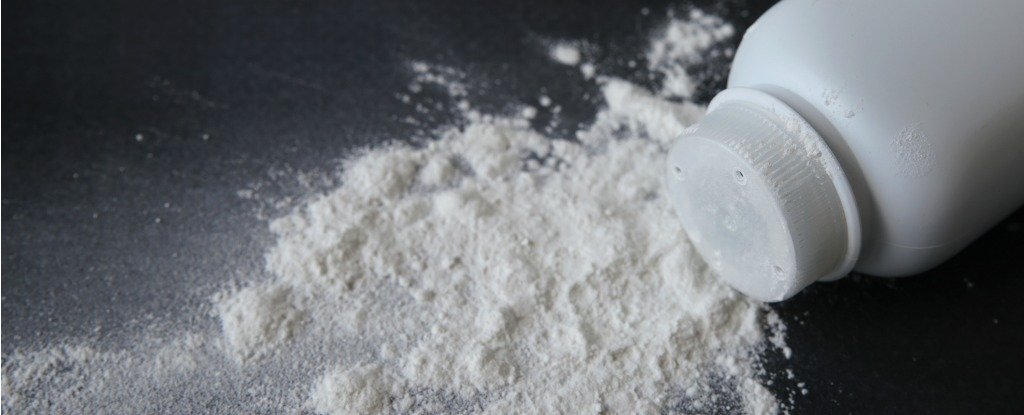
Johnson & Johnson, the producer of talcum powder meant for use in feminine hygiene insists that their product is not involved in causing mesothelioma or ovarian cancer. Talc is a mineral that is mined, one that can be contaminated with the presence of asbestos -- known to cause mesothelioma, a deadly cancer -- its use now outlawed in much of the world. "Johnson & Johnson remains confident that its products do not contain asbestos and do not cause ovarian cancer, and intends to pursue all available appellate remedies", it stated after a jury in St.Louis Missouri awarded 22 women in a class action suit close to $4.7 billion.

All of these women represented by the law suit claimed their use of the talcum powder over decades in the interests of feminine hygiene caused their ovarian cancer. There is another class-action lawsuit yet to be certified alleging women in Canada suffered cancers caused by their long-term use of the company's talcum powder, advertised for that purpose. A Quebec court assented to a class action suit covering women in the province who had been long-time users of Johnson & Johnson baby powder or Valeant's Shower to Shower for personal hygiene. The Merchant Law Group which is leading that action is preparing a second class-action suit in British Columbia, awaiting certification.

Boston's Brigham and Women's Hospital's Dr. Cramer was responsible for a study undertaken in 1982 drawing a link between long-term talc use on female genitals and the later development of ovarian cancer. He led another study in 2016 that suggested the routine sprinkling of the vaginal area with talcum powder invested women with a one-third greater risk of contracting ovarian tumours as compared with women without a history of the product use.

The failure of Johnson & Johnson to place warning labels on the talc they produced was brought out as an issue in the lawsuits. Allegations brought forward in a string of lawsuits all cite the inherent dangers in the use of the talc product for the recommended purpose of feminine hygiene. Juries have responded by awarding huge compensatory amounts to thousands of women who trusted the product's safety.

Opinion within the medical community is mixed since some studies on the potential link of talcum powder to gynecological cancer fail to support its causal link to cancer. The very fact that so many studies appear to give talcum powder a proverbial clean bill of health, leaves women confused, uncertain whether or not they should be avoiding it altogether, or continue taking on trust that the talc remains useful for hygienic purposes and simply is being blamed for women's seemingly coincidental cancers which they link to its use.

Experts in the field, playing for safety, recommend its use be discontinued, whether or not all research fails to agree on its assumed cancer link. Dr. Bentley, for example, feels that women whose habit it became to dust themselves with the product have no need to panic n view of research results that have been inconsistent. In the interests of safety, however, he unequivocally recommends advising women to avoid its use.


Labels: , ,

Monday, August 28, 2017

Changing Customs Harming Women and Girls

"We [India in general] spend money on buying tobacco, liquor and mobile phones, but are unwilling to construct toilets to protect the dignity of our family."
"In villages, women have to wait until sunset to answer nature's call. This is not only physical cruelty but also outraging the modesty of a woman."
Justice Rajendra Kumar Sharma, Family Court, Rajasthan state
A new ad in India shows women mocking men who answer nature's call in nature. It's part of a national effort to encourage men to put a toilet in the family home.   Astral Pipes/Screenshot by NPR

A not-uncommon sight in India is that of people squatting in a field, or men face toward a wall in public view, urinating. It is customary in the countryside that in the absence of no toilet facilities in homes or available to the public in public buildings, that people will perform their toilet functions in the outside. This includes not only rural areas but urban enclaves as well. Clearly visible, squatting on railroad tracks, or in fields, but nothing unusual to scandalize a society that has long accustomed itself to seeking relief in public.

Women and girls tend to wait until the evening hours before they venture out for that purpose. Their innate sense of modesty mitigates against the humiliation of being seen performing such bodily functions in public. In a society where rape of women and girls and the caste system appear to embolden man to feel entitled to sexually molesting the unguarded and the vulnerable, this practise leads to situations where in the dark, women become victims of both rape and murder.

India has achieved great technological strides as well as financial benefit from its enterprising and capable population, those that are educated and forward-looking, yet it remains mired in a medieval mindset when it comes to personal hygiene and performing natural acts of bodily elimination. Thus it has always been and no one seems to see the need to alter this social habit. At least not men; for obvious reasons women feel otherwise.

Several years ago public-health advocates were urging women to refuse marriage to any man who couldn't provide her home with a bathroom. The message was launched in public view that stated: "No toilet, No bride". And in a sense, given a shortage of marriageable women as a result of Indian society preferring male babies, indulging in aborting female fetuses or in infanticide, many man look in vain for a wife, so this campaign would have made practical sense.

The Times of India recently reported that a family court judge determined that grounds for divorce would be acceptable through the argument that a husband had failed to provide a family bathroom, as a cruel act of dereliction of head-of-family duty. This particular case was that of a 24-year-old woman whose husband shrugged off her request for a bathroom with his response that it was an unnecessary convenience.

Old, accepted customs die hard. Although it has been illegal for some time to denigrate Dalits (formerly known as 'untouchables' in Hindu India's caste system), the Dalit community is still suffering social stigmas of contempt and exclusion. And so it is too with the initiative by the government of India under Prime Minister Narendra Modi, which is attempting to persuade the population of the need for a forward-looking society to build and use toilets.

A campaign across India shows children making fun of people who buy smartphones, flat-screen TVs and motorcycles but continue to defecate in the open. (Rama Lakshmi/The Washington Post)

There is a connection between the caste system where the despised 'untouchables' were considered to be useful only for employment that no one else in society would touch, such a cleaning out toilets. That extends to the thought that installing a toilet in one's home is therefore unclean. Government-run public relations include an advertisement with a child saying "Uncle, you wear a tie around your neck, shoes on your feet, but you still defecate in the open. What kind of progress is this?"

What, indeed.

Labels: , , ,

 
()() Follow @rheytah Tweet