Ruminations

Blog dedicated primarily to randomly selected news items; comments reflecting personal perceptions

Friday, July 05, 2024

Boiler-Plate Response to Heightened Drug Toxicity

"[Data from the study are not sufficient to establish a cause-and-effect association between semaglutide and NAION]; key methodological limitations of the study [need to be considered when interpreting the findings]."
"Patient safety is a top priority for Novo Nordisk, and we take all reports about adverse events from the use of our medicines very seriously."
"Semaglutide has been studied in large real world evidence studies and robust clinical development programs with a cumulative exposure including from post-marketing use of over 22 million patient years."
"The totality of data provides reassurance of the safety profile of semaglutide." Novo Nordisk
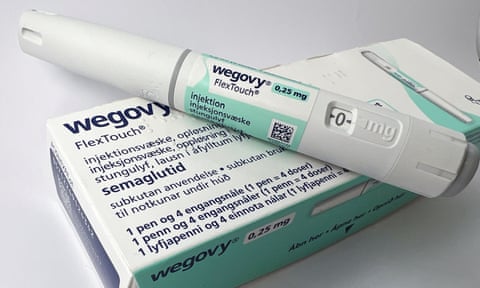
Wegovy injection pen.
Semaglutide is most commonly known under the brand names Wegovy and Ozempic. Photograph: Reuters
A new American study has found that drugs containing the active compound semaglutide have a potential side-effect among certain users, presenting a dilemma in outcome.Last summer researchers at Mass Eye and Ear in Boston, Mass felt motivated to begin an investigation on whether the sought-after weight-loss drugs might be associated with increased risk of NAION. Their interest was piqued after three patients were diagnosed with a  relatively rare eye condition.

The study conclusion was that Ozempic and other weight-loss drugs -- so hugely popular -- contain the active compound semaglutide, associated with increased risk of NAION, (nonarteritic anterior ischemic optic neuropathy). An eye-loss condition affecting two to ten in every 100,000 people annually. Sudden and permanent loss of vision in one eye as a result of insufficient blood flow and oxygen to optic nerves. The condition is also referred to as an "eye stroke", a significant cause of adult blindness.
 
Three patients at the Harvard Medical School who took semaglutide were diagnosed within the same week with AION. Published in JAMA Ophthalmology, the study found people who were prescribed semaglutide became seven times likelier to end with a diagnosis of NAION than were people prescribed different drugs for an overweight condition. Semaglutide prescribed for Type 2 diabetes saw people becoming four times more likely to be threatened with the rare eye diagnosis.
 
https://ichef.bbci.co.uk/news/1024/cpsprodpb/98ab/live/90c019d0-3945-11ef-ac36-79d0d5ad02d7.jpg.webp
Getty Images

"Our main finding is that prescribed semaglutide is associated with an increased risk of NAION", the researchers concluded. "We should be confident that if corroborated, the absolute risk of developing NAION in direct relation to taking semaglutide must indeed be rare", wrote University of Birmingham professor Dr. Susan Molan, who investigates rare diseases of the eye and brain. The findings "should be viewed as significant but tentative", cautioned Dr. Joseph Rizzo, director of the neuro-ophthalmology service at Mass Eye and Ear. 
 
Ozempic and Wegovy are in a class of drugs  called GLP-1 agonists, spurring the release of insulin, and lowering blood sugar, but act as well on the brain to curb appetite. Given through a once-weekly injection by a prefilled pen. A survey by Dalhousie University's Agri-Food Analytics lab, partnering with market research firm Caddle, found some ten percent of the Canadian adult population uses a GLP-1 type drug for diabetes control, weight loss, or both. 
 
Reports of potential unforeseen side-effects inclusive of gastrointestinal problems and unplanned pregnancies have arisen with the growing popularity of the drug. The research team studied records of patients referred to their clinic from 2017 through to 2023, checking for NAOIN diagnoses. Records of close to 17,000 patients treated over six years were analyzed. Among them 629 NAION cases were diagnosed in that six-year period.
 
Divided into two groups those diagnosed with Type 2 diabetes and people living with obesity were separated to compare people who received prescriptions for semaglutide along with those taking other diabetes or weight-loss drugs. Among those with diabetes, 8.9 percent of the semaglutide-treated group developed NAION within three years of follow up, compared to 1.8 percent for the non-semaglutide group.
 
5.7 percent in the semaglutide group of overweight or obese people were diagnosed with NAION, as opposed to 0.8 percent of those prescribed drugs other than semaglutide. 

Some of the most common for semaglutide include:

  • nausea
  • vomiting
  • diarrhoea
  • stomach pain
  • constipation
 
https://image.cnbcfm.com/api/v1/image/107393001-17114709252023-03-29t000000z_1653336606_rc2w30aoohoj_rtrmadp_0_usa-health.jpeg?v=1711470985&w=740&h=416&ffmt=webp&vtcrop=y
A box of Ozempic and contents. 
George Frey | Reuters
            

Labels: , , , , ,

Tuesday, June 18, 2024

Altering Eating Habits to Avoid Obesity

https://assets1.cbsnewsstatic.com/hub/i/r/2023/10/20/4fdd433c-d0be-453c-858f-40703f338036/thumbnail/1280x720/f278dc59aac3473b223c37f32a1fae9a/cbsn-fusion-how-weight-loss-drugs-like-ozempic-may-impact-consumer-spending-thumbnail.jpg?v=5842509bb796a146f9b20d3e8b03dac6
"Over the last 30 years, we've seen a steady increase in the average BMI [Body Mass Index] in countries like Canada, the United States and the United Kingdom, and this has led to all manner of health issues."
"This [weight loss drugs] is really sensitizing people to that [the connection between obesity and heart/stroke and diabetes] as a problem. And the other thing is, indirectly, it creates an interest in products that are either lower calorie or less fattening. It's interesting because it creates a mentality that is not just related to the product itself but to the problem." 
"When people were spending more time at home [during the COVID pandemic] they shifted some of their buying away from ultra-processed foods to less processed foods."
"Being sensitized to this problem [of overweight [leading to major health issues] may mean that when you go into the store, and you can buy a can of pre-prepared beans, or you can buy fresh beans, maybe you buy the fresh beans."
"Maybe that causes some charges like that at the margin, which actually do make a difference."
David Soberman, marketing professor, Rotman School of Management, University of Toronto
Ozempic and other GLP-1 weight-loss pharmaceuticals are wildly popular in North America, for their usefulness in countering the epidemic of obesity and managing Type 2 diabetes (a product of a sedentary lifestyle and weight gain). It seems that the drug is extremely effective, to the point that one in eight Americans have used them. Goldman Sachs predicts weight loss drugs could become by 2030 a $100-billion market.

"It's not going away. I think we're just going to see more and more acceptance, and everybody in the food industry is going to have to do some scenario planning around this", commented Jo-Ann McArthur, president of Toronto's Nourish Food Marketing. For those using the GLP-1 medications, consuming enough protein becomes vital in helping to maintain muscle mass during weight loss. Ms. McArthur  advises that an increasing number of "GLP-1-friendly foods" will be appearing on the market.

https://domf5oio6qrcr.cloudfront.net/medialibrary/12535/da76ce99-1331-474b-80b1-3423961b7732.jpg
Grocery spending, according to a Morgan Stanley report, has dropped in some households by nine percent among those using weight-loss medications. Snacks and sweet pastries are the most affected. Carbonated soft drinks, baked goods and snacks sales could fall by up to three percent by 2025, according to the Morgan Stanley report. The major effect of GLP-1 drugs is to cause depressed appetite and a feeling of fullness; injurious to the food industry even while it is of benefit to society.

The effectiveness of these drugs in helping users to lose weight and regain some of their agency over health outcomes has energized the public watching the overweight who have struggled against weight gain and the serious chronic illnesses that are the bane of the overweight population, with growing interest. Encouraging even those who have no real need for use of the drugs to become more aware of how they can control their body weight.

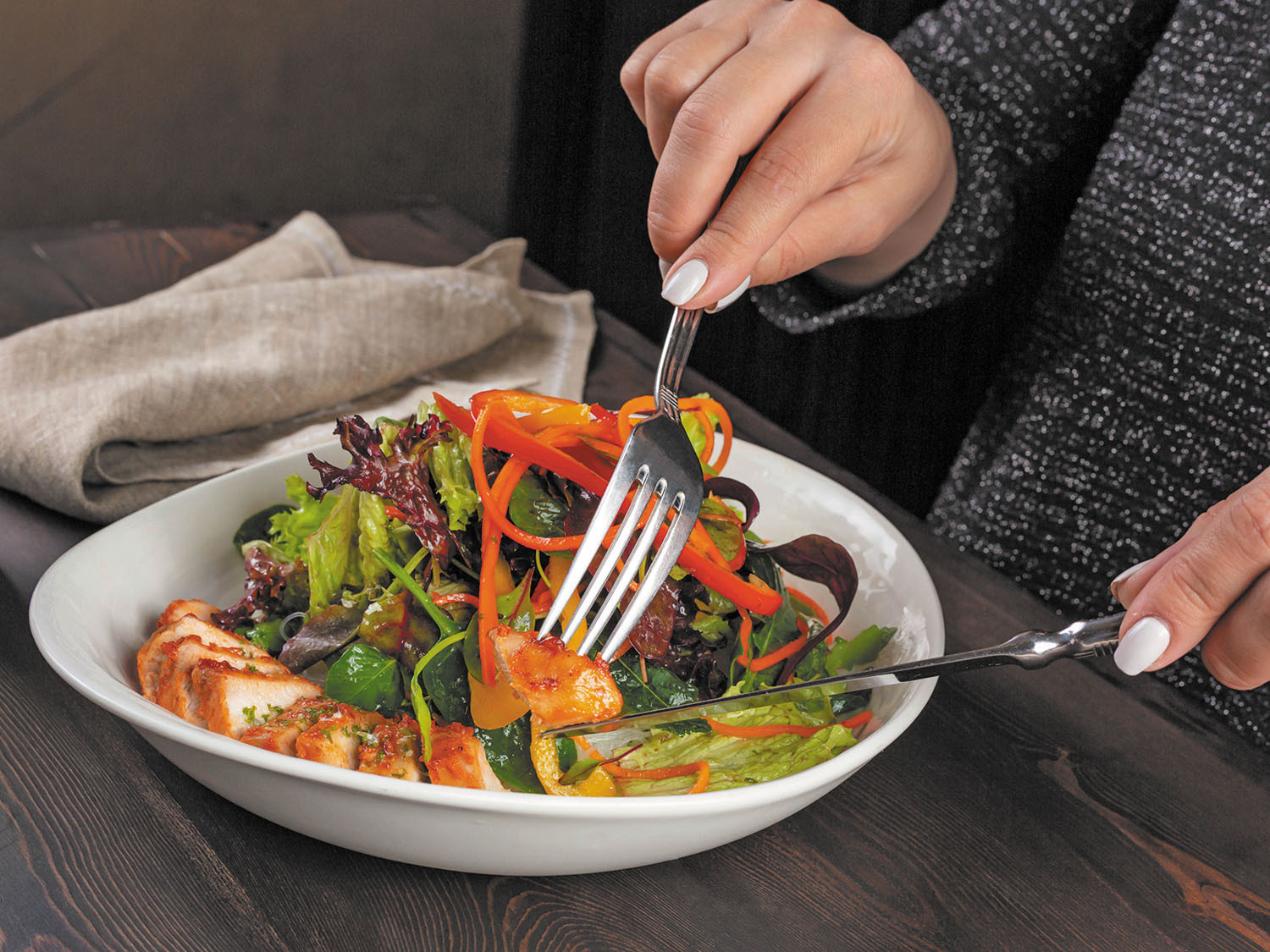
Reducing consumption of ultra-processed foods is the first step; selecting food items that are obviously healthier, appearing in the outer aisles of a supermarket; fresh fruits and vegetables, dairy products, and whole-grain bread products have become a matter of concern for food processing corporations seeing their product sales in decline. According to the Morgan Stanley review, as households using GLP-1 drugs focus more on the food they consume, leaving behind snacks, pastries and ice cream, they turn toward more yogurt, fish and vegetables.

California-based food and beverage developer Mattson, conducting a proprietary research, found similar preferences being expressed. Mattson surveyed over a hundred people from a panel of 800 consumers who had taken or were using weight-loss drugs, reporting more mindfulness in their shopping, and tending to shop less often, buying more whole foods, cooking more frequently, and reducing food waste while on the medication. 
 
"These drugs have really fundamentally changed the way people interact with food", innovation and insights leader with Mattson, Katie Hagan, commented. People tended to drink more water, they exhibited less interest in soda and alcohol, and they ate more high-protein foods, whole grains, eggs, fruits, vegetables and salads.

Labels: , , , , , , ,

 
()() Follow @rheytah Tweet