Ruminations

Blog dedicated primarily to randomly selected news items; comments reflecting personal perceptions

Friday, May 01, 2026

The Russian Roulette of Ultra-Processed Foods

"To put our findings in perspective, a 10 percent increase in ultra-processed foods is roughly equivalent to adding a standard packet of chips to your daily diet."
"In clinical terms, this translated to consistently lower scores on standardized cognitive tests measuring visual attention and processing speed."
"Food ultra-processing often destroys the natural structure of food and introduces potentially harmful substances like artificial additives or processing chemicals."
"These additives suggest the link between diet and cognitive function extends beyond just missing out on foods known as healthy, pointing to mechanisms linked to the degree of food processing itself."
Dr. Barbara Cardoso, Department of Nutrition, Dietetics and Food, Victorian Heart Institute, Monash University, Australia 
https://media.cnn.com/api/v1/images/stellar/prod/gettyimages-1395315899.jpg?c=original&q=w_1202,c_fill/f_avif
Adding ultraprocessed foods may add to risk of dementia  Getty Images
 
A  diet high in ultra-processed foods (UPFs), according to a new study from Monash University in Australia, may increase the risk of developing dementia. Published in the journal Alzheimer's & Dementia: Diagnosis, Assessment & Disease Monitoring, the study analyzed over 2,100 Australians for their diets and cognitive health. The study group was comprised of dementia-free adults between ages 40 to 70 from November of 2015 to December of 2023.
 
A daily increase of as minimal as 10 percent of ultra-processed foods in an intake alongside healthy whole foods was demonstrated to be linked to a drop in attention span, irrespective of an otherwise healthy overall diet. Based on the average food intake of the Australian population, a 10 percent increase in UPF corresponds, according to the study, to approximately 150 g/day.
 
Ultra-processed foods contain ingredients such as preservatives, emulsifiers, sweeteners, fats and artificial colouring, all of which alter the composition of whole foods with their addition as they go through multiple processing techniques such as moulding and extrusion. These food products include potato chips, energy drinks, hotdogs, fast food and  candy, among many others.
 
According to research in Canada conducted by the Heart and Stroke Foundation, close to half of people's daily caloric intake represent ultra-processed foods. Higher UPF consumption, the new study affirms, is linked to an increase in risk factors for developing dementia. Health conditions such as high blood pressure and obesity are also included as health risks due to the consumption of UPFs.  
 
https://www.monash.edu/__data/assets/image/0003/4302381/Ultra-processed-foods.jpg
Ultra-processed foods. Credit:Lauri Patterson/Getty Images
 
Each 10-precent increase in UPF intake was associated with lower attention scores and higher dementia risk even among people who adhered otherwise to a healthy Mediterranean-style diet, according to the study results. A direct association between UPFs and memory loss however, did not result from the study findings, which noted that attention span signals many vital brain functions such as learning and problem-solving.
 
Ultra-processed food consumption has been associated to date, with over 30 adverse health outcomes, noted the research out of Monash University. The recently published study results add to a growing body of research that link UPF consumption to adverse brain health. 
 
Dinosaur-shaped chicken nuggets on a plate
Harald Walker / Stocksy United
 

Labels: , , , , ,

Sunday, August 31, 2025

"Our analyses suggest that increased energy intake has been roughly ten times more important than declining total energy expenditure in driving the modern obesity crisis."
"[In a sub-analysis of the diets of some of the groups from both highly and less-developed nations, the scientists found a strong correlation between the percentage of daily diets that consists of] ultra-processed foods -- [which the study's authors define as] industrial formulations of five or more ingredients -- [and higher body-fat percentages]." 
Study on Obesity Factors, Duke University, North Carolina
https://trinity.duke.edu/sites/trinity.duke.edu/files/styles/16_9_landscape_100_width/public/pexels-anastasia-shuraeva-6232557.jpg?h=9dd951d5&itok=Nnp4tsNS
The research, published in PNAS, suggests diet, not inactivity, is the primary driver behind increasing obesity rates in developed countries. (Photo by Anastasia Shuraeva)
 
"Despite decades of trying to understand the root causes of the obesity crisis in economically developed countries, public health guidance remains stuck with uncertainty as to the relative importance of diet and physical activity."
"This large, international, collaborative effort allows us to test these competing ideas. It’s clear that changes in diet, not reduced activity, are the main cause of obesity in the U.S. and other developed countries."
Herman Pontzer, principal investigator with the Pontzer Lab, professor, Department of Evolutionary Anthropology, Duke University
 
"While we saw a marginal decrease in size-adjusted total energy expenditure with economic development, differences in total energy expenditure explained only a fraction of the increase in body fat that accompanied development."
"This suggests that other factors, such as dietary changes, are driving the increases in body fat that we see with increasing economic development."
Amanda McGrosky, Duke postdoctoral alumna, study lead investigator, assistant professor of biology, Elon University 
Professor Herman Pontzer and his co-authors, 80 in number, set out to gather data on obesity from labs globally. Data for 4,213 men and women representing 34 countries or cultural groups resulted, representing the full spectrum of socioeconomic groups. Total daily energy expenditures for everyone  was calculated, along with their basal energy expenditure (number of calories burned during basic biological operations and physical activity energy expenditure). 
 
Few large-scale studies have focused on comparing energy expenditure among populations among whom obesity appears common, as opposed to those resistant to obesity. Dr. Pontzer noted that understanding the relative contributions of diet and physical activity is vital if science aims at fully comprehending obesity's origins, in a bid to educate populations how best to avoid obesity and with it, the rise of diabetes, heart disease and stroke. 
 
People in traditional cultures among developing nations, do not tend to succumb to obesity. The recently published study out of Duke University sought to clarify what it was that exposed populations to greater incidents of obesity. Published in Proceedings of the National Academy of Sciences of the United States of America (PNAS), this study, using data on metabolic rates and energy expenditure among over 4,000 individuals from dozens of countries across a broad spectrum of socioeconomic conditions quantified calories that people from various cultures burn daily.
 
Common wisdom had it that people in highly developed nations are relatively sedentary, thus burn far fewer daily calories than those living in less industrialized countries, increasing the risk of obesity, and this is the message that public-health authorities have issued, in persuasive messaging on the necessity to ensure that sedentary lifestyles not take over lives, that it is critical for optimum health at all ages, to move about, exercise the body as well as consuming a healthy diet.
 
https://gsas.harvard.edu/sites/default/files/styles/header_banner_content_width_widescreen_1x/public/2025-08/shutterstock_1571931121.jpg?h=46364484&itok=qtXGa2Pt
This new study finds otherwise. Concluding that Americans, Europeans and people in other developed nations expend roughly similar total calories most days, as did hunter-gatherers, herders, subsistence farmers, foragers and all those living in pre-industrialized nations. A finding that was unexpected in its conclusion that inactivity is not, after all, the major cause of obesity that it has been taken to be. 
 
It seems intuitive that comparing the energy expenditure of hunter-gatherers and farmer-herders opposite office workers would find a huge deficit on the part of the latter as opposed to the former.  It was established however that, though the hunter-gatherers and other primitive groups moved far more frequently throughout the course of a day than would a typical individual in a post-industrial society, overall daily calorie expenditure were closely analogous. 
 
A theory first proposed by Dr. Pontzer known as the constrained total energy expenditure model, posits that our brains and bodies closely monitor our total energy expenditure, keeping it within a narrow range. Should we begin consistently burning more calories for any reason for days on end, our brains slow down or shut off some tangential biological operations that sees overall daily caloric burn remaining in a consistent band.
 
The final takeaway from the study is, quite simply, the observation that within populations too much food is being consumed, in excess of the body's actual needs. As well, consuming the wrong types of food --ultra-processed, convenience and fast-food products, perhaps lacking in nutrients but packed with flavour enhancers, leading to higher body-fat outcomes. 
 
https://www.science.org/do/10.1126/science.z9i2b0l/full/_20250715_on_obesity-1752519771807.jpg
A new study concludes diet is by far the most important driver of obesity in more economically developed countries.  thebigland88/iStock
 
More than 1 billion people worldwide live with obesity, a global epidemic that health authorities have blamed on both increased consumption of calories and decreased physical activity. But which factor contributes more? After measuring the calories burned by people from different economic backgrounds and lifestyles, research published today in the Proceedings of the National Academy of Sciences concludes diet plays a far bigger role than physical inactivity in driving the epidemic—though not everyone agrees with that interpretation."
"The new study found that, when adjusted for body size, people in more economically developed societies expend relatively less energy. However, the differences are too small to explain the higher rates of obesity in these societies. Worldwide weight gains instead seem to be associated mainly with how much we consume, not how much we burn off."
"The findings align with the current conventional wisdom that increased energy intake is the primary driver of obesity and highlight the need for policies to reduce that, says Vanessa Oddo, an epidemiologist at the University of Illinois Chicago who was not involved in the work. However, she and others caution the study—which relied on computer modeling, one-off observations of study participants, and indirect measures of physical activity and diet—isn’t set up to pinpoint the epidemic’s causes."
Science Adviser 
 

Labels: , , , , ,

Thursday, January 30, 2025

A Conundrum of Obesity in Canada's Armed Forces

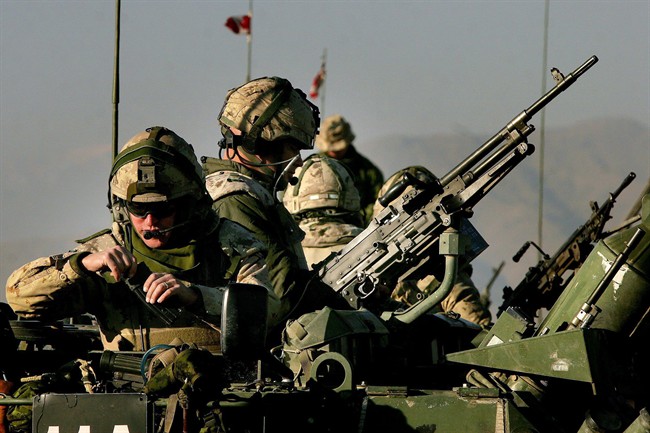
https://globalnews.ca/wp-content/uploads/2014/03/cpt105171143_high.jpg?quality=85&strip=all
Canadian soldiers get ready to leave Camp Julien in Kabul, Afghanistan, Nov. 29, 2005. THE CANADIAN PRESS/AP
"I think DND [Department of National Defence] was hiding the records because they're embarrassed."
"This is information that people have a right to know and information of consequence. Is the military fighting fit or not?"
"DND claimed it had no such records even though the briefings clearly have a DND and Canadian Forces logo on them."
Researcher Ken Rubin

"CAF [Canadian Armed Forces] surveys also study eating patterns, barriers to  healthy eating, and chronic conditions."
"BMI at the population level is a practical and useful tool, especially to compare data over time, even if it has limitations."
"[The Canadian Forces does not track data] on the number of members who have been subject to administrative action or release in relation to physical fitness issues that may cause medical employment limitations."
"An administrative review determines the most appropriate action, if any, to deal with the matter, and is  conducted in a transparent manner with a focus on procedural fairness."
DND spokesperson Andree-Anne Poulin
https://smartcdn.gprod.postmedia.digital/ottawacitizen/wp-content/uploads/2025/01/untitled-design-1.jpg?quality=90&strip=all&w=1128&h=846&type=webp&sig=RfURaTVYKO44mwGH9_miIA
In 1989 when the Canadian Armed Forces were at full staffing levels -- which they are not now at -- an interior study concluded that five percent of the 88,000 regular force was judged to be obese, and another 17 percent was considered to be overweight. At that time, 15 percent of Canadians were thought to  be obese, while 15 percent were seen to be overweight. Qualifying any serving member of a military as obese or overweight does not augur well for fitness to serve in combat roles in defence of their nation.

Fast forward to the present era, and what was seen as deplorable decades earlier seems in retrospect slight numbers of questionable fitness of individuals to serve in the military. As evidenced by shocking new data revealing that troops enlisted in the Canadian military have degenerated to the point where 72 percent of armed forces personnel fall into the categories of overweight and obese. Senior leaders were evidently warned of this increasing phenomenon of unhealthy fitness levels in the Forces in June 2024 contained in briefings warning that "Obesity prevalence has been slowly increasing for many years". 

One of the results of which has been an increase in sick days and medical releases, as well as reduced readiness and productivity in the pursuit of the profession. And this, at time when recruitment is at an historically low level. In the Canadian Armed Forces, today's reality is that forty-four percent are categorized as overweight, and 28 percent are classified as obese. Such briefings for leaders of the army, navy and airforce were not released to the public domain, but were revealed through applications to the Access to Information Act by Ottawa-based researcher Ken Rubin.

https://tpc.googlesyndication.com/simgad/13699329582722668012?sqp=4sqPyQQrQikqJwhfEAEdAAC0QiABKAEwCTgDQPCTCUgAUAFYAWBfcAJ4AcUBLbKdPg&rs=AOga4qnwmDxbzBkl72xsX2O0-M_-CX3ixg
The Canadian Military, it transpires, has  higher rates of both overweight conditions and obesity than is prevalent in the general population. The briefings revealed that in comparison to the numbers of obesity and overweight in the military, for the general population, sixty-eight percent of Canadian men are considered obese or overweight in comparison to the 78 percent with those health conditions in the military. Embarrassing statistics which explain in part why they were never released for public scrutiny.

In the military, for example, 57 percent of women enrolled in the military are either overweight or obese, as opposed to women in the general population whose numbers in those categories total 53 percent. One report stated that "increasing physical activity levels will not resolve the challenges of obesity in the CAF". Military health specialists suggest the promotion of a culture of fitness through physical activity combined with injury prevention, adequate sleep and proper nutritional intake.

Mr. Rubin's request for data from the military through the Access to Information Act went unfulfilled; the response from the military was to inform the researcher that no such information existed. Finally, Mr. Rubin submitted  his request to the Canadian Forces Morale and Welfare Services, separate from DND, and from them he was able to obtain 141 record pages, including the briefs produced by DND on physical fitness in the ranks.
Short sleep duration (fewer than 6 hours) and borderline short sleep duration (6 hours to fewer than 7 hours) were independently associated with increased odds of obesity for male CAF members, but not for females. These results take into account differences in a range of other factors, including sociodemographic, work and health characteristics of CAF members.
Shorter-than-recommended sleep duration, poor sleep quality and obesity are concerns for long-term health, wellbeing and deployment readiness of the military population. Sleep has been identified as an important aspect of physical performance in both the CAF and the US military. Because sleep affects energy balance, eating and physical activity behaviours, it has been identified as a potential tool to aid in managing obesity. Longitudinal or intervention studies are needed to better understand the potential role of healthy sleep practices in obesity management, particularly in military populations.
Statistics Canada
https://www.washingtonpost.com/blogs/worldviews/files/2016/10/AP_3147804212501477589281-1024x753.jpg

Labels: , , ,

Friday, July 05, 2024

Boiler-Plate Response to Heightened Drug Toxicity

"[Data from the study are not sufficient to establish a cause-and-effect association between semaglutide and NAION]; key methodological limitations of the study [need to be considered when interpreting the findings]."
"Patient safety is a top priority for Novo Nordisk, and we take all reports about adverse events from the use of our medicines very seriously."
"Semaglutide has been studied in large real world evidence studies and robust clinical development programs with a cumulative exposure including from post-marketing use of over 22 million patient years."
"The totality of data provides reassurance of the safety profile of semaglutide." Novo Nordisk
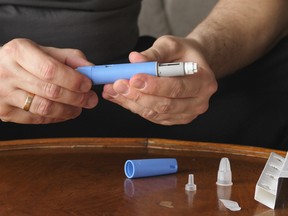
Wegovy injection pen.
Semaglutide is most commonly known under the brand names Wegovy and Ozempic. Photograph: Reuters
A new American study has found that drugs containing the active compound semaglutide have a potential side-effect among certain users, presenting a dilemma in outcome.Last summer researchers at Mass Eye and Ear in Boston, Mass felt motivated to begin an investigation on whether the sought-after weight-loss drugs might be associated with increased risk of NAION. Their interest was piqued after three patients were diagnosed with a  relatively rare eye condition.

The study conclusion was that Ozempic and other weight-loss drugs -- so hugely popular -- contain the active compound semaglutide, associated with increased risk of NAION, (nonarteritic anterior ischemic optic neuropathy). An eye-loss condition affecting two to ten in every 100,000 people annually. Sudden and permanent loss of vision in one eye as a result of insufficient blood flow and oxygen to optic nerves. The condition is also referred to as an "eye stroke", a significant cause of adult blindness.
 
Three patients at the Harvard Medical School who took semaglutide were diagnosed within the same week with AION. Published in JAMA Ophthalmology, the study found people who were prescribed semaglutide became seven times likelier to end with a diagnosis of NAION than were people prescribed different drugs for an overweight condition. Semaglutide prescribed for Type 2 diabetes saw people becoming four times more likely to be threatened with the rare eye diagnosis.
 
https://ichef.bbci.co.uk/news/1024/cpsprodpb/98ab/live/90c019d0-3945-11ef-ac36-79d0d5ad02d7.jpg.webp
Getty Images

"Our main finding is that prescribed semaglutide is associated with an increased risk of NAION", the researchers concluded. "We should be confident that if corroborated, the absolute risk of developing NAION in direct relation to taking semaglutide must indeed be rare", wrote University of Birmingham professor Dr. Susan Molan, who investigates rare diseases of the eye and brain. The findings "should be viewed as significant but tentative", cautioned Dr. Joseph Rizzo, director of the neuro-ophthalmology service at Mass Eye and Ear. 
 
Ozempic and Wegovy are in a class of drugs  called GLP-1 agonists, spurring the release of insulin, and lowering blood sugar, but act as well on the brain to curb appetite. Given through a once-weekly injection by a prefilled pen. A survey by Dalhousie University's Agri-Food Analytics lab, partnering with market research firm Caddle, found some ten percent of the Canadian adult population uses a GLP-1 type drug for diabetes control, weight loss, or both. 
 
Reports of potential unforeseen side-effects inclusive of gastrointestinal problems and unplanned pregnancies have arisen with the growing popularity of the drug. The research team studied records of patients referred to their clinic from 2017 through to 2023, checking for NAOIN diagnoses. Records of close to 17,000 patients treated over six years were analyzed. Among them 629 NAION cases were diagnosed in that six-year period.
 
Divided into two groups those diagnosed with Type 2 diabetes and people living with obesity were separated to compare people who received prescriptions for semaglutide along with those taking other diabetes or weight-loss drugs. Among those with diabetes, 8.9 percent of the semaglutide-treated group developed NAION within three years of follow up, compared to 1.8 percent for the non-semaglutide group.
 
5.7 percent in the semaglutide group of overweight or obese people were diagnosed with NAION, as opposed to 0.8 percent of those prescribed drugs other than semaglutide. 

Some of the most common for semaglutide include:

  • nausea
  • vomiting
  • diarrhoea
  • stomach pain
  • constipation
 
https://image.cnbcfm.com/api/v1/image/107393001-17114709252023-03-29t000000z_1653336606_rc2w30aoohoj_rtrmadp_0_usa-health.jpeg?v=1711470985&w=740&h=416&ffmt=webp&vtcrop=y
A box of Ozempic and contents. 
George Frey | Reuters
            

Labels: , , , , ,

Friday, March 03, 2023

The Chronicity of Obesity

image
"You hear people talking about it -- 'I'm so much happier now, because I'm free'."
"Planning your day around food, that's a lot of brain space. It's frustrating, and exhausting."
"[Semaglutide has to be used in conjunction with a reduced calorie diet. It does not melt fat.] It helps you eat properly. The drug helps you sustain caloric restriction on whichever diet you want to be on -- keto, intermittent fasting, Mediterranean, or just plain old healthy heating."
"I'm not talking about [someone] who is five pounds too high. People living with obesity -- excess adipose tissue that's causing disease -- have a genetic condition that drives their eating behaviurs."
"That genetic condition will never change. All this medication does is mask that genetic behaviour."
"If you had excess weight, you may have fat in your face. You lose the weight; the face goes to where it would have been had you never had that excess weight in the first place."
Dr. Sean Wharton, obesity medicine specialist, adjunct professor, McMaster University, Hamilton, York University, Toronto

"While we cannot discern whether the [prescription] was written for diabetes or for off-label use, the growing numbers may reflect the potential for use as anti-obesity medication for long-term weight management."
Madeline Gareau, spokeswoman, IQVIA CompuScript
Both Ozempic and its sister drug, Wegovy, are once-weekly injections using pre-filled pens that are injected into bellies, thighs or arms.
A new weight-loss sensation is revolving around off-label use of an approved diabetes drug for adult-onset, Type II non-insulin-dependent diabetics. Ozempic, brand name for semaglutide, the drug that lowers blood-sugar levels, for people who are not diabetic has proven to be an invaluable assist in helping control food cravings, hunger and eating. Ozempic and its sister drug, Wegovy have proven to be extremely effective as weight-loss agents.  "I think it's a breakthrough", said Dr. Wharton.

The drug, however, does not 'cure' the health condition that leads to obesity. Anyone who believes in its efficacy based on the results will be advised that a life-long partnership with the drug will be a necessary commitment to lose weight and to keep it off. Remove oneself from the drug therapy, and in time the condition reasserts itself, the excess weight returns. Both Ozempic and Wegovy are now social media megastars. A Tiktok video featuring the  #ozempic hashtag has been viewed 600 million times.

Image result for obesity
Not officially approved for weight loss, Ozempic is prescribed by doctors who may recommend it "off label" for weight management. Wegovy containing a somewhat higher dose of semaglutide was approved in 2021 by Health Canada for weight loss specifically. It is produced by Novo Nordisk, but not yet launched in Canada. Both drugs are once-weekly injections with the use of pre-filled pens, injected into thighs, arms or stomach areas.

University of Toronto endocrinologist Daniel Drucker, helped discover GLP-1, an endogenous hormone "meaning we make it ourselves after we eat food", noted Dr. Wharton. In a trial with close to 2,000 adult subjects published in the New England Journal of Medicine, those taking semaglutide lost on average 15 percent of body weight following 68 weeks of treatment. In the semaglutide group the change in average body weight came to 15.3 kg as opposed to 2.5 kg in the placebo group.

The movement of food through the gut is slowed by the drug. Among the most commonly reported side-effects, are nausea and diarrhea, most of a mild-to-moderate effect, subsiding with time. Vomiting, constipation and stomach pain can also occur as side-effects. As for serious side-effects they can include inflammation of the pancreas or gallbladder or kidney problems. There is a warning on the Ozempic box from Health Canada of semaglutide's potential to cause a type of thyroid cancer.

Some users of the drug also lose desire for alcohol consumption, according to The New York Times. "It's certainly something that I've heard many patients say, usually in a positive way", commented the chief scientific and medical officer of the American Diabetes Association.  There is a widespread belief that semaglutide affects the brain's mesolimbic system "the hedonic part of the brain, where you want more than what you need to sustain yourself", explained Dr. Wharton. 

Researchers found that one year after ceasing once-weekly semaglutide injections, people  regained two-thirds of their weight loss -- in a study co-authored by Dr. Wharton. The researchers wrote that findings "confirm the chronicity of obesity and suggest ongoing treatment is required to maintain improvements in weight and health".

There were other diet-pill enthusiasms, like fen-phen -- when the fenfluramine-plus-phentermine regimen had to be stopped in 1997, when it discovered that the combination caused serious heart valve conditions.Another drug, Merida, a top-selling weight-loss drug in Canada, was withdrawn from the market related to an increased risk of heart attack, stroke and cardiovascular death.

"Is there going to be a problem 15 years from now, 30 years from now? I don't know. But we're not seeing any [safety] signals." There is an individual risk-benefit ratio that people must come to terms with. Semaglutide has been prescribed to millions of people with Type 2 diabetes for 15 years "without any adverse effect profile", Dr. Wharton concluded.

Medical News Today

Labels: , , , ,

Wednesday, October 05, 2022

Prelude to Obesity and Its Potential Amelioration

"The undeniable observation from the last several decades is that obesity treatment doesn't work very well. Clearly we need a different approach."
"The data show very clearly that folic acid and fortification of the food supply has been very effective in preventing this devastating developmental outcome of neural tube defects, which comprise things like spina bifida."
"We need to take a similar approach with obesity because each individual's body weight regulatory mechanism is largely based in the brain."
"[The reason the study is of interest is because] we were able to show direct association with human genetics."
"We already know that maternal obesity during pregnancy does promote obesity in her offspring. It's likely that maternal obesity could interfere with this epigenetic development and we could see how that could end up leaving her child as somewhat ill-equipped to properly regulate food intake and energy expenditure."
Dr. Robert Waterland, professor of pediatrics-nutrition, Baylor College of Medicine, Texas
A new study on mice found that if any of the changes go awry to a specific part of the brain early on, it could lead to significant weight gain later in life.

According to a study recently published in the journal Scientific Advances conducted by researchers at Baylor College of Medicine along with other institutions, it is possible that obesity could be prevented by dietary supplements prior to pregnancy. According to the study's findings, the issue should be treated as a neurodevelopmental disorder.
 
The World Health Organization reported in 2016 that there are two billion people globally categorized as overweight, and of that total, 650 are classified as obese. Researchers hoped to discover how to stop what the study refers to as a worldwide epidemic. The study outlines a new approach; to treat obesity as a neurodevelopmental disorder -- some of which have been prevented successfully with dietary supplements.
 
Vector art representing the pregnancy weight gain application
The study cited the example of neural tube defects occurring in  human fetuses, prevented through augmentation in the diet of folic acid. The study, with the use of laboratory mice, focused on a region of the brain known to regulate food intake, physical activity and metabolism called the arcuate nucleus of the hypothalamus, explained the study's first author, Dr. Harry MacKay. 

In a fetus and in early infancy the arcuate nucleus undergoes epigenetic changes which later can affect weight regulation programing. Alterations to that part of the brain could lead to significant weight gain in later life, although cautioned Dr. Waterland, "exactly how this works remains unknown".

Labels: , , , ,

Monday, February 07, 2022

Snoring Awareness

"Snoring is very much associated with sleep apnea. But not everybody with sleep apnea snores -- even though the vast majority do -- and not everybody who snores has sleep apnea."
"[Customized mouthpiece or mouthguards pull the jaw and tongue slightly forward; basic versions can be ordered online, but they] tend to have a higher association with tooth movement and jaw pain."
"It's something that really should be made custom to your mouth [by a dentist]."
"[Surgery is generally] considered a last resort, because it's painful."
David Schwartz, president, American Academy of Dental Sleep Medicine 

"We see severe patients all the time, and they have no clue they have sleep apnea."
"They're only coming in because their bed partner told them to."
Kent Smith, founding director, Sleep Dallas, president, American Sleep and Breathing Academy
Snoring sleep apnea
Even in the absence of obstructive sleep apnea, snoring can still disrupt people's sleep enough to cause sleep deprivation. Not getting enough sleep each night is associated with an increased risk for type 2 diabetes, obesity, high blood pressure and heart disease. Tero Vesalainen/istock.com
 
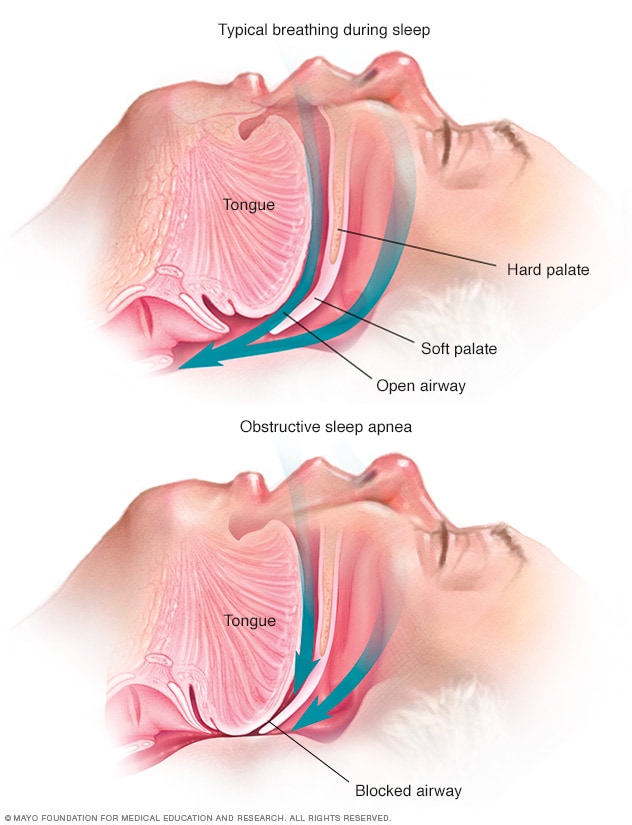
When something blocks flow of air through the mouth and nose, snoring occurs, as a common condition. As the air struggles to push through, soft tissues vibrate. Sometimes a nasal obstruction, deviated septum or collapsed nasal valve causes people to snore. The sound can also be caused by the tongue. But snoring can also be a symptom of obstructive sleep apnea (OSA), a condition that affects roughly one in five people.

When we sleep, throat muscles relax, blocking the airway. Sleep apnea-caused snoring is frequently loud, and could be followed by shallow breaths, gasping or general restlessness. Other, less-serious conditions can cause snoring; nasal polyps, crooked septum, shape of one's palate or tongue, a cold or allergies. Alcohol consumption, pregnancy or obesity can also contribute to snoring.

When snoring is caused on occasion as a result of having a cold, or imbibing alcohol prior to bedtime, it is generally harmless. Constant snoring might be a good reason to have an appointment with a sleep specialist since research indicates that some 90 percent of people with sleep apnea remain undiagnosed, a condition that can have serious ramifications, including elevated risk of heart problems.

Snoring might pose a risk to health, even in the absence of obstructive sleep apnea. OSA, according to some research, may be associated with cardio-metabolic risk factors like atherosclerosis (artery disease) and endothelial dysfunction (non-obstructive coronary artery disease). People who snored but did not have sleep apnea were examined in a study published in the journal Laryngoscope where researchers found the longer a person snores nightly, the greater the narrowing he/she has in their neck arteries, which has the potential of increasing stroke risk.

Should a sleep study -- where a sleep specialist conducts a study where brain levels, oxygen level, heart rate, eye and leg movements are recorded -- reveal OSA, patients are usually treated with breathing devices -- for example, a continuous positive airway pressure machine, which blasts a steady stream of air into the nose and mouth during sleeping hours.

To prevent snoring not caused by sleep apnea, it helps to lose weight; snoring accompanies weight gain. Even the tongue can gain weight to crowd the airway. "So, weight loss will improve your snoring", explains Steven Holfinger, sleep medicine specialist at Ohio State University's Wexner Medical Center.  Men who lost over six pounds greatly reduced their snoring level, while shedding 15 pounds, eliminated it. 

"Smoking creates a sticky airway", which hampers air from flowing in an optimal manner, which in turn leads to snoring, explained Dr.Smith. Alcohol prior to bedtime causes muscles adjacent the airway to relax, increasing the chances that snoring will ensue, explained Dr.Holfinger, so it makes sense to stop drinking a few hours before turning in to sleep. And when you sleep, adjust sleeping position; optimally not to sleep on your back to avoid tissues in your upper airways drooping, so "you have a much greater chance of snoring", said Dr.Schwartz.

Doctors recommend some therapies such as nasal strips or dilators; the strips are applied to the outside of the nose at bedtime to help open nasal passages, reducing snoring. An older study found dilators to effectively reduce intensity of snoring in a majority of instances, if the snorer is absent a condition such as OSA. Customized mouthpieces (mouth guard) pull the jaw and tongue slightly forward to open the upper airway. Laser assisted uvulopalatoplasty (LAUP), involves shortening soft tissue dangling back of the throat, with small cuts in the soft palate.

Labels: , , , ,

Saturday, December 11, 2021

Appreciating Winter Cold


Traditional Finnish Log House/Cabin in 1988 and 2019 - YouTube
Old Finnish winter log sauna cabin
"You are invited to take off all your clothes and go to a little room heated to almost 100 degrees Celsius, where you will sit, naked, with others for a while and sweat. Then you will go outside and jump (still naked) through a small hole in the ice on a lake, the sea or whatever and refresh yourselves in the freezing water – or roll in the snow instead."
"In short, 'What about a sauna?'"
"The answer should be simple. Be courageous and say 'yes' – because if you don’t you will miss a deliciously relaxing experience which will provide a vital insight into the culture and mentality of your Finnish hosts."
This is Finland : Bare Facts About the Sauna in Finland
 
"Obese people have less total brown fat and this is one contribution to obesity."
"[Exactly how large a factor it is overall is] the million-dollar question."
Michael Symonds, Nottingham University 

"People saying that they  re aroused and alert and they feel alive, well that's really the release of the stress hormones as a result of what is a pretty significant physiological stress."
Mike Tipton, cold exposure physiological effects, Portsmouth University

"I was swimming back to shore [winter cold-immersion swim] with my wife, when everything went completely blank."
"I was walking and talking but had lost my memory. It gradually came back over the next few hours."
"I was told then it was extremely unlikely to happen again and I'm pleased to say it hasn't."
Michael Mosley TV journalist, cold enthusiast
The men only Highgate Ponds, also known as Hampstead Ponds, in North London is a favourite spot for an early morning dip. As Britain is seized by the Big Freeze a few stalwarts go swimming in sub zero temperatures as the snow and ice turns Hampstead Heath in a winter wonderland. Swimming in freezing water can be dangerous to the uninitiated so people wishing to swim in the ponds during the winter are advised to acclimatise themselves to outdoor swimming. Advice from the Amateur Swimming Association is to start swimming outdoors in the summer and continue into winter preferably three or four times a week for short periods. Dangers are said to include numb freezing cold injury, hypothermia and sudden immersion syndrome (SIS). Photo by Michael Walter/Troika swim swimmers swimmer ice extreme sports
Ice ice baby: cold-water swimming at the Men’s Pond in Hampstead, north London. Photograph: Michael Walter/Troika
 
The past few decades has seen research into brown fat in the knowledge that its potential for preventing obesity is fairly vital to explore. There are studies suggesting a link exists between the centrally-heated comfort of our homes and the universal rise in obesity within populations. Slim people tend to have more brown fat than others, but it is known that its amount varies from one individual to another. Unlike white fat which accumulates under skin, brown fat does not store calories, instead it burns calories.

Packed with mitochondria -- tiny cellular power plants burning glucose to produce heat -- brown fat is quite different than what we usually envision fat to be; a thick layer of unwanted weight. It is known that regular exposure to cold temperatures increases the activity of brown fat, consuming energy for several hours after exposure to the cold. A phenomenon that leads to the theory that getting cold may be a solution to burning calories with minimal effort. 

Adapting to the cold is now seen by many to be a simple, natural method of increasing health. Improved mental health along with a healthier immune system, with the additional benefit that it may also lead to weight control. At  home, turning down the thermostat is one way to expose everyday living to winter cold ... within reason. 
 
In the Netherlands, a study found people who spent time in a 15 - 16C room over a ten-day period increased brown fat activity, burning more calories, with volunteers spending six hours daily in the cold. "You do not need to be exposed all day. Most likely a minimum of an hour is required", clarified Wouter van Marken Lichtenbelt of Maastricht University, leader of the research.

Another study led by Susanna Soberg of the University of Copenhagen, found regular cold-water swimmers' brown fat burns more calories when cold than people who hadn't been accustomed to cold exposure; training brown fat makes it work more efficiently. Walking, running or cycling in the  old have all been demonstrated to burn more calories than they would do in warmer weather. 

One can gradually acclimate to being in a colder room, but that isn't the case with dousing oneself with cold water in the winter; a shock to the system ensues wth the body cooling more rapidly in water than it would in air. Rapid loss of heat from the skin sets off the fight-or-flight response, while stress hormones rise sharply and quickly. A shock linked to benefits such as a healthier immune system.
 
Sara Barnes Cold Water Swimming for the Observer magazine feature only The Blue Lagoon, Wasdale, October 2018
The water felt cool, but the effect on the pain was that it completely numbed my legs’: Sara Barnes at the Blue Lagoon, Wasdale. Photograph: Emily Cornthwaite
 
The initial rush of adrenalin followed swiftly by an increase in anti-inflammatory chemicals in the blood, tamping down the immune response, according to another study. When injected with a small portion of a bacteria to stimulate an immune response afterward, cold-exposed people experienced fewer symptoms and lower fevers than those who had not been in cold water.
 
With over three thousand volunteers, a separate study showed that people who ended a warm shower with a 30 - 90-second burst of cold water daily for a month were 30 percent less likely to take time off work for illness than were those who just had warm showers. An estimated 30 seconds -- one-half minute -- has the same benefits as a one-minute exposure.

It must be pointed out that there is stress and danger in the cold-shock response. The sharp deep intake of breath ("gasp reflex") that strikes when skin feels cold water, is not controllable, and should it happen with the mouth under water a risk of drowning ensues. Hyperventilation that follows the initial gasp is reason enough why jumping off into cold water without being accustomed to it, is not recommended. "You're much better off going in slowly and habituating", advises cold-water enthusiast Mike Tipton.

Additionally, the shock of sudden immersion raises risk of a heart attack, even in people without underlying health issues as well. A rare, but total loss of memory can also result. Safely done, however, there are benefits to be had in teaching the body to deal more efficiently with other stresses; mental, physical, or both.


Labels: , , , , ,

Tuesday, May 11, 2021

Beer Belly and COVID-19 Morbidity

"Abdominal obesity might predict a high chest X-ray severity score better than general obesity in hospitalized patients with COVID-19."
"Therefore, in hospital, patients with abdominal obesity should be monitored closely."
IRCCS Policlinico San Donato, Italy report
 
"Studies that have examined the relationship between abdominal fat and cardiovascular outcomes confirm that visceral fat is a clear health hazard,"   
"Reaching a target of 150 minutes a week of physical activity, particularly aerobic physical activity, may be enough to help reduce abdominal fat."
"This decrease in abdominal fat without weight loss may be related to increasing fat-free mass [or muscle mass] with aerobic exercise,"
Dr. Tiffany Powell-Wiley, chief, social determinants of obesity and cardiovascular risk laboratory, National Institutes of Health, Bethesda, Maryland.
 
"As BMI rises above normal, the likelihood of a positive SARS-CoV-2 test result increases, even when adjusted for a number of patient variables."
"Furthermore, some of the comorbidities associated with obesity appear to either be associated with an increased risk of infection or to be protective."
Research study, Chaim Sheba Medical Centre, Israel
 
"These were otherwise healthy, hard-working people. Their major risk factor for getting this sick was obesity."
MaryEllen Antkowiak, critical care physician, intensive care unit, University of Vermont Medical Center
"We didn’t understand early on what a major risk factor obesity was. … It’s not until more recently that we’ve realized the devastating impact of obesity, particularly in younger people." 
"[That] may be one reason for the devastating impact of COVID-19 in the United States, where 40% of adults are obese."
Dr.Anne Dixon, physician-scientist , obesity and lung disease, University of Vermont 

Many very sick COVID-19 patients, like some in this Brazilian intensive care unit, have obesity.   Gustavo Basso/NurPhoto/Getty Images

A number of studies linking obesity with higher rates of COVID-19 infections and more serious outcomes have been published since the SARS-CoV-2 pandemic invaded the international community causing untold infections in the millions worldwide and a staggering number of deaths, leaving hospitals and medical staff scrambling to be able to serve the needs of seriously ill COVID patients requiring specialized emergency care in ICUs worldwide.

At the European Congress on Obesity held recently, a number of presenters spoke of their studies examining high BMI and more specifically a high concentration of belly fat and its relationship to higher rates of infection with the COVID pathogen, as well as poorer outcomes from those infections.
Among them were a study from Italy and another from Israel. Italy is well known to have been the European poster child of a nation assailed by wide COVID transmission.

Italy's emergency was looked upon by other countries as a worst-case-scenario they prayed could be averted in their own countries. The prospect of having to decide, as was forced upon the medical community in Italy by circumstances beyond their control, to have to make life-or-death decisions over which patients with serious COVID symptoms might survive if given scarce oxygen, and which among them might not -- given age and underlying medical conditions, to be denied supplemental oxygen -- horrified the world.

The study out of Italy concluded that beer bellies are associated with a whopping 75 percent elevated risk of developing serious COVID, with scientists urging that close monitoring be instituted for COVID patients with extreme abdominal fat. It was found that general body fat, measured by body mass index, seemed not to be linked to worse severity, unlike excess fat accumulated in the belly area.

The health records of 215 patients hospitalized with COVID were examined by Italian doctors, measuring the patients' BMI and waist circumference against chest X-rays (CXR) which they scored on a scale of zero to 18 for infection severity. Those with abdominal obesity gained a significantly higher X-ray score, with an average of 9, than did those without high abdominal fat, who were given an average of six.

Dr Francesco Tursi, who suffered from the COVID-19, works at Codogno hospital, Italy

 When patients' BMI was examined -- representing the traditional method of determining whether an individual is overweight -- the scientists found that chances of a high X-ray score between those who were obese, overweight and that of a healthy weight, were identical. While patients with abdominal obesity were at a 75 percent increased risk of a higher CXR severity score.

What was also seen was that bronchial asthma increased risk of a high CXR severity score by 73 percent. When the realization hit British Prime Minister Boris Johnson last year that his weight might have been a huge contributing factor to his having experienced severe COVID, he made a pledge to turn the government's attention to educating and influencing the British public to resist becoming obese. 

It was, in fact, increasing levels of obesity identified as having been a major cause of the high death toll in the United Kingdom from the onslaught of the pandemic.


Labels: , , , , , , ,

 
()() Follow @rheytah Tweet