Ruminations

Blog dedicated primarily to randomly selected news items; comments reflecting personal perceptions

Monday, August 31, 2026

Smoke Gets In Your Eyes -- Your Lungs and Your Brain

"It's not just a few days in these extreme events that you need to protect  yourself."
"It is also the days when the sky looks OK [while air quality indexes or weather reports warn of the presence of smoke]."
Dr. Kai Chen, associate professor, Yale School of Public Health 
 
The health effects of short-term PM2.5 exposure, and subsequently smoke, can range from relatively minor (e.g., eye and respiratory tract irritation) to more serious health effects (e.g., exacerbation of asthma and heart failure and premature death). In addition, there is initial evidence that short-term smoke exposure may lead to preterm birth (Picciotto et al. 2024) and impact brain function (i.e., cognitive performance as measured through a brain-training game) (Cleland et al. 2022). Fine particles are respiratory irritants, and exposures to high concentrations can lead to persistent coughing, phlegm, wheezing and difficulty breathing. Exposure to PM2.5 may affect the body’s ability to remove inhaled foreign materials, such as viruses and bacteria, from the lungs. For example, some studies have reported an increase in the risk of COVID-19 cases and deaths in response to wildfire smoke exposure (Zhou et al. 2021; Meo et al. 2021; Schwarz et al. 2022). Although most healthy people will recover quickly from smoke exposure, some may experience health effects such as pulmonary inflammation and transient reductions in lung function (U.S. EPA 2019).
United States Environment Protection Agency  
https://www.bccdc.ca/PublishingImages/Wildfire%20smoke%20in%20Vancouver.jpg?RenditionID=2
Vancouver skyline   Wildfires and smoke have always occurred in British Columbia, but they are becoming more frequent and severe as the climate changes. Wildfire smoke is a form of air pollution that can affect your health.  BC Centre for Disease Control 
 
https://www.canada.ca/content/dam/hc-sc/images/services/publications/healthy-living/human-health-effects-wildfire-smoke/human-health-effects-wildfire-smoke.jpg

Evaluation of air pollution from wildfires presents unique challenges, compared to air pollution from other sources, such as traffic or industrial point sources, as smoke exposure is seasonal and episodic in nature (Gould et al., 2023). Also, as the number and size of wildfires impacting an area are variable and as smoke production from wildfires is not constant or steady, the concentration of smoke experienced by populations can vary considerably, and can include high levels of exposure for short time periods or moderate exposure levels lasting for several days or longer. Additionally, to evaluate the health effects of wildfire smoke, it is necessary to distinguish the contribution of wildfire smoke from that of other sources of air pollution within the mixture that people are exposed to. To address this, researchers have employed a variety of methods to assess exposure to wildfire smoke for use in health studies including use of land-based PM monitors, satellite imagery, air quality modelling, comparison of fire versus non-fire periods, proximity to wildfire burn area, and self-reports. In these studies, the most commonly used surrogates for wildfire smoke exposure are PM2.5 (particles with a diameter of 2.5 micrometres or less) and PM10 (particles with a diameter of 10 micrometres or less). For the primary investigations included in the systematic reviews considered here, the health outcome data were based on administrative sources (for example, mortality registries, health care utilization data), surveys, or self-reports. In addition, most of the primary studies focused on short-term or episodic exposure to wildfire smoke (that is, daily exposure), while some of the studies assessing mental health impacts considered health effects in years following the wildfires, and studies of reproductive or developmental impacts considered wildfire smoke exposure during the gestational period. It is noted that the health effects of PM2.5, a key pollutant in wildfire smoke, have been extensively studied and Health Canada has evaluated the health risks of ambient PM2.5 (that is, PM2.5 from all sources combined) (Health Canada 2022). 
Government of Canada 
People who are exposed to smoke from wildfires, according to more recent scientific investigations, are increasingly assailed by lung-damaging toxins, but new discoveries identify that hearts, brains and other body organs are also being damaged by wildfire smoke. Smoke exposure could sound the death knell of up to 1.9 million people in the United States alone, over three decades, according to one 2025 study. Lungs can be penetrated deeply by the concentration of airborne particles known as PM2.5, from wildfires.
 
PM2.5 is a primary pollutant that air quality indexes measure, but fails to reflect other substances that can be contained in wildfire smoke that include lead, mercury and formaldehyde, cautions Karl Nadeau, dean of the University of California, Los Angeles Fielding School of Public Health. Preliminary research suggests that wildfire smoke may be of greater harm than air pollution from more common sources such as car exhaust. Fire in proximity to urban areas, moreover, may be of particular toxicity, through consuming buildings vehicles and electronics.
 
https://news.stanford.edu/__data/assets/image/0023/163904/gettyimages-2192923816_0.jpeg
Smoke and flames from the Palisades Fire fill the sky as seen from the Pacific Palisades neighborhood of Los Angeles. | Getty Images
 
Associations between wildfire smoke and cardiovascular hospitalization, diabetes complications, preterm birth, cancer, impaired cognition and other problems, as well as respiratory effects including  attacks of asthma have been associated through scientific analytical studies. Wildfire smoke was linked in a 2024 study to deaths from cardiovascular, digestive, endocrine and kidney diseases. Asthma attacks and heart attacks can increase within an hour, in the presence of the severity of ambient smoke, pointed out professor Michael Brauer with the University of British Columbia.
 
Cognitive effect research has seen a significant expansion, explains Stephanie Cleland, associate professor at Simon Fraser University in British Columbia. Dr. Cleland was lead author of a 2022 study finding smoke exposure to be associated with lower scores on a 'brain training' game. A link between cumulative exposure throughout a school year and lower standardized test scores was also found through research, while other studies indicate a possible association with dementia. 
 
Less dramatic, lower-level exposures over time have an add-on impact, according to Professor Chen, who suggests the wearing of masks to be avoidance-helpful to exposure to ambient smoke during such events, not necessarily only when the surrounding air is redolent of burning, charred wood, and the atmosphere turns grey in reduced visibility with wildfire smoke. One study published in 2025 linked the risk of death from all causes with three-year exposure to wildfire smoke. Yet another 2025 study concluded that as average wildfire exposure increased, North Americans over age 65 suffered a higher risk of dying from chronic obstructive pulmonary disease.  
 
https://ucalgary.ca/news/sites/default/files/styles/ucws_news_hero_image_desktop/public/2026-08/GettyImages-1198428440_2.webp?h=748417e7&itok=QkT98ngt
A woman wears an N95 mask to protect herself from high levels of smoke pollution. Daniiielc, Getty Images
 
"The data pretty clearly say that there is no safe level of exposure to wildfire smoke: the more exposure we get, the worse a range of health outcomes. The data also pretty clearly show that our notion of sensitive groups should probably be greatly expanded. In addition to kids, elderly populations, or anyone else with preexisting conditions, like asthma, we need to think about populations like pregnant people whose birth outcomes can be substantially affected by exposure. Portable indoor filtration is often the best option for many households, and well-fitting N95 masks can help when outside. "
"Climate change, and in particular increasing fuel aridity brought about by hotter temperatures and variable rainfall, is playing a central role in the recent rapid increase in wildfire activity and smoke exposure throughout the US. It is certainly not the only factor, but is substantially amplifying the risk brought about by other factors, which include a century of fire suppression that has left abundant fuels in our wildlands, as well as increased human construction and activity in the wildland-urban interface. We can say with strong confidence that climate change has made these events much more likely and much more severe."
Marshall Burke,  associate professor, Stanford Doerr School of Sustainability 

Labels: , , , , , , , , , ,

Tuesday, June 30, 2026

Weight Loss? No Easy Answers

"Usually when a new medicine happens, we have time to learn how to use it. [But with GLP-1 drugs], everyone is kind of iterating in real time." 
"For the first time, we have medications that target obesity at its root, reshaping how the brain and gut regulate hunger and impact metabolism. These breakthroughs are game-changing, but major barriers remain: high costs, insurance hurdles, lack of real-world data in diverse populations, and persistent stigma."
"Both of them [Ozempic and Wegovy] slow stomach emptying. Both of them decrease appetite. Both of them work at the level of the pancreas and at the level of the brain and other organs in the body."
"It is a blockbuster in the works. [The weight loss it produces is] profound [and might be a good fit for people with a very high BMI]."
Dr. Melanie Jay, director, N.Y.U. Langone Comprehensive Program on Obesity 
 
"Not everybody responds to GLP-1." 
"[Other] people are having tolerance to it. … Over time, somebody who responded to Wegovy really well at the beginning, five, 10, 20 years from now, probably will need some other more powerful or different acting medication."
"For somebody who has a lower BMI of 30, this might be overpowering."
Dr. Shauna Levy, medical director, Bariatric and Weight Loss Center, Tulane University, New Orleans 
 
"Just as there are many classes of medications for diabetes or for blood pressure, there will be many different classes that target different mechanisms of the disease of obesity."
"They are all hormones that communicate to our brain. How hungry are we? How full are we?"
Dr. Ania Jastreboff, director, Yale Obesity Research Center
https://static01.nyt.com/images/2026/06/16/well/08WELL-GLP-1-STEPBACK-image/08WELL-GLP-1-STEPBACK-image-superJumbo-v2.jpg?quality=75&auto=webp
Alvvino
 
World-wide, tens of millions of people take prescribed drugs like Ozempic. A situation that represents a type of real-time experiment offering substantially greater data than would be the case with even carefully controlled clinical trials. Originally prescribed as a weight-loss drug for people with diabetes, the drug has greatly expanded in use beyond diabetes and obesity. Some of the class have been approved for the new purpose of reducing risk of heart attacks and allied cardiovascular issues as well as for the treatment of sleep apnea, severe liver disease, and kidney disease.
 
While the drugs' use has been expanded now to treat a wider variety of health conditions, it is widely acknowledged that it is their weight loss performance that drives their wider use. On the other hand researchers subscribe to the belief that the drugs provide benefits other than weight loss. Leading that  belief is a theory that the drugs' effect diminishes the opportunities for inflammation, involved in many chronic health conditions.
 
Those patients who decide to cease taking the drugs tend to regain weight to a significant degree. Clinical trials of the injectable drugs now in circulation have noted that people lose some 15 to 20 percent of their body weight on average after roughly 72 weeks; numbers supported by other studies. Depending on the drug and the study other real-world  trials indicate average weight loss to range between 8 and 17 percent. 
 
When people  decide to stop taking the drugs it is most often attributed to the result of unwanted side effects, or the costs involved. At least some of the dropped weight will be regained. Records of 180,000 patients underwent an analysis that found over half of those who took semaglutide -- the working substance of Wegovy -- or tirzepatide -- the compound in Zepbound -- retained at least some lost weight or even additional weight two years post-cut-off. 
 
https://domf5oio6qrcr.cloudfront.net/medialibrary/14826/57d958da-a436-458d-b511-7fef021fb099.jpg
GLP-1 drugs for diabetes and weight loss have proven to be very effective, but they do have side effects. Among those side effects is "Ozempic face," where skin on the face sags and wrinkles. "Ozempic face" was coined in reference one of these drugs, although any rapid weight loss can cause it. Harvard Health
 
Patients stopping use of the drugs frequently select other methods to maintain weight loss, including intense exercise, bariatric surgery or other weight-loss medications, according to Hamlet Gasoyan at the Cleveland Clinic in Ohio, who studies these drugs. Unexpected downsides can result with many people on the drugs experiencing side effects reported in clinical trials, such as nausea, fatigue and digestive issues like vomiting and diarrhea.
 
With ever greater numbers making use of the drugs, additional concerns crop up, such as "Ozempic breath" (dehydrated patients whose dampened appetites cause them to consume fewer liquids), and "Ozempic face" that results after fat loss leaves a hollowed-out appearance on the face. More serious issues have also emerged with doctors seeing dialled-down appetites sufficiently extreme to end up with some patients developing nutritional deficiencies.
 
The loss of muscle mass in some patients, another issue -- with many young, healthy patients able to recover or preserve muscle by strength training and consuming more protein, according to doctors. Older adults, however become more frail on these medications, and the risk of falls becomes more troubling. There are some who use the drugs who claim to feel more confident, able to exercise and move about with greater ease. 
 
Other patients claim, according to Marie Spreckley, a researcher at University of Cambridge, that they feel emotionally flatter, abandoned by the delight they once held for food, leaving them less connected to the social element of eating with others. Even others report personalities that feel dull, or being left feeling lethargic under the influence of the drugs. 
 
https://www.uhhospitals.org/-/media/images/blog/2025/04/woman-holds-injection-pen-2190414241-blog-mainarticleimage.jpg?h=450&w=720&la=en&hash=E0E5483A3BD492C0A9AFE0DDA2C7076B
For many years, patients struggling with weight loss were told that success simply required more willpower – eat less, exercise more and the weight would eventually come off. But recent advances in medical science prove it’s often not that simple. The Science of Health
 

Labels: , , , , , , ,

Friday, July 05, 2024

Boiler-Plate Response to Heightened Drug Toxicity

"[Data from the study are not sufficient to establish a cause-and-effect association between semaglutide and NAION]; key methodological limitations of the study [need to be considered when interpreting the findings]."
"Patient safety is a top priority for Novo Nordisk, and we take all reports about adverse events from the use of our medicines very seriously."
"Semaglutide has been studied in large real world evidence studies and robust clinical development programs with a cumulative exposure including from post-marketing use of over 22 million patient years."
"The totality of data provides reassurance of the safety profile of semaglutide." Novo Nordisk
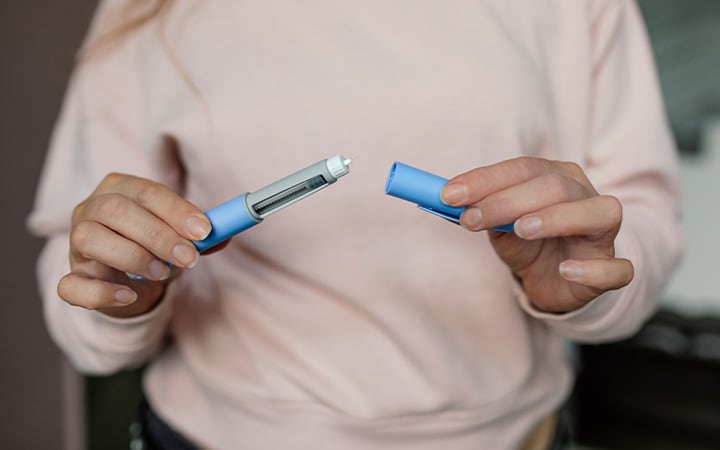
Wegovy injection pen.
Semaglutide is most commonly known under the brand names Wegovy and Ozempic. Photograph: Reuters
A new American study has found that drugs containing the active compound semaglutide have a potential side-effect among certain users, presenting a dilemma in outcome.Last summer researchers at Mass Eye and Ear in Boston, Mass felt motivated to begin an investigation on whether the sought-after weight-loss drugs might be associated with increased risk of NAION. Their interest was piqued after three patients were diagnosed with a  relatively rare eye condition.

The study conclusion was that Ozempic and other weight-loss drugs -- so hugely popular -- contain the active compound semaglutide, associated with increased risk of NAION, (nonarteritic anterior ischemic optic neuropathy). An eye-loss condition affecting two to ten in every 100,000 people annually. Sudden and permanent loss of vision in one eye as a result of insufficient blood flow and oxygen to optic nerves. The condition is also referred to as an "eye stroke", a significant cause of adult blindness.
 
Three patients at the Harvard Medical School who took semaglutide were diagnosed within the same week with AION. Published in JAMA Ophthalmology, the study found people who were prescribed semaglutide became seven times likelier to end with a diagnosis of NAION than were people prescribed different drugs for an overweight condition. Semaglutide prescribed for Type 2 diabetes saw people becoming four times more likely to be threatened with the rare eye diagnosis.
 
https://ichef.bbci.co.uk/news/1024/cpsprodpb/98ab/live/90c019d0-3945-11ef-ac36-79d0d5ad02d7.jpg.webp
Getty Images

"Our main finding is that prescribed semaglutide is associated with an increased risk of NAION", the researchers concluded. "We should be confident that if corroborated, the absolute risk of developing NAION in direct relation to taking semaglutide must indeed be rare", wrote University of Birmingham professor Dr. Susan Molan, who investigates rare diseases of the eye and brain. The findings "should be viewed as significant but tentative", cautioned Dr. Joseph Rizzo, director of the neuro-ophthalmology service at Mass Eye and Ear. 
 
Ozempic and Wegovy are in a class of drugs  called GLP-1 agonists, spurring the release of insulin, and lowering blood sugar, but act as well on the brain to curb appetite. Given through a once-weekly injection by a prefilled pen. A survey by Dalhousie University's Agri-Food Analytics lab, partnering with market research firm Caddle, found some ten percent of the Canadian adult population uses a GLP-1 type drug for diabetes control, weight loss, or both. 
 
Reports of potential unforeseen side-effects inclusive of gastrointestinal problems and unplanned pregnancies have arisen with the growing popularity of the drug. The research team studied records of patients referred to their clinic from 2017 through to 2023, checking for NAOIN diagnoses. Records of close to 17,000 patients treated over six years were analyzed. Among them 629 NAION cases were diagnosed in that six-year period.
 
Divided into two groups those diagnosed with Type 2 diabetes and people living with obesity were separated to compare people who received prescriptions for semaglutide along with those taking other diabetes or weight-loss drugs. Among those with diabetes, 8.9 percent of the semaglutide-treated group developed NAION within three years of follow up, compared to 1.8 percent for the non-semaglutide group.
 
5.7 percent in the semaglutide group of overweight or obese people were diagnosed with NAION, as opposed to 0.8 percent of those prescribed drugs other than semaglutide. 

Some of the most common for semaglutide include:

  • nausea
  • vomiting
  • diarrhoea
  • stomach pain
  • constipation
 
https://image.cnbcfm.com/api/v1/image/107393001-17114709252023-03-29t000000z_1653336606_rc2w30aoohoj_rtrmadp_0_usa-health.jpeg?v=1711470985&w=740&h=416&ffmt=webp&vtcrop=y
A box of Ozempic and contents. 
George Frey | Reuters
            

Labels: , , , , ,

Sunday, August 20, 2023

Aoh, Those Muscle Cramps!

"Experimental data in healthy college-age men suggests that pickle juice inhibits muscle cramps through a reflex involving a nerve in our threats."
"It's why a tablespoon of pickle brine hitting the back of the throat seemed to bring relief within seconds."
"Pickle juice may also work for cramps that aren't induced by exercise. A randomized controlled trial published last year found that a sip of pickle juice reduced muscle cramp intensity in patients with cirrhosis."
"Researchers believe this improvement is due to a similar reflex that occurs almost immediately, rather than by how pickle juice is metabolized by the gut."
Dr. Trisha Pasricha, Ask a Doctor 
Anyone can suffer from leg cramps, they often occur during night-time sleep with no warning; alternately while exercising, and doctors really have no answers that would satisfy the question why it is they occur at all. Muscle cramps are well known to occur frequently among the elderly population and with athletes, during pregnancy, and dialysis, as well as with people with health conditions such as diabetes, cirrhosis or amyotrophic lateral sclerosis.

Midsummer appears to be peak time for leg cramps, while their occurrence has a tendency to decrease during the winter, one study concluded. Athletes experience cramping which tends to increase in periods of hot weather, even while the cramps are not seen to be related to dehydration and electrolyte imbalances from sweating, a popular misconception.

Calf-plantar fascia stretch
There is no evidence available how best to treat cramps. There are however, two simple solutions that doctors may recommend: to stretch the muscle gently. Or to take a sip of pickle juice. Athletes, it appears, have long sworn by the efficacy and instant relief given them by pickle juice, as bizarre as that may seem. Pickle juice, strained from jars of dill or kosher pickles; alternately other acidic substances like mustard or apple cider vinegar.

"A sip is all it takes. We're not telling people to chug pickle juice", hepatologist at University of Michigan Elliot Tapper said, the 2022's study lead author. Additional research on the effect of pickle juice on muscle cramps is needed. The strategy could be somewhat less helpful for those people with rare leg cramps, or cramps that tend to be of short duration, to justify keeping pickle juice available on short order.

Medical practitioners suggest trial-and-error approaches in the prevention of leg cramps; a few weeks of daily calf and hamstring stretching (reducing the severity, not the frequency of nocturnal leg cramps), magnesium (a recent meta-analysis found this likely produces little effect), or vitamin B complex (which showed some promise in a 1990s small study). Long-acting beta-agonists such as found in Advair or Symbicort and diuretics like spironolactone could be exchanged by a physician for alternate medications.

A double-blind randomized controlled trial published in JAMA Internal Medicine in 2017 found that taking magnesium oxide for a month reduced the number of night leg cramps by about three times weekly, significant enough to go from waking to cramps every night in favour of the same every other night.
  • Stretch and massage. Stretch the cramped muscle and gently rub it. For a calf cramp, keep the leg straight while pulling the top of your foot on the side that's cramped toward your face. Also try standing with your weight on your cramped leg and pressing down firmly. This helps ease a cramp in the back of the thigh too.For a front thigh cramp, try pulling the foot on that leg up toward your buttock. Hold on to a chair to steady yourself.
    Apply heat or cold. Use a warm towel or heating pad on tense or tight muscles. Taking a warm bath or directing the stream of a hot shower onto the cramped muscle also can help. Rubbing the sore muscle with ice also might relieve pain.   Mayo Clinic
  • f25aa7bb-8817-4afe-86f4-8b8598e2756a

Labels: , , , , , , , , ,

Wednesday, March 02, 2022

Infertility Treatments May Lead to Hypertension, Heart Problems

pregnant woman
Adobe Stock
"Older women are increasingly turning to assisted reproductive technology. However, advancing maternal age -- specifically being age 35 and older -- raises the risk of having or developing conditions such as chronic high blood pressure that increase the risk of pregnancy complications."
"Adverse pregnancy complications such as high blood pressure during pregnancy have now been established as risk factors for future cardiovascular disease. All of this has raised concerns about adverse pregnancy outcomes associated with assisted reproductive technology, yet studies on the topic are few and have inconsistent findings."
"We were surprised that assisted reproductive technology was independently associated with these complications, as opposed to being associated with only the existence of of pre-existing health conditions or only among older women undergoing infertility treatment."
"It's important for women to know that assisted reproductive technology carries a higher risk of pregnancy complications, which require close monitoring, particularly during delivery."
Dr.Pensee Wu, Consultant obstetrician, subspecialist, Keele University School of Medicine, Staffordshire, U.K.
"Primary and specialist health-care professionals should ensure these risks are communicated and strategies to mitigate them are discussed and implemented."
Study recommendation
According to a new study published in the Journal of the American Heart Association, infertility treatments that increase the chances of conception may also have the effect of raising risk of women acquiring vascular and pregnancy-related problems. The research findings were that assisted reproductive technology, the use of which has contributed to over five million babies being born worldwide since 1978, has the potential to take a heavy health toll on women.
 
For the purpose of assessing the possible risk, the research team studied data from the U.S. National Inpatient Sample, representing a database established between January 1, 2008 and December 31, 2016 of all hospital discharges. The focus of the study was on delivery admissions making use of assisted reproductive technology, along with those including cardiovascular and pregnancy-related complications. The result was a pool of over 105,000 deliveries conceived with the use of ART as well as others amounting to 34,157,000 that were naturally conceived.
 
This enabled the research team to determine that women for whom assisted reproductive technology was used were seven years the senior on average to those who did not use ART (35 vs 28) and who happened to have had more pre-existing health conditions inclusive of chronic hypertension, diabetes and obesity The use of ART meant women were 2.5 times likelier to experience acute kidney damage and a 65 percent higher risk of developing arrhythmia (irregular heartbeat).
 
Other markers of medical associated problems related to the use of ART included increased odds of experiencing placentral abruption (57 percent), Cesarean delivery (38 percent), and preterm birth (26 percent). Even among women with no pre-existing cardiovascular risk, these were evident. In addition to increased cost related to each type of delivery; where the hospitalization cost averaged $18,705 for those using ART, as opposed to $11,983 for non-ART deliveries.
 
"Especially patients with existing cardiovascular risk factors should be counselled about the potentially long-term cardiovascular implications and risks associated with ART. Future research should examine how optimizing cardiovascular risk prior to assisted reproductive technology impacts pregnancy complications and long-term cardiovascular health", Dr. Wu concluded. 

Pregnant women measuring blood pressure
Experts agree that study serves as a good reminder to physicians and patients to consider a patient’s overall health and possible consequences of assisted reproductive technology. Getty Images stock
Done correctly, the woman should be seated on a chair, legs in seated position, not crossed, and arm slightly elevated...

Labels: , , , , , ,

Sunday, June 06, 2021

The COVID-Induced Black Fungus Epidemic in India

"This new variant is causing damage to the beta cells in the pancreas, which produce insulin and regulate blood glucose levels."
We need more investigation into this --- around 40 percent more patients are developing diabetes after having COVID-19 during this second wave [of COVID to hit India]."
Dr.Shailesh Kothalkar, Ear, nose and throat surgeon (ENT), Seven Star Hospital, Maharashtra state, India

"I have seen 45 [mucormycosis] patients in my entire career and now we have had 66 patients admitted in just one month."
"Over the last five days, we've barely slept, we've done 40 surgeries."
Shrinivas Chavan, head, ENT department, Grant Medical College and Sir JJ Hospital, Mumbai
A nurse treats a patient suffering from mucormycosis in Jaipur, India
Mucormycosis is rapidly fatal without prompt diagnosis.’ A nurse treats a patient suffering from mucormycosis in Jaipur, India. Photograph: Rebecca Conway/Getty Images 
 
COVID has any number of surprises backgrounding the prodigious efforts on the part of the medical community, research scientists and government health departments to gain control over the virus as it swiftly mutates, progressing to new, more infectious and serious strains to confound and befuddle efforts to come to grips with its vicious presence, spreading from one geographic location to another, introducing new variants to form the basis of new, more dangerous outbreaks.

Hundreds of people have now died from the gruesome effects of the flesh-eating black fungus disease rampant across India, which appears to have hitched a ride on the Indian variant now known as Delta. Which has been the cause of unprecedented damage to the pancreas of otherwise-healthy people, in turn triggering sudden-onset diabetes resulting in soaring blood glucose levels on which the fungus thrives. Mucormycosis cases has seen the fungal infection causing nose blackening or discolouration, blurred or double vision, chest pain, difficulties breathing and coughing up blood.

Public Health England issued a report finding the dominant Delta strain to be likelier to lead to increased hospital treatment requirements than the Alpha variant first detected in the southeastern county of Kent. In ten hospitals sprawled across the western Indian state of Maharashtra, doctors are treating patients among the 11,000 people now known to have been struck down by the aggressive infection post-COVID-recovery.

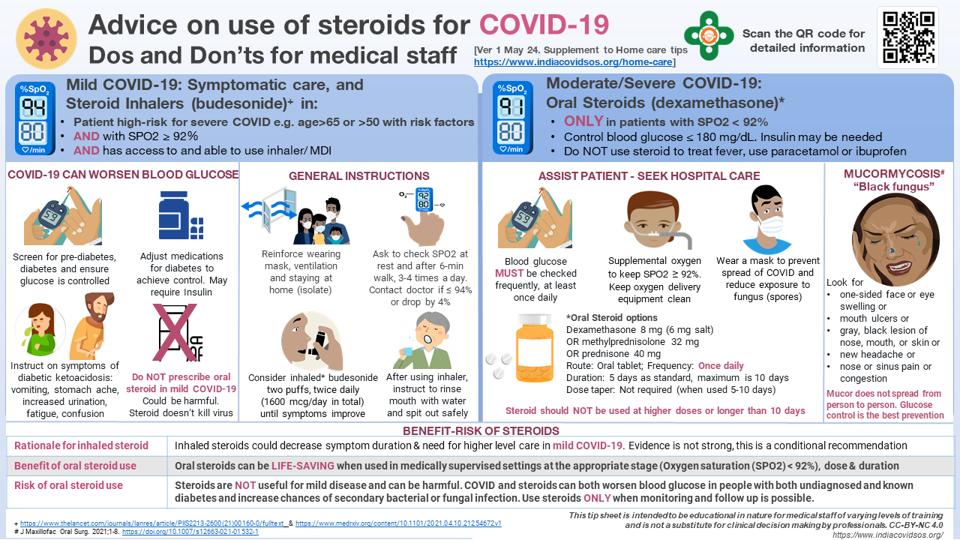
Initially doctors believed over-prescription of steroids for COVID treatment, an inexpensive, effective treatment to counter severe cases which can also suppress the immune system, was responsible for the sudden explosion in black fungus cases.  Exhausted doctors across Maharashtra state warn that while long-term exposure to steroids was a contributory factor for some patients, mucormycosis cases exploded among diabetes patients only once the Delta variant emerged.

Before March 1, 41 cases of black fungus were recorded worldwide. There has been a spate of cases of coronavirus-induced mucormycosis recorded in India's neighbours, Nepal and Bangladesh among them, where Delta has become dominant. Mucormycosis is caused by a mucor found commonly in soils and decaying vegetation leading to the fungus that infects the sinuses and lungs of an immuno-compromised individual before spreading to the brain.

According to the doctors working on the situation, early detection reliant on regular blood glucose screening among recovered COVID-19 patients is seen as critical in a bid to control the fungus. If the condition progresses undetected for merely several days the fatality rate can soar to 50 percent. Ward after ward in the Seven Star Hospital in Nagpur is crowded with patients who had recovered from COVID-19, but despite having been healthy before COVID onset, were struck by mucormycosis symptoms.

infographic on safe steroid us

Labels: , , , ,

Monday, October 07, 2019

Inflammation Guidance

"That's when it [chronic inflammation] becomes detrimental."
"Chronic inflammation is like a grumbling, low level of inflammation, which can go on for years."
"Hippocrates [the Greek 'father of medicine'] BC, in 400 BC said that exercise is man's best medicine, but his message has been lost over time, and we live in an increasingly sedentary society."
"As we get older, levels of inflammation in the body tend to creep up, but if you keep your weight down and keep physically active then you can prevent inflammaging; it is not inevitable."
Dr.Janet Lord, director, Institute of Inflammation and Ageing, University of Birmingham

"In the late '90s, people started saying that heart disease is an inflammatory disease, and you can lower people's risk by treating them with anti-inflammatory drugs like aspirin."
"If I was to write a book on the Mediterranean diet, I would have that exact same picture [colourful fruits and vegetables, olive oil, whole grains and nuts, salmon, red wine]."
"There isn't a magic anti-inflammatory diet; an anti-inflammatory diet is a generally healthy diet."
"That's [weight gain] a danger signal to cells, and the way we respond to danger is through inflammation. Being obese is a risk factor for heart disease and maybe one of the reasons is that adipose tissue drives low-grade inflammation." 
Dr.Philip Calder, nutritional immunologist, University of Southampton

"Diet, exercise, healthy lifestyle, minimizing stress, getting enough sleep; all of these things are beneficial at the molecular level and the cellular level, as well as just making you feel a lot better."
"One of the things they [senescent cells refusing to die] do is to switch on a pile of inflammatory genes. This aging-related inflammation even has a name: 'inflammaging'."
Dr.Lynne Cox, biochemist, University of Oxford
As people age, low-grade inflammation can increase as age progresses where sex hormones estrogen and testosterone -- both anti-inflammatory hormones -- decline, and inflammation creeps up. Senescent cells grow larger and more stressed, refusing to die, as we age. The best proven strategy against what seems inevitable is to continue to use our bodies. When muscles move, the production of anti-inflammatory cytokines, which counteract inflammation in the muscles and elsewhere in the body, is stimulated. Exercise is key.

Inflammation has been linked to every major age-related disease; heart disease to dementia, Type 2 diabetes and cancer. The process causing pain, heat, redness and swelling with a fall or a sore threat is recognized increasingly as the start of the journey, through inflammation toward ill-health and frailty. "Inflammation is the way your body tries to defend itself against danger", immunologist at University of Manchester, Dan Davis advises. Inflammation helps to see that wounds don't fester and mild infections don't get worse.

Human tissues respond to injury and bacterium or virus infection through the release of chemicals called cytokines which bring forward immune cells whose function is to kill infectious agents and cells; to aid in repairing any damage through creating new tissue. The resulting inflammation is severe and painful, but generally vanishes once the wound or infection has been healed. Chronic inflammation is another thing; associated with age-related diseases and frailty where inflammatory chemicals are lower, but continue to fester.

In atherosclerosis -- a fatty plaque buildup in the blood vessel walls triggers inflammation. Should part of the plaque break away to trigger a clot, the result can be a heart attack or stroke. The buildup of fatty materials creating plaque may be attributable to the presence of inflammation to begin with. Recent research has revealed that statins, prescribed primarily to help lower cholesterol, have an anti-inflammatory effect as well, helping to reduce the risk of heart disease.
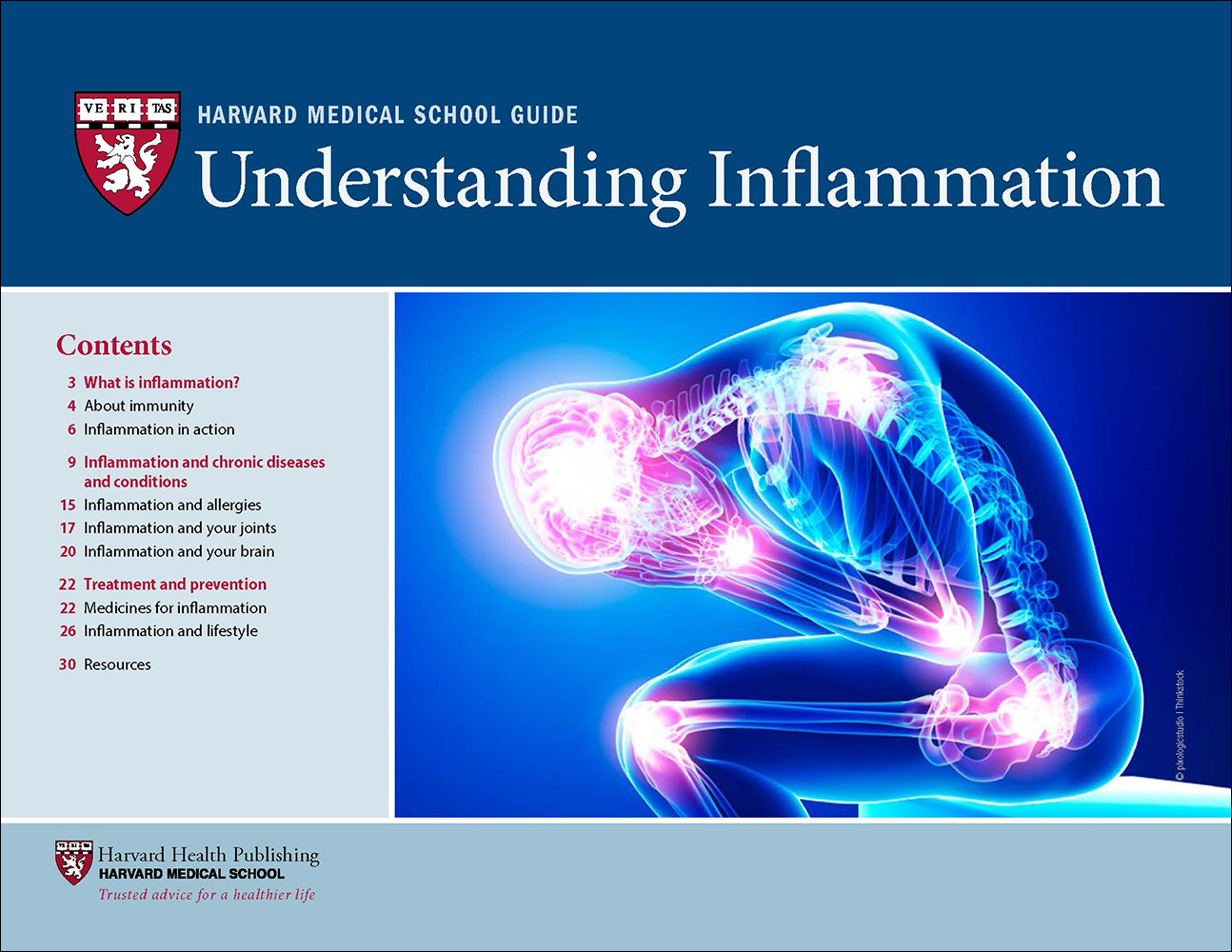
Image result for inflammation
Insulin, the hormone enabling glucose to be released from food becomes impaired in the presence of inflammation; the initial movement toward the development of Type 2 diabetes. The body's tissues irritated as glucose levels in the blood increase, triggers additional inflammation. Chronic inflammation activates enzymes in muscles, producing the hormone cortisol which in turn can trigger the breakdown of muscle and bone. "This is one of the reasons why you become frailer as you grow older", Dr. Lord explains.

In a subset of instances there are some scientists who believe that inflammation may be the cause of clinical depression. In middle age, chronic inflammation is being linked increasingly to memory loss and dementia as people grow older. Obesity researchers too are turning their attention to weight gain and the role inflammation plays there. A major source of inflammation is body fat (adipose tissue); as weight is gained, fat cells find it more and more difficult to receive sufficient oxygen.

Smoking or vaping can exacerbate the situation, since some of the inhaled chemicals trigger an immune response. Lack of sleep, emotional stress and a diet high in sugar and certain types of fat are viewed as other sources of low-level inflammation.

Here’s what you can do to reduce inflammation:
  • Quit smoking: Smoking damages your blood vessels and promotes atherosclerosis. By quitting, you can cut your heart disease risk in half.
  • Maintain a healthy weight: Being overweight increases your risk for multiple diseases. But carrying excess fat around your belly is a red flag for heart disease risk. A type of fat that accumulates in the belly (called visceral fat) secretes a molecule that causes inflammation.
  • Increase activity: Exercising for as little as 20 minutes a day can decrease inflammation. You don’t have to do an intense sweat session: Moderate workouts, such as fast walking, are effective.
  • Eat a heart-healthy diet: Processed and fast foods produce inflammation. Whole foods, on the other hand, are anti-inflammatory. Eat more fruits, vegetables, whole grains, beans, nuts and fatty fish.
John Hopkins Medicine

Labels: , , , , , , , , ,

Saturday, July 27, 2019

The Impotent Ignorance of U.S. Legislators

"The Canadian medicine supply is not sufficient to support both Canadian and U.S. consumers. The supply simply does not, and will not, exist within Canada to meet such demands."
"Hospital and community pharmacies in Canada are resourced to serve the Canadian public. they are not equipped to support the needs of a country ten times its size without creating important access or quality issues."
Warning communication to Canada's Minister of Health
Quinn Nystrom holds insulin she purchased in Canada after travelling over the border for more affordable medication. (Lorenda Reddekopp/CBC)

It is grossly inconceivable that people with diabetes, requiring the hormone insulin to manage their chronic disease, ensure quality of life and life itself, are faced in the United States -- where pharmaceutical companies who manufacture human-type insulin for broad consumption nationwide value the free enterprise system over adequate profits with the assurance that their product prolongs lives -- with steeply unaffordable costs for vials of insulin. There are times, and none more urgent than this one, when government intervention should be required to correct such a dire situation.

It belies belief that a free enterprise system can be so bereft of human values beyond profit that it can without conscience raise the cost of an elemental, vital drug from $30 to $300, placing it beyond the reach of people desperate to continue a difficult-enough therapeutic mode sustaining and prolonging life. That drug manufacturers can and do raise prices to such impossible levels is breath-takingly incongruous given that drugs manufacturing has a purpose and that purpose is now interrupted by greed.

Federal and state legislators in the United States, in recognition of the plight of people with diabetes without health insurance either through employment or independent means, whose incomes are modest and strained beyond acceptability by sky-rocketing costs of medication, have turned not to enacting needed legislation to curtail manufacturing greed, or to supplement the costs of such vital drugs through public subscription, but to allowing Americans to purchase their drugs abroad where they are available at a tenth of the cost.

Laws permitting residents of various states to import drugs from Canada represents no kind of a workable solution to the crisis inflicted upon American diabetics. It is beyond ludicrous that someone like Senator Bernie Sanders plans to highlight the issue by accompanying Americans with diabetes to Canada on an insulin-buying trip. That people with diabetes in the United States must organize trips to Canada to enable them to buy a drug that sustains their lives is beyond incredible.

The very country known for its manufacturing of drugs and their wide distribution -- and the greed of those involved in manufacturing -- sees a situation now where diabetics ration their medication, fearful of not having enough to maintain a balance of wellness. In so doing they risk hastening the onset of complications that ensue from diabetes such as neuropathy, blindness, kidney failure, heart conditions. The issue represents a country-wide medical emergency.

As for Canada; recent years have seen Canadian pharmaceutical manufacturers reporting thousands of shortages of their own, often linked to manufacturing issues but to increased demand as well. Over 27 different bills have been introduced in the U.S. Congress and state legislation over the past year -- according to data from the National Academy for State Health Policy -- which allow Americans to buy their drugs from Canadian sources.

This evades the source of the problem and it exports the problem to a neighbour's vulnerable population, threatening them with a potential precarious position in drug availability. What kind of solution does that signify?  Canada ensures the regulation of drug prices through the federal Patented Medicine Prices Review Board, with its mandate to ensure that the cost of medications is "not excessive".
"We have got to do better in our country."
"People are where we need to be on it, regular folks. It’s our political leaders lack the courage to do the right thing."
John Kennedy, who travelled to Canada from Ohio
Lija Greenseid prepares to draw insulin at her home in St. Paul, Minn. Greenseid, whose daughter has Type 1 diabetes, is organizing a group trip to Canada to buy insulin at one-tenth the U.S. cost.  Photo: Jenn Ackeerman, The Washington Post

Labels: , , , , ,

Sunday, May 12, 2019

Vitamin D Supplementation

"Numerous studies within the last twenty years have linked vitamin D deficiency or insufficiency to various types of cancer, Alzheimer's disease, Type 2 diabetes, heart disease, pregnancy complications and more."
Dan NEwton, molecular biologist, research scientist, Medical University of South Carolina

"We are starting to see some studies show that vitamin D doesn't have a benefit, even for bone health. However, these studies are in people who have generally good vitamin D blood levels."
"It's not surprising that giving them more of a nutrient they already have enough of doesn't lead to better health outcomes."
James Fleet, professor, nutrition science, Purdue University

"Overall, the clinical trial research has shown that there are some benefits of vitamin D supplementation, but they are more limited than what was originally proposed."
"A few years ago, people believed that vitamin D was a panacea that could prevent every major chronic disease."
"This may be [why the VITAL trial failed to link vitamin D supplementation to a reduction in heart disease or stroke risk] because the amount of vitamin D needed for heart health is relatively modest to moderate, similar to the amount needed for bone health and already achieved by many without taking supplements. For cancer reduction, there may be benefits with larger doses."
"We found a strongly significant reduction in cancer death of 13 percent across the five trials, which included VITAL."
JoAnn Manson, chief, division of preventive medicine at Brigham and Women's Hospital, Harvard Medical School professor, lead author, VITAL study
vitamin d

According to a 2015 report published in the Journal of the American Medical Association, 2012 saw a fourfold increase in vitamin D supplementation by American adults as compared to a decade earlier. This, in recognition of the generally low dietary intake of vitamin D linked to studies widely publicized during that time suggesting its intake could prevent a large and varied types of chronic diseases.

More latterly, uncertainty relating to vitamin D's usefulness based on two recently published studies, has arisen; the first a meta-analysis published in The Lancet Diabetes & Endocrinology, suggesting that vitamin D supplemental intake has not been seen to reduce the risk of falls and fractures, nor has it be understood to have led to clinically significant improvement in bone mineral density.

The Vitamin D and Omega-3 Trial, also referred to as VITAL, represents the second study which focused on whether taking 2,000 international units (IU) of vitamin D daily for men over 40 and women over 55 might prevent cancer and cardiovascular disease over five years. This was a randomized control trial of over 25,000 American participants.

The finding of the report was that "supplementation with vitamin D did not result in a lower incidence of invasive cancer or cardiovascular events than did a placebo". Vitamin D is required for absorption of calcium and phosphorus into bones and teeth, which made it a recognized hormone promoted for its bone health facilitation -- since with a lack of sufficient vitamin D, calcium leaches from bones, resulting in loss of bone strength which can in turn lead to rickets in children and osteomalacia (softening of the bones) or osteoporosis in mature people.

In the Lancet study, only six percent of the 81 trials the analysis depended upon for its conclusion represented people with vitamin D deficiency. The conclusion in view of this fact represents an oversimplification of the trial results. Dr. Manson points out that the reasons her VITAL trial failed to link vitamin D supplementation clearly to a reduction heart disease or stroke risk may be attributable to many causes. She and her colleagues published a meta-analysis of vitamin D supplements linked to health outcomes in the Annals of Oncology. In the studies they interpreted, the dosages of vitamin D went from 833 to 2,000 IU daily.

Cancer develops over several decades, and many of the studies had fewer than five years of followup, pointed out Dr. Manson. It was therefore not to be expected that their study demonstrated that the development of cancer was not statistically at variance for the vitamin D group, versus the control group in their meta-analysis.  The recommended amount of vitamin D from diet and supplements based on bone health search has yet to be set by the National Academy of Medicine.

Should anyone consume three ounces of salmon twice weekly, have a cup of milk and two eggs daily, that would amount to 330 IU of vitamin D each day. Whereas the current recommendations are 400 IU of vitamin D for infants, 600 IU for men and women ages one to 70 years, and 800 IU for adults 71 or older. The human body can synthesize vitamin D with exposure to sun, but the Dietary Reference Intakes for vitamin D make the assumption that most people limit their direct exposure to the sun.

Aside from the fact that sun exposure is mostly seasonal, most people spend most of their time indoors; many people live at northern latitudes and see less sun in their daily lives; and those that do experience frequent sun exposure, most likely use sun protection lotions or clothing cover-ups to reduce skin cancer risks.

illustration of Vitamin D with list of benefits

Labels: , , , , , , ,

Saturday, July 22, 2017

Mind and Body: Nurturing the Child

"The damage that happens to kids from the infectious disease of toxic stress is as severe as the damage from meningitis or polio or pertussis."
Dr. Tina Hahn, pediatrician, Caro, Michigan
  • More than 1 in 4 U.S. kids experience a serious traumatic event by the age of 16, including abuse, neglect and household or neighbourhood violence, according to the National Center for Child Traumatic Stress.
  • More than 1 in 5 children have experienced at least two of these traumas and are more likely than others to have school difficulties, along with health and behavioural problems, a 2014 study found.
  • Nearly half of U.S. children younger than 18 live in families at or near the poverty level, U.S. Census data show.
  • The number of U.S. children in foster care climbed steadily after 2011, reaching nearly 430,000 in 2015, the most recent government data show. Neglect was the reason in nearly two-thirds of cases, with most of the rest due to drug abuse, according to a 2016 government report. Authorities believe the opioid epidemic has contributed to the trend. CBC News
Safe spaces, quiet times and breathing exercises for preschoolers are designed to help kids cope with intense stress so they can learn.
Safe spaces, quiet times and breathing exercises for preschoolers are designed to help kids cope with intense stress so they can learn. (Chuck Burton/Associated Press)

Pediatricians in the United States were urged by the American Academy of Pediatrics in 2012 to make an effort to convince parents of young children along with the public that the long-term consequences of toxic stress does long-term harm of both physical and psychological values to children exposed to situations and circumstances that create an insecure and fearful environment for them in their most formative years.

The push was on to call for new public policies and possible treatments geared at preventing or reducing the effects of stress in vulnerable child populations. Recent studies' outcomes appear to validate that the stress children suffer with lack of adequate nurturing, changes the body's metabolism, contributing to internal inflammation, potentially raising the risk of developing diabetes and heart disease.

Researchers at Brown University in 2015 reported findings of elevated levels of inflammatory markers in the saliva of children who had experienced some manner of adversity, including abuse. Animal study experiments suggest that persistent stress may have the capacity to alter brain structure where emotions and the regulation of behaviour is concerned.

"We know that if they don't feel safe then they can't learn", commented mental health specialist Laura Martin, of children who have experienced the treadmill of going in and out of foster homes, or the strained life they experience alongside parents struggling with drug and alcohol dependencies, supplemented by poverty, depression, and domestic violence. When they arrive at school they are unfocused and withdrawn.

This leads to social behaviours that become a problem the schools find they must deal with. Children who kick and scream at their classmates and their teachers. Aggressive discipline has been placed high on a shelf as a response that hasn't worked well in the past. Instead, methods whereby the children's insecurities can be addressed are attempted, in an effort to lead them away from the stress their normal lives burden them with.

At school, children in these programs called "trauma-informed" care, based on research pointing to potential biological dangers of toxic stress leading to a new approach for public health to identify and treat the effects of poverty, neglect, abuse and allied adversities, are leading the way. At home these children "never know what's going to come next", while at school there is quiet time and regularized routines, breathing exercises, and other aids to help angry children deal with conflicts.

Behind these new experimental teaching techniques is the acknowledged science that the brain and disease-fighting immune system, not yet fully formed at birth, remain vulnerable to damage from childhood adversity, according to studies, with the first three years the most critical. Children without nurturing parents or in the absence of other close relatives to step in to help cope with adversity are recognized as being most at risk.

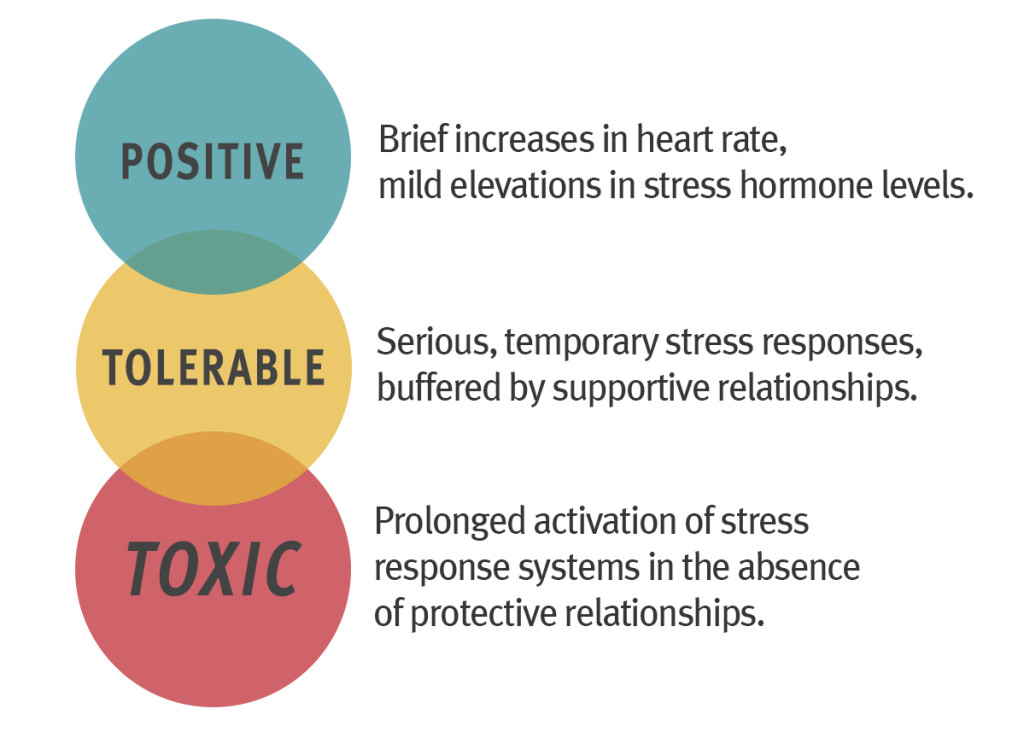
Harvard University neuroscientist Charles Nelson explains that under normal stress conditions the response kicks in briefly to raise heart rate and levels of cortisol and allied stress hormones. But when that stress is severe and remains ongoing, the levels of stress have the potential to remain elevated, placing children in a persistent state of "fight or flight". Imaging studies show regions in the brain affecting emotions and behaviour tend to be smaller than normal in children who have suffered severe trauma.

Research carried out on neglected children in Romanian orphanages lead to the suggestion that early intervention may lead to a reversal of damage from toxic stress, so that orphans placed in the care of nurturing foster families before age two produced imaging scans years later demonstrating that their brains appeared similar to those of children never institutionalized. Whereas those children in foster care at a later age had diminished grey matter, their brains appearing similar to those of children remaining in orphanages.

"The science of how poverty actually gets under kids' skin and impacts a child has really been exploding", explained a former president of the American Academy of Pediatrics. The landmark U.S. government-linked research, called the Adverse Childhood Experiences study published in 1998 led the way to this later research, finding that adults exposed to neglect, poverty, violence, substance abuse, parents' mental illness and other domestic dysfunction were likelier than others to experience heart problems, diabetes, depression and asthma.

Adults with six or more such adverse childhood experiences in their early background died an average of twenty years earlier than those with no such adverse experiences, according to a follow-up study conducted in 2009.
Center on the Developing Child at Harvard University

Labels: , , , , ,

Monday, July 06, 2015

Preventing Diabetes

"When I got the news [that he is potential candidate for Type 1 diabetes], I was devastated. I hope it doesn't come to me, and I really didn't want it to come to him [his five-year old brother living with Type 1 diabetes]."
Hayden Murphy, 13, Plainfield, Illinois 
AP Photo / Nam Y. Huh
AP Photo / Nam Y. Huh  Weston Murphy, 5, who has Type 1 diabetes, pricks his finger to test his blood at his home in Plainfield, Ill. His oldest brother is among more than 400 children and adults participating in U.S. government-funded international research
"Does it [a proposed new protocol] prevent indefinitely? Does it slow it down, does it delay diabetes? That also would be a pretty big win."
Dr. Louis Philipson, endocrinologist, University of Chicago

"We know so very little about the exact mechanisms that cause Type 1 diabetes."
"For the most part, it's really shooting an arrow into a field and hoping one of the arrows hits a target."
Dr. Desmond Schatz, medical director, University of Florida Diabetes Center

Before the discovery of injectable insulin, a hormone that is produced by the Islets of Langerhans in the pancreas, to compensate for the body's inability to produce its own insulin to turn the food we eat into energy, a diagnosis of Type 1 (once called Juvenile-Onset Diabetes) diabetes was as good as a death sentence. The afflicted person would simply waste away, his body incapable of utilizing the glucose that absent insulin could no longer turn into energy for the brain and the body to function.

When Canadian doctors F.G. Banting and C.H. Best working out of a small, ill-equipped laboratory at the University of Toronto with J.B. Collip under the supervision of J.J.R. MacLeod successfully unravelled the mystery of how insulin-dependent diabetics could learn to cope with their disease by injecting daily amounts of insulin to transform food into the energy source it is intended to be by nature, that death sentence was removed. People with diabetes, since 1921, have been able to evade death through control of their diabetes.

Clearly, there is a genetic disposition inherent in acquiring diabetes; as much for Type 1 as there is for Type 2, though  the latter type is considered a lifestyle disease, and the former a mysterious affliction whose cause is not yet quite understood. Each can be life-threatening if not kept under control, but the issue of control, again, is a difficult one. In the case of mature people with Type 2 diabetes, the requirement is to alter habits; in the instance of Type 1 diabetes, the critical requirement is to carefully follow the protocol of an imperative of careful injection measurements.

In either case, people living with diabetes face a far more complicated life than those without diabetes; they are more susceptible to heart disease, to neurological damage, to eyesight impairment in the long term. In the short term they must balance their daily requirements of blood sugar levels ascertained through constant blood-chemical readings, to determine the intake of insulin required to achieve a balance of moderation; a difficult tightrope.

Medical scientists have grappled with the mysteries surrounding diabetes and its management, and hopes for prevention, along with the possibility of finding a cure for decades. The more common of the two types of diabetes is Type 2 by far, affecting millions upon millions of people globally. Tens of millions of people live with Type 1, far fewer, but still significant numbers, and the difference is that Type 1 usually strikes young children or teens who must learn to live with diabetes, with the help of their families. It does become a family affair.

Poorly controlled blood sugar leads to either hyperglycemia or hypoglycemia; too low blood sugar counts or alternately, too high. Prolonged low blood sugar can lead to episodes of frightening seizures like grand mal attacks in people with epilepsy, and can in fact lead to death if the person is unable to be revived. Hypoglycemia means the brain is starved temporarily of glucose and cannot function well; if 'warnings' are not heeded and a source of glucose immediately taken, the condition swiftly plunges leading to increased deterioration.

In the case of 13-year-old Hayden, one of 400 children and adults taking part in a new U.S. government-funded international study, Hayden has the example of his five-yer-old brother who was previously diagnosed with diabetes. More recently Hayden received the news that results of a blood test indicate he may also develop diabetes. The decision was taken to enroll him in the study to attempt to ascertain whether an experimental new insulin capsule is capable of preventing or delaying the onset of Type 1 diabetes.

An earlier, smaller study involving a different set of researchers whose results were published in the Journal of the American Medical Association, felt that children who took insulin pills experienced immune system alterations the researchers felt might help in preventing diabetes. A newer, larger study has randomly assigned its participants for experimental insulin capsules or alternately to take placebos to compare the effects.

Typically, people in middle age who are sedentary and who gain more weight than is healthy are  targets for diabetes onset of the Type 2 variety. Medication to stimulate the body's use of insulin that their bodies still produce can help them balance their blood sugar levels; alternatively, if they can be convinced to eat moderately and more healthfully and exercise, control may be achieved in this manner.

For Type 1 diabetic children control is far more complex and for obvious reasons; there is no natural insulin production; it is hypothesized that a viral infection could be responsible for the pancreatic breakdown of insulin production; it could trigger the body's own immune system to go into action, and when it does, it erroneously targets its own organs, like the insulin-producing pancreas.

The hope is that insulin pills could be used, if the study proves them to be effective, to constrain the immune system from attacking the pancreas. Researchers feel that by taking insulin by mouth for it to be digested like food, the faulty immune system might react to the circulating insulin by not attacking the pancreas. As for a treatment for diabetes management by swallowing insulin pills; the fear is it would be digested and its properties degraded.

Research is ongoing. Life would be infinitely simpler and far more pleasant for people suffering from diabetes if a more congenial and life-assuring protocol could be found to enable them to live more comfortably with their non-functioning pancreas.

Labels: , ,

 
()() Follow @rheytah Tweet