Ruminations

Blog dedicated primarily to randomly selected news items; comments reflecting personal perceptions

Monday, March 13, 2023

Dining in Peaceful Serenity

"Restaurants have definitely gotten louder if you look at long-term trends."
"I noticed I was having a little bit of anxiety [in New York, finding quieter spots to eat], because you'd show up at a plqce, never met the person and then, the place is a lot louder than you thought it was going to be if you looked it up on Yelp, Google, OpenTable, whatever resource you use."
"And all of a sudden, you're sitting there and I'm only able to really follow half of what they say, at most. It's like you hear words and  you have to put it in a puzzle."
"But it's just very anxiety-producing. It makes it hard to connect with somebody. You're not relaxed."
"Noise stresses the body. It's also a public health issue. It's not just hearing health."
Gregory Scott, founder, SoundPrint, app for noise detection
Once a place for conversation, restaurants have gotten noisier, in part, due to architecture and design trends, says Gregory Scott, founder of SoundPrint.
The SoundPrint app is designed with a built-in, crowd-sourcing decibel meter. Measurements during peak dining times on the busiest days of the week have determined that four of ten restaurants in Canada are loud enough that repeated exposure has the potential to impair hearing. An estimated three out of ten restaurants are considered to be less noisy to the extent that conversations are possible between table-mates.
 
 81 decibels or higher falls into the "very loud" category with the potential to cause hearing loss linked to prolonged exposure.

When the sound ambience at a restaurant reaches 87 decibels, comparable sound is that of a blender, while at 83 decibels the sound is like standing 30 metres from a diesel train travelling at 72 kilometres an hour. Time spent in these places of constantly loud sound threatens the well-being of dining guests and far more so for employees of restaurants exposed to noise for extended periods of time.

The founder of SoundPrint launched his app in New York in April of 2018. It was quickly taken up by the hearing health community, expanding from restaurants use to bars, cafes and tea shops, retailers, arenas, gyms, parks, libraries along with other similar venues. Then other communities; those with sensory disorders like autism, blindness and low vision, as well as people with traumatic brain injury and post-traumatic stress disorders began using the app.
"We all have ears. You know something's loud. You can just feel it. But there was no tool to really help 
unite everyone"
"To be like, 'Look, this is an issue'. And so, all of a sudden, all the data started coming in, and we were just sitting on something different. Nobody had the data."
Gregory Scott, founder, SoundPrint
Finally, the mainstream population began getting in touch, wanting to find quiet places where they wouldn't have to shout to be heard. Although helping people find quiet places remains the app's focus, it has taken on additional purposes. Now it has become a source of evidence-based data indicating precisely how loud or quiet venues are, and by extension, how loud or quiet cities are. A noise complaint feature has been added, to indicate whether a user would like SoundPrint to contact the venue. 


A system to connect venue managers with acoustic consultants is being developed, to determine whether assistance bringing the sound volume down would be useful. Close to 2.5 billion people are expected to suffer hearing loss by 2050, according to the World Health Organization. The WHO recommends that people avoid exposure to sounds louder than 70 decibels over a 24-hour period, to prevent noise-induced hearing loss.
 
A 2018 study published in the Open Journal of Social Sciences showed sleep can be affected by loud sound and contribute to exhaustion. The difficulty of carrying on a conversation in loud settings for people with hearing loss can lead to increased isolation. People in over 50 countries now use SoundPrint. The largest number of submissions come from the United States, followed by Canada, the United Kingdom, Australia and Germany.

 While New York City registers an average of 77.8 decibels and Miami 78.2 decibels, Canadian cities tend to average 78.8 decibels. Over time, restaurants have transitioned from being a place for quiet conversations to the present where they are noisier in part, due to architecture and design trends. Communal, or tightly spaced tables, hardwood floors and open kitchens all contribute to the cacophony. Quieter places typically have carpeting on the floor, upholstery on the chairs, tablecloths, well-spaced tables, nooks and side rooms. Panelling, plants, drapery all absorb sound.
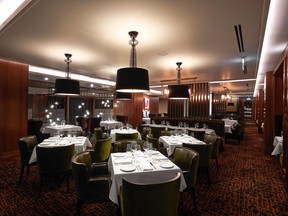
The dining room at Hy’s Steakhouse in Toronto
The dining room at Hy’s Steakhouse in Toronto, which SoundPrint has ranked as having a “moderate” noise level and has been nominated for the app’s Quiet List. Photo by Hy's Steakhouse & Cocktail Bar

Labels: , , , ,

Sunday, July 19, 2020

Pushing The Envelope on COVID-19

"This [daily rise in COVID-19 cases nationally] coincides with increasing reports of individuals contracting COVID-19 at parties, nightclubs and bars as well as increasing rates of transmission among young Canadians in some jurisdictions across the country."
"We are all in this together, and have a shared responsibility to help keep COVID-19 transmission low."
"I encourage everyone, especially young adults, to find creative ways to stay socially active in the time of COVID-19. Singing, mingling and dancing in close contact with others in closed spaces, in crowded places, is not the way to party this summer."
"It is concerning that we're seeing the data show us that a greater proportion of our cases are now among what we call young adults, those less than 40."
"I can remember that when I was  younger I thought I was invincible -- you can do anything, don't worry about it, it'll be OK."
"Having said that, we have seen some anecdotes of young people having severe outcomes so you can't consider that everyone is immune from having serious consequences."
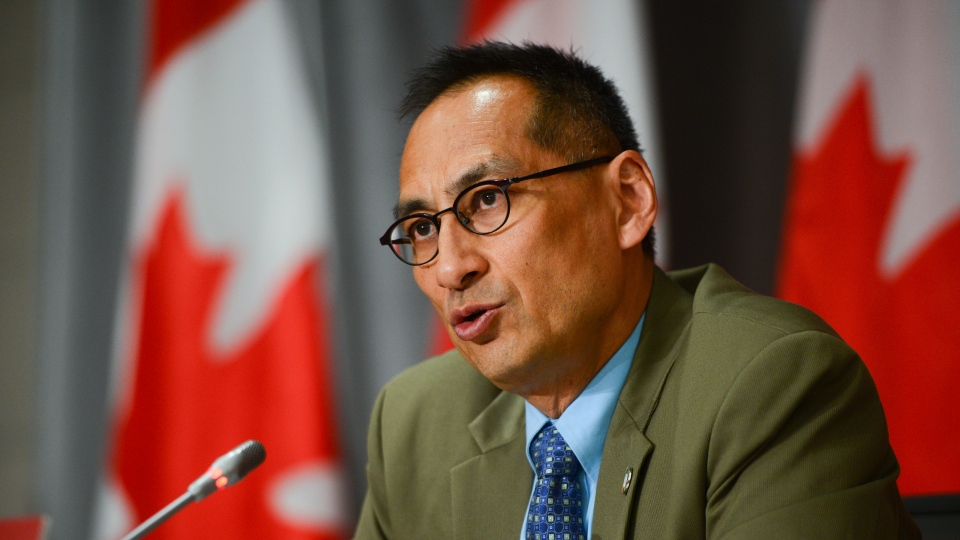
Canada's Deputy Chief Public Health Officer Dr.Howard Njoo
Hundreds line up at a COVID-19 testing clinic July 14 in Montreal, after the city recommended that anyone who had been at a bar since July 1 get tested. Bars and restaurants are at varying stages of reopening across the country, bringing the risk of new outbreaks. (Ryan Remiorz/The Canadian Press)

Images of bars in Montreal crammed to the rafters with people relaxing and looking to socialize after a long and wearying lockdown, has been coinciding with a spike in new cases. Bars and nightclubs have fallen under suspicion as a result, as mingling in close quarters is known to facilitate the spread of the SARS-CoV-2 virus. Leading Dr.Njoo to urge people in youth-age categories to think hard about jamming bars and dance floors and nightclubs, stating there is "cause for some concern", since, following a steady decline in cases, new ones are rising.

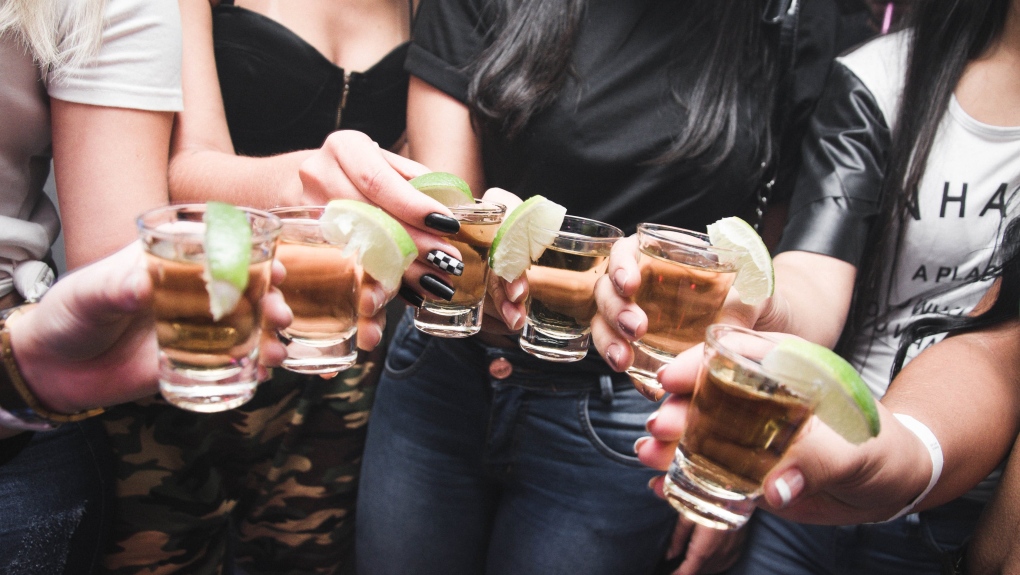
Alcohol
Photo by Isabella Mendes from Pexels

Over the last week, he cited as the catalyst for his concern, 350 cases daily on the national level have occurred in comparison to the average daily case count in early July of around 300. Over 430 new cases were reported on Thursday alone, he said. Indoor activities raise the risk of spreading COVID and ultimately serious health consequences can arise among the greater population, even including the youth demographic.

In response to Dr.Njoo's concerned message of caution, Quebec's premier, Francois Legault announced his opinion that the recent resurgence of COVID-19 cases relates to private gatherings, not bar visits. He had stated only the day before contemplating whether to close bars and nightclubss in the province in the wake of a number of Montreal area outbreaks seemingly linked to such venues. He had sought advice whether recommending the closure of bars, or accepting the reality of their opening, a reflection of what people appear to approve of.

A patron enjoys a glass of wine at the bar of Lemeac restaurant on the first day after restrictions were lifted on restaurants in Montreal, on June 22. (Christinne Muschi/Reuters)

Dr.Njoo spoke of his concerns over COVID-19 being spread to older people; in particular parents and grandparents of the younger demographic that circulate through bars and nightclubs. Emphasizing in his message to them that theirs is a responsibility to act rationally in everyone's best interests, beyond the entertainment value of the bars and nightclubs that exert such an attraction, reflecting short-term desires, ignoring long-term outcomes.

Ontario, the province with the second-largest COVID cases in Canada after Quebec, announced that from the past Friday restaurants outside the Greater Toronto Area will be permitted to resume indoor service. Businesses like bars, gyms and theatres will begin to welcome their traditional patrons as well. Dr.Njoo stressed that even while young people see the most severe health consequences bypass them, there have been incidents wherein people under age 40 have been badly impacted.

Dr. Njoo
Dr. Howard Njoo, Deputy Chief Public Health Officer. The Canadian Press/Sean Kilpatrick

Apparently fit celebrities, he stated, have not been immune to serious consequences. His oblique but meaningful comment did not identify the fate of Canadian actor Nick Cordero, who died earlier in the month at age 43, having experienced an agonizing three-month battle in hospital when a range of health issues originating from COVID-19 exposure made him vulnerable enough to necessitate having his right leg amputated. The trajectory of the disease did not stop there; for Mr. Cordero, it took his life.

Montreal's downtown continues to get back to normal. Le Pois Penche employee Mamoun Ghanmeh prepares the restaurant on Thursday July 16, 2020 for another business day in the COVID environment. Dave Sidaway / Montreal Gazette ORG XMIT: 64738

Labels: , , , , , ,

 
()() Follow @rheytah Tweet