Ruminations

Blog dedicated primarily to randomly selected news items; comments reflecting personal perceptions

Friday, August 24, 2018

Think About It

"We wanted to create premium experience. We've curated every element and obviously are in the Yorkville area [upscale downtown Toronto] to appeal to a certain demographic."
"If you [told] someone in the 1950s you were going for a run, people would be like, 'Who are you running from'?"
"The attitude on fitness has completely changed from 'What's that?' to a niche part of the market to an accepted necessity."
"The brain is the next frontier of that."
Sean Finnell, Mindset Brain Gym co-founder, Toronto
Mastermind

Meditation, it appears, works. The "use it or lose it" admonition we've heard so often about our physiognomy had a reason; exercise or allow the body to slump into disuse and eventually frailty. Mindfulness is the new gym for the brain; sustaining attention to thoughts, to objects, or to actions; cognitive focus for the purpose of refocusing the mind. As a regular performance, meditation has been shown to increase focus, positive emotions, cognitive reasoning skills and rapid memory recall.

In 2012, Gaelle Desbordes, an instructor at Harvard Medical School's Center for Biomedical Imagining, made use of brain scans to demonstrate beyond doubt that brain activity changes remain constant long beyond meditation-practising subjects are no longer meditating. The practise alters the way the mind works. 'Brain gyms' sound like a gimmick and perhaps they are, but they provide lessons for people wanting to be instructed on how to meditate.

At Mindset Brain Gym, newly opened in Toronto, young professionals sit cross-legged in rows under iridescent indigo lights while soothing ocean music provides the background as an instructor guides those present through a session of meditation lasting 30 minutes. The participants' brainwaves are measured with the use of plastic headbands, monitoring the calmness of their minds and the wandering thought "recoveries" produced throughout a session.
Mastermind
"Performance" to improve concentration and memory, "Resilience", to reduce anxiety and promote bounce-backs from failure, and "Human" meant to improve empathy and emotional intelligence are all achieved through these sessions in mindfulness. These lessons are reflected in what happens at a popular meditation studio in the Flatiron District of New York City in "The Dome" studio with its appearance of a giant spaceship interior glowing with multi-colour LED lights.

A boutique sells "moon dust", herb and mushroom blends meant to improve one's state from the sleep cycle to sex life. Also available are "cleansing grains" and "radiance nectar", at a substantial price. Granted, this element of commercialization is recognizable as a silly scam.

At Den Meditation in Los Angeles, classes are offered from an a la carte "private healing menu" including crystal therapy (60 min. for $125); sound therapy (30 min for $65); Theta Healing deep meditation to release past traumas (60 min. for $150). For those with deep pockets, full meditation retreats to destinations such as the Himalayas start at $4,000.

Upselling meditation is what it's called; typical examples of U.S.-style entrepreneurial enterprise. Which fits right in with the culture of virtue-signalling. We know virtue signalling best from watching the political sphere of the Lib-left deeply embedded in its uncompromising 'progressive' agenda and shrill shrieks of condemnation against their conservative political opposites whom they usually describe in such gentle terms as 'right-wing' or 'fascist'.

So premium.Getty Images
 

Labels: , , ,

Wednesday, December 28, 2016

Moderation: The Golden Rule

"We only have three things to eat: carbohydrate, protein, and fat. For some reason, we've chosen in the last few decades to focus on how bad fats are in general. Your whole body depends on fat. All of our membranes are made of phospholipids. Your hormones depend on the types of fat and the amount of fat that you eat."
"When you eat a diet really rich in things that promote those inflammatory responses, then your body really doesn't know how to shut that down anymore. If we had a mixed diet, a combination of all these fats together, then it probably wouldn't be a problem. But people today have diets that are very rich in Omega 6 and are deliberately avoiding saturated fat. That's when it becomes really problematic."
Dr. Deanna Gibson, immunologist, microbiologist, associate professor of Biology, University of British Columbia

"I've been studying fat for twelve years. In earlier studies I found that sunflower oil was worse than palm oil, and people couldn't believe it. But I'm convinced, and I think other people now understand, that saturated fat is not as bad as we thought."
"It happened with trans-fats [dietary advice instructed by social, political and economic forces]." We've known they were bad since the 1980s, and 20 years later the government finally agreed. But then all the big food companies said, 'Hey, we can't change our oil so fast. We need time, because the new oil changes our flavour profile [of pre-prepared convenience foods]."
"In the 1950s and 1960s, the North American oil crop farmers were getting hammered by the Malaysian and Indonesian imports of coconut oil. Essentially, no saturated fat containing plants can grow properly in North America. What we do grow is sunflower, safflower, canola, corn, etc. So from the 1950s on, saturated fat was considered to be bad."
"Our saturated fat intake has not increased over the last 30 years. So why is heart disease still rising? If saturated fat was causing this, logically it should drop if we take it out of the diet. But it's still going up."
Dr. Sanjoy Ghosh, nutrition researcher, University of British Columbia

Fat derived from animal sources are identified as dairy, eggs and meat, along with tropical plants like coconut and palm. These are fats that represent a platform for many traditional diets world-wide, and have done for centuries. But the prevailing opinion of nutritionists and doctors turned away from these fats, called saturated fat, in the belief that they were the cause of atherosclerosis and heart problems. And the zeitgeist in health hasn't notably changed; people are still being warned off consumption of saturated fat.
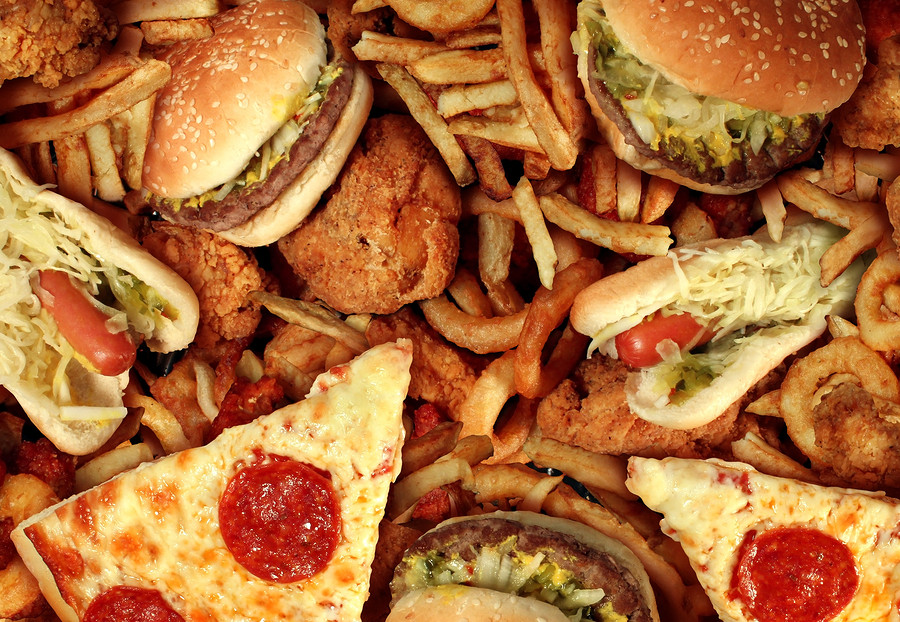
The worst type of dietary fat is the kind known as trans fat
The American Heart Association, as an example, feels justified in recommending that saturated fats in the diet be restricted to no greater amount than five percent of total diet. "Decades of sound science", it declares on its website, has proven beyond doubt that saturated fat "can raise your 'bad' cholesterol and put you at higher risk for heart disease". Yet researchers are increasingly coming around to the opinion that this bias against saturated fat as a health threat should be questioned.

Dr. Gibson, for example, speaks of human biology requiring the consumption of quality fat on a daily basis to ensure satisfactory brain function and along with that, a healthy body. Several social-cultural currents have led to our aversion to fat in our diet, one of which is the prevailing culture of 'thin' as being fit and attractive. And the thought of deliberately adding saturated fat to one's diet resulting in increased weight and an altered body silhouette is anathema to many people, quite apart from the health aspect.

And yet, people are drawn to fat; subconsciously the palate craves it, as it does sugar and salt. The consuming public has become accustomed to slavishly considering saturated fat to be inimical to good health, and has accepted food manufacturers' claims of trans-fats as a healthy alternative, enabling people to bypass any feelings of guilt, preferring to believe that the adulterated food that ends up in convenience form loaded with trans-fat, salt and sugar represents healthy eating. When in fact, those choices represent one of the reasons why we have become an overweight and ill society.

Some common foods containing saturated fat
to be eaten in sensible, moderate amounts
beef fat (tallow, suet)butterchicken fat
coconut oilcreamhydrogenated oils**
milk fatpalm and palm kernel oilspartially hydrogenated oils**
pork fat (lard)shorteningstick margarine

Up until the 2000s, trans-fat was promoted as a breakthrough alternative for good health as compared to the negative effects on the body of saturated fat. At the present time, dietary guidelines issued by government recommend vegetable-sourced fat ... soy, corn, sunflower and canola ... in place of meat and dairy fats. "We base our hypotheses on previous literature or previous assumptions, and it turns out wrong when you do the studies" observed Dr. Gibson. "I'm often shocked about how little is known scientifically in nutrition."

Dr. Gibson recently published her latest study in the Journal of Infectious Diseases. The study, conducted in laboratory rats, concluded that saturated fat is far more digestible and efficient than most vegetable oils that we are led to believe are healthier dietary choices. An exception was monounsaturated olive oil for intestinal health, but saturated fat outperforms the vegetable-based oils that are high in polyunsaturated fatty acids (PUFAs) and Omega 6.
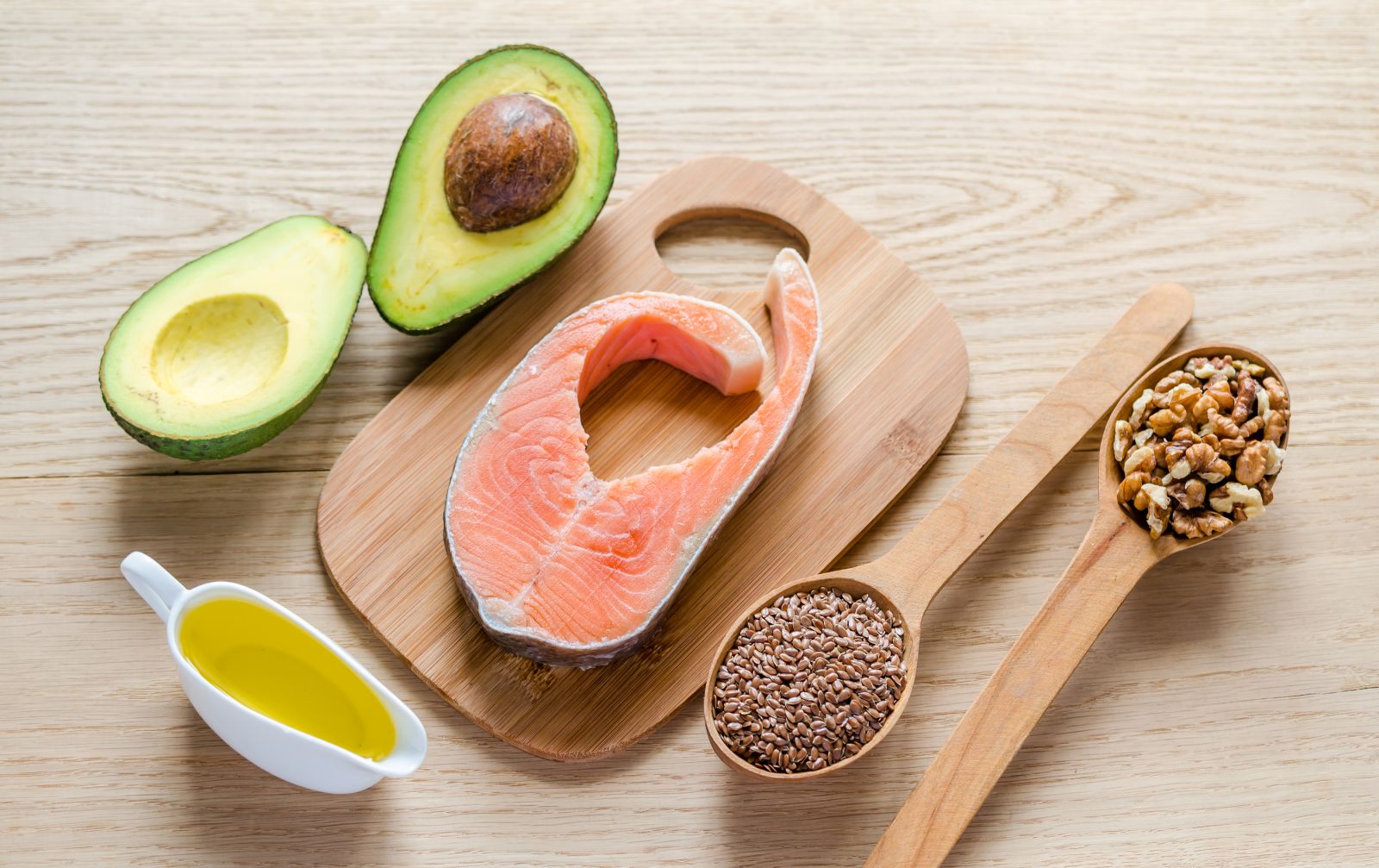
Good sources of monounsaturated fats are olive oil, peanut oil, canola oil, avocados, most nuts, high-oleic safflower and sunflower oils
Another trial is set to be undergone to test different fats on humans with inflammatory bowel disease. Conflicting studies exist favouring PUFA oils over saturated fat, a conclusion whose evidence Dr. Gibson fails to be impressed with. "We have to be more critical about the studies that we interpret. Most of the nutrition clinical trials that are out there are very poorly done, and most of the rodent studies never led to a clinical study. It doesn't inform the next step", Dr. Gibson explained.

Most modern-day diseases appear to have their basis in chronic inflammation. Dr. Gibson believes that Omega 6-heavy diets are in part to blame, based on the evidence she has studied. And a study that Dr. Ghosh published in 2015 found that vegetable fats contribute to sedentary behaviour along with creating a predisposition to insulin resistance, reflective of hormonal dysfunction that leads to Type 2 (insulin-resistant) diabetes (once called 'adult onset', commonly striking overweight, middle-aged sedentary individuals).

And Dr. Ghosh believes that the ill reputation that is attributed to saturated fats arose from industry-based benefit, and not science-based fact. A food advocacy group, the Weston A. Price Foundation, published their findings in an article titled The Oiling of America, which offers a detailed history of marketing of vegetable oils in America, pointing out the unscientific rationale for claims that saturated fat should be shunned.

"In the last 30 years", noted Dr. Ghosh, "North American fat consumption has changed drastically. People used to cook with lard, but nobody does this today. Everything in the market has consciously taken saturated fat out." Yet, according to the American Heart Association's statistics for 2015, cardiovascular disease remains the leading global cause of death, accounting for over 17 million deaths annually, expected to increase to 24 million by 2030.


Labels: , , , ,

Sunday, August 02, 2015

Health Quackery:  IV Vitamin Therapy,

"I don't know of the scientific basis for it -- it certainly hasn't blossomed in the main medical literature as a cure for 'whatever'. We have not seen that it's improved concentration. Nor has one seen athletes that claim that it's taken three seconds off their mile. All of these things would be tremendously important. In the absence of that, what are we left with?"
"Where is the clinical trial, and where are the data? Has anyone said, 'we'll give you saline or we'll give you a drip, and let's see what the difference is?"
"[Needles and drips] shouldn't be a substitute for not having your fruits and vegetables."
Dr. David Jenkins, nutrition expert, University of Toronto
Dr. David Jenkins of the University of Toronto's Department of Nutritional Sciences, says direct-to-the-bloodstream vitamins can't replace healthy lifestyle, healthy eating and regular exercise.

"[IV vitamin therapy] has this veneer of scientific legitimacy. There are legitimate situations where you would give vitamins intravenously, when people are severely sick and they can't absorb vitamins properly."
"This is not the kind of situation they're talking about here."
Tim Caulfield, Canada Research Chair in health law and policy, University of Alberta

"There is nothing high-risk here. We don't infuse anything that could reach toxicity levels quickly."
Frank Stillo, founder, chief executive officer, Vitamindrip, Ontario

"This notion of 'If you're run down and tired, come and get an IV infusion of water-soluble vitamins' makes no medical sense whatever."
"If you go into it thinking, 'I'm willing to spend $100 and I know it won't make me any healthier', fine. But I think most people think it is making them healthier."
"[Once you use up the amount you need, the rest end up getting filtered by the kidneys and peed out in urine."
Christopher Labos, cardiologist, epidemiologist, McGill University

Here is medical science in its rational understanding of the interaction between nutritional intake in a sensible diet and people's propensity to seek out quick fixes to their cavalier attitude toward what they actually put in their mouths. When nutritionists irritatingly address the issue of vitamins and minerals to be found in fresh fruits and vegetables people prefer to eat what they feel like eating, quality content be damned.

And then along comes yet another alternative, an option that will restore to the body missing the quantity of vital elements a person requires to remain healthy. IV vitamin therapy rides to the rescue. A Baltimore physician had a bright idea to inject vitamins and minerals directly into patients as "intravenous micro-nutrient therapy" four years ago. And it didn't take long before this innovation took off in popularity. The bandwagon effect.

Vitamin drips have become a popular option among the in-crowd touting alternatives to good nutritional intake as a solution for whatever ails one's nutrition-neglected body. From "elite executives" to "weekend warriors who train hard and play hard" and working mothers, Vitamindrip's "diet and detox" injection; vitamins C and B and amino acids; which the company claims can burn body fat and reduce hunger pangs has reached a high degree of popularity.

There are specialized clinics or spas where IV  treatment is offered in the United States and Britain. Canada is catching up, with IV therapy becoming the most popular services naturopaths put on offer. In Toronto there's the Adelaide clinic located in the financial district where an IV lounge can be found Clients can make their selection from a menu of injections; improved sports recovery and performance or "diet and detox".

In Vancouver, a 2,000 -square-foot lounge, The IV Wellness Boutique's decor includes reclining leather massage chairs, private theatres, wireless headphones and a great view. "People sit in the chair for about 45 minutes and receive their drip" Heidi Roots, naturopathic doctor and co-owner says, claiming to have been "astounded by the effects that I got from it" with patients. At only $100 per session, top-notch bargain!


Photo, The Drip Room
Dr. Jenkins, a scientist at the Li Ka Shing Knowledge Institute at St. Michael Hospital, speaks of the blind faith that people place in short cuts to looking after themselves properly. The power of vitamin supplements needn't be proved scientifically to them; they're convinced that if a little bit of vitamin is good, a whole lot more can only be hugely beneficial. Vitamin injections fit readily into the "wellness" craze.

Most medical practitioners feel that the practise is harmless enough. The only caveat seems to be that the infusions, administered with a needle, may hold a small risk of infection. On the other hand, some Scandinavian studies link large amounts of folic acid and vitamin B12 over long periods, with a possible increased risk of certain cancers. The very people who take vitamin infusions via needles, would shrink in dismay at hypodermics delivering insulin daily to people with diabetes.

Vitamindrip, an Ontario company that styles itself the Canadian leader in intravenous micronutrient formulations recommends infusions be done once weekly for four to six consecutive weeks. This is the "loading phase". Which should be followed by a maintenance phase of less frequent injection. Business is business, after all, and the bottom line is an original investment by the client of $400 to $600 to ameliorate their dietary neglect, and $100 on a semi-regular basis thereafter.

The alternative, needless to say, and recommended by professor in nutritional sciences, Dr. David Jenkins, is a healthy diet.

Labels: , , ,

 
()() Follow @rheytah Tweet