Ruminations

Blog dedicated primarily to randomly selected news items; comments reflecting personal perceptions

Friday, July 09, 2021

Evolutionary Influences

"Our study indicates that climate -- particularly temperature -- has been the main driver of changes in body size for the past million years."
"We can see from people living today that those in warmer climates tend to be smaller and those living in colder climates tend to be bigger."
"Over a long tine, yes, we would expect a decrease in body size [due to climate change]."
"But the effects that we describe occurred over thousands of years, so a few years of warming will do little to body size. But if we were to keep changing temperature and keep them there for a long time, then yes, one would expect such changes."
"Brain size was not affected by temperature, but it was affected by long-term climatic stability."
"The likely rationale for that is that brains are expensive, and you need reliable resources to maintain them."
Professor Andrea Manica, researcher, Department of Zoology, Cambridge University
Human fossils illustrating the variation in brain (skulls) and body size (thigh bones) during the Pleistocene period.

 Over 300 fossil samples were studied by scientists to track the fluctuation in human body size over thousands of years of evolution linked to climatic conditions. The research team discovered a clear link between people who live in colder environments and the size they attained; larger bodies being the result in contrast to people living in warmer regions being smaller in size, a trend that continues to this day. 
 
Where people who live in cold environments tending to have larger body sizes than those in warmer areas of the globe.

The average person of Dutch descent as an example stands 6 feet in height whereas the average person living in India tends to be on average 5 foot, 5 inches in height. For the study, the researchers from the Universities of Cambridge in the U.K. and Tubingen in Germany, note that for every degree of warming, a corresponding 0,87 percent decrease in body mass occurs.

In other words, a 2C warming would result in a body size decrease of one kilogram (2.2 lbs.) for someone whose weight comes in at 60 kg (132 lbs.) A similar trend sees the reverse emerge; for every degree of cooling, body size increases by 0.87 percent. 
 
A larger body size results in a person's mass to surface area ratio being greater, therefore more heat efficient, so less warmth is dissipated than with smaller sized people.

This trend, according to Professor Manica, would tend to continue as climate change sees the soaring of global temperatures. Published in Nature Communications, the study concluded that brain size also changed over time; not, however, evolving in tandem with body size.
 
<p>People living  in warmer climates tend to be smaller, and those living in colder climates tend to be bigger, a study says.</p>

People living in warmer climates tend to be smaller, and those living in colder climates tend to be bigger, a study says. (Reuters)


Labels: , , ,

Friday, April 02, 2021

COVID Convergence Mutations

"[I'm struck by the] amazing amount of convergent evolution we're seeing [with SARS-CoV-2]."
"There are these infamous mutations -- E484K, N501Y, and K417N -- which all three variants of concern are accumulating. That, added together, is very strong biology that this is the best version of this virus in the given moment."
Wendy Barclay, virologist, professor,Imperial College London

"If you wanted to sort of write a little textbook about viral evolution, it's happening right now."
"If it keeps happening over and over again, it must be providing some real growth advantage to this virus."
Dr.Francis Collins, geneticist, director, U.S. National Institutes of Health

"It's shown a very strong set of opening moves."
"We don't know what the end game is going to look like."
Vaughn Cooper, evolutionary biology specialist, University of Pittsburgh School of Medicine
https://static.reuters.com/resources/r/?m=02&d=20210331&t=2&i=1556837699&r=LYNXMPEH2U09M&w=1600
National Institutes of Health Director Francis S. Collins holds a model of SARS-CoV-2, the novel coronavirus, as he testifies on Capitol Hill in Washington, D.C., U.S. Graeme Jennings/Pool via REUTERS/
 
Perhaps it's just too much to hope for at this junction that the novel coronavirus is mutating itself out of the realm of viral pathogenic superiority. It's as though a contestant for the worst-killer-virus-in-history is given just so many moves to improve its game, and it's making the wrong choices, and compounding them in an effort to become more deadly, whereas the process it's undergoing is beginning to mute its morbid effects on its human hosts.

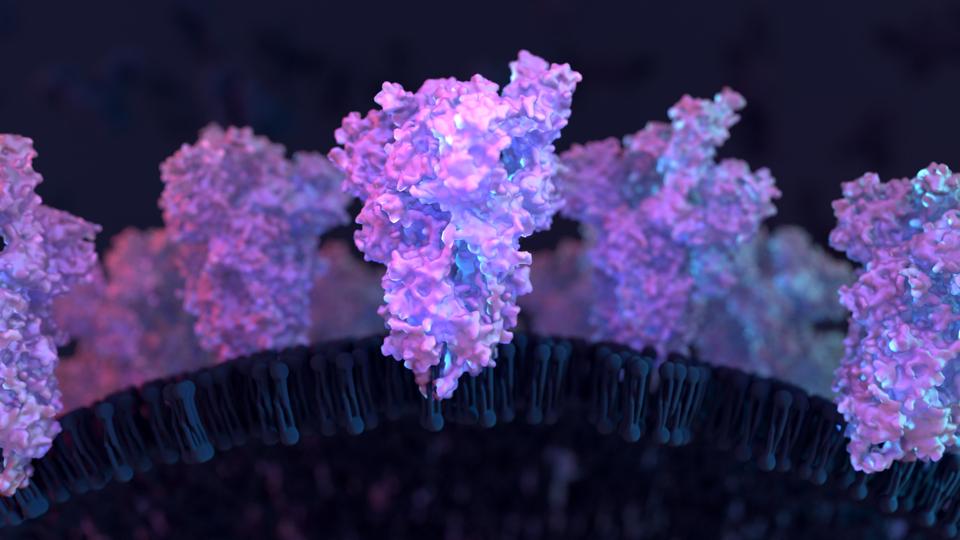
Spike protein of SARS-CoV-2, Mutation in the spike protein that the virus uses to bind to the human ACE2 receptor. Mutation sped up spread of coronavirus.
Spike protein of SARS-CoV-2
The new variants that were detected in geographies far from one another, such as Brazil, South Africa and Britain mutated spontaneously within a short time-frame late last year, where all three share some similar mutations located in the vital 'spike' region of the virus, enabling it to enter and infect human cells. The E484k mutation, that some scientists familiarly named "EEk" for its capacity to evade natural immunity from previous COVID-19 infections while reducing protection offered by current vaccines, which is designed to target the spike protein, is included.

Similar mutations independent of one another have been appearing in various parts of the globe, indicating that the coronavirus is in the process of undergoing "convergent evolution", according to a number of scientists Reuters has interviewed. With expectations that the coronavirus will continue to mutate, immunologists and virologists now suspect that the coronavirus may be exhausting the fixed number of moves its evolutionary cycle allows.

If such is actually the case, the long-term impact for its survival remains to be seen, based on whether a limit exists on the number of possible mutations it can attain to, making it less dangerous. "It is plausible that this virus has a relatively limited number of antibody escape mutations it can make before it has played all of its cards, so to speak", explained Shane Crotty, a virologist at the La Jolla Institute for Immunology, San Diego.

That being the case, drugmakers could be enabled to remain current with the virus, developing booster vaccines meant to target current variants directly, even as governments struggle to control a pandemic that has succeeded in killing close to three million people globally. Experts have been mulling over the theory that the virus could be imbued with a limited number of mutations since early February, and it has gathered momentum since a paper was published showing the spontaneous appearance of seven variants in the United States alone, all appearing in the same region of the spike protein.

The very process of different species independently evolving like traits to improve survival odds represents the core of evolutionary biology. The current pandemic represents an evolutionary process scientists have been able to study in real time through the vast scope of its impact, with 127.3 million global infections. No pathogen in history has ever evolved within a comparable global scrutiny as has SARS=CoV-2.

This coronavirus in particular is not held by scientists to be particularly 'clever'. It is programmed by nature to replicate itself every time it infects people. Each copy the virus produces can be flawed in its exactness to the original. Some of these inexact copies may be one-time occurrences, while those that render a survival advantage to the coronavirus have a tendency to persist. And before compromising its fitness or changing so much it is no longer the same virus, leads some specialists to believe the virus may have a limited number of mutations available to it.

"I don't think it's going to reinvent itself with extra teeth", Ian Jones, a professor of virology at University of Reading in Britain, added. "If it had an unlimited number of tricks ... we would see an unlimited number of mutants, but we don't", observed Michael Nussenzweig, immunologist at Rockefeller University in New York. 

However, predicting how a virus will mutate is challenging. Should there be limits on how the coronavirus could evolve, matters would certainly be simplified for vaccine developers. As an example Novavax Inc. is in the process of adapting its vaccine specifically to target the South Africa variant which appeared to render current vaccines less effective, in laboratory tests. According to chief executive Stan Erck, the virus is capable of so much change only yet still binds to human hosts. The hope is that the vaccine would "cover the vast majority of strains that are circulating". 

Data-sharing platforms like the Global Initiative on Sharing Avian Flu Data is enabling researchers to track the variants through its huge trove of coronavirus genomes. Recently, scientists identified seven U.S. coronavirus variants with mutations occurring in the same location in a critical portion of the virus representing additional evidence of convergent evolution.

Experiments exposing the virus to antibodies in an effort to force it to mutate are being carried out by other teams of researchers. The same mutation in many cases appeared as a result, including the infamous E484K. Helping to raise cautious optimism that mutations appear to share many of the same traits, even as tracking changes in the virus must continue to choke off its ability to mutate by reducing transmission through vaccinations and other measures taken to limiting the virus's spread.

Scientists at Duke University sequenced positive coronavirus tests to identify which strains are circulating in the community, on Feb. 3.
Credit...Pete Kiehart for The New York Times

Labels: , , ,

Wednesday, December 09, 2020

Restoring Cognition, T-Cell Function : ISRIB-Generated Age-Reversal

"ISRIB's extremely rapid effects show for the first time that a significant component of age-related cognitive losses may be caused by a kind of reversible physiological 'blockage' rather than any more permanent degradation."
"We've seen how ISRIB restores cognition in animals with traumatic brain injury, which in many ways is like a sped-up version of age-related cognitive decline. It may seen like a crazy idea, but asking whether the drug could reverse symptoms of aging itself was just a logical next step." 
"This was very exciting to me because we know that aging has a profound and persistent effect on T- cells and that these changes can affect brain function in the hippocampus."
"At the moment, this is just an interesting observation, but it gives us a very exciting set of biological puzzles to solve."
Susanna Rosi, professor, departments of neurological surgery/physical therapy and rehabilitation science, University of California, San Francisco
cognitive decline
"The data suggest that the aged brain has not permanently lost essential cognitive capacities, as was commonly assumed, but rather that these cognitive resources are still there but have been somehow blocked, trapped by a vicious cycle of cellular stress."
Our work with ISRIB demonstrates a way to break that cycle and restore cognitive abilities that have become walled off over time."
Peter Walter, professor, department of biochemistry and biophysicas, Howard Hughes Medical Institute investigator, UCSF
ISRIB
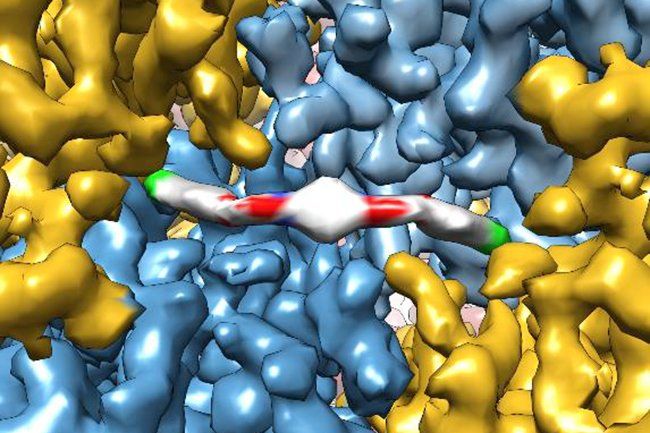
ISRIB molecule  Wikipedia
ISRIB, a drug that has demonstrated previously its capability to restore memory function following traumatic brain injury, reverse cognitive impairment from Down Syndrome and to improve cognition in healthy animals, was discovered in 2013 in the Walter laboratory. These latest experiments with the drug gives researchers hope that it may indeed be a modern-day 'fountain of youth'. The drug has the capacity to reboot a cell's protein production once it has been lifted by a mechanism known as the integrated stress response (ISR).

This is a natural bodily response meant to act as a safety measure whose intention is the prevention of protein synthesis in malfunctioning (or mutated) cells. This natural response has the potential to be the cause of serious problems, such as cognitive decline, should it remain fixed in the "on" position. Since ISRIB (ISR InhiBitor) was proven to be effective in treating traumatic brain injury, it occurred to researchers that the drug could conceivably be capable of stopping the effects of aging, as well.

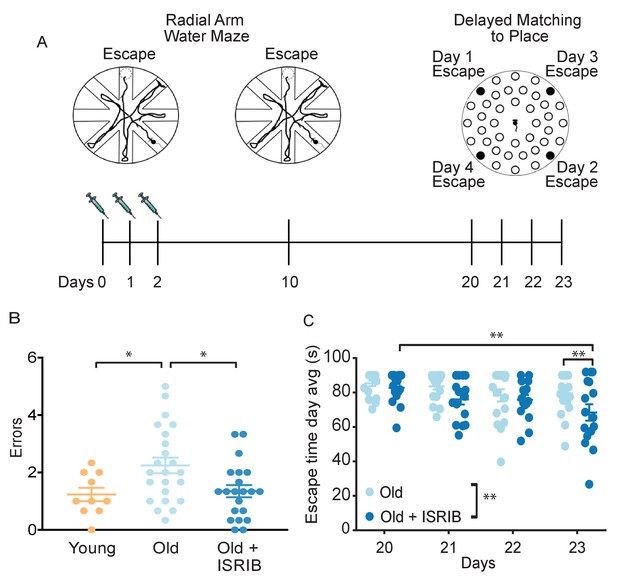
In a bid to test their theory the researchers took older mice and trained them how to make an escape from a watery maze through a hidden platform. This was a task manifestly difficult to achieve for older animals, but the mice that were given ISRIB during the training procedure were seen to perform on the test as well as their younger counterparts, and far better than those aged test mice to whom the drug was withheld. In a further experiment to test the longevity of the drug's effects, researchers tested the mice again weeks later, discovering they continued to perform as well as younger mice, while those who were not given the drug experienced the same initial struggle.

Exactly how the ISR interferes with cognition and  how long the ISRIB effects last, remains under study by the team who are planning as well to explore how the drug succeeds in altering the effects of aging on the immune system's T-cells in the hope that the answers may present new avenues for treating medical conditions from Alzheimer's to diabetes. The study was published by eLife, highlighting how it was that the University of California, San Francisco researchers managed to restore youthful cognitive function and reinvigorate the brain and immune cells of older mice with a few doses of the ISRIB drug.

Cryo-electron microscope: ISRIB molecule. Image Adam Frost lab
"To understand how ISRIB might be improving brain function, the researchers studied the activity and anatomy of cells in the hippocampus, a brain region with a key role in learning and memory, just one day after giving animals a single dose of ISRIB."
"They found that common signatures of neuronal aging disappeared literally overnight: neurons' electrical activity became more sprightly and responsive to stimulation, and cells showed more robust connectivity with cells around them while also showing an ability to form stable connections with one another usually only seen in younger mice."
University of California, San Francisco

Labels: , , , , ,

Saturday, October 17, 2020

Cause and Effect : Sleep Disorder

"Our brain is active and dynamic while we're sleeping. Sleep is not a quiescent state. Our brains are very active -- even more so than when we are awake."
"Good quality sleep can be a remarkable benefit to memory. The more you sleep, the more intact your sleep the more  you stand to benefit." 
"As we age, the quantity and quality of our sleep declines. Changes in sleep may affect memory processes that depend on sleep."
"When we learn something new these newly-formed memories are in a fragile state. They need to be strengthened to be made permanent and easily retrieved. It happens gradually over time. Sleep is an opportune time for this to happen."
"Sleep is largely all about the brain. The brain craves regularity. The brain will know when to go to sleep and when to wake up. The brain is very attuned to light."
Stuart Fogel, researcher, The Royal's Institute of Mental Health Research, Ottawa
https://www.aastweb.org/hubfs/how-to-diagnose-treat-the-5-most-common-sleep-disorders.png
"In order to survive, we need to sleep."
"You are so much more productive if your brain is functioning properly. Especially the frontal lobe, which is extremely demanding in terms of energy. Your brain uses more energy than some of your muscles. It has to be rejuvenated. If it's not, then everything collapses." 
"After fourteen hours, it's like your brain is drunk."
"If an adolescent has the internet in their room, they lose half an hour of sleep If they have a smartphone, another half-hour of sleep is gone."
"There is more and more competition for people to work during the night. But only 25 to 30 percent of the population can adapt to shift work."
"Life expectancy is actually reduced for those who work shifts. If you change your shifts constantly, you are always having to change your biological clock."
Joseph De Koninck, professor emeritus in psychology, University of Ottawa
A major virtual sleep conference took place in Ottawa, in August where a group of Canadian sleep researchers outlined results of an online sleep survey that succeeded in receiving 5,525 responses from Canadians between April and June. Sleep difficulties pre-pandemic was reported by 36 percent of the study respondents, while 50 percent reported that in the early months of the outbreak, they experienced difficulty in sleeping.
 
The researchers placed respondents into three distinct "clusters" of sleep changes based on respondent reports. The first group was noted for spending an extended time in bed in comparison to the time before the pandemic struck. This was manifested in their going to bed roughly the same time as per usual, but awakening later than usual. In the second cluster, people tended to reduce their time spent in bed by going to bed later and waking up earlier. While the third group distinguished itself by delaying bedtime, and sleeping in a bit later than usual.

The third group was found to be likelier to work from home, and less likely to have family responsibilities. Both the reduced-time-in-bed and delayed-sleep subgroups reported higher perceived stress, anxiety and depressive symptoms in higher proportions. Leading the researchers to conclude that the global pandemic has dramatically changed daily life, likely to affect sleep patterns, with the potential downstream of serious impacts on physical and mental health.

Sleep apnea, a condition where an individual stops breathing, then awakens gasping for air, has been associated with cardiovascular disease, while sleep disorders in general are linked to obesity, Type 2 diabetes, depression, and dementia. In 2019, the Society for Research on Biological Rhythms recommended adopting permanent standard time claiming it would be healthier for the heart and weight leading to a decrease in the incidence of cancer and tobacco and alcohol consumption, and would result in better psychological health and improve performance at work and school.

Even gut microbiome can influence sleep quality, according to growing (albeit controversial) evidence where a recent study discovered that sleep deprivation leads to alterations in the microbiome composition. When people tend to suffer from sleep deprivation their diet and exercise balance becomes affected. Sugar craving often assails people in sleep deprivation since it disrupts the regulation of body glucose. Mood and motivation are both impacted deleteriously which has the potential to affect exercise habits.

Blue light has been highlighted, with electronic devices interfering with sleep, as does caffeine, work and the pace of modern life in a 24/7 connected world. As an example, U.S. President Donald Trump claims sufficient sleep with three or four hours nightly, but according to Dr.De Koninck the man evidences classic symptoms of sleep deprivation; with mood swings, muddled decision-making and an inability to concentrate. "There's still this notion that sleep is a loss of time and people who sleep a lot are lazy people", points out Dr. De Koninck.

Neuroscience, psychiatry, psychology, respirology, even dentistry, according to Dr. De Koninck are all involved in sleep science. Dr. Jean-Philippe Chaput claims strong evidence exists that demonstrates that not enough sleep leads to obesity and the associated health problems emerging from obesity. About 43 percent of Canadian men and 55 percent of women report difficulty falling or staying asleep, according to Statistics Canada. Sleep apnea, sleepwalking, narcolepsy, restless-leg syndrome and shift-work all represent sleep problems and are treatable once diagnosed.
  • Insomnia, in which you have difficulty falling asleep or staying asleep throughout the night.
  • Sleep apnea, in which you experience abnormal patterns in breathing while you are asleep. There are several types of sleep apnea.
  • Restless legs syndrome (RLS), a type of sleep movement disorder. Restless legs syndrome, also called Willis-Ekbom disease, causes an uncomfortable sensation and an urge to move the legs while you try to fall asleep.
  • Narcolepsy, a condition characterized by extreme sleepiness during the day and falling asleep suddenly during the day.
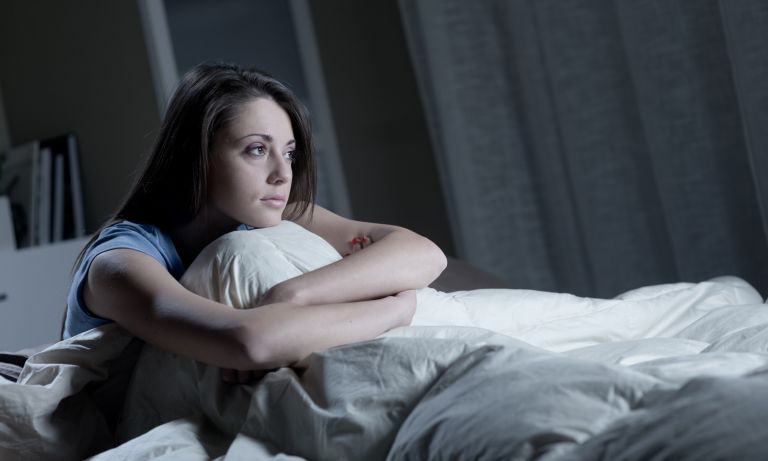
Woman, legs covered by comforter, sitting up in bed, clutching her knees, gazing out
 
"Lack of sleep increases food intake and is associated with more screen time. A good night's sleep can improve the success of weight loss interventions by facilitating appetite control and increasing physical activity level in some individuals."
"Even [U.S. president Bill] Clinton said he made bad decisions because he didn't sleep enough. I don't know anyone whose genes are good with four hours. I would like it if I needed less sleep, but it's just not possible."
"It's a good sign you're getting enough sleep if  you wake up spontaneously without an alarm clock. I always wake up around 6 or 6:30 without an alarm clock. If  you need an alarm clock, it's a sign you're sleep-deprived."
Jean-Philippe Chaput, researcher in healthy lifestyles, Children's Hospital of Eastern Ontario 
 
"I'm really interested in the intersection of mental health and sleep. I see sleep as having an impression on mental health."
"If you focus on improving sleep, it will have a positive impact on mental well-being."
Rebecca Robillard, director, clinical sleep research sleep laboratory, University of Ottawa


Labels: , , , ,

Monday, August 31, 2020

“Coke on fish gills is as dumb as it sounds", Dr. Solomon David, aquatic ecologist, Nicholls State University

A northern pike sits motionless inside one of the large marine tanks at the Aquatarium during a tour of the facility at a tourism summit on Wednesday, October 15, 2015 in Brockville, Ont. The tanks currently contain pike, walleye and bowfin and will have sturgeon in the future. Darcy Cheek/Brockville Recorder and Times/Postmedia Network

"We provide the first evidence that counters the growing popularity of using carbonated beverages to stop bleeding in angling-caught fish."                     "We found no benefit or disbenefit with pouring carbonated beverages over the gills of northern pike but it is possible there are longer term impacts."  "These findings provide direct scientific evidence that the use of carbonated beverages does not curtail bleeding from gills, which is counter to anecdotal observations made by recreational anglers that use this technique. Overall, our study debunks the assertion."                                                                                                          Carleton University researchers

Research funded by Muskies Canada and by fishing guide John Anderson and undertaken by the fish ecology conservation and physiology laboratory of Carleton University, led by graduate student Alexandria Trahan, appears to have concluded that a technique to ease bleeding in injured fish that has become popular with anglers has more resemblance to an urban myth than it does a folk remedy to curtail bleeding and discomfort in fish that have sustained injury either as a result of the angler's actions or other misadventure.

And though veteran fishing guide and owner of Ottawa River Musky Factory John Anderson was partially responsible for putting the research into motion, spurred on no doubt by his belief in the healing power of carbonated liquid on fish, his commitment to the use of Diet Coke to help stop muskellunge bleeding from the mouth, throat or muscles around the gills is secure. On the basis of his own experience with the use of the technique on 18 different occasions.

While on a fishing trip four years earlier accompanied by writer and outdoorsman Gord Pyzer, the method was first brought to his attention when it was demonstrated to him. He gave due credit to the senior manager in the Ministry of Natural Resources and Forestry when he was informed by this man who makes use of spring water, supersaturated with carbon dioxide in cauterizing hook wounds in a fish's mouth, throat or gills, who swore by its efficacy.

https://wp.themeateater.com/wp-content/uploads/2019/03/stop-pouring-soda-on-fish-gills.jpg

In the event, researchers from the lab of biology professor Steven Cooke undertook a scientific study of the controversial and popular belief in the usefulness of Diet Coke as a first aid for injured fish, where advocates insist that carbon dioxide in soda drinks constricts a fish's blood vessels to halt bleeding. Critics of the method on the other hand, label it as pop science for the gullible. Those who want to catch these fish for sport, but are committed to releasing them back to the water. Salving their consciences in the belief that the remedy works. In their analysis the Carleton scientists discovered that in the first 20 minutes following the application of pop to injured gills of northern pike, nothing occurred.

Last year, led by graduate student Alexandria Traham from the lab, 145 northern pike were caught in the
Rideau River system to use as subjects where gill injuries were simulated with the use of pliers removing a one-centimetre section of gill. A carbonated beverage was then applied; Coca-Cola, Mountain Dew or carbonated lake water. Nothing was applied to a control group of fish. The experiments were conducted in May and August in assessing whether changes in water temperature might affect the outcome.

Scientists observed and recorded what happened to the bleeding of the injured fish held in a water-filled tank for 20 minutes -- finding that Mountain Dew as well as the other carbonated drinks produced no discernible effect whatever. No difference was noted, according to the researchers, between the fish in the control group and those that had been treated with a soft drink. Bleeding failed to stop sooner, and nor did the fish bleed less.

A possible explanation was put forward, researchers suggesting that when anglers lift a fish from the water to apply a soft drink to the fish wounds, air exposure induces hypoxia which in turn slows the heart rate of the fish. "The pop does work at the right place and the right time", insisted Mr. Anderson who didn't dispute the Carleton study, but felt that the researchers would have done better to avoid using sensitive gill injuries in their assessment of the value of the technique.

John Anderson poses for a photo at the Ottawa River Musky Factory near Plantagenet Thursday June 20, 2019. John  is a leading Ottawa River muskie guide, who has launched a website called Save One Million Fish, based on his belief that pouring a can of pop on a bleeding fish can save its life.  Tony Caldwell
John Anderson of the Ottawa River Musky Factory says the Carleton research has not changed his mind about the value of Diet Coke as a way to assist muskellunge bleeding from the mouth, throat or muscles around the gills. He said he had successfully used the technique 18 times. Photo by Tony Caldwell /Postmedia


Labels: , , , ,

Wednesday, August 19, 2020

"Quite Extraordinary. It really Is."

"Good. Grief. I was unprepared for the emotion ... It's quite extraordinary. It really is."                                                                                                                      "Think of it as a science experiment. This is cyborg territory, and I intend to be a human guinea pig to see just how far we can turn science fiction into reality."       "In a rather perverse way the future looks like it's going to be rather exciting. In a 'boys with their toys' sort of a way, potentially even a bit fun."                                 "When I email people who are locked in [through motor neuron disease], they say of all the faculties that they lost, speech was the worst, the most traumatic, the one that made them feel most disabled."                                                                         "It is impossible, even if they use text-to-speech ... They are not able to communicate their emotion."                                                                          "Growing up openly gay in the 70s taught me to think for yourself. I got very used to not feeling that I had to fit, because for a long time the world was telling me [I] really, really didn't fit."                                                                                          "After 40 years of breaking the rules, I'm still saying, 'let's not do it the way it's done before, let's do something different'."                                                                                Peter Scott-Morgan, 62, British scientist, Torquay, South Devon

"You can't help but be impressed by the way he wants to take control."  "I think this is groundbreaking and he is a pioneer."                                                                     Marie Wright, anesthesiologist

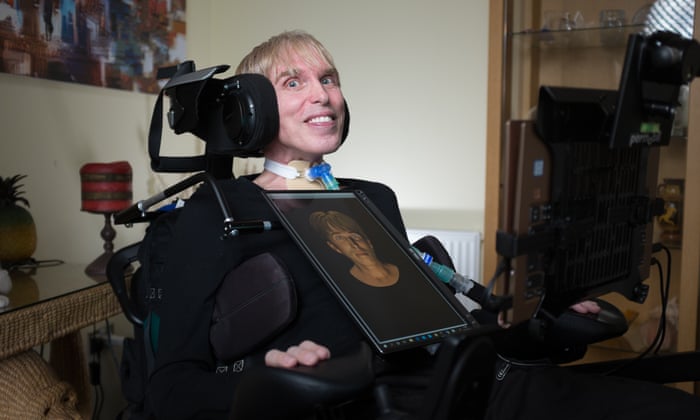
‘I’m just getting started’: Peter Scott-Morgan with his husband Francis. Photograph: Tom Jackson/The Observer

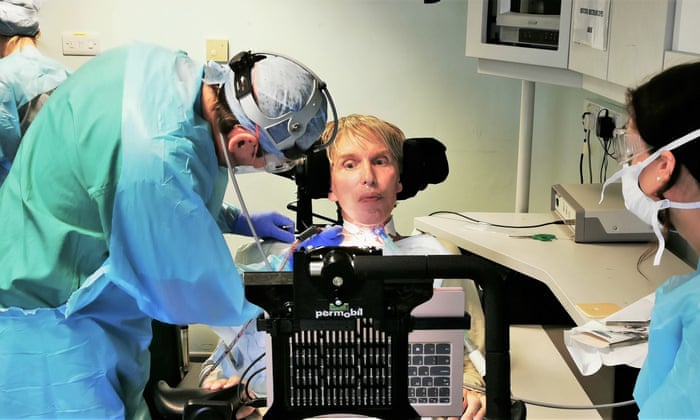
In 2017, British scientist Peter Scott-Morgan, 62, faced the challenge of his life when he was diagnosed with motor neuron disease, an incurable condition that would eventually freeze all of his physical capabilities, as it progressively destroys his motor neurons; walking, breathing, speaking, and swallowing would all eventually be compromised and he would become physically helpless; a sound mind in a destroyed body.

The process whereby signals from nerve cells in the brain transmit to cells in the brain stem and spinal cord and then on to muscles where upper motor neurons direct lower motor neurons to produce muscle movements dissipates, since when muscles no longer receive signals they weaken and deteriorate. No longer receiving signals from upper to lower motor neurons can lead to muscle stiffness (spasticity) and overactive reflexes, so voluntary movements become slow and difficult to the point where eventually walking or movement controls are absent.

This man with his master's in artificial intelligence and doctorate in robotics is determined to discover methods which would allow himself first and eventually others afflicted with MND to live after becoming "locked-in"; their minds alert, their bodies immovable. As far as he is concerned, Peter Scott-Morgan is on the way to becoming a new version of himself. He sees himself as a pioneer innovator paving the future for a breed of humans augmenting physical incapacity with the use of technology.

He envisions an exoskeleton encasing his upper body, allowing him superhuman strength -- with a mind-reading computer plugged directly into his brain to express his thoughts instantly, his paralyzed face replaced with a hyper-realistic avatar moving in time with a speech synthesizer. To that end, radical body alterations have already occurred. He "re-plumbed" his stomach in 2018, with three separate, high-risk surgeries; to insert a feeding tube into his stomach, a catheter in his bladder; a colostomy bag on his colon.

We can make things better for everyone with a disability’: undergoing research. Photograph: Channel 4

Each of those surgical procedures came with risks that might result in an acceleration of the MND progress. He had his esophagus and trachea separated last year through a laryngectomy to prevent saliva running into his lungs as paralysis moved toward his chest and throat. The process threatened the loss of his voice and its distinctiveness. A loss he feared and addressed by recording words and sentences -- assisted by scientists at Edinburgh-based CereProc. Recordings used to create a synthetic voice, sounding remarkably like his original.

A photo-realistic virtual avatar was designed to move its lips in synchrony with his speech, to provide facial expressions like laughter and surprise, coinciding with the conversation. The aid of the director of Anticipatory Computing at Imtel Labs, Lama Nachman helped to develop a plan to build the cyborg that would become Scott-Morgan with its own artificial intelligence. He would rely on the AI to provide instant response, the machine speaking for itself utilizing phrases learned from Scott-Morgan.

"I knew that with some focused hi-tech research it was quite possible to transform what it meant to have MND and if I took the right precautions then, rather than in two years, I had a good chance of living for another couple of decades."                 "I envisioned what realistically, with the right encouragement, could be done to change what it means to have extreme disability. Then I worked backwards to work out what would come first."                                                                                               Peter Scott-Morgan

‘I knew that with focused hi-tech research it was possible to transform what it meant to have MND’: a chest screen reveals Peter’s emotions. Photograph: Channel 4

Labels: , ,

Sunday, August 16, 2020

Human Wanderlust in Antiquity

"For centuries we've suppressed the fact of the migration instinct, demonizing it as a harbinger of terror. We've constructed a story about our past, our bodies and the natural world in which migration is the anomaly. It's an illusion. And once it falls, the entire world shifts."                                                                                    "[Xenophobia, population control, environmental conservation and white supremacy have intersected to fuse systematic efforts to restrict peoples' migration and establish a] Linnaean vision of nature, in which biologically distinct peoples lived separately in geographically distinct locales."                                              Sonia Shah, science journalist The Next Great Migration: The Beauty and Terror of Life on the Move

<resource_carousel.datastructures.RCItem object at 0x7ff562788240>

In the 18th century the hugely influential and respected taxonomist Carl Linnaeus influenced the work of other scientists to follow him for centuries through his system of classifying the world of living species to geographic areas specific to their existence. He believed in a hierarchical, fixed natural order. And his rationale to explain and justify the belief that living organisms belong where their habitat happens to be, and none other, was popularly accepted as the only reasonable science to be followed.

His belief system was challenged by a coeval, French naturalist George-Louis Leclerc de Buffon who "imagined a history of migration" and "questioned the permanence of nature and challenged the perfection of the Creator", explains Ms. Shah in her recently published book, an exploration of humanity's tendency through the ages to migrate from one geographic area to another. When other living organisms 'travel' from their particular geography, we tend to speak of them as 'invasive species', be they vegetation, insects, aquatic lifeforms, other animals and even infectious moulds. 

And this was precisely how people were moved to recognize others arriving on their native shores from wherever it might be they originated from elsewhere on the globe. Invasive species. Somehow inferior. Whose presence would be certain to destabilize and sully the natural order of things. That thought of course was not quite the natural order of things; mistaken for social, cultural, social values specific to a country that viewed itself being invaded by an alien social culture with a heritage completely unlike that of the indigenous population.

In 19th century Europe and America, a science of race developed and out of that arose the eugenics movement. Millions of immigrants from Europe, Asia, the Caribbean and Central America flooded into the ports of New York, to become Americans. Elites of the time spoke warningly of "hybridization", the "germplasm" of immigrants contaminating the human stock of the nation. Which led one elite of the day, Madison Grant, to write The Passing of the Great Race, in 1916.

In it was declared the risks inherent in migration, in upending racial hierarchies. Which in turn led to a 1924 law in the United States restricting non-white immigration. Adolf Hitler called that publication his "bible", as a template that would fit right into his National Socialist ideology of the Ubermensch and non-Aryan dross. Those designations in turn led directly to the policy of destroying lives considered by the Third Reich to be a burden and a threat on society.

As a case lesson in the invigorating potential in genetic differentiation, Ms.Shah describes the study in the mid-20th century of a wolf population isolated on an island in Lake Michigan. Over the decades inbreeding produced offspring that were clearly deficient, suffering spine deformities and abnormalities in their eyes, leading the pack to begin a gradual and clear physical deterioration. Until the arrival of a single male wolf in1997 who managed a journey to the island and whose presence marked a major shift in a revitalized wolf population.

human migration | Definition, Overview, & Facts | Britannica
Britannica

At the present time an estimated 60 million people have fled conflict, persecution and the effects of climate change. These are refugees who will mostly as time progresses find new homes elsewhere on the globe as they are gradually absorbed into countries far from their own and become settled permanent residents. Their presence in numbers refreshes a working population, infuses the prevailing social order and customs with their own even as they accept the values of the welcoming country, in the best-case scenario.

Migration, holds Ms. Shah, as a natural re-distribution of humankind and their associated genetic material, infuses populations with a new and expanded human potential, one that expands into the economic and social life of a nation. Some welcoming nations claim that this diversity represents a strength, while others describe it as a source of tension, weakness and disunion. And in truth, it is both, given humankind's propensity to suspicion and apprehension of 'otherness'. 

From humankind's common ancestry in Africa, to breakthroughs in the science of bioarchaeology in understanding the past to have been imbued with early waves of migratory humans in ancient times, to the present, humans have an urge, however subconscious, to move about, explore, arrive at new and unknown destinations. All is not, however, sweetness and light as a general rule. 

When sufficient numbers of migrants arrive in imposing numbers, a certain amount of destabilization does set in, and the unease caused to indigenous populations at the presence of huge numbers of strangers inexorably altering their heritage, culture and values become societally troubling.

Early human migrations - Wikipedia
Wickipedia

Labels: , , ,

Tuesday, August 11, 2020

Awaiting Alzheimer's Brain Untangling Drug : Second Time Around

"People affected by Alzheimer's have waited a long time for a life-changing       treatment and today's announcement offers hope that one could be in sight."        "It is reassuring that this devastating disease remains a priority concern for drug regulators and with no disease-modifying Alzheimer's drugs getting this far before, we are in uncharted territory."                                                                                Samantha Benham-Hermetz, director, policy and public affairs, Alzheimer's Research UK

"[Approval of the drug would be a] historic milestone."                                "Reducing clinical decline and maintaining the ability to live an independent life for as long as possible are things that people living with Alzheimer's and their families value in a potential treatment."                                                                                 "If aducanumab is approved, we expect it will make a difference in the lives of people living with Alzheimer's." Haruo Naito, chief executive, Eisai, Japanese pharmaceutical firm

Alzheimer's drug passed Phase 3 clinical trials now awaiting FDA approval

Back in 2019 manufacturers Biogen and Eisai took steps to put an end to two late-stage Alzheimer's drug trials, making the tough decision to set aside plans that the treatment be developed. Studies had indicated the treatment would be of no benefit to Alzheimer's sufferers. A new analysis has been undertaken since then using a greater amount of data available once the trials were stopped, finding the drugs did indeed work. They had to be administered at an early stage in a sufficiently high dosage to be effective, leading the two drug developers to seek approval a second time.

Alzheimer's disease at the present time is without any kind of truly effective treatment. A cure may be possible, but it may also be a long way into the future. Now, however, experts feel that the first drug that may halt Alzheimer's, will be fast-tracked for approval, representing the most hopeful breakthrough in dementia treatment yet devised. Because the drug is being given "priority review" it is possible that within six months it can be prescribed. Answering the hopes of those who suffer from the relentless mind-occluding disease.

Medicines currently prescribed for Alzheimer's do no more than mask the symptoms. The new treatment works by helping to untangle plaque clumps in the brain and in so doing may be the first successful drug to stop the deterioration the disease causes, according to trial results. Patients given aducanumab were seen to be improved in language skills and time-tracking, along with a more reduced loss of memory. Targeting early signs of dementa will lead to halting the progression of the disease; at the very least slowing its progress before total incapacitation.

Biogen aducanumab

The review is expected to take six months in establishing whether the drug is safe and effective, thus ushering it to licensing first in the United States, and then placing it under consideration elsewhere around the world. Its efficacy has been monitored by scientists around the world, following initially uncertain trial results. 

Five months following the decision to halt the aborted trials, there is now enough confidence to allow the trials to continue, with the knowledge that a higher dosage and earlier application leads to aducanumab's treatment success. This is the first time in 17 years the U.S. Food and Drug Administration is preparing to review a drug for the treatment of Alzheimer's disease, and it would represent the first treatment designed to deter progression of the disease, to be approved by regulators.

Aducanumab is designed to untangle clumps of amyloid beta, the protein plaques which form in the brain, a hallmark of Alzheimer's disease. It is an anti-body drug. The plaques are held to be partially responsible for memory loss and cognitive decline. Chief executive at Biogen, Michel Vounatsos, a multinational biotech firm in Cambridge, Massachusetts stated: "We believe that aducanumab marks the beginning of a new era of potential treatments for Alzheimer's disease".

Credit...Matt York/Associated Press


Labels: , , , ,

Monday, July 27, 2020

Vaccinating Against Alzheimer's?


Negative thinking linked to dementia in later life, but you can learn to be more positive
"Our study suggests that regular use of a very accessible and relatively cheap intervention -- the flu shot -- may significantly reduce risk of Alzheimer's dementia."
"More research is needed to explore the biological mechanism for this effect -- why and how it works -- which is important as we explore effective preventive therapies for Alzheimer's."
"There has been a concern in the medical community that many sources of inflammation, such as urinary tract infections, worsen the course of patients with Alzheimer's disease."
"Hence, we have been worried that vaccinations, a form of inflammation, could also worsen the course of AD."
"We were very surprised, because of the concern noted above about the potential to increase AD, when our statistical colleagues told us that the flu vaccination was one of the 'medications' that is so strongly associated with a lower Alzheimer's incidence."
Albert Amran, researcher, McGovern Medical School, University of Texas Health Science Centre, Houston
"[The link between a flu shot and reduced dementia risk is] intriguing."
"This study indicates there is a benefit of having one flu vaccination on dementia risk."
"It is difficult to speculate on the reasons behind this link, and understanding why a seasonal flu vaccine is linked to reduced dementia risk is an important avenue for further research."
"This research does not mean that Alzheimer's disease is caused by the common flu and there are potential non-biological explanations for this association, such as people who get the flu vaccine being more likely to take other steps to protect their health."
Dr.Rosa Sancho, Alzheimer's Research UK

"This is an encouraging finding that builds upon prior evidence that vaccination against common infections diseases -- such as the flu -- is associated with a reduced risk for Alzheimer's and a delay in disease onset."
"Regular use of the flu vaccine, especially starting at an early age, may help prevent viral infections that could cause cascading effects on the immune system and inflammatory pathways."
"These viral infections may trigger Alzheimer's related cognitive decline."
Dr. Richard Isaacson, neurologist, founder, Alzheimer's Prevention Clinic, New York-Presbyterian and Weill Cornell Medical Center
"We do need more research to understand what that connection is."
"Is it direct, the vaccine to disease? Or is it protective, as a part of the risk reduction strategies that we have, like lower your BMI [body mass index], watch your sugar intake, keep an eye on your cholesterol and high blood pressure, exercise, get vaccinated."
"It's one of those sort of health tips that we need to make sure that our public knows about."
"We've always known that vaccines are very important to our overall health. And maybe they even contribute to protecting our memory, our cognition, our brain."
Maria Carrillo,  Alzheimer's Association chief science officer

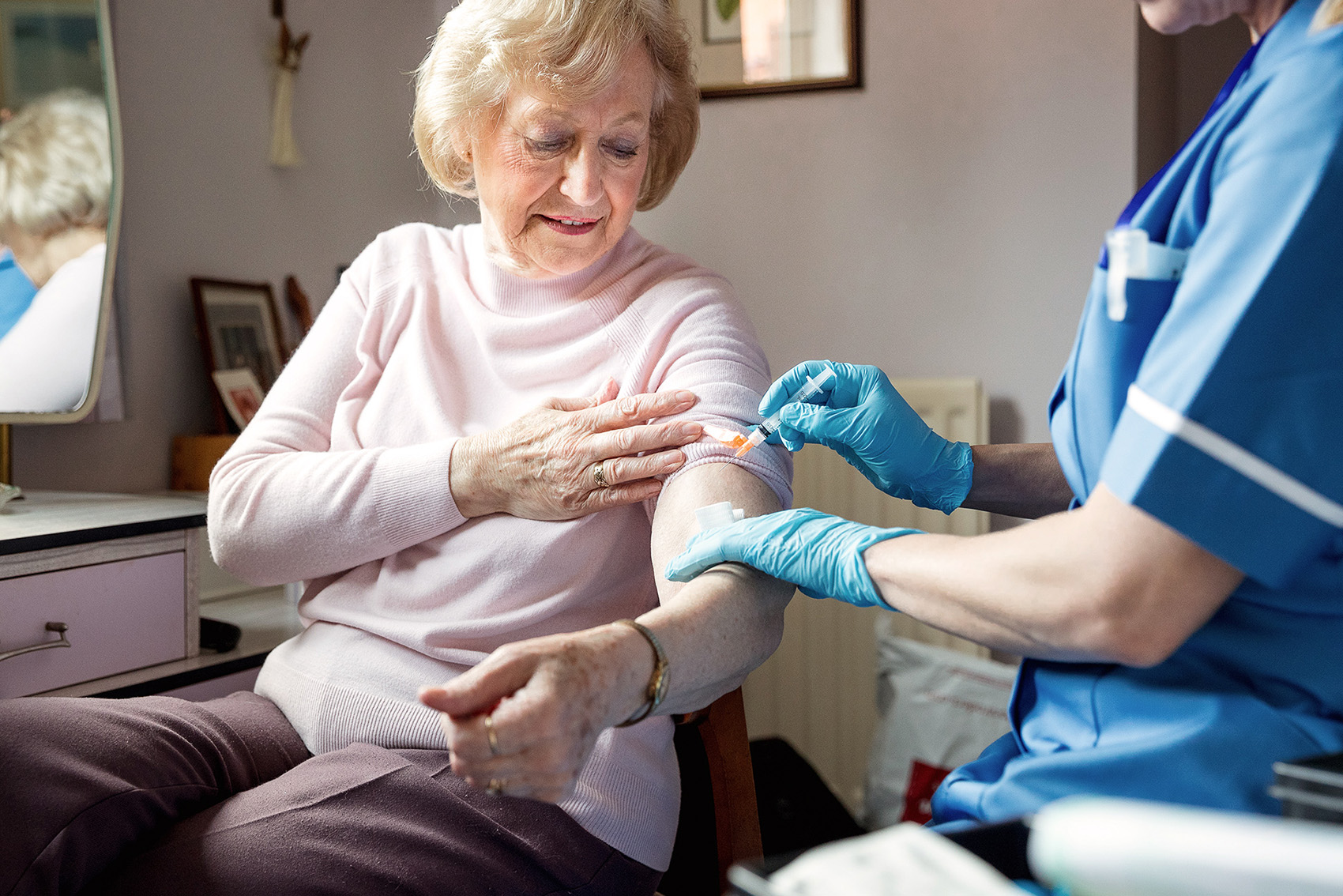
Several lines of evidence now suggest that two common vaccines against respiratory illnesses can help protect against Alzheimer's, too. How much brain protection they offer will require more intensive study to quantify, scientists say. Themba Hadebe/AP

According to research presented at the Alzheimer's Association international conference, an inoculation against flu has the potential to reduce dementia risk by close to a fifth. This, according to a study suggesting that vaccinating people while they're in their relatively younger years could prove to be beneficial in this regard.

The conference also heard that infections in dementia patients could increase death risk seven-fold. While the University of Texas study suggests flu vaccination could reduce dementia development by 17 percent. Bad news/good news.

The protective association between flu vaccine and the risk of Alzheimer's came out of a study of 9,000 people. The reduced risk of Alzheimer's associated with the flu vaccine was greatest in the instances of those receiving their first vaccine at a younger age as compared to those whose first documented flu shot was at age 70. Those of age 60 saw greater benefit accruing to them than their counterparts a decade older.

Research by the University of Copenhagen involving 1.5 million people suggests that people suffering from dementia have a 6.5-fold risk of dying after contracting any infection. Over half the the British population is scheduled to be offered inoculations free of charge in an effort to ensure the National Health Service will be able to cope should there be a second coronavirus wave.

Bearing in mind that complications related to COVID risk increase with age.

The Alzheimer's association pointed out that people with dementia had been infected in great numbers by COVID-19. The irony in the presentation of these findings is that it had generally been assumed previously that vaccination was implicated in Alzheimer's onset.

AAIC over a computer rendering of the brain

"We [tried] to make sure that both groups [in the controlled study] had an equal amount of, say, smoking status, obesity, diabetes, cardiovascular disease [known risk factors for Alzheimer's]", pointed out Dr.Amran. Factors such as education and income, along with indicators like the number of prescriptions a person had been prescribed, in an effort to ensure that people who received vaccines weren't just healthier overall were also investigated. As it turned out, they weren't.


Is There a Link Between Alzheimer’s Disease and the Flu Shot?

Labels: , , ,

Wednesday, July 22, 2020

Double Duty : Oral Contraceptives and Depression

"The women who started contraception during puberty don't show that stress response that they should when they're presented with a stressor. And that is worrisome because that means that, first, they're not reacting to the stressor, and secondly, they're not bringing their system back to homeostasis. So, objectively, they're telling us that they're stressed, but their body is not reacting to it."
"It points to a mechanism that could explain why many women suffer depression once they start oral contraceptives."
"Women's health research has been lacking because we've given priority to issues related more to men's health, or those affecting most of the population, and we've kind of forgotten that 50 percent of the population has unique problems. But it's worth investigation, and it needs investigation."
Oral Contraceptive Pill and Depression
"We want to find out the impact that it has on these young women, too. And we want to find the mechanism that would help us understand why some women are more susceptible than others to developing mood disorders, and whether the birth-control pill is a contributing factor, and if there is any way to predict, before a woman even starts to take the pill, whether it will be the right fit for her, or if there might be injuring consequences that we could prevent by using an alternate method."
"We don't want to discourage women or girls from taking oral contraceptives. We just want them to be informed, to be able to weigh the pros and cons, and then make an informed decision."
Nafissa Ismail, associate psychology professor, University of Ottawa
http://womensmentalhealth.org/wp-content/uploads/2018/05/blog_posts.jpg

With the use of stress tests and magnetic resonance imaging, Dr. Ismail, research chair in stress and mental health at University of Ottawa, along with Andra Smith, psychology professor at University of Ottawa, are involved in a research team that graduate student Rupali Sharma is heading. The issue is the synthetic hormones in birth control pills affecting women's health, in particular women young enough that their brains are still in development. The purpose of the research is to determine how the hormones interact with the brain.

The research involving MRIs and stress tests reveals that women using oral contraceptives display more activity in their prefrontal cortices, while engaged in the performance of memory tasks. This increased activity requires additional investigation to verify the implications, but the suggestion is that their brains are working overtime to arrive at similar outcomes in comparison to women not on the pill.

The first phase of the research results are pending publication in the journal Hormones and Behavior. What is of concern to Dr.Ismail is the dulled response to social stress since it suggests the brains of youthful users of the pill have developed differently than what is considered normal, as a result of the chemicals present in the oral contraceptive, resulting in an inability to react to stress; that condition ensuring that the stress is never resolved.


Birth Control and Depression
Women diagnosed with mental-health issues were deliberately excluded from the study but even so definitive causal relationship remains inconclusive. A blunted stress response is common in women suffering from depression, points out Dr.Ismail. Part of the problem of this grey area where use of the contraceptive pill and depression in users -- though a casual link has long been noted, is the relative paucity of research devoted to the potential of neural development linked to the use of oral contraceptives.

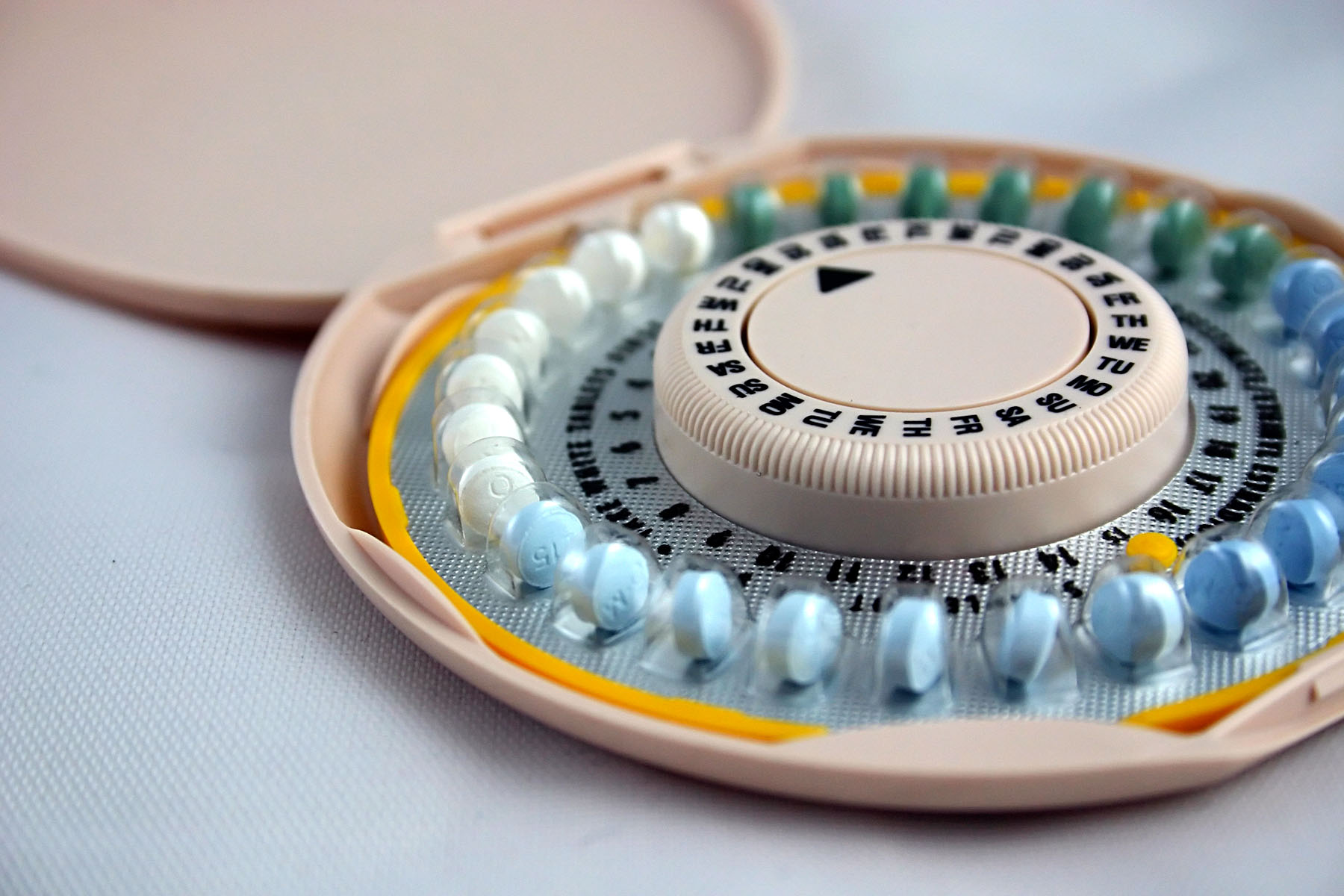
Oral contraceptives work by inhibiting ovulation, preventing sperm from entering the Fallopian tubes, deterring fertilized eggs from attaching to the uterine wall. And they are prescribed and used by young women to control acne problems, heavy menstrual flow, and premenstrual syndrome. 
Birth control pills contain hormones. These hormones change how your reproductive organs work in order to prevent pregnancy. Combination pills contain man-made versions of the female hormones estrogen and progesterone. These hormones prevent the release of an egg from the ovary, or ovulation. They also thicken your cervical mucus, which makes it hard for sperm to travel to your uterus and fertilize an egg.
healthline
 

Labels: , , , ,

Saturday, April 25, 2020

The Elderly Health-Vulnerable : Deprived of a Decade of Life by COVID-19

"We need to be honest with people and tell them regardless of what decisions are made that there are going to be people dying who sadly might not have otherwise died."
"We looked at how long people with those 11 different [serious chronic health conditions] conditions, and in different combinations of those conditions would be expected to live. Then we basically subtracted one from the other."
"So, from Wales, we could find out that an 80-year-old person who had high blood pressure and diabetes, but who didn't have kidney disease, might be expected to live seven years. That means an 80-year-old with COVID-9 who had that same set of conditions had lost seven years of life."
"Nobody is suggesting they [people under age 50 with COVID] only had a short time to live."
"[Most people] lost considerably more than the 'one-to-two' years suggested by some commentators."
"But as countries move to re-open] this is one-half of a balancing judgement that needs to be made. It's not an easy decision. Undoubtedly there are people who are having worse outcomes following things like heart attacks and strokes as a consequence of the fact they're frightened to go to hospital [for fear of contracting COVID]."
"We need to do a similar exercise for these indirect effects of COVID-19 in order to make sensible decisions."
Dr.David McAllister, University of Glasgow, Scotland
People Are Losing An Average of 13 Years Of Their Lives Due To The Coronavirus Pandemic
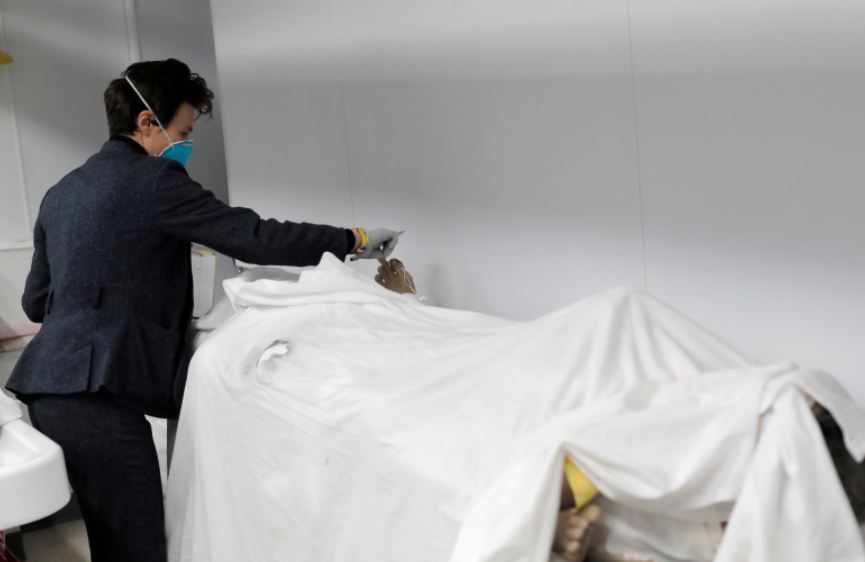
(Photo : Reuters Connect) The Wider Image: Dealing with the dead: the female undertakers of Harlem

Most onlookers, those in the fields of science or medicine, or among the general population, assume that the disproportionate deaths attributed to the dire effects of the novel coronavirus on the elderly do not deprive them of many years of their lives. It is assumed that they would, under normal circumstances, perhaps live another year or two before succumbing to the effects of their advanced age coupled with chronic health conditions they are burdened with.

Which motivated Dr.David McAllister, a consultant in public health medicine at Public Health Scotland and some of his colleagues to measure the estimated number of years of life actually lost as a result of the health-destructive effects of COVID-19. Their research led them to conclude through analysis, that on average men lose 13 years of their lives, and for women that loss is 11 years. Bearing in mind that COVID appears to devastate more men than women.

Death from COVID-19 results in over ten years of life lost per person, Scottish researchers say
Death from COVID-19 results in over ten years of life lost per person

While accounting for high blood pressure, diabetes and other common chronic conditions typical of elderly people dying of the pandemic virus, deprivation of more than a decade of life of those who died of the effects of COVID-19 resulted per person, analogous to the loss of years of life \ from heart disease. Globally there have been 192,125 confirmed deaths from the coronavirus, according to Johns Hopkins University, taking into account severe COVID-19 is the cause of acute respiratory failure.

The research paper was published in Wellcome Open Research. The researchers made use of published data from 6,801 deaths in Italy, studying what proportion of victims had one or more of 11 common chronic conditions; heart failure, stroke, hypertension, diabetes and chronic obstructive pulmonary disease among them. Use was also made of World Health Organization life tables and health-care data from Wales.

The focus was mostly on deaths in the 50-plus age demographic since so few deaths occurred in people younger, and additionally comments on scant years of life lost at advanced age and health condition fail to arise with the deaths of younger people. YLL (estimated years of life lost) turned out to be more than a decade of deaths in the elderly and health-impaired from COVID-19 deaths. Of confirmed cases worldwide, roughly one-third (38 percent) are identified in people aged 60 and older.

Medical staff applaud as a woman greets her mother (C), who was healed from the coronavirus (COVID-19) after having spend more than a month in a coma, upon her discharge from the hospital in the city of Ariana near the capital Tunis on April 24, 2020. FETHI BELAID/AFP via Getty Images

Labels: , , ,

 
()() Follow @rheytah Tweet