Ruminations

Blog dedicated primarily to randomly selected news items; comments reflecting personal perceptions

Saturday, December 04, 2021

The Precious Reality of Woke Socialism: DIE

"We acknowledge that we are all living off the taken ancestral lands of Indigenous peoples for thousands of years. We acknowledge the extraction of brilliance, energy and life for labor forced upon people of African descent for more than 400 years. We celebrate the resilience and strength that all Indigenous people and descendants of Africa have shown in this country and worldwide."                        "We carry our ancestors in us, and we are continually called to be better as we lead this work…. We envision a nation in which…all physicians are equipped with the consciousness, tools and resources to confront inequities and dismantle white supremacy, racism, and other forms of exclusion…."                                       American Medical Association
"[The AMA’s proposed strategic plan] is rooted not in science and the medical ethics of the Hippocratic Oath but in a host of Marxist ideologies that devalue the lives of our most vulnerable patients and seek to undermine the nuclear family which is the single most critical institution to child well-being."
Dr. Michelle Cretella, executive director, American College of Pediatricians

A group of doctors and medical professionals listening to a presentation.
Gender equity in medicine ... AAMC

It's simply yet another manifestation of the mammoth sway in society of its latest zeitgeist, an 'awakening' of conscience so burdened with guilt that the sins of the fathers have been visited upon their sons, their daughters, their grandsons, their granddaughters, their great-grandsons and great-granddaughters burdening all of society with collective guilt and responsibility for what humanity has embarked upon since time immemorial; taking advantage of others to advance one's own well-being.
 
The social-cultural miasma of collective guilt handed down through the generations, finding all those who have moved forward in life at the ostensible and frequently real manipulation and oppression of others who themselves have learned to bask in their victimhood, found guilty as charged. If anyone is an art lover, in Canada the National Art Gallery housing priceless art collections to be admired and enjoyed, now is meant to be viewed through the lens of a JEDI&A lens (Justice, Equity, Diversity, Inclusion and Accountability). Do not, under any circumstances, view art henceforth for its own authentic qualities in the search for aesthetic beauty and originality.
 
Female doctor typing using a laptop keyboard.
AAMC

According to the American Medical Association, doctors must now inform their patients with a preamble, elocuting in the instance of patients of Native American background, that they were historically "dispossessed by the government of their land and culture". As for people living in straitened economic circumstances presenting with illnesses, they too are to be addressed with the explicating admission that "people underpaid and forced into poverty as a result of banking policies, real estate developers gentrifying neighbourhoods, and corporations weakening the power of labour movements among others, have the highest level of coronary artery disease".
 
In the time-consuming process of earnestly convincing patients that the medical profession is on their side in indignant fury over the rough ride that life has given them thanks to the powerful selfishness of the entitled class and the colour-white tyrants, doctors might very well lose track of their obligation within the medical profession of addressing the patient's symptoms to find a medical diagnosis, in their brain-straining efforts at placing themselves at the service of diversity, inclusion and equity (DIE). In the process helping their patients to do just that.
 
D&I report
University campuses give full throttle to 'woke' culture. Academia has embraced its politics, encouraging students and staff alike to take up the cause of underdogs everywhere, castigate the self-perceived vision of innocence, replacing it with communal guilt and cast those entities named as guilty-as-imagined to be beyond the pale, to be exorcised from polite society. The formidable icons of Western heroism, the principals behind the most meaningful measures of civilization's advance are now to be viewed as reprehensible white saviors who sacrificed the lives and cultures and heritage of indigenous peoples for white gain. 

Their crimes against society may be centuries old, but the current white-privileged are their spawn and as guilty of oppression and discrimination as their forbears, irrespective of their remedial actions and conscientious acts of present-day consciousness. The woke politicization of science, academia and government has soared in an evolutionary cultural volcanic eruption of caustic blame melting the rock-solid core of democratic civilization as we were fond of knowing it. 

In Canada, research scientists working on cutting-edge technological advances will be turned down for government funding research grants should their completed funding applications under assessment reek of insufficient dedication to equity, diversity and inclusion considerations. Consideration of criteria such as qualifications and skills and work ethic and experience are now irrelevant when faced off against minority rights and entitlements to equality treatment in all spheres of influence; qualifications recognized as secondary skills, shields behind which exclusion appallingly skulks.

In Canada recently, a Lakehead University professor was granted $1.2 million for her research studying the efficacy of Indigenous healing in the prevention of cancer. She proposed that the medical, scientific community should focus on matters from a different perspective altogether: "Think of cancer as a symptom of colonialism". Upon which a governing party Member of Parliament -- who before re-assignment to the Indigenous Services ministry was the Minister of Health -- congratulated the Lakehead professor and wrote: "I look forward to hearing and learning from  your work and findings".
 Diversity (1)
 

Labels: , , , , , , , , , , ,

Thursday, February 25, 2021

Experimentation on Live Animals vs Animal Computer Modelling

"There have been very serious welfare concerns raised about the living conditions of these monkeys in Cambodia and nearby countries, as well as concerns about misleading information being provided from sellers over there. And I think for Canada to be complicit in that is potentially quite concerning."
"Cambodia, Laos and Vietnam are pretty notorious for monkey breeding and taking monkeys from the wild, putting them in facilities and breeding."
"My biggest concern about animal research in Canada, and specifically this situation, is that it's completely non-transparent, and not overseen by public authorities."
"What people deserve is the ability to know about the experiments that are being done, and judge for themselves if they think that that's acceptable or not. But with this system that is as opaque as it is right now, the average member of the public mostly has no idea about any animal tests that are going on in Canada."
Camille Labchuk, executive director, Animal Justice

"This is a serious concern in terms of maintaining a healthy wildlife population in Cambodia for macaques."
"This has great implications in terms of the population numbers and the health of the population and the countries that they're getting them from."
"These animals might have been imported to be used in the COVID-19 vaccine development or there might be another company who [sic] is doing drug trials and requires primates as part of those trials."
Liz White, head, Animal Alliance of Canada
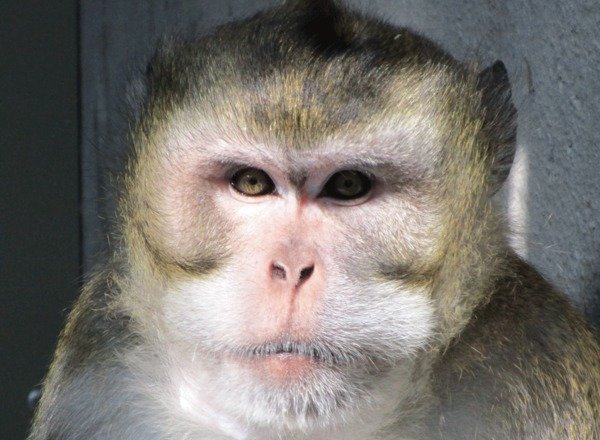
Macaque monkeys used for research, at a breeding centre in Thailand.
According to a 2008 investigation by the British Union for the Abolition of Vivisection, up to 80 percent of macaques trapped in the Cambodian wild die due to trauma or poor treatment, even before they reach a laboratory. In the United States, CBS issued a report in 2010 noting that 30 monkeys had been cooked alive in a Nevada research laboratory, having been erroneously placed through an automatic cage washer.

The government of Canada in 2020 approved importation of 1,056 macaque monkeys of a type called macaca fasicularis. They were imported from Cambodia for "scientific and research" use by private interests. According to documents associated with the recently released story, this is the first time such imports have been permitted after being allowed since 2016. 

It was also revealed that part of the total and possibly all of them were brought to Quebec for use by Charles River Laboratories, a major American importer of non-human primates to be used for breeding and scientific experimentation. The company has a number of laboratories across the province. Canada's government approved the import of about 2,500 non-human primates yearly from the United States, to be used for research testing within the past five years.

It was only in 2020 that an additional number of primates were imported from Cambodia. Animal protection organizations have frequently alleged mistreatment of the animals within Cambodia. The sudden increase in the number of macaque imports to Canada signal to both White and Labchuk that the animals are being used to test potential COVID-19 vaccines and treatments in Canada, based on multiple media reports and documents emanating from pharmaceutical companies indicating vaccines were tested on macaques.

Members of the public who quail at the very thought of subjecting helpless animals to experimentation in laboratories dedicated to the discovery of new medical protocols and therapies have often salved their feelings in the belief that animal computer modelling is advancing to the point where there will be a complete elimination of the use of living, feeling animals for research purposes. A practise that causes immediate revulsion in any animal-empathetic mind.
 
Frederick Banting and Charles Best Isolate Human Insulin
The theory is that science has come a long way since Banting and Best at their utilitarian laboratory at University of Toronto used dogs in their search for a cure for diabetes.

Insulin turned out not to be a cure, but a lifeline for people with diabetes to be able to treat their condition where their pancreas' islets of Langerhans no longer produces insulin, through injecting insulin to enable the body's uptake of sugars, moving it to body tissues for the blood glucose to be converted to energy. Simply put, without injectable insulin, people with Type 1 diabetes would die a painful death; before the advent of the Banting and Best discovery, the diagnosis of insulin-dependent-diabetes was a death sentence. 
 
Similarly, the vaccines produced for the SARS-CoV-2 virus that causes COVID-19 is not a cure, but a therapy, and COVID, like diabetes is managed, not cured. The entirely separate issue of animal cruelty with respect to the handling of these living, feeling monkeys and other research-bound animals that science uses in research and experiments is one that is concerning and requires attention. Countries like Cambodia should be made aware that ill-treatment of animals will lose their custom.
"The importation of macaques occur on a regular basis and is not an unusual event."
"Due to reasons of privacy and confidentiality, the Canadian Food Inspection Agency is not authorized to share personal or confidential information with third parties about importers."
Canadian Food Inspection Agency
 
"Charles River Laboratories is deeply committed to animal welfare and exceeding international standards for the care of research models under our stewardship."
Sam Jorgensen, spokesperson, Charles River Laboratories 
"The advancement of computer technology in the information revolution has been so amazing that we have become convinced that there is nothing an advanced computer can’t do. That is why it is so easy for animal rights organizations to convince the public that we can eliminate animal research and replace it with computer models. Even organizations that supposedly defend animal research have helped this misconception by promoting the idea that eventually it will be Replaced (one of the three Rs) by computer models, in vitro research or clinical trials. That is simply not true. As I have shown here, as scientific productivity increases, so does the use of animals. It has not decreased, we are just using fewer animals of some species (dogs, cats, rabbits, primates) by using more animals of other species, like mice and zebrafish. And, as Figure 4 shows, research using computer models is relatively small and is not growing fast enough to ever catch up with animal research."
"In conclusion, computer models are not replacing and likely will never replace animal research. Computers can do amazing things, but they cannot guess information that they do not have. There are limits to what is possible, and this is one of them."
Juan Carlos Marvizon, Ph.D., David Geffen School of Medicine at UCLA, VA Greater Los Angeles ... Speaking of Research, January 7, 2020


"Monkeys are used in animal research only if a particular phenomenon cannot be studied on any other species of animal, such as mice, fish or fruit flies. In the course of evolution, similar structures and functional principles have developed in the brains of monkeys and humans. Such structures and principles are not present in other mammal groups. Neuroscientists can therefore only research complex cognitive functions relating to perception, attention, memory formation and awareness on monkeys."
Why do researcher investigate primates?

"Because they are biologically so similar to humans, the potential for applying research results to humans is very high. They are therefore used primarily for the final drug safety tests on new medicines before they are used on humans. Moreover, scientists use monkeys to study important fundamental questions on how a healthy organism functions or how to cure fatal illnesses (e.g. Ebola) or severely debilitating disorders (e.g. Alzheimer’s). Monkeys therefore play an important role as laboratory animals in infection research and in the neurosciences."
Max-Planck-Gesellschaft

Labels: , , , , , ,

Tuesday, October 06, 2020

Saving Lives, Sharing a Nobel Prize

"I think it would be really too presumptuous of me to turn down a Nobel. Great medicine is often a group of people and I think, going forward, we need to somehow acknowledge that, incorporate that into our policies."
"It's great to get prizes, but, you know, at the same time there's always a difficulty in who should get the prize, how many. The reality is most big inventions ... involve many people." 
"I just feel that this is yet another example -- and this is not the first time -- of where a major discovery is done by a number of people, but when it comes to recognizing that discovery, they're exclusive rather than inclusive."
"These viruses are really a permanent threat. We need antivirals and we need vaccines."
"Really, COVID has taught us that we have to be better prepared in the future."
Michael Houghton, 69, director, Li KaShing Applied Virology Institute, University of Alberta
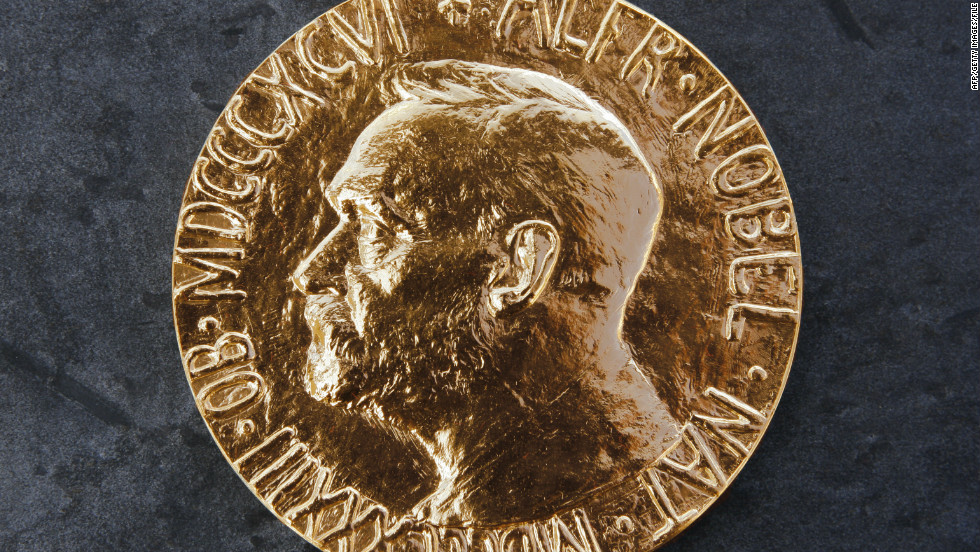
What you should know about the Nobel Prize
Nobel Prize


"[The researchers Harvey Alter, Michael Houghton and Charles Rice] made seminal discoveries that led to the identification of a novel virus, hepatitis C virus."
"Their discovery also allowed the rapid development of antiviral drugs directed at hepatitis C."
"For the first time in history, the disease can now be cured, raising hopes of eradicating hepatitis C virus from the world population."
Nobel Committee
A simple case of fairness and justice; to acknowledge the work that all members of a team contributed in to arrive at a solution, an identifying solution to a destructive virus. In 2013, when Dr.Houghton was nominated for a Canadian recognition of excellence in science to receive the Gairdner Award alongside two researchers at the U.S.Centers for Disease Control and Prevention for their collaborative work in identifying the hepatitis C virus, Dr.Houghton turned down the award on the basis that two of his key collaborators were not included.

Now, the 2020 Nobel Committee has repeated the Gairdner International Award committee's omission of the two scientists who had worked alongside Dr.Houghton at Chiron Corporation, a U.S. biotechnology company; George Kuo and Qui-Lim Choo. This time, however, when Dr.Houghton was nominated along with Harvey J. Alter and Charles M. Rice, both of whom contributed to the hepatitis C research, Dr.Houghton's response was different; he found it possible to accept the prize.

This situation is anything but unique. The only other Canadian researcher to receive the Nobel Prize for Medicine, was Dr.Frederick Banting, who shared the nomination for the discovery of insulin with his laboratory supervisor at University of Toronto, Dr. J.R. Macleod, in 1923. Dr.Banting was upset that his laboratory colleagues, Charles Best, and James Collip were not equally recognized. But he too along with Dr.Macleod accepted the nomination and the prize that came with it. But they also split the financial award; Banting with Best, and Macleod with Collip.
 
Image

In 2009, Dr.Houghton wrote an explanation of the joint hepatitis C discovery in an article: "As is evident in the text, I acknowledge the key roles played by George Kuo,Qui-Lim Choo and Dan Bradley in the discovery of he HCV genome. Many other colleagues made important contributions." It was in 1989 that Dr.Houghton and his colleagues identified the virus. and now, finally a hepatitis C vaccine is scheduled for clinical trials to commence in 2021.

According to the Nobel Committee and the obvious reason why this group of distinguished medical scientists are being acknowledged with the most prestigious of international awards -- reflecting the importance to humanity in its ongoing battle against deadly viruses that strike vulnerable humans whose immune systems are challenged by the invasion of replicating viruses looking for homes in human bodies -- is that their discovery has saved millions of lives.

Their research resulted in explicating a source of blood-borne hepatitis that remained a mystery and lacked explanation through researching hepatitis A and B viruses whose origins had already been researched. According to Dr.Houghton, hepatitis C is responsible for killing some 400,000 people worldwide, on an annual basis.

The 2020 Nobel Prize in Medicine was awarded at Sweden's Karolinska Institutet on Monday.

Labels: , , , ,

Sunday, August 09, 2020

Treating/Curing Obesity

"We're definitely hoping physicians and people work on their own biases."          "Our fixation on diet has been failing us for fifty years. Going on a diet guarantees you're going to lose a little bit of weight but you'll gain a significant amount back." "People with obesity are also less likely to receive treatments for other health issues, as physicians are less motivated to treat them."                                       "For physicians, patients and policy-makers, we want them to see this as a disease that deserves treatment. And it deserves empathy and compassion."            Dr.Sean Wharton, Internal Medicine Specialist, Wharton Medical Clinic, Hamilton, Ontario

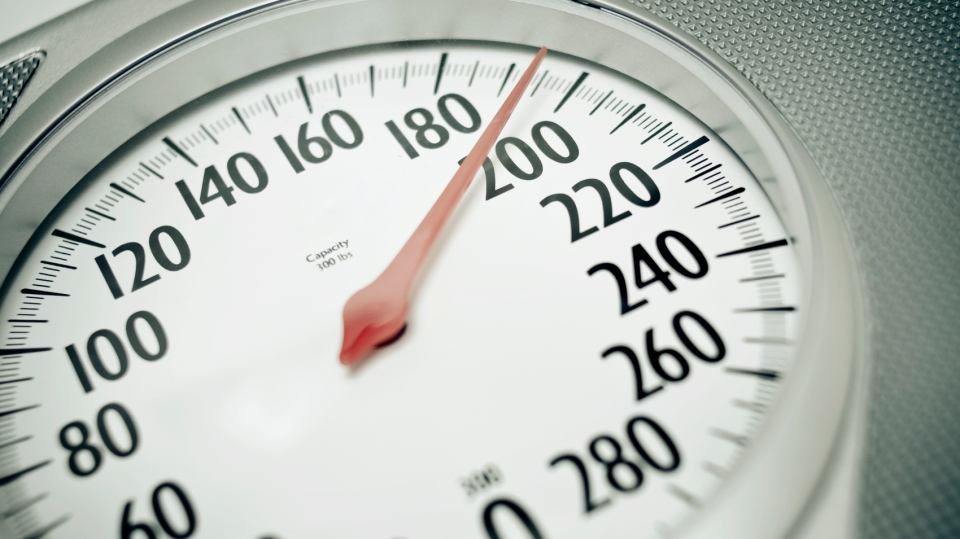
Obesity guidelines move away from focus on weight loss

Over 60 Canadian health professionals, researchers and individuals living with obesity worked together to help develop -- in tandem with Obesity Canada and the Canadian Association of Bariatric Physicians and Surgeons -- the Canadian Adult Obesity Clinical Practice Guidelines. Dr.Wharton is one of the authors of the new clinical guidelines. It took two years to produce the guidelines to treat obesity in Canada, representing the first major update to obesity treatment since 2007.

The new recommendations for treatment of obesity in Canada where its authors assessed over 50,000 published peer-reviewed articles on obesity to arrive at their considered conclusions, has been published in the Canadian Medical Association Journal. According to the new guidelines, medical professionals are instructed that obesity be viewed and treated as a chronic illness. And as such recommending diet and exercise as a solution will no longer suffice. 

An integral part of treatment is to realize that the stigma surrounding obesity must be ended.

 Genetics, trauma and mental-health issues. (designer491/Shutterstock)

Henceforth, obesity requires viewing as a neurobiological issue, one driven by hormones influencing people's eating habits and behaviours, requiring  patients to be invested in understanding and managing their bodily reactions to the hormones. Medications like glucagon-similar peptide 1 agonists have the potential to increase levels of hormones making people exp0erience a full feeling after meals; similarly antidepressant/anti-addictive medications can be prescribed to manage cravings and hunger pangs.

Bariatric surgery can be contemplated, having the effect of reducing stomach size, an approach which also affects hormones and gut bacteria involved in affecting hunger. People suffering from obesity can be taught through cognitive behavioural therapy to readjust the way in which they view food. The attending physician is the guide, leading the patient to a fuller understanding of the condition afflicting them, who then becomes an invested partner in treatment, through acquiring knowledge.

Obesity
 A new guideline to treat obesity recommends a shift  (Tsuji/Istock.com)

Dr.Wharton feels the language aura around obesity and treatment should undergo a change as well, transitioning from the old familiar word 'diet' to "medical nutrition therapy", an effort to aid in changing eating patterns. The understanding is that one's eating habits which have undergone a voluntary change are based on the understanding that a medical condition underlies the new changed eating pattern. And along with that patient cooperation in the therapeutic mode of eating, obsessions with calories should be abandoned.

"Lower calories", Dr.Wharton observes, "will come", as a natural corollary to committing to sensible nutritional choices. The new guidelines fit seamlessly into the pandemic situation, with obesity being viewed as a major risk factor for developing diabetes and contracting COVID-19. According to research, adipose tissue of people living with obesity can lead to inflammation, complicating these conditions which can ultimately result in more severe symptoms.

Link Found Between Density Of Fast-Food Restaurants And Heavier People

Labels: , , , , , , ,

Thursday, January 30, 2020

Getting Past the Patent-Profit-Problem in Favour of Repurposing Drugs for Effective anti-Cancer Therapies

"We found that a surprising number of non-oncology drugs are able to kill cancer cell lines in the lab."
"We tested 4,518 compounds in this experiment in total."
"We found 49 non-oncology drugs that were able to selectively kill cancer cell lines -- killing some but not other cancers, which is an ideal property."
Dr.Steven Corsello, Dana-Farber Cancer Institute, Broad Institute of MIT, Harvard University

"[The newly-published paper] highlights the struggle to balance transparency and sharing of discoveries, with heavily patent-dependent commercialization requirements for therapies to make it to market."
Dr.Bruce Bloom, Healx, Cambridge, U.K.
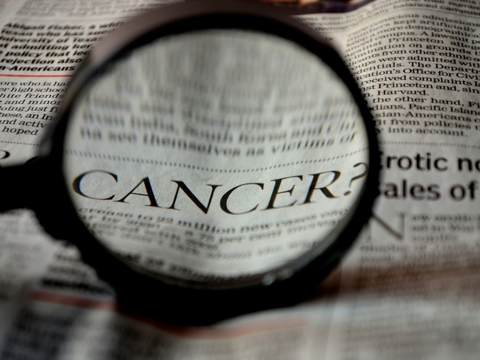
Cancer in newspaper clipping
Scientists at the Broad Institute and the Dana-Farber Cancer Institute identified 49 existing drugs that hold anti-cancer potential and uncovered novel targets that could direct the development of new oncology drugs. (Pixabay)

American researchers have published a paper in Nature Cancer representing research work seen to be the largest to use the Broad Institute's Drug Repurposing Hub of which Dr.Corsello is the director and who led the research. Comprising a collection of over 6,000 sample drugs and compounds either approved by the U.S. Food and Drug Administration or they have been through early-stage clinical trials to prove they are safe for use in people.

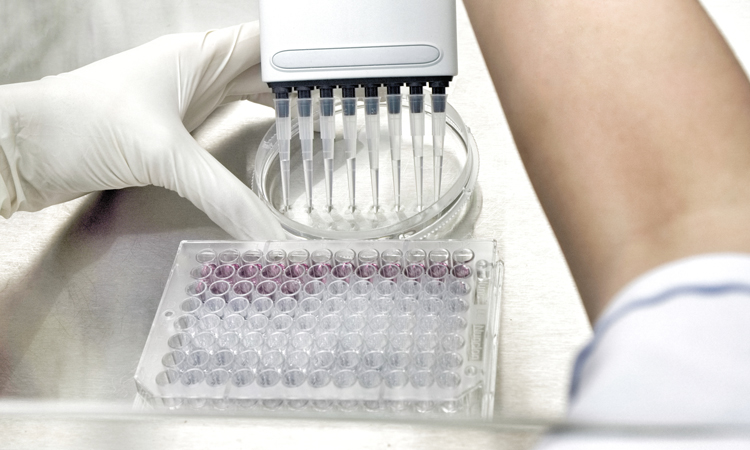
In the testing carried out by the researchers to determine whether there are cancer-fighting properties in the drugs, close to 50 drugs meant to treat conditions other than cancer, out of a total of 4,500 non-cancer drugs were found to have some cancer-killing capabilities. The drugs were tested by the researchers on over 550 different cancer cell lines. This type of testing was previously done at a time when researchers grew cell lines one at a time to test each drug individually.

Thanks to new research and technical advances in the use of DNA bar codes -- introducing unique snippets of DNA with a virus to label the cell lines -- used, a technique that enabled the researchers to pool the cell lines with the effect of cutting short the time required to screen, the process was vastly expedited. Four of the drugs were selected for the purpose of more testing, in an effort to fully understand just how they are able to attack and destroy cancer cells.


Of the drugs, one included a diabetes treatment drug, another for inflammation, and a treatment for alcohol abuse, and finally, one for treating canine arthritic pain. The drugs proved to attack cancer in various ways; with the drug tepoxalin developed for use in people but later approved for treating osteoarthritis in dogs attacking a target called MDR1 expressed on the surface of cells that protects them from the effects of chemotherapy.

High levels of this protein often show up in cancer patients who develop resistance to chemotherapy. Chromosome 16, which commonly occurs in some breast cancers showed activity in cancers lacking a portion of chromosome 16 when exposed to Antabuse, a drug approved for the treatment of alcohol dependence. A compound originally developed for the treatment of diabetes, vanadium -- and levonorgestrel, a  hormone used in contraceptives also showed anti-cancer properties.

Animal studies on some of the drugs to determine which have the best chances of success in a clinical trial are being planned by Dr.Corsello's research team. An even greater number of drugs are bent for future testing for possible anti-cancer properties. In limited instances where the drug appears sufficiently promising, the treatment could be brought speedily into clinical trials on cancer patients, suggests Dr.Corsello, but he believes it likelier that identification of new and unexpected molecular targets leading to cancer treatments will be revealed.

Dr.Bloom, representing Cambridge, U.K.-based Healx, a company using artificial intelligence to discover drugs for rare diseases, agrees that new drug targets and the mechanisms of action identified by the researchers in their paper published in Nature Cancer, could be valuable, both for new treatment approaches and for repurposing older drugs.

There is a reminder in all of this of the patent-protection and profit side of researching and producing new drugs, according to Dr.Bloom, that while the data support non-oncology drugs to be repurposed to oncology and even more discoveries could result, the disclosure of specific drug names and targets might complicate pharmaceutical companies in protecting future repurposed and new treatment discoveries.

Illustration of a tumour cell being obliterated by drug therapy. Researchers found diabetes medicine is a cancer killer. Photo: Getty

Labels: , , , , ,

Tuesday, January 28, 2020

The Disease of Old Age : Defying Death

"One hundred will be the new 60."
"The average human health span will increase by ten-plus years this decade."
"The age of one hundred is easily in sight now. And kids born today can expect to live to 105."
Peter Diamandis, space, technology, aeronautics and medicine pioneer

"Aging is a disease, and that disease is treatable."
"You should feel hungry regularly [to slow down the aging process or avert damage]."
David Sinclair, professor of genetics, Harvard Medical School
istock

The Abundane360 conference held in Los Angeles last week revealed quite a few very interesting aspirational research programs along with plans to proceed at a fast pace to introduce a new kind of medicine in the treatment of humans suffering from the malady of aging. Mr. Diamandis outlined some fascinating facets about the new direction of medical treatments, in line with his belief, shared by others in Silicon Valley that aging is a "disease"; the result of "planned obsolescence".

If so, that planning can be attributed to our maker. God, science, nature, whatever you choose to believe in. And the novel sciences of human intervention are set to second-guess biology. The damage to certain critical bodily mechanisms, sensors and functions within the human body as they wear down and bring us ever closer to death, can all be ameliorated, and will, according to his prognosis of future health treatments.

This describes longevity research whose purpose is to identify core issues, then reverse or mitigate them. With the inestimable assistance of artificial intelligence, machine learning and computational heft breakthroughs and clinical trials are literally just 'around the corner' in terms of several years before they can be lunched on human subjects.

The research issues include stem cell supply restoration, regenerative medicine to regrow damaged cartilage, ligaments, tendons, bone, spinal cords and neural nerves, along with vaccine research against chronic diseases like Alzheimer's; and lastly United therapeutics, developing technology to solve organ shortage for humans through genetically engineering organs to be grown in pigs.

Courtesy of Thomas Leuthard

Ambitious? Yes! Feasible? Time will tell. The development of new, tailor-made medicines is being accelerated with the aid of new tools at a fraction of costs seen today. The conference was informed by Alex Zhavoronkov of Insilico Medicine that drugs that today take ten years at a cost of $3 billion to research, see a failure rate of 90 percent. His company, however, is able to test in 46 days with the use of human tissue, then model, design and produce with the aid of advanced computing, in mere weeks.

Diamandis asked his audience whether there was anyone awaiting a knee replacement operation among them. They could be wise to hold off on that operation until perhaps 2021, he suggested, when regenerative medicine innovator Samumed LLC of San Diego is prepared to complete phase three clinical trials of cartilage regeneration.

The company, according to its founder Osman Kibar, has been successful in injecting a protein to activate nearby stem cells to produce new cartilage in a knee or a new disc in a spine. Preliminary success to regenerating muscle and neural cells, retinal cells, skin and hair has also been completed. These near-miraculous manipulations of nature's creaking elderliness (senescence) in human bodies has seen the private company raise $15.5 billion for continued research and product development.

There is another emerging discipline called "epigenetic reprogramming"; identifying how reversal of deficiencies in proteins, stem cells, chromosomes, genes to repair DNA and damaged cells. David Sinclair, professor genetics at Harvard Medical School is a leader in this field. His book, Lifespan: Why We Age -- and Why We Don't Have To, offers advice, while it explains the science.

According to Dr. Sinclair, lifestyle habits can slow the aging process. Humans need to exercise and to sleep -- and to eat judiciously and less frequently.

Stressing our bodies with temperature changes by going from a hot sauna to rolling in snow invigorates the body's processes and cells, he explains. Eating plants that have been environmentally stressed, called "xenohormesis"; gaining benefits from consuming stressed plants that contain more beneficial nutrients such as wild strawberries enhanced with added antioxidant capacity and phenol content....

“Aging is a disease, and that disease is treatable,” says David Sinclair, professor of genetics at the Harvard Medical School.Getty Images/iStockphoto

Labels: , , , , ,

Thursday, January 09, 2020

Private Fund-Raising Appeals to the Public

"To win donors' sympathy, campaign recipients were painted as morally worthy of donation."
"This, of course, problematically presumes that some individuals are more worthy of medical care than others, violating norms of treating medical care as an entitlement and human right."
"It is ethically problematic to shift to a system of distribution that awards individuals according to perceived moral worthiness or socioeconomic advantage."
Research paper, PLOS One Journal, Hospital for Sick Children, Toronto
Hundreds of Canadians have launched crowd-funding campaigns in recent years to support their organ transplants, asking for help financing drugs, transportation and lost income — and raising thorny ethical questions, a new study indicates. Getty Images
Scores of people in Canada facing expenses related to surgeries that are not covered by the universal health care system, have taken to raising funds from an empathetic public, using platforms such as GoFundMe and other crowd-funding sites, stating the donated total they aim for and explaining their situation as this woman facing kidney surgery, and the expense related to temporarily moving to a city where the surgery was to take place, along with loss of income this way: $10,000, to "relieve this stressful financial situation for my husband and myself".

These masses of Canadian-sourced crowd-funding campaigns launch in support of recipients of organ transplants asking for financing assistance for drugs, transportation and lost income. The study undertaken by researchers at Toronto's Hospital for Sick Children examined the ethical questions behind this fairly new phenomenon. Over 400 kidney and liver campaigns were placed on GoFundMe alone, emphasizing the financial burden imposed on transplant patients, not covered by medicare.

The researchers concluded through the medium of their study that the system of informal donation requests on the web to cover extra costs result in unequal responses, seemingly unrelated to medical need. The study discovered that those requiring a new liver tended to amass a greater response to their request for donations than those awaiting kidney transplants, and tellingly and unsurprisingly, requests for aid in children's surgeries had a more robust response than those for adults.

At the same time, patients who seek to crowd-fund must sacrifice their privacy in the need to confidingly reveal personal medical and financial information to the public, to give greater emphasis to their need. An ever-increasing trend in these on-line campaigns launched for the most part by family and friends of transplant patients, prompted the study, according to Samantha Anthony, a scientist and social worker at Sick Kids' Hospital.

The purpose of the research was to elicit answers to questions and not, noted Dr.Anthony who led the research, to pass judgement, but with a view to highlighting specific issues. As to the larger picture of who should fund these extra costs imposed by circumstances on transplant patients, that would be "up to society to decide how to distribute scarce resources".

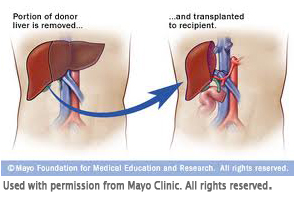
A diagram showing that a portion of one liver is

In their pursuit for data on kidney and liver transplant patients whose use of GoFundMe had enabled them to raise funds from the public, 258 kidney cases and 171 liver patients were revealed. Liver patients received more and larger donations on average, and more Facebook shares in comparison to patients awaiting a new kidney. The study discovered of the campaigns that all dwelled on the personal ordeal suffered with such severe illnesses.

Most campaigns requested aid in raising funds to cover costs of attending a  hospital distant from where patients lived, for lost income and medication that medicare or private insurance failed to reimburse for. A rough third of campaigners spoke of the recipient they championed as an "amazing person", "lovable", or "kind". An interesting facet of the entire phenomenon is that very few of the crowdfunding requests were critical of the health-care system for patients facing financial risk.

"I have been able to recover completely with a great amount of help from each of you", wrote a Victoria woman as she closed her GoFundMe page, in gratitude to her donors. She had been suffering from end-stage liver disease, when she was deemed a candidate for transplantation, and then she and her spouse faced paying for a three-month stay close to the hospital, located in central Vancouver, one of the most expensive places in Canada.

Labels: , , , ,

Monday, December 23, 2019

The Living Death

"The problem up until now has been that we develop these techniques, we put them out there, we tell people how to do them and the only patients that benefit are the people who make it into other research institutions. It hasn't been incorporated into guidelines for how one treats these patients. And that has now changed."
"[If we can improve prognosis in that group ... brain injuries in the first  hours after trauma ,,, if we can better understand who might make some recovery] we can perhaps save some of those lives."
"Maybe a different decision is right for some of those patients [rehabilitation rather than pulling life support]."
"What is most tantalizing about this prospect is that it would allow a seriously brain-injured patient to express their current wishes, which may well have changed radically in the interval before they expressed any premorbid opinion."
"Ultimately, the morally challenging question of whether theirs is a life that is 'worth living' is one that could be answered by the patient using fMRI."
Dr.Adrian Owen, neuroscientist, researcher, University of Western Ontario, London, Ontario
MACLEANS-BRAIN-09.27.13-LONDON, ON: Neuroscientist Dr. Adrian Owen at the Robart Institute, University of Western Ontario. Owen has been demonstrating that functional neuroimaging could be used to detect awareness in a patient who was thought to be incapable of generating response appearing to be in a vegetative state.
Neuroscientist Dr. Adrian Owen at the Robart Institute, University of Western Ontario.

"How reliable is the signal [brain-computer interfaces]? How do we make sure that it's the intent of the person, that it hasn't been hacked and that it is reproducible?"
"It's not good to over-medicate someone but it's much worse to under-medicate."
"[And what good is derived that a loved one seems to have a level of conscious processing, with a scarcity of helping tools?] I think that's where I get stuck."
"The technology has advanced to the point that we must attend to the fact that individuals who we thought were in a persistent vegetative state may not be and, in some cases, certainly are not. And those numbers are bigger than we ever thought."
Dr.Judy Illes, Canada Research Chair, neuroethics, University of British Columbia
Emerging research and statistics now inform the medical community that some twenty percent of people diagnosed as being in a vegetative state, considered to be mentally unconscious, unable to exhibit "willful behaviour", disconnected from cerebral life, in fact really are aware and conscious of what goes on around them, but without the capability to transmit that information, to inform doctors, nurses, medical staff, family members that within that comatose frame remains a brain that is still operational, trapped in a body which it can no longer activate.

British-born researcher Dr. Adrian Owen has been experimenting for years with the use of brain scans with the intention of reaching within the minds of people whom medical science has long considered to be in a mental state of complete nothing, a vacuum in an otherwise-healthy body, de-linked from an inoperative brain. Dr. Owen's objective was to be able to find some way of discovering whether the brain remains quiescently active, and whether some mode of communication could be achieved with someone incapable of speaking or moving.

One of Dr. Owen's patients was a young man who had suffered a catastrophic beating that injured his brain, sending him into the netherworld of disconnected consciousness, 16 years ago, at age 18. The young man from Saskatchewan had a father who refused to believe there was no hope for his son. Which led Paul Tremblay to arrange for Dr. Owen to examine his son Jeffrey whom he flew to London with. The functional magnetic resonance imaging scanner showed Dr. Owen that Jeffrey's brain exhibited electrical activity in the frontal and parietal regions, just as any normal person would.
Paul and Jeffrey Tremblay   Photo courtesy Tremblay family
Dr.Owen and his research team wrote up their study and had it published in the journal PNAS, noting that his patient had indicated no "higher-order" signs  of awareness. Yet he was exhibiting executive processing, engaging in "complex thoughts about real-world events unfolding over time", as the experiment with the fMRI indicated. That was six years ago. Since then the scientist at Western University has used fMRI to re-diagnose people once held to be "vegetative", and to communicate with them through elemental responses to questions such as "are you in pain?", through decoding brain activity.

Now, years later there are bedside EEG machines with small discs placed on the scalp to measure brain activity, moving closer to routine use with catastrophic brain injuries. A recommendation was issued in new guidelines from the American Academy of Neurology that where there is any ambiguity of "inconclusive" findings, brain imaging should be used to hunt for emerging signs of consciousness in the brain-injured, left without recourse to speech or action; a "milestone" development in the history of brain science, wrote Dr.Owen and colleagues in a paper titled "Alive Inside", published in the journal Bioethics.

Dr. Owen feels the optimum time for tests is in the first hours after a traumatic brain injury, with a view to predict which patients might recover from a vegetative state, and which might represent a candidate for rehabilitation, and that these tests be widely adopted. This, in the face of the reality that most decisions whether to remove life support happen to take place within the first 72 hours following injury. Other neurologists are now testing deep brain stimulation in hopes of being able to "Re-awaken" or incite awareness in those in minimally conscious states, including years after their injury.

At the present time what has become standard in checking for "residual" or preserved awareness or cognitive function in brains that a stroke, cardiac arrest or blow to the cranium is the use of bedside scales using response and command-following tasks, such as look this way, squeeze my hand, move a foot, follow the ball with your eyes. What complicates the issue is that people who have been diagnosed in a vegetative state or the larger group falling in the minimally conscious bracket, are unable to marshal physical reactions to blink an eye or move a foot on command; their central nervous system has suffered a disconnect preventing them from any movement whatever even though their mental processes could be intact.

In a later experiment, Dr.Owen and a colleague from the University of Liege, slide a man from Sarnia, Ontario who had been in vegetative state for 12 years, into an fMRI scanner and asked if he was in pain. The patient while in the scanner was told to imagine walking around his house if the answer was "yes" or playing tennis if the answer was "no". "Do any parts of  your body hurt right now?", Owen asked. No, came the answer. Juan Torres, a patient from Toronto, six years after a catastrophic brain injury at age 19, re-enrolled at university. "He's intellectually right back to where he was before", noted Dr. Owen of the exceptional recovery.
"Twenty years ago, people would say to me, 'isn't there some sort of surgery you could do to fix these patients? Well, maybe, but we didn't know where to start. You need the basic imaging and you need to understand what's causing the problem before you can solve the problem of how to fix people."
"And I think we're getting there. We're just at the tipping point right now." Dr.Adrian Owen
"We've got patients who we know are on the edge of being able to establish communication, but we don't really know what to do for them yet."
"Just because we identify consciousness and awareness, it's not enough. It's terrible to know we can make these measurements, identify awareness and not be doing what needs to be done, which is to build a medical infrastructure to support these people."
Dr.Nicholas Schiff, neuroscientist, Weill Cornell Medicine, New York
In 2007, Dr. Schiff was the lead author of a study published in Nature describing a 38-year-old man who had been over five years in a minimally conscious state. Now that man is able to communicate with his family. He was the recipient of electric current pulses to his brain, a therapy called deep-brain stimulation (DBS). Through stimulating the central thalamus whose job it is to relay motor and sensory signals to the cerebral cortex, that part of the brain involved in consciousness, Dr.Schiff's team helped this patient to name objects, to produce hand gestures, and to eat without the use of a feeding tube.  Even years after the occurrence of a catastrophic brain injury DBS "can promote significant late functional recovery from severe traumatic brain injury".

MACLEANS-10.05.15-VEGETATIVE RECOVERY-OAKVILLE, ON: After suffering a brain injury due to lack of oxygen while choking in bed, Juan Torres slowly makes a remarkable recovery to which doctors are amazed. Torres and his family make advances daily at the home in Oakville, ON. (Photograph by Cole Garside)
Juan Torres at his home in Oakville, Ont. (Photograph by Cole Garside)

Labels: , , , ,

Monday, December 16, 2019

Tiredness, Sleepiness, Fatigue

"Sleep seems to be a canary in the coal mine, where it's sensitive to all these things going on in your body."
"So, when it starts changing, you want to ask, 'Well, what's going on'?"
"If you're routinely getting five or six hours of sleep and you're feeling tired, that's an easy thing to check off the list in terms of figuring out what the problem is."
"Aging is associated with sleep that is a little shallower and a little more broken  up, but not less satisfying."
"If  you're an older person and you're really unhappy with your sleep, that's actually an issue."
Michael Gradner, director, Sleep & Health Research Program, University of Arizona, Tucson

"If you're feeling sleepy and it's interfering with your life, you shouldn't just think this is a normal kind of thing."
"We need to realize that if we prioritize sleep, we become the best version of ourselves."
"There is no substitute for sleep."
Nathaniel Watson, University of Washington, Seattle
main article image
(Pim Chu/Unsplash)
There are deep health impacts that result from sleep deprivation that go well beyond considering the issue of insufficient sleep merely a nuisance. Deprived sleep renders an individual far less attuned to their surroundings, incapable of responding as normally would be the case for someone who has been well rested during the night awakening prepared to face the day. The risk for vehicle accidents rises, aside from the link with such health concerns as Type 2 diabetes, cardiovascular disease, and depression.

People often complain of being tired, and that condition is quite distinct from feeling sleepy or fatigued. At the same time feeling tired, while a temporary condition that is readily treatable by getting more rest, can on occasion be a symptom of something deeper. Experts in the field view the feeling of being tired suddenly increasing or preventing someone from assuming normal activities, as a potential sign of a health problem or a sleep disorder, both of which should be explored to find the cause.

Image result for tiredness, sleepiness, fatigue

Sleepiness is defined as a need for sleep, the lack of which makes it difficult to remain awake throughout the course of a day. It can be distinguished from fatigue which connotes a deeper condition physical or mental, placing a burden on someone's capacity to pursue the demands of a normal day. Feeling tired falls in the space between the two; tiredness demands rest but at the same time people are able to forge ahead and be productive even while tired; though it takes more an effort.

A survey by the National Sleep Foundation in 2014 revealed that 45 percent of respondents stated they had experienced poor sleep or hadn't had enough sleep in the previous week -- and up to 20 percent of people reported excessive sleepiness on a regular basis. In 2017, a National Safety Council survey reported that 76 percent of people admitted to feeling tired at work. A third of Americans fail to sleep the recommended seven or more hours nightly, according to the Centers for Disease Control and Prevention.

According to Nathaniel Watson, director of the Harborview Sleep Clinic at University of
Washington in Seattle, "There is no substitute for sleep". No one sleeps 100 percent of the time they're in bed, many people need up to an hour to fall asleep, so being in bed for eight hours doesn't necessarily mean 8 hours of sleep. Emotional stress interfering with sleep or causing sleep interruptions is normal. Even those convinced they've had a good night's rest may often experience a bout of sleepiness in mid-afternoon.

And then there is the impact of age in sleep where studies indicate that as people age, sleep patterns tend to change in ways that are predictable. Taking longer to fall asleep, and awakening more frequently during the night -- along with being awake for longer periods at night. Despite which, tudies have found that complaints about sleep and tiredness decline with age after an early adulthood peak.

Image: © thodonal/Getty Images
Regardless of age, should feeling tired make it more difficult to get through most days visiting a primary-care clinic for evaluation for common causes including depression, autoimmune diseases, vitamin levels and thyroid issues is the recommended course of action by experts in the field. People should also be aware of limitations in diagnoses since many doctors were never exposed to sleep medicine training and often miss signs of insomnia.

A 2017 study found that doctors may recommend ineffective treatments for sleep deficiencies even though insomnia affects up to 15 percent of adults and studies indicate that the application of behavioural therapies can be more effective in addressing such problems, than prescribing medications.


Labels: , , , , ,

 
()() Follow @rheytah Tweet