Ruminations

Blog dedicated primarily to randomly selected news items; comments reflecting personal perceptions

Thursday, April 09, 2020

Awarding Public Gratitude for Health Professionals During the Time of COVID-19

"She was concerned that I would expose her to the COVID virus and since she was considered a high-risk person, she just couldn't rent the room to me."
"I can absolutely understand her point of view and agree with her concerns. I'm just upset because she chose the day I was supposed to be moving into her home when I've already made all the arrangements and paid her all the money. And now I have nowhere to go."
"I do understand that they're concerned and I would be, too, but as a human being who serves my public and serves my community and puts a lot of life into it, I'm really kind of saddened and upset that I have no place to go and no one to help me."
Ottawa nurse Kathrine Slinski

“I called my friend. I didn’t know what to do. I told [the police officers], ‘I am a nurse. I just got home from work. It’s late'."
"They just said: ‘We don’t care. Your landlord wants you out, and you have to go now'."
"I feel totally humiliated by this experience, and I don’t want to draw attention to myself. I need to be able to go in to work to do my job, completely focused on my patients."
"I told her selfish people die first. If I get the coronavirus, I will share it with her. I know that was wrong and that I shouldn’t have said that. But I was so frustrated and stressed out by this woman."
Toronto nurse Gigi
Evicted during pandemic
Gigi, a Toronto nurse who was recently evicted, found support among local politicians after telling her story “so no one else can lose their home like I did.” - Steve Russell/Toronto Star
"DEEPLY ANGUISHED"
"All precautions are being taken by doctors & staff on #COVID2019 duty to ensure they're not carriers of infection in any way."
Health Minister Harsh Vardhan, India

"Going to and from work in my scrubs, I often watch people take two steps back away from me."
"I think the concern is that any health-care provider is contagious themselves."
Chicago nurse

"We see how in Italy a nurse leaves her home to go to work and people applaud."
"But here we see these sad situations."
Fernando Rios Quinones, spokesman, Guadalajara state health department, Mexico
A doctor examining a suspected coronavirus patient in the isolation ward at Patna Medical College and Hospital, on 14 March, without protective gear. As they prepare to confront a wave of COVID-19 cases within an already under-funded public health infrastructure, healthcare workers in various parts of India have raised concerns about the shortage of supplies such as masks, coveralls, gloves, among others, that will protect them from contracting the novel coronavirus.
Santosh Kumar/Hindustan Times/Getty Images
The heroes society salutes at a time of mass terror while a highly infectious, deadly new virus whose properties are still not fully understood but whose toll on people's health and mortality has cut a wide, destructive path through the global community while medical science feverishly works overtime in an effort to find some way to stop it, to control it, a vaccine that will protect populations, have also become the targets of some minority segments of the global population, fearful of being contaminated by health workers they view as carriers, given their proximity to COVID-19 victims.

"We are sure you have corona!" shrieked a woman toward a psychiatrist at a government hospital in western India, as Sanjibani Panigrahi finds the neighbourhood in which she lives viewing her as a threat. "We will not allow you in the building", she has been informed. Health-care workers in some cities are applauded for their self-sacrifice, their dedication to their profession, placing themselves in harm's way in exposure to a virulent threat, and in other places the long hours they pit in as they struggle to save people from the coronavirus effects, gains them suspicion and fear as a carrier.
Filipinos are attacking and eschewing frontline medical workers on misguided fears they carry the lethal coronavirus  Asia Times
Mexican state authorities are concerned enough about this trend so have arranged special buses for nurses. Hospitals urge nurses in parts of Australia, not to wear their uniforms in public, as a way to avoid attacks. Philippine President Rodrigo Duterte ordered police to protect health workers in the wake of assaults, one of which saw bleach thrown at a hospital employee's face.

Doctors and nurses worldwide have contracted COVID in the pursuit of their professional duties aiding those stricken with the virus, only to be themselves cut down by its deadly effects. Health workers worry about their patients' plights and do their utmost to help save them, while concerned at the same time of the universal shortage of personal protection equipment for medical personnel, leaving them even more vulnerable to disease transmission.

"I understand people are afraid, but abusing doctors is not OK. We are at risk more than them", stated Ms.Panigrahi. Local police and politicians intervened over the harassment she had suffered and ultimately her neighbours apologized, excusing their behaviour by professing fright over her proximity. In Delhi, a doctors' association wrote to the central government that health workers being evicted by landlords over their work had nowhere to turn to. "Many doctors are now stranded on the roads with all their luggage, nowhere to go, across the country."

In Quezon province in the Philippines, a man shot at an ambulance driver to stop it from entering a subdivision where he was concerned the virus would be spread. The ambulance driver from the Peter Paul Medical Center of Candelaria was transporting hospital personnel, not patients. "Moreover, proper cleaning and disinfection of the vehicle is done on a regular basis", explained the hospital.
a group of people riding on the back of smoke: People protest the construction of a coronavirus testing center in Abidjan, Ivory Coast, on Monday.
People protest the construction of a coronavirus testing center in Abidjan, Ivory Coast, on Monday.    Legnan Koula, Shutterstock
A nurse in Chicago informed a local television channel she had been punched in the eye while on a public bus by a man who accused her of spreading the virus. Protesters in Abidjan, Ivory Coast attempted to destroy a coronavirus testing centre under construction. Social media aired videos showed people ripping wood planks off the structure while police fired tear gas canisters. "They want to kill  us" -- one of the rioters told Reuters -- with a treatment facility close to their homes.

Authorities are concerned that such attacks and insults might serve to demoralize health workers. "If we continue to harass them, more of them will quit their jobs, and our health-care system would be in danger", stated Reigner Antiquera, president, Alliance of Young Nurse Leaders and Advocates, in the Philippines.
   

Labels: , , , ,

Sunday, August 04, 2019

Basking In Ignorance

"Any farm is completely artificial. Even with organic farms, you strip away all the native vegetation." "Organic farmers also have to use pesticides. Some of those can be especially harmful, even if they’re dug up from the earth."
"Most of us aren’t farmers…It’s so far out that people can’t really understand how important genetic improvement is to the livelihood and health of people."
"The poorest people, who most need the technology, may be denied access because of the vague fears and prejudices of those who have enough to eat."
"We must focus on how we can help children grow up healthy, we must ask if farmers in rural communities can thrive and if everyone can afford the food."
Pamela Ronald, plant geneticist, distinguished professor, University of California

"[People] envision that all of their food should come from a farm like their grandfather." 
"They don’t connect the fact that if you were to grow food that [old] way, you couldn’t grow enough and it would be incredibly expensive."
"Breeders were trying to do something about it [severe European corn worm infestation that destroyed corn ears and kernel] and finally a solution came along. That solution [Bt, where an organic insect controller, bacillus thuringiensis (Bt) bacteria, is inserted into corn] still works." 
"The technology works. It’s low cost and it uses fewer pesticides than before."
Terry Daynard, Farmer, Guelph, Ontario

"This result is perverse, but is consistent with previous research on the psychology of extremism." "Extreme views often stem from people feeling they understand complex topics better than they do."
Phil Fernbach, lead author, professor of marketing, Leeds School of Business, University of Colorado

"Our findings suggest that changing peoples' minds first requires them to appreciate what they don't know."
"Without this first step, educational interventions might not work very well to bring people in line with the scientific consensus."
Nicholas Light, study co-author, Leeds School of Business PhD candidate
Published in Nature Human Behaviour, in a collaborative research study between researchers at the Leeds School of Business at the University of Colorado Boulder, Washington University in St. Louis, the University of Toronto and the University of Pennsylvania, over two thousand people in the United States and Europe were canvassed for their opinions about GM foods. The surveys queried respondents about how confident they felt about understanding genetically modified foods, and followed up by testing how much they actually knew, with a battery of true-false questions covering general science and genetics.

Over 90 percent were in opposition to the use of genetically modified foods, in stark contrast to the considered, scientific consensus of plant scientists, with close to 90 percent of that demographic believing that genetically modified organisms are completely safe and can be of great benefit to humankind. And then the other finding of the study was that those most opposed to genetically modified foods were strong in their belief that they were completely knowledgeable about the issue, even though they also happened to score lowest on actual tests of science knowledge.

The study was conducted in France, Germany and the United States, with equally similar results in all instances. This more or less ties in with the percentage of the public staunch in their belief that vaccines are dangerous to human health and well-being. This group of people, though smaller in number than the GMO adversaries, also labour under the delusion that they have superior knowledge than scientific experts in this area.
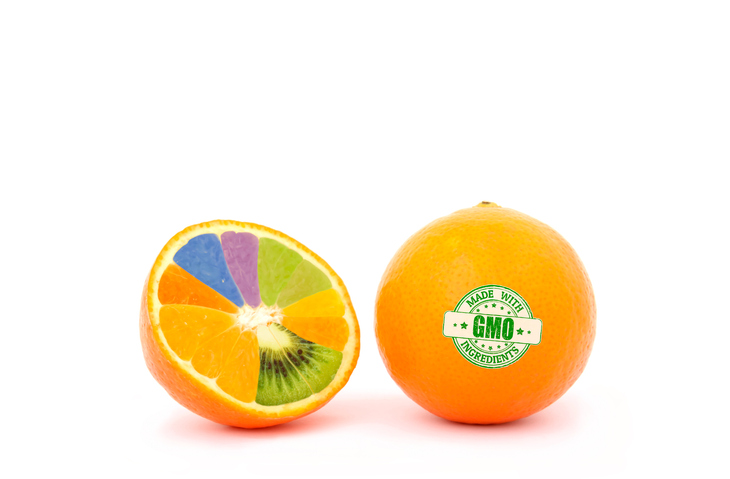
orange with GMO sticker sliced in half with different colored orange segments inside
Dietary and vitamin supplements are casually accepted by many Americans for varied reasons, but their use is not necessarily linked to hard evidence of the consequences of their use. Most people who use supplements appear to be immune to any suggestions from dietary experts who contradict manufacturers' claims for superior health resulting from the use of the supplements. A quarter of those surveyed on this topic felt it reasonable to stop their use of supplements should experts prove them to be ineffective; the balance would not.

This phenomenon is considered to be in the realm of cognitive bias, related to the Dunning-Kruger effect which two psychologists, David Dunning and Justin Kruger outlined in their 1999 paper "Unskilled and Unaware of it". The reasons people who are most likely to appear to believe they know vastly more than they do is that their "incompetence robs them of the ability to realize it". In other words, a lack of knowledge renders them without the contextual skills required to recognize errors.

The Dunning-Kruger effect is credited as an explanation in part for why it is that efforts to educate the public tend all too often toward failure. Researchers in 2003 examined how communication strategies on GMOs -- with the intention to help the public understand that their beliefs failed to align with experts' opinions -- ended up backfiring; the results of all the efforts made consumers less likely to trust and accept GMO foods.

Anti-GM protestors: not the hottest chillies in the bowl?
Credit:  br-photo/getty images

Labels: , , , ,

Friday, June 28, 2019

Honouring One's Conscience

"It shows that when we make a decision whether to be dishonest or not, it's not only 'What can I get out of it versus what's the punishment, what's the effort'?"
"It actually matters that people have morals and they like to think of themselves as good human beings."
Nina Mazar, behavioral scientist, Boston University

"The evidence suggests that people tend to care about the welfare of others and they have an aversion to seeing themselves as a thief."
Alain Cohn, assistant professor of information, University of Michigan

"[A survey found that] without money, not reporting a wallet doesn't feel like stealing."
"With money, however, it suddenly feels like stealing and it feels even more like stealing when the money in the wallet increases."
Christian Zund, study co-author
Wallets like these, with cash, a key, a grocery list and business cards, were used to determine honesty.
Wallets with cash, a key, a grocery list and business cards were used to test honesty.  (Christian Zünd via Associated Press)

A new study appears to confound the generalized theory that people finding a wallet with money in it are unlikely to return it to its owner, intact. This three-year study considered to be the most all-encompassing world-wide test of peoples' inherent honesty came to the conclusion that people are, after all, inclined to want to do the right thing and return a lost wallet they find. The finding was a surprise to the researchers and it goes a long way to confirming that people in general tend to be mindful of ethical conduct to the extent of actually practising it.

Not only was the discovery made through this study that people value honest behaviour in themselves which will benefit others, but that the incentive to respond honestly is enhanced when a greater amount of money found in a lost wallet is involved. Published in the journal Science, experts in the field of human behaviour feel on the basis of the study and its finding that business and lawmakers might take notice that dishonesty can be prevented through moral expectation absent punitive reactions.

No fewer than 17,303 wallets were used in a giant research ruse that took place in 355 cities on every continent. Wallets complete with transparent business card cases and visible contents containing three business cards reflecting male names identifiable with the country they were distributed in were used to seed the experiment. Each of the business cards came complete with an email address, the wallet owner identified as a freelance software engineer.

A key, a handwritten grocery list in the language of the country the wallet was used in also occupied the wallet, along with in most instances a modest amount of cash in local currency, while others had no money in them at all. They were distributed by research assistants entering post offices, hotels, police stations, banks, museums and other public arenas to approach someone in authority with the spiel: "Hi, I found this on the street around the corner".
'The evidence suggests that people tend to care about the welfare of others, and they have an aversion to seeing themselves as a thief,' said Alain Cohn of the University of Michigan, one author who reported the results. (Christian Zünd via Associated Press)

The research assistant would then hand the wallet over to the individual they had addressed, perhaps someone behind a reception desk, with the additional explanation: "Somebody must have lost it. I'm in a hurry and have to go. Can you please take care of it?" Most people emailed the purported wallet owners with a view to returning the wallet. Peru and Mexico were the two countries where fewer wallets were returned than in any other.

An average of 40 percent of people into whose hands cashless wallets were placed reported them while 51 percent of people given wallets with money, did the same. The experiment was repeated in three countries, just to make certain of the outcomes. In Poland, the United Kingdom and the United States the routine was given a second round and this time greater amounts of cash were added.

Where the initial experiment used around $13.45 in local currency, the repeat performance upped the ante considerably, adding $94.15 in cash. The response to the lost wallets was even more dramatic, when greater numbers of people dutifully emailed the presumed owners to return the wallets; 72 percent compared with the 61 percent attempting to return the wallets with $13.45, and 46 percent of the cashless wallets.

The gender, age and friendliness of each wallet recipient was recorded by research assistants, including how busy they happened to be at the time; whether they had instant use of computers to enable swift response, and whether co-workers, security guards, or cameras could have recorded the exchange in possession of the wallet, from the 'finder' to the individual taking responsibility for its return.

The theory that any of these potentially compromising details could influence the person to feel compelled to return the wallet appeared not to make a difference at all. As Alain Cohn, one of the study's authors noted, "the psychological cost of the dishonest act" in withholding the wallet with cash seemed to propel people toward honesty and the wallet's return.

And how did the experiment end? In a way that acknowledged people's positive decision making by informing those reporting lost wallets through emails by thanking them and advising that the wallet's owner had left town, and the 'finder' could feel free to retain the money, or if preferred, donate it to charity.

"[Our team] would go into these various institutions ... like a bank or a post office, and they would go to the receptionist at the front and they would say, 'Hey, I found this wallet on the street around the corner. I have to leave right now. Can I just leave this wallet with you?'"
"And then we were interested to see how often people would return these wallets, or at least report to us that they found these wallets."
"When the wallet doesn't have money inside of it, it feels like stealing. But when the wallet has money inside, you start to question: 'Hey, if I don't turn this in, what does that say about me?'"
"And so there is this aversion to viewing yourself negatively and that's part of what's motivating people."
"That's not valuable to the person who we turned the wallet in to, but it is valuable to the owner [keys inspiring people to return wallets to their owners]."

David Tannenbaum, social psychologist, study co-author 

If you came across a lost wallet containing cash, would you return it to its rightful owner? Researchers were surprised to find that a majority of people would indeed return it rather than pocket the cash. (Justin Tallis/AFP/Getty Images)

Labels: , , ,

Thursday, February 07, 2019

Pride Before a Fall 

cliffs, Cabo da Roca, selfie
Paul Almasy/Corbis/Getty  Accidental Cliff Dive
A Polish couple's two young children watched as their parents climbed over the safety barrier and fell to their deaths while taking a selfie on a cliff in Cabo da Roca, Portugal. Once they took a step backwards to angle their shot, they tumbled off of the edge and into the perilous Atlantic Ocean below. Both bodies were not recovered until a day later, as dangerous weather and sea levels prevented their rescue. The traumatized children, ages five and six, were put into the care of Polish diplomats after witnessing the horrifying scene.

"My behaviour on this front ['travel photo addiction'] has been out of control for some time."
"I pre-visualize holiday outfits on social media posts. And you know it's getting ridiculous when you and your friends take exactly the same group selfies on holiday, swapping between each others' camera phones -- then like each other's identical Facebook posts."
Sherelle Jacobs, assistant comment editor, Daily Telegraph

"[...The thinking behind Facebook social network was always how to consume as much of the public's time and attention as possible.] And that means that we need to sort of give you a little dopamine hit every once in a while, because someone liked or commented on a photo or a post or whatever."
"And that's going to get you to contribute more content."
Sean Parker, founding president, Facebook

"When you see an advertisement someone is pushing at you, it makes you reluctant to accept it. But what social media influencers have is the pull factor."
"[As a follower] you're pulling that information, no one is forcing  you to see it. You've selected who you're aligned to."
Dimitrios Buhalis, head, tourism and hospitality department, Bournemouth University
Ultimate Selfie, train
Getty  “Ultimate Selfie” Gone Wrong
A teenage Romanian girl had attempted to take the special selfie on top of a train in the northern town of Iasi, Romania. According to a friend, 18-year-old Anna Urso was planning to post this "ultimate selfie" on Facebook. Urso decided to lie down on the roof of the stationary train car, but when she reached up with one of her legs to pose, but she hit an overhead live wire that shocked her with 27,000 volts. The young girl immediately burst into flames and was pronounced dead at the hospital after suffering burns on over half her of her body.

The irresistible draw of fame and fortune. The impulse and actual compulsion to be noticed. To be viewed as someone really on top of the world, a bold, smart, intriguing character eliciting the admiration of those who would like to do what you do and in the process of following and liking what you do, compelling you to ever more incautiously fascinating adventures, and the proof is right there, in the selfies you take of your smiling, audacious face, a phenomenal natural background framing your face as you achieve a micro-celebrity status, transitory, but pride-inducing.
Drawn, Bangui, Waves
Getty  A Deadly Current
Chezka Agas, a 17-year-old engineering student from the Philippines, was swept into a deadly wave on the beach on Bangui Bay during a birthday gathering. She was part of a group of engineering students in attendance that posed for a celebratory photo-op in front of the scenic Bangui windmills when the group became caught in the overpowering ocean current. Several of the party guests were injured, but only Agas drowned in the wave.

Last July you were Gavin Zimmerman, 19, focused on taking selfies while standing on a New South Wales, Australia cliff, when pride and incaution catapulted you to imbalance and death. Then in September you were Tomer Frankfurter, 18, whose spectacular fall of 250 metres in Yosemite National Park in California made another victim of selfie fame. Manuela Da Costa Macedo, another selfie-famer who in October fell from a 27th-floor balcony in Panama City, all the while clutching her selfie stick.

Among the most common causes of death were drowning and transport accidents, and then there's animal attacks, electrocution, fire and firearms adding up to 259 documented deaths attributable to "taking a selfie", even while those in the know believe that number is not the true reflection of selfie-induced deaths. Those who carefully plan their travel escapades with a view to capitalizing on exotic, strange, exciting, unusual or dangerous backgrounds, smugly happy face in the foreground represents an "ego travel" phenomenon.
Walrus, Liaoning Zoo, Weihei, Eastern China, selfie
Getty   Deadly Walrus 
A Chinese businessman named Jia Lijun tried to take a selfie with a one-and-a-half-ton walrus at a zoo in Liaoning province, China. Apparently, the man was a big fan of this particular walrus, having previously sent photos and videos of it to his friends and family along with the message, "so strong, so big.

Tour company Thomas Cook in its 2018 holiday report posits that over half of 18 to 24 vacationers visualize how their choice of vacation spot will appear on their social media posts before making the final decision of where they will stay and where they plan to travel. Older travellers too involve themselves in the same way with 15 percent of over-55 vacationers considering what to share online "to make their friends jealous", while deciding where they will book.
Accidental, Explosion, live, grenade
Getty      Accidental Explosion
Two Russian soldiers in the Urals region west of Siberia were posing for a selfie with a live grenade. The handheld explosive detonated unexpectedly and, going off in their faces. Only the phone with the photo survived.

The quest for extreme selfies led to the immediate deaths of 259 people, between the years 2011 and 2017, according to researchers at the U.S. National Library of Medicine last year, in their global study. For some of those involved, the recognition they crave goes beyond the social status they assume, but extends to the money they can attract as well. On Instagram "travel influencers" whose large followings influence tour operators and hotels to cash in, create a collaboration promoting ads.

More likes and followers are attracted to more extreme posts, all of this eventually racking up and converting to considerable income. It is the "pull factor" identified by Mr. Buhalis that businesses respond to, with social media content becoming more useful than conventional marketing. To that end, some in the travel business have introduced Instagram "butler" services, staff helpful in aiding clients to take the perfect selfies for their social media feed.

Selfie, Stick, Lightning, Rod
Night thunder storm lightning in sky.  Getty     Selfie Stick Lightning Rod
In July 2015, an unnamed English hiker was struck by lightning while trekking through the Brecon Beacons National Park in Wales. The fatal bolt was suspected to have hit the extended metal rod of a selfie stick and electrocuted the young man.

Labels: , , ,

Thursday, October 04, 2018

Sexual Abuse and Harassment : Deep-Seated Trauma for Men and Women

"[Once having experienced the psychological effects of sexual or other types of abuse, long after the fact the trauma lingers] leading to a generalized state of hyper arousal, which is what we think might influence our risk for these other outcomes, like hypertension and disrupted sleep."
Karestan Koenen, professor of psychiatric epidemiology, Harvard University

"It is widely understood that sexual harassment and assault can impact women's lives and how they function, but this study also evaluates the implications of these experiences for women's health."
"We [recently published study's authors] kept looking at other explanations. Is what we're seeing due to education, race, ethnicity..."
"There was a very clear link to trauma."
Dr. Rebecca Thurston, professor of psychiatry, University of Pittsburgh 

"[When sperm melds with an egg] there is a massive amount of genetic re-shuffling, and most of the methylation  [chemical 'tags' adhering to parts of a sperm cell's DNA] is at least temporarily erased."
"But finding a molecular signature in sperm brings us at least a step closer to determining whether child abuse might affect the health of the victim's offspring."
Andrea Roberts, research scientist, Harvard Chan School
People with complex trauma appear like they are always anticipating or responding to a threat.  The Conversation

Two different studies, researching the after-effect trauma suffered by female victims of sexual assault and/or harassment impacting on health, and the second, the physiological effects of child abuse on male victims, impacting on their development, the psychological harm expressed with alterations to sperm cells' DNA leading to an epigenetic effect. The conclusion of both research studies parallel one another; that such assaults create an imprint on both mind and body, along with the possibility that this negative imprint could conceivably transcend generations.

Women with a history of sexual harassment or assault, according to the results of the first study published in JAMA Internal Medicine, emerge from their trauma with a heightened risk of depression and anxiety. The second of the two (unrelated) studies (published in Translational Psychiatry, reaches the conclusion that a "molecular scar" becomes established in sperm cells of boys whose early environmental exposure included habitual abuse.

Women, the first study concludes, who report having experienced sexual harassment at their workplace appear significantly likelier to suffer high blood pressure and higher triglycerides (blood fats) than those not exposed to such harassment, thus increasing their future risk of contracting heart disease. Sexual harassment and sexual assault were linked as well, with a two-fold greater likelihood of chronic insomnia setting in.

The report's co-author, Dr. Koenen, highlights a theory that sexual assault and harassment result in an autonomous response of fight-flight, a condition that fails to dissipate when the threat has passed, but lingers indefinitely, haunting that person's perceptions as a continual reminder of what had occurred, manifesting as an inimical lifestyle emotional trauma. The finding remained firm even when researchers took into account socio-economic standing, medication use and medical history, along with a range of additional factors.

Some 22 percent of women taking part in the study had experienced pressure with some element of unwanted sexual contact, while 19 percent had experienced sexual harassment at work either of a verbal or physical nature. The second study was where scientists studied the matter of child abuse's potential to affect sperm cells' DNA through attaching minuscule chemical 'tags' called methylation.

Methylation has the effect of activating or suppressing genes beyond what is considered normal. A process that scientists are coming around to believing is influenced by environment or life experiences; furthermore that these changes have the possibility of passing through generations as genetic endowments of a negative nature. Harvard University and the University of British Columbia researchers tested 48 sperm samples from 34 test subjects, adult men, 17 of whom reported a high level of physical or emotional abuse as children.

Striking variations were discovered in methylation between victims and non-victims of child abuse in a dozen regions of the men's genomes, linking some of the genes with neurodegenerative disorders, others yet in the body's immune-response. It remains unknown, however, whether the DNA tagging is able to survive fertilization to be passed down to children.

Developmental trauma disorder, not yet officially recognized, results from child maltreatment and has many neurobiologic consequences.
Developmental trauma disorder, not yet officially recognized, results from child maltreatment and has many neurobiologic consequences.  Clinical Adviser

Labels: , , , ,

Friday, August 24, 2018

Think About It

"We wanted to create premium experience. We've curated every element and obviously are in the Yorkville area [upscale downtown Toronto] to appeal to a certain demographic."
"If you [told] someone in the 1950s you were going for a run, people would be like, 'Who are you running from'?"
"The attitude on fitness has completely changed from 'What's that?' to a niche part of the market to an accepted necessity."
"The brain is the next frontier of that."
Sean Finnell, Mindset Brain Gym co-founder, Toronto
Mastermind

Meditation, it appears, works. The "use it or lose it" admonition we've heard so often about our physiognomy had a reason; exercise or allow the body to slump into disuse and eventually frailty. Mindfulness is the new gym for the brain; sustaining attention to thoughts, to objects, or to actions; cognitive focus for the purpose of refocusing the mind. As a regular performance, meditation has been shown to increase focus, positive emotions, cognitive reasoning skills and rapid memory recall.

In 2012, Gaelle Desbordes, an instructor at Harvard Medical School's Center for Biomedical Imagining, made use of brain scans to demonstrate beyond doubt that brain activity changes remain constant long beyond meditation-practising subjects are no longer meditating. The practise alters the way the mind works. 'Brain gyms' sound like a gimmick and perhaps they are, but they provide lessons for people wanting to be instructed on how to meditate.

At Mindset Brain Gym, newly opened in Toronto, young professionals sit cross-legged in rows under iridescent indigo lights while soothing ocean music provides the background as an instructor guides those present through a session of meditation lasting 30 minutes. The participants' brainwaves are measured with the use of plastic headbands, monitoring the calmness of their minds and the wandering thought "recoveries" produced throughout a session.
Mastermind
"Performance" to improve concentration and memory, "Resilience", to reduce anxiety and promote bounce-backs from failure, and "Human" meant to improve empathy and emotional intelligence are all achieved through these sessions in mindfulness. These lessons are reflected in what happens at a popular meditation studio in the Flatiron District of New York City in "The Dome" studio with its appearance of a giant spaceship interior glowing with multi-colour LED lights.

A boutique sells "moon dust", herb and mushroom blends meant to improve one's state from the sleep cycle to sex life. Also available are "cleansing grains" and "radiance nectar", at a substantial price. Granted, this element of commercialization is recognizable as a silly scam.

At Den Meditation in Los Angeles, classes are offered from an a la carte "private healing menu" including crystal therapy (60 min. for $125); sound therapy (30 min for $65); Theta Healing deep meditation to release past traumas (60 min. for $150). For those with deep pockets, full meditation retreats to destinations such as the Himalayas start at $4,000.

Upselling meditation is what it's called; typical examples of U.S.-style entrepreneurial enterprise. Which fits right in with the culture of virtue-signalling. We know virtue signalling best from watching the political sphere of the Lib-left deeply embedded in its uncompromising 'progressive' agenda and shrill shrieks of condemnation against their conservative political opposites whom they usually describe in such gentle terms as 'right-wing' or 'fascist'.

So premium.Getty Images
 

Labels: , , ,

Tuesday, May 15, 2018

No Rehearsals for the Stage of Life

"Life expectancy is the number of years on average a person is expected to live based on their age, gender and country. The Global Burden of Disease calculates life expectancy by using a country's mortality rates across age groups."
"Life expectancy may vary for people of different ages because it is calculated as the number of years a person is expected to live given they have already reached a certain age."
"For example, a girl born in 2016 in Mexico is expected to live to age 79, however the life expectancy of a 65-year-old woman in Mexico in 2016 is 84. Her life expectancy is higher because she has already reached 65 and is therefore more likely to live another 20 years."
BBC News, Health Metrics and Evaluation


"Meditation urges you to focus on your breath. It's the same thing with remembering that you're mortal."
"You forget, so you need something strong, someone telling you straight out."
Hansa Bergwall, founder, WeCroak

"I think, 'oh my gosh, I can wash dishes with a smile, I can talk on the phone', knowing all the while that this life is not a dress rehearsal."
"It helps me enjoy the moment."
Karen Rosenberg, 50, Miami

"One should be free to use the rest of one's life as one chooses."
"If one chooses to kill oneself, then that's fair enough. I don't think anyone else should interfere."
David Goodall, 104-year-old Australian scientist
Dr. Goodall, a man with influence in the world of science lived a good life. After his retirement as a senior scientist with three doctorates working for an Australian science agency, he took up work as an honourary research associate in Perth at Edith Cowan University until he reached 102 years of age. The last two years of his life gave him no pleasure, he explained, because of his deteriorating health.

When he was no longer mobile, could no longer perform as an actor, and was unable to continue driving, he decided he had lived long enough. He travelled to Switzerland to take advantage of their laws permitting assisted suicide helped by an assisted-suicide advocacy group, Exit International.

He had fallen, living alone in his apartment and it was two days before he was discovered, in distress. "It was just the beginning of the end", said a friend. "I've lived quite a good life until recently", Dr. Goodall said in an interview. "The last year has been less satisfactory for me because I couldn't do things", he explained, before his voluntary death.

This was a man who had lived well and long. Others are less fortunate. Many seek the unknown formula that would serve to prolong life, and keep them healthy in the process. Some believe that they have discovered that formula, a kind of elixir of long-life. An American nutritionist, Clive McCay in the 1930s after feeding his laboratory rats a low-calorie diet concluded that though they were extremely thin they were active, looked healthy and two of them reached the equivalent of 130 years.

He felt compelled to lend himself to the experiment of emulating the rats' restrained diet, began eating very limited food grown on his own farm, and he too remained fit and trim. Until he had two strokes and lived to only 69. There are others, and quite a few who strive to find that elusive formula. Euell Gibbons thought he had, in his enthusiasm for wild foods that led him to advocate a plant-based diet. His enjoyed his own until he experienced an aortic aneurysm, and died at 64.

Nutritionists of note have been on record as promising great benefits to those who scrupulously maintained the diets they recommended. Nathan Pritikin's gospel was that of low-fat diets and like Dr. Robert Atkins who espoused a direct opposite regimen, both died at 69. Refined foods such as white bread were anathema to Adelle Davis. She lived to age 70 despite taking great care with her diet and encouraging others to do the same. She died of cancer.

It is not the easily led and the ignorant who desperately look for something that will guarantee them longevity. Take, for example, Valter Longo, director of the University of Southern California Longevity Institute, who seems convinced that the multiday fasts he swears by will extend his life. Some scientists in pursuit of anti-aging therapies take the diabetes drug metformin believing it has properties to protect cells from aging.

In the hopes that vitamin B might be a defence against aging, biochemist Charles Brenner drinks milk with high doses of nicotanamide riboside, a type of vitamin B. And then for a completely alternate diversion there is WeCroak, an app designed to alert anyone who downloads it, five times daily to their phone with messages such as: "Don't forget, you're going to die". If you don't care for that one, there are others: "The grave has no sunny corners." Or how about: "Begin again the story of your life."

So do we really need reminders that we're mortal? To help us appreciate the fact that we're not yet dead? To remind us that life is wonderful, even at those times when it doesn't appear to be? Does this mean that we're not capable of our own volition and appreciation of existence to look forward to each day and make the most of it? To immerse ourselves in the wonders of nature? To truly appreciate our relationships with those who mean much to us emotionally?

Does attitude to life and fulsome acknowledgement of how wonderful it is to be alive, to be sensitive to everything surrounding us, to love and to hold, to plan and to experiment, to be ourselves to the fullest of our abilities help at all? Many are convinced that those who value life and live with a positive attitude and expectations win half the battle; their genetic endowment, lifestyle and geographic location complete the other half.

Mind, we cannot escape bad fortune when it comes knocking.

But we can make the most of what we have, and with what we have groom ourselves to enjoy our lives and as we do, help others to do the same. Can't we! No magic required. The power of positive thinking, on the other hand....

Life expectancy calculator promo


Labels: , , ,

Tuesday, May 08, 2018

To Have and to Hold

"We so much embrace sexuality and we so much embrace sex in marriage and relationships with others that we lose that connection with just feeling safe in touching and holding."
"I think a lot of guys don't know how to do that very well with their partners. They don't know how to hold a physical non-sexual space with a partner."
Mark Stone, holistic kinesiologist, Chicago

"They can't touch men because that's gay. They can't touch women because that's creepy. They can't touch children because, well, everybody knows you'd be a pedophile if you touched a kid."
"So men can either touch a sexual partner or they can touch in violence."
Kassandra Brown, cuddlist.com provider, Boulder, Colorado

"Most clients are under some level of duress: anxiety, stress, loss or need."
"If there's sexual chemistry [arousal] does that mean you have to act on it? You notice it, you let it pass."
Adam Lippin, co-founder, cuddlist.com

Cuddler Madison Powell says people often think her occupation is weird, but she believes providing human touch is an essential service for people who lack it in their lives. (Madison Powell)
 

There's a market for everything. Build it and they will come. Sometimes the service being marketed deals with deep-seated emotional needs. A market deserving to be served, perhaps. Perhaps the need for such a market reflects the deep alienation pervasive in modern society. On the other hand, it's possible that remoteness from one to another always existed, anywhere, at any time. In the modern era, however, it is all too likely exacerbated by our ability to communicate anywhere, anytime. Which is to say, remotely.

Our need to physically confront another human being for any reason; to pass the time of day, to indulge in deep conversations, to share experiences, to express our desires, to explore the possibility of finding a life companion, is being circumvented to a certain degree by the distance we place between ourselves and those we communicate with online. There are all too many who have a presence online with a nefarious agenda; how to separate them from the genuinely concerned?

In an era when companionship seems more elusive than ever, when more people live single lives, when it seems difficult to meet potential friends and partners in life, and when emotional bonds that form all too frequently break down as people exert their individuality and forgo the simple expedient of compromising in the greater interests of living congenially with others in mutual respect and fondness, separations constantly occur, and people are left emotionally deprived, shiftless.

"I was kind of an empty shell of touch deprivation. I thought, 'Why isn't there a Starbucks for hugs, where do I go for that? So I realized that this is a thing that should exist", explained 20-something Portland, Oregon resident, Samantha Hess. On the dissolution of her marriage she thought long and deep and in 2014 opened a shop she named Cuddle Up to Me, and there trained cuddlers to hold, stroke and hug customers platonically, fulfilling a need for a physical touch of another human being.

How innovative.... Casual physical touch appears an anomaly in current social culture where onscreen interactions is where socializing largely takes place for far too many people, leaving them with an aching vacuum. The website cuddlist.com is now two years old. It has been responsible for training roughly 400 professional cuddlers and works to connect clients to providers across the United States. (The concept has now spread to Canada, an indication that physical-touch deprivation is universal.)

Some of those clients have a physical disability, suffer from post-traumatic stress, or have been diagnosed on the autism spectrum. Increased attentiveness, decreased depression and immune-system boosts have been linked in studies with massage therapy. An hour session with a cuddlist.com provider comes in at $80 U.S, which the site has managed for over ten thousand requests for service. Although providers are both male and female, 91 percent of cuddlist.com clients are male, three-quarters of providers, female.

Marylen Reid, founder of The Cuddlery, said she dreamed of starting the business when she had trouble finding platonic 'cuddle buddies' online. (Marylen Reid)
 

There are strict rules imposed by cuddlist.com on how a session engages and performs. The initial contact between client and cuddler is by telephone after which a meeting takes place where both agree that there will be no sexual quotient involved and either provider or client may end a session at any point should either feel constrained to do so. Conversations usually run through a typical session, while clients and providers hold hands or hug.

"Massage therapy ethics are all about one-way touch. There was not a way for (clients) to be OK with saying, 'Could you hold me'?", explains Annie Hopson, a Cuddlist provider from Ellicott City, Maryland, who also works as a massage therapist. Steve Curry of Northampton, Massachusetts, who struggles with spina bifida, explains: "As far as being in a touch relationship, most touch centred around my medical-care needs, not emotional needs."

To fulfill those needs he books two-hour cuddle sessions twice monthly, and for him, "It's never enough". Once a pro cuddling session has concluded, some clients claim they feel more comfortable initiating touch casually among their friends, or they no longer, when someone happens to touch them casually, flinch.


Paid cuddling services have started up in several cities across Canada in the last year, charging between $60 and $100 for an hour of snuggling. (The Cuddlery)

Labels: , , ,

Friday, April 20, 2018

Neanderthals ... Human Cousins

"When you have symbols, then you have language."
"For all practical purposes, [Neanderthal] they were modern humans, too."
"Neanderthals have disappeared. So have Fuegian Indians. So have Greenland Vikings."
"Population extinction has been a part of human history forever."
"The Aviones finds [Cueva de los Aviones, a cave in southeastern Spain] are the oldest such objects of personal ornamentation known to this day anywhere in the world. They predate by 20 to 40 thousand years anything remotely similar known from the African continent. And they were made by Neanderthals. Do I need to say more?"
Joao Zilhao, archaeologist, University of Barcelona, Spain
Cave art breakthrough … a painting of a cow and horses at Lascaux, France.
Cave art breakthrough … a painting of a cow and horses at Lascaux, France. Photograph: Alamy

Researchers have combined forces (University of Barcelona, University of Southampton, Max Planck Institute for Evolutionary Anthropology) have produced a study establishing the existence of evidence that primeval Neanderthals could boast one of the principal hallmarks of cognitive sophistication, for they were capable of producing painted cave art, a realization that they could think in symbols and for all we know they may also have succeeded in achieving other human milestones of which no trace has been preserved.

In the mid-1800s, when fossils linked to Neanderthals and examination revealed their low, thick brow ridge on their skulls, it seemed to indicate that they may have been proto-humans of low intelligence, incapable of cognition. Since then, however, discoveries to follow have indicated that in fact Neanderthals were possessed of brains as large as that of homo sapiens, but within shorter, stockier bodies.

Still, during the early 1900s it was commonplace for Neanderthals to be described as gorilla-like beasts, a mere extinct branch of near-humanity, but nothing like the well-formed, intelligent creatures that humankind was to become. Current evidence construed from fossils and DNA indicates, however, that both living humans of today and Neanderthals had descended from a common ancestor dating back roughly 600,000 years ago.

For several hundred thousand years, ancestors of living humans left evidence of stone axe tools and spear blades. Humans in Africa were showing signs of abstract thinking 70,000 years ago, colouring and piercing seashells for ornamental purposes. Modern humans began arriving in Europe from Africa some 45,000 years ago and they left ivory carvings and cave wall paintings, while Neanderthals became extinct 40,000 years ago, a fossil record from Spain to Siberia attesting to their presence.

It has only been in recent years that researchers have discovered evidence linking Neanderthals to symbolic thought processes with archaeologists discovering Neanderthals used feathers and bird claws with which to make ornaments. Some scientific skeptics opt to transcribe those discoveries as mere copies of original thought, preferring to believe that Neanderthals had taken inspiration from modern humans they lived beside.

Within caves in Spain ancient paintings were discovered over the past century and there researchers discovered the presence of flowstones, milky crusts of minerals on cave walls, which covered parts of artworks. Researchers scraped away samples for dating purposes from three caves, to discover some of the art to be over 64,000 years old, about 20,000 years earlier than the first evidence of modern humans in Europe.

It was deduced that the artwork was produced by Neanderthals. In a cave on the Spanish coast Dr. Zilhao discovered shells, drilled and painted with ochre. He and colleagues found a layer of flowstone atop the rock where the shell jewellery had been discovered. In testing the flowstone it turned out to be about 115,000 years in origin; the pierced and coloured shells held to be slightly older. Strong evidence the shells were produced by Neanderthals.

At one time in the historical record, researchers had concluded that Neanderthals had died out because they were incapable of manipulating their environment to aid in survival. Now it is understood that Neanderthals developed in parallel with modern humans in Africa. It appears that the illusion of inferiority leading to their extinction is unjustified and what led to their disappearance is now attributed to evolutionary mechanics.
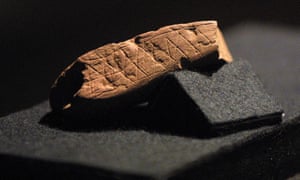
Even older still … a piece of red ochre with a deliberate zigzag engraving from Blombos cave, South Africa.
Even older still … a piece of red ochre with a deliberate zigzag engraving from Blombos cave, South Africa. Photograph: Anna Zieminski/AFP/Getty

Labels: , , ,

Monday, December 11, 2017

Sport Performance is Finite

"These traits [the athletic motto: 'faster, higher, stronger'] no longer increase, despite further continuous nutritional, medical and scientific progress."
"This suggests that modern societies have allowed our species to reach its limits. We are the first generation to become aware of this."
"The current declines in human capacities we can see today are a sign that environmental changes, including climate, are already contributing to the increasing constraints we now have to consider." 
"Now that we know the limits of the human species, this can act as a clear goal for nations to ensure that human capacities reach their highest possible values for most of the population. With escalating environmental constraints, this may cost increasingly more energy and investment in order to balance the rising ecosystem pressures. However, if successful, we then should observe an incremental rise in mean values of height, lifespan and most human biomarkers."
Professor Jean-Francois Toussaint, Paris Descartes University
There appears to be a plateau in the maximum biological limits for humans' height, age and physical abilities, and we seem to have reached it. Credit: © ChiccoDodiFC / Fotolia

"[The advances by superior athletes in running, swimming, jumping, cycling, weight-lifting, skiing and skating performances] considerably progressed, until the end of the 20th Century."
"[However, more recent data suggest] a trend toward a plateau during the last three decades for both sexes."
"Raising false hopes without taking into account that human beings are already extremely 'optimized' for lifespan seems inappropriate."
"The utmost challenge is now to maintain these indices at high levels."
French research team study
A study of 120 years worth of historical data suggest we've reached the biological limits of...
A study of 120 years worth of historical data suggest we've reached the biological limits of height, life expectancy and sporting performance     (Credit: vverve/Depositphotos)

Climate change, according to a recently published study, may be recognized as a factor leading to limitations of greater benefits in human health as well as in advancing athletic performances. The authors point to the fact that in some countries on the African continent there has been over the last decade a height decline in children, leaving the impression these countries have been incapable of providing sufficient nourishment to children. It would be interesting to determine whether those countries correlate with the African countries mired in endless conflict.

The 20th Century, point out the study's authors, life expectancy was seen to steadily rise by about 30 years in most high-income countries, attributable for the most part to a reduction in child mortality rates resulting from improved nutrition, hygiene, vaccination and related medical advances. However, according to the authors, improvements in medical outcomes may have reached their zenith, and they predict that additional increased expectations now have no basis in likely outcomes for the foreseeable future.

Organizers of sport events such as the Olympics might have to resort to other means to continue the impression that supreme athletes still break barriers in faster, higher, stronger -- in the creation of new record categories or the alteration of rules relating to various events. The plateau in impressive human endeavours in sport may in fact have already peaked without being realized because doping and technological improvements succeeded in leaving the impression that forward momentum was continuing, while it was really attributable to artificially advanced improvements.

As for increasing longevity, that too appears to have stalled, and has been addressed in other, earlier research results, though it remains a topic that many feel they have cause to disagree with. Yet it is a fact that the oldest person ever on record was France's Jeanne Calment who lived to 122. Since her death in 1977, no other person has lived beyond 120 years of age. The report's authors conclude that the effort to run faster and live longer may of practical necessity have to be abandoned and humankind will have to be satisfied with maintaining current levels of achievement and longevity.

There will, then, be no more events where outsized athletic performances will be enabled, to smash existing records.The study authors are firm in their conviction that their research which examined athletic performance, height and life expectancy throughout the past century (one hundred and twenty years) confirms the conclusion they reached through perusing historical records. Humans, it seems now confirmed, have reached their maximum horizon for height, age and physical capabilities.

Published in the journal Frontiers in Physiology, where the advances seen by Olympic athletes in various sports were judged against the findings that critical indices are now static, the study will no doubt dismay many who believe otherwise; no less the ambitious among high-achieving athletes hoping by their extreme prowess in athletic excellence, to lend their names to achieving astonishing new records. It is, evidently, not to be.

Only way is down: Man has reached his physical peak, says French study
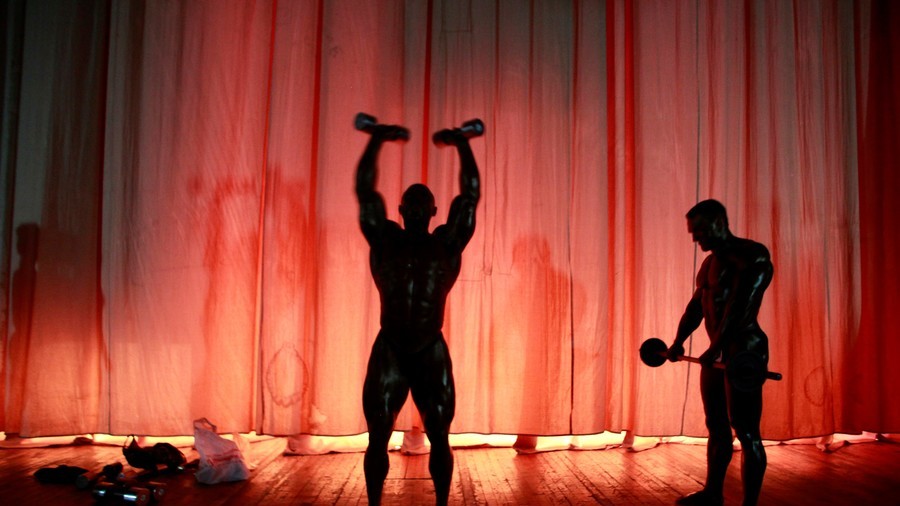
Weightlifters working out. / Reuters

Labels: , , ,

Tuesday, July 25, 2017

Acquiring Lifeskills, Prioritizing Needs

"Theoretically what we think is that buying time protects people from the negative effects of time stress in daily life. When feeling pressed for time, that seems to take a bit of a toll on people's day-to-day happiness."
"It's not what comes to mind to people as a way to increase their happiness and the rates at which people are engaging in this type of expenditure are surprisingly low."
"People who don't feel like they're rolling in dough may feel like that's a frivolous way to spend money but what our research is showing is that even if you don't have tons of money, using money to get rid of your disliked tasks may be a pretty smart decision."
"People may feel like I can do this so I should do this, and so I hope our research helps to break through that perhaps misguided cultural assumption."
Elizabeth Dunn, psychology professor, University of British Columbia

While most of us don't have digs as fancy as the Royal Yacht Britannia in Edinburgh, seen in this 2012 file photo, new happiness research finds that even people of moderate means would be wise to allocate a small amount of their budget to time-saving services that free them of disliked chores.
While most of us don't have digs as fancy as the Royal Yacht Britannia in Edinburgh, seen in this 2012 file photo, new happiness research finds that even people of moderate means would be wise to allocate a small amount of their budget to time-saving services that free them of disliked chores. (David Moir/Reuters)

A study was undertaken in Vancouver out of the University of British Columbia, headed by psychology professor Elizabeth Dunn. In the experimental study sixty people who formed the nucleus of the study were given $40 and advised that the money should be used to access anything they wanted to spend it on as long as it was a material object that they thought they might like. When the test subjects reported back they indicated they had bought items such as wine, clothing and board games.

That led to the researchers posing the question to their study group to enable them to judge the level of happiness that resulted from those people buying the things they had chosen to spend their study-accessed funds on. For the second weekend, once again the participants were given $40 to spend as they saw fit, only this time they were expected, they were informed, to use the money to achieve time-saving.

As an example, to take a taxi rather than using public transit, or arranging to have someone cut their grass rather than do it themselves, and in another instance use the services of a boy in the neighbourhood to run errands. That done, the researchers compared the group's stated level of happiness that followed both spending activities, week one and week two, with their different emphasis and targets.

The researchers discovered that people appeared to be much happier buying themselves 'time', rather than objects. Reportedly, two percent of the group only, claimed they would use money to buy things that would give them more time for themselves. Professor Dunn reached the conclusion that even those with ample disposable income preferred not to pay others to perform tasks, to save themselves time.

On The Money Happiness and Time
Researchers surveyed 6,000 people in Canada, the U.S. and Europe found that those who doled out cash to save them time on things such as the meal delivery service seen in this 2014 file photo, were happier than those who don't. (Matthew Mead/Associated Press)
Those who were able to afford to have their groceries delivered continued to go out to the supermarket to shop regardless, or continued parking their cars themselves rather than making use of valet parking. That same study made a survey of 850 millionaires in the Netherlands, only to discover that close to half preferred not to spend money outsourcing their most disagreeable tasks.

A survey of 6,000 people in Canada, the United States and Europe indicated that those whose financial situation was healthy and could see benefit accruing from spending discretionary income ridding themselves of dreaded chores still preferred not to. People who do spend money as a time-saving device spend typically $80 to $100 monthly, according to Professor Dunn, adding that even $40 is capable of opening up some spare time.

Professor Dunn's study team's reason that people have an aversion to paying for giving themselves extra time in that they harbour a feeling of guilt for spending funds unnecessarily, since they feel they could do these chores themselves. The team plans a follow-up study hoping to come to a better understanding of why people prefer not to spend money to buy time. Age, gender, ethnicity and other issues could be identified as drivers for that reasoning.

Possibly, it might be an issue of self-respect? That people understand that having certain life skills is a measure of their capability of looking after themselves responsibly? What Professor Dunn and her colleagues are actually engaging in is validation of present-day society's penchant for farming out aspects of their lives that they view as inconvenient, certain responsibilities that hinder their plans, for example.

And, as good an example as any is that children are now commonly farmed out to others for their care and nurturance, depending on non-family members to raise them at critical times in their young lives, rather than their parents, busy with their own lives, absent their children. This study in fact applauds such choices. As it gives a tacit approval rating to failing to acquire the requisite skills and understanding as a parent to fulfill parental obligations to their dependent children.

Another such measure is the extent to which people will not bother learning how to prepare basic, nutritional meals for themselves, vastly preferring to believe that such commonplace tasks central to human existence are too difficult, too much of a nuisance, too interfering in their freedom to disport themselves as they wish, rather than to feel obligated to their own needs, to fulfill them in the most basic of ways, such as meal preparation.

So spending disposable income, or ensuring that whatever money is available is earmarked for fast foods, convenience and pre-prepared foods, or eating out, rather than becoming familiar with simple and wholesome meal preparations. The assumptions that this research team reached simply reflect what they wanted to find to fit their theory.

 What they discovered is that some people recognize they should acquire the skills and discipline to be self-sufficient in these measurable ways if for no other reason than mere self-respect. And they find this somewhat wanting in their estimation, expressing the hope that their research leading to their theories will give people the justification to surrender their agency to others rather than be wholly responsible to and for themselves.


Labels: , , , ,

 
()() Follow @rheytah Tweet