Is A Bird Flu Pandemic Avoidable?
"I'm extraordinarily sympathetic to the general public sentiment that, like, 'Oh my God, we're so sick of infectious diseases'. We don't want alarmism.""The best way to avoid alarmism is to avoid human infections, and do the low-hanging fruit stuff really well. [More robust biosecurity measures on farms and educating hunters], because we know a lot of animals that are harvested are at high risk [of infection with H5N1 as well [such as foxes and ducks].""[Should an H5N1 sample be found in infected milk] Then we're in trouble. Because if we find an infected milk sample, then the virus is almost certainly pretty widespread, because we know how rapidly the virus can spread via contaminated milking equipment.""The CFIA [Canadian Food Inspection Agency] is taking an approach to testing commercial milk that gives them some insight into where the milk comes from. Intuitively what they would do is start looking back at the farms that were the supplier of the milk that tested positive in order to identify infected animals."Matthew Miller, Canada Research Chair in viral pandemics
 |
| Flock of farmed geese, Henan province, China [death rate in geese, 4%]. (China Daily/Reuters) |
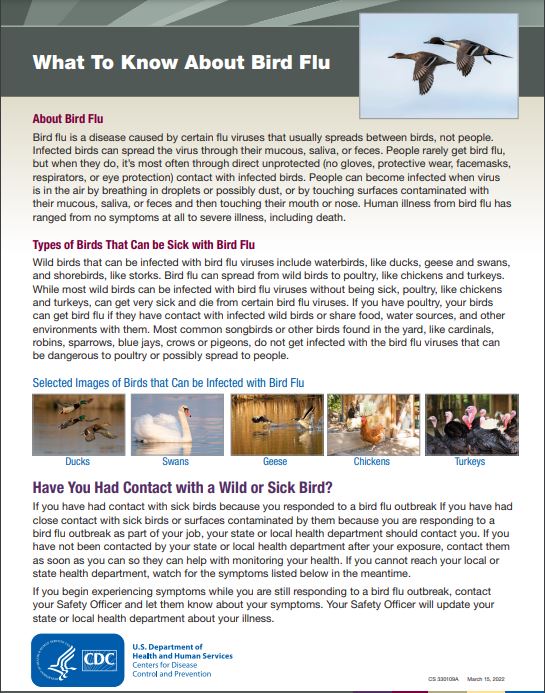
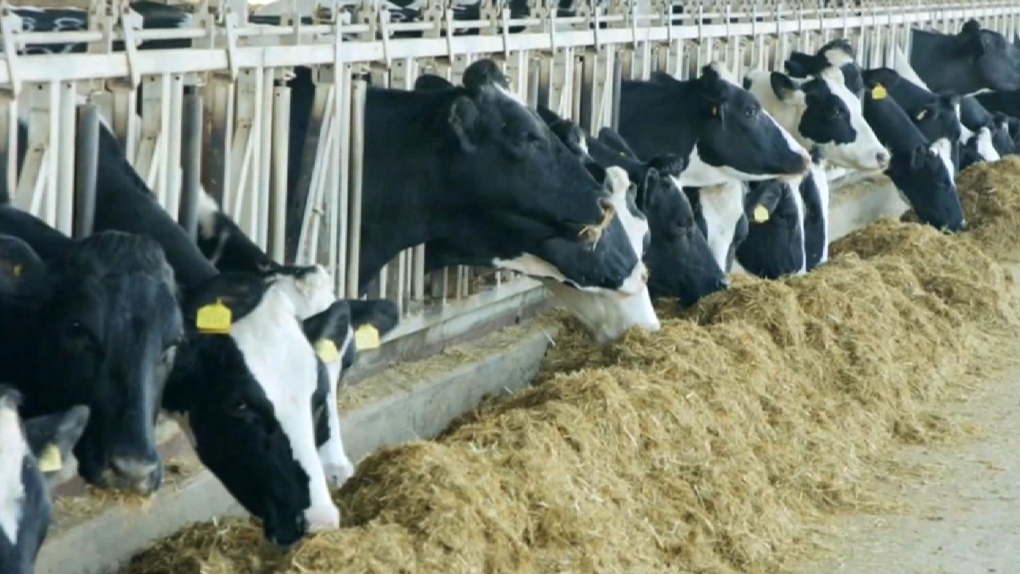
The medical scientific community is now consumed with watching and waiting as the highly pathogenic avian influenza H5N1 virus -- yet another import, as it were, from China -- is spreading. While it has not yet shown up in Canada, an outbreak on dairy farms in March in Kansas and Texas is close enough for guarded concern. From dead wild birds to dairy farms, the pathogen has spread to 131 herds in a dozen American states. Human cases -- one in Texas, two in Michigan; with mild symptoms -- have also appeared, linked to the outbreak in dairy cows in the United States.
The virus has not yet been detected in Canadian dairy cattle, nor has its presence been revealed in the 600 retail milk samples tested up to June 18. There is a level of comfort in knowing the risk of transmission to humans is low and milk and milk products commercially available remain safe, according to the Canadian Food Inspection Agency. That comfort is short-lived in the realization that influenza viruses evolve continually. "I'm very worried about pigs", confides Dr. Miller, explaining that pigs can facilitate bird flu to exchange genetic material with human flu viruses; the result being a virus more adapted to transmit to humans.
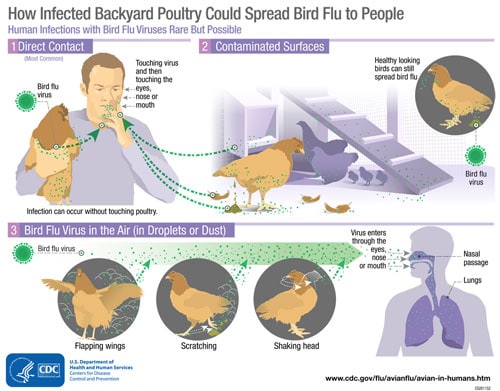
The world's first plan to begin administering bird flu vaccines is set to take place in Finland when farm workers become the initial recipients. First detected in 1995 in birds in southern China and Hong Kong, since then H5N1 has become endemic in bird populations, destroying millions of both wild and farmed birds. Approximately 889 people have been infected with the virus since 2003, leading to a high proportion of deaths in the infected (52 percent). Generally the point of contact is transmission through a live or dead infected animal's body fluids; saliva, blood or feces.
And although human-to-human transmission of H5N1 rarely occurs, the high ratio of deaths to cases, in all likelihood means bird flu has the potential to "cause a major public health emergency if human exposure and viral evolution lead to sustained person-to-person transmission", concluded an editorial published the BMJ (formerly the British Medical Journal).
When H5N1 infectsm it relies on cells in almost all human tissues to allow it to replicate, not just the lungs. "It can infect all kinds of other organs, including our brain", advised Dr. Miller. Complications ranging from encephalitis (inflammation of the brain) to coma have developed in humans infected by H5N1. Case fatality rate -- proportion of people with confirmed infections who die -- exceeds 50 percent, an astonishingly high lethality. Children and young adults experience higher critical illness with the virus.
Still, at the present time, the risk to humans is not yet sufficiently elevated to justify a mass H5N1 vaccination protocol. "My preference is that we don't find ourselves in that scenario."
"[While the U.S. has stockpiled H5N1 vaccines and other countries are soliciting tenders for emergency doses], I'm not aware that Canada has done that yet, but quite certain that it is being considered at this point.""I'm acutely aware of public sentiment around vaccines right now, and resistance to vaccination.""The best thing we could do is adopt a strategy like Finland is using and offer vaccine to those at high occupational exposure risk to prevent a widespread human outbreak."Matthew Miller, McMaster Immunology Research Centre, Hamilton
Labels: Bird Flu, China, H5N1, Mortality Rate, Transmission, Viral Pathogens, Virologists Vigil
posted by Pieface @ 6:47 PM
0 comments