Ruminations

Blog dedicated primarily to randomly selected news items; comments reflecting personal perceptions

Sunday, June 30, 2024

Is A Bird Flu Pandemic Avoidable?

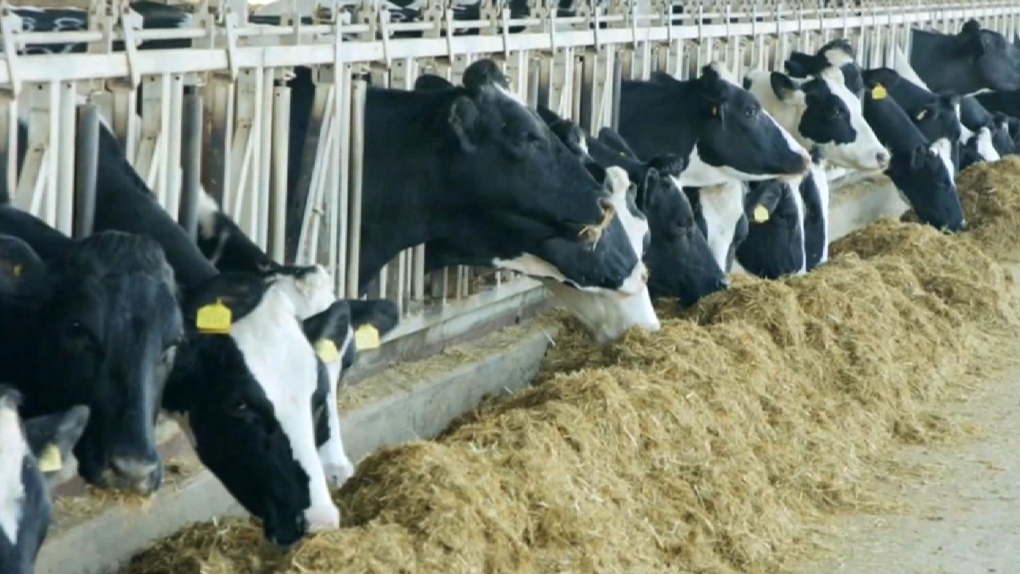
concerns of bird flu spread in canada H5N1 from globalnews.ca
"I'm extraordinarily sympathetic to the general public sentiment that, like, 'Oh my God, we're so sick of infectious diseases'. We don't want alarmism."
"The best way to avoid alarmism is to avoid human infections, and do the low-hanging fruit stuff really well. [More robust biosecurity measures on farms and educating hunters], because we know a lot of animals that are harvested are at high risk [of infection with H5N1 as well [such as foxes and ducks]."
"[Should an H5N1 sample be found in infected milk] Then we're in trouble. Because if we find an infected milk sample, then the virus is almost certainly pretty widespread, because we know how rapidly the virus can spread via contaminated milking equipment."
"The CFIA [Canadian Food Inspection Agency] is taking an approach to testing commercial milk that gives them some insight into where the milk comes from. Intuitively what they would do is start looking back at the farms that were the supplier of the milk that tested positive in order to identify infected animals."
Matthew Miller, Canada Research Chair in viral pandemics
https://www.cbc.ca/newsinteractives/content/images/_image_1920/geese-china.png
Flock of farmed geese, Henan province, China [death rate in geese, 4%]. (China Daily/Reuters)
 
The medical scientific community is now consumed with watching and waiting as the highly pathogenic avian influenza H5N1 virus -- yet another import, as it were, from China -- is spreading. While it has not yet shown up in Canada, an outbreak on dairy farms in March in Kansas and Texas is close enough for guarded concern. From dead wild birds to dairy farms, the pathogen has spread to 131 herds in a dozen American states. Human cases -- one in Texas, two in Michigan; with mild symptoms -- have also appeared, linked to the outbreak in dairy cows in the United States.

The virus has not yet been detected in Canadian dairy cattle, nor has its presence been revealed in the 600 retail milk samples tested up to June 18. There is a level of comfort in knowing the risk of transmission to humans is low and milk and milk products commercially available remain safe, according to the Canadian Food Inspection Agency. That comfort is short-lived in the realization that influenza viruses evolve continually. "I'm very worried about pigs", confides Dr. Miller, explaining that pigs can facilitate bird flu to exchange genetic material with human flu viruses; the result being a virus more adapted to transmit to humans.

The world's first plan to begin administering bird flu vaccines is set to take place in Finland when farm workers become the initial recipients. First detected in 1995 in birds in southern China and Hong Kong, since then H5N1 has become endemic in bird populations, destroying millions of both wild and farmed birds. Approximately 889 people have been infected with the virus since 2003, leading to a high proportion of deaths in the infected (52 percent). Generally the point of contact is transmission through a live or dead infected animal's body fluids; saliva, blood or feces.

And although human-to-human transmission of H5N1 rarely occurs, the high ratio of deaths to cases, in all likelihood means bird flu has the potential to "cause a major public health emergency if human exposure and viral evolution lead to sustained person-to-person transmission", concluded an editorial published the BMJ (formerly the British Medical Journal).

When H5N1 infectsm it relies on cells in almost all human tissues to allow it to replicate, not just the lungs. "It can infect all kinds of other organs, including our brain", advised Dr. Miller. Complications ranging from encephalitis (inflammation of the brain) to coma have developed in humans infected by H5N1.  Case fatality rate -- proportion of people with confirmed infections who die -- exceeds 50 percent, an astonishingly high lethality. Children and young adults experience higher critical illness with the virus.

Still, at the present time, the risk to humans is not yet sufficiently elevated to justify a mass H5N1 vaccination protocol. "My preference is that we don't find ourselves in that scenario."
"[While the U.S. has stockpiled H5N1 vaccines and other countries are soliciting tenders for emergency doses], I'm not aware that Canada has done that yet, but quite certain that it is being considered at this point."
"I'm acutely aware of public sentiment around vaccines right now, and resistance to vaccination."
"The best thing we could do is adopt a strategy like Finland is using and offer vaccine to those at high occupational exposure risk to prevent a widespread human outbreak."
Matthew Miller, McMaster Immunology Research Centre, Hamilton
Labels: , , , , , ,

Monday, October 11, 2021

Go Ahead, Touch That ... Stop! No Handshakes!

High Five Us Army GIF by GoArmy
Oh, wait, don't you know those early warnings and precautions about surface-touching (fomites) causing infection with COVID is passe? Well it is! Oh the pains we took to avoid touching anything, anything at all because in our early panic over the fast-spreading virus the rising hospitalizations and deaths, we were taught: do not touch your face, keep your hands away from mouth, eyes, nose. Wash your hands, wash them again and again. 

Wipe down the interior of your car, of kitchen surfaces. Don't touch the handlebar of the trolley at the supermarket, watch where you put your hands, don't handle anything you don't have to. WEAR A MASK! Watch out for contamination; picking up the virus through contaminated surfaces, spreading it. Wipe down with soapy water everything you bring into your home. Well, folks, all that has changed. It changed a while ago. Where've you been?

The SARS-CoV-2 virus causing COVID, you see, is passed through airborne droplets expelled from someone's mouth, their nose. Close contact, you see, will do it. You never know, unsymptomatic people are everywhere! Take care. Stay safe. Immobilize yourself, remain safe at home. Well, relax, science has proven that surface contamination is rare. But those instructions to leave a distance between you and someone else? Get used to it. Mask wearing? Don't leave home without it....

Fact is, when people are terrified as were populations the world over in the face of a global pandemic, instructions stick with them and the stigma attached to touching hard surfaces of all kinds remains uppermost in peoples' minds. We're informed by science that the fear of surface transmission was vastly overblown. But take notice: spread of infection is definitely linked to respiratory droplets. Take care who you decide to share a hug and a kiss with. But, there's more...

"Hand-to-hand contact isn't likely to be a major risk [for COVID-19 transmission, but coming in close to someone long enough to shake their hand is an issue, if the people involved aren't wearing high-quality masks that are properly fitted."
"Hands are gross. Touch may not matter so much for COVID19, but it almost certainly does for other serious viruses. The other reason is bacterial contamination. Most bacteria are harmless or beneficial. Our bodies are covered in bacteria, inside and out. But some types, associated with the two 'Fs' [food and feces] are very harmful. Between kitchen and bathroom, our hands can get dangerously dirty."
"I'm not a germaphobe, but I'm a real fan of hand sanitizer. If we shook hands less, we'd sure need it less, and we'd get sick less."
Cat Dog GIF

"Handshaking is a deeply embedded social ritual, but of course it's not universal. A lesser change, like knuckle-bumping, would be great.
"COVID-19 is unusually adaptable to different species, which is part of what makes it dangerous. That said, pet transmission does not seem to be very common at all. The main risk is bacterial contamination from whatever Rover might have stepped in recently."
Colin Purness, infection control epidemiologist, University of Toronto


Labels: , , , ,

Monday, December 14, 2020

To Mask Or Not During Exercise?

"Our findings are of importance because they indicate that people can wear face masks during intense exercise with no detrimental effects on performance and minimal impact on blood and muscle oxygenation."
"This is important when fitness centres open up during COVID-19 since respiratory droplets may be propelled further with heavy breathing during vigorous exercise and because of reports of COVID-19 clusters in crowded enclosed exercise facilities."
University of Saskatchewan researchers 

"If people wear face masks during indoor exercise, it might make the sessions safer and allow gyms to stay open during COVID."
"It might also allow sports to continue, including hockey, where transmission of COVID-19 appears to be high."
"Usually a participant reaches exhaustion on this test in six to 12 minutes depending on their fitness level."
Dr. Phil Chilibeck (PhD), professor, USask College of Kinesiology, study co-author 
${vImageAlt}
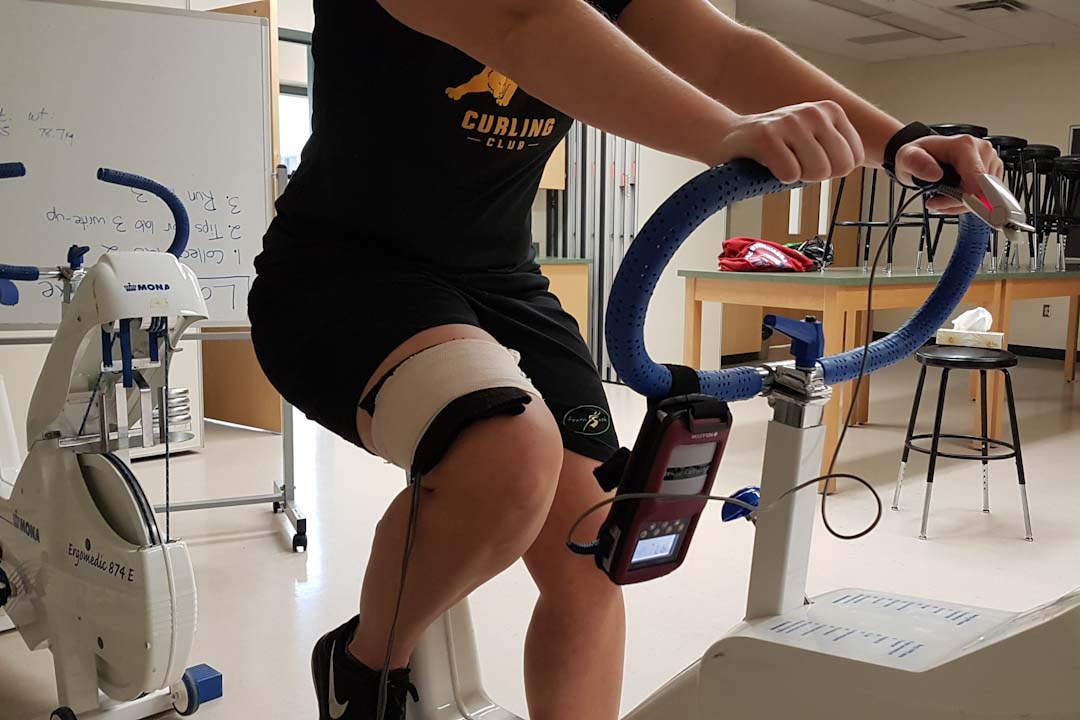
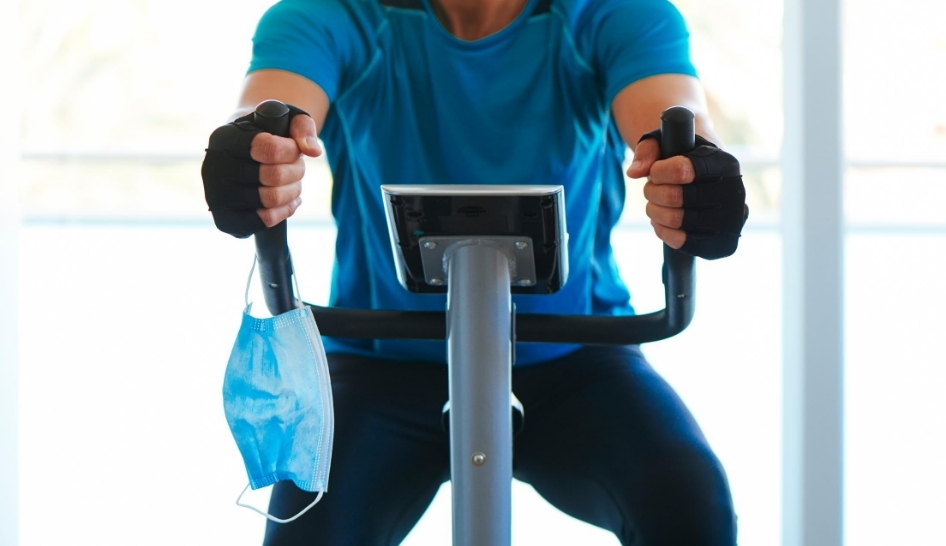
A small Canadian study from the University of Saskatchewan has found that face masks do not hinder breathing for some healthy individuals during even “vigorous” exercise. University of Saskatchewan, College of Medicine

The World Health Organization is quite clear in its direction over exercise and masking; according to their experts, exercisers would do best to avoid wearing masks while working out since masks, they claim, make it more difficult to breathe and the moisture that is generated from perspiration along with an increase in exercise-generated respiration will result in the mask fabric becoming wet and playing  host to a wide range of micro-organisms.

That advice has resonated with most regional and national public health authorities which also recommend against mask-wearing when exercising. As always within scientific circles there are dissenting opinions. A team of researchers out of the University of Saskatchewan, and two sports medicine experts from the University of Pretoria in South Africa make their own claims, that masks should be worn while engaged in indoor exercising, where others are in near proximity.

Safety Efficacy of Masks Column Width
The goal of the Canadian research was to investigate how much a mask could affect exercise performance, and to that end they had seven men and seven women exercise on three days, alternating between wearing a three-layer cloth mask and no mask being worn. Warming up on a stationary bike before increasing resistance every two minutes while cycling at 70 to 74 revolutions per minute until they no longer were able to maintain the pedal rate, the length of each exercise withheld to avoid influencing the workout outcome, exercisers reported no difference in exertion that they were aware of regardless of mask-type used.
 
Time to exhaustion, heart rate and oxygen delivery to the working muscles remained consistent in all three exercise trials, whether or not a mask was worn, affirmed the objective physiological findings. Acknowledging these findings to be contrary to previous studies which reported exercising with a mask decreased oxygen uptake and facilitated the rebreathing of expired carbon dioxide, the researchers noted that hospital-grade N95 masks had been used for those studies, similar to masks used by health-care workers.
 
The masks the University of Saskatchewan study used, on the other hand, were constructed of cloth, similar to those worn by the general public. Disposable surgical masks were also used. 
 
Safety Efficacy of Masks Column Width Listing Image
In a British Journal of Sports Medicine blog post and an opinion piece published in the South African Journal of Sports Medicine, Jessica Hamuy Blanco and Christa Janse van Rensburg from the faculty of health sciences, University of Pretoria, emphasize that mask wearing while exercising at a gym is a vital factor in reducing virus transmission. Comfort, breathability and infection control are recognized by the two experts as the hallmark of a good mask to be used in the gym. They recommend two-layer cotton masks as opposed to the three-layer models, pointing out that one layer less results in easier breathing, avoiding the feeling of claustrophobia, the common early reaction to exercising with the mouth covered by a piece of fabric.

Relaxed breathability also reduces buildup of heat around the mask that tends to occur as exercise intensity increases, even while maintaining a protective barrier against virus transmission. Some of the more lightweight, breathable synthetic masks available prove to be less effective in containing expired respiratory droplets; the major function of mask-wearing. "There is  unfortunately an inverse relationship between protection and breathability with regard to the wearing of masks while exercising", cautioned the two South Africans.

Researchers Hamuy Blanco and Janse van Rensburg recommend further, taking along a second, even a third mask to the gym, to enable one to change to a dry mask if and as required, since a wet mask makes it more difficult to breathe, and makes the cloth barrier less effective at mitigating t he release of respiratory droplets into the air.

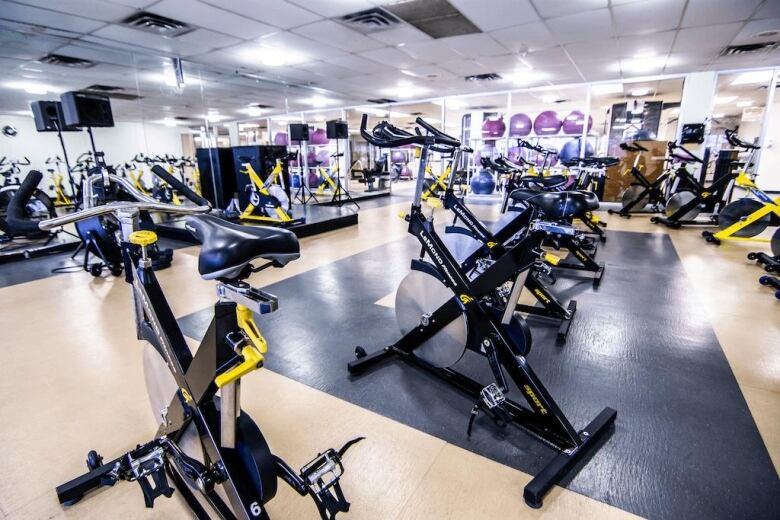
A new mandatory mask rule takes effect for indoor public spaces in Prince Albert, Saskatoon and Regina, Sask. on Friday. People exercising are exempt. (New World Fitness website)

Labels: , , , , , ,

Saturday, October 03, 2020

Notes On An Epidemic

 Optimism and hope are necessary states of mind for a well-balanced psyche. But it's increasingly worrisome news we hear, more liable to make people feel glum and powerless than to look to the future with confidence. Public health authorities and government figures at the executive level keep emphasizing that there is just so much that they can do for society; society too must make an effort to ensure that we all come through this dreadful pandemic as well as might be expected if everyone recognized the vital importance of tuning in to messages of quiet instruction.

Among us there are too many skeptics, those who appear to believe in conspiracy theories, that the COVID-19 epidemic that is making people ill, sending many to hospitals, where some will not survive is nothing but an attempt by government to take greater power over people's lives. That physical distancing alienates people, mask-wearing is a needless exercise in frustration and the manner in which ordinary, normal life has been altered in an effort to restrain the virus's contagion is all for nothing.


Cranks and outliers see nothing amiss in behaving as though these temporary restrictions in lifestyle and the social distancing mandated in an effort to control a deadly virus that preys on the elderly and the health-impaired are unneeded. That they will comport themselves as they wish. While mocking those who slavishly adhere to authority. In the process of eschewing masks to control the level of contagion, and mingling in close interior quarters with others of like mind, they believe themselves to be superior to the quaking fear-mongers.


They become disease carriers and since they're mostly fairly young, most sail through the period of infection, but those whom they have themselves infected may not be young and represent the vulnerable in society. Even so, they are responsible for widening the pool of SARS-CoV-2 virus sufferers, ensuring that the disease acquires a firmer grip on society as a whole. A process that leads inevitably to an unsustainable burden for the medical community, with hospitals stretched beyond their capacity to function, equipment and protective devices coming into short supply, and cases continuing to multiply, along with community death rates.


 We have all of this in the back of our minds, as we go about daily life trying to do our best to shelter ourselves from infection and bearing in mind that in so doing we're also helping to keep the infection rate down. It's a question of whether the majority of the population who do as we do will in the end have the greater, positive effect on the situation, or whether the situation will continue to spiral out of control as a reflection of a minority within the population who have little concept of personal responsibility.


To soothe our overworked concern quotient, we're able to enter an environment that salves the wearied mind with its calm natural landscape. So we are among the most fortunate of the fortunate, making our daily venture out into a natural setting accessed by us with little effort, taking along our two little dogs both as irresistibly accented company and for the good of their own health. 

As we did today. As we did yesterday. As we do every day of the week, the month, the year and the year before this one. It's fall, and fittingly, cool, windy and rainy. But eventually the rain does stop, and the sun emerges, highlighting the change in the season moving steadily from early to late fall and eventually winter. Each season with its own charm and challenges.

When we descended into the ravine early this afternoon, we did so on increasingly leaf-and-needle-padded forest trails. Where freshly fallen leaves lie like colourful confetti and as we progress, our eyes are drawn to individual leaves, different from the congregate they lie among; carmine, splotched, striped, gold, as distinct and individual as are those who make up a population of people, some stand out and some melt into the crowd.

Night rain had swollen the creek again, and it was muddy close to the bridge we were about to cross, just as the floorboards of the bridge had muddy imprints of dog prints as testament to the love of many dogs to plunge into the creek, likely for them the most attractive element of their ramble through the woods as companions to the humans in whose homes they live.


Since the pandemic, the woodland trails that once were the precinct of community members who love the natural trails through the extensive forest and ravine, suddenly became a popular destination for many others out on bicycles, runners, family groups, dog walkers, and though things have quieted down substantially from earlier months as area parks have re-opened along with other venues popular with people, it is only Saturdays now that we see occasional trail walkers among the regulars. 

Half of the time we were out, we were hard put to dodge groups of other people making their way along the trail system, but the other half of our circuit was relatively free of such impediments to quiet peace and balm to a disquieted mind. Most people are courteous, and those that are not are simply a temporary part of the landscape. Is that a metaphor?

Labels: , ,

Thursday, September 17, 2020

Risky Business for COVID Transmission

"In addition to dining at a restaurant, case-patients were more likely to report going to a bar/coffee shop, but only when the analysis was restricted to participants without close contact with persons with known COVID-19 before illness onset."
"Direction, ventilation and intensity of airflow might affect virus transmission, even if social distancing measures and mask use are implemented according to current guidance. Masks cannot be effectively worn while eating and drinking, whereas shopping and numerous other indoor activities do not preclude mask use."
"Efforts to reduce possible exposures where mask use and social distancing are difficult to maintain such as when eating and drinking, should be considered to protect customers, employees and communities."
U.S.Centers for Disease Control and Prevention study
“Exposures and activities where mask use and social distancing are difficult to maintain, including going to places that offer on-site eating or drinking, might be important risk factors for acquiring COVID-19,” the researchers wrote. Photo by Joe Raedle /Getty Images
A new study released from the CDC (Centers for Disease Control and Prevention) has concluded that people who test positive for COVID-19 were judged to be twice as likely to have eaten out at a restaurant than their counterparts who tested negative for the novel coronavius. Data on 314 adults who, following having experienced symptoms in July, took COVID-19 tests identifying 154 of that number characterized as positive 'case patients', as compared to 160 'control-patients' testing negative.

Tests were conducted at eleven facilities in ten U.S. states: California, Colorado, Maryland, Massachusetts, Minnesota, North Carolina, Ohio, Tennessee, Utah and Washington by health care professionals. It was ascertained that 42 percent of the case-patients had reported close contact with someone known to have COVID-19, in comparison to 14 percent of the control-patients. For the most part, 51 percent of the close contact was among family members.

Of the participants with COVID-19, 71 percent wore a face mask in public, similar in number to those who tested negative, 74 percent of whom also wore face masks. The difference between the two groups was that one contingent dined out at restaurants -- whether indoor dining rooms, patios or other outdoor seating. Prior to becoming ill with the novel coronavirus, case-patients were about twice as likely to report having dined out at some point within that two-week period, as opposed to the control group which did not.

The researchers involved in the study noted that they made no differentiation between what type of dining out was involved in the questions posed to the participants; whether indoor versus patio, an elaboration which might have had a bearing on exposure, while they also conceded that the eleven health centres involved also might conceivably not be representative of people at large. That participants, in addition, knew their test results might have influenced their responses.
 
new york city bars and restaurants reopen
A New York City restaurant offering outdoor dining. Noam Galai/Getty Images
 
Limitations aside, eating and drinking at restaurants as highlighted by the researchers, as well as other food service establishments "might be important risk factors" linked to COVID-19 infections, the study points out. Since restaurants have begun reopening on a limited basis, while observing COVID-19 hygiene protocols, the safety of all concerned has been top of mind. It was estimated by Restaurants Canada that ten percent of restaurants have permanently shuttered as a result of COVID-19.

The Canadian Chamber of Commerce feels it possible that by November the number of closures could soar to 60 percent, reflecting the reality that patio dining will become impractical as cold weather enters the picture. In the absence of evidence suggesting COVID is spread by handling or eating food, according to the CDC and the World Health Organization, certain steps are recommended to practise safety from contracting the disease.
 
At the opposite end of the danger-of-infection-spectrum the CDC identified takeout, drive-throughs and delivery services as posing the lowest infection risk from a restaurant setting as opposed to restaurants with indoor and outdoor dining where tables have failed to be reduced in numbers, nor spaced the obligatory six feet distance from one another. Additional high-risk social activities were identified as gatherings with family and friends, religious functions, and movie theaters or sporting events.

Continuing to practise good hand hygiene, wearing a mask when not eating, avoiding high-touch areas like self-serve touchscreens and shared serving utensils, and critically, maintaining a distance of at least two metres (six feet) from others. "Try to assess the whole environment. Go into something where you're going to feel safe and enjoy yourself", urges Jeffrey Farber, a professor of food microbiology at the University of Guelph. 
 
All is not entirely forbidden by practising cautionary behaviour however; outdoor recreational activities and going to the beach, both while maintaining a reasonable distance, are deemed to represent low-risk by health experts. Air circulation quality has been pinpointed as a culprit in indoor spaces and gatherings, critical in advancing virus transmission. The country hit most seriously in the pandemic is the U.S, reporting over 6.3 million cases and close to 200,000 deaths, according to Johns Hopkins University's tracker.

california restaurant indoors coronavirus
Jeff Gritchen/MediaNews Group/Orange County Register via Getty Images
Diners eating indoors at a restaurant in Newport Beach, California.


Labels: , , ,

Tuesday, July 07, 2020

Recognizing All Aspects of Viral Transmission

"The debate over whether the airborne transmission route occurs is over. Many of us have claimed its relevance from very early in this pandemic."
"It was real then. It is real now. Period."
Dr.Richard L. Corsi, dean, engineering and computer science, Portland State University

"Hand-washing and social distancing are appropriate, but in our view, insufficient to provide protection from virus-carrying respiratory microdroplets released into the air by infected people."
"[The problem is a matter of] heightened significance now, when countries are re-opening following lockdowns -- bringing people back to workplaces and students back to schools, colleges and universities."
"All routes of transmission must be interrupted [to await the arrival of a vaccine]."
Joint commentary, Journal of Clinical Infectious Diseases

"Simple things can make a big difference."
"Wear masks whenever you are not at home. Even simple homemade masks can have a major impact."
"Open windows. Don't gather in large groups inside with singing and loud talking."
Dr.Donald Milton, professor of environmental health, University of Maryland

"[Some public health officials have dismissed airborne transmission] which does not strike me as being very cautious when  you are dealing with a virus which is still new and is causing a very severe pandemic."
"[Under the precautionary principle] you don't have to await scientific certainty to take extra precautions."
"It's very inconvenient to acknowledge aerosol transmission because it takes a lot more work to deal with it. Certainly not everyone who has worked with COVID patients has been infected. But there have been a very high number of health-care workers worldwide that have been."
"This is something that needs to be re-examined very carefully."
"In poorly ventilated settings you would expect aerosol transmission to increase."
"[Wearing masks is] something that vigorously should be encouraged, absolutely."
Dr.Raymond Tellier, medical microbiologist, McGill University Health Centre
The logo and building of the World Health Organization (WHO) headquarters in Geneva, Switzerland, 15 April 2020. US President Donald Trump announced that he has instructed his administration to halt funding to the WHO. The American president criticizes the World Health Organization for its mismanagement of the Coronavirus pandemic Covid-19. (Martial Trezzini/Keystone via AP)
The World Health Organization is preparing a scientific brief on modes of transmission that will be released in the coming days, according to Maria Van Kerkhove, technical lead on the COVID-19 pandemic at WHO  (Martial

In a shocked and traumatized world it's just as well that some concensus occurs between health scientists to advise and inform the general public, left confused by persuasive counter-arguments emanating from the authority of experts in the field of virology and infectious diseases. As has occurred most recently when a group of 239 think-alike scientists messaged an appeal to the World Health Organization along with other national health authorities to grant formal recognition to the potential for the airborne contagion of COVID-19.

Published yesterday in the Journal of Clinical Infectious Diseases, there is a warning under the signatures of an international group of scientists that every reason exists to anticipate that SARS=CoV-2 may be spread through microscopic repository droplets sufficiently small to remain aloft and capable of travelling through a room-like space, just like any other coronavirus.

Airborne transmission of COVID-19 micro particles is generally not recognized by most public health bodies, the World Health Organization included. Certain aerosol-generating medical procedures known to cause airborne transmission present as the exception. The preferred messaging is that close contact and larger respiratory droplets seen when people sneeze or cough represent the primary vector for infection, despite the limited range of one or two metres before the droplets fall.

The hundreds of agreed scientists support the explanation that there is a "real risk" in airborne transmission of COVID-19, but it does not represent the only "real risk", referring to a plausible explanation for a number of superspreading events. The possibility of airborne transmission is not under consideration by a number of public health officials. The reason for this reluctance is debatable, yet there is the very fact that not enough is yet known about the SARS-CoV-2 virus to feel confident in predicting any route it takes, now and in t he future.

However, measures have been recommended to retard airborne transmission which could include effective ventilation to ensure more clean air enters premises from the outdoors and less circulating air in public buildings, workplaces schools, hospitals and nursing homes. And that remedies can be suggested such as airborne infection controls such as germicidal UV lights and avoidance of overcrowded conditions, paying particular attention to public transport and public buildings.

Studies have noted that "beyond any reasonable doubt" tiny virus-heavy aerosolized droplets released as people exhale, talk and cough, are capable of floating in the air and drifting long distances carried by currents; possibly as wide-ranging as tens of metres in distance, according to the message from the combined opinion piece.

"Currently, health experts believe that coronavirus cannot be transmitted through airborne transmission", according tot he B.C.Centre for Disease control. Unravelling which transmission route -- droplets via close contact -- airborne?  contaminated hands? represent the most important  theory is difficult to support. Breathing and speaking helps to emit and transmit minuscule aerosols as a response to why it is that asymptomatic people not coughing or sneezing are able to transmit the virus.

Of primary importance it remains well understood that "In poorly ventilated settings aerosol transmissions are expected to increase." Asymptomatic individuals aren't coughing or sneezing yet are able to transmit the virus. Physical distancing and washing hands and self-isolating should someone recognize the symptoms of disease, emphasized Dr.Tellier.
"We wanted them to acknowledge the evidence."
"This is definitely not an attack on the WHO. It's a scientific debate, but we felt we needed to go public because they were refusing to hear the evidence after many conversations with them,"Jose Jimenez, chemist, University of Colorado, paper co-signer
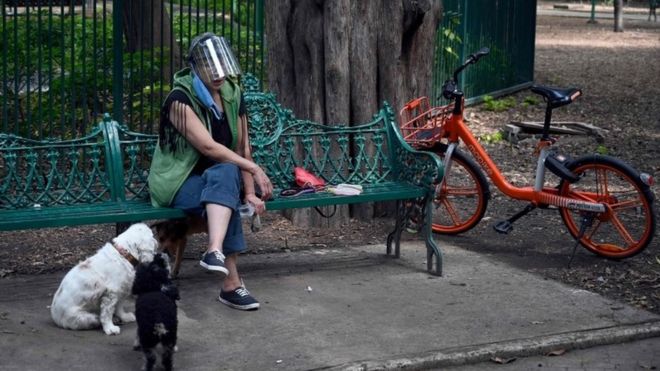
A woman sits in a bench while walking her dogs in Mexico City
Scientists have accused the WHO of underestimating the possibility of airborne transmission AFP

Labels: , , ,

Saturday, April 11, 2020

Virus Transmission-Enabling Touch-Screens

"[The virus was] more stable on plastic and stainless steel than on copper and cardboard, and viable virus was detected up to 72 hours after application to these surfaces."
"The longest viability of both viruses was on stainless steel and plastic; the estimated median half-life of SARS-CoV-2 was approximately 4.5 hours on stainless steel and 6.8 hours on plastic."
Neetje van Doremalen and team, National Institute of Allergy and Infectious Diseases, Montana

"Touching an object on a screen is a direct visual metaphor for the act of touching content itself, similar to touching an object in the real world, when compared to the more indirect touch of using a mouse or trackpad to control screen content."
"Merely imagining touching an object activates imagery processing, which in turn cues mental simulation of that object's behaviour; in essence, simulated or imagined touch generates effects highly similar to actual touch."
S.Adam Brasel, associate professor of marketing
James Gips (since deceased), computer scientist, assistive technologies
Boston College researchers
A person demonstrating how to clean a Drafting II touch table with cleaning spray.
Cleaning Ideum Touch Screens and Multitouch Tables to eradicate Coronavirus (COVID-19)

Touch-screen technology has it all; ease of contact, immediate response, emotional/sensual gratification, feeling of control, satisfying outcomes. They're everywhere from the pocket-handy little communication devices, ephones and a multitude of gadgets we're engaged with, to touchscreen kiosks used in hospitals, airports, and fast-food emporiums like McDonald's. You can arrange an edate, order hamburgers with all the fixings, respond to health questionnaires, check out of your public library, or the supermarket, no fuss.

It's efficient, it's reliable, it's 21st Century. And it's also, unfortunately, a great way for communicable diseases and even ordinary bacterium to transfer from someone else's unwashed, grimy hands to your own sanitized, scrupulously-clean hands. And never before has this been quite the issue as it now looms, when anywhere lurks the sinister novel coronavirus, ready to leap from surface to your interior, a nice cozy, moist and warm environment enabling it to replicate endlessly while making  you deathly ill.

Worse: dead. And even while it's been playing hell with your internal organs and congesting your respiratory tract, affecting your heart and blood pressure on the way to meeting your expiry date, it leaps from the factory-haven of your lovely, devastated interior to someone else's to begin the harrowing (for the victim) process all over again; repeat, and repeat.

Social distancing lines in operation on the floor and monitors reading “We’re open for takeaway orders only” are seen inside a McDonald’s restaurant in Birmingham in central England on the morning of March 21, 2020. JUSTIN TALLIS/AFP via Getty Images

Oh, of course, not just you. Anyone. Everyone. The old and the  young and all those between. Think playground equipment, think shopping carts, think gas nozzles, elevator buttons, door handles, park and airport seating arrangements, light switches, staircase rails, escalator rails, all touchy-feely, all potential harbours of the sinister novel coronavirus. So: be aware. Refrain from touching.

Not so fast. Because not so easy.

We touch because we instinctively reach out ... to inform ourselves, to steady ourselves, to conduct business, to play games (how many times is a tennis ball handled by all the players?) and because touching is inherent in the way we communicate. Given enough time the surfaces that have been smeared with the viral drops will clear themselves most certainly ... but until they do they are clear and present health threats.


Touch screen interfaces, according to consumer research, "can increase psychological ownership". Direct touch interface tends to increase the number of times people search websites. Modern commerce has been enhanced by the invention of touch-screen technology; the way it appeals to people, its ease of use and the satisfaction levels it conveys. So go ahead, in this age of viral infectious rates soaring with grave consequences, steel yourself to not touch that screen.

And while you're about it, don't touch anything else you cannot immediately disinfect. Much depends on it.

Labels: , , ,

Wednesday, March 25, 2020

Do As I Say : Don't Look At Me!

"A bonspiel is not an essential activity."
"I know our health-care providers are under a lot of pressure and scrutiny right now, but hard not to wonder why this event took place."
Timothy Caulfield, Canada Research Chair in health law and policy, professor, faculties of law and public health, University of Alberta

"There have been no deaths linked to this bonspiel. No patients have tested positive with COVID-19 to date."
"At this time, no other patients appear to have been exposed from cases to the bonspiel."
"[Any disciplinary action would be from the provincial physicians' colleges; the focus is on] caring for patients."
"It is not on disciplining physicians, particularly at a time when we need them the most."
Alberta government statement
Curling
Curling rocks are shown Friday, Feb. 10, 2017, during a media demonstration the day before the opening ceremonies of the USA Curling Nationals in Everett, Wash. (THE CANADIAN PRESS/AP, Ted S. Warren)
We are so hugely -- as a public faced with the fears of an infectious global pandemic that has skulked its way into Canada from its emergent home in Wuhan, China -- dependent on the army of skilled medical professionals to care for us in illness and restore us to health, if and when possible. Physicians, secure in their professional knowledge, their practised experience, their diagnostic and healing skills, are the most trusted group of professionals the world over. For the most part, they earn that trust.

But as humans with all the failings of any human being they can at times spectacularly fail that trust.
And this is precisely what occurred when a decision was made to proceed with an annual curling event that brings together health professionals from the Western provinces of Canada. Where, despite knowing that COVID-19 has a swift and deadly spread, and to deter that spread as much as possible people should maintain a safe distance from others to self-protect and protect others from the highly infectious novel coronavirus, 72 people with medical degrees chose to attend the event.

Now three of the attendees from Alberta are known to have become infected with the virus at the tournament that took place in Edmonton. Before they became aware that they were infected, and thus vectors, they had contact with patients and with their colleagues. Twelve in fact, of the 47 Alberta health care workers at the bonspiel which took place between March 11 and 14, tested positive for COVID-19. A situation that calls for them to self-isolate for at least two weeks, placing them outside the health-care system as patients, not as badly-needed practitioners.

Three of the twelve -- physicians in Red Deer, Alberta -- had physical contact with patients and co-workers so that 58 patients were attended to during the course of normal medical business by the doctors involved before they became symptomatic. Add other possible infections counting the 97 other health professionals these doctors' indiscretion may have contaminated. And if so, unbeknownst to those 97, their contact with their own patients would have rippled beyond the initial contact. This is how contamination spirals.

This situation was first brought to light when Dr.Allan Woo, head of the Saskatchewan Medical Association publicly revealed that he had been infected with the novel coronavirus due to his attendance at the bonspiel in Edmonton. Now, Saskatchewan has announced that 11 of their 22 health professionals attending the event also tested positive for COVID-19. Three doctors in Manitoba are self-isolating, having attended the event. 

Well, so much for the wisdom of doctors. And wait, other medical professionals as well have proven to be as unwary -- as when earlier in the month the Pacific Dental Conference that took place in Vancouver at which close to 15,000 dentists and hygienists attended also appears to have resulted in a COVID-19 outbreak. Reports of infections are beginning to emerge, one in particular, the death of a dentist who attended that event.

Students walk past a sign at the south entrance to the University of Calgary on Tuesday February 26, 2019. Gavin Young/Postmedia
Two people from the University of Calgary’s Cumming School of Medicine tested positive for COVID-19 after attending an Edmonton curling bonspiel that played host to more than 50 physicians last weekend, the university said in an email to faculty and students Friday. The University of Calgary is pictured on Tuesday February 26, 2019. Gavin Young/Postmedia

Labels: , , ,

Sunday, February 09, 2020

Exotic Wild Animal Illegal Markets, China, Coronavirus

"[Networks of illegal wild animal smuggling  originate] from West African bushmeat markets in Cameroon and Nigeria to middlemen and traffickers in Nepal Indonesia, Malaysia, Vietnam and Hong Kong, to mainland China, home to most of the demand spurring the global trade."
South China Morning Post

"If we want to do everything in our power to prevent deadly disease outbreaks such as coronavirus, then a permanent ban on wildlife trade, in China, and around the world, is the only solution."
Neil D'Cruze, global head, wildlife research, World Animal Protection
Long-tailed pangolin, Manis tetradactyla, D.R. Congo.
Pangolins are scaly creatures often used in traditional Chinese medicine.  Credit: Frans Lanting/National Geographic

Researchers around the world are working overtime in an effort to fully comprehend the global coronavirus outbreak, and a new arrival on the scene of possible contenders for having been involved in the transmission from animals to humans has appeared on the scene. An endangered species, no less. And seemingly just as likely to have been involved as infected bats and Chinese cobras, all sold illegally, but by popular demand among Chinese connoisseurs of rare and 'delicacy' foods, which have in the past been revealed to have been vectors of morbid viruses.

The pangolin is that creature, a small, scaly anteater, on the endangered species list. And how it made that list is its popularity as a perceived ingredient by way of its scales ground into a powder, as a powerful pharmaceutical to cure medical issues from arthritis to lactation problems; acne, asthma and liver cancer. Just as exotic and rare species like certain types of snakes, rhinocerus, tigers, donkeys, monkeys and so many other animal species are valued for their body parts in China in food preparation and traditional medicinals, so too are the pangolins.

china wet market
A Chinese wet market.
Felix Wong/South China Morning Post/Getty

For their meat, in specialty dishes favoured by Africans and Asians, and for their scales, dried, pounded, and mixed with other ingredients to become medication in cultures whose belief in their restorative and curative powers appear unshakable, even when their governments enact laws prohibiting such cultural proclivities that hasten the decline and threatened state of existence of animal, bird and fish species.

The black market is thriving. And the pangolin has been acknowledged as the most trafficked animals on the globe as the demand for its meat and scales fail to be diminished despite laws, despite harm to their existence and the ecological balance disruption through 'cultural' practices. Above all, despite that scientists have tracked wild-animal trade at black marketed public animal stalls as the culprits in virus transmission to humans.

FILE PHOTO: A man holds a pangolin at a wild animal rescue center in Cuc Phuong, outside Hanoi, Vietnam September 12, 2016. REUTERS/Kham/File Photo
A man holds a pangolin at a wild-animal rescue center in Cuc Phuong, outside Hanoi, Vietnam, September 12, 2016.
Kham/Reuters

The over 800 people who have contracted novel coronavirus and have died of its effects in all likelihood were infected via an original transmission from bats, leaving scientists baffled over how the disease might have leaped from bats to humans. Xinhua news agency reported that scientists from South China Agricultural University have discovered that the genome sequence of the coronavirus strain in pangolins appeared 99 percent identical to that of infected patients.

Advocates of traditional Chinese medicine believe the hard scales of the pangolin, ground into powder form and mixed with other ingredients is a cure-all. Despite which, no evidence exists of any possible therapeutic or medical applications for pangolin scales, a type of keratin, similar to human fingernails. Under the Convention on International Trade in Endangered Species of Wild Fauna and Flora (CITES), pangolin trade has been banned since 2017. Despite which, a huge quantity of pangolin products continue to be traded world-wide.

Hong Kong authorities last year seized a record eight tonnes of pangolin scales from a shipping container which had originated from Nigeria, bound for Vietnam. Officials in Hong Kong are attempting to put a stop to their city continuing to act as a hub for endangered species trafficking in Asia. The government increased the maximum prison term for trafficking and possession of endangered species from two to ten years in 2018, but it has failed to deter smugglers.

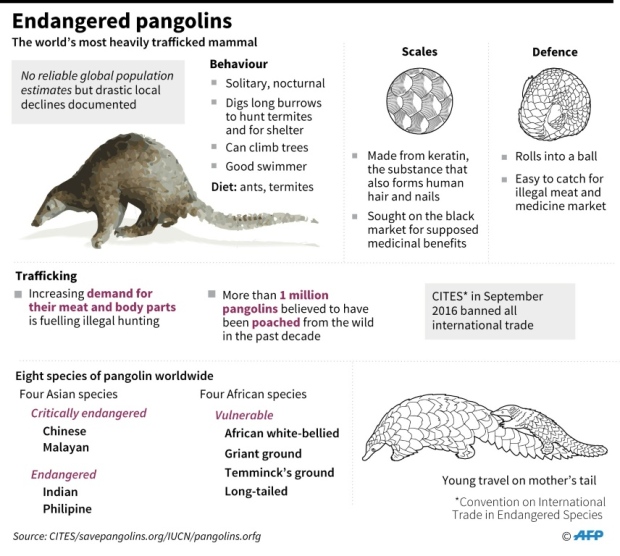
Graphic on Pangolin

Labels: , , , ,

 
()() Follow @rheytah Tweet