Ruminations

Blog dedicated primarily to randomly selected news items; comments reflecting personal perceptions

Wednesday, April 19, 2023

Nature's Cull

"There are enough red flags that we're beholden to prepare."
"If the virus spills over into new species, it always gains an opportunity to mutate and adapt even further."
"So this is really an unprecedented level of viral activity for H5N1."
Dr.Samira Mubareka, infectious disease specialist, clinician scientist, Sunnybrook Research Institute/University of Toronto
 
"The spillover of these viruses from wild birds to mammals could cause a potentially devastating pandemic if the H5N1 viruses mutate into forms that can spread efficiently among the mammalian species."
Research study, Canadian Food Inspection Agency, published in Emerging Microbes & Infections journal

avian-birds-tp4
There have been fewer than a dozen Asian influenza cases confirmed among humans identified globally since 2020. Even among those no instances have been identified of H5N1 passing from human to human. Public health agencies are involved in closely watching how the highly pathogenic avian influenza H5N1 is evolving, a heightened level of alertness, the impetus of which can be traced to the still-and-ever-presence of the previous SARS-CoV-2 pathogen that upended the world community in a massive infection and fatality rate.

First identified in 1996, H5N1 had manifested itself in 2020 with a new type that was detected in late 2021 in North America. Since that date, the virus has decimated huge flocks of both wild and domesticated birds, the result of which has been millions of poultry deaths in Canada alone, from infection and from preventive culls. Dr. Mubareka advised that what has partially captured the attention of scientists is the range of species being infected by the virus.

The first Canadian case was identified in a pet dog earlier this month, among the hundreds of confirmed cases in wild skunks, foxes, mink and other mammals dating to the beginning of 2021. Farmers in Ontario and Quebec have been bracing for a potential wave of cases with the return of migratory birds (bringing the infectious virus with them). Public health agencies throughout Europe, Canada and the United States feel for the time being that risk to humans of contagion is low. There is no risk associated with consumption of cooked birds.
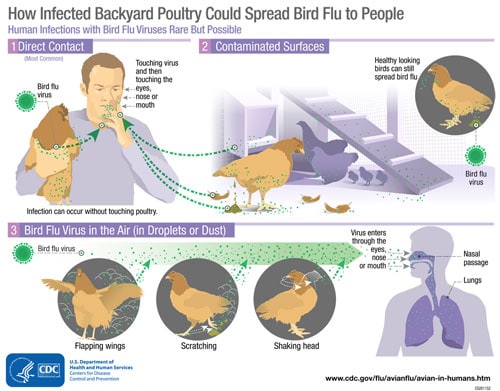
 
Avian Influenza Transmission Infographic
 
Scientists with the Canadian Food Inspection Agency working at a laboratory in Winnipeg where cases of H5N1 are confirmed and genetically sequenced, studied cases in 40 different wild mammals, the researchers finding the virus had undergone some "critical mutations". The critical mutations referred to by the researchers involved that part of the virus that allowed it to replicate; similar findings were reported globally.The scientists found in 17 percent of the cases changes advantaging the virus  to replicate in humans.

On the other hand, the researchers also found that the virus had not developed a preference to lock on to receptors in a human nose, mouth and throat -- the target of an influenza virus, key to human infection. Multiple surveillance networks set to monitor and track the influenza virus have been installed by the Public Health Agency of Canada, which claims to take the situation "very seriously". Its recent experience with COVID-19 aided it in building H5N1-specific plans across government departments.

The 27 member states of the European Union agreed to implement a bird flu vaccine strategy, with Mexico, Egypt and China on a list of countries inoculating chickens against H5N1. Targeted vaccination could help to prevent poultry losses and reduce the spread of the virus, advised Shayan Sharif, professor and acting dean at the Ontario Veterinary College, concerned at the possibility that the virus may mutate to become more dangerous to humans and eventually transmit human-to-human.
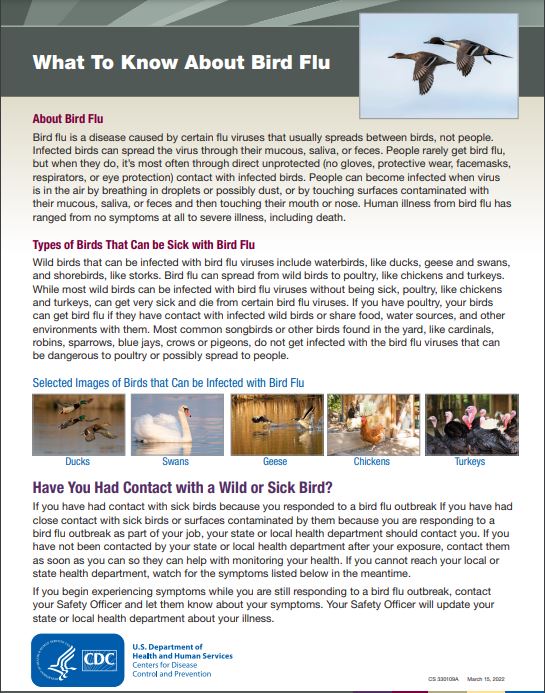
What to know about bird flu pdf

Labels: , , , , , ,

Friday, January 07, 2022

Getting Over It -- Omicron At Home

"If you are otherwise healthy and vaccinated, this will likely be a relatively minor illness and nuisance for you, from almost no symptoms, to a cold, to something that is more achy in nature."
Dr.Andrew Morris, infectious diseases physician, Toronto
 
"[Should symptoms worsen contact your doctor or health-care provider immediately]; some symptoms may be signals that more urgent medical care is needed."
"Adults may look dehydrated, have shortness of breath or chest pains. They may also complain of light-headedness."
"[With children], their face or lips may turn blue. Babies may be unable to breastfeed. These symptoms are warning signs that urgent care is needed."
World Health Organization
 
"We are seeing COVID [positive] babies of unvaccinated moms, who themselves are at increased risk of severe disease."
"It's hard to explain that their young infants would have had some protection against COVID if they had been vaccinated during pregnancy."
Dr.Nisha Thampi, pediatric infectious diseases physician, Children's Hospital of Eastern Ontario
 
"It's rare to have to admit any child with COVID, and we are definitely seeing an uptick in admissions with Omicron."
"We still have a group of kids under the age of five who are unvaccinated, and so they remain vulnerable."
"Inflammation in the bronchi can cause respiratory disease where the child may need support."
"[With a highly contagious variant circulating], we just have a much higher load of COVID out in the community."
"A baby under the age of two should have at least four wet diapers in 24 hours; a child over that age should have three pees in 24 hours."
Dr.Sarah Reid, pediatric emergency physician, CHEO 
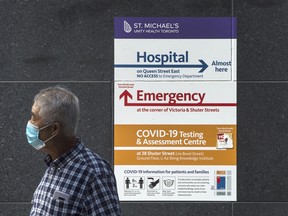
Toronto's St. Michael's Hospital.
There's a lot of both observation and speculation about the barely-two-week appearance of Omicron, the SARS-CoV-2 virus COVID variant that health experts are still trying to figure out, even while two years of COVID-19 haven't brought them to a full comprehension of the coronavirus and its potential mutations and affect on the post-infected for the future. What all health authorities want to do is pull the rug out from under the confusion leading to panic. 
 
And they feel safe enough given real-life observations, to assure the public that this version of the mutated coronavirus appears far less willing to inflict heavy damage on the wild numbers of people it is infecting anywhere in the world it lands, turning an introduction into a full-scale invasion. The reality is that for any country's health-care system, the burden of dealing with Omicron goes well beyond is relatively mild symptoms as it bulldozes through populations. 
 
The variant's very infectiousness itself, feeding omnivorously on the infection-susceptible, inevitably creates a huge wave of hospitalizations; in comparison to the growing numbers of infections, relatively few serious cases emerging still translates to more urgent need to meet the medical requirements guiding people back to health through heroic medical interventions at a time when health workers are themselves drained of energy and many have succumbed to the virus themselves.
 
Still the public should be aware that most people contracting Omicron will not be requiring hospital assistance since most with a COVID infection of the variant are able to recover in their own homes. Omicron's most common symptoms are mild, including fever, cough, congestion, muscle aches or fatigue -- symptoms common to many other relatively benign, fleeting illnesses from colds to mild flu. It was noted early on that tell-tale symptoms of COVID-19 such as taste and olfactory sense loss rarely occurs with Omicron.
Some symptoms of Omicron infection include fever, dry cough, runny nose, aches and pains, nausea and diarrhea. You may not lose your sense of taste or smell with this variant, however, according to infectious diseases specialists. (Prostock-studio/Shutterstock)

When recovering at home the medical community recommends rest, remaining well hydrated, and should body aches be sufficiently severe, making use of over-the-counter medications like acetaminophen or iboprofen to treat fever or muscular and joint aches. The elderly with medical conditions; obesity, lung or liver disease, or diabetes, along with those who are immunocompromised may requir 9e early treatment in prevention of becoming more ill or requiring hospitalization.
 
"So getting a diagnosis is important, and you should seek medical attention", advises Dr. Morris. In which case some treatment options for those at increased risk of infection, with comorbidities include budesonide, an inhaled steroid and asthma drug that is commonly prescribed; the antidepressant fluvoxamine which has anti-inflammatory properties, and an IV infusion of monoclonal antibodies to prevent mild and moderate COVID from progressing to severe. 
 
For those who experience distress, it is recommended that they attend the closest hospital emergency department, alternatively if too ill, contact 911 for assistance. Any signs that include difficulty breathing when standing or moving about, chest pain or pressure, increased and gradual feelings of being unwell or breathless, shaking, or shivering, loss of appetite, dizziness, collapsing or fainting, or feeling ill to the point of being unable to perform basic functions, call for immediate medical assistance.   
 
In addition, there are other symptoms that give warning and require action, such as a significant or increasingly worse cough, confusion, sleepiness in the extreme, and low oxygen levels. Oxygen saturation (oxygen level in the blood) is measurable with the use of a pulse oximeter, a small device clipping to a finger. When levels dip to 92 percent in an otherwise healthy individual, that signals a need to be admitted to hospital.
 
And while it is considered a rare event for children or babies to develop severe illness out of COVID, pediatric hospitals are reporting having admitted babies under a year of age in reflection of COVID infections. Signs to watch for in children include sudden confusion, or refusal to eat. Babies in particular, can have issues revolving around feeding and hydration, or may require extra oxygen.  Indications of respiratory distress -- where a child is breathing differently than normal and dehydration -- signal the need for medical attention.
 
A child that presents as abnormally sleepy and is difficult to arouse out of sleep, is yet another symptom to be aware of. Should a child have a fever extending to day five, assessment should be sought "to make sure there's no sign of anything else happening that's causing the fever to persist", advised Dr.Reid.     

For many people who have two or three doses of a COVID vaccine and who get Omicron, they'll find their symptoms can be managed at home. Drink plenty of fluids, and stay warm inside. (Shutterstock)

Labels: , , , ,

Sunday, January 02, 2022

At -Home COVID Recovery

iStock
"The most important thing is to keep your antennae up and get medical attention promptly if it starts behaving like a not-mild illness."
"Your immune system will get rid of this ... so the important thing there is, [is to] support your immune system. Eat sensibly, eat healthy food. Your body needs good nutrition to support your immune system.
This is not the time to skip your fruits and vegetables."
"It's not going to make you better, but it'll help you not suffer as much until your immune system makes you better [over-the-counter painkillers]."
Lee Green, chair, Department of Family Medicine, University of Alberta

"You don't want to miss it when somebody is getting to the point of needing oxygen or specific therapies for COVID that are only available in a hospital setting."
"And so there is value, particularly in the older and people that have comorbidities, to monitor their own health more closely in terms of temperature, maybe check your heart reate, your breathing rates, and seriously think about getting a pulse oximeter."
Noel Gibney, professor emeritus, School of Medicine, University of Alberta
 
The experience is different for everyone; depending on age, health condition, and all manner of variables. The latest surge of COVID-19 racing through Canada has resulted in record-breaking case counts in some provinces with 207,418 active cases in the country as a whole, mid-week; just over 1,201 admitted to hospital, while according to the Public Health Agency of Canada large numbers of people are isolating at home while recovering from an infection. 

No evidence exists, according to the U.S. National Institutes of Health, that vitamin C supplements are of any practical use as a home 'cure' for COVID. Insufficient evidence exists for vitamin D or zinc to be recommended as potentially curative supplements. So when people are infected with Omicron, they're left to their own devices and that usually boils down to methods used for most types of infection of the respiratory tract: rest and fluids.

Resting, exercising, and eating healthily while in isolation is highly recommended by the Public Health Agency of Canada, as well as making use of video calls in communication with friends and family. COVID-19 symptoms are not dissimilar from a whole host of other illnesses, although there are also those testing positive for the coronavirus who are asymptomatic. Legal requirements are to isolate if ill with COVID, including for those with exposure to others who are infected.

Symptoms such as coughing; 38 degrees Celsius temperature or higher; chills; body aches; weakness and fatigue and conceivably, shortness of breath. Symptoms that are similar to many other types of illness, and like them, the recommendations for home treatment and recovery are also similar. A closed, steamy environment  may help alleviate congestion. And balm on a nose exposed to too much wiping can be a relief.

Ibuprofen or acetaminophen can be used to alleviate discomfort according  to the National Health Service in the United Kingdom, while at the same time the PHAC recommends the avoidance of painkillers which "could hide an early symptom of COVID-19", if an individual is in quarantine from an exposure, but not yet confirmed to be COVID-positive.

"There is no scientific evidence that establishes a link between ibuprofen and the worsening of COVID-19 symptoms", read a Health Canada notice in response to early pandemic social media posts claiming the ove-the-counter medication had the potential to worsen COVID-19. "Water, soup, fruit juice and hot tea with lemon are all good choices", along with "extra rest to help feel better", a message from the government of Alberta.

The NHS suggests avoiding lying on one's back in bed, sitting upright or lying to one side, instead to facilitate easier breathing. Cough medicines not recommended for those under six years of age, can help alleviate symptoms in older people. Above all, "good advice anytime is the suggestion to abstain from smoking or breathing second-hand smoke while ill with COVID-19". "It's a good idea to take your temperature if  you feel badly ... if you're feeling terrible and if you feel like you might have a fever, make sure to check", advised Dr.Green at the University of Alberta.

Some symptoms are not to be managed at home. Presenting for medical attention at a hospital is highly recommended with significant trouble breathing, with chest pain or pressure, with a new onset of confusion or difficulty waking from a sleep. The risk is for people who begin with a mild illness then proceed to a worsening situation. A pulse oximeter to tell blood oxygen level providing a warning sign of when to seek medical care, is recommended by Professor Gibney of University of Alberta's school of medicine.

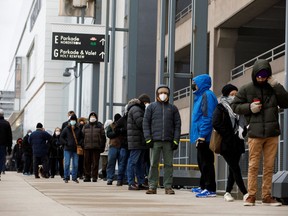
People queue to pick up coronavirus disease (COVID-19) antigen test kits, as the latest Omicron variant emerges as a threat, at Yorkdale Mall in Toronto, Ontario, Canada December 22, 2021

Labels: , , , , ,

Saturday, December 26, 2020

Disciplined, Tough, Motivated, Drukpa Nuns, Nepalese Himalaya

Nepali Buddhist nuns
Nepali Buddhist nuns practise kung fu at the Amitabha Drukpa Nunnery on the outskirts of Kathmandu. Dressed alike with matching shaved heads, the women and girls finish their daily exercise and move on to their other duties as part of the Kung Fu Nuns of Nepal, a name they have proudly adopted. Prakash Mathema/AFP via Getty

"The biggest challenge has been explaining to people how dangerous this virus is."
Jigme Konchok Lhamo, 28, Buddhist Drupka nun
 
"We are scared ... But fear can't stop us."
"We can't change the whole world by ourselves but even if we manage to help one life, that's a big success. We feel happy about it. We feel encouraged."
Jigme Yeshe Lhamo, 30, Buddhist Drupka nun 

"They are a new generation of women who are not afraid to break century-old taboos and stereotypes."
"They took their practice off the meditation cushion and into the world -- often times against criticism and threats to their safety."
Carrie Lee, former president, Live to Love International
A Kung Fu nun hands a woman face masks. Thomson Reuters Foundation/Handout by Live to Love International
 
These nuns are different than how nuns are traditionally conceived. For one thing, His Holiness, The Gyalwang Drupka, leader of the thousand-year-old sect, a decade ago gave encouragement to the nuns to learn Kung Fu martial arts reasoning it would give them exercise for better health, and confidence in themselves and their mission. Ever since, they have been dubbed the "Kung Fu nuns". 
 
Women of the Drukpa lineage representing the sole female order in the Buddhist monastic system are also unique in that they share equal status with monks.

They broke ranks with tradition when they eschewed expectations of focusing primarily on cooking and cleaning, and set aside the injunction not permitting them to exercise. And now, during the global pandemic they set out to break old taboos and search for new horizons in their zeal to do good in their world through influencing the actions of others prone to superstition and surrender to what they deem to be preordained fate.

The Drukpa nuns have undertaken the dangerous and arduous work involved in trekking through the oxygen-thin altitudes of the Himalaya to reach small, isolated tribal villages where COVID-19 has struck, just as it has elsewhere in the world. Bearing weighted backpacks, hundreds of the Buddhist nuns garbed in maroon robes dispense health advice to villagers sickened by COVID, and destitute.

The vital aid they offer consisting of sacks of staples; rice and lentils, toiletries and face masks hauled on their backs is meant to save the lives of the helpless villagers, to convince them first of the dire threat that COVID-19 poses to their well-being. The dedicated nuns' activities in delivering aid has benefited villagers on both sides of the India-Nepal border. About two thousand indigent families have so far been supported by the nuns.
 
Villagers line up to receive aid from the Kung Fu nuns. Thomson Reuters Foundation/Handout by Live to Love International
 
They do their best to convince the villagers that the virus is not "just a cold". Without access to news sources taken for granted elsewhere in the world, villagers tend to shrug off the nuns' efforts through training sessions on social distancing, hand washing and mask wearing. Nonetheless, the nuns have taken to working industriously with little attention to the hours they sacrifice to ensure food and hygiene items are delivered to COVID-struck villagers in the mountains.

The Indian district of Lahani is home to half the global network of roughly 700 Drukpa nuns. The inhabitants of the village in its entirety have all been infected by the virus, including relatives of some of the nuns. The nuns have also realized that for women, the pandemic has highlighted added challenges. 
"When I spoke to my cousin, she said maintaining menstrual hygiene was very difficult because sanitary pads are not available and even if they are, they don't have enough money to purchase them."
"It's a very big issue for women."
Nima Sherpa, 28, northern Nepal
This situation has informed the nuns what their next mission would do well to focus on; women's health, including hygiene specifically addressing menstruation. Teaching villagers as well, how to perform breast self-examinations for cancerous lumps.

https://d8zcwdvc14g2e.cloudfront.net/contentAsset/image/58822090-e307-498c-a159-355b29e9bd6f/image/byInode/1/filter/Resize,Jpeg/jpeg_q/70/resize_w/1230
Family members of Kung Fu nuns in India sew cloth face masks. Thomson Reuters Foundation

Labels: , , , , , ,

Sunday, December 06, 2020

COVID-19 Long-Haulers : Persistent Symptoms, Organ Damage

"[The clinics were established to learn more about the disease and to] create a platform for various researchers to study long-term outcomes of patients in comprehensive and collaborative ways."
"About half [of referred COVID patients] have significant abnormalities in patient-reported outcome measures."
"The frightening message really is that this one hit probably ended up reducing lung function by an average of 20 percent in these patients, which may be permanent based on what was seen with SARS and MERS."
Dr.Christopher Ryerson, respirologist, associate professor, University of British Columbia Centre for Heart Lung Innovation

"[The LHSC clinic monitors COVID patients and identifies long-term complications early], so we can intervene early and prevent consequences of the disease that have been seen in past pandemics, including H1N1 and SARS."
Dr.Erin Spicer, general internist, LHSC Clinic, London-Middlesex region

"The goal of the clinic is to help people who've been left with long-term consequences of COVID to get back to their normal life and to understand why they're having difficulty and not able to get back to their normal life."
"Even the patients that didn't have severe COVID were having difficulties. They were complaining of extreme fatigue, they were complaining of nerve pain, they were complaining of brain fog."
"Some were feeling anxiety, some were showing symptoms of PTSD and almost all were complaining of an inability to exercise."
"Whenever you start up a clinic that's a new population, you have to learn enough about the population before you figure out what's common enough that you want to bring it into your clinic."
"It seems to be somewhere between five to ten percent [of COVID survivors] who have persistent problems. Even at that proportion, the health system really will have trouble managing that magnitude of people."
Dr.Mark Bayley, medical program director, Toronto Rehabilitation Institute
COVID-19 modelling suggests we're in it for a long haul ... CBC
 
The medical community is now increasingly aware that many survivors of COVID struggle to return to their normal lives, suffering from what conceivably can be long-term health challenges. Doctors only now, experts in their field, are trying to fully understand what this signifies, having identified many long-term effects such as shortness of breath, nerve pain, fatigue and mental-health issues. Experts are in agreement that, as COVID cases continue to rise, many Canadians will face long-term health challenges.

This has resulted in clinics being established in an effort to become more knowledgeable about the disease and its after-effects. In Vancouver, when the pandemic first surfaced, every patient with COVID who was discharged from hospital was referred automatically to a respiratory clinic. During the early stage of the pandemic doctors used a standardized clinic research model designed for respiratory patients including breathing tests, heart ultrasounds, chest X-rays and questionnaire' the plan being that for every patient to be seen following, six, 12 and 24 months.

It soon became evident that COVID patients bore more complex issues beyond respiratory, so that an increasing number of specialists were required to be involved in their care. Staffed primarily by general internists the clinic can now refer their patients to 15 different medical specialists. Dr.Ryerson studied along with his colleagues, patients' quality of life, frailty, shortness of breath, mood and sleep patterns. A loss of lung function appears to be suggested; at three months post-infection, survivors show a 20 percent reduced lung ability to exchange gases.

Among the Vancouver clinic's patients, 88 percent were seen to have abnormal lung CT findings, twenty percent were seen with scarring in the lungs suggesting the likelihood of permanent lung damage from the disease, points out Dr.Ryerson. A study in Beijing followed 71 patients with SARS from 2003 to 2018 discovering that while lung injury improved following the first year of SARS diagnosis, the improvement plateaued and decreased lung function was experienced by patients throughout the remainder of the study.

And in London, Ontario, where the follow-up LHSC clinic was developed, everyone in the London-Middlesex region diagnosed with COVID is now offered a referral to the clinic which is currently following over 100 patients, some of whom require more frequent follow-up than others. What is seen, however, is that patients indicate persistent nerve symptoms, brain fog and confusion, and accordingly are referred to neurologists. 

Many others at the LHSC clinic complain of weakness months following their initial COVID diagnosis and a significant number of patients require referrals to ear, nose and threat specialists reflecting their prolonged inability to smell. Dr.Spicer at the London clinic states that up to 46 percent of patients complain of anxiety, mood changes, symptoms familiar with post-traumatic stress disorder, social isolation and bullying, as a result of their diagnosis.

The Canadian COVID-19 Prospective Cohort Study involves multiple studies across Canada, including sites in British Columbia, Alberta, Quebec and Ontario where the group operates research clinics and provides clinical care. Hospitalized and non-hospitalized COVID-positive patients are included in the studies, where patients can be physician-referred or self-referred. Assessments are done at one, three, six and 12 months post-COVID, and under the CANCOV umbrella, specialists are available to provide detailed testing depending on patient needs.

The goal of CANCOV is to raise the standard of care for patients with COVID, and it hopes to provide clinical guidelines for policy-makers and chart a full description of the various ways COVID can affect the body's organs, with over 100 investigators with clinical and research expertise involved. "We are trying to understand what it means to be a long-hauler", noted Dr.Angela Cheung, who along with Dr.Margaret Herridge co-leads the Canadian COVID-19 Prospective Cohort Study.

Back at the Toronto Rehabilitation Institute, Dr.Bayley explains that the institute's staff realized people who survive COVID may be similar to those who have had lung disease or long stays in intensive-care units where it is acknowledged that patients who have been intubated and ventilated for over a week are likely to emerge with long-term health problems. Along with physical symptoms, Dr.Bayley estimates that 30 to 50 percent of survivors experience some mental-health issues, leading the rehab centre to use social work services.

Over 315,000 cases of COVID have surged across Canada. Even so, Dr.Ryerson believes the country is less than halfway through the pandemic from an absolute numbers perspective, and the number of people who will bear long-term challenges is an unknown.

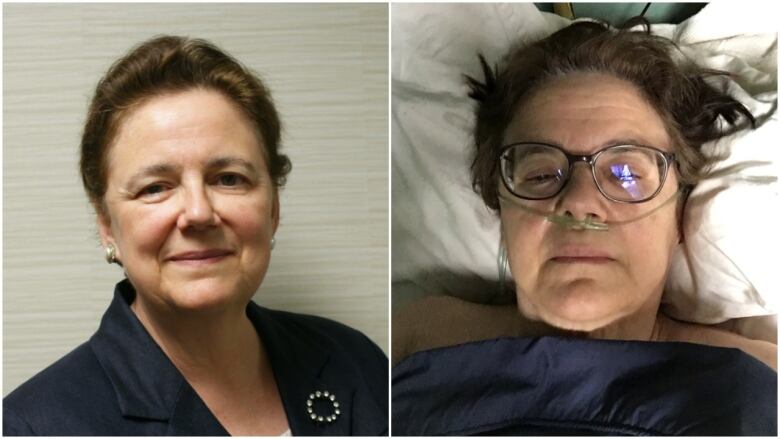
Lorraine Graves, a science journalist, contracted COVID-19 in March. She's pictured, right, receiving oxygen to help with her breathing. But months later, she says she's still sick. (Submitted by Lorraine Graves)

Labels: , , ,

Thursday, November 12, 2020

Novel Coronavirus Endangering Marine Life

"Many of these species are threatened or critically endangered."
"In the past, these animals have been infected by related coronaviruses that have caused both mild disease as well as life-threatening liver and lung damage."
Graham Dellaire, director of research, pathology department, Dalhousie University, Halifax

“Our major concern is in developing nations, where there is already a disparity in public health and the wastewater treatment infrastructure required to handle the COVID-19 crisis."
"Monitoring susceptible species in these high-risk areas around the world will be pertinent for protecting wildlife during and post-pandemic."
Saby Mathavarajah, Killam pre-doctoral fellow, Dr. Dellaire’s lab
 
"Over the past several months our lab has been focused on detection of SARS-CoV-2 in wastewater to help understand public health outcomes."
"However, this study helped to shine a light on a potentially significant environmental concern of untreated wastewater."
Graham Gagnon, professor, Department of Civil and Resource Engineering, Dalhousie University
Kevin Schafer/WWF-Canon
Belugas are extremely sociable mammals that live, hunt and migrate together in pods, ranging from a few individuals to hundreds of whales. Their bulbous forehead, called a "melon”, is flexible and capable of changing shape. This allows them to make different facial expressions. Belugas can produce a series of chirps, clicks, whistles and squeals, which give the beluga its other name, "the canary of the sea." They may sound like music or even nonsense to us, but to fellow belugas they convey important information. World Wildlife Fund
 
Researchers out of Dalhousie University, with data on dolphins and beluga whales infected with coronaviruses in the past, have raised the alarm over COVID-19 spreading to whales and other marine mammals through improperly treated sewage and wastewater. Their study was published in the journal Science of the Total Environment, where the Dalhousie University scientists describe making use of genomic mapping in order to determine which marine mammals would be vulnerable to the novel coronavirus.  
 
The research team studied amino acids which the virus binds to, discovering striking similarities between those in humans and in several marine mammals, a group including dolphins, beluga whales, seals and sea otters. At least 15 marine mammal species were found to be susceptible to infections, reflecting the fact that they each carry a protein required for the virus to be enabled to infect cells, according to Graham Dellaire, director of research in the pathology department of Dalhousie University in Halifax, Nova Scotia. 
 

A researcher was surveying seabirds off the coast of Vancouver Island when he spotted something unexpected: a huge group of common bottlenose dolphins — about 200 of them — breaching and swimming.   Mike Hill/Getty Images

The prediction coming out of the study is that the majority of whale, dolphin and porpoise species -- some 18 of 21 -- have identical or higher susceptibility to the virus as do humans. Eight out of nine seal species are also predicted to be highly susceptible to infection by the coronavirus. The virus is excreted in feces and can survive in water for up to 25 days, according to studies.

This raises the possibility that wastewater has the potential to spread the disease. It has already occurred in Spain, Italy and France, where the virus has been detected in untreated sewage.

beluga whale
Whales, like the beluga, are at the top of the food chain and have an important role in the overall health of the marine environment. Beluga whales are also culturally important to indigenous communities in the Arctic. Like polar bears, the beluga depends on sea ice for its existence and can be directly impacted by climate change.  WWF

Labels: , , , , , , , ,

Tuesday, August 25, 2020

Another COVID Complication -- No Simple Solutions

"The finding does not mean taking vaccines will be useless. Immunity induced by vaccination can be different from those induced by natural infection."                  "The patient got re-infected 4.5 months after the first infection. Therefore, it shows that for this patient, the immunity induced by the first infection is short lasting."    Dr.Kai-Wang To, University of Hong Kong

"Given the number of global infections to date, seeing one case of reinfection is not that surprising even if it is a very rare occurrence."                                                  Jeffrey Barrett, consultant, COVID-19 Genome Project, Wellcome Sanger Institute, Britain

"This case illustrates that re-infection can occur even just after a few months of recovery from the first infection. Our findings suggest that SARS-CoV-2 may persist in humans, as is the case for other common-cold associated human coronaviruses, even if patients have acquired immunity via natural infection or via vaccination."                                                                                                   "Patients with previous COVID-19 infection should also comply with epidemiological control measures such as universal masking and social distancing,"                                                                                                     Research paper

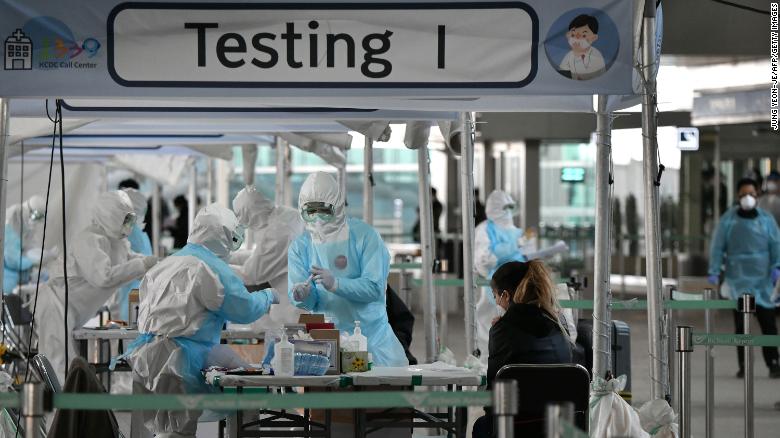
Medical staff wearing protective clothing take test samples for the Covid-19 coronavirus from a foreign passenger at a virus testing booth outside Incheon international airport, west of Seoul, on April 1, 2020.
Medical staff wearing protective clothing take test samples for the Covid-19 coronavirus from a foreign passenger at a virus testing booth outside Incheon international airport, west of Seoul, on April 1, 2020

"What I think is really important is that we put this into context. There's been more than 24 million cases reported to date. And we need to look at something like this on a population level. And so it's very important that we document this -- and that, in countries that can do this, if sequencing can be done, that would be very, very helpful. But we need to not jump to any conclusions."                                       "Even if this is the first documented case of reinfection, it is possible of course because with our.experience with other human coronaviruses, and the MERS coronavirus and the SARS-CoV-1 coronavirus, we know that people have an antibody response for some time but it may wane."                                           Maria Van Kerkhove, World Health Organization's technical lead for coronavirus response, head, emerging diseases and zoonoses unit
 
"The report from Hong Kong of a re-infection in a man by COVID-19 that was genetically different from the first infection should not be too surprising. It is, however, important that this is documented."
"Of particular note was that the case was a young and otherwise healthy person and that the second infection was diagnosed 4.5 months after the initial episode." "Commentators have been saying for some time that immunity is unlikely to be permanent and may only last a few months. Given the different intensity of the antibody response in people with mild or severe illness and the subsequent decay in levels, it is likely that those with a mild illness will have a shorter duration of immunity than those with severe illness."                                                                      Dr. Paul Hunter,  professor in medicine, University of East Anglia's Norwich School of Medicine, Britain
 
"Second infection was asymptomatic. While immunity was not enough to block reinfection, it protected the person from disease. Patient had no detectable antibody at the time of reinfection but developed detectable antibody after reinfection. This is encouraging. [Since reinfection can occur, herd immunity by natural infection is unlikely to eliminate the novel coronavirus.]"                          "The only safe and effective way to achieve herd immunity is through vaccination." "Lastly, while this is a good example of how primary infection can prevent disease from subsequent infection, more studies are needed to understand the range of outcomes from reinfection."                                                                                         Akiko Iwasaki. Yale School of Medicine
Hong Kong researchers say man got Covid-19 twice

There have been reports from various countries; Israel, the Netherlands, of reinfections with COVID-19. People who had once contracted the disease then recovered months later being reinfected with an entirely new infection, and a new strain of the disease; meaning that the antibodies their immune system produced after their first infection were perhaps partially or temporarily effective in warding off new infection, but not long-lasting enough to prevent a future reinfection. This finding, should it turn out to be a common occurrence, would blow the effect of the herd immunity concept out of the water.

A 33-year-old man in Hong Kong, recovered from a bout of COVID-19, some four and a half months later was once again infected. His is the first documented case of human reinfection, and researchers at the University of Hong Kong, reporting on this case produced a study, published in the international medical journal Clinical Infectious Diseases. The man had been judged entirely recovered from COVID on his discharge from hospital in April.

He had later gone on a trip, returning on August 15 to Hong Kong from Spain through Britain. He appeared to be healthy but was found to have contracted a different strain of the coronavirus from that he had previously been infected with. For the second infection he remained asymptomatic, not knowing he was infected and theoretically passing the virus on to others with whom he came into contact. 

The virus which causes the disease has led directly to the deaths of over 800,000 people globally. And according to the findings documented in the newly published paper, COVID may continue to spread around the globe, in spite of herd immunity. The hope that the more people within any given population contracted the disease and community antibodies build, the better the opportunity for the greater, uninfected population to be able to avoid contracting SARS-CoV-2 causing COVID-19.

Dr. To, the lead researcher in the study, cautioned that no such predictions can yet be made with confidence, that results of the vaccine trials would determine just how effective they will turn out to be in preventing the further spread of the virus. Mainland China has reported instances of people having been discharged from hospitals after recovering from COVID-19 infection, later testing positive for the virus. There was no clarity however, whether the virus had been contracted following full recovery as with the patient in Hong Kong or whether these people had virus remaining in their body from the initial infection.

A man walks past a mural in Hong Kong on Sunday.  | AFP-JIJI
A man walks past a mural in Hong Kong on Sunday. | AFP-JIJI

Labels: , ,

Tuesday, July 28, 2020

Hunting Down and Curing Hepatitis C

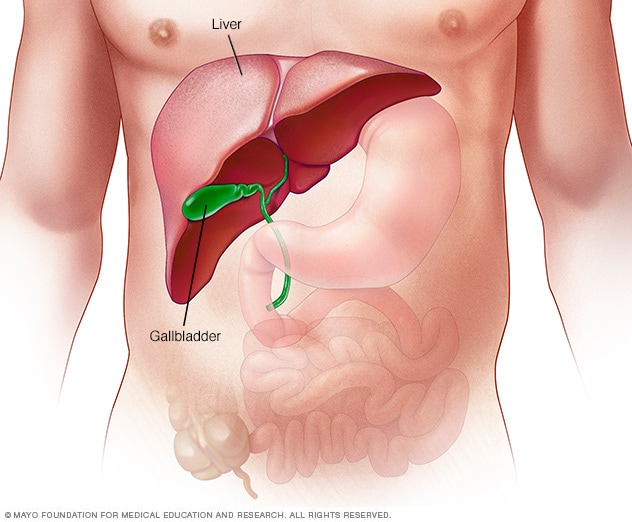
The Liver
"Hepatitis C is a viral infection that causes liver inflammation sometimes leading to serious liver damage. the hepatitis C virus [HCV] spreads through contaminated blood."
"Until recently hepatitis C treatment required weekly injections and oral medications that many hepatitis C -infected people couldn't take because of other health problems of unacceptable side effects."
"That's changing. Today, chronic HCV is usually curable with oral medications taken every day for two to six months."
Mayo Clinic
"It is fantastic to think of all the future misery that has been diminished and eliminated because of these efforts [new treatments for hepatitis C]."
"One of the key challenges we face is having accurate numbers about how many people are getting sick, getting diagnosed and starting on treatment. We need a better structure in place to provide those numbers and to know how we are doing as far as our elimination goals."
"This treatment is saving lives and preventing them from needing liver transplants."
Dr.Curtis Cooper, director, The Ottawa Hospital/regional hepatitis program
Targets have been set by various countries in collaboration with the World Health Organization to decrease new infections of hepatitis C by 80 percent, to diagnose 90 percent of new cases and to treat 80 percent of people living with hepatitis C within a ten-year span. It can be done and medical science has shown the way. A program to do all of the above and remove a morbid threat to health within society is well underway. But like all medical procedures that have hit a bump in their methods, purpose and attention to the public's needs, the entry of the global pandemic has complicated their plans.

A Canadian network of experts in the field of hepatitis C has a blueprint jointly developed to achieve elimination of the infection in the country. Policy recommendations include tracking progress and moving toward elimination of hepatitis C, despite the barriers to achieving the goal. Today, July 28, is in fact, World Hepatitis Day. A critical issue is that an estimated 40 percent of Canadians have the disease but are unaware that they are in fact infected with it.

While a large percentage of infections are unidentified, the pandemic slowed or apprehended referrals in the protocol of identifying cases which has resulted in fewer cases being identified and consequently treated. Virtual visits -- telemedicine -- has stepped in to fill the breach. The Ottawa hepatitis clinic which Dr.Cooper oversees is starting patients on therapy through telemedicine; nurses and social workers representing the clinic, are seeing greater numbers of people in the community.

Poster : Hepatitis C - Are you at risk?
This is, after all, a disease traditionally feared as a death sentence waiting to happen, in view of the fact that symptoms don't appear until the disease begins its mission of destroying the liver. The good news now is that treatments that take between eight and 12 weeks work for almost everyone. In the 2-1/2 years just passed, the Ottawa and regional clinic has cured over one thousand people.

As a result of this program's success to date, a steep decline in the frequency of liver cancers has been recognized as a fallout of hepatitis C treatment, even while hepatitis C itself no longer represents the major reason in Canada for liver transplants. Validation of the success of the new treatments.

High-risk groups are identified as injection drug users, and infections are continuing to expand within that group.


Long-term infection with the hepatitis C virus is known as chronic hepatitis C. Chronic hepatitis C is usually a "silent" infection for many years, until the virus damages the liver enough to cause the signs and symptoms of liver disease.

Signs and symptoms include:

  • Bleeding easily
  • Bruising easily
  • Fatigue
  • Poor appetite
  • Yellow discoloration of the skin and eyes (jaundice)
  • Dark-colored urine
  • Itchy skin
  • Fluid buildup in your abdomen (ascites)
  • Swelling in your legs
  • Weight loss
  • Confusion, drowsiness and slurred speech (hepatic encephalopathy)
  • Spiderlike blood vessels on your skin (spider angiomas)
Mayo Clinic

Labels: , ,

Tuesday, July 07, 2020

Recognizing All Aspects of Viral Transmission

"The debate over whether the airborne transmission route occurs is over. Many of us have claimed its relevance from very early in this pandemic."
"It was real then. It is real now. Period."
Dr.Richard L. Corsi, dean, engineering and computer science, Portland State University

"Hand-washing and social distancing are appropriate, but in our view, insufficient to provide protection from virus-carrying respiratory microdroplets released into the air by infected people."
"[The problem is a matter of] heightened significance now, when countries are re-opening following lockdowns -- bringing people back to workplaces and students back to schools, colleges and universities."
"All routes of transmission must be interrupted [to await the arrival of a vaccine]."
Joint commentary, Journal of Clinical Infectious Diseases

"Simple things can make a big difference."
"Wear masks whenever you are not at home. Even simple homemade masks can have a major impact."
"Open windows. Don't gather in large groups inside with singing and loud talking."
Dr.Donald Milton, professor of environmental health, University of Maryland

"[Some public health officials have dismissed airborne transmission] which does not strike me as being very cautious when  you are dealing with a virus which is still new and is causing a very severe pandemic."
"[Under the precautionary principle] you don't have to await scientific certainty to take extra precautions."
"It's very inconvenient to acknowledge aerosol transmission because it takes a lot more work to deal with it. Certainly not everyone who has worked with COVID patients has been infected. But there have been a very high number of health-care workers worldwide that have been."
"This is something that needs to be re-examined very carefully."
"In poorly ventilated settings you would expect aerosol transmission to increase."
"[Wearing masks is] something that vigorously should be encouraged, absolutely."
Dr.Raymond Tellier, medical microbiologist, McGill University Health Centre
The logo and building of the World Health Organization (WHO) headquarters in Geneva, Switzerland, 15 April 2020. US President Donald Trump announced that he has instructed his administration to halt funding to the WHO. The American president criticizes the World Health Organization for its mismanagement of the Coronavirus pandemic Covid-19. (Martial Trezzini/Keystone via AP)
The World Health Organization is preparing a scientific brief on modes of transmission that will be released in the coming days, according to Maria Van Kerkhove, technical lead on the COVID-19 pandemic at WHO  (Martial

In a shocked and traumatized world it's just as well that some concensus occurs between health scientists to advise and inform the general public, left confused by persuasive counter-arguments emanating from the authority of experts in the field of virology and infectious diseases. As has occurred most recently when a group of 239 think-alike scientists messaged an appeal to the World Health Organization along with other national health authorities to grant formal recognition to the potential for the airborne contagion of COVID-19.

Published yesterday in the Journal of Clinical Infectious Diseases, there is a warning under the signatures of an international group of scientists that every reason exists to anticipate that SARS=CoV-2 may be spread through microscopic repository droplets sufficiently small to remain aloft and capable of travelling through a room-like space, just like any other coronavirus.

Airborne transmission of COVID-19 micro particles is generally not recognized by most public health bodies, the World Health Organization included. Certain aerosol-generating medical procedures known to cause airborne transmission present as the exception. The preferred messaging is that close contact and larger respiratory droplets seen when people sneeze or cough represent the primary vector for infection, despite the limited range of one or two metres before the droplets fall.

The hundreds of agreed scientists support the explanation that there is a "real risk" in airborne transmission of COVID-19, but it does not represent the only "real risk", referring to a plausible explanation for a number of superspreading events. The possibility of airborne transmission is not under consideration by a number of public health officials. The reason for this reluctance is debatable, yet there is the very fact that not enough is yet known about the SARS-CoV-2 virus to feel confident in predicting any route it takes, now and in t he future.

However, measures have been recommended to retard airborne transmission which could include effective ventilation to ensure more clean air enters premises from the outdoors and less circulating air in public buildings, workplaces schools, hospitals and nursing homes. And that remedies can be suggested such as airborne infection controls such as germicidal UV lights and avoidance of overcrowded conditions, paying particular attention to public transport and public buildings.

Studies have noted that "beyond any reasonable doubt" tiny virus-heavy aerosolized droplets released as people exhale, talk and cough, are capable of floating in the air and drifting long distances carried by currents; possibly as wide-ranging as tens of metres in distance, according to the message from the combined opinion piece.

"Currently, health experts believe that coronavirus cannot be transmitted through airborne transmission", according tot he B.C.Centre for Disease control. Unravelling which transmission route -- droplets via close contact -- airborne?  contaminated hands? represent the most important  theory is difficult to support. Breathing and speaking helps to emit and transmit minuscule aerosols as a response to why it is that asymptomatic people not coughing or sneezing are able to transmit the virus.

Of primary importance it remains well understood that "In poorly ventilated settings aerosol transmissions are expected to increase." Asymptomatic individuals aren't coughing or sneezing yet are able to transmit the virus. Physical distancing and washing hands and self-isolating should someone recognize the symptoms of disease, emphasized Dr.Tellier.
"We wanted them to acknowledge the evidence."
"This is definitely not an attack on the WHO. It's a scientific debate, but we felt we needed to go public because they were refusing to hear the evidence after many conversations with them,"Jose Jimenez, chemist, University of Colorado, paper co-signer
A woman sits in a bench while walking her dogs in Mexico City
Scientists have accused the WHO of underestimating the possibility of airborne transmission AFP

Labels: , , ,

Thursday, July 02, 2020

That Pleasure, Leisure Vacation Choice Abroad

"Can this [international travel] be done safely? The real answer is, 'look, in this era, there is going to be nothing that's without risk-- everything is going to be tied to some element of risk."
"People are going to have to make their own risk assessment to determine if this is worth it for them or their family, or not."
Dr.Isaac Bogoch, infectious disease scientist, Toronto

"So, unless you are going to screen every traveller immediately before each trip, then mass transit of any form comes with an inherent degree of risk."
Dr.Matthew Oughton, attending physician, division of infectious diseases, Jewish General Hospital, Montreal

"Even though I could screen completely negative and have a normal temperature today, I could be infectious and coughing and febrile tomorrow."
"If the symptom screening does pick up a couple of people, well, fine, that's helpful. But it might still miss 70 to 80 percent of people that might have COVID."
"If you're paying a lot of money for a transatlantic flight, there's a negative incentive for people to lie on those symptom screens, and get on the plane."
"But we know with this virus, even with good air exchanges, closed contacts and droplets are still a mode of transmission."
"We pose less of a threat to Europe. That doesn't mean Europe doesn't pose more of a threat to the average traveller."
Dr.Zain Chagla, associate professor of medicine in infectious disease, McMaster University, Hamilton
A family with members from North Carolina and Pennsylvania visits nearby Myrtle Beach, S.C. Domestic trips are expected to rise as people get comfortable with traveling again. (Jason Lee/The Sun News/AP)
To go, or not to go, that is the question. And the answer? Elusive at best. Troubling at the very worst, given the realities of today. The closed skies of today are verging on the opening skies of tomorrow. Travellers from selected countries are considered safe enough for the European Union to deem them welcome in European Union countries. The United States of America is not among those to be welcomed in those countries, not as long as COVID-19 infections continue to rage in various states.

Anthony Fauci, America's top infectious diseases expert has issued a forbidding warning that "if this does not turn around", cases in the United States could reach the dread figure of 100,000 daily. Canada, on the other hand, passes the criteria mounted for the 27-member EU bloc to represent a safe/er country to beckon as a visitor with its "stable or decreasing trend of new cases" over the past two weeks; citing as well the country's testing and contact tracing, and data reliability.

Those countries whose visitor status has been endorsed are to undergo review and update bi-weekly. And while EU member-states are now given an overall go-ahead to re-open their borders some may choose, like Denmark and Ireland, to forego the opportunity for the time being. Airlines everywhere are in deep financial straits. Now prepared to abandon social-distancing seating to resume using middle seats rather than have them vacant, may give some travellers pause for thought.

British Columbia's Health Minister did pause to issue this thoughtful statement: "What I'd like to hear from Transport Canada, from Health Canada is do they agree with this" move on the part of the badly beleaguered airlines, Air Canada and WestJet. Canadians are still being recommended by the federal government to avoid international non-essential travel. Any who enter or return to Canada are required to self-impose a 14-day quarantine. Failure to do so can result in a fine of up to $750,000, with a six-month imprisonment, or both.

A hotel in the Spanish island of Mallorca. (Jaime Reina/AP)

Thee is the reality that people expressing no or few symptoms are still capable of spreading COVID-19. Airlines have adopted some reassuring protective measures, such as pre-boarding temperature checks, health screening and masking requirements, but data appears to suggest that few people appear to take their flight with the first symptom of COVID-19 -- fever -- being present; in the commonplace actuality of pre-symptomatic transmission.

According to the U.S. Centers for Disease Control and Prevention, most viruses tend not to spread on flights as a result of the way air is circulated and filtered, which seems reassuring, but balanced against the probability or possibility of contracting the virus exposed to the presence of those shedding infectious droplets without being aware of having contracted COVID, decision-making represents a calculated and perhaps fraught decision to proceed.

And as Dr.Chagla points out, travel should be restricted to immediate or reasons related to urgency, setting aside visions of travel linked to pleasure, as a measure of pure self-preservation in risk-potential.

Passengers are distanced on this flight from Vancouver to Calgary, but that is unlikely to last as more people start flying again. (Jonathan Hayward/The Canadian Press/AP)

Labels: , , ,

 
()() Follow @rheytah Tweet