Ruminations

Blog dedicated primarily to randomly selected news items; comments reflecting personal perceptions

Wednesday, April 10, 2024

On Second Thought : Intermittent Fasting

"Based on the evidence as of now, [focusing on what people eat appears to be more important than focusing on the time when they eat.]"
"[We -- he and colleagues -- conducted the study to see how eating within a daily narrow window might impact] hard end points [like heart disease and mortality.]"
"We had expected that long-term adoption of eight-hour time restricted eating would be associated with a lower risk of cardiovascular death and even all-cause death."
Victor Wenze Zhong, chair, department of epidemiology and biostatistics, Shanghai Jiao Tong University School of Medicine, China
https://images.theconversation.com/files/583947/original/file-20240325-24-b5vorr.jpg?ixlib=rb-1.1.0&rect=53%2C449%2C6000%2C3000&q=45&auto=format&w=1356&h=668&fit=crop
 
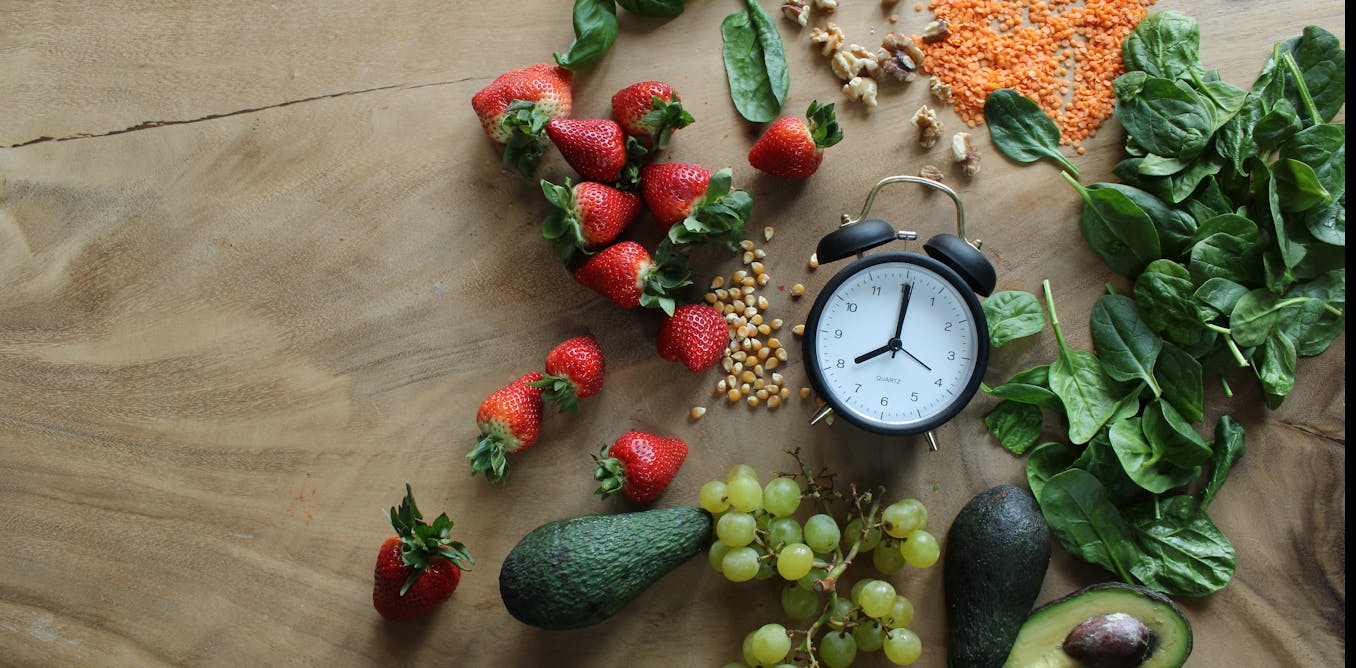
What qualifies as intermittent fasting is the popular dietary choice trending by people to eat only at certain times of the day. Dr. Zhong's study results are fairly sobering; suggesting caution is called for in committing to the concept, given the takeaway from the results he and his colleagues tabulated; findings that were presented at an American Heart Association meeting that took place in Chicago last month, focused on the concept of eating meals in just eight hours or less, with a 16-hour daily fast, known as 'time-restricted' eating.
 
Data on the dietary habits of 20,000 adults across the United States were analyzed, of those the study followed from 2003 to 2018. People who adhered to the eight-hour eating plan were found to have a 91 percent higher risk of dying from heart disease, in comparison to those following a traditional dietary pattern, eating food across 12 to 16 hours daily. This increased risk also applied to those already living with a chronic disease or cancer.  

Individuals with existing cardiovascular disease -- found the study group -- who followed a time-restricted eating pattern had a 66 percent higher risk of dying from heart disease or stroke, and those with cancer were likelier to die of the disease if they followed a time-restricted diet in comparison to people with cancer who followed an eating duration of at least 16 hours daily. People who practice intermittent fasting for lengthy periods, in particular those with existing heart conditions or cancer, suggests the study results, should be "extremely cautious", warned Dr. Zhong.

Despite the findings, the study results fail to explain why it is that time-restricted eating has such a profound impact on people's health risks, but the researchers found that those following a 16:8 time-restricted eating pattern had less lean muscle mass in comparison to individuals who eat throughout longer daily periods, lining up with a previous clinical trial published in JAMA Internal Medicine. That trial found people assigned to follow a time-restricted diet for three months lost more muscle than a control group not assigned to intermittent fasting.

Having low muscle mass is linked to higher mortality rates, including a higher risk of dying from heart disease, according to studies. However, Dr. Zhong stresses the findings of his study were not definitive. While the study uncovered a correlation between time-restricted eating and increased mortality, it could not show cause and effect. Health experts and celebrities have been extolling the presumed virtues of the plan, citing a variety of health benefits. 

Some early studies on time-restricted eating found it helped to prevent laboratory mice from developing obesity and metabolic syndrome. There were for the most part small clinical trials in humans that followed, some of which indicated that time-restricted eating helped people lose weight and improve blood pressure, blood sugar and cholesterol levels. Some of these studies, short-term -- lasting between one to three months, in some instances showed no benefit.

A more rigorous study of time-restricted eating published in the New England Journal of Medicine in 2022, found that obese people assigned to follow a low-calorie diet, instructed to eat only between the hours of 8 a.m. and 4 p.m. daily, lost no greater weight than people eating a like number of calories throughout the day, with no time restrictions. Both diets held similar effects on blood pressure, blood sugar, cholesterol and other metabolic markers, suggesting any benefits of time-restricted eating result in all likelihood from consuming fewer calories.

New study found intermittent fasting may deleteriously impact the heart. WashingtonPost.com

Labels: , , ,

Sunday, December 10, 2023

COVID, Here To Stay

"A lot of people think, 'I got COVID, I got over it and I'm fine', and it's a nothing-burger for them. But that's not everything."
"[For some people], it's still wreaking havoc in your body."
Ziyad Al Aly, clinical epidemiologist, School of Medicine, Washington University

"[COVID] immune damage [could be contributing to recent surges in RSV [respiratory synctial virus] and other respiratory infections]."
"[The study] shows that the terrible 2022 RSV epidemic was not as simple as a 'catch up' year."
"The 2022 surge was driven by 'more severe cases'. What happened between 2021 and 2022? Mass infections of children with Omicron."
Lisa Iannattone, assistant professor of dermatology, McGill University
New research out of Israel suggests most symptoms of long COVID clear up within a year, but some — like weakness and trouble breathing — are more likely to persist. CBCNews
 
Although the initial years-long panic over the pandemic has subsided, an estimated three-and-a-half million Canadians have experienced symptoms of fatigue, brain fog, shortness of breath and other associated symptoms that have lingered for three months or more following a confirmed or suspected COVID infection "that could not be explained by anything else", according to a newly published national study on the after-effects of SARS-CoV-2, the virus causing COVID.

From mild to debilitating long-term problems, people tended on average to miss 24 days of work or school for a cumulative total of some 14.5 million missed days. And the more infections circulating within society at any given time, the likelier people were to come away from their COVID-infection experience with long-lasting symptoms. "As of June 2023, about 100,000 Canadian adults have been unable to return to work or school because of their symptoms": Statistics Canada and Public Health Agency of Canada survey.

Dr. Manali Mukherjee, an immunologist with McMaster University, found himself coping with symptoms for a year and a half recovering from long COVID. What exactly defines the "post COVID" experience, how best to treat patients, what possible medications might work best, are questions experts are still struggling with. There are over 100 symptoms, just to complicate matters, ranging from abdominal pain, hair loss and concentration problems.

Some experts believe that rogue autoantibodies turn on the bodies' own tissues, attacking the "host", or overactive cytokines-- proteins that boost inflammation in the body's natural immune response might be the source of the problem. "Cytokines give us an idea that there is still inflammation going on", explained Dr. Mukherjee.

A recent study published in Nature Medicine found increased risks of cardiovascular issues, diabetes, lung problems, gut problems, blood clots as well as additional conditions remained up to two years following infection even after mild or moderate COVID infections. The study was based on the health records of U.S. military veterans, infected prior to vaccines and drugs such as Paxlovid were available.
COVID is known to cause damage to organs and the vascular system in some people.

Some in the medical community engaged in COVID research have once more amplified on social media that COVID "damages the immune system", so that people become more susceptible to other respiratory viruses or pathogens. Some leading  experts in virology and immunology feel this to be speculative rhetoric exaggerating the risks associated with COVID. COVID-19, like other respiratory viruses can lead to 'temporary perturbation' in the immune system.

According to Matthew Miller, COVID can cause immunological changes that can be measured with sophisticated techniques, but whether these are meaningful changes requires careful study.
"It's not that I don't believe it is possible that COVID might, in some cases, cause immune deficiency-- it's simply that there is not currently sufficient evidence to conclude that it happens."
"Is getting infected good for  you? Of course not. Should we take steps to prevent infection? Absolutely!"
"But rhetoric that overstates the current state of evidence related to COVID risks is no more valid than rhetoric that diminishes the seriousness of COVID-19." 
Matthew Miller, director, Michael G. Degroote Institute for Infectious Disease Research, McMaster University
Doctors and epidemiologists are reporting a surge of new COVID infections. CBCNews  

Labels: , , , ,

Tuesday, October 03, 2023

Weight Loss for Optimum Health : Complications for the Elderly

"While there may be many important benefits of weight loss metabolically, we need, particularly in older adults, to think about muscle and how important it is for the older adult population."
"Losing muscle mass and strength with aging is a natural phenomenon -- everyone though has a threshold where it causes a problem."
John Batsis, associate professor of medicine, Division of Geriatric Medicine, Department of Nutrition, University of North Carolina Chapel Hill 
https://media-cldnry.s-nbcnews.com/image/upload/t_fit-1240w,f_auto,q_auto:best/rockcms/2023-05/230519-ozempic-ew-305p-e40a7a.jpg
Ozempic in a pharmacy in Niesky, Germany.  Florian Gaertner / Photothek via Getty Images
 
Weight-loss drugs' recent popularity has revealed a problem with respect to unhealthy weight loss for people over age 65; there is the very real risk of vital muscle being lost along with unwanted fat. When an individual loses weight it is an inevitability that the lost weight does not represent fat alone, since roughly a quarter of that weight loss typically includes the loss of lean mass, such as muscle and bone, essential for metabolism and the prevention of age-related injury.

And this is the situation that pertains with respect to weight loss achieved from prescribed GLP-1 medications such as Ozempic and Wegovy. The loss of muscle for younger adults may not immediately cause problems. For people over age 65 the situation is not quite the same, since muscle mas is critical for the maintenance of strength and mobility. Falls among older adults is a risk that muscle weakness factors into. 

According to the U.S. Centers for Disease Control and prevention, muscle weakness is associated with older adults sustaining critical falls, recognized as the leading causes of injury and death for older age groups. There is insufficient data as yet for certainly around just how much of a problem this situation poses for older adults taking GLP-1 medications for weight loss, according to experts. 
 
A clinical trial of semaglutide -- the active ingredient in Ozempic and Wegovy -- saw researchers study lean muscle mass loss in a subgroup of 140 participants. Participants were seen on average to lose roughly15 pounds of fat throughout the 68-week trial of participants whose mean age was 52. Very few GLP-1 studies sought variances between older and younger adults, which included how loss of fat and muscle may vary between age groups.

A spokesman for Ozempic and Wegovy manufacturer Novo Nordisk, Martin Havtorn Peterson, noted that though semaglutide reduced lean mass, patients also lost even greater amounts of fat, helping to improve their overall body composition. "There has not been a safety signal identified in relation to loss of muscle mass", he contended.  On the other hand, pharmaceutical companies are actively searching out how next-generation weight loss drugs may overcome this challenge.

Versanis Bio's experimental drug bimagrumab purposes to aid people lose weight while preserving muscle mass. Ely Lilly & Co. acquired Versanis in July. Lilly is studying bimagrumab in combination with its own drug tirzepatide in anticipation that the combination "could be the next major step in innovative treatments for those living with cardiometabolic diseases, like obesity", stated Lilly's vice-president for diabetes, obesity and cardiometabolic research.

https://now.tufts.edu/sites/default/files/styles/large_1366w_912h/public/uploaded-assets/images/2023-06/shutterstock_2220171777_hero.jpg?h=e5aec6c8&itok=qte-Kmug
Loss of muscle mass among elderly can lead to falls. Photo: Shutterstock
"[For older adults who may be taking weight loss medications, increasing protein intake, resistance exercises and other measures may help mitigate the loss of lean muscle]."
John Batsis, associate professor of medicine


Labels: , , , ,

Monday, October 02, 2023

Cancer Striking at Younger Ages

"This is a population that has had less focus in cancer research and their numbers are getting bigger, so it's important to do more research to understand why this is happening."
"If we don't understand what's causing this risk and we can't do something to change it, we're afraid that as time goes on, it's going to become a bigger and bigger challenge."
Paul Oberstein, director, Gastrointestinal Medical Oncology Program, NYU Langone's Perlmutter Cancer Center

"As we continue to do better at identifying people who are at higher risk at younger ages, we really need to adjust our screening practices as well."
Jennifer Litton, breast medical oncologist, Anderson Cancer Center, University of Texas
https://media.cnn.com/api/v1/images/stellar/prod/230801122402-artificial-intelligence-health-care-cancer-cohen.jpg?c=16x9&q=w_850,c_fill
 
For the most part it is in people of the age of 65 and older among whom most cancers in the United States are identified. A new study, however, recognizes a concerning trend where cancer among younger Americans, particularly women, is rising, with gastrointestinal, endocrine and breast cancers climbing at swift rates.

While cancers among older adults have declined, cancers among people younger than 50 have increased slightly overall, according to a study published recently in JAMA Network Open. The largest increases are being seen among women aged 30 to 39. No clear explanation has presented to explain why it is that cancer is on the rise among younger people. According to experts there are several possible reasons to explain the trend.

Among them, rising obesity rates and lifestyle factors inclusive of drinking alcohol, smoking, poor sleep patterns and a sedentary lifestyle. Exposure to pollutants and carcinogenic chemicals are also recognized as likely to be playing a role in the rise of such cancers. Data from over 560,000 patients in the United States diagnosed with early-onset  cancer defined as cancers affecting people younger than 50 was analyzed between the years 2010 and 2019.

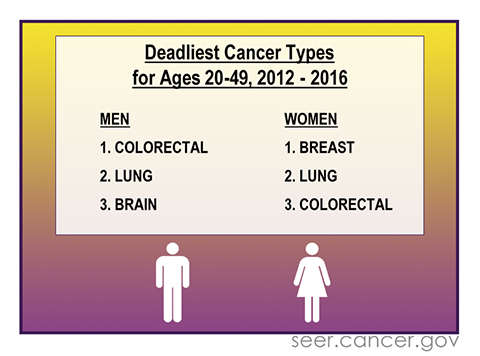
Colorectal cancer is a leading cause of cancer death among people under 50 in the United States, with rates of new diagnoses still climbing in this age group. Credit: National Cancer Institute

Early-onset cancer diagnoses was found overall, to have risen by close to one percent during the study period, affecting 56,468 patients, an increase from 56,051 patients in 2010. Cases increased at the rate of roughly 19% among those in the 30 to 39 age group. Certain types of cancer; breast cancer for instance, accounted for the highest number of cancer cases in  younger people, increasing about 8% over the study period of a decade.

Fewer in number, still an increase of about 15%, were gastrointestinal cancers, including the colon, appendix and bile duct. This would make it the fastest-growing type of cancer among younger people, stated Daniel Huang, assistant professor, National University of Singapore, transplant hepatologist at the National University Hospital and senior study author.

A striking difference was recognized between men and women where the number of early-onset cancers in women increased by 4.4% during the ten-year study period, while among men the number actually declined by almost 5%. Increases seen among younger women were held likely to have been driven by the rise in cancers of the breast and  uterus.
https://cdn.cancercenter.com/-/media/ctca/images/others/blogs/2023/01-january/blog-early-onset-l.jpg
Over the last few decades, doctors have been seeing dramatic increases in cancer in adults younger than 50. The disturbing trend has scientists searching for reasons behind the sharp increase in early-onset cancer, how best to screen for or detect cancers in young adults, whether the cancers are different types of common cancers in older adults and which treatments show promise for younger people
 
The increases are concerning, even while overall, younger people diagnosed with cancer still represent a relatively modest proportion of overall cancer cases. "It's an important trend, especially important if it continues, but it is a small part of what's going on in oncology", added Otis Brawley, oncologist at the Sidney Kimmel Comprehensive Cancer Center at Johns Hopkins.

While most cancer risk factors are based on studies of predominantly older adults, new studies are now being designed with a view to helping to understand how certain exposures in earlier life may prove to impact later life cancer risk, commented Hyuna Sung, senior principal scientist and cancer epidemiologist at the American Cancer Society. The JAMA study "motivate(s) new studies to help identify risk factors that may be able to explain these trends", she suggested.

One in five new cases of colorectal cancer in the United States occurs in people below age 55, a rate that has almost doubled over the past three decades, according to a concerning recent report from the American Cancer Society, citing other research identifying a trend toward younger colorectal cancer diagnoses.

The American Cancer Society updated its colorectal cancer screening guidelines in 2018, lowering the age to begin screening for those at average risk, from age 50 to age 45. Dr. Brawley added that one of the most important moves people can undertake to minimize risk is to manage body weight, exercise, limit alcohol consumption and avoid smoking.
https://www.cancer.gov/sites/g/files/xnrzdm211/files/styles/cgov_article/public/cgov_image/media_image/2020-11/microbiome.PNG?itok=U1fclXVp

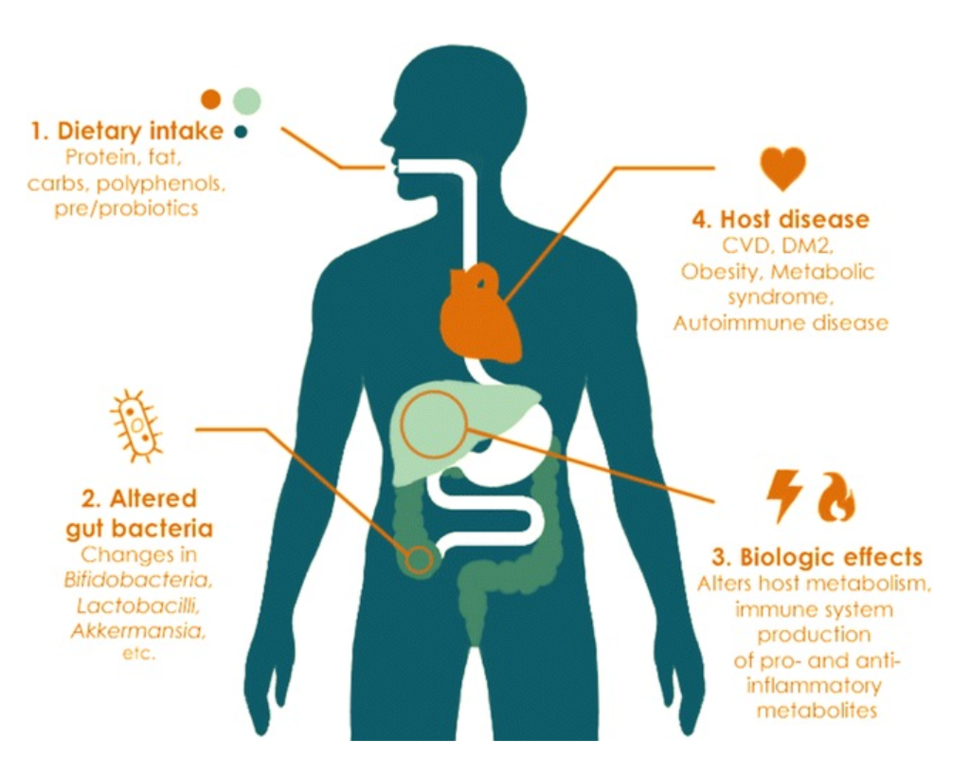
Changes in the gut microbiome may be influencing the increasing rates of colorectal cancer in adults under 50.  Credit: Journal of Translational Medicine


Labels: , , , ,

Wednesday, May 03, 2023

The Global Pandemic of Loneliness

"We now know that loneliness is a common feeling that many people experience. It's like hunger or thirst. It's a feeling the body sends us when something we need for survival is missing."
"Millions of people in America are struggling in the shadows, and that's not right."
"That's why I issued this advisory, to pull back the curtain on a struggle that too many people are experiencing."
Dr. Vivek Murthy, former U.S. Surgeon-General
 
"You’ve probably known people who seem to have a lot of friends, but when they talk about it, they’ll say, ‘I don’t really feel like anybody knows me,’ or ‘I don’t really feel close to many people’."
"If you’re stressed chronically, your body may be in a low-level fight-or-flight response all the time. So what we are looking at is whether some people are in a chronic state of mild inflammation."
Robert Waldinger, professor of psychiatry, psychiatrist at Massachusetts General Hospital
 
"Social psychologists define loneliness as the gap between the social connections you would like to have and those you feel you experience. According to a 2018 report by the Henry J. Kaiser Family Foundation, 22 percent of adults in the United States say they often or always feel lonely or socially isolated. A national 2019 survey led by health insurer Cigna found that 61 percent of Americans report feeling lonely. Books like Bowling Alone (2000), by Malkin professor of public policy emeritus Robert D. Putnam, have highlighted the decline of social capital in the United States, but more recently, loneliness has become a serious issue of public health. In 2017, former U.S. Surgeon General Vivek Murthy ’97 called loneliness a public-health “epidemic.” The United Kingdom appointed a “minister for loneliness” a year later."
Jacob Sweet, 'The Loneliness Pandemic', Harvard Magazine
Illustration by Francescoch/iStock
"The pandemic does appear to have increased loneliness. Given the small effect sizes, dire warnings about a ‘loneliness pandemic’ may be overblown."
"However, as loneliness constitutes a risk for premature mortality and mental and physical health, it should be closely monitored."
"We think that loneliness should be made a priority in large-scale research projects aimed at investigating the health outcomes of the pandemic."
Mareike Ernst, PhD, Johannes Gutenberg-University, Mainz, Germany
Heavy use of social media can actually increase isolation
"According to the National Institute on Ageing (NIA), a think-tank at Toronto Metropolitan  University, social isolation has been linked to poorer cognitive function and a 50 percent higher risk of dementia, not to mention a significantly higher risk of stroke, heart disease and cancer mortality. It can increase anxiety and depression, and a study showed that Canadians in 2020 were more likely to think suicidal thoughts if they experienced loneliness."
"Loneliness is by no means confined to the elderly. The 2021 Statistics Canada survey found nearly one in every four young people aged 15-24 said they always or often felt lonely, a rate higher than other age groups and a finding matched in other countries as well. It’s not uncommon for the young to feel alone, of course – they are often leaving home for the first time – but there’s more to it than that. Young people are not only getting married later, they are having more trouble finding friends and romantic partners. More than half of Americans aged 18-34 don’t have a steady boyfriend or girlfriend, up from 33 percent in 2004, and 30 percent have no best friend. The age of first marriage and first sexual experience is getting later, and Millennials and Gen-Zers are less likely to be sexually active than the generations that went before."
CtoC Journal 
The latest public health epidemic: loneliness. Research points to people having become less socially engaged, a phenomenon that has become global. In the United States, research indicates that Americans attend houses of worship much less frequently, as well as engage with community organizations less, and see and commune with their own family members and friends far less often in recent decades. These are the people who report feelings of loneliness, a situation that has increased in the last several years.
 
When the global pandemic arrived, loneliness was already at a crisis level. When schools and workplaces shuttered and people were sent into isolation mode, the emotional toll accelerated. People tended to break their emotional link and dependence on the presence of others, saw family and friends far less often with the coronavirus pandemic threatening health and longevity. But the resulting isolation and overwhelming loneliness left people bereft of the very social supports natural to human nature's needs and that alone threatened health and longevity.
 
Americans, for example, spent no more than 20 minutes daily in the company of others in 2020, decreased from 60 minutes of social interaction common to most people several decades earlier. Young people, ages 15 to 24, appear to have become the demographic most hit by the loneliness epidemic. Those in that age group reported 70 percent less time spent in the company of friends in the past several years.

The risk of premature death is increased in an atmosphere of chronic emotional loss in loneliness, by 30 percent. Reports reveal those with poor social relationships faced greater risk of stroke and heart disease. An individual's penchant for experiencing depression, anxiety and dementia is elevated by isolation. Loneliness risks deleterious impacts on health to the same extent as smoking a pack of cigarettes daily.
"Being together with other humans conveys a distinct survival advantage for our species.  We are not the strongest or fastest animals.  But with a combination of brains, opposable thumbs and interpersonal cooperation we now dominate the planet."
"In ancient times, being alone, being cut-off from family, or banished from social groups was more or less a death sentence. Up through the 19th century, exile was still a form of punishment. And even today, some cultures will shun people who violate social or religious norms."
Dr. Grant Jackson, Holistic Primary Care
Chronic loneliness is a major health risk factor. According to a metanalysis of nearly 150 studies, people with weak social connections are 50% more likely to die prematurely than those who feel socially connected. The COVID pandemic has only exacerbated the problem. (Image: Studio4dich/Shutterstock)

Labels: , , , , ,

Friday, April 28, 2023

Spring Allergies and Probiotics

foods that fight allergies
"Hay fever affects performance, productivity and quality of life. For the people who suffer badly, it's no joke."
"For some time now, we've known that the gut microbiome of food-allergic people is different from that of those who don't have those allergies."
"We now have similar findings when it comes to hay fever and the bacteria that colonize our nasal passages."
"People with diverse bacteria in their nasal lining seem to be at lower risk of hay fever. Those with less diverse bacteria seem to be at higher risk."
"[It's never too early to start an anti-hay-fever diet.] You need to give the bacteria time to respond, and your immune system time to calm down."
Professor Adam Fox, consultant pediatric allergist, Guy's and St. Thomas' hospitals
"Our genes haven't changed in the past two decades, but allergies have risen and are continuing to do so."
"What's changed? Our food environment. Food can play a very important part in calming inflammation."
"[Children raised on anti-inflammatory diets are less likely to develop allergies in the first place, while] what you eat can certainly decrease your symptoms, too."
Shilpa Ravella, gastroenterologist, assistant professor of medicine, Columbia University Medical Center
 
"Vitamin C also acts as a natural antihistamine, which can be found in foods such as citrus fruits, broccoli, peppers, chili, kale and rocket."
"[It is, however, easily destroyed by heat and light], so trying to cook these as little as possible will help to retain more potency."
Eve Kalinik, nutritional therapist
Hay fever is a misery in the spring, leading to red eyes and sneezing. Caused by the inhalation of grass or tree pollen granules which are processed by the immune system, Hay fever is a dreaded spring event. With a genetic predisposition to developing an allergy to these plants, a risk that an inappropriate response will develop to release a chemical called histamine is highly likely. No cures for allergies exist and they're difficult to treat.

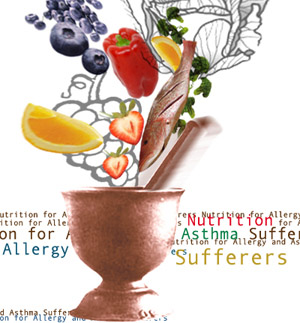
Nutrition for Allergy SufferersHowever, a growing body of studies suggest an alternative method may exist for tackling symptoms; through diet and dietary supplements. The journal Nature Microbiology published results of a study comparing nasal microbiomes of 55 hayfever-plagued adults with those of 205 healthy volunteers, finding hay-fever sufferers had a narrower range of bacteria in their noses and 17-times more of a particular kind: Streptococcus salivarius A situation that can drive the inflammation that haunts hay-fever sufferers.

Factors of lifestyle can come into play even though allergies are genetically-inherited conditions. Allergies that include hay fever are inflammatory conditions which some foods like meals containing sugary or processed ingredients can make cellular swelling worse. The Mediterranean diet as example of an anti-inflammatory therapy, can help to prevent and can alleviate hay fever in that it contains fresh fruits and vegetables, whole grains, fish and olive oil.
 
The Microbiome Cookbook: 150 Delicious Recipes to Nourish your Microbiome and Restore your Gut Health
Apples are a good source of anti-inflammatories, as are onions which are both anti-inflammatory and contain as well the polyphenol quercetin, which acts as an antihistamine. Fermented foods like live yogurt, kimchee, kefir and sauerkraut are also linked to lower inflammation and higher diversity of gut bacteria. and while the science of probiotics is still in its infancy it shows great promise also in the area of treating allergies.

A study led by scientists at the National Institute of Integrative Medicine in Melbourne, Australia, gave the probiotic formula NC-Seasonal-Biotic to hay-fever sufferers in 2022. The finding was that it significantly reduced symptoms compared with a placebo group. In ten to 12 weeks, the noses of the volunteers ran less, their eyes were less itchy, and they slept better and felt less irritable.

Fresh Fruits and Vegetables
Experts recommend liquid probiotics such as Symprove and BetterVits Probiotic Complex, instead of the powdered varieties.
"Hay fever is an overreaction of your immune system to pollen. If your immune system is already sensitive because of irritation in your gut, then it's highly reactive."
"If it's calm, it stands a better chance of reacting healthily to pollen."
"It's a challenge for a powdered [probiotic] product to deliver live bacteria into the gut [so opt for liquid probiotics instead]."
Dr. Simon Gaisford, professor of pharmaceutics, UCL

Labels: , , ,

Wednesday, April 19, 2023

Nature's Cull

"There are enough red flags that we're beholden to prepare."
"If the virus spills over into new species, it always gains an opportunity to mutate and adapt even further."
"So this is really an unprecedented level of viral activity for H5N1."
Dr.Samira Mubareka, infectious disease specialist, clinician scientist, Sunnybrook Research Institute/University of Toronto
 
"The spillover of these viruses from wild birds to mammals could cause a potentially devastating pandemic if the H5N1 viruses mutate into forms that can spread efficiently among the mammalian species."
Research study, Canadian Food Inspection Agency, published in Emerging Microbes & Infections journal
avian-birds-tp4
There have been fewer than a dozen Asian influenza cases confirmed among humans identified globally since 2020. Even among those no instances have been identified of H5N1 passing from human to human. Public health agencies are involved in closely watching how the highly pathogenic avian influenza H5N1 is evolving, a heightened level of alertness, the impetus of which can be traced to the still-and-ever-presence of the previous SARS-CoV-2 pathogen that upended the world community in a massive infection and fatality rate.

First identified in 1996, H5N1 had manifested itself in 2020 with a new type that was detected in late 2021 in North America. Since that date, the virus has decimated huge flocks of both wild and domesticated birds, the result of which has been millions of poultry deaths in Canada alone, from infection and from preventive culls. Dr. Mubareka advised that what has partially captured the attention of scientists is the range of species being infected by the virus.

The first Canadian case was identified in a pet dog earlier this month, among the hundreds of confirmed cases in wild skunks, foxes, mink and other mammals dating to the beginning of 2021. Farmers in Ontario and Quebec have been bracing for a potential wave of cases with the return of migratory birds (bringing the infectious virus with them). Public health agencies throughout Europe, Canada and the United States feel for the time being that risk to humans of contagion is low. There is no risk associated with consumption of cooked birds.
 
Avian Influenza Transmission Infographic
 
Scientists with the Canadian Food Inspection Agency working at a laboratory in Winnipeg where cases of H5N1 are confirmed and genetically sequenced, studied cases in 40 different wild mammals, the researchers finding the virus had undergone some "critical mutations". The critical mutations referred to by the researchers involved that part of the virus that allowed it to replicate; similar findings were reported globally.The scientists found in 17 percent of the cases changes advantaging the virus  to replicate in humans.

On the other hand, the researchers also found that the virus had not developed a preference to lock on to receptors in a human nose, mouth and throat -- the target of an influenza virus, key to human infection. Multiple surveillance networks set to monitor and track the influenza virus have been installed by the Public Health Agency of Canada, which claims to take the situation "very seriously". Its recent experience with COVID-19 aided it in building H5N1-specific plans across government departments.

The 27 member states of the European Union agreed to implement a bird flu vaccine strategy, with Mexico, Egypt and China on a list of countries inoculating chickens against H5N1. Targeted vaccination could help to prevent poultry losses and reduce the spread of the virus, advised Shayan Sharif, professor and acting dean at the Ontario Veterinary College, concerned at the possibility that the virus may mutate to become more dangerous to humans and eventually transmit human-to-human.

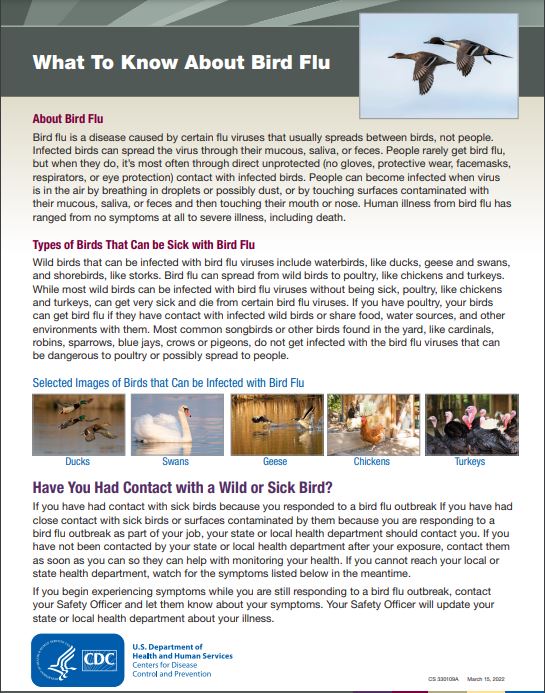
What to know about bird flu pdf

Labels: , , , , , ,

Sunday, January 22, 2023

Inclusivity and Fairness Polarized in Transgender Athletes Competing in Women's Sports

"Inclusion rights have dominated the policy podium for a generation of athletes. Female athletes watch in dismay as those who were born men breeze past them in track and field, rowing and other sports where post-puberty disparity in muscle power and lung capacity -- even with testosterone reduced -- guarantee them a significant boost in the women's category."
"Resistance was futile."
Sport associations were so committed to the inclusion principle that complaints were interpreted as transphobic, and female athletes risked being cancelled by stepping out of line: team expulsion, loss of athletic scholarships and the annulment of dreams nurtured since childhood. Their coaches went along to get along."
Barbara Kay, columnist, National Post
 
"'For the Olympic level, the elite level, I'd say probably two years is more realistic than one year' said the study's lead author, Dr. Timothy Roberts, a pediatrician and the director of the adolescent medicine training program at Children's Mercy Hospital in Kansas City, Missouri. 'At one year, the trans women on average still have an advantage over the cis women', he said, referring to cisgender, or nontransgender, women."
Dan Avery, NBC News 
Image: Mara Gomez
Mara Gómez, the first transgender woman to play professional soccer in Argentina, heads the ball during a match in Buenos Aires on Dec. 7.  Juan Mabromata / AFP - Getty Images
"In an effort to better understand this topic, [how hormone therapy affects physical performance], researchers assessed heart-lung (cardiopulmonary) capacity and strength among 15 transgender women, 13 cisgender men, and 14 cisgender women. Each person was in their mid-thirties and generally engaged in similar physical activity levels."
"Participating transgender women had been on hormone therapy for an average of 14 years. On average, these individuals started hormone therapy at the age of 17. The research team measured each person’s body fat and muscle mass (bioimpedance). A hand grip test to assess strength was also conducted, in addition to cardiopulmonary exercise testing (VO2) on a treadmill."
"Transgender women had lower total body fat levels than cisgender women, but more fat than cisgender men. Similarly, skeletal muscle mass was higher among transgender women in comparison to cisgender women, yet lower than it was among cisgender men."
 “Thus, long-term estrogen exposure and testosterone suppression were not enough to completely shift [body composition of transgender women] to the female pattern, despite their direct and indirect effects on fat and lean mass,” researchers say in a media release.
"Transgender women had stronger grip strength and average peak VO2 than cisgender women."
“Thus, long-term estrogen exposure and testosterone suppression were not enough to completely shift [body composition of transgender women] to the female pattern, despite their direct and indirect effects on fat and lean mass,” researchers say in a media release."
John Anderer, Health and Medical, Sports News
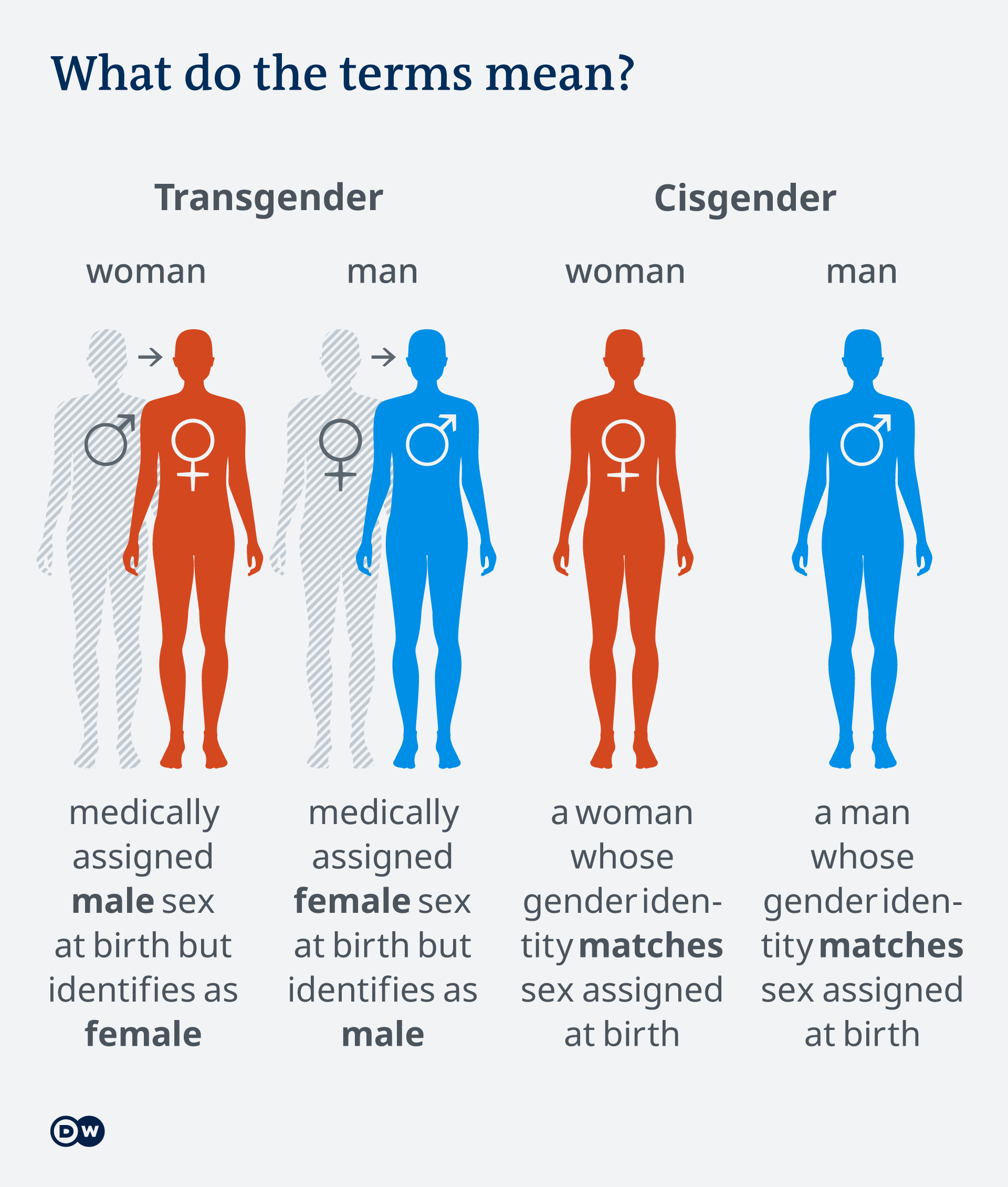
infographic explaining cisgender and transgender

Labels: , , , , ,

Friday, January 13, 2023

Binge Drinking

"Those in  younger age groups are still the most likely to binge, but we can chart the proportion doing so falling steadily since the mid-2000s."
"When you get to middle age -- 40s and 50s -- the levels have remained pretty stable over time. People in their 60s and over are still the least likely to binge, but their levels are steadily creeping up -- and that's totally at odds with the trend among the younger age group."
Colin Angus, senior research fellow, Sheffield Alcohol Research Group
 
"I really think the definition of binge drinking should be different for older adults."
"We currently have the same definition of binge drinking for a 20-year-old as we do for a 70-year-old, and that's not good for public education or health."
"The fancy name for the problem here is 'zero-order kinetics". Basically, no matter how much you drink, your liver will always process it at the same rate."
"If you have binged on eight units of alcohol, it's only going to to be fully metabolized after eight hours. After an hour, you'll still have seven units of alcohol in your bloodstream."
Tony Rao, visiting researcher, King's College London


A standard drink is equivalent to 12 ounces of 5% alcohol beer,  5 ounces of 7-10% alcohol wine, 3 ounces of 16-18% alcohol fortified wine and 1.5 ounces of 40% alcohol liquor.
"Once I hit 40, the impact of alcohol really cranked up a gear or three."
"The older you get, the less forgiving your body and mental health are."
"My 'hangxiety' -- those anxious feelings the morning after -- would be sky-high."
Susan Laurie, speaker on mindful drinking for workplace webinars
 
Middle age drinkers are now known in today's social climate, to commit to rates fairly comparable to those seen among ypunger colleagues. If you're a woman, six units constitutes a "binge"; comprised of two large glasses of wine or a couple of strong cocktails. For a man, it's eight units; roughly three pints of cider, four of normal-strength beer, or five bottled beers.
 
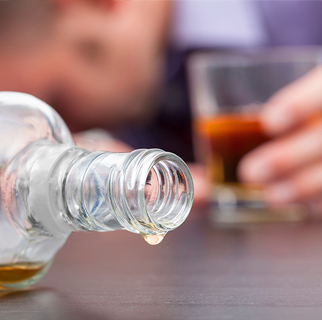
close up image of a spilled bottle of whisky, a glass with a hand on it and a mans face, face down on a table.
Risk associated with binge drinking is not quite the same across the board; it varies from person to person. Women face greater potential risks inherent in binge drinking, as do people with a brain injury, with heart or liver disease, along with older people. With time, the liver shrinks, its function tends to deteriorate with age. 
 
"The older you get, the smaller your liver, especially among women, so the rate at which you metabolize alcohol is probably even slower. Toxins therefore stay in our blood for longer, doing more damage to our health. Your brain also becomes much more sensitive to alcohol, so you'll be sedated much more quickly. Plus, you have less water in your blood so the alcohol is more concentrated", cautions Tony Rao.

According to Sally Adams, associate professor at University of Birmingham's school of psychology specializing in alcohol use and hangovers, "When we drink alcohol, one of the first regions of the brain affected is the prefrontal cortex, which is responsible for our higher thought processes, such as decision-making." Clearly, binging leaves one at greater risk of accidents through impaired judgement, and co-ordination, in contrast to drinking a similar quantity of alcohol across the space of a week.

"Older people are more likely to binge drink at home and are more susceptible to acute risks like falling down the stairs while doing so", points out Colin Angus. Then there is what's called "Holiday Heart Syndrome" which occurs when binge drinking disrupts the firing of neurons; electrical impulses that regulate heart function; resulting in irregular heat beats, leading to a sudden lack of blood supply to major organs like the brain and kidneys.
 
Image of what is binge drinking
"Not only does repeated binge drinking -- once a week or more -- increase the risk of permanently high blood pressure, but a single episode of binge drinking also raises blood pressure. Both raise the risk of stroke, particularly in older people", added Tony Rao.
 
"Drinking too much heightens your risk of any number of diseases."
"But when it comes to cancer, for example, there's no evidence to suggest that the pattern in which you drink affects your risk. It's the overall units consumed that counts, regardless of whether you drank them across the week or downed them all on Friday night."
Colin Angus, Sheffield Alcohol Research Group

Labels: , ,

Wednesday, January 11, 2023

Cooking With Gas

"One in eight cases of pediatric asthma in the United States is linked to indoor air pollution from gas stoves."
"If that isn't motivation for us to get gas out of buildings and homes in British Columbia and across Canada, I don't know what is."
Dr. Melissa Lam, Canadian Associates of Physicians for the Environment

"There is about 50 years of health studies showing that gas stoves are bad for our health, and the strongest evidence is on children and children's asthma."
"By having a gas connection, we are polluting the insides of our homes."
Brady Seals, manager, carbon-free buildings program, RMI, clean energy group
A coffee pot is seen over a blue flame gas stove inside a kitchen
Davide Bonaldo/SOPA Image

Canadian researchers are raising concerns about the health risks associated with cooking with gas. According to an American federal agency, a ban on gas stoves is in the works amid concern over harmful indoor air pollutants caused by gas stove emissions. Tara Kahan, a chemist with University of Saskatchewan and colleagues, published a study showing "levels of nitrogen oxide pollutants sometimes exceed Health Canada guidelines for a one-hour exposure but the pollutants often lingered for a couple of hours."
 
"This is a hidden hazard. Any option is on the table. Products that can't be made safe can be banned", stated Richard Trumka Jr., a commissioner with the U.S. Consumer Product Safety Coimmission. Roughly 40 percent of homes in the United States use natural gas stoves which emit air pollutants such as nitrogen dioxide, carbon monoxide and fine particulate matter at levels the EPA and World Health Organization state are unsafe, linked to respiratory illness, cardiovascular problems, cancer, and other inimical conditions to health.
 
These statements are verified in reports produced by groups such as the Institute for Policy Integrity, and the American Chemical Society. In October, Consumer Reports urged consumers looking to purchase a new range to think of going electric in the wake of tests conducted by them which discovered  high levels of nitrogen oxide gases emanating from gas stoves.
 
Peer-reviewed research newly published last month in the International Journal of Enviromental Research and Public Health found over 12 percent of current childhood asthma cases in the United States attributable to gas stove use. The Consumer Product Safety Commission, based in Bethesda, Md., has plans to invite public comment on hazards posed by gas stoves, this winter. Options, aside from barring manufacture or import of gas stoves, include setting standards on emissions from the appliances. 
 
Natural gas distributors point out that a ban on natural gas stoves would tend to drive up costs for homeowners and restaurants, with little gain to the environment. Cooking produces emissions and harmful byproducts irrespective of the kind of stove used, asserts the Association of Home Appliance Manufacturers which represents gas range manufacturers.
"Ventilation is really where this discussion should be, rather than banning one particular type of technology."
"Banning one type of a cooking appliance is not going to address the concerns about overall indoor air quality. We may need some behaviour change, we may need to turn on their hoods when cooking."
Jill Notini, vice-president, Washington-based trade group Association of Home Appliance Manufacturers

Around 650,000 American children, researchers estimate, may be suffering asthma attacks caused by gas stoves in their homes.   Getty

Labels: , , , ,

Saturday, December 10, 2022

Juvenile COVID Infections, Vulnerability to Diabetes

"It 's been pretty clear for over a year now that COVID ... was probably associated with something like a doubling of diabetes risk in little kids."
"The effect pops up over and over again, and at this point the appropriate thing to do is assume it's real and act accordingly, rather than say 'We need more evidence'."
"[This is particularly so given the cost of diabetes both in medical expenses and harm done those with the condition]."
Dr. David Fisman, epidemiologist, University of Toronto Dalla Lama School of Public Health
 
"[People under 18 who had been infected by the novel coronavirus] were more likely to receive a new diabetes diagnosis more than 30 days after infection than those without COVID-19."
U.S. Centers for Disease Control and Prevention study
 
"If one goes to a pediatric emergency room today, and there's a 16-year-old child who comes in with an elevated blood sugar, one would have to be cautious about immediately saying this person has Type 1 versus Type 2 diabetes."
"There's more and more Type 2 diabetes that's starting to become evident in our adolescent and even in younger children, which is tragic. Thirty or 40 years ago, a 16-year-old, that would be Type 1 diabetes until proven otherwise."
"There's uncertainty around whether COVID-19 increases the risk for Type 1 diabetes. I don't think the data supports that right now. But I think the data does support an increase in Type 2 diabetes associated with the pandemic, probably not from the virus but probably from all of these other issues ... the weight gain, the stress, lack of exercise, etcetera." 
Dr. Daniel Drucker, senior investigator, Lunenfeld-Tanenbaum Research Institute, Mount Sinai Hospital, Toronto
A health worker collects a swab sample from a kid to test for COVID-19, at a coronavirus testing center, in Tel Aviv, Israel, Monday, Aug. 9, 2021. (AP Photo/Oded Balilty)
 
Toronto-based Manulife Financial, a Canadian insurance giant, released data appearing to indicate an increase in diabetes among young people. This represents a trend that some studies and medical experts attribute to the novel coronavirus, SARS-CoV-2 that causes COVID-19. According to their data individuals under age 44 accounted for 19 percent of diabetes claims and that number is on the rise in Canada, an increase from 2019''s 13 percent. That number was not broken down to distinguish Type 1 from Type 2 diabetes.

Type 1, once called Juvenile Diabetes, results from a genetic disposition for the pancreas to stop producing insulin without which a patient would waste away and die and did before 1921 before Banting and Best discovered insulin and revolutionized a treatment for the still-incurable autoimmune disease. Type 2 diabetes means being insulin-dependent and a lifetime of self-administering insulin injections. Type 2, once called Adult-onset Diabetes is when the body no longer makes productive use of the insulin released by the pancreas and is considered more of a lifestyle disease; overweight and sedentary. Treatment usually consists of medication and a therapeutic lifestyle change.

The Centres for Disease Control January study used two U.S. medical claims databases covering March 2020 to June 2021 to find that other respiratory infections were not associated with increased risk of diabetes, postulating that the novel coronavirus might affect pancreatic cells with the potential to prod people with existing pre-diabetes conditions into full-fledged diabetes. Another study in March using international data found a moderate incidence increase of diabetes in individuals between ages 19 and 30 who contracted a COVID-19 infection.

Debate within the medical community questions whether the rise in diagnoses reflect delays in treatment during lockdowns and other issues such as whether children in control groups thought to have been free from COVID-19 infection actually had previously been infected and were asymptomatic. According to Dr. Drucker, skeptical about the conclusions implicating the virus in diabetes onset, additional questions are issues such as rising obesity levels and more sedentary lifestyles during lockdowns leading to young people acquiring Type 2 diabetes.

Another area of research is the interplay between the mental and physical health of people in leading to diabetes onset. Nearly half of adult Americans gained weight during the pandemic and depression and anxiety symptoms rising, reflect predictors of weight gain leading to diabetes onset. According to the Canadian Institute of Actuaries tracking the pandemic experiences of over a dozen life insurers, COVID-related insurance claims across the country accounted for 13 percent of total claims in 2020.

Drs. Shivani Misra and Linda DiMeglio of Imperial College London and Indiana Univ4rsity respectively, summed up the challenge of tackling the complex factors at play during the pandemic, published in the December issue of the journal Diabetes. They wrote of the difficulty involved in reaching "rapid, clear answers" regarding a potential link between COVID-19 and rising rates of blood-sugar disorders.
Girl testing her blood glucose level
CIDRAP
"Given the interplay of multiple factors influencing diabetes diagnosis and incidence during the pandemic, although the data remains of interest and are critical to follow, it is unlikely that we will have crystal clear answers soon."
"Unsurprisingly, studies attempting to analyze this association have provided conflicting results."
Shivani Misra, clinical senior lecturer in diabetes and endocrinology, Imperial College London
Linda A. DiMeglio, professor of pediatric endocrinology, Indiana University

Labels: , , , , ,

Saturday, October 22, 2022

Bored? Get Smart!

"Boredom is sort of an emotional dashboard light that goes off saying like: 'Hey, you're not on track'."
"[Boredom is a warning sign that says, it's] really necessary."
"I think boredom gets a bad rap that's not deserved. [Boredom] is linked to a lot of what most of us want out of life, like living a rich, fulfilling, interesting, meaningful life."
"Boredom is just one sort of helpful signal -- maybe unwanted signal -- that helps us get there."
Erin Westgate, social psychologist, University of Florida
Getty Images
 
Dr. Westgate and colleagues found in a 2021 study that participants were led by boredom toward sadistic behaviour. One experiment with bored participants viewing a mundane 20-minute video showed them to be more likely to do something that it was presumed none had ever considered doing before. They took to shredding maggots with names the researchers gave them to 'humanize' the maggots in the minds of the study participants: Toto, Tifi and Kiki.
 
A psychological play to appeal to their consciences that failed to produce desired results, under the influence of boredom for some of the participants. Of 67 study participants who had watched the boring video, a dozen, representing 18 percent of the total, dropped a maggot into a coffee grinder. Just one out of 62 study participants in another group viewing an interesting documentary turned to shredding a maggot. Although the study participants had no knowledge of this, the maggots didn't mind that the grinding machine was faked.
 
A link was proven between boredom and various types of bad behaviour ranging from online trolling, to bullying in the classroom, to verbal and physical abuse by members of the military toward one another in other experiments. Boredom, it was confirmed, does not always make people surrender to our meaner instincts; it merely calls upon us to take action whether it is deigned to be good or bad. When good alternatives are present boredom also can convince people to perform good deeds.
 
In conclusion it seemed that research pointed in the direction that boredom appears to motivate people to search for novelty situations to staunch the boredom and raise interest levels. Having distractions to entice one away from boredom can often mean resorting to favoured topics having the effect of moving distant from feeling bored. Ten adults were placed in an fMRI brain scanner to measure brain activity as they watched either a clip from the nature documentary Planet Earth, a video of two men hanging laundry, or a static image.

This experiment initiated by James Danckert, a cognitive neuroscientist at the University of Waterloo and his colleagues, featured  the boring laundry video, the documentary or the men hanging laundry, spurred the brain's default mode network to activation; a constellation of brain regions active during internal thought, similar to someone's mind wandering. The anterior insular cortex, a region of the brain believed to signal something important happening in the outside world, shut down as a result of the boring video.

A person in an empty room whose head contains a person in another empty room.
When personal agency is temporarily withdrawn people are most likely to be bored, and that often occurs at work or in school where situations arise where less autonomy presents and fewer options to remedy the emotion are present. Boredom is the mind's way of informing us that something is not quite right, but what to do about it, is not a feature of boredom. It is up to the individual to find useful measures to defeat boredom.

James Danckert, speaks pf people automatically trying to dispel boredom by turning to an iPhone for interest; yet he points out that decision is not particularly meaningful and could lead to a return to boredom. In the search of alternatives more meaningful, he recommends scrutinizing goals, large and small. Boredom, and the search for relief from it, is an essential part of our human experience points out Dr.Danckert. 


Labels: , , ,

 
()() Follow @rheytah Tweet