Hope for Alzheimer's Treatment
"We have discovered that hyperbaric oxygen therapy induces degradation and clearance of pre-existing amyloid plaques and the appearance of newly-formed plaques.""Elderly patients suffering from significant memory loss at baseline revealed an increase in brain blood flow and improvement in cognitive performances, demonstrating hyperbaric oxygen therapy potency to reverse core elements responsible for the development of Alzheimer's.""We had a control group of similar mice that did not receive the oxygen therapy, and they grew many more amyloid plaques. Among those who received the therapy, only a third of the number of new plaques appeared, and existing large plaques reduced their size, on average, to a half of what they were.""More research is needed, but there could be tremendous benefits if this can help people who lose cognitive abilities, either before or during the onset of Alzheimer’s."Uri Ashery, professor of neurobiology, director Sagol School of Neuroscience, Tel Aviv University
 |
| A man receiving hyperbaric oxygen therapy while nurse is checking his mask. (Drazen Zigic via iStock by Getty Images) |
Scientists have long been baffled by neurological disorders like dementia seen in diseases like Alzheimer's, their search for pharmaceutical solutions to the degeneration of brain function and eventually that of all bodily organs leading to early death, having come to nothing. Now, however another type of treatment in animal an experimental stage may begin to serve as a solution opening new avenues of preventive treatment to stop the degenerative process.
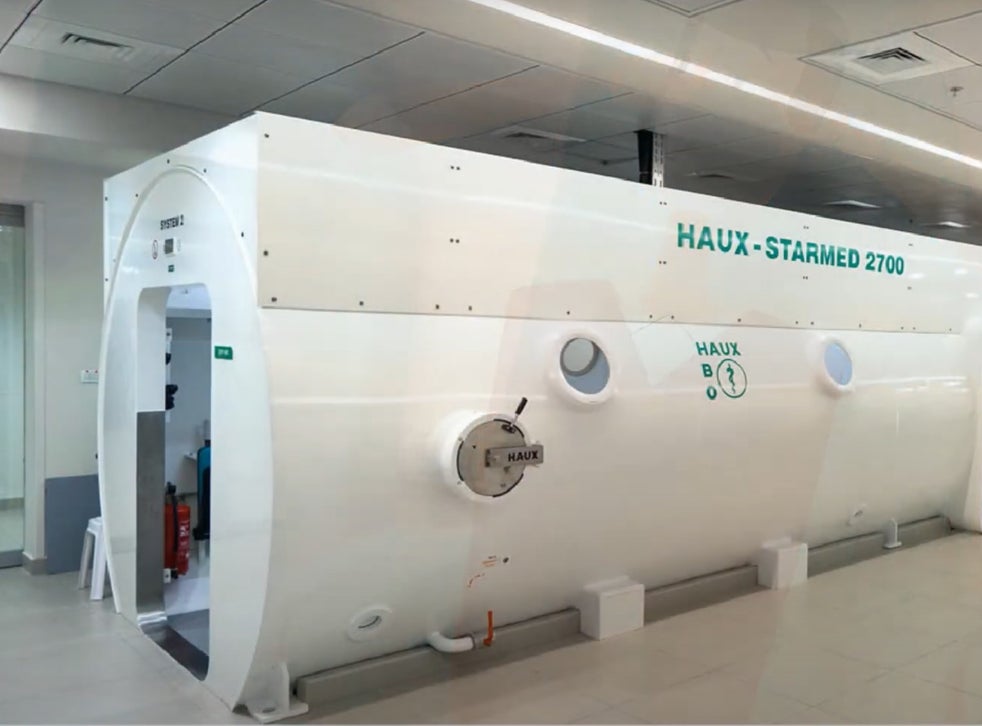
Scientists at Israel's Tel Aviv University have realized success from a hitherto-unthought-of source, but one that has traditionally been used for somewhat similar purposes; supplying extra oxygen to the brain through the use of hyperbaric chambers. Used to ensure that deep-sea divers don't sustain brain injuries from their time deep under sea. A study conducted at the university demonstrated that patients with Mild Cognitive Impairment benefit by increased blood flow in the brain when placed in a hyperbaric chamber.
That protocol was seen to flood the brain with auxiliary oxygen improving memory, attention and processing speed. Diagnosed with Mild Cognitive Impairment (MCI), many people tend to develop Alzheimer's in time. Use of a hyperbaric chamber to boost blood flow to the brain may prove to be the first treatment capable of preventing an irreversible decline in brain functionality.
The therapy operates through a mask where oxygen passes into brain vessels while patients are seated within a pressurized chamber. The very same type of high pressure environment traditionally in use to aid divers recover from the bends. More oxygen flows resulting from pressure change, dissolving into tissues, similar to a state of "hypoxia" (oxygen shortage common in high elevations where oxygen tends to be thinner, starving the brain of oxygen) known by science for its regenerating effects.
The onset of dementia is marked by reduced blood flow to the brain resulting from a decrease in oxygen; flow level correlating with the degree of cognitive impairment in Alzheimer's. Improving blood flow is behind the theory that the condition may be improved. For the study, six elderly patients were given oxygen five days a week for 90 minutes each exposure, within a chamber. Blood flow was seen to increase by 15 to 23 percent.
Treatment improves levels of oxygen to the brain and actually changes blood vessel structure, increasing width and reducing wall thickness, the researchers concluded. Suggesting that the beneficial effects last for some time following treatment. Not yet tested on patients with Alzheimer's, when the treatment was tried on mice with Alzheimer's the number of amyloid plaques were reduced by up to 30 percent. Remaining plaques shrank by 18 percent, preventing re-emergence of new ones.
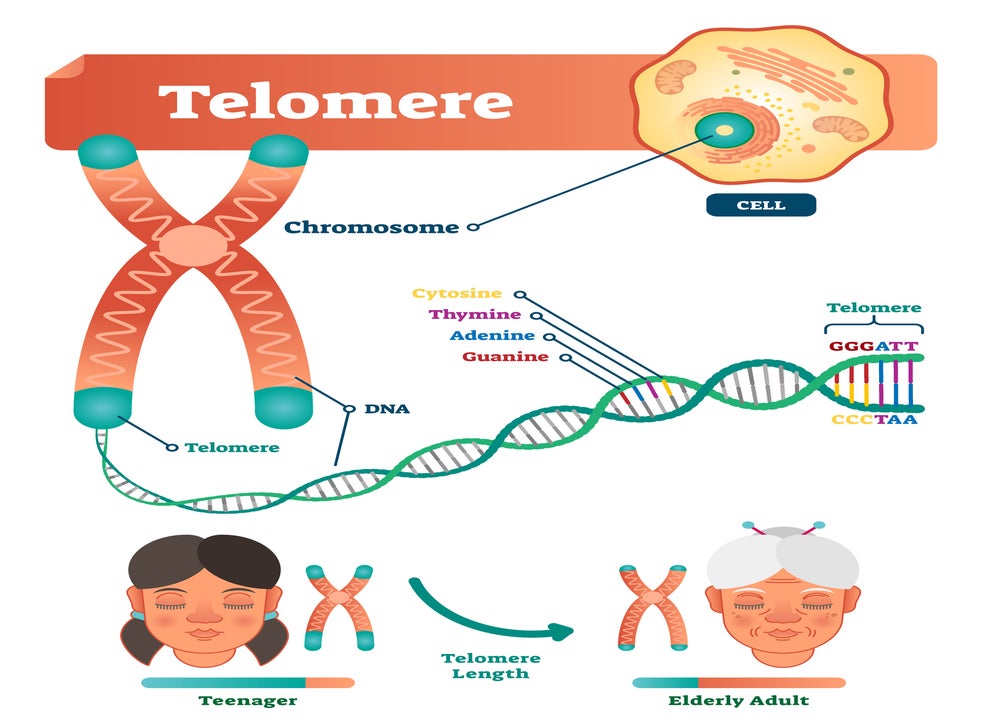
It is the sticky plaques believed to prevent brain cells communicating and as such are one of the major targets in producing drugs for Alzheimer's treatment. Following their treatment, the experimental mice began building improved nests, and navigating mazes more proficiently. The same team of researchers in 2020 showed that hyperbaric therapy is capable of reversing the aging process, lengthening telomeres; the protective caps at the end of chromosomes, by 20 percent.
Senescent (dormant) cells were also cut by up to 37 percent, providing an avenue for new healthy cells to replace them. Reports of improved physical abilities resulting in greater energy, stamina and even sexual performance in men have been recorded by patients. On the downside, few hospitals are equipped to offer hyperbaric treatment, the therapy itself has a gruelling timetable of sessions. "The treatment would have to be continued indefinitely, so patients would have to be motivated and have good transport links to the treatment facility", commented Tom Dening, professor at University of Nottingham.
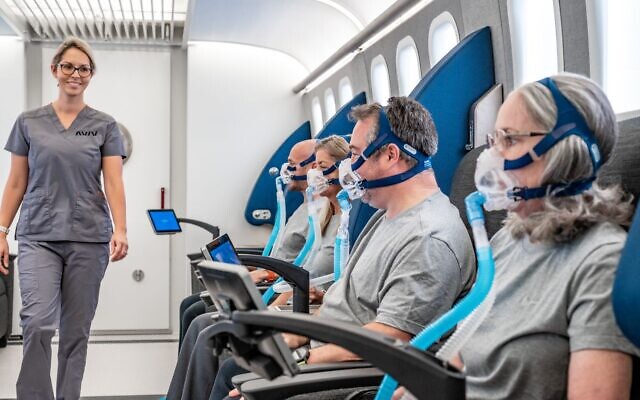 |
| A hyperbaric chamber using Shai Efrati’s anti-aging protocol. (Courtesy: Sagol Center for Hyperbaric Medicine) |
Labels: Alzheimer's, Hyperbaric Chamber, Increased Oxygen Flow, Mild Cognitive Impairment, Research, Tel Aviv University
posted by Pieface @ 7:54 PM
0 comments