Ruminations

Blog dedicated primarily to randomly selected news items; comments reflecting personal perceptions

Tuesday, November 25, 2025

Underestimate the Reasoning Potential of Animals

https://news.uvic.ca/wp-content/uploads/2025/11/main-wolftool-1-2048x825.jpg
A wild wolf on BC’s coast. Credit: Heiltsuk First Nation and Kyle Artelle
 
"I couldn't believe my eyes when we opened up that camera."
"This wolf showed  up and she just saw a float and she knew the float was attached to a trap. [It was] incredible behaviour."
"She knew how to pull the trap up. She knew if she pulled the trap onto the beach, she could get food...
"Really intelligent, really incredible, sophisticated behaviour. Bears and wolves do swim, but as far as we know, they don’t dive."
"We ultimately don't know, but the two most likely explanations in our minds, one would be that the wolves started doing this with traps that were exposed at a low tide because that's really easy."
"There might've been this incremental learning that started with the trap fully onshore to traps partly submerged, to then associating the line with the trap and then the buoy with the line … It would make a lot of sense, and that's often how we learn."
"Some really special things are happening here, and we want to understand more about that. What else is happening on the ground? What else do these wolves have to teach us? And so that's a focus for the next decades as we explore more about wolves here."
"This is really just the tip of the iceberg." 
Kyle Artelle, environmental biologist, State University of New York   
https://i.ytimg.com/vi/SzPOYuoFWlM/maxresdefault.jpg?sqp=-oaymwEmCIAKENAF8quKqQMa8AEB-AH-CYAC0AWKAgwIABABGEogWShlMA8=&rs=AOn4CLAhCczT_ab4oyadfC6N8h1eHfGXFg
 
Researchers in British Columbia have discovered wild wolf behaviour that has taken them aback in its unexpectedness. A lesson in how even animal behaviourists and other biologists studying the behaviour of animals in the wild underappreciate in their understanding of the level of intelligence and capable maneuvering of various species in the interests of survival and their never-ending search for sources of food. An episode that revealed itself to researchers recently serves to illustrate the point.
 
The invasive species of European green crabs in the waters off British Columbia occasioned traps being put out, submerged deeply in the coastal water located in a remote area of British Columbia for years. The eradication program saw an intervening and puzzling episode when traps that were placed deep offshore began appearing on the shore, seriously tampered with, bait removed, their living contents absent. Who or what had dragged those traps ashore was a mystery.
 
Interference with the project with which the local Heiltsuk First Nation was involved, was a puzzler. The researchers and the First Nation were faced with a dilemma; traps that had been positioned in deep water, never exposed during low tide were being vandalized and the thought of a marine predator being the perpetrator -- however unimaginable -- was uppermost in mind. They resorted to an obvious solution with the purpose of observing a suspected scenario in action by setting out a closed circuit camera which soon revealed the source of the mystery.
 
A video resulted that more than adequately explained that the culprit (or culprits) involved was a female wolf committing  herself to dive into the water to retrieve the traps with their caught cargo of tasty green crabs. What the scientists saw astonished them; a wolf making use of tools and a sophisticated set of reasoned actions to retrieve the traps and feast on their contents. The female wolf was seen swimming to the buoy's located and dragging it along with the trap attached to it, to shore. 
"What it is is very sophisticated behaviour. What we see is a wolf who is bringing a float to shore, she can’t see the traps there, but she brings the float to shore, she knows that float is attached to a rope, she pulls on the rope, it’s attached to a trap, if she pulls that in sequence she can bring the trap to within her reach, then she can bring the trap to shore and then based on that she can access the bait within."
"It’s the kind of behaviour that is really familiar to us. She is solving the problem the same way that we would."
Kyle Artelle 
The line attached to the trap was tugged until it brought the trap to shore and once there, she purposefully chewed through the netting to take possession of the bait, and presumably the crabs for which the bait was intended. Geographer Paul Paquet of the University of Victoria, involved with the research team, marvelled at the wild wolf's feat of intelligent reasoning and follow-up activities, while admitting they had no idea how common such reasoning feats might be in the wild.
 
But having studied the incident as closely as they could and surmising that area wolves in that remote region had the leisure to make experiments of that nature, with no natural enemies to restrict and distract them -- including hunters -- wrote  up a paper which saw publication in the journal Ecology and Evolution. The wolf, they noted, likely attempted a variety of approaches to avail itself of the coveted prize, and through trial and error found the winning formula in a practised series of reasoned steps. 
 
https://i.cbc.ca/ais/4b60aa7f-ccdf-4ff0-93b8-3b5debc96562,1763431625314/full/max/0/default.jpg?im=Crop%2Crect%3D%280%2C0%2C2124%2C1402%29%3BResize%3D805
This image from the researchers' videos shows how exactly the wolves pulled up the traps. (Submitted by Kyle Artelle and Paul Paquet)
 
"Our crews came in and said that, you know, something had been pulling our crab traps and taking the bait."
"You normally picture a human being with two hands pulling a crab trap, but we couldn’t figure out exactly what had the ability to be able to do that until we put a camera up and saw, well, there’s other intelligent beings out there that are able to do this, which is very remarkable."
"Our crew have gone through hundreds of bait traps, you know, trying to catch these green crabs and getting intercepted by this pack of wolves, so it’s quite remarkable that they’ve been able to pick up on and be able to do it."
William Housty, director, Heiltsuk Integrated Resource Management Department, Bella Bella  
 

Labels: , , , ,

Monday, April 22, 2024

The Transgender Phenomenon Puzzle

"Peer influence during this stage of life is very powerful. As well as the influence of social media, the review has heard accounts of female students forming intense friendships with other gender-questioning or transgender students at school and then identifying as trans themselves."
"[In later childhood and into early puberty], online experience may have an effect on sense of self and expectations of puberty."
"[The challenges autistic children face, despite being articulate and intelligent] can sometimes  make it hard for these young people to express how they are feeling about their internal sensations, their gender identity and their sexual identity." 
"[Gen Zs and younger Millennials have different beliefs about the] fluidity and mutability of gender than older generations. Attitudes have changed at speed."
Cass Report, U.K. review of child and adolescent gender care
https://s.abcnews.com/images/US/trans-march-gty-lv-230321_1679428772068_hpMain.jpg
Trans, Gender Non-Conforming, Lesbian, Gay, Bi, and Two Spirit organizations and allies gathered at Washington Square Park for the 15th Annual Trans Day of Action on June 28, 2019.  Erik Mcgregor/LightRocket via Getty Images
The Report is neutral in the sense that it supports neither the current 'social contagion' debate, nor the insistence of trans-specific lobbyists that children's rising uncertainty about their birth gender designation must be respected and interpreted as a need for such children to be offered transition therapy. The recently published and disseminated Cass Report led by British pediatrician Hilary Cass simply presented its findings, most of which would displease those who accept at face value the blase attitudes of groups who unquestioningly accept the need to transition children to improve their health and future prospects.

The surge within today's society seeing gender-distressed children referred to gender clinics is alarming to many, all the more so that medical societies and specialists appear to have accepted the arguments of trans-supportive groups that it is wrong to question children, their motives and their wishes. The contentious impression that many young people identify as trans as a result of "social contagion" in peer groups and promoted through social media sites is infuriating to committed transgender support groups.

This Report of recent vintage concluded that the rapid increase in numbers of children committed to transitioning their gender identities and the acceptance of their choices cannot be attributed to peer pressure and social media influence alone, for the rapid increase or why gender dysphoria has become so strikingly common a presentation when predominately biological males transition to biological females, a phenomenon that "is unlike that in any prior historical period".

The Report researchers noted that gender-distressed minors and their parents discussed with them issues about online information that describes normal adolescent discomfort as a possible sign of being trans and that particular influencers have had a "substantial impact on their child's belief and understanding of their gender". The term "social contagion" is disliked within the trans community. "Simplistic explanations of either kind (all trans people are born that way/it's all social contagion) do not consider the wide range of factors that can lead young people to present with gender-related distress and undervalues their experiences."

On the other hand, "de-transitioners" have described on social media, in blogs and published studies, being influenced by Tumblr, YouTube videos and online communities into transitioning. Another argument is that no evidence exists to support "transness" can be socially contagious, or a TikTok video can "totally destabilize" the gender identity of a child. Unless, of course, it is the sheer volume of the push toward acceptance of transitioning coming from a myriad of sources, all of which young people pay heed to.

Neurodiversity represents conditions like autism spectrum disorder and ADHD, with studies suggesting trans and gender-diverse people are three to six times likelier to be autistic than cisgenders. According to a Canadian study of 174 youth aged 15 and under referred for puberty blockers to any one of ten gender clinics operating in Canada, 81 percent were born female. Two thirds of the referrals had at minimum one other comorbidity diagnosis beyond gender dysphoria, such as anxiety, depression, ADHD or autism.

There were reports from some parents of natal girls that "their children had been through a period of trans identification", later recognizing they were not trans after all, but same-sex-attracted females. Speaking at a focus group, a gender-diverse youth made the observation that "a lot of trans people make YouTube videos which I think is a (major) informational source for a lot of people". Biological factors have not changed in the last ten years yet the disproportionate number of birth-registered females now identifying as trans or gender-diverse presents as a puzzling social/biological phenomenon.
Transgender pride flag. Angela Weiss Getty Image
"[The Cass report didn't surprise] thoughtful professionals who provide this care. Since 2014, we've noticed this upward trend in overall referrals and from certain demographics, namely biological females and those who are neurodivergent."
"We have to avoid extremes -- 'all these youth are transgender and will continue to identify as another gender for the rest of their life', or 'it's all due to social influence'."
"[Many young people have benefited from social, medical or surgical transitioning, but an increasing number of others] have not only stopped their transition but have also regretted it as well."
"Many of these youth will say they have been harmed, [that social factors influenced their reasons for transitioning."
Dr. Joey Bonifacio, Toronto pediatrician, expert in gender medicine, specialist in adolescent medicine, St.Michael's Hospital

Labels: , , , ,

Thursday, June 24, 2021

Courting the Devil, Damning the Penguins

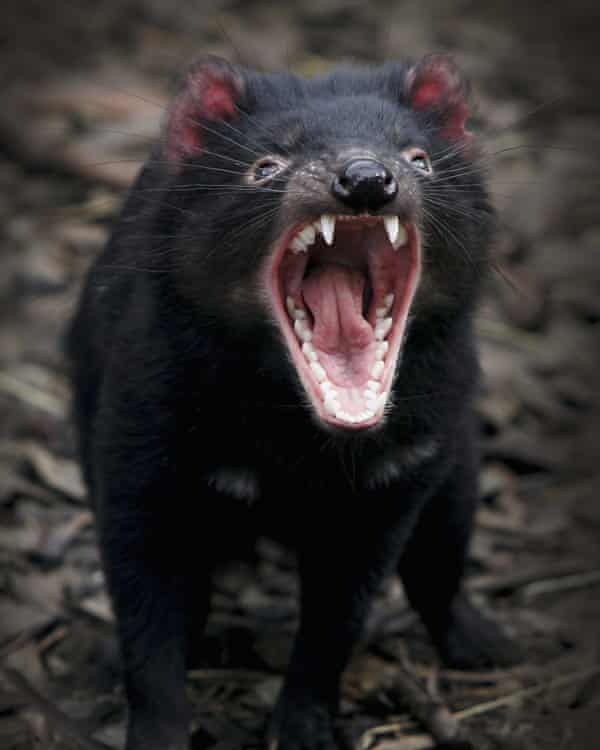
Tasmanian devil
Photograph: Ian Waldie/Getty Images
"All of the colonies of penguins once nesting around the Maria Island foreshore are gone because of the [Tasmanian] devils."
"Parks, and wildlife rangers, went out 18 months back  and couldn't find a single pengiun breeding in any of the previously known penguin colonies on the island."
"So, the devils have wiped out the penguins. It's 100 percent. The shearwaters have also been hammered."
Eric Woehler, BirdLife Tasmania convener

"...Because of their larger size and ability to dig, devils had greater impacts on nesting shearwaters than either cats or possums [which are native to the island]."
2020 BirdLife Tasmania study
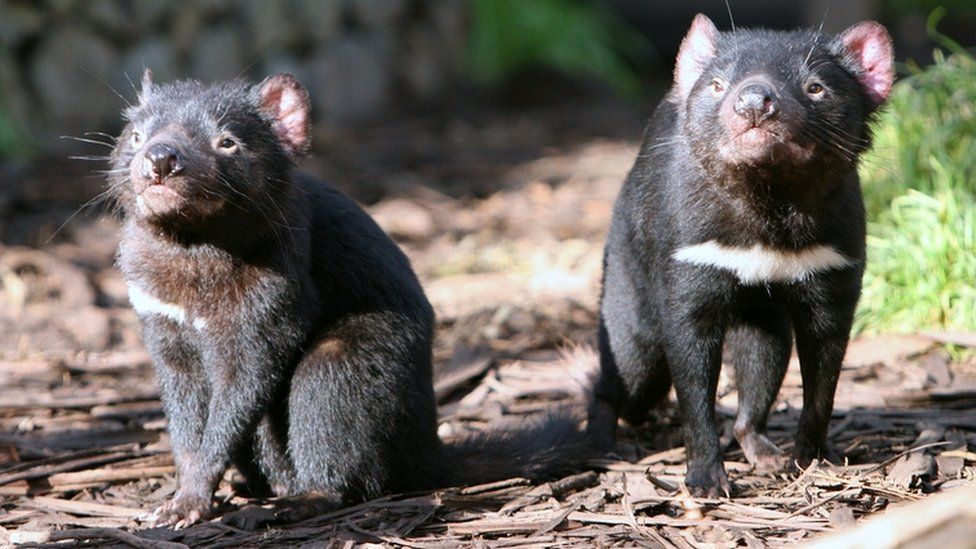
Tasmanian devils
A project to preserve endangered Tasmanian devils on a small island has backfired after the predators killed seabirds in large numbers, a conservation group says.   BBC

Wildlife experts and biologists have the best intentions when they set out to 'correct' nature. To solve problems some envision importing alien species to aid and assist struggling or threatened indigenous species of vegetation or wildlife, and all too often the imports, settling into their new environments find it so to their liking they run rampant and end up threatening the existence of native species either by monopolizing their territory or their food sources or by consuming the native species to extinction.

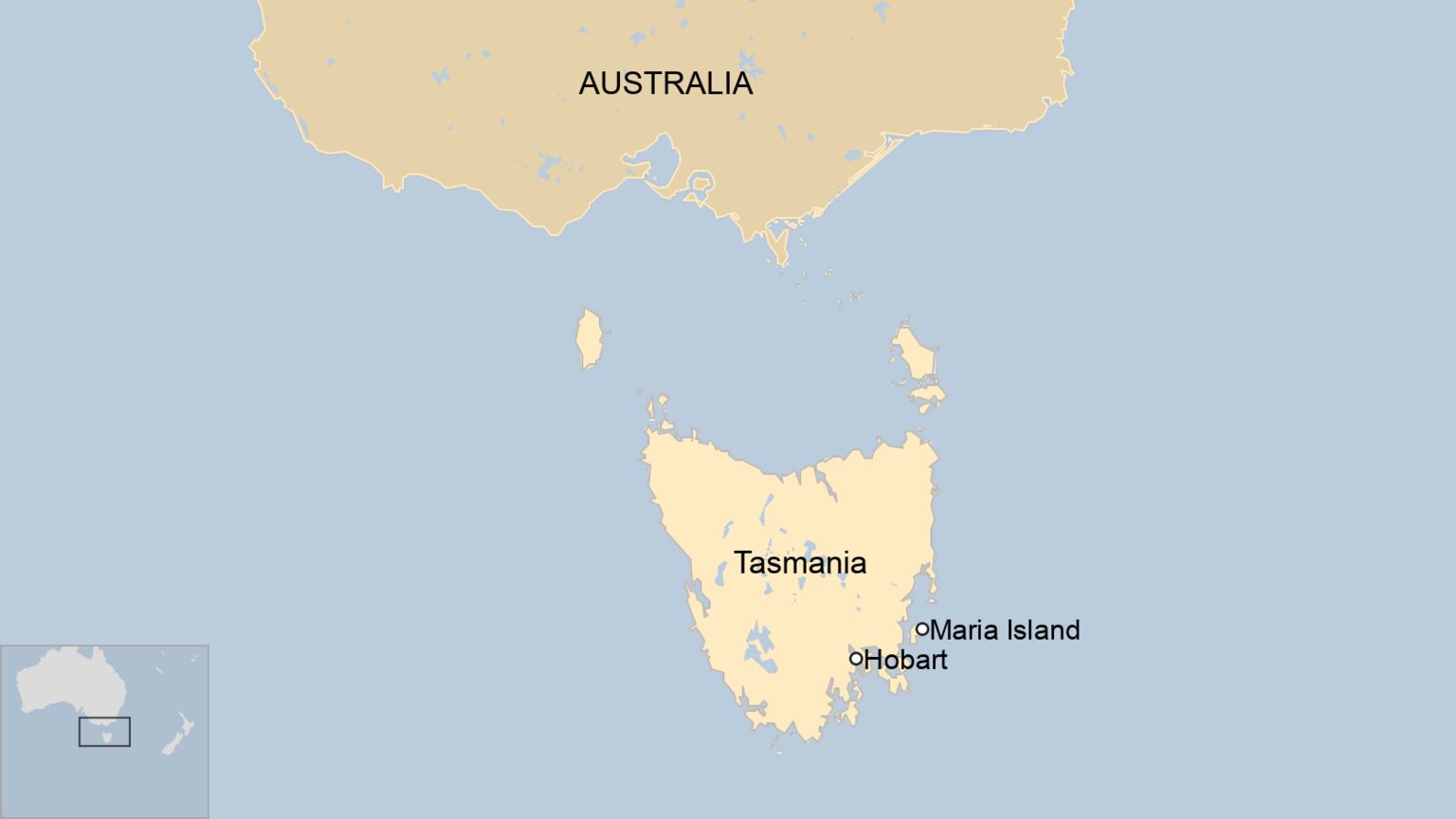
This appears to be what has occurred when the Australian island of Maria off Tasmania became the recipient of relocated Tasmanian devils whose existence was threatened by a dread cancer, contagiously infecting animal herds. It was decided that as an experiment in survival, 28 of the devils deemed healthy and uninfected were to be settled on Maria Island. The island had no devil population prior to the relocation.
 
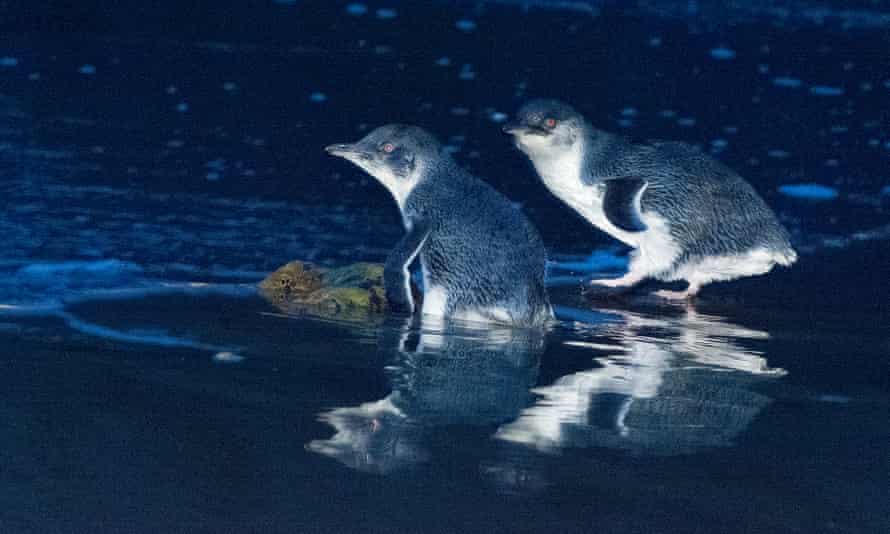
Little penguins – the species has been eliminated from Maria Island by introduced Tasmanian devils.
Little penguins – the species has been eliminated from Australia’s Maria Island by introduced Tasmanian devils. Photograph: Eric Woehler
 
In the annals of 'what could go wrong?' another classic example ensued. While relocating the original 28 as 'insurance' that the species suffering from facial tumour disease afflicting the animals throughout the state, the purpose was to shield the species against extinction. The devils increased to number 200 in time and they hunted a species of little penguins whose home was the 44 square mile island. Tasmanian devils are known for their voracious appetite, and the penguins were their target.

Article Image
The little penguins numbered 3,000 breeding pairs and now they are no longer to be seen on the island. Equally troubling, the number of short-tailed shearwaters also served as dinner for the devils and they too have been 'eliminated', according to a paper published in the journal Biological Conservation. Eric Woehler of BirdLife Tasmania spoke of the inevitability of the island's loss of bird life with the relocation of the devils as having been predictable.

The Tasmanian Department of Primary Industries, Parks, Water and Environment had warned that local populations of little penguins and shearwater would have to be monitored. On the other hand it did not foresee that introducing the devils would be likely to result in local extinction of the birds. 

There are times when nature takes a hand in resolving issues it has initiated. A study that took place in 2020 found that the Tasmanian devils were becoming resistant to the deadly facial tumour disease passed by biting, with devastating consequences to the survival of the animals. Their numbers had declined by 80 percent in the past several decades. And now, it seems, they will be recovering their numbers through the natural survival expedient of resistance to the disease.
 
A map showing where Maria Island is in Tasmania
"[The Tasmanian government] continually monitors, evaluates and reviews the devil population."
"All effective conservation programs are adaptive and the Save the Tasmanian devil Program will continue to evolve in line with new knowledge in science and emerging priorities."
Tasmanian government statement

Labels: , , , , , , , ,

Thursday, March 18, 2021

Survival of the Fittest to Adapt

 The fluke of a Sperm Whale
"We don't have good data sets to do this [research sperm whales' reaction to being hunted]. The problem is, when we as humans start exploiting anything, we don't tend to keep very good records of it. This makes it hard to figure out the potential for animals reacting to this, because we don't have good records."
"These [hunting whales for whale-oil lamps] were the Texaco of this era, these guys [American whalers] killing sperm whales, getting the oil, selling the oil and making huge amounts of money."
"That was very remarkable [the discovery of a sudden drop in whale hunting success]. I thought there might be a drop, but not that much and not that quickly. Usually, you expect it to increase as they figure out stuff and become more successful [hunters]. That's typically how our exploitation of wildlife goes. We become more efficient as we learn how to do it."
"This pattern [whale herds transmitting information to others] is more like agriculture, a new idea which develops and becomes really important. I'm really interested in this diversity of culture in the whales, and this is a wonderful example of it."
"We're still affecting the ocean. Whether they're learning about those things and how to deal with them, we don't know. But hopefully they [whales] are."
Hal Whitehead, biology professor, Dalhousie University, Nova Scotia
https://1thz9pe6wg37jz9s1eei99om-wpengine.netdna-ssl.com/wp-content/uploads/2016/03/Whales20and20Hunting20landing20page20banner_2001.100.4443-9.jpg
 
The North Pacific Ocean was the hunting grounds for whale hunters searching out sperm whales.  With the use of flimsy rowboats and harpoons thrown by hands whalers looked for large groups of whales, valued for their oil at a time long before electricity, in the 18th and 19th centuries. Old fishing logs attest to the curious observed fact that these hunts' success became less fruitful. Yields became reduced by over half in a period of a mere two years. 

Harvesting whales was big business whether carried out in the Atlantic, Pacific or Arctic waters. Whales were the source of oil used for lighting, whalebone from Baleen whales used for women's corsets, hoops for skirts, and for bags, and ambergris for the production of perfumes, among a myriad of other whale-sourced products. So whales were big business and business was booming. Until suddenly it wasn't. Whales were no longer easy prey.

And researchers feel they have discovered the answer to that puzzle. Published in The Royal Society journal, a new research paper states that sperm whales learned from their experiences at being relentlessly hunted. They devised methods whereby they successfully eluded the hunters and in some instances defying them both by prevention and through fighting back against human predators. Through their self-defence tactics they succeeded in reducing whale killings by 58 percent.

Biology professor Hal Whitehead whose specialty is the study of whales, mostly sperm whales for the past 40 years, analyzed their behaviours and social systems and when he discovered a trove of digitized documents representing thousands of captains' logs and fishing logs with detailed accounts of whaling expeditions worldwide, he was intrigued by the descriptions of the behaviour of whales.

At some point in the 19th century whalers were noting complaints of catching fewer whales by far than they were accustomed to. Because most whaling expeditions hadn't maintained detailed logs it occurred to him to assemble a research team of biologists and data scientists to pay attention to American whaling expeditions in the 19th century in the North Pacific. That area specifically as a region where expedition logs tended to be more complete.

A data set of 77,749 voyage days including 1,405 days where whalers spotted sperm whales were compiled. They encountered the discovery of a 58 percent drop in successful sperm whale hunts within a narrow period of slightly over two years, a reality that Professor Whitehead described as having the effect of being "pretty well blown apart by that. That was very remarkable." Pre-human-hunting on the whales' territory, sperm whales weighing over 40,000 kilos feared only killer whales.
 
They would typically defend themselves by forming a large circle, their young assembled protectively in the centre, and fight back against the killer whales with jaws and tails, and it was a good working strategy. The whales discovered, however, that what worked to protect themselves against the killer whales, worked against their favour when confronting human whale hunters."This is what they did to their previous enemy. So they now have this new enemy, and this is almost the very worst thing you should do when faced with Captain Ahab. To form a tight group, slow moving, just sitting there, it's a wonderful target for someone throwing a harpoon." 

Soon the hugely successful whalers saw a shift in their fortunes. The sperm whales stopped gathering in a circle once the hunters arrived. Instead they would swim upwind where weak rowboats couldn't follow. Some of the whales took to attacking the fragile boats. And they were communicating, according to the study, sharing their strategy as an aid to fight off their attackers. Before long whales straight across the entire North Pacific were emulating the first sperm whales' strategy.

A strategy that succeeded for a while. Until more advanced whaling technology consisting of more powerful boats, explosive harpoon guns eventuated and the whales were incapable of fighting human technology, despite attempting to. "Of course, none of it works. The modern whalers are totally lethal. The whales cannot get away."
 
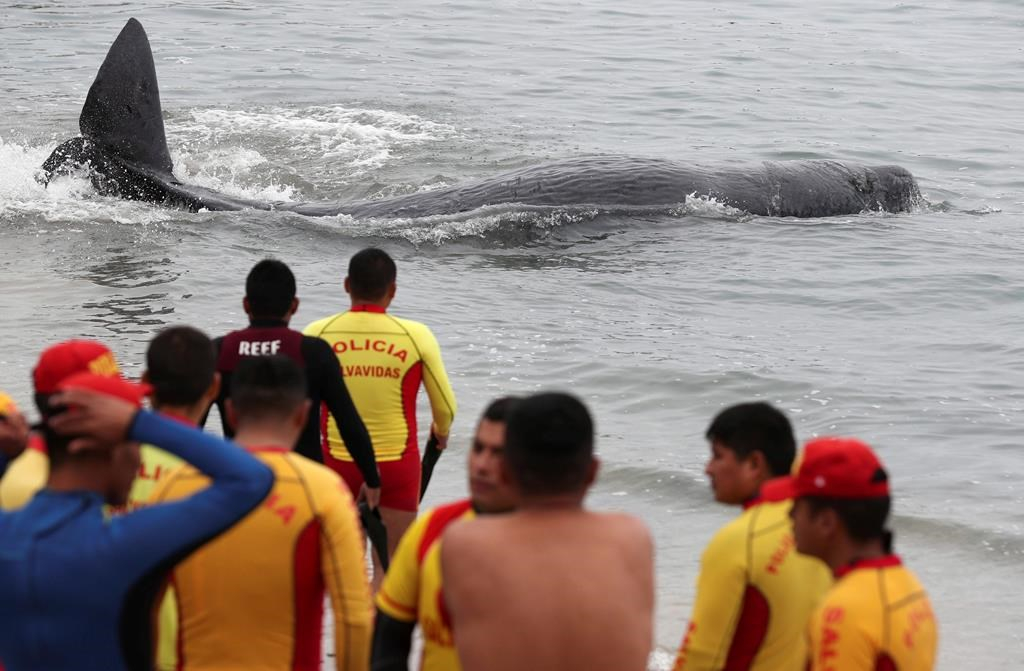
Rescue personnel come to the aid of an injured sperm whale stranded in the coastal waters of in San Bartolo, Peru, on Tuesday, Aug. 20, 2019. File photo by The Associated Press/Martin Mejia

Labels: , , ,

Thursday, November 19, 2020

Delaying Ageing


"After dedicating our HBOT [hyperbaric oxygen therapy] research to exploring its impact on the areas of brain functionality and age-related cognitive decline, we have now uncovered for the first time in humans HBOT's biological effects at the cellular level in healthy aging adults."
"Since telomere shortening is considered the 'Holy Grail' of the biology of aging, many pharmacological and environmental interventions are being extensively explored in the hopes of enabling telomere elongation."
"The significant improvement of telomere length shown during and after these unique HBOT protocols provides the scientific community with a new foundation of understanding that aging can, indeed, be targeted and reversed at the basic cellular-biological level."
Shai Efrati, professor, Shamir Medical Centre, Tel Aviv University
Hyperbaric Oxygen Therapy targets aging as a reversible disease
The prospective clinical trial is part of a comprehensive aging research program taking place in Israel. It was conducted by Prof. Shai Efrati, MD, from the Faculty of Medicine and Sagol School of Neuroscience at Tel Aviv University, and Amir Hadanny, MD, Chief Medical Research Officer of The Sagol Center for Hyperbaric Medicine and Research and co-author of the study. Using a specific protocol of hyperbaric oxygen therapy (HBOT), telomere length was significantly increased and senescent cells were reduced in a population of healthy aging subjects. The study was published in the peer-reviewed journal Aging. Titled: Hyperbaric Oxygen Therapy Increases Telomere Length and Decreases Immunosenescence in Isolated Blood Cells: A Prospective Trial. 
LongevityLive.com
ageing
 
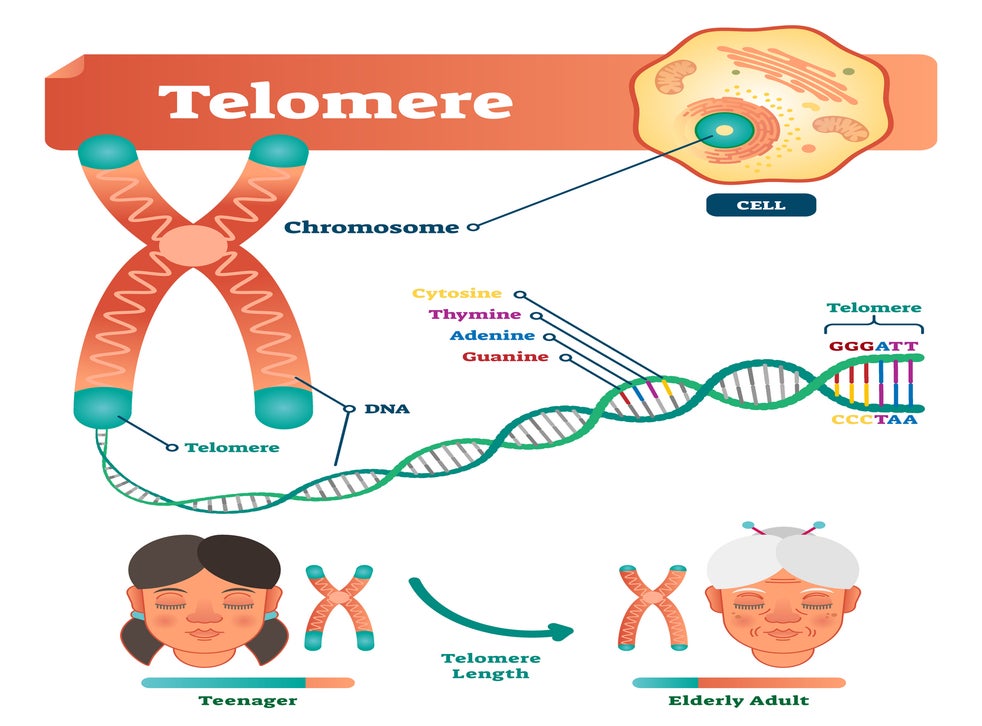
Another milestone in setting back the ageing clock has been achieved by scientists in Israel indicating a method whereby two key areas of the body believed to be responsible for the frailty and ill health that accompanies growing older have been manipulated by exposing older people in a hyperbaric chamber to pure oxygen.  Telomeres, protective caps at the ends of chromosomes shorten as people age and this process damages DNA, resulting in cells no longer replicating. Senescent cells build up presence in the body simultaneously preventing regeneration.

A process whereby telomere length can be increased, and ridding the body of senescent ('zombie') cells have been studied by many anti-aging researchers. This study, whose results were published in the journal Ageing, appears to have hit the jackpot. By the expedient of giving pure oxygen to older people in a hyperbaric chamber the length of their telomeres were increased by 20 percent, a first-time-ever scientific achievement. According to researchers the growth of the telomeres may result in participants' bodies assuming a status similar to that of 25 years earlier.
 
The pressurised chamber where participants were placed
Senescent cells were also reduced by up to 37 percent. Removing senescent cells extends remaining life by over one-third, as demonstrated by earlier animal studies. There is broad agreement among many scientists that ageing is responsible for major conditions such as Alzheimer's, Parkinson's, arthritis, cancer, heart disease and diabetes. All of which are hastened not only by the ageing process but by obesity, smoking, lack of physical activity, vitamin deficiency and inflammation all of which accelerate telomeres shortening.
 
For the trials, 35 healthy adults, aged from 64 and over were placed in a hyperbaric chamber five days a week over a three-month period, for 90 minutes' duration each session. The therapy amounted to breathing in 100 percent oxygen through a mask, to achieve the desired effect.
"Until now, interventions such as lifestyle modifications and intense exercise were shown to have some inhibition effect on the expected telomere length shortening."
"However, what is remarkable to note in our study, is that in just three months of therapy, we were able to achieve such significant telomere elongation – at rates far beyond any of the current available interventions or lifestyle modifications."
Dr Amir Hadanny, study co-authorHow telomeres shorten as a person get older

Labels: , , , , ,

Friday, December 27, 2019

I'll Have Two of Those and Five of Those...Woof!

"Our work not only shows that dogs use a similar part of their brain to process numbers of objects as humans do -- it shows that they don't need to be trained to do it."
Gregory Berns, neuroscientist, Emory University, Atlanta

"We went right to the source, observing the dogs' brains, to get a direct understanding of what their neurons were doing when the dogs viewed varying quantities of dots. That allowed us to bypass weaknesses of previous behavioural studies of dogs and some other species."
"Part of the reason that we [humans] are able to do calculus and algebra is because we have this fundamental ability for numerosity that we share with other animals."
"I'm interested in learning how we evolved that higher math ability and how these skills develop over time in individuals, starting with basic numerosity in infancy."
Lauren Aulet, psychologist, Emory University, Atlanta, Georgia
Emory neuroscientist Gregory Berns is researching how dogs think and view the world.   Kay Hinton

In an effort to determine whether the ability of canines' ability to detect amounts, numbers, through training or whether that ability was innate, Emory University scientists set about to solve the riddle. How can dogs know that they've been given a smaller treat than what they've been accustomed to? Why is it that they appear to have the capacity to determine that their bowl isn't as full at meal time as it generally tends to be? It is known that they have the capacity to process numbers, somewhat similar to how humans do, according to a Science Magazine report.

A recent report published in Biology Letters reflecting a later study from Emory University in Atlanta set out to solve the riddle, leading the researchers to believe that dogs certainly take notice when less food is placed in their bowls. They cannot count, but they detect differences in quantity. This has been named "approximate number system", known for some time that animals can differentiate quantity. The article in Science made it clear that earlier studies in research into animal numeracy made us of trained animals as their study subjects.

A canine mathematician waiting to go for a walk. Getty Images

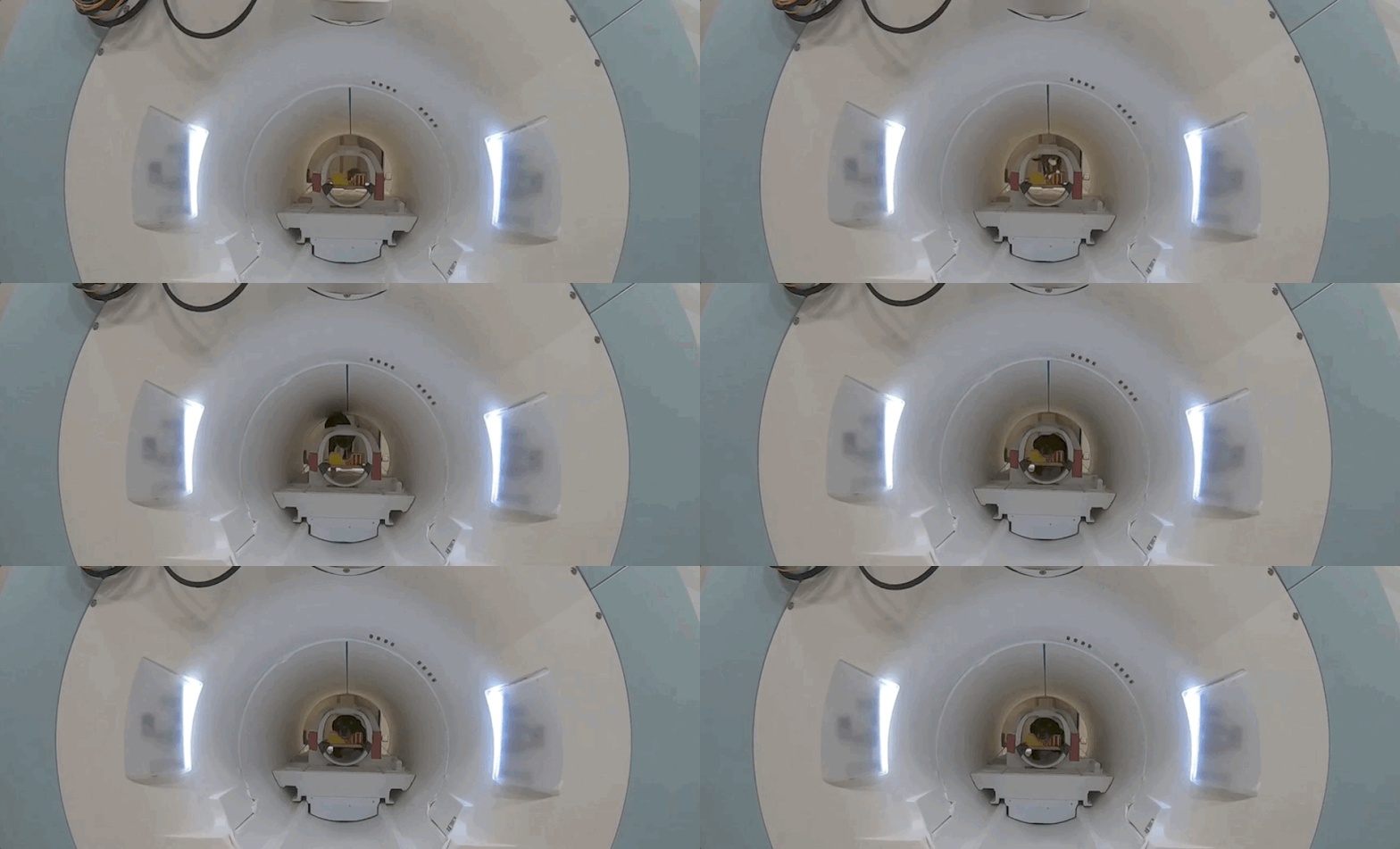
What the Emory University study set out to do was settle the question: animal evolution or trained brain function? Dr. Berns who led the study along with colleagues undertook to recruit representatives of eleven different dog breeds for his examination whether there was an ingrained sensitivity to numbers in a certain part of canine brains. The dogs were placed in a functional magnetic resonance imagine scanner (fMRI) and strapped into place their heads resting on a block, to focus on a group of light grey dots on a black background.

The grey dots changed in number every 300 milliseconds and with those changes the researchers were able to note activity in a region of the canine brain called the parietotemporal cortex, known as the parieta cortex in the brains of humans, which function of the brain aids humans in the processing of changing numbers. Of the 11 dogs, eight passed the scanning test, their brain activity demonstrating a behaviour pattern similar to that of the human brain, while three dogs failed to pass the test, which Dr. Berns felt might be linked to breed.

dog-treat.
Getty Images

Understanding how dogs are able to detect changes in quantity might represent a breakthrough of some significance, stated Dr. Aulet, who participated in the study. There is an expectation that the research results will at some future date, offer scientists deeper insights into matters such as how brain abnormalities could be treated.

"It further increases our confidence that [these representations of quantity in the brain] are ancient and widespread among species", concluded Michael Beran, a psychologist at Georgia State University, speaking of the study as compelling and exciting.

main article image
Emory University, YouTube

Labels: , , , ,

Saturday, December 21, 2019

The Biology of Middle-Age Spread

"As we get older, biology sets us up for weight gain."
"By the age of 50, we could be burning nearly 400 fewer calories a day. If you're still eating the same amount of food as when you were 20, you'll gain weight."
"Bodies like to put on weight, but they don't like to lose it. A diet only works if you stay on it for the rest of your life. That's difficult since most diets are restrictive."
"[Government fails to recognize obesity as a chronic disease.] This would increase access to behavioural therapy and medications for obesity. Most health plans don't cover those things."
Arya Sharma, professor of medicine, University of Alberta, director, Obesity Canada

"Studies show that post-menopausal women store more fat."
"We also see that with a chronic decrease in testosterone, which occurs during andropause or male menopause, men also have an increase in body fat."
"[Monitoring weight can help maintain weight] or at least not gain too much."
"[Exercise alone seldom results in weight loss.] You need the dietary component."
Sylvia Santosa, professor, Department of Health, Kinesiology and Applied Physiology, Concordia University
main article image

There are health risks associated with failing to acknowledge what is familiarly referred to as "middle age spread". This, despite the very real scientific medical fact that among the 57 known comorbidities associated with obesity which include cancer, Type 2 diabetes, cardiovascular disease and dementia, ignoring the trigger that hastens the onset of these diseases, doesn't much help in tackling this problem of enormous proportions.

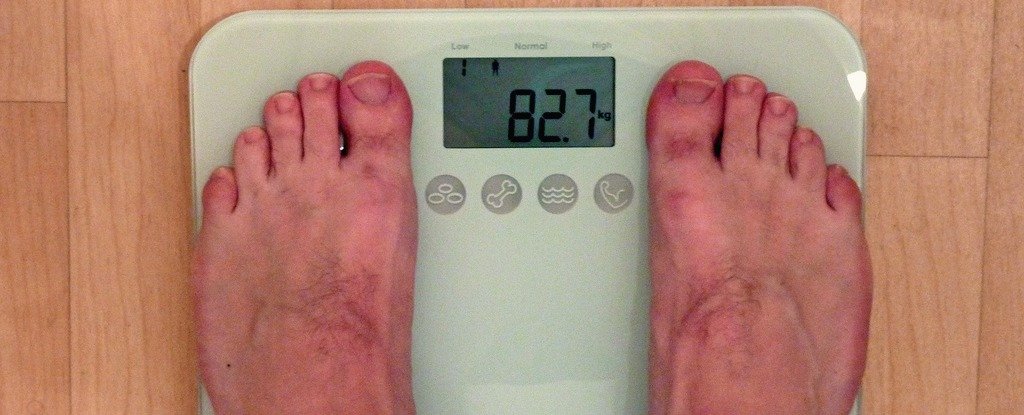
In Canada, the median age is a steady 41 in the population. At the same time obesity rates have been rising, and most particularly among people between the ages of 35 to 49. After age twenty the body begins to burn ten to fifteen fewer calories every single day. This is the impact of age on metabolism in the human body. And then there are hormones. Testosterone, the male sex hormone, manages a decrease in body fat, while the female sex hormone estrogen prevents weight gain as well.

Their positive weight effect, however, decreases with age. A decrease in estrogen leads women to gain weight on their hips and thighs, while a like decrease in testosterone causes weight gain in men, particularly around the stomach area. And while preventing weight gain with the use of hormone replacement therapy is an option in middle age, it is controversial therapy, given possible links to cardiovascular disease.

As a result of hormonal fluctuations that women experience, they are more likely to gain weight throughout their lifetimes. Dr. Sharma is a firm believer in behavioural measures, in medications and for some extreme cases, bariatric surgery for long-term effectiveness in the treatment of obesity. Last year, Canada banned the use of industrial transfats in processed foods. It became illegal for manufacturers to add PHOs -- partially hydrogenated oils -- to foods sold in Canada.

A federal government campaign through Let's Get Moving, a policy document was designed to inform Canadians of a need to move more frequently in view of the fact that only 18 percent of Canadian adults meet the guidelines for physical activity of 150 minutes of moderate-to-vigorous activity weekly. Dr. Sharma feels more is needed to motivate people to take command of their options in avoiding obesity.

Habits ideally, should be changed from those inimical to health to those with clear benefits such as eating nutritionally, sleeping adequately, maintaining a healthy weight, smoke cessation, moderate drinking and reducing sedentary time, to produce a good-habit-routine to live by. These, in combination with regular exercise, relate to healthy lifestyle behaviours.

An article in the BMJ Open Sport and Exercise Medicine open-access journal saw lifestyle reviews of statistics accumulated for 34,061 individuals participating in the Vitality program, an interactive online wellness platform, incentivizing health choices such as exercise, medical checks, sleep, healthy food choices and activities geared to stress-reduction.
"The improvements were greatest in those with the most to gain, those with low baseline physical activity levels."
"Our study extends previous findings that health behaviours such as physical activity, healthy eating and abstaining from alcohol and smoking tend to co-occur in individuals and the presence of one healthy behaviour is followed by other healthy behaviours."
Vitality health research team
Image result for exercising after 50
Exercise after50  Global News

Labels: , , , , , ,

Thursday, November 07, 2019

Sex Sensitivities of Loggerhead Turtles

"One hundred percent girls. This nest will be 100 percent girls."
 "Males here could vanish in two or three decades. There will be no reproduction."
Adolfo Marco Llorente, Spanish researcher

"Cape Verde hosts one of the largest nesting population of loggerhead turtles in the world -- up to 15% of the global nesting total."
"We estimate that 84% of current hatchlings are female, and warmer temperatures will increase this proportion."
"Under all three climate change scenarios in our study, by 2100 more than 99% of hatchlings would be female -- and under mid- and high-emissions scenarios there could be no males at all."
Dr Lucy Hawkes, University of Exeter
90 per cent are on track to be killed by ‘lethally high temperatures’ before hatching
90 per cent are on track to be killed by ‘lethally high temperatures’ before hatching ( Lucy Hawkes )
According to the National Oceanic and Atmospheric Administration, males are produced when sea turtle eggs incubate in sand registering under 27.7C, while nests laid in sand registering between 28C to 30C can still result in a turtle hatchling gender mix. Eggs deposited in sand higher than 31C, however, will produce one hundred percent female turtles.

These are animals whose lifespan is long, equalling that of humans -- where turtles living for up to 100 years will over their lifetime lay over one thousand eggs. Sea turtles don't mate for life as some other species of animals do; one male is able to find plentiful sexual partners; polyamorous in their sexual behaviour.
The future of sea turtles at one of their most important breeding grounds in Cape Verde could be in doubt thanks to global warming. If global emissions are curbed and reduced, it will still result in 99.86 per cent of hatchlings being female by 2100, a study claims

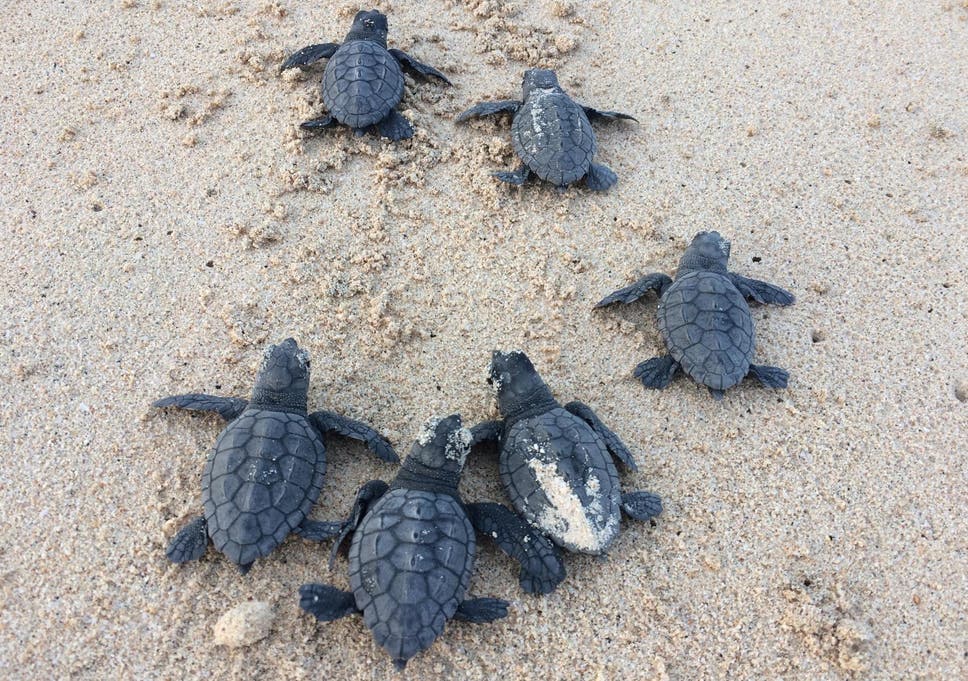
Turtle hatchlings' global future is now one of great uncertainty, for as Earth becomes warmer worldwide hatchlings are modelled to cant toward the female of the species, making turtles an early-warning signal for climate change. On Cape Verde, a tiny island in West Africa, a sixth of the planet's nestling loggerhead turtles already displays a wide disparity in turtle hatchlings' sex.

Researchers from the University of Exeter in Britain published a report in June indicating the increasing potential for these hatchlings to be of a single sex, in lock-step with a warming planet. A tenth of planet Earth has warmed past two degrees Celsius, the point where scientists assay that rising  temperatures are able to bring along irreversible damage to ecosystems.

In Cape Verde, warming has been demonstrably above average at around 1.3C, since 1964, according to records kept at the island's primary airport. Researchers furthermore estimate that fewer than one percent of sea turtles at Cape Verde will be born male by the end of this century, and predict that more elevated temperature could conceivably see no more male hatchlings in the future.

The archipelago is highly dependent on tourism, its economy benefiting from the presence of approximately 30,000 sea turtles annually swimming to Cape Verde's environment to nest -- where 15 percent of the island's economic growth is dependent on the proceeds of tourism. "Turtles are the brand of Cape Verde", explained the country's assistant secretary of state for the maritime economy.

Profit from hotel taxes is used by the government of Cape Verde to pay for beach cleanups, for security meant to curb poacher activities and to build protective fences to hinder predators such as ghost crabs from feeding on the status-protected turtles. Non-profit groups work with the government in protection of the tourisn-dependent island turtles.
 
A study from the University of Exeter found nine out of every 10 Cape Verde turtles will not survive incubation due to 'lethally high temperatures' if global warming continues at its current rate

Tourists, largely emanating from Europe, are brought by turtle guides on overnight beach treks. The guides are instructed by government to incorporate education about the turtles and the links to climate change as they lead these tours. "They see the turtles like toys. We have to tell them about the problems", explained Manuel Delgado Rodrigues, a tour guide.

It is well known that the environment is able to alter the gender of some lizards, crocodiles and species of sea turtles, but how and why this occurs is as yet unknown to scientists. Slight shifts in the land can affect their reproductive fate as well; the biological mechanism as elusive to science. But that hasn't stopped biologists from initiating ingenious efforts to cool the nests; digging up eggs to move them to shadier beach areas has been a success, as well as has sand-cooling sprinkler systems.

Additionallyl, dividing eggs into smaller units has been useful, given that too many eggs in tight spaces have the effect of warming their nests to an even greater degree.
About 85 per cent of loggerhead nests in Cape Verde are already laid on Boa Vista, where incubation temperatures are coolest but it is hoped the animals will adapt to mate at cooler times

Labels: , , , ,

Monday, April 15, 2019

In the Name of Biological Science : Exploring Space

"I believe it's the most comprehensive assessment of human beings to date."
"I don't know that there's been anything close to this."
"The main conclusion I got from this paper, based on all the objective data, is why would anybody want to go to Mars or be in space?"
Dr. Eric Topol, director, Scripps Research Translational Institute

"The fact that they're twins really narrows down the alternatives."
"We can say that, as best as we can tell, these changes [biological changes to the human body] are due to space flight."
"People have asked me, 'Well, is going to space the Fountain of Youth?' I don't think so If it is, you're going to have to stay up there forever."
Susan Bailey, cancer biologist, Colorado State University
Twins Scott Kelly and Mark Kelly
Over the past few years, twins Mark and Scott Kelly have participated in what’s now called the NASA Twin Study: A first-of-its kind longitudinal study in which one brother (Scott) spent a year onboard the International Space Station (ISS) and the other (Mark, who had already retired from spaceflight) spent those same 12 months on Earth.
NASA/Robert Markowitz

Two brothers, actually twin brothers, and both American astronauts. What an opportunity for science to study the effects on the human body that is hurtled into space and remains there for a period of time. What might the change of atmosphere, gravity, living in an scientifically technologically-manipulated environment for an extended period of time result in with respect to the human body's ability to adjust to these radical new conditions imposed upon it?

Scott Kelly, aboard the International Space Station, spent 340 days using his own body as the experiment from which he drew data to be examined at a later date upon his return to Earth from his stay on the orbiting space station. While he played computer games to test his memory and reaction speed, and drew blood for tests, saved his urine for the same purpose, measured the shape of his eyes, his twin brother Mark, conducted identical tests on himself 385 kilometers away, on Earth.

The idea was to compare test results between the twins and to determine the differences at the molecular level. It has taken three years to study the results drawn from the 55-year-old astronaut-twins for NASA researchers to report on the changes that Scott's body underwent while he was in orbit. In some of his cells DNA mutated; his immune system responded with a number of new signals, and his microbiome hosted new bacterial species.

Of the biological changes, many faded away after his return while others, including genetic mutations and declines in cognition test scores failed to return to their former, pre-orbit state. The former was reassuring, while the latter was found concerning, at the very least to the scientists if not to Scott himself. Among the scientists there were some who thought of managing the risks -- leaving others to wonder whether long journeys to Mars or beyond would ever be 'safe' biologically for astronauts.

It's been six decades that astronauts have shot out of Earth's atmosphere into the inner ring of space surrounding our planet. Despite that sixty years and the experiences that have been documented, scientists face a large question mark about life in space. The NASA Twins Study published in the journal Science, led the agency to hope to be able to more fully appreciate changes that Scott Kelly experienced.

Researchers were led to believe by studying the comparison tests between the twins that the pace of biological alterations became more measured, hinting that the human body in space reaches a new equilibrium in adjustment. Dr. Bailey, a co-author of the study, looked at sections of Kelly's DNA called telomeres which protect chromosomes where they are seated, from deterioration. Telomeres become shorter as people age. Radiation or pollution may hasten aging, fraying telomeres more than is usual.

Kelly's telomeres increased while in space, rather than decreasing; it was as though his cells were more youthful, a reversal of expectations -- and it was speculated that the space environment might have aroused a quiet population of stem cells in his body. His body may have produced a fresh supply of young cells with longer telomeres, it was suggested. Thousands of genes, once inactive, increased their activity in Scott's body, while Mark's body on Earth saw his genes remaining stable.

Scott on ISS
Scott Kelly on board the International Space Station during his year in space. (NASA)

Radiation levels in the International Space Station, higher than those on Earth may have been responsible for some of the awakened genes known to encode proteins to aid in restoring damaged DNA. On his return to Earth in March of 2016, his body indicated signs of intense stress, his immune system in high gear, reflecting a shock to the body, which restored to normal pre-flight condition quite expeditiously. The bacteria that thrived in his gut while in space that were alien, disappeared, back on Earth.

Yet some biological aspects of Kelly's body failed to return to their pre-flight norm, and six months following his return to Earth, 8.7 percent of his genes still behaved in an untypical manner -- and research indicated he failed to respond as well on cognitive exams, while even more worrying was a collection of genetic mutations gained in space, enduring. Radiation can trigger a kind of mutation that incites cells to gain even greater mutations as they divide; cells may begin growing exponentially "taking steps on the road to cancer", explained Dr. Bailey.

"I think all of these problems are solvable", stated Jerry Shay, a cell biologist at the University of Texas Southwestern Medical Center, who holds out hope for countermeasures that might protect astronauts. To that end, he and his colleagues are testing drugs meant to trigger cells to mend DNA which has been damaged by radiation exposure.

Research Threads
Graphic illustration of the path the individual Twins Study research takes from research to integration to one summary paper to several companion papers. (NASA)

Labels: , , , ,

Monday, April 01, 2019

You Are How Old?

"For most people, chronological age corresponds well with emotional and biological age and thus it is often unproblematic that legal age equals chronological age. But this is not always the case."
"Psychologists and medical doctors should be consulted to find out how serious an age change candidate is [along with establishing motivation for the amendment in the birth date]."
"While we can stop whisky from aging by bottling it, we cannot stop humans from aging [but genes, epigenetic changes, lifestyle can influence outcomes], so why should legal age match how long a person has existed for? Why not match legal age with how able and functioning the person actually is?"
"We live in a time when you can change your name and change your gender. Why can't I decide my own age?"
"These are questions that I think biologists and medical doctors should consider together with philosophers and bioethicists."
"Chronological age does not always matter. So why are we so obsessed with it?"
Joona Rasanen, Finnish bioethicist, University of Oslo
young at heart
In Green / Shutterstock

According to this doctoral research fellow at the University of Oslo, there are moral arguments of a compelling nature to be made permitting people to turn back their age legally, where three set conditions are met:
  • The individual feels unreservedly that his/her "felt" age has a meaningful difference from his/her chronological age;
  • The person's biological (physiological) age -- the age that person's body and mind by objective measures -- actually differs from legally documented age;
  • The individual may be risking ageism such as workplace age discrimination.
The recently released study, published in the Journal of Medical Ethics boosts the belief that 'you are as old as you feel' could be carried forward to a legal recognition of a person's choice to alter their documented age. Legal age, argues this philosopher, need not match chronological age. How swiftly our arteries clog, our bones decay and our cells and organs become health-compromised with age can be attributable in part to the choices we make in life, as well as environmental influences and exposures, beyond diet and exercise.

His argument reflects an experience by Emile Ratelband who sought a legal ruling in his bid to alter his age by reducing it from his actual 60s to his proposed 40s. In so doing, he was willing to forgo the $1,500 Euro monthly pension allotted the elderly in exchange for the legal right to alter his birth date. Having worked as a fashion retailer, tour guide, pancake baker, real estate developer and politician, he states: "My feeling about my body and about my mind is that I'm about 40 or 45". A Dutch court turned him down.

Mr. Rasanen pointed to ageism in society and at the workplace, using as an example that employees at Google, Intel, and IBM, along with a number of other high-tech companies sued for age discrimination. "Young people are just smarter", Mark Zuckerberg was once heard to say in an unguarded moment of communication. As a 'young person', it is unsurprising given the attitude of the young toward the more mature among them, that he would express such an opinion, which facts often belie.

There is always the critical issue of when age in and of its effects on the human body make a truly aged individual inappropriate to hope to be employed in some critical positions that impinge on the safety of others; pilot comes to mind. With an age alteration, each candidate, stresses Mr. Rasanen, would ideally require testing and evaluation.And with the message that an entire new bureaucracy would of necessity have to arise out of what seems like an egotistical whim, one must ask: 'why bother'?
The new method to determine biological ageing could help researchers discover what keeps some people looking and feeling younger
The new method to determine biological ageing could help researchers discover what keeps some people looking and feeling younger   123RF.com

"[The law likes] bright lines and ease of application. It's why we decide that most people, roughly speaking, are mature enough at 18 to do things like get married. It's also fine to call you 70, because it triggers privileges to social programs and ticket discounts, some of it awarded just because you've been on the globe for a certain period of time, not because of your biology."
"If you went from 62 to 25, literally, in all aspects of biology ... it might even require the creation of a new person, meaning a new identity."
"If I reversed myself to 25-years-old, it's not like it's me any more. I have a history, but most of that is irrelevant. I may want to start again and declare myself Arthur Caplan, part two, or Arthur Caplan, beta."                                Bioethicist Arthur Caplan, New York University

Labels: , , , ,

Sunday, March 24, 2019

Bat Fungal Scourge : White Nose Syndrome

"White-nose syndrome represents one of the most consequential wildlife diseases of modern times."
"The disease has killed millions of bats and threatens several formerly abundant species with extirpation or extinction."
Research paper, mSphere

"In areas like this where it's not yet arrived, we can form a predictive model based on ecology, physiology, genetics and skin chemistry."
Jonathan Reichard, official, United States Fish and Wildlife Service

"This research will inform us which bats will be susceptible and which will be resistant, which will inform a conservation and intervention strategy."
Sarah. H. Olson, director, wildlife health, Wildlife Conservation Society
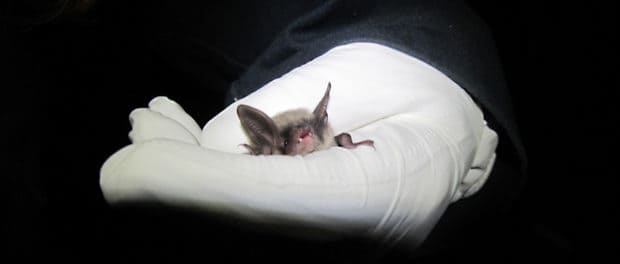
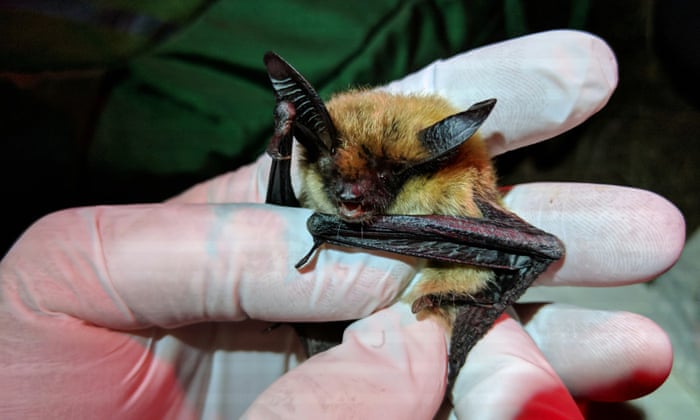
An Indiana State University biologist searching for signs of white-nose syndrome holds a northern long-eared bat (Myotis septentrionalis). As the disease spreads, biologists are preparing for impacts on bats in the West. ©Scott Bergeson/Indiana State University

"Disrupting them during hibernation is adding stress at a time they can least afford it."
"There's no practical way at all to slow or stop this, to get rid of it in the wild; it's already in thousands and thousands of [bat] roosts."
"It should be allowed to run its course. We're just wasting money when we try to find a cure. We should be spending our money on getting the maximum protection for the bats that have survived and helping them recover and rebuild populations."
"Using something to kill the fungus is going to kill other fungi or microorganisms in the cave that will cause other chain reactions and problems that are far greater than what we started with."
Merlin Tuttle, bat expert, Texas
A hibernating Little Brown Bat showing visible signs of the fungus. (Alan Hicks, New York State Department of Environmental Conservation photo)

There will always be some research scientists in any field, who disagree with the studies and findings of others; total consensus is difficult to obtain, a matter put to rest once one or the other camps is proven correct in a hypothesis that led them to an avenue to be explored which proves distinctly correct. That goal has yet to be reached in a conundrum which has stricken bat populations across a wide swath of North American geography with a fungal infection whose effects have been deadly to millions of bats since 2006.

Bats hibernate from September to April, lowering their heart rate and respiration for three weeks at a time. This is a diversion from how they have conventionally hibernated when hibernation is continuous and non-interrupted, conserving the fat stored in their tiny bodies to see them over the winter months until they awaken in the spring. That they waken after three weeks have elapsed and go in search of water is a result of bats infected with the fungus causes dehydration.

"During torpor they burn almost no energy. During arousal they burn a lot. Even though it's only five percent of their time, it's 95 percent of their energy. It really comes down to how often they arouse", explained Nathan Fuller, postdoctoral biologist from Texas Tech University, part of the research team of five biologists who entered an abandoned mine on a mountainside to pluck the tiny mammalian specimens from the walls in a collection meant to deliver some clues to solve the problem of dying bats.

A general, widespread effort is underway in North America for the purpose of understanding how a rapidly spreading fungal bat disease will affect bat populations in the western United States; their intention was expressed in the paper published in a journal of the American Society for Microbiology. Fuzzy spots appear on the noses of these mouse-size creatures in white-nose syndrome, leading to its name.

In the last decade, agencies representing state, tribal and federal entities and nonprofit groups have been attempting to find a way to save the 47 bat species in North America, with no luck as yet. The five biologists gathering bats off the walls in the mine brought the 30 bats they collected to a trailer where an animal MRI and respirometer were present, for the intention of weighing and measuring the tiny creatures.
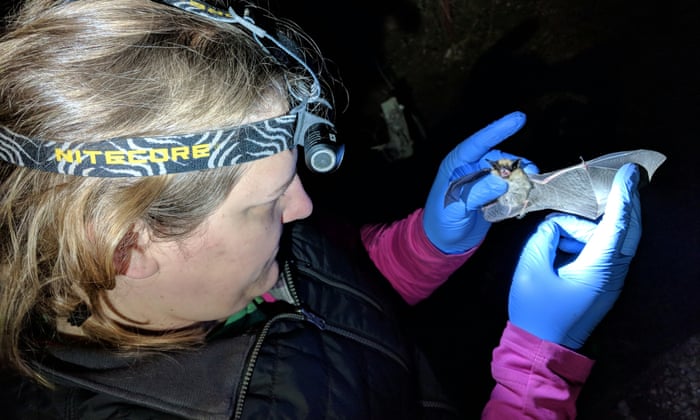
Scientists across the western US and Canada are capturing and studying thousands of bats to discover which are best suited to survive the deadly white nose syndrome. Photograph: Wildlife Conservation Society

Entire ecological landscapes could be altered, disrupting natural order, should the disease continue spreading and eliminating colonies of bats. First discovered in a cave outside Albany, New York in 2006, it was thought the fungus came from Eurasia, somehow introduced to North America where the pathogen has since spread to 36 U.S. states and seven Canadian provinces, wiping out entire bat colonies, totalling an estimated six million bat deaths.

The loss of these bats and the natural service they provide to the ecology in which they circulate could be monumental in its consequences, since they are pollinators and their voracious appetites make quick work of mosquitoes and other nuisance insects. The outbreak of the pathogen has ravaged the U.S. East Coast, and white-nose syndrome is spreading to the rest of the Western U.S. at a rate of roughly one state annually, meaning that in the next few years it might spread to the thousands of caves and abandoned mines of the Rockies.

A more complete biological map of bats' hibernation physiology gives hope to researchers that this could gain them a finer understanding of the process and how a strategy to defeat the effects of the fungus could be achieved. When the bats are forced to expend stored energy to take them through the winter months in a short-term survival mode brought on by white-nose syndrome, they become emaciated and die. Alternately, they might leave the cave sooner than they should in search of food, and die in the winter environment.

The research team has committed its time and energy and funding on equipment in an effort to more fully comprehend bat hibernation in the hope that once baseline data are established a solution may be found to this deadly dilemma. In the search for solutions heretofore, biologists have considered placing food in caves, feeding bats probiotics or electrolyes, or using chemical skin treatment to counter the fungus. They have tried fogging caves with antifungal agents.

And others, such as bat expert Merlin Tuttle urge patience and caution, hoping that the fungus might run its course, then possibly meet some obstacles not found in its native environment, and die off, leaving the remaining, uninfected bat groupings to repopulate.

A researcher inspects the body and wings of a bat collected for research. Photograph: Wildlife Conservation Society


Labels: , ,

 
()() Follow @rheytah Tweet