Ruminations

Blog dedicated primarily to randomly selected news items; comments reflecting personal perceptions

Friday, April 19, 2024

The Merits of Minimum Exercising

"We wondered, if we chose a very low threshold of exercise what would we see?"
"It was surprising and encouraging [to see these effects, that a larger frontal parietal and occipital lobes resulted from exercising, signalling a healthy robust brain]."
"Exercise, in effect appears to aid in building and backing a] structural brain reserve [acting as a buffer of additional cells and matter with the potential to protect from inevitable decline in brain size and function that occurs with age]."
Cyrus A. Raji, associate professor of radiology and neurology, Washington University, St.Louis, Missouri
https://domf5oio6qrcr.cloudfront.net/medialibrary/8495/Woman-Runner-Tying-Sport-Shoes-52582435.jpg
 
A mere 25 minutes weekly, which comes to four minutes daily has the potential to bulk up brains, improving the capacity to think as people become older. A new study found that those who walked, swam, cycled or otherwise worked out moderately for 25 minutes weekly had larger brains than those who did not, of any age. The equation of bigger brains is brains that are healthier. The study scientists scanned the brains of over ten thousand healthy men and women, aged 18 to 97.

"This is an exciting finding and gives us more fuel for the idea that being physically active can help maintain brain volume across the life span", enthused professor of biological sciences and anthropology at the University of Southern California, David Raichlen. Although he was not involved in the new study, he is involved in studies of brain health.

The researchers found that differences between the study subjects were most pronounced in areas of the brain identified with thinking and memory functions, both of which often tend to shrink with age, contributing to cognitive decline and dementia risks. Dr. Raji and his colleagues were aware that older people who remain physically active are much less likely than those who are sedentary to develop Alzheimer's disease, or other kinds of cognitive decline and memory loss.
 
With the understanding that most people as they age tend to avoid exercise, the thought occurred; would less -- significantly less even -- exercise still be involved in helping to build healthier brains? In most formal exercise guidelines 150 minutes weekly is recommended to achieve optimum mental and physical health. Would 25 minutes of weekly exercise a week help to do the same, even though it would represent a sixth of the exercise guidelines?

https://www.cnet.com/a/img/resize/42e5b735e5b38bea520e3ceb06c6871189f5953f/hub/2024/03/20/b14749aa-f880-428a-be0f-b5cb7bd0bc58/gettyimages-1162834320.jpg?auto=webp&fit=crop&height=675&width=1200
Silke Woweries/Getty Images
 
Seeking an answer to an intriguing and potentially very useful bit of knowledge, he and his colleagues studied brain scans for 10,125 mostly healthy adults of all age groups who had taken diagnostic tests at the university medical centre and had provided information relating to their medical histories; how often and how strenuously they had exercised in the past several weeks. For the study's purposes the patients' records were divided into those who had exercise for at least 25 minutes weekly, and those who had not.

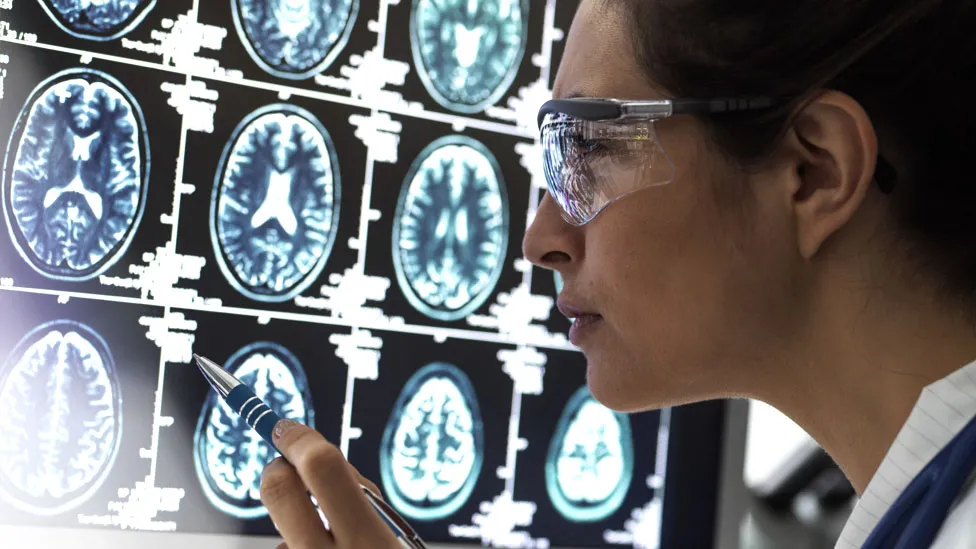
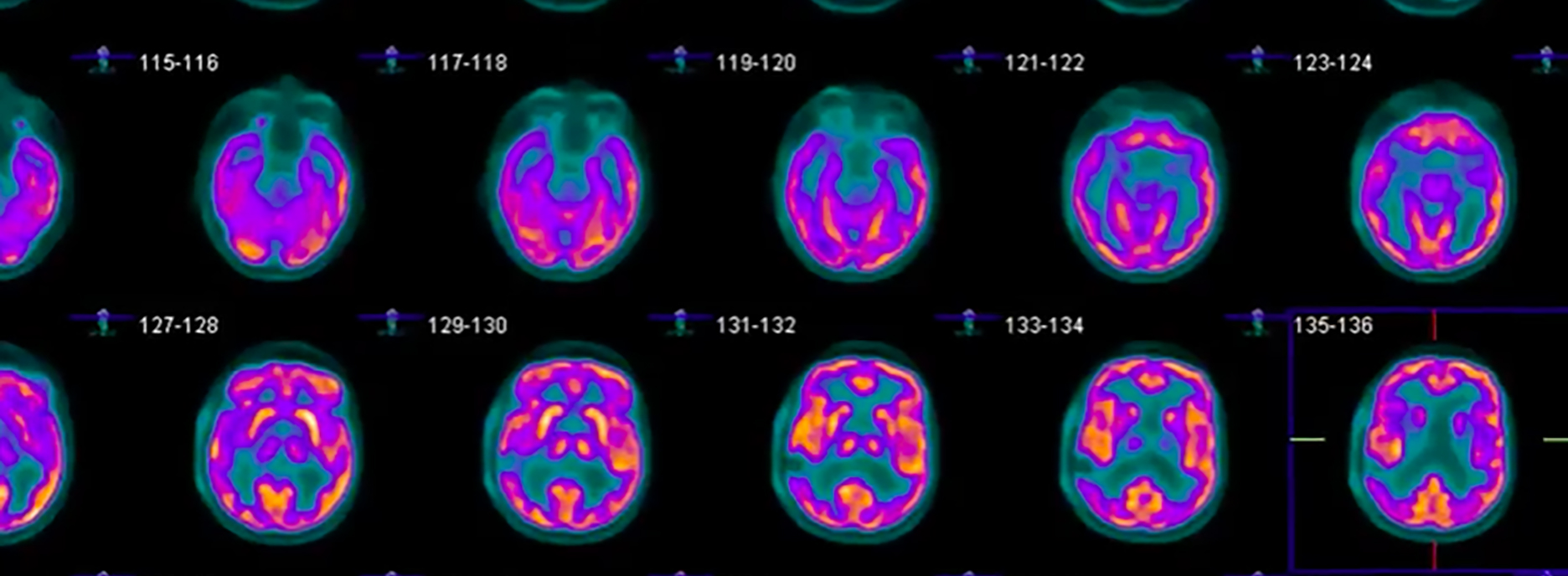
Scans were then compared with the assistance of artificial intelligence, searching out differences in brain volume, or how much space a brain and its constituent parts take up, knowing that greater volume is desirable generally. Although the differences that were found weren't huge, according to Dr. Raji they had significance in the pattern that emerged where men and woman of any age who exercised for at least 25 minutes weekly had for the most part greater brain volume than those who did not.

In every type of brain tissue including grey matter made up of neurons and white matter, the researchers found that exercisers possessed greater volume throughout the brain's wiring infrastructure which supports and connects thinking cells. Exercisers tended to possess a larger hippocampus, that portion of the brain essential to memory and thinking, which usually shrinks with age, affecting the ability to reason and recall.

How it is that exercise might be altering brains is not addressed in the study, but given the number of scans studied along with the wide age range, Dr. Raji is of the firm opinion that the effects of exercise were real and direct. Those involved in the study believe exercise reduces inflammation in the brain, encouraging the release of neurochemicals promoting the creation of new brain cells and blood vessels.
https://www.ctvnews.ca/polopoly_fs/1.4328533.1552078829!/httpImage/image.jpeg_gen/derivatives/landscape_960/image.jpeg
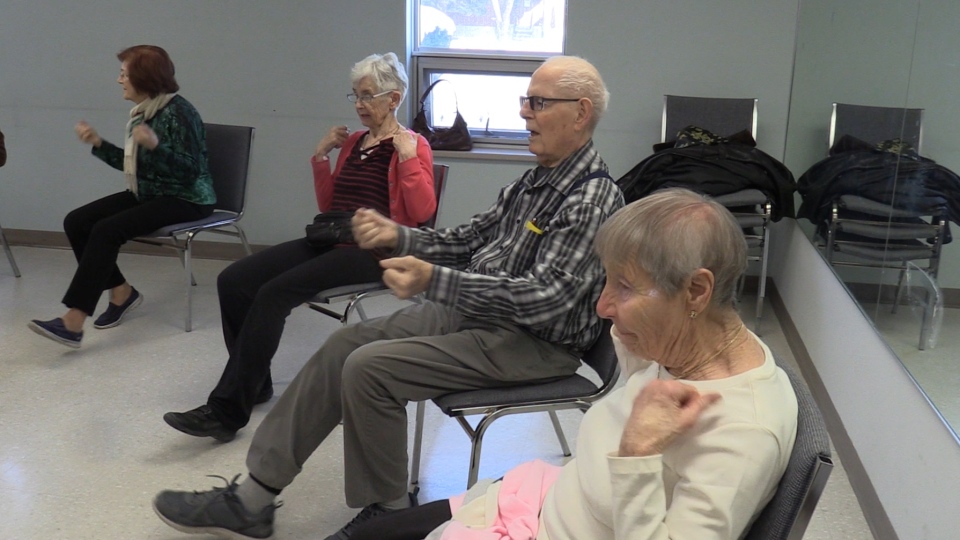
Seniors exercise at the Kiwanis Seniors' Centre in London, Ont. (Celine Moreau / CTV London)

Labels: , , ,

Saturday, September 16, 2023

Pathway to An Alzheimer's Solution

"This is a very important and interesting finding."
"For the first time we get a clue to how and why neurons die in Alzheimer's disease. There's been a lot of speculation for 30 to 40 years, but nobody has been able to pinpoint the mechanisms."
"It really provides strong evidence [that] it's this specific suicide pathway."
Professor Bart De Strooper, U.K. Dementia Research Institute
 
"That is a cool paper." 
"[It] addresses one of the fundamental gaps in Alzheimer's research… these are fascinating results and will be important for the field moving forward."  
"[However], many steps are needed [before knowing whether it could be harnessed as an effective treatment for Alzheimer's]."  
Professor Tara Spires-Jones, University of Edinburgh, president, British Neuroscience Association
 
"[The findings are] exciting [but still at an early stage]." 
"This discovery is important because it points to new mechanisms of cell death in Alzheimer's disease that we didn't previously understand and could pave the way for new treatments to slow, or even stop disease progression in the future."
Dr Susan Kohlhaas, Alzheimer's Research UK 
https://i2-prod.mirror.co.uk/incoming/article30954812.ece/ALTERNATES/s1200d/0_Senior-Woman-Comforting-Man-With-Depression-At-Home.jpg
Groundbreaking new research into the cause of brain cell death in Alzheimer's patients has revealed that they're undergoing necroptosis, a form of cell suicide

Research published in the journal Science concludes that Alzheimer's might cause brain cells to eliminate themselves. Scientists studying mice were led to that conclusion when their research brought them to realize that when tangles of the tau protein begin to appear in the brain, a molecule that triggers necroptosis is produced; the elimination of unwanted cells, a method used by the body. A buildup of abnormal proteins, tau and amyloid are seen in Alzheimer's patients.

Amyloid accumulates in spaces between neurons, leading to brain inflammation, causing neurons to alter their internal chemistry, the researchers believe. Gradually brain cells begin to die as tau tangles start to appear. Brain cells survived, the scientists discovered, when the protein MEG3 blocked the protein that triggered the cell suicide. Researchers believe that drugs produced to mimic that effect could prevent necroptosis from occurring.

An estimate of 944,000 people in Britain suffer from dementia, the majority with Alzheimer's -- a number expected to increase to over a million by the year 2030, affecting one in three people born in the United Kingdom this year, expected to develop dementia during their lifetime. The cost of treating the condition and in lost functionality costs Britain $58.1 billion annually. 

Alzheimer's is now identified as the leading cause of death in the country. Drugs currently prescribed for the condition help with the symptoms but are unable to halt its progression.

https://ichef.bbci.co.uk/news/976/cpsprodpb/598B/production/_127832922_brain_scans_woman_getty.jpg.webp
Researchers believe new findings about a form of cellular suicide gives new ideas for treating Alzheimer's   Getty Images
"The brain typically shrinks to some degree in healthy aging but, surprisingly, does not lose neurons in large numbers. In Alzheimer’s disease, however, damage is widespread, as many neurons stop functioning, lose connections with other neurons, and die. Alzheimer’s disrupts processes vital to neurons and their networks, including communication, metabolism, and repair."
"At first, Alzheimer’s disease typically destroys neurons and their connections in parts of the brain involved in memory, including the entorhinal cortex and hippocampus. It later affects areas in the cerebral cortex responsible for language, reasoning, and social behavior. Eventually, many other areas of the brain are damaged. Over time, a person with Alzheimer’s gradually loses his or her ability to live and function independently. Ultimately, the disease is fatal."
National Institute on Aging (U.S. government official website)

Labels: , , ,

Tuesday, November 01, 2022

Linking Hearing Loss and Dementia

Nurse giving older woman an ear exam
"It's really common, it's treatable, and there are interventions that come at no risk [that are underutilized]."
"[Preserving the ability to hear is foundational to public health] strategies that can best optimize the health of older adult populations, so older adults are living a long and full life 'till the very, very end."
"[Like daily step count, cholesterol level or weight], it's another metric that you would know about a dimension of your own health."
Dr. Frank Lin, director, Cochlear Center for Hearing and Public Health, Johns Hopkins Bloomberg School of Public Health
Global statistics tell us that worldwide, over 50,000 million people since 2019 are living with dementia. The forecast to the year 2050 is that the number will rise to over 130 million people in an aging population coping and living with dementia. Middle age hearing loss beginning at age 45 to 66 is considered by science to represent a significant risk factor for dementia. Hearing loss accounts for over eight percent of all dementia cases.

A Lancet report published in 2020 calculated that hearing loss generally doubles risk of dementia, similar to the increased risk caused by traumatic brain injury. Since hearing ability exists on a continuum, subclinical hearing loss can also contribute to a greater risk for dementia arising. According to Dr. Frank Lin, director of the Cochlear Center for Hearing and Public Health, remedially addressing hearing loss is a superior method of reducing the occurrence of dementia.

There is a hypothesis that suggests poor hearing increases the cognition load on the brain which in turn needs to work harder at the expense of other mental faculties in its attempt to decipher the garbled signals ears send to the brain when they're compromised. On the other hand, those with hearing loss and declining cognition struggle as well on tests not dependent on hearing, according to Dr. Tim Griffiths, professor of cognitive neurology, Newcastle University, Britain.

Animal model research and those with humans find that loss of hearing causes the brain to atrophy faster, particularly in the temporal lobe, possibly as a result of diminished use and lack of stimulation. Aberrant activity in the temporal lobe may also be caused by hearing loss, rendering it more susceptible to damage and pathologies associated with Alzheimer's disease, explains Dr. Griffiths.

Hearing loss -- the inability to connect with others -- can lead to social isolation, loneliness and depression, all factors known for the risk of dementia onset. The cochlea's sensory cells in the inner ear leads us to hear. Hair cells are sensory cells that translate the vibration of sound waves hitting eardrums into electrical signals sent to auditory regions of the brain to be decoded into sound.

Once hair cells become degraded or expire, the signals sent to the brain become garbled. Hair cells cannot be regenerated. Preliminary studies appear to affirm that the use of hearing aids tend to protect against dementia. Dr. Lin at the Johns Hopkins Bloomberg School of Public Health currently leads a large, randomized controlled trial with close to a thousand older adults in anticipation that the answer will more definitively emerge as to whether treating hearing loss with hearing aids reduces risk of cognitive decline.

elderly man looking out of a window
Johns Hopkins Bloomberg School of Public Health

Labels: , , , , ,

Monday, November 15, 2021

Solving The Puzzle Of Alzheimer's

Brain Disease Alzheimer’s Treatment
"This structure had never been seen before in amyloid beta."
"If these results were to be replicated to human clinical trials, then it could be transformative."
"It opens up the possibility to not only treat Alzheimer's once symptoms are detected, but also to potentially vaccinate against the disease before symptoms appear." 
Prof.Mark Carr, Institute of Structural and Chemical Biology, University of Leicester, Britain

"In this thorough and well-conducted research carried out in mice with features of Alzheimer's disease, scientists found a vaccine administered through injections found the intended target and helped improve metabolism in brain regions associated with memory and thinking."
"Early results in a behavioural task suggest the mice had improved memory and thinking, hinting that this could be a promising new approach, and one that has so far not been tested in Alzheimer's drugs in clinical trials."
Dr.Susan Kohlhaas, director of research, Alzheimer's Research U.K.
ScienceAlert

One of the signal grails of solving one of the most devastating diseases striking down people by withdrawing personal agency with the  failure of the human thought process, memory, and eventually, neural instructions, brain-to-bodily competence leading to death may have been discovered. With a vaccine against Alzheimer's disease on the horizon following successful trials conducted by research scientists on animal models. 
 
Experimental trials saw researchers from the United States and Germany reversing memory loss in mice. With that success they are anxious to bring their vaccine to the validating trial that has the potential to change the trajectory of dementia in Alzheimer's, realizing the hope this dread disease could be conquered. The next step is in human trials.
 
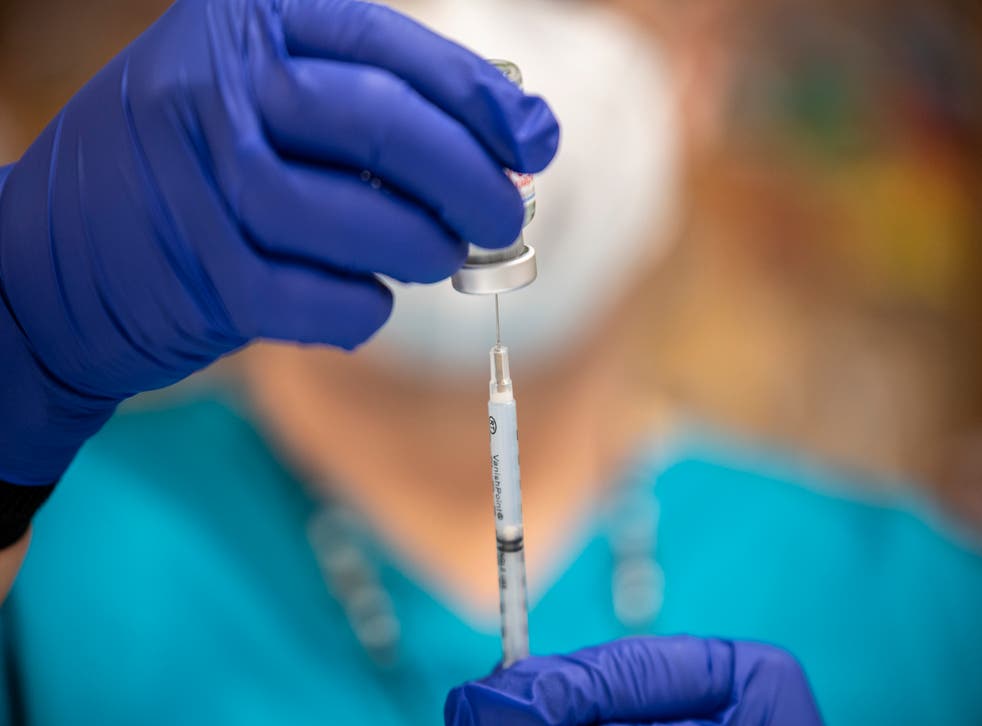
What the vaccine has been geared to is directing the immune system to combat a type of sticky amyloid beta protein in the brain. The immune system undergoes a training led by the vaccine to fight off the accumulation of the sticky matter which prevents neuronal communication. Drugs previously devised to fight Alzheimer's concentrated on reducing amyloid -- but with little success in symptom reduction and on occasion negative side-effects surfaced with their use.
 
In people with dementia, scientists have now discovered, the protein folds itself into a hairpin-like structure and as such becomes a far more dangerous form of amyloid. Theorizing that engineering amyloid into the very same hairpin shape before administering it as a vaccine would spur the body to produce antibodies to fight off that specific structure, the team proceeded on that basis. In the process the immune system would ignore normal forms of the protein, required by the body to function.
 
The vaccine, once injected into mice, triggered antibodies, helping to restore neuron function. It increased glucose metabolism in the brain, reversing memory loss and reducing amyloid beta plaque formation, the 'sticky' mess associated with Alzheimer's' progress. Published in the journal Molecular Psychiatry, the researchers now are pursuing the avenue of partnering with a commercial entity for the therapeutic antibody and vaccine to be taken through clinical trials.
"In clinical trials, none of the potential treatments which dissolve amyloid plaques in the brain have shown much success in terms of reducing Alzheimer’s symptoms. Some have even shown negative side effects."
"So, we decided on a different approach. We identified an antibody in mice that would neutralize the truncated forms of soluble amyloid beta but would not bind either to normal forms of the protein or to the plaques."
Professor Thomas Bayer, University Medical Center, Göttingen, Germany
<p>The study suggested that it may be possible to treat Alzheimer’s and vaccinate against it </p>

The study suggested that it may be possible to treat Alzheimer’s and vaccinate against it  (Getty Images)


Labels: , , ,

Thursday, October 14, 2021

Alzheimer's Disease, COVID-19 Links

"While Alzheimer's is primarily characterized by harmful buildup of amyloid protein and tangles in the brain there is also extensive inflammation in the brain that highlights the importance of the immune system in Alzheimer's."
We have found that some of the same immune system changes can occur in both Alzheimer's disease and COVID-19."
"In patients with severe COVID-19 infection, there can also be inflammatory changes in the brain. Here we have identified a gene that can contribute to an exaggerated immune response to increase risks of both Alzheimer's and COVID-19."
“If we could develop a simple way of testing for these genetic variants when someone tests positive for COVID -19, then it might be possible to identify who is at greater risk of needing critical care but there is plenty more work to be done to get us there. Similarly, we hope that our research could feed into the development of a blood test to identify whether someone is at risk of developing Alzheimer’s before they show memory problems."
"We are also continuing to research what happens once this immune network has been activated in response to an infection like COVID -19, to see whether it leads to any lasting effects or vulnerabilities or if understanding the brain’s immune response to COVID -19 involving the OAS1gene, may help to explain some of the neurological effects of COVID -19."
Dervis Salih, lead author, study, UCL Queen Square Institute of Neurology, U.K. Dementia Research Institute, UCL
Dementia
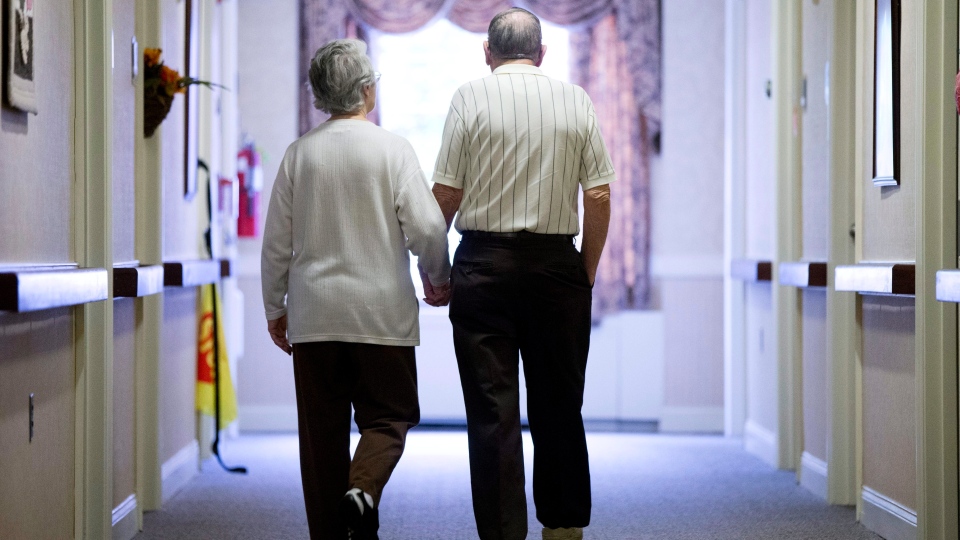
An elderly couple walks down a hall in Easton, Pa. (AP Photo/Matt Rourke)

Alzheimer's disease represents dementia's most common cause, a degenerative condition believed to result from the accumulation of certain proteins in the brain leading to the slow death of neurons. Eventually the process produces symptoms of memory loss, difficulty in thinking, or problems in solving exercises, along with changes in mood and behaviour. 

When COVID-19 began to strike worldwide, it was seen by researchers that the enduring brain fog associated with cases of Long COVID, along with other symptoms of the vial infection had similarities of note to the symptoms suffered by Alzheimer's patients. Researchers have now identified a genetic link between Alzheimer's and severe COVID-19 cases, with the potential of driving new insights into the treatment of both these diseases.

Published in the journal Brain, the study found that a variant of the OAS1 gene increases risk of developing Alzheimer's disease by three to six percent. Similar variants of the same gene are seen to increase odds of contracting severe COVID. There is hope among researchers that this overlap has the potential to inform scientists on other infectious diseases, and dementia.

Work produced previously by the researchers revealed a link between the degenerative disease and the OAS1 gene, expressed in microglia, a type of immune cell making up roughly ten percent of all brain cells. On further investigation it was found that a variation of this gene -- rs1131454 -- increased a baseline risk for the carrier of Alzheimer's disease. by 11 to 22 percent. The variant is carried by about half the population of Europe.

Four variants of OAS1 were investigated and the team found -- in addition to lessening the gene activity while increasing Alzheimer's risk -- the variants were linked -- or inherited together -- raising the risk of severe COVID by up to 20 percent.
 
Network-based multimodal omics analytic methodology

Labels: ,

Sunday, September 12, 2021

Hope for Alzheimer's Treatment

"We have discovered that hyperbaric oxygen therapy induces degradation and clearance of pre-existing amyloid plaques and the appearance of newly-formed plaques."
"Elderly patients suffering from significant memory loss at baseline revealed an increase in brain blood flow and improvement in cognitive performances, demonstrating hyperbaric oxygen therapy potency to reverse core elements responsible for the development of Alzheimer's."
"We had a control group of similar mice that did not receive the oxygen therapy, and they grew many more amyloid plaques. Among those who received the therapy, only a third of the number of new plaques appeared, and existing large plaques reduced their size, on average, to a half of what they were."
"More research is needed, but there could be tremendous benefits if this can help people who lose cognitive abilities, either before or during the onset of Alzheimer’s."
Uri Ashery, professor of neurobiology, director Sagol School of Neuroscience, Tel Aviv University
A man receiving hyperbaric oxygen therapy while nurse is checking his mask. (Drazen Zigic via iStock by Getty Images)
  
Scientists have long been baffled by neurological disorders like dementia seen in diseases like Alzheimer's, their search for pharmaceutical solutions to the degeneration of brain function and eventually that of all bodily organs leading to early death, having come to nothing. Now, however another type of treatment in animal an experimental stage may begin to serve as a solution opening new avenues of preventive treatment to stop the degenerative process.

Scientists at Israel's Tel Aviv University have realized success from a hitherto-unthought-of source, but one that has traditionally been used for somewhat similar purposes; supplying extra oxygen to the brain through the use of hyperbaric chambers. Used to ensure that deep-sea divers don't sustain brain injuries from their time deep under sea. A study conducted at the university demonstrated that patients with Mild Cognitive Impairment benefit by increased blood flow in the brain when placed in a hyperbaric chamber.

That protocol was seen to flood the brain with auxiliary oxygen improving memory, attention and processing speed. Diagnosed with Mild Cognitive Impairment (MCI), many people tend to develop Alzheimer's in time. Use of a hyperbaric chamber to boost blood flow to the brain may prove to be the first treatment capable of preventing an irreversible decline in brain functionality.

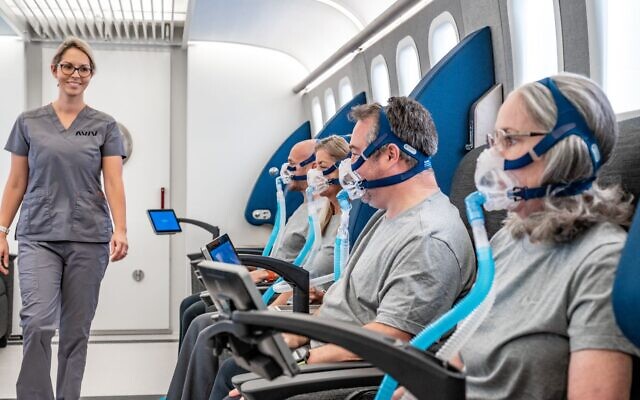
The therapy operates through a mask where oxygen passes into brain vessels while patients are seated within a pressurized chamber. The very same type of high pressure environment traditionally in use to aid divers recover from the bends. More oxygen flows resulting from pressure change, dissolving into tissues, similar to a state of "hypoxia" (oxygen shortage common in high elevations where oxygen tends to be thinner, starving the brain of oxygen) known by science for its regenerating effects.

The onset of dementia is marked by reduced blood flow to the brain resulting from a decrease in oxygen; flow level correlating with the degree of cognitive impairment in Alzheimer's. Improving blood flow is behind the theory that the condition may be improved. For the study, six elderly patients were given oxygen five days a week for 90 minutes each exposure, within a chamber. Blood flow was seen to increase by 15 to 23 percent.

Treatment improves levels of oxygen to the brain and actually changes blood vessel structure, increasing width and reducing wall thickness, the researchers concluded. Suggesting that the beneficial effects last for some time following treatment. Not yet tested on patients with Alzheimer's, when the treatment was tried on mice with Alzheimer's the number of amyloid plaques were reduced by up to 30 percent. Remaining plaques shrank by 18 percent, preventing re-emergence of new ones.

It is the sticky plaques believed to prevent brain cells communicating and as such are one of the major targets in producing drugs for Alzheimer's treatment. Following their treatment, the experimental mice began building improved nests, and navigating mazes more proficiently. The same team of researchers in 2020 showed that hyperbaric therapy is capable of reversing the aging process, lengthening telomeres; the protective caps at the end of chromosomes, by 20 percent.

Senescent (dormant) cells were also cut by up to 37 percent, providing an avenue for new healthy cells to replace them. Reports of improved physical abilities resulting in greater energy, stamina and even sexual performance in men have been recorded by patients. On the downside, few hospitals are equipped to offer hyperbaric treatment, the therapy itself has a gruelling timetable of sessions. "The treatment would have to be continued indefinitely, so patients would have to be motivated and have good transport links to the treatment facility", commented Tom Dening, professor at University of Nottingham.
 
A hyperbaric chamber using Shai Efrati’s anti-aging protocol. (Courtesy: Sagol Center for Hyperbaric Medicine)


Labels: , , , , ,

Tuesday, August 11, 2020

Awaiting Alzheimer's Brain Untangling Drug : Second Time Around

"People affected by Alzheimer's have waited a long time for a life-changing       treatment and today's announcement offers hope that one could be in sight."        "It is reassuring that this devastating disease remains a priority concern for drug regulators and with no disease-modifying Alzheimer's drugs getting this far before, we are in uncharted territory."                                                                                Samantha Benham-Hermetz, director, policy and public affairs, Alzheimer's Research UK

"[Approval of the drug would be a] historic milestone."                                "Reducing clinical decline and maintaining the ability to live an independent life for as long as possible are things that people living with Alzheimer's and their families value in a potential treatment."                                                                                 "If aducanumab is approved, we expect it will make a difference in the lives of people living with Alzheimer's." Haruo Naito, chief executive, Eisai, Japanese pharmaceutical firm

Alzheimer's drug passed Phase 3 clinical trials now awaiting FDA approval

Back in 2019 manufacturers Biogen and Eisai took steps to put an end to two late-stage Alzheimer's drug trials, making the tough decision to set aside plans that the treatment be developed. Studies had indicated the treatment would be of no benefit to Alzheimer's sufferers. A new analysis has been undertaken since then using a greater amount of data available once the trials were stopped, finding the drugs did indeed work. They had to be administered at an early stage in a sufficiently high dosage to be effective, leading the two drug developers to seek approval a second time.

Alzheimer's disease at the present time is without any kind of truly effective treatment. A cure may be possible, but it may also be a long way into the future. Now, however, experts feel that the first drug that may halt Alzheimer's, will be fast-tracked for approval, representing the most hopeful breakthrough in dementia treatment yet devised. Because the drug is being given "priority review" it is possible that within six months it can be prescribed. Answering the hopes of those who suffer from the relentless mind-occluding disease.

Medicines currently prescribed for Alzheimer's do no more than mask the symptoms. The new treatment works by helping to untangle plaque clumps in the brain and in so doing may be the first successful drug to stop the deterioration the disease causes, according to trial results. Patients given aducanumab were seen to be improved in language skills and time-tracking, along with a more reduced loss of memory. Targeting early signs of dementa will lead to halting the progression of the disease; at the very least slowing its progress before total incapacitation.

Biogen aducanumab

The review is expected to take six months in establishing whether the drug is safe and effective, thus ushering it to licensing first in the United States, and then placing it under consideration elsewhere around the world. Its efficacy has been monitored by scientists around the world, following initially uncertain trial results. 

Five months following the decision to halt the aborted trials, there is now enough confidence to allow the trials to continue, with the knowledge that a higher dosage and earlier application leads to aducanumab's treatment success. This is the first time in 17 years the U.S. Food and Drug Administration is preparing to review a drug for the treatment of Alzheimer's disease, and it would represent the first treatment designed to deter progression of the disease, to be approved by regulators.

Aducanumab is designed to untangle clumps of amyloid beta, the protein plaques which form in the brain, a hallmark of Alzheimer's disease. It is an anti-body drug. The plaques are held to be partially responsible for memory loss and cognitive decline. Chief executive at Biogen, Michel Vounatsos, a multinational biotech firm in Cambridge, Massachusetts stated: "We believe that aducanumab marks the beginning of a new era of potential treatments for Alzheimer's disease".

Credit...Matt York/Associated Press


Labels: , , , ,

Monday, July 27, 2020

Vaccinating Against Alzheimer's?


Negative thinking linked to dementia in later life, but you can learn to be more positive
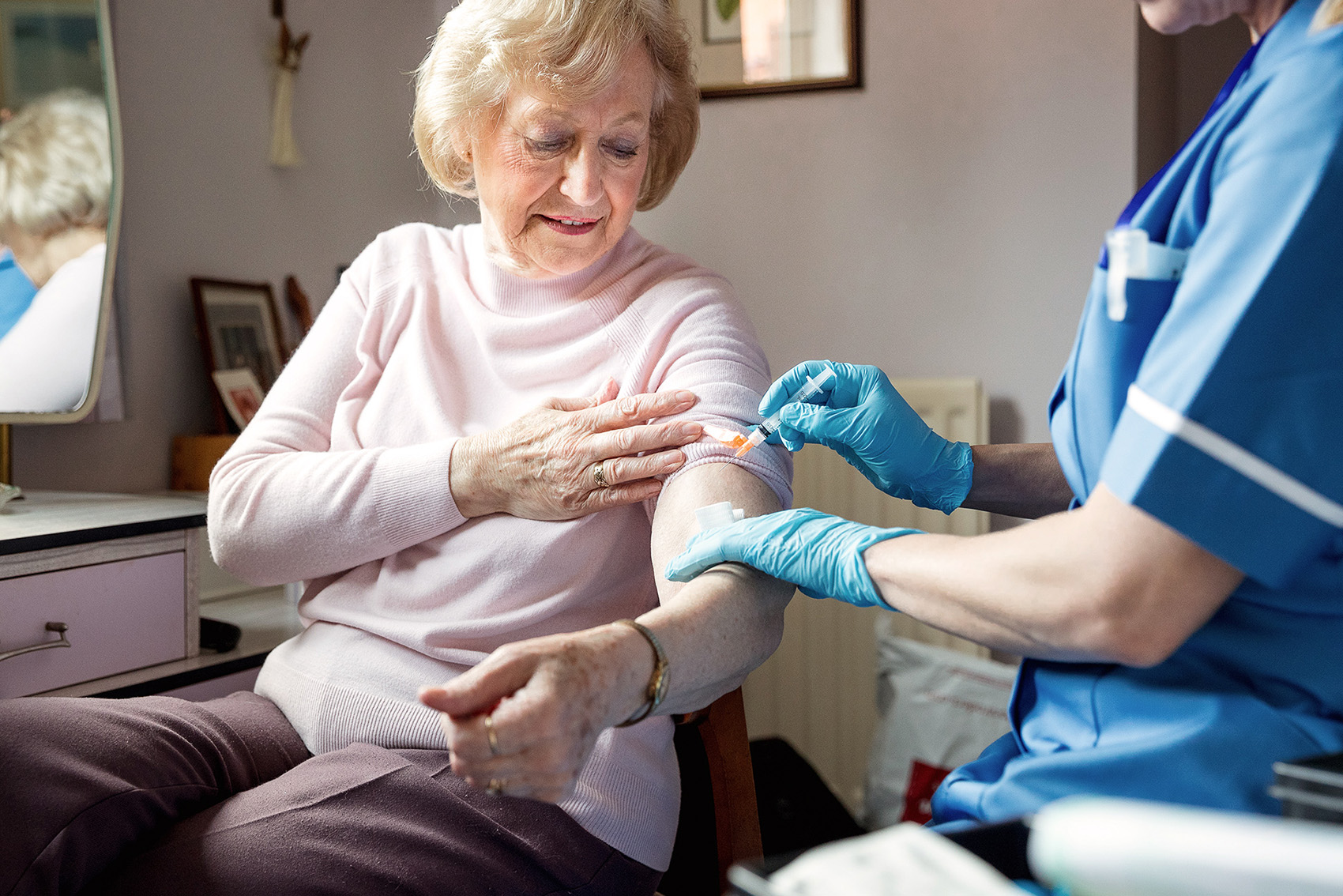
"Our study suggests that regular use of a very accessible and relatively cheap intervention -- the flu shot -- may significantly reduce risk of Alzheimer's dementia."
"More research is needed to explore the biological mechanism for this effect -- why and how it works -- which is important as we explore effective preventive therapies for Alzheimer's."
"There has been a concern in the medical community that many sources of inflammation, such as urinary tract infections, worsen the course of patients with Alzheimer's disease."
"Hence, we have been worried that vaccinations, a form of inflammation, could also worsen the course of AD."
"We were very surprised, because of the concern noted above about the potential to increase AD, when our statistical colleagues told us that the flu vaccination was one of the 'medications' that is so strongly associated with a lower Alzheimer's incidence."
Albert Amran, researcher, McGovern Medical School, University of Texas Health Science Centre, Houston
"[The link between a flu shot and reduced dementia risk is] intriguing."
"This study indicates there is a benefit of having one flu vaccination on dementia risk."
"It is difficult to speculate on the reasons behind this link, and understanding why a seasonal flu vaccine is linked to reduced dementia risk is an important avenue for further research."
"This research does not mean that Alzheimer's disease is caused by the common flu and there are potential non-biological explanations for this association, such as people who get the flu vaccine being more likely to take other steps to protect their health."
Dr.Rosa Sancho, Alzheimer's Research UK

"This is an encouraging finding that builds upon prior evidence that vaccination against common infections diseases -- such as the flu -- is associated with a reduced risk for Alzheimer's and a delay in disease onset."
"Regular use of the flu vaccine, especially starting at an early age, may help prevent viral infections that could cause cascading effects on the immune system and inflammatory pathways."
"These viral infections may trigger Alzheimer's related cognitive decline."
Dr. Richard Isaacson, neurologist, founder, Alzheimer's Prevention Clinic, New York-Presbyterian and Weill Cornell Medical Center
"We do need more research to understand what that connection is."
"Is it direct, the vaccine to disease? Or is it protective, as a part of the risk reduction strategies that we have, like lower your BMI [body mass index], watch your sugar intake, keep an eye on your cholesterol and high blood pressure, exercise, get vaccinated."
"It's one of those sort of health tips that we need to make sure that our public knows about."
"We've always known that vaccines are very important to our overall health. And maybe they even contribute to protecting our memory, our cognition, our brain."
Maria Carrillo,  Alzheimer's Association chief science officer

Several lines of evidence now suggest that two common vaccines against respiratory illnesses can help protect against Alzheimer's, too. How much brain protection they offer will require more intensive study to quantify, scientists say. Themba Hadebe/AP

According to research presented at the Alzheimer's Association international conference, an inoculation against flu has the potential to reduce dementia risk by close to a fifth. This, according to a study suggesting that vaccinating people while they're in their relatively younger years could prove to be beneficial in this regard.

The conference also heard that infections in dementia patients could increase death risk seven-fold. While the University of Texas study suggests flu vaccination could reduce dementia development by 17 percent. Bad news/good news.

The protective association between flu vaccine and the risk of Alzheimer's came out of a study of 9,000 people. The reduced risk of Alzheimer's associated with the flu vaccine was greatest in the instances of those receiving their first vaccine at a younger age as compared to those whose first documented flu shot was at age 70. Those of age 60 saw greater benefit accruing to them than their counterparts a decade older.

Research by the University of Copenhagen involving 1.5 million people suggests that people suffering from dementia have a 6.5-fold risk of dying after contracting any infection. Over half the the British population is scheduled to be offered inoculations free of charge in an effort to ensure the National Health Service will be able to cope should there be a second coronavirus wave.

Bearing in mind that complications related to COVID risk increase with age.

The Alzheimer's association pointed out that people with dementia had been infected in great numbers by COVID-19. The irony in the presentation of these findings is that it had generally been assumed previously that vaccination was implicated in Alzheimer's onset.

AAIC over a computer rendering of the brain

"We [tried] to make sure that both groups [in the controlled study] had an equal amount of, say, smoking status, obesity, diabetes, cardiovascular disease [known risk factors for Alzheimer's]", pointed out Dr.Amran. Factors such as education and income, along with indicators like the number of prescriptions a person had been prescribed, in an effort to ensure that people who received vaccines weren't just healthier overall were also investigated. As it turned out, they weren't.


Is There a Link Between Alzheimer’s Disease and the Flu Shot?

Labels: , , ,

Monday, January 06, 2020

Hope For Alzheimer's


"Photobiomodulation introduces the therapeutic effect of light into our brain. It triggers the body to restore its natural balance or homeostasis. When we do that, we call upon the body's innate ability to heal."
"We have a much bigger ambition than the drug trials. Drug developers are mainly either seeking to slow the mental decline in diagnosed cases, or to prevent the onset of Alzheimer's disease by intervening at the pre-symptomatic stage."
"Based on early data, we are confident of seeing some measure of recovery in the symptoms, not just a slowdown in the rate of decline, even in moderate to severe cases."
Dr.Lew Lim, CEO, Vielight Inc.
The Vielight Neuro RX Gamma device in use.


In Canada, an estimated half-million Canadians are living currently with Alzheimer's disease. In the United States that number is around 5.8 million. New cases diagnosed every year number around 25,000 in Canada, a total number expected to rise in Canada by 66 percent for a total of 937,000 people by the year 2031. Since the U.S. has about ten times the population of Canada, the diagnosed incidence of Alzheimer's onset is quite similar in each population base. Worldwide the number of those living with Alzheimer's is around 50 million, although it would appear that only one in four sufferers has been diagnosed, according to Alzheimer's Disease International.
"In spite of substantial efforts to establish effective treatments for Alzheimer’s disease, progress has been, unfortunately, limited and a cure does not yet exist."
"Although not conventional as an Alzheimer’s disease solution, we look forward to investigating the potential of Vielight’s technology in the treatment of this difficult disease based on promising early evidence."
Dr. Corinne Fischer, principal investigator, St.Michael's Hospital, Toronto
The light is directed at specific areas of the brain known to be damaged in Alzherimer's
The light is directed at specific areas of the brain known to be damaged in Alzherimer's Credit: Vielight
Currently, there is no treatment for Alzheimer's to cure the condition or to prevent its onset, although drug treatment has succeeded in slowing its progress in a minor way. The drug that appeared to give the most hope for the future, Biogen's aducanumah has been seen to slow dementia onset, but that appears the extent of its efficacy. No new drugs have been developed in almost two decades. Scientists have by and large surrendered their hope of reversing brain damage, once it has occurred.

On the near horizon, however, another treatment has recently emerged and has undergone initial clinical trials.

Resulting in the first major trial to determine whether light therapy might turn out to be beneficial for dementia. Early findings have astounded the scientific world, when people have been seen to regain memory, their reading and writing capability and have realized restored orientation, all negatively impacted and increasingly diminished by Alzheimer's. Should the trial ultimately be deemed successful it would represent the first treatment enabling the reversal of the disease's steady brain and body decline.
Multiple mechanisms for PBM in brain

The focus of the trial is a device named the Neuro RX Gamma headset, developed by Vielight, a biotech company based in Toronto. A process called "photobiomodulation" has been devised where parts of the brain known to be damaged in dementia are exposed to pulses of near-infrared light. Using LEDs on a headset, the device fires 4 Hz gamma waves directly into the skull. The hippocampus, part of the brain connected to memory, sees additional light channeled up the patient's nose by use of a separate nasal clip.
dementia symptoms

A pilot trial to test the effects of home photobiomodulation (PBM) on cognitive and behavioral function, cerebral perfusion and functional connectivity in eight patients with dementia was administered in a home setting three times weekly with the use of the Vielight Neuro Gamma device pulsing at 40 Hz. Participants were assessed at 6 and 12 weeks. Following 12 weeks of use improvements were seen in all indices. Should the trial prove to be the success that early results appear to indicate, people suffering with Alzheimer's would be able to self-administer their treatments at home with use of the light-emitting device.
healthy brain versus alzheimers brain

Alzheimer’s is the most common cause of dementia among older adults. Dementia is the loss of cognitive functioning—thinking, remembering, and reasoning—and behavioral abilities to such an extent that it interferes with a person’s daily life and activities. Dementia ranges in severity from the mildest stage, when it is just beginning to affect a person’s functioning, to the most severe stage, when the person must depend completely on others for basic activities of daily living.
The causes of dementia can vary, depending on the types of brain changes that may be taking place. Other dementias include Lewy body dementia, frontotemporal disorders, and vascular dementia. It is common for people to have mixed dementia—a combination of two or more types of dementia. For example, some people have both Alzheimer’s disease and vascular dementia.
National Institute on Aging, U.S.

Labels: , , , , , , ,

Thursday, October 24, 2019

Targeting Alzheimer's Disease

"It could be a game-changer for the field."
"It could be one of the first disease-modifying therapies approved for Alzheimer's disease."
"We need to continue these different approaches because we think that a treatment is potentially going to be complex."
Rebecca Edelmayer, director, scientific engagement, Alzheimer's Association

"[Patients receiving aducanumab experienced] significant benefits on measures of cognition and function such as memory, orientation and language."
"[There were benefits in daily living activities; conducting personal finances, performing household chores and travelling independently outside the home.]"
Biogen, pharmaceutical company
Photograph by Scott Eisen/Bloomberg
"The field was really pinning its hopes that aducanuma would be positive, would show results."
"It did call into question whether attacking amyloid at all was a viable strategy." 
"The challenge, of course, is to convince the FDA [Food and Drug Administration] that [despite one failed trial and the second promising] therefore these are believable [the drug feasibility study]."
Ronald Petersen, director, Mayo Clinic Alzheimer's Disease Research Center

"I really hope these new analyses pan out."
"I'm not surprised that a reanalysis of the data showed something positive. I do believe that there are going to be probably continued regulatory hurdles."
"[Additionally, the drug could be extremely expensive.]"
"The complicated aspect here is I would not be surprised if additional analyses, with larger [numbers], with higher doses, do show signals in either the overall population or subgroup analysis, but is that going to be enough for the FDA to approve this from a regulatory perspective? Would payers reimburse it? I don't know, but I hope so."
Dr. Richard Isaacson, director, Alzheimer's Prevention Clinic, Weill Cornell Medicine, New York
At the present time, it is known that roughly 5.6 million Americans age 65 and older have Alzheimer's disease, progressively shortening their quality of life and hastening death. That number is expected to increase to close to 14 million by the year 2050, according to the Alzheimer's Association, should new treatments fail to surface. Currently, the Food and Drug Administration has approved a handful of drugs capable of alleviating some of the disease symptoms, but the past 16 years has been a desert of promise, with no new drugs being approved.

Now, however, drugmaker Biogen has surprised the medical world, the world of drug investment, and members of the public alert to any new promises for the future of Alzheimer's treatment by announcing it plans to seek federal approval for the drug whose clinical trials had been halted, the treatment considered a failure. The revelation that one of the trials was seen to be effective, through a new analysis, has given new hope that aducanumab -- which targets a protein called amyloid beta which builds in the brain and is suspected to be the cause of Alzheimer's -- may become a lifesaver.

Newly discovered Alzheimer's genes further hope for future treatments

The antibody therapy has suddenly moved front and center in Biogen's plans for regulatory approval and production of the drug. A situation regarded so promising that the stock market saw Biogen's stock soar in response to the news. An independent monitoring board back in March had pronounced little hope of success with the use of the drug, resulting in huge disappointment of the expectations of the scientific community when earlier trials had appeared promising in their positive results.

Later analysis, including data gathered in the months following the monitoring board's analysis seemed to indicate that one of the trials had indeed met its primary goal, while the other had failed to. If approved, aducanumab is slated to be recognized as the first therapy capable of reducing the clinical decline of Alzheimer's disease, bolstering the theory that treatments that remove or reduce anyloid beta, which creates plaques associated with the disease, represents an effective approach.

Deaths from dementia have more than doubled in US, report says


Therapies that address inflammation, the immune system, blood vessels and synaptic cell health are other therapies now in clinical trial. It is the considered opinion of experts in the field that a combination of several therapies will eventually emerge to create an effective Alzheimer's treatment. It was revealed that fewer people had received the high dose of the drug for a sufficient period of time in the failed trial, whereas those people in a subset of the trial receiving higher doses had seen improvement in their condition.
"There’s no doubt that if this gets approved it will be a massive product. And to what end? The slope of the decline in cognition is going to be 20% slower. But no one’s saying you’re not going to decline, let alone that you’re going to really improve."
"It’s a relatively marginal effect. Yet this drug is going to be introduced into a population of families and patients who are desperate, and who are going to line up for these monthly intravenous infusions; are going to swamp the medical infrastructure of this country with demand for those infusions; are going to swamp the payer systems with the costs of those infusions."
"[The drug alone could cost the system $5 billion per year.] Is that the right incremental dollar of spending for the healthcare system? It’s a question you can’t help asking, because the industry’s being scrutinized."
"We can only assume that the company got a very clear steer from the agency [FDA]. You wonder how much this reflects the agency’s urgency about getting a treatment on the market for a catastrophic disease of the elderly that has otherwise next to no treatment options."
"Five to ten years ago this would have been just laughed out of the beltway. I think the agency has become much more, I would say, responsive to patients and flexible to industry."
"I think that there are no accidental associations between events and management changes. It’s hard to imagine how it has a particularly positive implication."
Geoffrey Porges, SVB Leerink analyst  


Labels: , , , ,

Tuesday, July 16, 2019

Impacting Dread Dementia by Healthy Lifestyle

"The lifestyle factors we chose to study in this project are totally dependent on individuals so they can change them immediately if they want."
"We were expecting to find a protective effect of these factors on dementia risk. But we were surprised by the magnitude of the effect."
Dr. Klodian Dhana, Rush University Medical Center, Chicago

"The core message from these findings is that whatever their genetic risk, people may be able to benefit from a healthy lifestyle."
"It’s really reassuring in a way, since people say, ‘my parents had dementia so I probably inherited bad genes."
"It’s important that people don’t fall into the trap of thinking that depending on your genes, dementia is inevitable. We found it’s not an all or nothing thing. The overall pattern of healthy behaviors and a healthy lifestyle can make a difference."
David Llewellyn, the University of Exeter Medical School, Great Britain

"A healthy lifestyle was protective, even for the people who had a bad luck of the draw with their genetic inheritance."
"[There are a number of theories as to why peoples' risk of dementia has been diminishing in recent years], but big ones are that we’re doing a better job of controlling cardiovascular risks, people have given up smoking and people are better educated at older ages than they used to be."
Dr. John Haaga, U.S. National Institute on Aging

Two recent studies presented at  an annual Alzheimer's Association International Conference reached very similar conclusions, offering hope to people with regard to a dread disease for which no protocol reaching toward a cure -- much less amelioration of symptoms to break the disease's slow march to death -- gives assurance that despite genetic inheritance weighing toward Alzheimer's onset, people with those genes are still able to offset the chances of having Alzheimer's through altered lifestyle values.

Dr. Dhana's team of researchers followed 2,500 subjects for close to a decade, tracking a number of lifestyle factors inclusive of diet, smoking, leisure physical energy, alcohol consumption and cognitive exercises engaged in. The finding concluded that those who reported a life dedicated to a healthier lifestyle with a low-fat diet, non-smoking, a minimum of 150 minutes of exercise weekly, moderate alcohol use, and cognitive activities engaged in, came with lower levels of Alzheimer's dementia.

The greater attention to a healthy lifestyle had the effect of lowering onset risk, it was established. in comparison to others who maintained none, or only one type of behaviour linked to a healthy lifestyle. Study subjects engaged in two or three healthy lifestyle factors succeeded in reducing their personal risk of developing Alzheimer's dementia by 39 percent; those who routinely engaged in four to five healthy behaviours saw a reduction in risk of 59 percent.

The two studies were published in JAMA Neurology, establishing that it is not inevitable that as people age they will be stricken with dementia. Nor is it inevitable that those whose genes are heavily influenced for Alzheimer's onset will succumb to Alzheimer's. Researchers in Britain followed close to 200,000 people to discover that those with a high genetic risk for dementia yet do not smoke, exercised on a regular basis, drank moderately and ate a Mediterranean-type diet had a full third-lower risk of dementia.

The UK Biobank study was the source of 195,383 study subjects, enabling the researchers to access an extremely large sample. All those included in the study were aged 60 and over, free of dementia at the beginning of the study period. They were genotyped (DNA analyzed for genetic features linking to dementia risk) and assigned a category group according to risk: high, intermediate, or low-risk. Scores were established for individuals, based on four recognized risk factors for dementia onset (smoking, physical activity, diet, alcohol consumption).

How much the study group smoked, how important fish was in their diet, how much red meat was consumed, how many servings of fruits and vegetables eaten daily, and how much alcohol was taken in a typical week, led to the risk-group assignments. Those with an identified high-risk genetically aligned with an unhealthy lifestyle were three times likelier to develop dementia in comparison to those with a low genetic risk and healthy lifestyle habits.

Good lifestyle habits tended to lower the risk of dementia onset irrespective of an individual's genetic predisposition. Those with a high genetic risk saw 1.13 percent with a healthy lifestyle developing dementia after eight years of follow-up versus 1.78 percent of those with less holistic lifestyle habits. Non-smokers, those limiting alcohol consumption (not exceeding one drink per day for women; two per day for men) along with those who ate at least three servings of fruits and vegetables daily and those who consumed relatively little red meat, scored highest on the lifestyle scale.

The study authors emphasized that full benefits of reduced chances of acquiring Alzheimer's dementia depended on adopting all four healthy lifestyle criteria, to protect the brain. Dr. Llewellyn explains the brain as requiring to be well nourished with a rich and constant supply of oxygen and glucose; that disruptions to the blood supply make the brain vulnerable to dementia.

Dementia is the only major cause of death in Western countries lacking effective treatment. Over 419,000 Canadians age 65 and more are diagnosed with dementia, women representing two-thirds of the total number. Published this week in the Journal of the American Medical Association, the study fails to prove cause and effect since lifestyle factors were self-reported, the follow-up period was only eight years and some dementia cases are not recorded in medical records or death registries.
"We can’t guarantee you’ll never get it. But you’ll delay it, you’ll reduce your likelihood."
"Lifestyle is really, at this point, where the biggest bang for the buck is in terms of prevention. We don’t have good pharmaceutical treatments that can really extend life out or prevent dementia, yet. But I think reducing cases by a third could have considerable impact."
Laura Middleton, associate professor of kinesiology, University of Waterloo, Ontario
Dementia is the only major cause of death in Western countries without an effective treatment.

Labels: , , , ,

Tuesday, August 07, 2018

The Desperate Search for Survivability

"The irony is that the science [the potential in advancing medical science's analysis of new findings, and advanced technological tools and the introduction of new pharmaceutical treatments] has never been more promising."
"How many promising drugs will be abandoned or their evaluation seriously delayed [stemming from an inability to find qualifying study participants]?"
John Dwyer, president, Global Alzheimer's Platform Foundation

"I can't remember anything for more than a few seconds."
"I'm not sure [becoming a study participant] would help me. But if it could help someone else..."
"Whether you get it [Alzheimer's] or not, watching it [progress] is terrible."
Vicki Staehr, 72, Orlando, Florida
Doctor reviewig medical records with a patient.

Usually when a research project plans to study a particular topic requiring participants whose condition reflects the very singular medical problem in question, it is a simple enough matter of reaching out to physicians and to non-profit support groups aligned with that medical condition for assistance in referring typical participants who have been diagnosed and their medical conditions confirmed, qualifying them for inclusion in the project.

Not so with those suffering from the symptoms of early Alzheimer's disease. Pharmaceutical giant Eli Lilly is preparing to launch a new clinical trial and to do that and commit to the time, effort and expense, the required 375 people to take part in the trial must first be in place. There is a huge pool of 44 million Alzheimer's sufferers worldwide, 5.5-million of whom live in the United States. Potentially, it would seem the prospective volunteer participants are there, needing only to be successfully recruited.

Easier contemplated than achieved. To qualify for this research, participants must meet specific criteria; to begin with, they must fall within the age bracket of 60 to 89; have been diagnosed with mild yet progressive memory loss for the past six months and have had two types of brain scans as confirming without doubt that Alzheimer's has beset them. John Dwyer, whose Global Alzheimer's Platform Foundation is assisting in the search for qualifying participants speaks of an 80 percent screening failure rate.

The simple fact appears to be that there is no proven method that can be relied upon to result in a swift and accurate diagnosis of Alzheimer's disease. Which makes the process of finding 375 patients a difficult, time-consuming and uncertain process. The goal, to use these proposed volunteer participants' experience and progress with experimental drugs as a yardstick for potential universal treatment yet find that the research cannot recruit sufficient participants reflects an obstacle of formidable proportions.

Mr. Dwyer estimates that the search for participants would have to begin by informing 15,000 to 18,000 people in the proposed study age group of the need for volunteers. Of that number, close to two thousand would end up being part of an initial screening selection to advance toward additional tests to determine whether they qualify as study participants. And of that successful number a mere 20 per cent will meet the enrolment criteria for the Lilly trial. The study that Lilly is preparing to undertake reflects a dual-drug combination.

The cost simply to initiate the process to determine study suitability is itself daunting; brain scans, laboratory tests and memory tests cost up to $100,000 per successful candidate enrolling in a trial, and this is before the experimental treatment even begins. At the present time, over one hundred Alzheimer's studies are involved in the ongoing search for 25,000 participants to enable them to proceed with such trials.

The general experience of researchers up to the present with these clinical trials has not been successful. For the most part, researchers have identified their focal point on the protein beta amyloid since its accretion in patients' brains becomes an identifier of the process of increasing brain dysfunction. The past decade has seen trials using anti-amyloid drugs, in the hope of diminishing or even halting the inexorable progress of the disease -- trials where billions have been spent without success.

And like athletes who get worn out after similar exertions, site staff can feel exhausted, suffering from what’s known as recruitment fatigue. The downside of fatigue in the field of play is more errors and even injury; but when clinical staff get tired it often causes sluggish patient enrollment in early phase trials and decreases the chance for a win in pharmaceutical R&D.  Worldwide Clinical Trials

Labels: , , , ,

 
()() Follow @rheytah Tweet