Ruminations

Blog dedicated primarily to randomly selected news items; comments reflecting personal perceptions

Tuesday, November 24, 2020

First The Vaccines, Then The Logistics Surrounding Delivery

"We typically haven't had mass vaccinations campaigns for adults that required multiple doses."
"This is something that could be easily overlooked, but could be an Achilles heel in our program."
Dr.Kumanan Wilson, epidemiology professor, vaccine policy expert, University of Ottawa

"Additional staff may be required to accommodate the added workload to administer the vaccines, manage wait lists and appointments and monitor inventory."
"I have heard some health professionals state that giving the COVID-19 vaccine is going to be like experiencing flu season two times over in terms of their anticipated workload."
Dr.Sherilyn Houle, pharmacy professor, University of Waterloo

Moderna labs
Moderna scientists used an innovative technique for developing the vaccine so quickly   Moderna
 
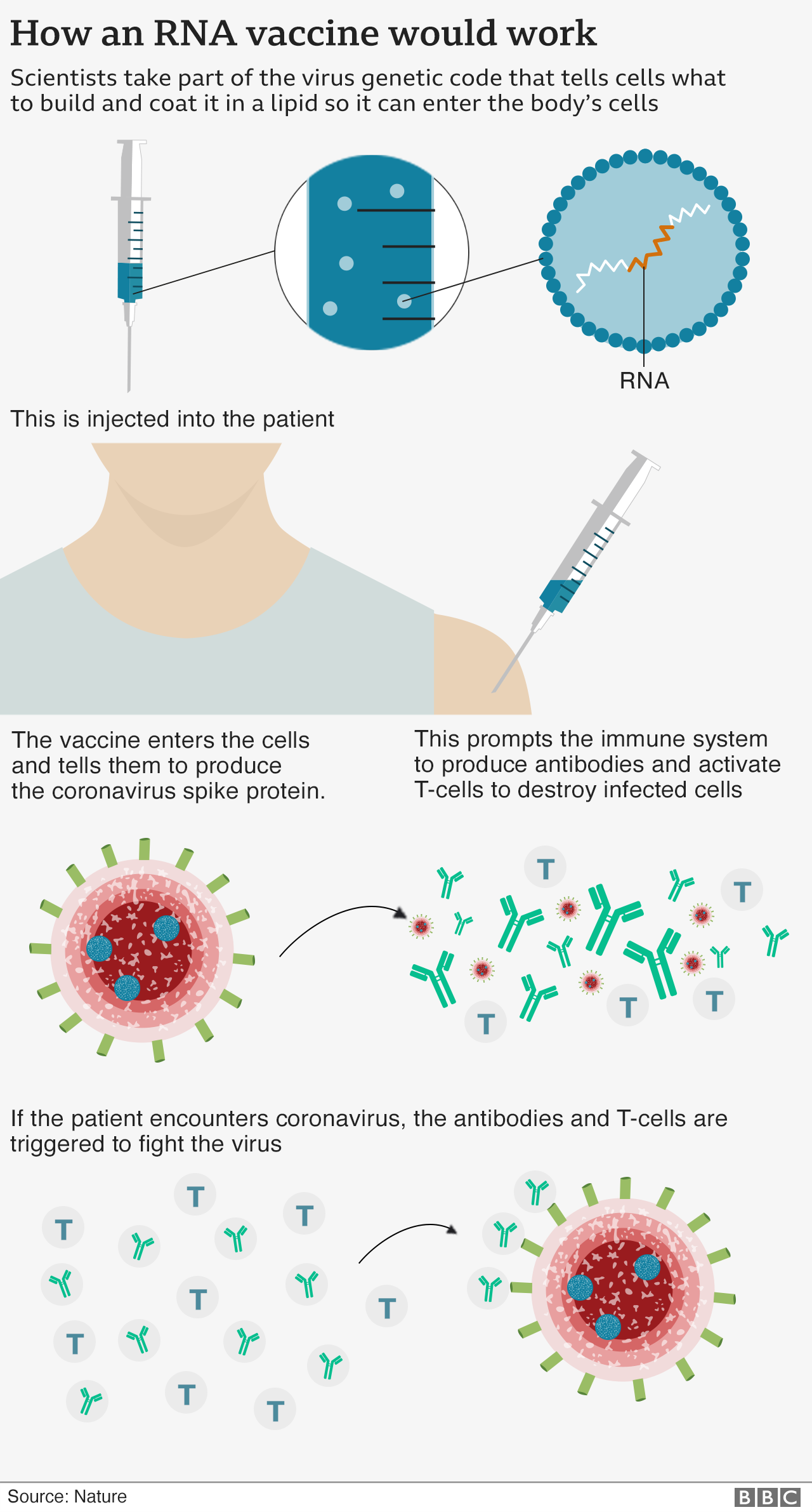
The world of public health is beginning to focus on the work involved in administering newly-approved COVID-19 vaccines to billions of people worldwide -- in two-shot injections, about a month apart. Logistics for immunization is vastly complicated by the fact that people will receive an initial shot, and then weeks later be expected to turn up for the second and final shot of the vaccine. That, apart from the decisions to be arrived at determining who will be receiving the first shots. Oh, and concerns over the level of uptake, given public resistance to the very idea of the COVID vaccine..

The one issue that appears quite perturbing to the experts, however, is that for the majority of the pharmaceutical companies the vaccine they're promoting is a two-stage inoculation, vastly complicating the entire problem of delivering the vaccine expeditiously, efficiently and reliably. Concerns that people will accept the idea of an initial shot, then resist the urging of medical professionals to return to complete the process with the second shot.

There are ample reasons for concern, given research that consistently concludes that up to 70 percent of adults prescribed a multi-dose vaccine fail to return once the first injection has been done. Should a similar pattern evolve of non-compliance with COVID, it would obviously impair the goal of reaching herd immunity. A good proportion of  the public has always been resistant to taking the annual flu shot, irrespective of health authorities' call on the public to do just that.
 
Graphic

Pediatric infectious disease specialist Dr.Caroline Quach at the University of Montreal, a member of the national advisory committee on immunization, acknowledges that having to administer two doses will represent "a challenge", but "it has to be done". Dr.Wilson and his colleagues developed a mobile app to send text messages reminding people they're due their second dose of the vaccine.

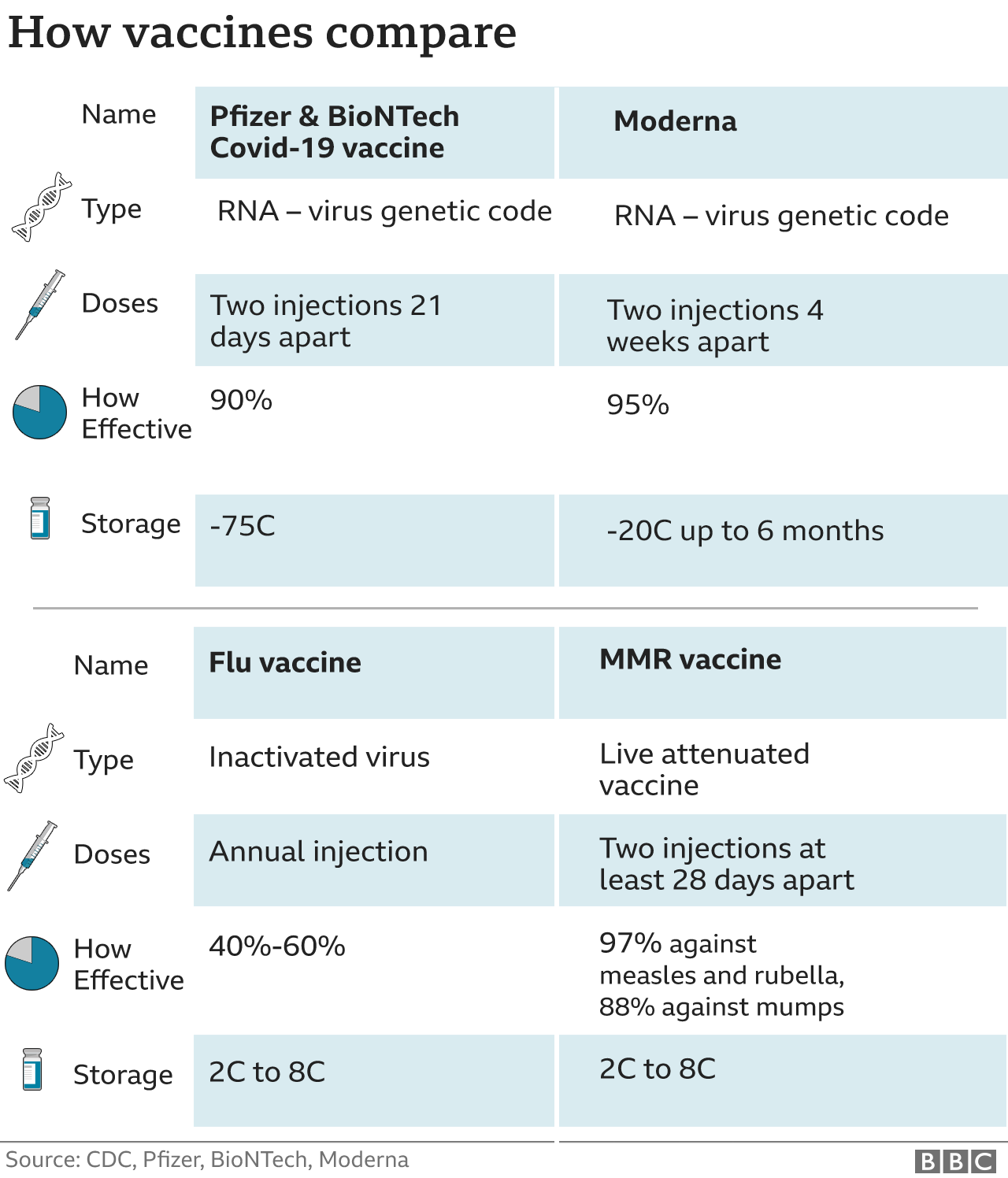
On Monday, a report was issued by AstraZeneca collaborating with Oxford University, that their vaccine was between 70 and 90 percent effective at preventing COVID-19, depending on the dose administered. These front-runners all need two doses for effectiveness; a gap of 21 days is required for Pfizer's vaccine and 28 days for Moderna's and AstraZeneca's. Of seven vaccines completing late-stage trials, one only, developed by Johnson & Johnson requires a single injection, but it is still awaiting Phase 3 results.

Adult vaccination research confirms findings with a consistent theme; "suboptimal". Only 40 to 50 percent of people went on to complete their two-dose hepatitis A and varicells (chickenpox) vaccinations, and numbers fall even lower for teens and young adults. Published last year, a study out of the U.K. found a mere 11 percent of adults received two doses of Hepatitis A vaccine in the space of a year, rising to 23 percent by 36 months.

In 2018, a similar American study suggested a mere 32 percent of adults obtained their second Hepetatitis A injection with 42 months. Reasons/excuses vary from people admitting to researchers they had no idea an additional shot would be required; they couldn't fit an appointment into their schedule; or they needed a reminder, according to Dr.Houle at University of Waterloo, citing results gleaned with a similar study using Alberta data.
 
Vaccine comparison


Labels: , , ,

Wednesday, December 04, 2019

Marketplace: Service in a Food Kit

"[Canada's largest grocery retailer is staffing a new] meals solutions [division to] span across business."
"At 4 p.m. most days, the vast majority of Canadians don't know what they're having for dinner. We believe we are uniquely capable of helping them solve that problem."
Catherine Thomas, spokesperson, Loblaw

"Our vision is to create an inspiring portfolio of easy and nutritious meal solutions for consumers."
"You'll measure your success with KPI's that include adoption, conversion & retention. You will use data every single day to uncover meaningful insights that inform your experimentation strategy and ultimately, your product roadmap."
"[Marketing directors will develop the] graphics, photography, personality, tone [of the new brand]."
"[The position] requires close collaboration and influence of senior leadership teams within Loblaw to ensure strategic alignment."
Loblaw job positions, new 'meals solutions' division
Loblaw 2018 Canadian Food Trends encourage home chefs to be creative in the kitchen and discover new family favourites. More protein for breakfast, improving our gut health, reducing our sugar consumption and being creative with leftovers are just a few examples of what we will be doing with food in 2018. (CNW Group/Loblaw Companies Limited)
"Goodfood has built a strong brand and a complete online meal solutions and grocery platform. Fewer than four percent of Canadian households are receiving meal solutions delivered directly to their home and there is a significant opportunity to grow that number in the coming years."
"Technology is driving an increased convergence of consumers' need for convenience and health with the trends in various food industry segments."
"[This change in behaviour is rapidly pushing the grocery retain market online, making it] ripe for disruption."
Jonathan Ferrari, CEO, Goodfood Market
Ah, consumer marketing and opening up new trends to boost the bottom line. Loblaw, facing growing pressure from food marketing giants Amazon and Walmart which dominate the American online and brick-and-mortar grocery markets is responding to what it regards as an opportunity to open Canada up to large-scale at-home meal catering. Not that there isn't any number of small-scale entrepreneurs who have already entered that market niche in Canada's large cities. Now though, the Big Boys want some of the action of a growing, profitable trend.

Ingredients for Thai coconut curry pasta. Photo: Arti Patel

In just about every state in the U.S., Walmart provides grocery pick-up and delivery, with its 23 percent share of the American grocery business; some 2.5 times greater than its closest rival. This is a trend that is beginning to burgeon, with an estimated 17 percent of American shoppers admitting they have ordered groceries online from Walmart in a growing e-commerce trend. Amazon on the other hand, has experimented with pairing its online services with a physical presence; buying the Whole Foods grocery chain, launching its own branded grocery shop.

Neither has yet moved aggressively into the Canadian market though they have invested in Canadian expansions, with Walmart debuting a "scan-and-go" app in the checkout process, as well expanding its online grocery-delivery service, partnering with Instacart. Both Walmart and Amazon offer meal kits in the U.S. but neither has launched such offerings yet in Canada, and Loblaw sees its opening to get to the head of the line.


Loblaw operates over 2,300 supermarkets, with reported earnings of $36.5 billion this year alone so far. It is operating a meal kit pilot project at the present time under the President's Choice Brand, with PC Chef meal kits appearing in thirteen stores in the Greater Toronto Area, inclusive of Loblaws, Real Canadian Superstore, Shoppers Drug Mart and a No Frills location. PC Express, its grocery pickup service is available there, as well.

The meal kit business is fast becoming the quickest-developing food sector in Canada, according to market research conducted by the NPD Group; roughly doubled since 2014, to top $400 million in the next year, with the company reporting 13 percent of Canadians using meal kits and growing with 42 percent indicating interest in trying out food kits. The PC Chef kits have pre-measured and sometimes pre-prepared ingredients, along with a recipe card. People have the impression they've prepared a convenient, nutritious, good-tasting meal. A riff off the old standbys of frozen meal kits.

Blue Apron launched the meal kit industry in the U.S. but mismanagement, continued operational... [+] issues and defecting customers have taken a toll on the company. Photo Credit: Bloomberg Finance LP
© 2017 Bloomberg Finance LP

"We've solved dinner so you don't have to" goes the advertising slogan for the line that includes eight meal offerings. A vegetable Pad Thai, a chicken Souvlaki platter, among others. There are other domestic providers that Loblaw and eventually Amazon and Walmart will compete against. Such as Goodfood, Blue Apron, HelloFresh and Plated, international specialists that have brought their services to Canada, offering delivery services as well as pre-prepared meals.

Goodfood Market, based in Montreal, became one of the first of the domestic food preparers to nationally establish its services and now has a base of 200,000 Canadians coast to coast to whom it delivers over a million meals monthly. According to Goodfood Market, an estimation of $2 billion in sales reflects the ready-to-cook marketplace.

Chef’s Plate

Company website: chefsplate.com
Reviewer: Arti Patel
Price: $8.99 to $12.95 per serving. Based on four recipes and two servings, $79.92 for the classic plan, $143.84 for the family plan, $103.60 for the 15-minute plan and $79.92 for the vegetarian plan.
Recipe options: Vegetarian
Meal plans: Classic, family, 15-minute and vegetarian with no commitment plans.
Availability: British Columbia, Alberta, Saskatchewan, Manitoba, Ontario, Quebec, New Brunswick, Nova Scotia, and Prince Edward Island.

Labels: , , , , ,

Friday, November 09, 2018

Full-Term Breech: Caesarian vs Vaginal Delivery

"You develop a relationship with that midwife, they understand you, and you develop a trust so that when you are in labour the person there is someone you have a relationship with."
Jamie Brignell McCallum, mother of two breech babies, one caesarian delivery

"Even though breech birth is within midwives' scope of practice, hospitals can decide to limit midwives' scope."
"This means that the types of births midwives are allowed to attend in hospital are limited, forcing clients to transfer care to an obstetrician, even though they have a midwife who has followed them through their pregnancy and is willing and able to care for them."
Mothers of Change of the National Capital Region

"[The Ottawa Hospital's board looks forward to the] presentation by the Mothers of Change of the National Capital Region." 
"Our hospital continues to work closely with our own midwives, the College of Midwives, and the midwife and patient community at large to support a patient's birth delivery of their choice."
The Ottawa Hospital, Ottawa, OntarioImage of breech birth positions
Midwives operating in Ontario are routinely trained to delivery breech babies -- babies that present buttocks or feet first in the birth canal when preparing to emerge -- and are competent in their professional capacity to meet the needs of mothers whose babies are breech, not by caesarean section but vaginally, as a normal procedure treated with a little extra care and manipulation. In Canada, around 2000, vaginal breech delivery came to a virtual halt when research linked it to higher complication risks. Doctors faced with breech birth switched to caesarean section.

However, in 2009 new evidence persuaded the Society of Obstetricians and Gynecologists of Canada to reverse that trend and to recommend that physicians should no longer automatically decide that caesarean sections for breech births represented the option of first choice. Many women, urged the Society, can safely deliver breech babies vaginally. Caesarean sections in Canada had become so commonplace -- though it is serious surgery with greater chances of things going awry for mother and child in complications, as well as a longer recovery time -- they became a matter of concern.

Doctors however, with little exposure to the alternative and experience in the vaginal delivery of breech babies preferred to continue high rates of caesarean sections for women delivering breech babies, in spite of the official policy recommendations. Mothers and advocates for change have observed that midwives still face obstacles in hospital settings in practising the full extent of their skills, notably including vaginal birth deliveries for breech babies.

This situation has led to a protest against hospital requirements that only physicians be authorized to tend to breech births, leading to the necessity of midwives being forced to transfer the care of patients they have served throughout pregnancy to the physicians deployed at the hospital in the delivery of breech babies -- by caesarean section exclusively, a policy that is of great concern to area mothers along with their advocates.

Women complain they experience "a lot of pressure" to agree to having a caesarean section when their babies present in the breech position. Apart from the group Mothers of Change, The Coalition for Breech Birth advocates as well for "the return of vaginal birth to the normal options offered to women with breech babies". One out of every 25 full-term births turns out a breech delivery, so the issue is one of substantial measurement.
  • Complete breech: Here, the buttocks are pointing downward with the legs folded at the knees and feet near the buttocks.
  • Frank breech: In this position, the baby’s buttocks are aimed at the birth canal with its legs sticking straight up in front of his or her body and the feet near the head.
  • Footling breech: In this position, one or both of the baby’s feet point downward and will deliver before the rest of the body.                                              americanpregnancy.org/labor-and-birth/breech-presentation/
 
Risks associated with a caesarean birth for women include:
  • Nausea and vomiting after the surgery.
  • Difficulty moving around easily after the surgery.
  • Developing blood clots that could travel to your lungs or brain.
  • Pain that lasts days to weeks after the birth.
  • Re-opening of the surgical wound.
  • Infection.
  • Scarring of the uterus, which can cause complications in future pregnancies and births.
  • Accidental cuts to your bladder or bowel.
  • Complications from the anesthetic.
  • Bleeding. If uncontrollable, in rare circumstances your uterus may need to be removed.
  • Death (extremely rare with today’s advanced technology and care processes). ontariodirectoryprenataleducation.ca

"The thing that we have to keep in mind is that there will always be women who want a normal, natural childbirth."
"There's major fear around vaginal birth. And trying to undo it is really difficult when you've got an entire cohort of physicians who have not been trained to do it."
"And more have been trained to fear it."
Ottawa midwife Betty-Anne Daviss, practising for 30 years, attended 150 vaginal breech births
Leanne Moussa with Isa Russell Qureshi. delivered by Betty-Anne Daviss in complete breech at 42 weeks.

Labels: , , , , ,

 
()() Follow @rheytah Tweet