Ruminations

Blog dedicated primarily to randomly selected news items; comments reflecting personal perceptions

Sunday, August 20, 2023

Aoh, Those Muscle Cramps!

"Experimental data in healthy college-age men suggests that pickle juice inhibits muscle cramps through a reflex involving a nerve in our threats."
"It's why a tablespoon of pickle brine hitting the back of the throat seemed to bring relief within seconds."
"Pickle juice may also work for cramps that aren't induced by exercise. A randomized controlled trial published last year found that a sip of pickle juice reduced muscle cramp intensity in patients with cirrhosis."
"Researchers believe this improvement is due to a similar reflex that occurs almost immediately, rather than by how pickle juice is metabolized by the gut."
Dr. Trisha Pasricha, Ask a Doctor 
Anyone can suffer from leg cramps, they often occur during night-time sleep with no warning; alternately while exercising, and doctors really have no answers that would satisfy the question why it is they occur at all. Muscle cramps are well known to occur frequently among the elderly population and with athletes, during pregnancy, and dialysis, as well as with people with health conditions such as diabetes, cirrhosis or amyotrophic lateral sclerosis.

Midsummer appears to be peak time for leg cramps, while their occurrence has a tendency to decrease during the winter, one study concluded. Athletes experience cramping which tends to increase in periods of hot weather, even while the cramps are not seen to be related to dehydration and electrolyte imbalances from sweating, a popular misconception.

Calf-plantar fascia stretch
There is no evidence available how best to treat cramps. There are however, two simple solutions that doctors may recommend: to stretch the muscle gently. Or to take a sip of pickle juice. Athletes, it appears, have long sworn by the efficacy and instant relief given them by pickle juice, as bizarre as that may seem. Pickle juice, strained from jars of dill or kosher pickles; alternately other acidic substances like mustard or apple cider vinegar.

"A sip is all it takes. We're not telling people to chug pickle juice", hepatologist at University of Michigan Elliot Tapper said, the 2022's study lead author. Additional research on the effect of pickle juice on muscle cramps is needed. The strategy could be somewhat less helpful for those people with rare leg cramps, or cramps that tend to be of short duration, to justify keeping pickle juice available on short order.

Medical practitioners suggest trial-and-error approaches in the prevention of leg cramps; a few weeks of daily calf and hamstring stretching (reducing the severity, not the frequency of nocturnal leg cramps), magnesium (a recent meta-analysis found this likely produces little effect), or vitamin B complex (which showed some promise in a 1990s small study). Long-acting beta-agonists such as found in Advair or Symbicort and diuretics like spironolactone could be exchanged by a physician for alternate medications.

A double-blind randomized controlled trial published in JAMA Internal Medicine in 2017 found that taking magnesium oxide for a month reduced the number of night leg cramps by about three times weekly, significant enough to go from waking to cramps every night in favour of the same every other night.
  • Stretch and massage. Stretch the cramped muscle and gently rub it. For a calf cramp, keep the leg straight while pulling the top of your foot on the side that's cramped toward your face. Also try standing with your weight on your cramped leg and pressing down firmly. This helps ease a cramp in the back of the thigh too.For a front thigh cramp, try pulling the foot on that leg up toward your buttock. Hold on to a chair to steady yourself.
    Apply heat or cold. Use a warm towel or heating pad on tense or tight muscles. Taking a warm bath or directing the stream of a hot shower onto the cramped muscle also can help. Rubbing the sore muscle with ice also might relieve pain.   Mayo Clinic
  • f25aa7bb-8817-4afe-86f4-8b8598e2756a

Labels: , , , , , , , , ,

Wednesday, October 05, 2022

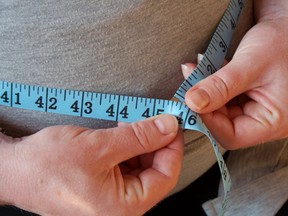
Prelude to Obesity and Its Potential Amelioration

"The undeniable observation from the last several decades is that obesity treatment doesn't work very well. Clearly we need a different approach."
"The data show very clearly that folic acid and fortification of the food supply has been very effective in preventing this devastating developmental outcome of neural tube defects, which comprise things like spina bifida."
"We need to take a similar approach with obesity because each individual's body weight regulatory mechanism is largely based in the brain."
"[The reason the study is of interest is because] we were able to show direct association with human genetics."
"We already know that maternal obesity during pregnancy does promote obesity in her offspring. It's likely that maternal obesity could interfere with this epigenetic development and we could see how that could end up leaving her child as somewhat ill-equipped to properly regulate food intake and energy expenditure."
Dr. Robert Waterland, professor of pediatrics-nutrition, Baylor College of Medicine, Texas
A new study on mice found that if any of the changes go awry to a specific part of the brain early on, it could lead to significant weight gain later in life.

According to a study recently published in the journal Scientific Advances conducted by researchers at Baylor College of Medicine along with other institutions, it is possible that obesity could be prevented by dietary supplements prior to pregnancy. According to the study's findings, the issue should be treated as a neurodevelopmental disorder.
 
The World Health Organization reported in 2016 that there are two billion people globally categorized as overweight, and of that total, 650 are classified as obese. Researchers hoped to discover how to stop what the study refers to as a worldwide epidemic. The study outlines a new approach; to treat obesity as a neurodevelopmental disorder -- some of which have been prevented successfully with dietary supplements.
 
Vector art representing the pregnancy weight gain application
The study cited the example of neural tube defects occurring in  human fetuses, prevented through augmentation in the diet of folic acid. The study, with the use of laboratory mice, focused on a region of the brain known to regulate food intake, physical activity and metabolism called the arcuate nucleus of the hypothalamus, explained the study's first author, Dr. Harry MacKay. 

In a fetus and in early infancy the arcuate nucleus undergoes epigenetic changes which later can affect weight regulation programing. Alterations to that part of the brain could lead to significant weight gain in later life, although cautioned Dr. Waterland, "exactly how this works remains unknown".

Labels: , , , ,

Thursday, April 22, 2021

Seriously Ill COVID Variant Pregnant Women

"There have never been this many pregnant women in ICU in the history of our country or our province. This is unprecedented."
"It is heartbreaking and terrifying. These are young, otherwise healthy women."
"[COVID-19 critical illness is] a new disease for us. It  hit us like a bullet train."
Dr.Mark Walker, professor of obstetrics, University of Ottawa

"Pregnant women who have COVID-19 appear more likely to develop respiratory complications requiring intensive care than women who aren't pregnant."
"Providing ventilator support in pregnancy is more challenging and the risks are greater to both mother and child."
"[SOGC members are reporting] a wave of daily pregnant women coming into Ontario ICUs, many requiring ventilators. These women are getting extremely sick, very quickly."
Society of Obstetricians and Gynecologists of Canada
Megan, 33, with no underlying health conditions, was hospitalized at Mount Sinai with the South African variant, while 33 weeks pregnant. The next week was terrifying.
 
Dr.Walker is scientific director of BORN (Better Outcomes Registry and Network), based in Ottawa, whose purpose is to improve care for mothers and children through the collection, interpretation and sharing of data relating to maternal and newborn health. Currently the group is involved in gathering information about the COVID-19 situation as it relates to pregnant women, in an effort to better understand it and to be in a position to render aid with their care.

As a high-risk obstetrician and researcher, Dr.Walker speaks of feeling utterly terrified in the face of growing numbers of pregnant women being admitted to intensive-care units across Ontario, as a result of seriously troubling cases of COVID-19. In Toronto, some intensive care units see women representing half, even more, of critically ill COVID-19 patients. And of their numbers, a large percentage have been placed on ventilators, a situation that has become critical in recent weeks.

These are the sickest pregnant women that Dr.Walker -- throughout the course of his career of several decades as an obstetrician -- has ever treated. There is now an urgent call by physicians and national and provincial organizations of obstetricians and gynecologists for pregnant women to be prioritized for vaccines. The situation currently is that unless pregnant women are in other priority groups, there is no move as yet to inoculate them as a demographic in need, against COVID-19.

Pregnancy is listed among at-risk health conditions in Ontario and in that category people are scheduled to receive vaccinations beginning mid-to-late May. While AstraZeneca is available now to people over age 40, that excludes many younger, pregnant women. Women who are pregnant must have a prescription from their physician, under guidance from the National Advisory Committee on Immunization when they do qualify for vaccination.

Unvaccinated, pregnant women with COVID-caused respiratory illness become three times likelier to end up in intensive care, and two times more likely to die, than those women who happen not to be pregnant. Variants, now dominating in Ontario, appear to be associated with greater levels of risk and sickness for women who are pregnant than had occurred with the original variants, points out Dr.Walker.

Growing numbers of women in pregnancy, have become critically ill in the past two weeks, at levels far surpassing the beginning of the pandemic. Rumours of a similar phenomenon had reached the ears of obstetricians and researchers, occurring in the United Kingdom, where the B.1.1.7 variant became the dominant strain. Published data had been unavailable until recently. The medical community in Ontario was taken by surprise at the degree to which the U.K. variant is affecting pregnant women.

"It is not often we run into a situation where we are not sure how to manage", stated Dr.Walker of a situation where experienced specialists are trying -- on the basis of their new and growing familiarity with the situation -- to understand its implications. Women's oxygen-saturation levels are being closely watched because of its impact on the health of both mother and baby. In treatment, some women are being subjected to the technique of proning, widely used during the pandemic where severely ill patients are turned on their stomachs to improve oxygen absorption.

For obvious reasons, the prone position becomes extremely difficult in pregnancy. There are also higher rates of pre-eclampsia in pregnant women infected with COVID-19, a pregnancy complication characterized by high blood pressure and symptoms damaging to organs, most frequently the liver and kidneys. Emergency C-sections are performed in some cases, in an effort to save the baby. Preterm labour is also associated with severe COVID-19-related illness in pregnant women.

These women, in their pregnancy make every effort to avoid close contact with others. Many of the women who are pregnant, however, already have children who have been attending school or daycare, and thus contact at some level is unavoidable. 


Labels: , , , , ,

Saturday, June 27, 2020

Researching COVID-Pregnancy-Infant Transmission

"There are questions, there is uncertainty and there are so many more tears It has never been harder for me to give care."
"I want to do one clinic without making people cry someday soon."
"The patients have all these questions. We need to be able to answer them and to understand what this could mean to help with delivery planning."
"There is so much anxiety about getting it [COVID-19],and taking care of their baby."
Dr.Darine El-Chaar, maternal-fetal medicine physician, The Ottawa Hospital
ultrasound
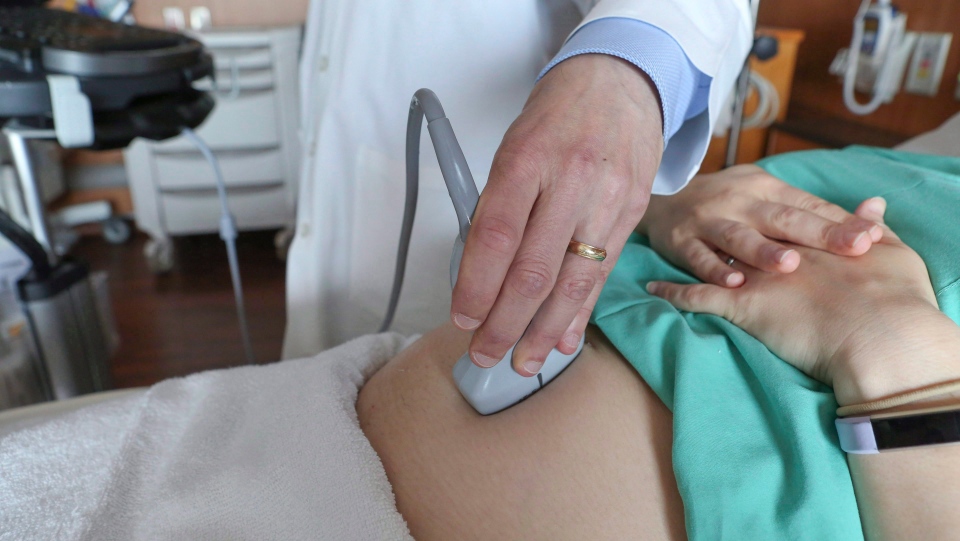
In this photo, a doctor performs an ultrasound scan on a pregnant woman at a hospital. Clinicians and epidemiologists don't yet know much about COVID-19 and pregnancy, says the leader of a newly formed national network that's aiming to fill in those gaps. THE CANADIAN PRESS/AP-Teresa Crawford
Dr. El-Chaar is also a researcher at The Ottawa Hospital Research Institute. Funding has been received from the Canadian Institutes of Health Research for COVID-19 for her research team looking to find answers to questions about COVID-19 and pregnancy. One of the vital questions this team seeks to find an answer to is whether a mother can pass COVID-19 to her baby.

To that end, the team plans to investigate whether a mother can infect her child with the virus during pregnancy. The research is the first such to be undertaken in Canada. Studies have been produced by some researchers globally but there is much that is not yet known about COVID-19 and how it affects pregnancy, that of both mother and child.

According to results of early research, up to 80 percent of pregnant women infected with COVID-19 experience fairly mild symptoms of the disease, while between 15 and 20 percent of women experience moderate or severe symptoms. Unclear as yet is how many pregnant women tested positive so far for COVID-19 in Ontario. What is known is that over fifty hospitals in the province have reported such cases.

Most pregnant patients have experienced moderate or mild symptoms, and to the present no local cases of COVID transmission from mother to baby have been identified. Out of a total of $4.7 million in research funding, a number of studies are being undertaken in the hope of discovering new data about COVID-19. One study is to determine the rate of COVID-19 infection in pregnant women, and to that end every woman giving birth at The Ottawa Hospital will be tested for the virus.

That data will be useful to inform whether universal testing should be undertaken on pregnant women. By testing maternal and newborn samples from participating hospitals across Ontario, another study plans to examine whether a mother is able to communicate COVID-19 to her child during pregnancy. Mothers and babies with a history of infection will provide additional data to be collected.

The research results are expected to provide more expansive clarity on such questions as whether vaginal births and breast feeding could pose an increased risk with COVID-19, or whether mothers who are infected may confer immunity on their infants. Some of the questions that mothers pose associated with concerns about pregnancy during the pandemic may find their answers from this research.

According to Dr. El-Chaar, mothers not infected are also anxious; attributable party to isolation during the pandemic; less face-to-face doctor appointments; having to attend some appointments unaccompanied; and general concerns about the unknown elements clinging to the global pandemic and how expectant women are affected.

Other research taking place at The Ottawa Hospital and funded through the same source along with other agencies, will investigate the potential of harnessing cancer-fighting vaccine sin the development of  a COVID vaccine; whether stem cell therapy can reduce damage from overactive immune responses to COVID-19 in critically ill patients; and research into how the most vulnerable are being affected by the SARS-CoV-2 virus.


Illustration of a pregnant woman sitting on a couch holding her belly.


  •  Pregnancy does not appear to increase a person’s risk of becoming infected with COVID-19.
  • Clinical signs and symptoms of a COVID-19 infection are usually the same in pregnant and non-pregnant people, which can include fever, cough, shortness of breath, body aches, fatigue and sore throat.
  • The majority of pregnant people in Ontario are healthy and considered low-risk, with no pre-existing health conditions. Healthy pregnant people infected with COVID-19 usually have mild symptoms and recover at home without needing hospital care.
  • Experts are not sure yet, but it seems that during pregnancy and birth the risk of transmission is low from a COVID-19 infected mother to their baby. After birth, the COVID-19 infected mother could pass the virus to the newborn if infection control measures are not taken, but the risk of transmission is unknown at this time.
  • Most babies born to COVID-19 infected mothers are usually healthy and do not require hospitalization, but some may be born too early or too small and might need longer hospital stays.
BORN Ontario

Labels: , , , ,

Monday, May 11, 2020

Rescue In The Time Of COVID-19 : Above and Beyond

" Miss Lira, my name is Zully -- I'm Junior's mom. I need your help."
"Please call my husband and help him and my son. I'm at the hospital, and I'm going to have an emergency C-section."
Zully, Guatemalan immigrant, COVID patient
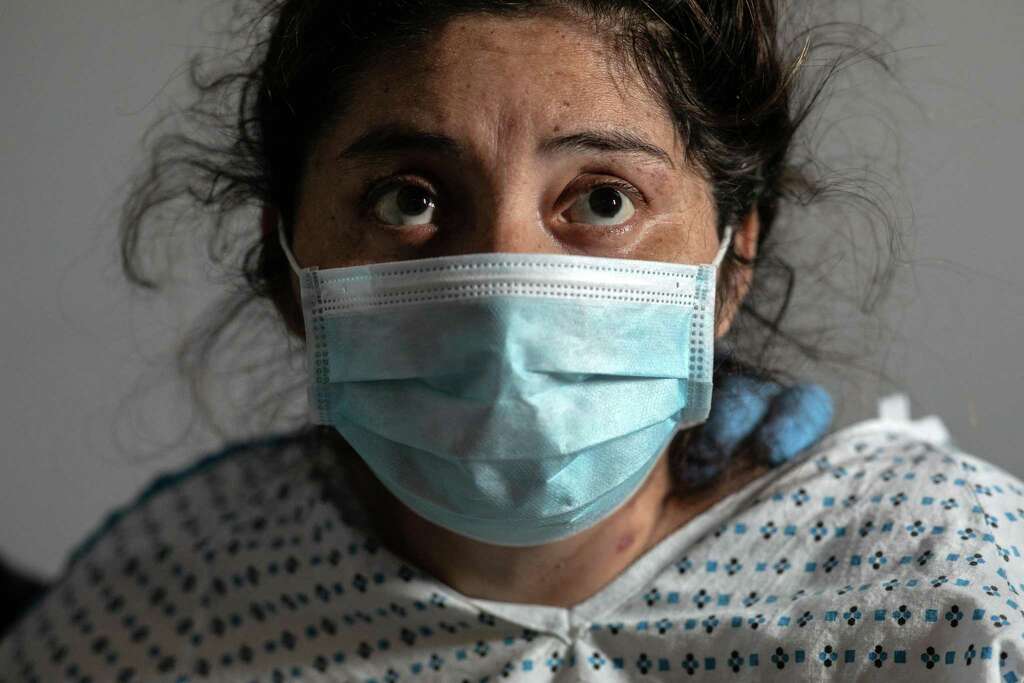
<p>COVID-19 patient and Guatemalan asylum seeker Zully sits on her bed after arriving home by ambulance from Stamford Hospital on April 25, 2020 in Stamford, Connecticut. She had first gone to the hospital gravely</p>
Photo: John Moore / Getty Images

"I'm exhausted, yes, but it's very rewarding. Neysel is a preemie, so he needs to be fed every two hours or so, and he loves to stay awake most of the night."
"But I am honoured that the family wanted me to help."
"More than anything, I would love for Zully to have him back and hold him in her arms on Mother's Day. But that may not be possible, so I am happy to do what I can."
"My hope for this family is that they'll soon have their baby home and be able to hold him in their arms."
Luciana Lira, 42, elementary school teacher, Stamford, Connecticut

Luciana Lira teachers English as a second language as an elementary school teacher. Now, under lockdown in the U.S., she is teaching remotely. She keeps in regular touch with her students online. And she often exchanges messages with the parents of her students. On March 31 she received a call from the mother of one of her students she had once met at a parent-teacher conference. The mother conveyed the information that she was in respiratory distress with COVID-19 and was about to undergo a Caesarean section to deliver her second child. Her 7-year-old son is one of Ms.Lira's students.

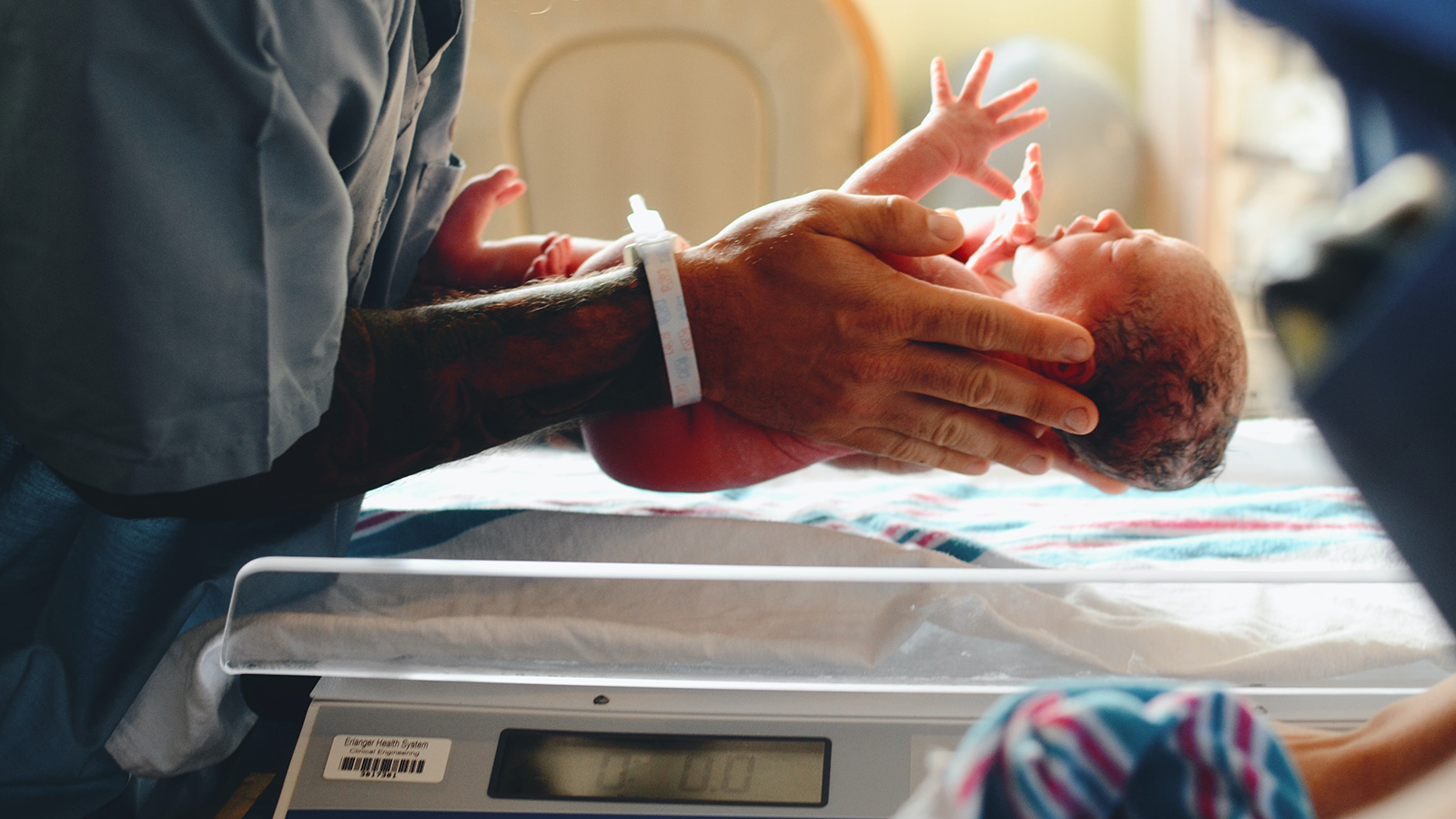
As recent immigrants from Guatemala, the family who asked that their last name be withheld, had no community support and turned in desperation to their son's grade-school teacher. Ms. Lira obliged by contacting the husband Marvin, and from him was given permission to communicate with medical staff at the hospital to act as an intermediary for the family. Zully was monitored for two days and then delivered the baby, named Neysel, five weeks early, weighing 5 pounds, 13 ounces and placed in the newborn intensive care unit for observation while his mother was placed on a ventilator, in a coma for over three weeks.

<p>Baby Neysel, then 2 1/2 weeks, stretches in a bassinet at Luciana Lira's home on April 20, 2020 in Stamford, Connecticut. Lira, a K-5 Bilingual /ESL teacher at Hart Magnet Elementary in Stamford, became</p>
Photo: John Moore / Getty Images

The young student, Junior, and his stepfather were tested with the understanding that they could quarantine at home, if the tests were positive. What would become of the baby, though was a quandary. Ms. Lira called the husband: "I know that you don't know me, and I don't know you, but if you want, I can take the baby with me until after you are tested", she told him. "Then you can come and get your son from me." The response was "I'm going to trust you", from the father.

At which, Ms.Lira bought a car seat, a bassinet, diapers and formula, then drove to Stamford Hospital to collect the baby. She prepared herself to begin looking after a newborn, to share living quarters with herself, her husband and her own eleven-year-old son, while the baby's mother was intubated in intensive care and the father and young boy were isolated at home. The Lira family began a new routine of feedings and diapers with Luciana absorbed in daytime caregiving for a baby and teaching ESL online classes for kindergarten through to Grade 5 at the Hart Magnet Elementary School in Stamford.

Weeks later, Zully, released from hospital returned home to recover from the novel coronavirus, along with her husband and her son. Too weak to walk unaided, much less care for a newborn, it was decided to leave the baby in the care of the school teacher. As long, promised Luciana, as might be necessary. And that is precisely what is happening, with the help of her husband Alex, 45, and their eleven-year-old son Christopher.

Stamford Elementary school teacher Luciana Lira, 32, holds baby Neysel, then 2 1/2 weeks, while showing the newborn for the first time to his immigrant mother Zully, a Guatemalan asylum seeker, via Zoom on April 20, 2020 in Stamford, Connecticut. Zully had just come off a ventilator at Stamford Hospital. Lira, a K-5 Bilingual /ESL teacher at Hart Magnet Elementary in Stamford, became temporary guardian for the newborn, after the boy's mother Zully went to the Stamford Hospital emergency room in labor and gravely ill with COVID-19. Photo: John Moore / Getty Images / 2020 Getty Images
Photo: John Moore / Getty Images

Labels: , , , , ,

Wednesday, August 28, 2019

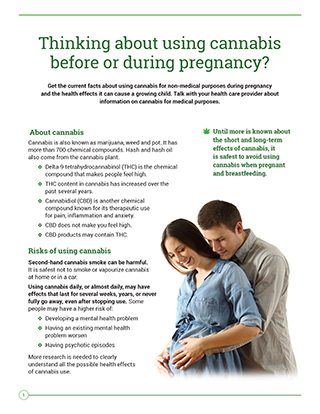
Cannabis? Best to Avoid During Pregnancy


"Unfortunately, it would seem that health-care professionals are not good sources of information for pregnant women. One study found that only half provided counselling when informed of marijuana use during pregnancy and this often focused on the legal rather than the medical consequences. In fact, women reported that it was difficult to find reliable information on cannabis use during pregnancy and often relied on anecdotal advice from friends or family."
"Clearly, how we as a society view cannabis has changed drastically in the past decade and has led to its general acceptance and legalization. But we should not forget that there are potential risks to its use, and regardless or whether you support its legalization or not, probably best to avoid it while pregnant."
Dr. Christopher Labos, McGill Office for Science and Society, Montreal


Obstetrician-gynecologists in Canada are seeing an increasing number of pregnant women who think that using marijuana through their pregnancy is fine, that there are no risks associated with doing so. It has also been agreed that cannabis  represents the most commonly used drug during pregnancy. Women appear to be cognizant that to protect their growing foetus it is best to avoid alcohol and smoking  and the use of those two potential health risks are steadily reducing. Daily use of cannabis on the other hand during the first trimester of pregnancy appears to be on the increase.


That is of particular concern to the health community given the reality that the drug has become more potent than it once was. Cannabis use does come with risks, aside from risks associated with its use during pregnancy. Heavy use of marijuana by teens is fraught with a particular danger to the maturing brain. Its potential effect on mental health in the young represents yet another concern, which is why the medical community recommends it not be used until maturity, around 22 years of age. CBD has properties that may also be considered to be problematical for health.

All this aside from its recognized use for health benefits for people suffering from some chronic conditions finding relief with cannabis use. For pregnant women the general consensus among the medical community is that women be advised to avoid its use. The American Academy of Obstetricians and Gynecologists has warned against cannabis use in pregnancy. It was clearly found in a matched cohort analysis using Ontario health data that cannabis use is associated with an increase in preterm births (10.2 percent as opposed to 7.2 percent).

Babies whose mothers use cannabis while pregnant are likelier to be transferred to the neonatal ICU because they're born smaller. In addition to which an increase in stillbirths has been noted. However, not all studies support these conclusions. A different 2016 meta-analysis found no increased risk of preterm births. When expectant mothers smoke tobacco it is difficult to separate that issue from the harms seen in smoking marijuana. The debate becomes how much of an increased risk is attributable to smoking, as opposed to marijuana use.

Long-term effects that cannabis can have on the developing brain of the foetus represents yet another concern. If it is seen -- and it is -- to affect the brain development of teens, it makes sense that the drug would cross the placenta to affect the brain of the developing foetus. There may be some confusion resulting in society linked to the issue of legalization leading to the increasing popularity of cannabis use. People tend to think that something that is legal is also safe, thus making it more socially acceptable.

Data from the U.S. National Survey on Drug Use and Health database reveal the proportion of women believing marijuana use to hold no risks during pregnancy rose from 4.6 percent to 19 percent between the years 2005 and 2015. Women appear to rely sometimes on advice they solicit from cannabis dispensaries. One study indicated that 70 percent of Colorado dispensaries recommend marijuana as a morning sickness treatment, an actual misrepresentation.
Vox

Risks to a child’s brain development

Use of cannabis during pregnancy may affect a child’s brain development, behaviour and mental health into adolescence and early adulthood. The effects may be permanent. If a mother uses cannabis daily, some of the risks for the child may be:
Age 0 – 3 years:
  • Difficulty calming down
  • Exaggerated startles
  • Sleep problems
Age 3 – 6 years:
  • Poorer memory
  • More impulsive
  • Less attentive
  • Less able to understand and follow instructions
Age 6 – 10 years:
  • More hyperactive and impulsive
  • More difficulty learning
  • Symptoms of depression and anxiety
  • More difficulty making decisions
  • Less attentive
Age 14 – 18 years:
  • Poorer school performance
  • Delinquency problems
  • May try and/or use cannabis earlier
  • Continue to be hyperactive, impulsive and less attentive
Government of Canada Website

Trends in self-reported and biochemically tested marijuana use among pregnant Females in California From 2009 to 2016.
JAMA

Labels: , , ,

Wednesday, August 21, 2019

Challenging Research

"[It's possible some] mystery variable [is related to both fluoride and IQ, but we controlled for everything we could think of]."
"Four-and-a-half IQ points is not negligible. People have been calling this a small effect. I'm shocked. [The effect on IQ] of lead exposure is of this magnitude. It's a big deal."
"The impact is going to be felt -- it means fewer people in the gifted [IQ] range and more people falling in the range of intellectual disability."
Dr.Christine Till, professor of psychology, York University

"[The size of the sample was reasonable and the study is] methodologically sound [making an important contribution]."
"Public policy is ideally informed not by any one study, but by the best available evidence as a whole."
Dr.Lindsay McLaren, community health sciences professor, University of Calgary

"What we know about the effects of lead on IQ doesn't come from one study. It is ... based on a far larger set of research findings that extend over many more populations and many more years."
"At the end of the day, it is still one study. Although I like a lot of what was done in this particular paper, at the end of the day, you're left scratching your head -- why aren't the results internally consistent?"
"I've had that discussion with many, many colleagues, in many different research areas, over many years. And my advice to them is: I'm with you on the research. It's really neat stuff ... but the policy-makers have to consider far more than just one paper. And some of my research colleagues get that more than others. For some, it's a really tough sell."
Dr.Ray Copes, chief of environmental and occupational health, Public Health Ontario
Despite the benefits, adding fluoride to tap water will always be contentious, a chemistry professor says. (Craig Chivers/CBC)

Several generations ago fluoride was being introduced for the first time to drinking water in Canadian jurisdictions. Some municipalities started using fluoride in 1945. Medical science argued for its use in reducing cavities in children. Fluoride strengthens teeth, helping in the prevention of bacterial decay, as a mineral that binds to teeth.

Public health, medical and dental groups all recommended fluoridation of community water, among them the Canadian and American Dental Associations, the Chief Dental Officer of Canada, the World Health Organization. Its contribution to cavity decline in children saw the U.S. Centers for Disease Control and Prevention naming it one of the  ten great public health achievements of the 20th Century.

From the very beginning right to the present time some in the scientific community and in municipal leadership have called its usefulness into question, citing the possibility that the use of fluoride led to other health problems. Some municipalities ceased using fluoride, the result of which saw a dramatic rise in cavities among children living there. Fluoride's qualities as a cavity preventive are lauded. And fears of its possible darker side are cited by opponents.

A new study led by York University's Christine Till -- published in the journal JamaPediatrics -- found what the researchers believe to be a link between fluoride exposure in drinking water during pregnancy and the eventuality of lower IQs in children. On publication, the study and its conclusions caused an international stir, leaving Dr. Till professing "shock" at the way the study has been received.
Fluoride has been one of the most positive public health interventions in human history, public health experts say.

Levels of fluoride in some 500 pregnant women's urine was measured for the study on three occasions during pregnancy. Self-reported information on individuals' consumption of tap water and black tea -- known to be naturally high in fluoride -- was collected. The women's children's IQs were tested -- once -- at ages three or four. Self-reported fluoride was then associated with lower IQs both in girls and boys.

Only in boys, however, was urinary fluoride concentration associated with lower IQ. A drop of 4.5 IQ points was found for every one milligram-per-litre increase in urine fluoride. A variety of other factors including economic status, parents' education, exposure to other environmental chemicals that could account for IQ differences was controlled for in the study.

Given that the research was subject to "review after review after review" prior to funding, then underwent extensive scrutiny during peer review, the authors going so far as to hire a third-party statistician to look over the numbers to ensure everything was in order, the study is considered to be the largest, most rigorous of its kind to have been conducted to date.

Routine since the mid-20th Century across Canada, fluoride added to drinking water helps in tooth enamel strengthening; its beneficial role in cavity reduction unquestioned. Other studies indicate that those who benefit the most from fluoride use in drinking water are those with poor oral health and compromised access to dentistry.

Dr. Copes at Public Health Ontario is perplexed by the observed sex differences in the study. An indication, he feels, that the use of different research methods might be indicated, along with replication of research conducted by other researchers prior to informing pregnant women they are advised to limit fluoride consumption. His position on the other hand, puzzles Dr. Till who believes ample evidence exists to inform pregnant women to limit their fluoride exposure immediately.

Ayesha Drouillard in her home in Windsor on Friday, February 17, 2012. Drouillard was hoping to push city officials to remove fluoride from the drinking water in Windsor.

Labels: , , , , ,

Friday, July 12, 2019

Flu Vaccination : Protecting Mother and Baby

"This is a large study and it clearly shows that there were no harmful effects on the longer-term health of children when a pregnant woman got the flu shot."
"Influenza vaccination during pregnancy is -- by all available evidence -- safe for mothers and their offspring."
"This is really important because we know that getting the flu shot in pregnancy reduces women's chance of getting the flu -- and they're a high-risk group."
"But it also can prevent influenza in babies in the first few months of life, which is when they're particularly vulnerable but can't be vaccinated."
"I think most people when they think of getting the flu shot, they think of preventing the flu in themselves -- and that's already a compelling enough reason. But the big thing here is that it has the additional bonus of protecting the babies."
"I think it adds to the evidence, which has been growing rapidly in the last five years, that there's no harmful effects to getting vaccinated against influenza -- either for the mothers or babies."
Dr. Deshayne Fell, scientist, CHEO Research Institute
vaccination pregnancy
According to the Centers for Disease Control and Prevention, about 49 percent of pregnant women in the U.S. opted to get a flu shot during the 2017-2018 flu season.  Photo: Getty Images

An average of 3,500 deaths annually is attributed to the flu in Canada, according to the Public Health Agency of Canada, with most of those deaths occurring among the elderly and infirm. Roughly 36 percent of adults take advantage of a yearly flu vaccine. And although the primary age group for flu-related deaths is the elderly, the infirm, the immunity-impaired, young children as well represent a demographic with a high mortality rate from the flu. Infants under 6 months cannot be vaccinated.

Pregnant women in Canada mostly avoid getting a flu shot; a mere 20 percent opt for it, with research indicating avoidance of vaccination in pregnancy occurs resulting from safety concerns among pregnant women. Now, Dr. Fell, an assistant professor at University of Ottawa School of Epidemiology and Public Health, has responded to those concerns through the result of a study she headed along with other researchers.

She is able to assure pregnant women that the flu vaccine offers protection both to a mother and her baby against influenza, given that maternal antibodies cross the placenta. These are antibodies that confer protection -- passive immunity -- during the critical first six months of a child's life. The study was published in the BMJ (British Medical Journal). Researchers at the Research Institute of the Children's Hospital of Eastern Ontario had a goal; to determine whether vaccination of an expectant women would play a role in health outcomes of children during the first five years of their lives.

Disease and hospitalization rates for 104,000 children born in Ontario between November 2009 and October 2010 -- during the swine flu (H1N1) pandemic were tracked by the researchers. The 31,295 children born to mothers who received the flu vaccine were found to be just as healthy as the 79,954 children whose mothers failed to take a flu shot. The province's health databses were used by researchers to link birth registry information with hospital records.

Flu-related death rates among children are highest for those under six months, when an infant's immune system is still being developed, according to health statistics. The study gave evidence that children of vaccinated mothers were not afflicted with higher rates of death, cancer, serious infections, chronic diseases, sensory disorders, hospital admissions, or emergency room visits.

A slightly higher rate of asthma was detected among the same cohort, along with a slightly lower rate of serious gastrointestinal infections. No biological mechanism to explain the weak link between a mother's immunization and a child's asthma, however. was uncovered. The new study, adding to existing scientific literature indicating the flu vaccine has no negative short-term health effects on mothers or their infants is important as a guiding reassurance to both health professionals and their patients.
"This is an important decision for pregnant women because if they or their newborn babies get the flu, they generally get sicker than the rest of the population."
"We hope the knowledge that the flu shot during pregnancy is safe for children in the longer term will lead to more pregnant woman saying yes to the flu shot."
Dr. Deshayne Fell, study senior author
An Ottawa study shows no increased risk for various diseases in children whose mothers received the H1N1 flu vaccine while they were pregnant. (Jeff McIntosh/Canadian Press)

Labels: , , , , ,

Wednesday, May 01, 2019

Abstain -- Completely

"When a mother-to-be consumes alcohol, it goes directly to the fetus through her bloodstream. Alcohol is poisonous to the developing fetus and can disrupt its normal development. FASD [Fetal Alcohol Spectrum Disorder] is a serious and lifelong condition."
"Alcohol is especially dangerous for the developing brain cells; that's why people with FASD have difficulties with learning, attention, memory, reasoning, problem-solving, language and communication."
"The first step in understanding the severity and impact of FASD in any country is to determine how many people have this condition. Once this information is available, policies and programs can be planned that will benefit those living with FASD and prevent additional children from being born with these conditions."
"Public policy and clinical care for people with FASD needs to change to respond to such predictable outcomes."
Svetlana Popova, senior scientist, Institute for Mental Health Policy Research, Centre for Addiction and Mental Health, Toronto
pregnant

A new study on Fetal Alcohol Spectrum Disorder whose lead author is Dr. Popova has been published in the medical journal Addiction. According to the study, close to one in ten women in any general population worldwide consume some level of alcohol during their pregnancy. The result of which is that Fetal Alcohol Spectrum Disorder is quite a bit more prevalent than has been assumed. In particular among people belonging to five vulnerable groups.

What is incontestable is the conclusion on the evidence that women who believe they can have a glass of wine during dinner throughout pregnancy are wrong. It is a myth that simply does not want to succumb to scientific evidence proving otherwise. The global study with its fluctuating prevalence rates of FASD, declares that belief to be nothing more or less than a wishful myth.

When a pregnant woman drinks any amount of alcohol during pregnancy she is flirting with genetic abnormality for her offspring. FASD is identified as a disabling condition caused by a mother's alcohol consumption during pregnancy, a kind of Russian roulette that will affect some children born to drinking mothers, and not others; afflicting some children relatively lightly and others intensely.

FASD is an affliction that is not particularly choosy; it will affect people from all racial, ethnic and sociological backgrounds indiscriminately. Data derived from 69 previously-published studies of people from 17 countries including Canada, the United States, South America, Europe, Asia and Australia, indicate prevalence rates are most particularly devastating for sub-population groups.

The five high-prevalence groups identified in the study are:
  • Children in care;
  • People in correctional service custody;
  • People in special education services;
  • People using specialized services for developmental disabilities or psychiatric care;
  • Indigenous populations.
The purpose of the study's design was to assist in improved prevalence estimates and predictions hoping to to produce more useful and practical public policy and to permit for planning and budgeting of health care, community and social services response of a higher order.

Over 400 disease conditions might be associated with fetal alcohol exposure, according to Dr. Popova and her research team. Those conditions include impaired vision and hearing, heart problems, urinary and respiratory defects and problems with joints. The annual cost estimate of FASD in Canada alone has been identified at $1.8-billion.

"There is no safe amount of alcohol or safe type of alcohol or safe time to drink during pregnancy.” Getty Images

As a result of misfortune and circumstances which would be inclusive of parental alcohol or drug problems, abuse, neglect or youthful age at marriage, all circumstances associated with an increased likelihood of an unborn child exposed to alcohol, children are often placed in care, their parents unable to cope with their needs.

Lacking appropriate diagnoses and early life intervention, many children with FASD become high risk for involvement in the legal system, according to research findings. People with FASD are likelier to suffer from developmental delay, learning problems and mental-health problems. As a result they have a higher representation among special education populations.

Among Aboriginal populations the problem of high FASD prevalence has long been realized in tandem with the reality that alcohol use during pregnancy among Aboriginals in Canada is found to be roughly four times greater, in comparison to the general population.

People in prison are one of the groups identified as being more vulnerable to Fetal Alcohol Spectrum Disorder. Getty Images

Labels: , , , ,

Sunday, April 28, 2019

On The Side of Caution

"I was twenty when I got pregnant and it was unplanned. I was going out at least once a week to the bar and drinking -- not binge drinking but what I would consider social drinking."
"When I found out I was pregnant, I stopped drinking completely."
"I don't even think people realize they doing it, but when you tell people that your child has FASD [Fetal Alcohol Spectrum Disorder] they have an automatic reaction, and it's not one of sympathy or empathy -- it's judgement."
Wanda White, Waterloo, Ontario

"While the original recommendation [Centers for Disease Control and Prevention: Sexually active women should refrain from drinking if not using birth control] may have been intended to ensure safe pregnancies and healthy children, its underlying message was unmistakable: Women should consider themselves first a vessel for human life and make decisions about their health and behaviour based on that possibility."
"[It was] incredibly condescending, tone-deaf and paternalistic."
Rebecca Rutz, Mashable.com 

"The focus shifted from the woman who was essentially killing herself through alcohol abuse to the idea of having to protect the foetus."
"In a sense what we've done is create three categories of people: men, women and pregnant women."
Janet Golden, professor of history, Rutgers University

"To put it mildly, I'm not crazy about the implication that pregnant women are incapable of deciding for themselves -- that you have to manipulate our beliefs so we do the right thing."
Emily Oster, economist, author Expecting Better


Well, that's all fairly interesting, the discussion the epidemic of FASD in society and linking it deleteriously in the sense that women should be alert to the dangers they place their future children in by asserting their independence and social culture through refusal to allow the medical community to steer them toward safety in giving birth to children who have the right to a normal life. Women may have the right to determine whether they will carry a foetus to full term and birth, but morally do they have the personal authority to refuse to ensure that child will develop normally?

When the Centers for Disease Control and Prevention issued its unequivocal recommendation in 2016, alerting women of childbearing years who also imbibe alcohol of the dangers involved, they were performing their moral duty to society and to women as well as their children. That women chose to slam that advice as condescending is both defensive and offensive; in short they have the right to ruin both their lives and that of their offspring in the interests of complete autonomy. And, of course, society should uncomplainingly pick up the pieces, as it were.

The CDC did rear back, though having given notice that three million American women were at risk of exposing their babies in utero to alcohol, and in the words of Anne Schuchat, principal deputy director of the CDC, "Why take the chance?", had every reason to think their sensible advice would be taken as it was meant to: a caution. It meant, it later responded, to "empower" women to enable them to make a choice that would be healthy both for themselves and for their children.

Women were offended, feeling placed in that old category of straitened society where when women were seen to imbibe it must be proof positive of their degraded values as "skid-row prostitutes", as Professor Golden of Rutgers put it. Women, having reached the point of societal equality with men, feel no restrictions should be placed on their alcohol consumption just as none are placed on their male counterparts. Who don't, after all, get pregnant and give birth to vulnerable little human beings.

Alcohol, to a good many women, means liberation from mean societal attitudes.

As such they feel convinced there is no need to change their routine of social drinking during pregnancy. Emily Oster in her 2013 book argues while heavy drinking poses an obvious risk, no evidence exists that an occasional glass of wine will do harm to a foetus, that abstinence is advised by doctors simply because they don't feel women are possessed with the free will and strength of character to stop at the first drink in favour of caution.

It is certainly interesting that research on FASD seems to reflect an idea that women of financial means will never have their lives disrupted by the danger of FASD, that it is the poor, intellectually impoverished marginalized women who are susceptible to having children whose intellectual and physical milestones will be degraded as a result of mothers who drank while pregnant. Smart, rich women don't get addicted, right?

According to sociologist Caroline Tait, the early studies in Canada on FASD focused on reserves primarily; "Indigenizing the diagnoses", whereas in the United States, children of minority groups became the focus of FASD. New studies appear to agree that over 70 percent of women in Canada consume alcohol but since 18 percent are at risk for chronic substance use, this is really an issue of social importance. Women metabolize alcohol differently than men, are more vulnerable to addiction at lower levels.


Beyond this, alcohol has a greater impact generally on women's health than it does for men's. Studies indicate that drinking may herald increased rates of breast cancer and heart disease. Alcohol-related harm which includes FASD makes no discrimination between social class, education or profession. Women of all socio-economic groups are vulnerable. Educating and treating women who remain defiantly resistant to reality becomes a priority -- to be convinced that sometimes decision-making is driven by proven repercussions.

In Canada a new project has been launched by The Canada FASD Research Network with the aim of filling in some gaps in the science of FASD; why are some children exposed to alcohol in utero less seemingly affected than others? Data has been collected from over 1,700 patients at diagnostic clinics cross country; 65 percent having received a diagnosis of FASD; 35 percent did not. "We want to know what's different about the brains of people who didn't get a diagnosis but still had prenatal alcohol exposure", Jocelynn Cook, chief scientific officer for the Society of Obstetricians and Gynecologists of Canada explained.

"Our parents with FASD kids are under more stress. If the caregiver is a biological parent, then they're also in the burden of guilt and shame and grief. And the kids who are adopted often those parents didn't sign up for FASD, so they deal with a whole other level of emotion and stress", is how Edmonton pediatrician Dr. Gail Andrew put it. Research has shown early intervention -- occupational and speech therapies, medication to address anxiety or attention-deficit behaviours, training caregivers on coping strategies -- can improve outcomes for children with FASD.

Labels: , , , ,

Saturday, April 27, 2019

Fetal Alcohol Spectrum Disorder : Preventable

"Because of its social acceptance, we have lost sight of the fact that continued high rates of problematic alcohol consumption are [sic] leading to a wide-range of harms."
Dr. Theresa Tam, Chief Public Health Officer, Canada

"Too many physicians in this country still advise women that it's okay to drink a little bit during pregnancy."
"But what does it mean to drink a little bit? Or is that just an enabling statement that says, 'Oh I really don't have to change my lifestyle because I'm pregnant'."
Dr. Kwadwo Oheme Asante


Originally from Ghana, Dr. Asante came to Canada on a student visa to study science at the University of British Columbia. Following medical school in the 1970s he set up practise as a pediatrician in a large area of northwestern British Columbia and the Yukon, the only pediatric specialist in the region. His intention was to remain in the vast area long enough to pay off his medical training debt.

Soon he began seeing patients that he hardly expected to be confronted with; babies with small heads, thin upper lips, flat cheekbones. These were children missing critical developmental milestones and who would never 'catch up' to what other, normal children were achieving in their development, physical and mental. His initial thoughts were that these were children symptomatic of a chromosomal or metabolic disorder. Nothing existed in the medical literature to describe his cases.

A colleague in 1973 alerted him to a new paper published in the influential journal the Lancet produced by two pediatricians at the University of Washington, describing children exposed to alcohol in utero -- exhibiting symptoms that Dr. Asante recognized immediately. This was an era when doctors might prescribe alcohol for morning sickness, when hospitals made use of ethanol drips in the prevention of early labour. When beer was considered a nutritional drink for expectant mothers.


The medical community viewed this new information with shock since the uterus had been regarded as a protective barrier, impenetrable by harmful agents, a trust that was only shaken in the early 1960s with the advent of the anti-nausea drug prescribed for pregnant women called thalidomide which went on to produce grossly malformed limbs in babies whose mothers trustingly used the drug.

Dr. Asante set out with a team of doctors across the country for the purpose of ensuring that doctors and their patients, policymakers and the press became alerted to the risks of Fetal Alcohol Spectrum Disorder (FASD). Later studies definitively proved alcohol to pass from mother to foetus through the bloodstream, with the potential to deleteriously impact development of the central nervous system as well as sensory and immune systems, among others.

The first large-scale study on FASD surveyed over 2,500 seven- to nine-year-olds in the Greater Toronto Area was released last year, its conclusion suggesting that up to three percent of the general population could be victims of the disorder. FASD could turn out to affect greater numbers in the Canadian population than does autism and cerebral palsy together. This, at a time when social culture has changed, when more women drink, more frequently than ever.


The most recent national survey out of the Society of Obstetricians and Gynecologists of Canada estimates that 61 percent of women between ages fifteen and fifty have reported an unplanned pregnancy at a time when social drinking has been recognized as a symbol of female empowerment. A symbol that does not hesitate to lapse during pregnancy, as far as some women are concerned, resentful of being reminded that their social habit may harm their foetus.

A fifth of respondents to a survey of Canadian physicians on an online medical community, Figure 1, suggests that physicians may themselves be aiding in the normalizing of this reaction by women to alcohol consumption during pregnancy, by informing their patients that the occasional drink during pregnancy is safe. This, in startling contrast to the official position of Health Canada.

It has been well understood for close to a half century that drinking during pregnancy is harmful. Given the current social climate, it is little wonder that eradication of FASD has failed. Some children diagnosed with FASD resulting from their pregnant mothers imbibing alcohol are born with visible physical features typifying their condition, while others suffer with impaired motor and sensory control.

Embryonic stem cells exposed to low levels of alcohol "led to the abnormal development of parts of the brain responsible for executive function -- critical for self-control, organizational skills and goal attainment" according to a 2010 study out of the Emory School of Medicine in Atlanta. Drinking appears to be most detrimental during the first three to eight weeks of gestation when cells are dividing to form the baby's organs.

FASD - NewStudy

And during the third trimester, alcohol consumption is similarly detrimental, at a time that the brain undergoes rapid development, and when specific organ functions are being determined. Research such as this with their definitive conclusions along with the dedicated work of campaigners like Dr. Asante have led most bars and liquor stores in Canada to post prominent signs outlining the risks of drinking during pregnancy.

In the United States, warning labels are mandatory by law to be placed on alcoholic beverages, informing and reminding women of the harms that drinking results in during pregnancy. Not all children of the estimated 10 percent of Canadian mothers who flaunt this cautionary advice are born with FASD. Many risk factors for the disorder -- genetics, maternal nutrition, exposure to other toxins, poverty and trauma -- also exist, but their influence is not settled.

Just exactly how much alcohol may cause FASD, or the type of alcohol -- 13 percent alcohol red wine as opposed to 70-proof tequila may make a difference in the threat, is also unclear. Leading, according to James Reynolds, professor of biomedical and molecular science at Queen's University to an impression that only "problem" drinking places a foetus at risk.

One Figure 1 user posted the statement that "I've known fellow medical professionals who are open about their own consumption during pregnancy".

A new report found up to three per cent of Canadians could have fetal alcohol spectrum disorder.   Ian Kucerak/Edmonton Sun

Labels: , , , , , , ,

Friday, November 09, 2018

Full-Term Breech: Caesarian vs Vaginal Delivery

"You develop a relationship with that midwife, they understand you, and you develop a trust so that when you are in labour the person there is someone you have a relationship with."
Jamie Brignell McCallum, mother of two breech babies, one caesarian delivery

"Even though breech birth is within midwives' scope of practice, hospitals can decide to limit midwives' scope."
"This means that the types of births midwives are allowed to attend in hospital are limited, forcing clients to transfer care to an obstetrician, even though they have a midwife who has followed them through their pregnancy and is willing and able to care for them."
Mothers of Change of the National Capital Region

"[The Ottawa Hospital's board looks forward to the] presentation by the Mothers of Change of the National Capital Region." 
"Our hospital continues to work closely with our own midwives, the College of Midwives, and the midwife and patient community at large to support a patient's birth delivery of their choice."
The Ottawa Hospital, Ottawa, OntarioImage of breech birth positions
Midwives operating in Ontario are routinely trained to delivery breech babies -- babies that present buttocks or feet first in the birth canal when preparing to emerge -- and are competent in their professional capacity to meet the needs of mothers whose babies are breech, not by caesarean section but vaginally, as a normal procedure treated with a little extra care and manipulation. In Canada, around 2000, vaginal breech delivery came to a virtual halt when research linked it to higher complication risks. Doctors faced with breech birth switched to caesarean section.

However, in 2009 new evidence persuaded the Society of Obstetricians and Gynecologists of Canada to reverse that trend and to recommend that physicians should no longer automatically decide that caesarean sections for breech births represented the option of first choice. Many women, urged the Society, can safely deliver breech babies vaginally. Caesarean sections in Canada had become so commonplace -- though it is serious surgery with greater chances of things going awry for mother and child in complications, as well as a longer recovery time -- they became a matter of concern.

Doctors however, with little exposure to the alternative and experience in the vaginal delivery of breech babies preferred to continue high rates of caesarean sections for women delivering breech babies, in spite of the official policy recommendations. Mothers and advocates for change have observed that midwives still face obstacles in hospital settings in practising the full extent of their skills, notably including vaginal birth deliveries for breech babies.

This situation has led to a protest against hospital requirements that only physicians be authorized to tend to breech births, leading to the necessity of midwives being forced to transfer the care of patients they have served throughout pregnancy to the physicians deployed at the hospital in the delivery of breech babies -- by caesarean section exclusively, a policy that is of great concern to area mothers along with their advocates.

Women complain they experience "a lot of pressure" to agree to having a caesarean section when their babies present in the breech position. Apart from the group Mothers of Change, The Coalition for Breech Birth advocates as well for "the return of vaginal birth to the normal options offered to women with breech babies". One out of every 25 full-term births turns out a breech delivery, so the issue is one of substantial measurement.
  • Complete breech: Here, the buttocks are pointing downward with the legs folded at the knees and feet near the buttocks.
  • Frank breech: In this position, the baby’s buttocks are aimed at the birth canal with its legs sticking straight up in front of his or her body and the feet near the head.
  • Footling breech: In this position, one or both of the baby’s feet point downward and will deliver before the rest of the body.                                              americanpregnancy.org/labor-and-birth/breech-presentation/
 
Risks associated with a caesarean birth for women include:
  • Nausea and vomiting after the surgery.
  • Difficulty moving around easily after the surgery.
  • Developing blood clots that could travel to your lungs or brain.
  • Pain that lasts days to weeks after the birth.
  • Re-opening of the surgical wound.
  • Infection.
  • Scarring of the uterus, which can cause complications in future pregnancies and births.
  • Accidental cuts to your bladder or bowel.
  • Complications from the anesthetic.
  • Bleeding. If uncontrollable, in rare circumstances your uterus may need to be removed.
  • Death (extremely rare with today’s advanced technology and care processes). ontariodirectoryprenataleducation.ca

"The thing that we have to keep in mind is that there will always be women who want a normal, natural childbirth."
"There's major fear around vaginal birth. And trying to undo it is really difficult when you've got an entire cohort of physicians who have not been trained to do it."
"And more have been trained to fear it."
Ottawa midwife Betty-Anne Daviss, practising for 30 years, attended 150 vaginal breech births
Leanne Moussa with Isa Russell Qureshi. delivered by Betty-Anne Daviss in complete breech at 42 weeks.

Labels: , , , , ,

 
()() Follow @rheytah Tweet