Ruminations

Blog dedicated primarily to randomly selected news items; comments reflecting personal perceptions

Monday, September 13, 2021

Problematical Ethics Overruled

"People have beliefs, personal beliefs, and personal ethics about many, many things but if they collide with the employer's rules and policies, you've got to basically leave them at the door if you want to work for that employer."
Howard Levitt employment lawyer, Levitt Sheikh, Toronto

"There is no testing option for those who choose not to be vaccinated."
"Those without proof of vaccination or an exemption will not be permitted on campus."
Huron University College website, affiliate, University of Western Ontario
Julie Ponesse is an ethics professor at Western University's Huron University College. She's shown here in a screengrab from a video in which she says she won't take the COVID-19 vaccine, putting her career at the school at risk. (Instagram/Canadian Covid Care Alliance)
Julie Ponesse screengrab from video
"It was within, I think, half an hour of sending that email that I received an email from my dean stating that I would be dismissed and put on temporary paid leave."
"[You] will be placed on a temporary paid leave and you will not be allowed to attend campus."
"[I may qualify for an exemption, but seeking one] acquiesces to the mandate in some sense [which she objects to]."
"I want to be very clear in rejecting it in principle, I don't think we ever should have been in the place where we're looking at the situation of mandates, so I'm not just seeking an exemption to one, I'm challenging the very foundation of the idea."
Julie Ponesse, professor of philosophy, Huron University College 

Entitlements, entitlements. As a professor of philosophy Professor Ponesse who has taught ethics for twenty years has raised strenuous objection to her college's mandatory vaccination policies. So much so that even at real risk of losing her position at the college she steadfastly refuses to be vaccinated against COVID-19. This is a viral disease proven to be deadly to millions of people around the world as a global pandemic of widespread upheaval. Vaccines were formulated and scientifically tested for efficacy and safety as a first-line defence against the SARS-CoV-2 virus causing COVID-19.

Epidemiologists advising governments speak of the necessity to inoculate as many people within a population as conceivably possible, with the exception of those who are medically compromised and cannot be exposed to a vaccine. A small yet still considerable percentage of populations all over the world take personal exception to the very concept of vaccinations and refuse to submit to the urging of government and the medical community. 
 
That someone who has taught ethics for the past two decades is among the estimated 3.7 million Canadians refusing vaccination is rather mind-boggling.
 
According to employment lawyer Howard Levitt, exemptions based on religion or medial issues are quite limited, under Ontario's human rights code. And even though unions' collective bargaining rights may have a clause touching on such issues, more generally such issues as employers demanding their employees in such circumstances follow medical advice leading to employment security, are fairly straightforward. 
 
In the case of Huron University College, there is a requirement that mandates vaccinations on campus excepting those who have an exemption for either medical reasons, creed or religion. In those situations people must undergo daily testing. The College has made it quite clear in their correspondence with the recalcitrant professor that were she to obtain an exemption on any grounds, she would be expected to submit to rapid testing and mask wearing, both of which she had refused. 

Professor Ponesse's objections don't begin and end with her refusal to respect her employer's mandate. She has stated publicly her distrust of the safety and effectiveness of COVID vaccines. She speaks of the vaccines as "experimental" in a video posted online. Making her sentiments abundantly clear. Studies concluded the Pfizer and Moderna mRNA vaccines are judged to be about 90 percent effective. New surging cases of COVID occur mostly among the unvaccinated population.

Among universities and businesses Canada-wide, some manner of vaccination mandate has become the norm. All federal public service employees have been mandated to be vaccinated with the stated exemptions. The same applies to regulated federal transportation sectors. And the provinces are beginning to announce vaccine passports. Abacus Data reported that of the 29.5 million adult population in Canada, seven percent (two million) were vaccine hesitant, six percent (1.77 million) adamantly refuse vaccination.

Professor Ponesse has approached the help of the faculty association of Heron University College with the knowledge that many unions are supportive of vaccine mandates to begin with. She has consolidated her stance on vaccination mandates by appearing on right-wing blogs and podcasts over the past few months to express her skepticism about vaccines and public-health measures in place to control the pandemic. 

Her concerns, she states, are ethical in nature, relating to policies coercing compliance. "As Canadians, as rational, autonomous people, my view is that we have a right to decide what goes into our body, even if we have the worst reasons for it", she insists. As a professor of ethics it might seem to many that her academic credentials have been overruled by her authority opposition complex.
"I am facing imminent dismissal after 20 years on the job because I will not submit to having an experimental vaccine injected into my body."
"I don’t work in a high-risk environment. I’m not a doctor in an emergency room. I’m a teacher. I’m a university professor."
Julie Ponesse, statements from video
 
"I think she is flat out wrong and it’s not just a difference in opinion about morals, some of her facts are just incorrect."
"She’s impugning the vaccine, calling it experimental, those are just not true assertions."
Arthur Caplan, founding director, Division of Medical Ethics,  New York University Langone Medical Center
 
"I’ve asked a lot of questions of [Western University] both privately and publicly. Asked a bunch today, in fact. This [Ponesse’s video] is about refusing to take a vaccination, a policy that is legally enforceable and ethically justifiable."
"[Her crying on the video?] Crocodile tears – but not for those that died, or suffered, or who have been harmed."
Jacob Shelley, professor of health ethics, University of Western Ontario


Labels: ,

Wednesday, March 03, 2021

The Holy Grail of COVID Vaccination

"We have to put away that idea that our value to society has anything to do with where we are on the priority list. If you're in a priority group for whatever reason, you can't say 'Skip me for now and give my dose to someone who needs it more."
"[There's a constant refrain from young and middle aged staff members] don't vaccinate me. Give it to my 77-year-old mother." 
"[Providing inoculation to essential caregivers as priority groups means an [iron ring] is developed protecting long-term care residents and personal care workers]."
"There's a lot of consistent data that vaccination prevents you from getting sick and dying of COVID. And there's a substantial drop -- about 75 percent -- in  your ability to transmit the virus."
Dr.Gerald Evans, chair, division of infectious disease, Queen's University
Anil Reddi has been allowed back inside his mother's care home to help feed her but only because she stopped eating. (Submitted by Anil Reddi)
"[Getting vaccinated was] emotionally complicated. I wonder if my acceptance of the vaccine takes it away from someone who would have worse outcomes if they contracted the virus."
"My main role on the hotline was advising callers about when and where to seek care. The guidance and protocols we’d been given were simple. Given capacity constraints in New York City, covid-19 tests were only being offered to people sick enough to need hospital admission. Thus, in guiding the callers, we were to screen people for dyspnea over the phone. I would listen to the story of each caller and assess their breathing, and tell them: if you ever feel short of breath, seek medical care immediately. Otherwise, stay home."
"But, as more evidence has emerged on covid-19, it appears that hypoxia caused by the virus doesn’t necessarily make people feel short of breath even if their oxygen saturations are dangerously low. People who may need medical intervention may not actually be dyspneic."
"In retrospect, I can’t help but wonder: did the advice I and other volunteers gave—to stay home unless severely symptomatic—cause unintended morbidity and mortality? Were there people I spoke to who should have presented to a hospital earlier, and would they have had better outcomes if they had? What about the other symptoms I didn’t discuss with them: how many patients had electrolyte derangements from diarrhea? Or strokes with neurological features I never warned them to look out for? Data suggest that many people in New York died at home —and that they were disproportionately from black and minority ethnic groups. I was following guidelines, but even so, did I ever inadvertently exacerbate these inequalities by telling some of the most vulnerable people not to seek care?"
Dr.Eric Kutscher, New York ICU physician, opinion piece, British Medical Journal

Regrets, guilt, second-guessing, overwhelming emotions; feelings of helplessness. Emotions felt by everyone for a variety of reasons; from people in the medical profession checking back on their recent memories and wondering why or if they could have or should have done things differently with the limited information on hand in trying to cope with the fallout from a new, voracious, threatening and harmful virus about which very little was known.

To the ordinary person feeling afflicted and fearful over the spread of the SARS-CoV-2 virus that news stories focus on, particularly the unknowns and those unfortunates who died in droves and others, post-COVID still suffering symptoms, much less the findings of its destructive capability on the body's internal organs. Everyone wants to be vaccinated to augment their body's immune system resistance against the dread foreign invader. Vaccine rollouts reflect the amount of doses available through the few pharmaceuticals that have succeeded in creating a safe and effective COVID vaccine.

And those scarce doses are being carefully husbanded as medical committees and governments at every level consider which are the most vulnerable populations to be prioritized for early vaccinations. Front-line medical workers, of course. The elderly and health-compromised living in long-term care institutions and retirement 'residences'. Those with chronic diseases that make them more vulnerable to the effects of the virus. People in low-income, disadvantaged circumstances; ethnic groups known to be more vulnerable.
 
Naila Shah, 60, is a resident at Seven Oaks long-term care home. Before the pandemic, her family visited twice a day to help with her care. (Submitted by Shah Family)
 
And there are some groups who are surprised when they are informed they are considered to be priority. They are younger, healthier than the conventional target groups yet they are persuaded that they belong, through circumstances among those prioritized for inoculation against COVID. They know that there are many, many others awaiting the psychological relief and the physical protection awaiting them once they've been vaccinated; people whose age and health dictate logically that they be vaccinated before the younger, hale demographic.

Those making the decisions about who comes first and who can wait, know that lives hang in the balance, linked to how they decide and who they decide must be first in line. It is well enough known that vastly disproportionate numbers of deaths have occurred among elderly residents of long-term care homes and retirement residences -- about 70 percent of deaths. It is logical that they must be inoculated before others less needful of protection. Just imagine the surprise when family members of the elderly in long-term care homes are given consent forms to sign, not only on behalf of their elderly relative, but themselves.

Cannabis Q & A
They are considered to be essential caregivers. And essential caregivers; basically family members who were accustomed to attending the care facilities on a frequent basis to give personal touches of care to their elderly family members some of whom suffer from various forms of dementia and cannot recognize their sons and daughters, are 'essential caregivers', slated for early vaccination at the very same time their elderly relatives are. That too seems logical and needful, until the rest of the story is absorbed.

That since long-term care homes and residences became hotbeds of COVID-19 infections and highly contagious, all family members, those who visited only occasionally and those who devoted hours upon hours of personal care to their elderly in close personal contact, have not been permitted entry physically to the premises holding their parents. It has been a year since visits have been out of bounds. Although communication can be made waving hands at one another through closed windows. Or speaking on cellphones. Or personal care worker-assisted Zoom calls.

Labels: , , , , , , ,

Saturday, January 09, 2021

Canada, Bringing Up The Rear On COVID Vaccinations

"The slow arrival of COVID-19 vaccines is the latest setback for Prime Minister Justin Trudeau in confronting the biggest challenge of his political career. His overarching responsibility is to reduce the number of infections and mortality from the pandemic and mitigate its devastating impact on the economy."
"Tragically for the country, that delay extends the time Canadians are at risk of exposure, illness and death."
Joe Oliver, former Canadian Minister of Finance and of Natural Resources
Ottawa Hospital
Nurse Venus Lucero administers the first Pfizer-BioNTech COVID-19 vaccine at the Ottawa Hospital to Jo-Anne Miner at a vaccination clinic, Tuesday December 15, 2020 in Ottawa. THE CANADIAN PRESS/Adrian Wyld
 
Justin Trudeau may have lingering memories of his father Pierre Elliott Trudeau opening up to China in 1968 that has led him -- much as he recalls his own visits as a toddler with his parents going to Cuba -- viewing both countries with affection. Trudeau the elder had a fondness for 'socialism' and  his son appears to harbour a fascinate wonder -- let's call it curiosity with a bit of envy thrown in -- for dictatorships. He once, before becoming leader of the Liberal Party and ultimately the country's current prime minister, expressed his admiration for China's 'basic dictatorship', capable of 'turning on a dime'.
Pierre Trudeau gets a little assistance with his chopsticks from Chinese premier Chou En-Lai during a meal in China in an October, 1973, visit to mainland China.

China, with its immense population and huge business opportunities in trade and investment, in fact, seems to fascinate the Liberal Party of Canada altogether. Former Prime Minister Jean Chretien went to great ends, embarking on huge trade missions to China, forging personal 'friendships' with business leaders in China, and using those invaluable contacts when he retired from public life and joined a high-powered legal firm where he could boast of his contacts, and bring along corporate leaders in private business delegations to China. His influence no doubt resonated with Trudeau junior.

Canada's more current and less felicitous entanglements with China have turned the relationship beyond frosty, with Beijing making use of diplomatic hostage-taking of Canadian citizens to emphasize its displeasure that Canada has taken the CFO of Huawei Technologies into custody on the basis of an extradition request by the United States. Relations between the two countries have plummeted to a new low, Beijing slinging crude insults and threats and the Trudeau government fearing to state unequivocally that Huawei will not be involved in Canada's 5G upgrade as part of the Five Eyes Intelligence group.

Despite this toxic background, the prime minister still saw fit to sign an agreement with CanSino Biologics based in Tianjin, for joint cooperation on a COVID vaccine, with Canada's National Research Council. An agreement that collapsed ultimately when authorities in China refused to permit vaccine samples to be exported to Canada for testing as agreed upon. This was Canada placing its eggs in the wrong basket. And then playing catch-up by belatedly contracting for vaccines being produced by British and American pharmaceuticals.
 
Paramedics transport a resident from Midland Gardens Care Community in Toronto on Jan. 5. (Evan Mitsui/CBC)
 
Not to be forgotten was the Liberal government's generosity in ransacking the nation's own short supplies of PPE in sympathy with China's efforts to control its first wave of the novel coronavirus, sending those supplies off to China. When it soon afterward came Canada's turn to discover first-hand what it was like to face PPE shortages at a time of infectious chaos within the Canadian population, orders were placed with Chinese manufacturers of PPE, and though the initial shipments were held back by Chinese authorities, when later shipments did arrive, they were discovered to be faulty and useless.

When the Trudeau government finally realized it must source vaccines elsewhere than with its agreement in co-developing a vaccine with a Chinese pharmaceutical company which had links with the People's Liberation Army, it found itself at the tail end of a line-up of countries anxious to secure vaccines for their own populations. And that's when it went overboard, to contract with a number of pharmaceutical companies and in total secured access to 414 vaccines, vastly exceeding the numbers required for a population of 38 million people. 

That having been accomplished, by the end of January the country plans to be in the position to have on hand sufficient vaccines to inoculate roughly two percent of the population. Compare that with 13 percent in the U.S. and 22 percent in Israel. By early April the United Kingdom expects it will have successfully vaccinated its entire population -- while Israel which has completed a million vaccinations expects to have completed inoculating its entire population of nine million by March at the very latest.
 
Pfizer-BioNTech COVID-19 vaccine delivered in Que.
The first doses of the Pfizer-BioNTech COVID-19 vaccine are delivered to the Maimonides CHSLD, Monday, December 14, 2020 in Montreal. The long-term care facility is slated to be one of the first in Canada to administer the vaccine. THE CANADIAN PRESS/Ryan Remiorz
"In Canada, we have military generals in charge of our rollout, but they don’t seem to have much sway."
"We rushed to get the first vaccines into health workers and elders because that made for good photo opportunities. But getting the subsequent vaccines to more people seems to have been treated with shocking lassitude."
"There is nothing more symbolic of this disdain than the fact that Canadian politicians were sunning themselves in places such as Hawaii, St. Barts and Barbados while vaccines languished in freezers back home. What’s unfortunate, however, is that the antics of scofflaw politicians have generated far more media attention than the slow vaccine rollout that will ultimately cost lives."
Andre Picard, The Globe and Mail

Labels: , , , , , ,

Tuesday, January 05, 2021

COVID Complications in a South African Variant

"These two additional mutations may interfere more with vaccine effectiveness in the South African variant than in the U.K. variant."
"This does not mean the existing COVID-19 vaccines will not work at all, just that the antibodies induced by the current vaccines may not bind and neutralize the South African variant as well as it would the other circulating viruses -- including the U.K. variant."
Dr.Julian W.Tang, clinical virologist, University of Leicester

"It is not anticipated that this mutation is sufficient for the 'South African;' variant to bypass the protection provided by current vaccines."
"It's possible new variants will affect the efficacy of the COVID vaccines, but we shouldn't make that assumption yet about the South African one."
Francois Baloux, professor of computational systems biology, University College London
A member of medical staff attends to a COVID-19 patient at a special ward at Arwyp Medical Centre in Kempton Park, South Africa, last month. Scientists comparing the variant of the coronavirus found in South Africa to one first discovered in Britain have found concerning mutations in the one that emerged in South Africa. (Shafiek Tassiem/Reuters)
"Fortunately, should further modifications of the vaccine be required to address the new variants, some of the vaccine technologies under development could allow this to be done relatively rapidly."
"As the new variants are already spreading to other countries, the importance of ensuring that vaccines remain effective against new variants is a global imperative."
Professor Helen Rees, vaccine expert , Wits University, South Africa
Some scientists in the U.K. and elsewhere admit to feeling fairly trepidatious over the appearance of a SARS-CoV-2 variant that is markedly different from the myriad of other mutations of COVID-19 that have emerged over time. The Medicines and Healthcare Products Regulatory Agency anticipates some work will have to be done on vaccines developed to stop COVID in its tracks. It has focused on how soon an altered vaccine might be ready to take on the task of controlling the newly-identified South African variant of COVID. 

This version of the virus has mutated  in a troubling way, though variants of coronavirus have appeared from the beginning of the pandemic, representing a naturally-evolving process through which viruses tend to adapt to their hosts while replicating. These mutations for the most part have no discernible effect beyond that of the original viral contagion though occasionally they may develop improvements enabling the virus to become more infectious, as is being seen in the U.K. variant.

It is when they have the potential to become more threatening, through resistance to the body's immune response that concern is raised. There are three mutations identified in important genes in the South African variants, one of which -- the N501Y mutation -- appears to have infiltrated the U.K. variant and could be seen as responsible for its enhanced infectiousness. There are two more mutations carried by the South African version of COVID -- E484K and K417N -- both absent in the British version.

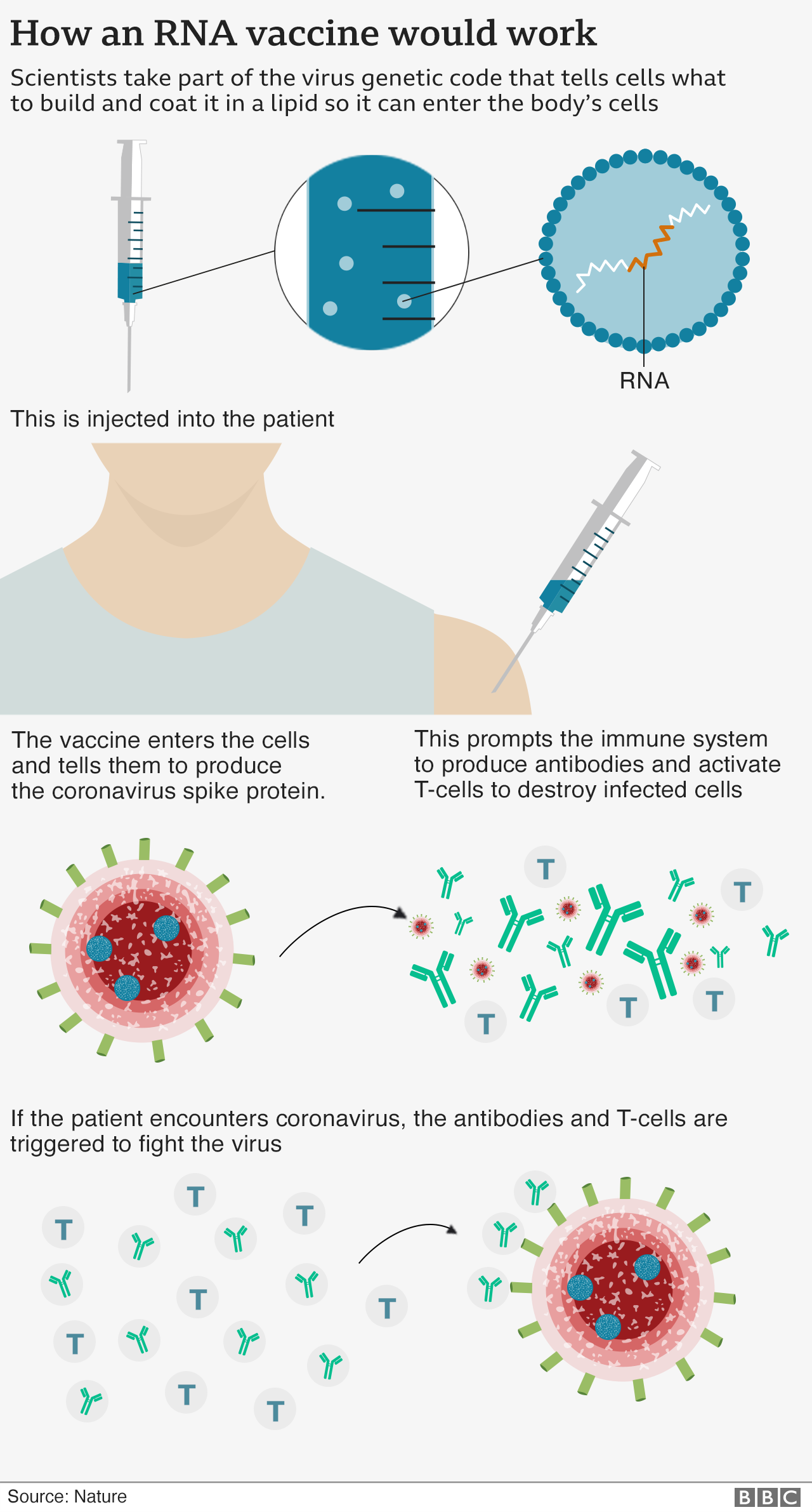
The South African variant has mutated in a gene building spike proteins; the structures on the exterior of the virus enabling it to attach to human cells. These spike proteins are produced by vaccines to inform the body what to search for and what to resist. It is conceivable that any significant alterations to the spike protein could impact to the extent that the body's recognition of the virus is impaired, including once vaccinations take place; or in the event of a previous infection. The antibodies then produced in anticipation may be impacted, no longer capable of properly attaching to destroy the virus.

The possibility exists that the mutations may result in making it more difficult to detect COVID cases by means of the normal polymerase chain reaction testing, meaning the strain might have spread widely already. As it did in South Africa when it swiftly represented the dominant variant in the Eastern and Western Cape provinces of the country. 

Prime Minister Boris Johnson is believed to have been briefed by the U.K. Chief Medical Officer and Britain's Chief Scientific Officer that the presence of the new variant does not leave them overly concerned. Should the South African variant become more widespread and dominant, available vaccines, including the two the U.K. just authorized can be appropriately modified for greater effectiveness against the variant in six weeks' time.

That existing vaccines will still be effective to some extent is a shared belief among most scientists. Researchers, already diligently at work, have now been spurred to work around the clock, determined to discover how dangerous the new variant is, relying on new lockdown measures to aid in stemming the tide, offering scientists time to devise a new solution.

A health worker holds a Covid-19 sample collection kit of a vaccine in Johannesburg, South Africa
There are concerns that the new Covid-19 variant in South Africa could "weaken the impact" of vaccines   Reuters


"We can all help if we redouble our efforts to wash our hands, wear a mask and socially distance."
"The faster and further the vaccine is rolled out, the quicker the end to this nightmare."
James Naismith, director, Rosalind Franklin Institute, professor of structural biology, University of Oxford

Labels: , , ,

Tuesday, November 24, 2020

First The Vaccines, Then The Logistics Surrounding Delivery

"We typically haven't had mass vaccinations campaigns for adults that required multiple doses."
"This is something that could be easily overlooked, but could be an Achilles heel in our program."
Dr.Kumanan Wilson, epidemiology professor, vaccine policy expert, University of Ottawa

"Additional staff may be required to accommodate the added workload to administer the vaccines, manage wait lists and appointments and monitor inventory."
"I have heard some health professionals state that giving the COVID-19 vaccine is going to be like experiencing flu season two times over in terms of their anticipated workload."
Dr.Sherilyn Houle, pharmacy professor, University of Waterloo
Moderna labs
Moderna scientists used an innovative technique for developing the vaccine so quickly   Moderna
 
The world of public health is beginning to focus on the work involved in administering newly-approved COVID-19 vaccines to billions of people worldwide -- in two-shot injections, about a month apart. Logistics for immunization is vastly complicated by the fact that people will receive an initial shot, and then weeks later be expected to turn up for the second and final shot of the vaccine. That, apart from the decisions to be arrived at determining who will be receiving the first shots. Oh, and concerns over the level of uptake, given public resistance to the very idea of the COVID vaccine..

The one issue that appears quite perturbing to the experts, however, is that for the majority of the pharmaceutical companies the vaccine they're promoting is a two-stage inoculation, vastly complicating the entire problem of delivering the vaccine expeditiously, efficiently and reliably. Concerns that people will accept the idea of an initial shot, then resist the urging of medical professionals to return to complete the process with the second shot.

There are ample reasons for concern, given research that consistently concludes that up to 70 percent of adults prescribed a multi-dose vaccine fail to return once the first injection has been done. Should a similar pattern evolve of non-compliance with COVID, it would obviously impair the goal of reaching herd immunity. A good proportion of  the public has always been resistant to taking the annual flu shot, irrespective of health authorities' call on the public to do just that.
 
Graphic

Pediatric infectious disease specialist Dr.Caroline Quach at the University of Montreal, a member of the national advisory committee on immunization, acknowledges that having to administer two doses will represent "a challenge", but "it has to be done". Dr.Wilson and his colleagues developed a mobile app to send text messages reminding people they're due their second dose of the vaccine.

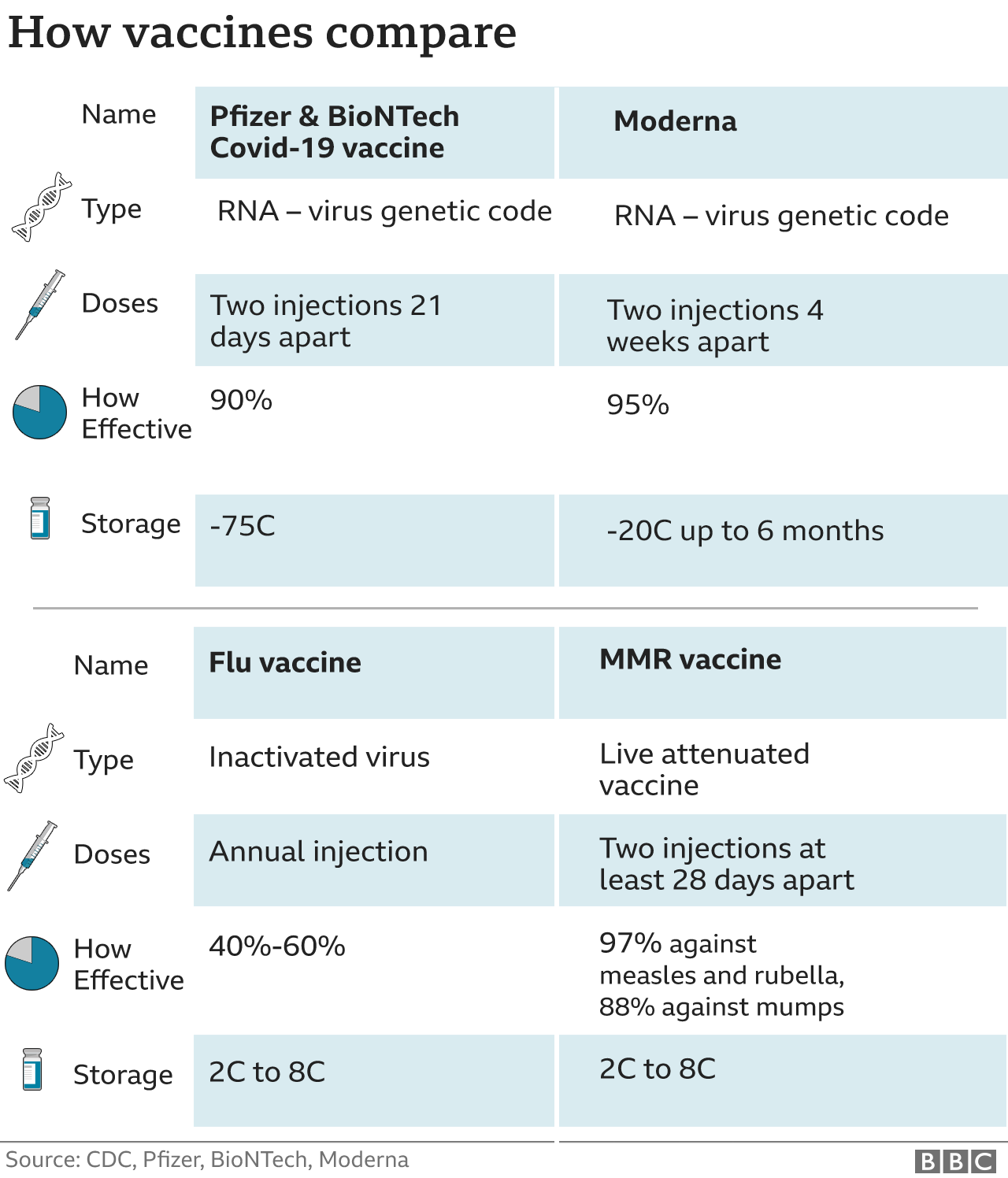
On Monday, a report was issued by AstraZeneca collaborating with Oxford University, that their vaccine was between 70 and 90 percent effective at preventing COVID-19, depending on the dose administered. These front-runners all need two doses for effectiveness; a gap of 21 days is required for Pfizer's vaccine and 28 days for Moderna's and AstraZeneca's. Of seven vaccines completing late-stage trials, one only, developed by Johnson & Johnson requires a single injection, but it is still awaiting Phase 3 results.

Adult vaccination research confirms findings with a consistent theme; "suboptimal". Only 40 to 50 percent of people went on to complete their two-dose hepatitis A and varicells (chickenpox) vaccinations, and numbers fall even lower for teens and young adults. Published last year, a study out of the U.K. found a mere 11 percent of adults received two doses of Hepatitis A vaccine in the space of a year, rising to 23 percent by 36 months.

In 2018, a similar American study suggested a mere 32 percent of adults obtained their second Hepetatitis A injection with 42 months. Reasons/excuses vary from people admitting to researchers they had no idea an additional shot would be required; they couldn't fit an appointment into their schedule; or they needed a reminder, according to Dr.Houle at University of Waterloo, citing results gleaned with a similar study using Alberta data.
 
Vaccine comparison


Labels: , , ,

Tuesday, November 17, 2020

Time-Anxiety in COVID-Vaccine Release, Efficacy, Safety

"Certainly there can be a lot of damage done between now and when vaccine programs are rolled up."
"So, we really hope that the provinces and municipal, political and public health leaders take steps to protect people. And I hope people take steps to protect themselves and their communities."
Isaac Bogoch, infectious disease specialist, Temerty Faculty of Medicine, University of Toronto

"[The preliminary results for both  Pfizer and Moderna vaccines are] incredibly exciting. Both have reported over 90 per cent efficacy, which is really extraordinary and really meaningful. But we do have to remember that these are both based on short-term results after having been immunized.… Would that efficacy hold up over a period of weeks, months or even years?"                                                          "We think we see the light at the end of the tunnel here. We think that there's something that can be added to the toolbox that can really make a difference and change the shape of this curve and the experience that we've all been living through."                                                                                                                "Those are the things that will be huge game changers [whether these vaccines alter the transmission of the virus, including the length of infection, the level of virus in the body and how likely an infected individual is to transmit to someone else]. If the vaccine can alter any of those attributes of the virus."                                             Kate O'Brien, director of the immunization department, World Health Organization (WHO)

"... It’s not a ‘recipe’ that you can make the material out of. It took us years to learn how to make the vaccine and months to train the Lonza people [Moderna’s European manufacturing plant, which is owned by Switzerland-based Lonza] on how to produce it. We’re sending our best people to teach the process and like any young technology, it takes time; it’s a difficult project that involves a lot of transfer of patents. A lot depends on the raw materials and the production efficiency and this is the first time the vaccine is being produced."
"All of that [trust in the trial results and decision to release results] is managed by an independent committee that examines the data and decides when to approve publication. The figures were clear even when there were 53 Covid-19 cases in the experiment, but we waited until we had 95."
"The [test] subjects are living completely ordinary lives, some even work in the healthcare sector. They are all exposed to the virus. In any case, the results are clear and indicate the vaccine is 94.5% effective."
"At this stage, it is too early to tell [whether people who have been vaccinated can no longer transmit the virus], these are figures that we’ll have to examine when we test the blood of vaccinated people for antibodies."
I don’t think that’s reasonable [conjecture that the vaccine might last only 3 months], there are very high levels of antibodies in the blood that we saw in the clinical trials, and that provides a sense of security and optimism. Of course, we will have to monitor the test subjects, but the high effectiveness rates offer a light at the end of the tunnel."
Dr. Tal Zaks, chief medical officer, Moderna
Staff are seen Sept. 29 setting up a production line in Visp, Switzerland, where the Moderna mRNA coronavirus disease (COVID-19) vaccine will be produced. (Denis Balibouse/Reuters)

So the pot of gold at the end of the rainbow might be in sight, once the storm of COVID-19 assaults meets what will be its nemesis, arming vulnerable human beings against the onslaught of SARS-CoV-2 virus causing COVID. The actual proof of its long-lasting effectiveness safely encountered will have to stand the test of time. And in the meanwhile, a restive and fearful, angry and resentful, anguished and bewildered population must bide its time while continuing to follow medical instructions to maintain physical distance, wear face masks and observe carefully protective hygiene protocols.
 
The normal course of developing effective, safe vaccines has been reduced dramatically in the face of this fast-moving, volatile and changeable virus that hasn't obeyed the hitherto-observed behaviours of predecessor viruses, leaving the scientific-medical community bemused and challenged to develop protocols of protective behaviours, asking entire populations to undergo dramatic modifications of what has always been considered 'normal' life. Long engrained habits have had to be abandoned. Social contacts of immense value brought to an abrupt halt.

But the good news is that following Pfizer's announcement that its vaccine has proven hugely successful and the pharmaceutical company is prepared to ask for emergency title to begin production and distribution, Moderna too has released similar triumphant news. And this at a time when the world is overdue for good news, while the second wave of COVID infection has proven to be far excessive of the original in its viciously predatory infectiousness. 

Moderna labs
Moderna scientists used an innovative technique for developing the vaccine so quickly    Moderna

Preliminary data of Moderna's Third-Stage trials give its mRNA-1273 vaccine a 94.5 percent effective rating, outdistancing even the unheard-of 90 percent effectiveness of Pfizer's vaccine. With an added advantage that Moderna's vaccine requires only typical refrigeration, and not the complicated -70C refrigeration of Pfizer's vaccine, making it easier to safely distribute and store. Both pharmaceutical companies' vaccines are pending additional safety data and regulatory review leading to a sooner-than-later authorization in the United States for emergency use, perhaps by December.
 
Both companies, apart from awaiting the verdict of the U.S. Food and Drug Administration in advancing their vaccines' permission to proceed to production and distribution have also asked Health Canada to review their products with a mind to similarly manufacturing and distributing for Canadian use, at a critical junction where infection case rates have been soaring in Canada, yet nowhere near the astronomical heights of infection seen in the United States. 
 
"We are going to have a vaccine that can stop COVID-19", Moderna's president Stephen Hoge said with confidence. Only five infections were seen to occur in volunteers who received the two-shot (28 days apart) mRNA-1273 vaccine, out of a total of 95 receiving the vaccine or an alternative placebo. The company is confident that it will be in possession of sufficient safety data for U.S. authorities within the week or more to enable them to file for emergency use in coming weeks. 
 
No one should be surprised, interjects infectious disease specialist Isaac Bogoch, if things don't exactly run as smoothly as expectations lead people to anticipate, while questions are left dangling awaiting answers; how long the vaccine may last, and how effective the inoculation will be in a real-world setting.

Vaccine comparison

Labels: , , , ,

 
()() Follow @rheytah Tweet