Eating Well, Controlling Weight
"It speaks to the fact that people selling us this food understand it's not just about hunger."
"Sometimes people get more joy from food than other areas of life. It is a consistent, reliable pleasure, and certainly we see it sometimes in individuals who have experienced certain types of childhood trauma. The people in their lives couldn't consistently be depended on to be positive, and food was the only thing that always made them feel better."
"Food was a comfort, a consistent source of happiness. And it becomes difficult to break that pattern when they become adults. Any time of discomfort or stress food is going to be the go-to mechanism."
"You start to get hungry, your glucose level drops. Your brain uses glucose for fuel, it mobilizes your body to get food, and the cravings start."
"Stress hormones like cortisol get released. People get hungry, they get angry, they get irritable, and they want to eat. Some people really dislike that feeling and will eat to prevent it."
Dr.Valerie Taylor, chief of psychiatry, University of Calgary
 |
| Everyday Health |
People are variously motivated to bring them to the table; some people eat for pleasure, while others eat hoping to avoid discomfort. One in four adults in Canada are now obese. There are reasons other than hunger that people turn to food. It is, after all, an absolute existential necessity. If no food is available starvation threatens. There have been, and continue to be instances in human history where famine is the result of conditions causing the growth and maturation of food crops to fail; from weather to regional conflict.
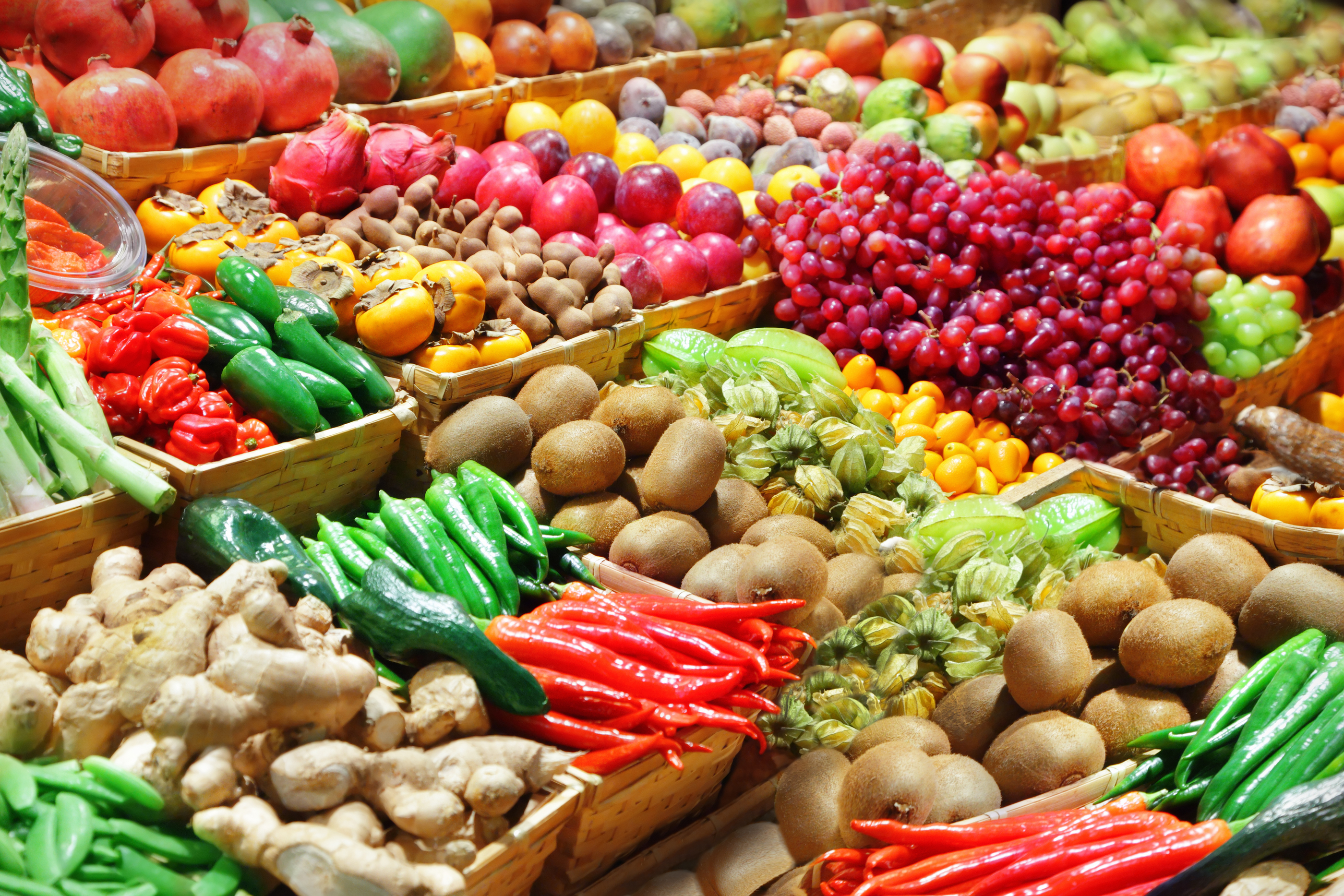
It is by now well known that people have a tendency to overeat, to consume greater quantities of food than their bodies require for the energy output of a working day. Large numbers of any community turn to dieting in the hope of controlling weight gain, when controlling one's appetite for non-whole-foods is far more effective in the long run. Diets simply do not tend to work. At first unwanted weight is dropped, but there is the all-too-human tendency to revert to habits forbidden by diets and the weight comes back.
 |
| Harvard Health |
On the other hand, the whole diet concept works against human psychology. Anything that is forbidden becomes more alluring. If a dieter is informed not to eat chocolates, not to eat doughnuts much less any food item classified as low on the nutrition scale and high on the calories, what arises is an inner resistance and resentment. The forbidden fruit haunts the mind and the body's psychology kicks in with cravings. The solution can be as simple as succumbing to a craving rationally; eating one doughnut and not a second, a third and more.
Diets in and of themselves tend not to be sustainable. People mostly return to previous eating patterns -- all the more so if the diet has been a restrictive one where the body reacts when weight is lost and the brain slows down metabolism. Weight re-gain is inevitable with the reversion to the original eating pattern, at a time when metabolism has been slowed. Weight is regained and the body must once again reset itself.
The urge for certain foods is often driven by stress, when we're vulnerable to making impulsive choices. At the same time alcohol appeals to many people as a way to cope with stress, even while alcohol consumption has a tendency to reduce self-control, increasing impulsivity, the while it makes food taste even better. Normal satiety signals fail to penetrate consciousness when the body's ability to self-regulate has been disrupted, as happens when alcohol has been imbibed and attention is turned to food.
 |
| Food for a healthy diet |
Food consumption as a mitigation of stress in contemplating worrisome life events is yet another factor in weight gain. Positive emotions take the place of stress when there is an increase in glucose as happens with food consumption. Once that positive effect wears off there is a compulsion to repeat the process for pleasurable emotions to return, driving an eating habit to cope with stress. And then there is the issue of recognizing when one is being manipulated by food suppliers.
Food manufacturers have long played the game of paying to have their products prominently displayed on supermarket shelves. Those enticing, colourful food containers appeal to the hungry brain. And for the most part they represent ultra-processing of food. A study published in the journal Cell Metabolism found even when two diets are matched for similar carbs, fat, sugar, salt and calories, people will consume more and gain weight more on ultra-processed foods.
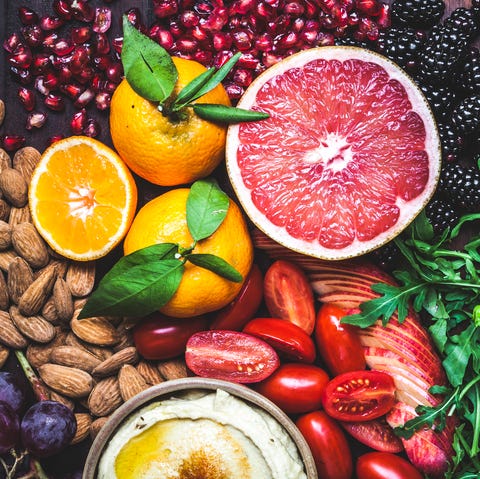
Irrespective of the type of diet people choose for themselves; low-carb, high-carb, keto or vegan or Paleo, recognizing that all of these eating plans turn toward the avoidance of significant amounts of highly processed foods, they have the potential to work well if they are viewed sensibly. In the final analysis, however, people are far better off in the quality of foods they consume if they conduct most of the preparations themselves in their very own kitchens.
Labels: Diets, Food Plans, Health, Menus, Processed Foods, Research, Weight Gain
posted by Pieface @ 6:41 PM
0 comments