Ruminations

Blog dedicated primarily to randomly selected news items; comments reflecting personal perceptions

Saturday, June 19, 2021

Convenience Foods, Processed Foods, Clean Label Lists

"Clean label definitely gives this idea that yes, this product is as natural as it can possibly be."
"Consumers demand different types of attributes, for example: Foods that are healthy; foods that are not produced using pesticides or chemicals; foods that are in agreement with environmental stewardship." 
"So it's that sort of misalignment between expectations and what can possibly be done with current technologies."
"Not to mention that it [microwave -assisted thermal sterilization] uses less energy. The carbon footprint emission of these technologies is lower than their counterpart. So it is not only good for the person who is going to have it in terms of satisfying their expectations of  taste and flavour and healthiness because it doesn't have the long list of additives, but it is also good for the environment."
"There are thousands of factors that can influence consumer behaviour when deciding what foods to purchase and consume."
Karina Gallardo, professor of economics Washington State University 
Clean label foods
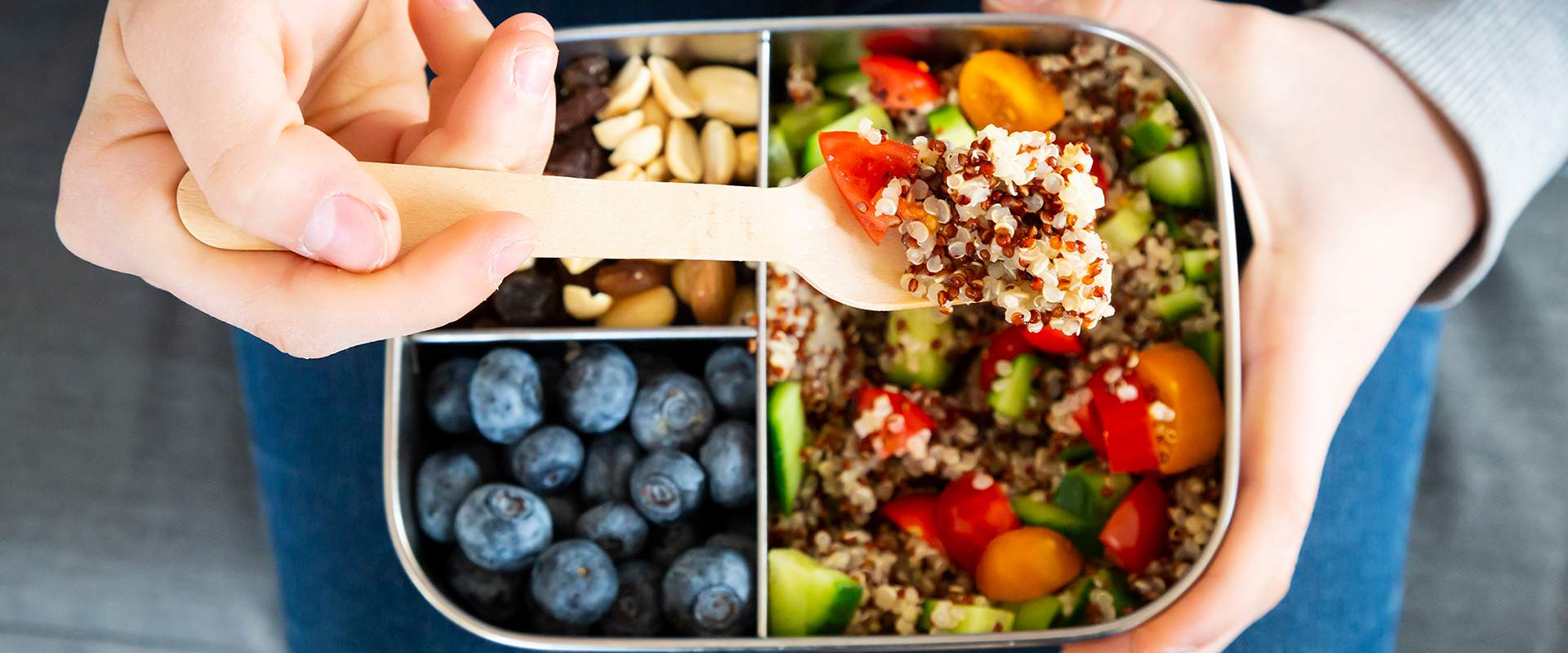
"Don't buy products with more than five ingredients or any ingredients you can't easily pronounce"; advice by  a best-selling author of the book In Defense of Food. And it's pretty good advice. "If you can't say it, don't eat it", the advice of Michael Pollan. It may have taken a while to penetrate, but at the present time consumers are increasingly looking out for what is called in the industry 'clean label foods'. These are labels listing few items in their processing, short lists of recognizable ingredients, mostly of natural derivation.

The follow-up question actually should be: Is it whole food, if it's been processed? But that's another, digressive story. People think of clean label convenience foods as healthier than foods whose ingredient lists seems interminable. Lists that include chemicals in the ingredients of unknown origin and purpose; tongue twisters like azodicarbonamide, butylated hydroxyanisole, and calcium disodium ethylene-diaminetetraacetate. Tongue-twisting challenges to mouth, much less to ingest. 

Those are the ingredient labels that make consumers who bother checking them, shudder. Whereas the clean labels listing no more than five explicated ingredients strike the consumer as superior and as a result, healthier. They are forgiven for the sin of being, in actual fact, processed food. Dr.Gallardo of Washington State University is author of a new study which set out to examine consumer preferences, published in the journal Agribusiness.

Dr.Gallardo, along with Washington State economist Jill McCluskey and Kara Grant, economist at Missouri Western University, concurred that many people are prepared to pay more for ready-to-eat foods whose composition lists bear fewer ingredients. Consumers appear inclined to select clean label foods produced with new technologies geared to limit the use of artificial or chemical components, in the name of extended shelf life properties.
 
https://www.lek.com/sites/default/files/hero-images/insights/2174-clean-label-food.jpg
Earlier published studies have indicated that people consider new food technologies to represent "risky or unhealthy, or even unethical" food preparations, although the expectation is that a continually expanding number of clean label convenience foods available in grocery stores will be available. And these are foods requiring innovative technologies in food production. 

The researchers defined clean label foods for their study as those with few ingredients without factoring in ingredients familiarity; surveying one group of participants to determine the value they place on clean label foods, and a second group to determine whether including the name of a new technology might affect their choices. Study participants were asked their thoughts on microwave-assisted thermal sterilization (MATS); using heat to kill pathogenic bacteria, much like a microwave oven.

Over half the participants stated their preference for clean label ready-to-eat meals marked with the new technology name. MATS technology results in processed meals that appear and taste as though they were prepared recently, unlike conventional food preservation technology where taste is compromised along with texture and vitamin content, to achieve longer shelf life.

With the new technology, vegetables retain their fresh crunch and vibrant colour "so there is no need to apply a long list of additives, chemicals or salt in order to preserve that", explains Dr. Gallardo. Obviously, the opinion of consumers is that all technologies are not created equal, since much depends on the name of the technology and the manner in which it is communicated. 

A label mentioning genetic modification elicits suspicion: "There is an intense rejection". When the word microwave appears in the technology name presented to participants it calls to mind a technology commonly used in a householder's kitchen, therefore acceptable in its familiarity. Both groups of study participants had a preference for clear labels, but a large minority was not willing to pay a premium for products with fewer ingredients.

Within the larger group, the study indicated, people who profess belief in clean label foods and those who favour a shorter list of ingredients dominate in a more relaxed way about these choices. In marked contrast to those who are strong believers in clean label foods, and on the opposite end, those indifferent to clean labels altogether.

Pic: GettyImages/gpointstudio
Getty Images

Labels: , , , ,

Friday, September 04, 2020

Home Cooking Vs Processed Food Products

Lina Bruins | EyeEm | Getty Images

"While the telomeres do not contain genetic information themselves, they are vital for preserving the stability and integrity of chromosomes, and by extension, the DNA that every cell in our body relies on to function. As we get older, our telomeres get shorter since each time a cell divides, part of the telomere is lost, thus telomere length is considered to be a marker of biological age. In this cross-sectional study of elderly Spanish subjects, we showed a robust association between ultra-processed food consumption and telomere length."                                                                 "Further research in larger longitudinal studies with baseline and repeated measures of telomere length is needed to confirm these observations."                   Research, University of Navarra, Pamplona, Spain

Canadians get nearly half of their total calories from ultra-processed foods, according to previous research from Heart & Stroke.

A year ago, Spanish researchers published findings -- after following 19,899 people over a two-decade period -- that appeared in the British Medical Journal. Researchers from Navarra University sorted processed foods into categories ranging from unprocessed to ultra-processed, four groups in all, to discover that the latter group linked people to early deaths. Five or more servings of ultra-processed foods consumed daily had the result of increasing mortality risk by 62 percent, each additional serving increasing mortality risk by 18 percent. Cancer was seen as the major cause of death, at an average age 58.

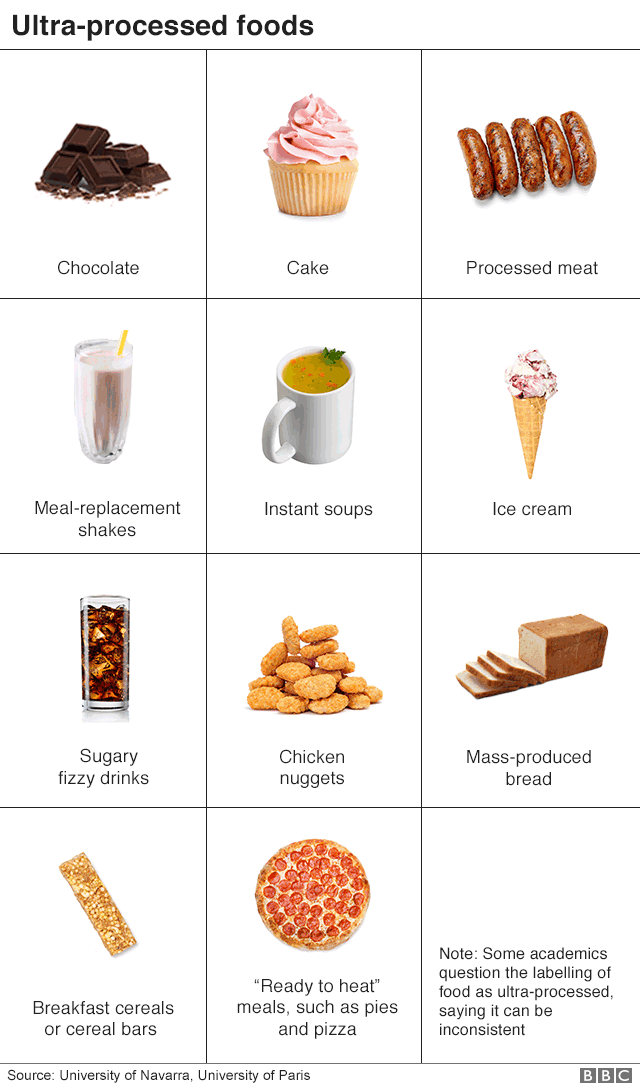
According to the May 2019 report: “Processed meats, sugar sweetened beverages, dairy products, and French fries were the main foods contributing to the ultra-processed food consumed". The study pinpointed a wide range of processed foods covering all categories, including chocolate, cookies, potato chips, pizza, meatballs, doughnuts, mayonnaise, margarine, breakfast cereals, milkshakes, soda and sweetened drinks, chicken nuggets, croissants and pastries, processed meats, instant soups, ice cream, and distillation-produced alcohol. 

Researchers at the University of Paris and the University of Montpellier also published the results of a study monitoring dietary habits of 105,159 people over age 18 between the years 2009 and 2018. The conclusion of this study resulted in the finding of a clear link between ultra-processed food consumption and cardiovascular disease. Cardiovascular disease is known to be the main cause of worldwide deaths. "This report is based on an associative study which would normally lead to or be the start of more detailed research. Health professionals continue to promote a combination of a healthy lifestyle and meat has its place in a balanced diet", commented a spokesperson for the Agriculture and Horticulture Development Board, a UK farming body.

More latterly, researchers from the University of Navarra presented a more recent study at the online European and International Conference on Obesity, the study published in the American Journal of Clinical Nutrition, where researchers concluded that those who consume over three servings of ultra-processed foods each day are twice as likely to have shortened telomeres, the protein structure at each end of a chromosome, acting as protection for the chromosome, which researchers recognize as an indicator of aging.

Ultra-processed foods could be linked to agining cells, a study suggests. (iStock). 
Ultra-processed foods could be linked to ageing cells. (iStock). 

The research analyzed 645 men and 241 women with an average age of 67.7 years, to discover that as consumption of ultra-processed foods increased. the likelihood of having shortened telomeres did as well. "Medium-low" consumption with 2-2.5 servings daily held an increased risk of 29 percent, while "medium-high", with 2-5.3 daily servings saw that risk rise to 40 percent. "High", with over 3 servings daily, saw the consequential risk rise to 82 percent.

As well, an association between consumption of ultra-processed foods and depression, hypertension, overweight/obesity and premature mortality were all identified by the researchers. The Heart & Stroke Association has advice for those concerned enough to avoid frequent ultra-processed foods consumption; to cook at home more frequently, to eat with others and become more wary of food marketing ploys. Items marketed as "wholesome", "nourishing", and "organic", may be anything but.

Labels: , , , , , ,

Saturday, July 18, 2020

JUST Settling for Less Nutrition

"The mission of the company is to try to build a healthier food system as fast as we possibly can. And we're going to do that by focusing on building technology and bringing products to people."
"But much more important than anything that we're doing are individual consumers in their everyday lives, in their own families deciding that they want to be a part of creating a healthier food system too."
"It's that shift, it's that drive, it's that leadership that is going to change this world. And I'm just really proud that we get to bring [our products] to Canadian consumers."
Josh Tetrick, co-founder, CEO, JUST Plant Egg
VegNews.JustPlantEggCanada

"[The most significant difference between the JUST Plant Egg and a poultry egg] is the absence of essential nutrients including vitamin B12, selenium, vitamin A, vitamin D, choline and two antioxidants -- lutein and zeaxanthin -- all of which reside primarily in the egg yolk."
Amanda Li, registered dietitian, Toronto
The mission statement of the JUST Plant Egg as repeated above, is clearly commercialization-oriented, an opportunity to grow yet another alternative food source to deliver protein, and present itself as an improvement over standard old stand-bys such as animal product-type poultry eggs, while delivering a message of environmental responsibility and virtuous superiority. Just -- another highly processed food product, presenting yet another choice for conscientious consumers, setting aside the emotionally charged purple prose of marketing environmental consciousness.

A presentation by food company Eat JUST, Inc., based where else? in Silicon Valley, where its 'folded scramble', labelled JUST Egg in the United States, introduced to the U.S. food market there several months ago, destined to be known as JUST Plant Egg when it reaches stores in Canada. It will be widely sold, in over 100 Walmart stores across Canada, in Whole Foods Market locations, available for the recommended retail price of $6.99, which will buy a four-pack in the freezer section.

This is a precooked product, meant to be reheated in a toaster, a microwave, oven or stovetop frying pan. Not exactly what is meant by 'whole food' in the sense that it is not quite as nature produced it, but rather, processed as nature might never have imagined it. The product can be used to prepare scrambled eggs for breakfast, in sandwiches, wraps burritos, stir-fries, grain bowls and fried rice.

The JUST Plant Egg is pre-cooked and designed to be reheated in a toaster, microwave, oven or in a frying pan on the stovetop.
The JUST Plant Egg is pre-cooked . Eat JUST, Inc.

The plant-based egg, which contains turmeric for its yolk-similar colouration, is favourably comparable to a standard egg in protein content. And while a hen's egg contains six or seven grams of protein, the JUST Plant Egg has a standard seven grams, cholesterol-free, with 100 calories, in comparison to a hen's 80, with seven grams of fat (0.5g saturated fat) as opposed to a conventional egg's five grams (1.5g saturated).

Basically, the Plant Egg is comprised largely of mung bean protein, is a non-GMO product, with all natural flavours. A new survey examining dietary preferences in the last six months suggests that vegetarians, vegans and pescatarians in Canada are increasing in number. "Canada may have more than 600K vegans now", (out of a total population count of 37.59 million), according to Sylvain Charlebois, senior director, Agri-Food Analytics Lab, Dalhousie University. "47.1 percent of Canadians would consider alternative sources of protein", the lab found, in a survey.

 Eat JUST, Inc. is launching its folded plant-based egg in Canada this fall.

Labels: , , , ,

Monday, December 09, 2019

Eating Well, Controlling Weight

"It speaks to the fact that people selling us this food understand it's not just about hunger."
"Sometimes people get more joy from food than other areas of life. It is a consistent, reliable pleasure, and certainly we see it sometimes in individuals who have experienced certain types of childhood trauma. The people in their lives couldn't consistently be depended on to be positive, and food was the only thing that always made them feel better."
"Food was a comfort, a consistent source of happiness. And it becomes difficult to break that pattern when they become adults. Any time of discomfort or stress food is going to be the go-to mechanism."
"You start to get hungry, your glucose level drops. Your brain uses glucose for fuel, it mobilizes your body to get food, and the cravings start."
"Stress hormones like cortisol get released. People get hungry, they get angry, they get irritable, and they want to eat. Some people really dislike that feeling and will eat to prevent it."
Dr.Valerie Taylor, chief of psychiatry, University of Calgary
Image result for losing weight, diets, health
Everyday Health

People are variously motivated to bring them to the table; some people eat for pleasure, while others eat hoping to avoid discomfort. One in four adults in Canada are now obese. There are reasons other than hunger that people turn to food. It is, after all, an absolute existential necessity. If no food is available starvation threatens. There have been, and continue to be instances in human history where famine is the result of conditions causing the growth and maturation of food crops to fail; from weather to regional conflict.

It is by now well known that people have a tendency to overeat, to consume greater quantities of food than their bodies require for the energy output of a working day. Large numbers of any community turn to dieting in the hope of controlling weight gain, when controlling one's appetite for non-whole-foods is far more effective in the long run. Diets simply do not tend to work. At first unwanted weight is dropped, but there is the all-too-human tendency to revert to habits forbidden by diets and the weight comes back.

Image result for losing weight, diets, health
Harvard Health

On the other hand, the whole diet concept works against human psychology. Anything that is forbidden becomes more alluring. If a dieter is informed not to eat chocolates, not to eat doughnuts  much less any food item classified as low on the nutrition scale and high on the calories, what arises is an inner resistance and resentment. The forbidden fruit haunts the mind and the body's psychology kicks in with cravings. The solution can be as simple as succumbing to a craving rationally; eating one doughnut and not a second, a third and more.

Diets in and of themselves tend not to be sustainable. People mostly return to previous eating patterns -- all the more so if the diet has been a restrictive one where the body reacts when weight is lost and the brain slows down metabolism. Weight re-gain is inevitable with the reversion to the original eating pattern, at a time when metabolism has been slowed. Weight is regained and the body must once again reset itself.

The urge for certain foods is often driven by stress, when we're vulnerable to making impulsive choices. At the same time alcohol appeals to many people as a way to cope with stress, even while alcohol consumption has a tendency to reduce self-control, increasing impulsivity, the while it makes food taste even better. Normal satiety signals fail to penetrate consciousness when the body's ability to self-regulate has been disrupted, as happens when alcohol has been imbibed and attention is turned to food.

Image result for losing weight, diets, health
Food for a healthy diet

Food consumption as a mitigation of stress in contemplating worrisome life events is yet another factor in weight gain. Positive emotions take the place of stress when there is an increase in glucose as happens with food consumption. Once that positive effect wears off there is a compulsion to repeat the process for pleasurable emotions to return, driving an eating habit to cope with stress. And then there is the issue of recognizing when one is being manipulated by food suppliers.

Food manufacturers have long played the game of paying to have their products prominently displayed on supermarket shelves. Those enticing, colourful food containers appeal to the hungry brain. And for the most part they represent ultra-processing of food. A study published in the journal Cell Metabolism found even when two diets are matched for similar carbs, fat, sugar, salt and calories, people will consume more and gain weight more on ultra-processed foods.

Irrespective of the type of diet people choose for themselves; low-carb, high-carb, keto or vegan or Paleo, recognizing that all of these eating plans turn toward the avoidance of significant amounts of highly processed foods, they have the potential to work well if they are viewed sensibly. In the final analysis, however, people are far better off in the quality of foods they consume if they conduct most of the preparations themselves in their very own kitchens.

Labels: , , , , , ,

Wednesday, August 07, 2019

Vegan Burger? Cool! 

"The Beyond Meat burger is technically a processed food. We know that diets higher in processed foods are linked to the development of disease."
"If you're somebody who's at risk for colorectal cancer, eating more red meat is going to further increase your risk for developing colorectal cancer."
Amanda Lapidus, dietitian

"French fries are plant-based [and notoriously unhealthy]."
"Would I eat it [plant-based burger] every day? No. Would I eat a burger every day? No, I wouldn't." "This is the same thing."
Abby Langer, dietitian

"[Ultra-processed foods are those which] go through multiple processes [extrusion, moulding, milling, etc.], contain many added ingredients and are highly manipulated. [e.g. hotdogs, chicken nuggets, sweetened breakfast cereals, ice cream, chocolate]."
Heart and Stroke Foundation

"For the last million years, we've evolved with a very specific diet that's been based on whole foods. There hasn't been a change in our diets this drastic in all of human evolution with the exception of one event in human history: when the Neanderthals ventured from forests into pastoral land and started agricultural practices [over 12,000 years ago]."
"Where this gets troublesome is consumers now see that this vegan burger has pea protein -- and they associate this vegetarian product, which is formulated from all these refined ingredients, and they think it's the same as eating a plate full of peas."
"We've created a whole new form of malnutrition that, from an evolutionary perspective, didn't exist until a hundred years ago. There is no anthropological evidence to suggest juvenile Type 1 or Type 2 diabetes. There's no anthropological evidence that suggests that diseases like metabolic syndrome even existed a hundred years ago. And that is a direct consequence of the ultra processing of our foods."
"These consumers are blindly purchasing foods that they think are healthy because they associate it with a plant. But once that food has been processed, it doesn't matter if it came from a plant, or a piece of cardboard -- whatever -- the whole food has gone."
Michael Rogers, food scientist, University of Guelph
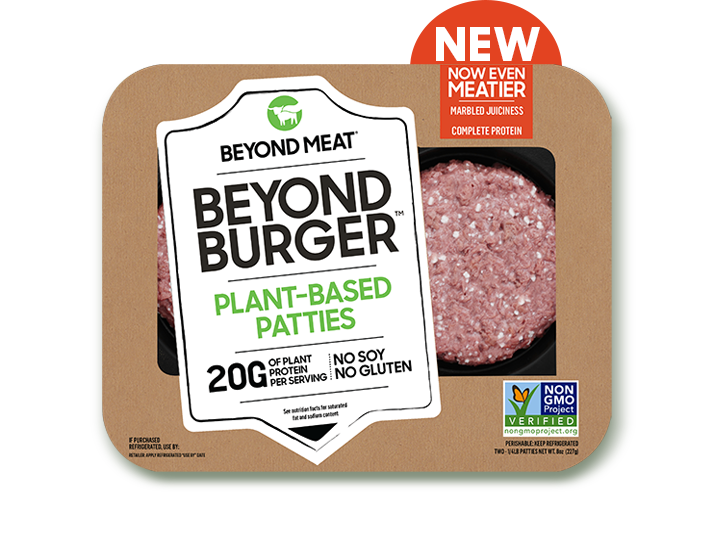
Beyond Burger™
Well, not quite, Dr. Rogers. In point of fact diabetes has been around longer than a century. Recorded history dates awareness of diabetes back several millennia; that's thousands, not merely hundreds of years, as a metabolic disorder. So yes, as a food scientist (not an endocrinologist) Dr. Rogers as a food scientist knows as a professional what constitutes whole, nutritious foods to stoke the furnace of energy in the human body. And that highly processed foods which have proliferated and form a high percentage of most people's diet is an inferior product to stoke that furnace.

The question quite specifically revolves now around the concept of meat alternatives that are meant, through a food manufacturing system, to replace meat, yet taste like meat to please the human palate. For both health and environmental reasons, reducing reliance on meat products in the human diet makes eminently good sense. If it is done sensibly, that is. The Beyond Meat product appears to have satisfied people's craving for meat patties, having passed the taste-test to the extent that it has become widely available and vastly popular.

What dietitians are questioning now, is whether that alternative is indeed the healthy choice its manufacturers claim it to be? According to a study by the National Institutes of Health, when people consume more processed foods, they are also by doing that, consuming more calories and as a natural result, they gain weight. Weight gains out of proportion to what is considered normal lead to complications like kidney disease, diabetes, hypertension, high cholesterol and heart disease, though to be fair some of those conditions can also present with advanced age, not necessarily weight alone.

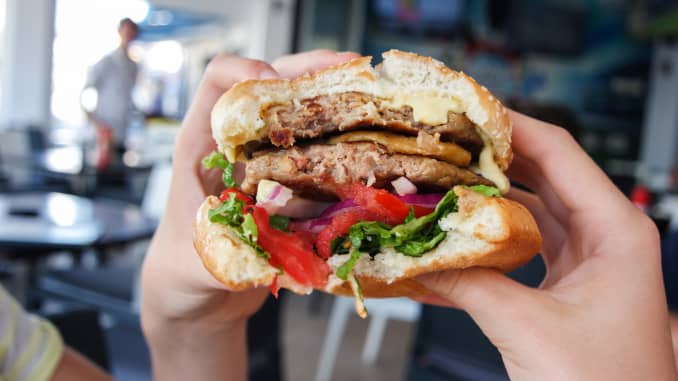
A vegan burger produced with a Beyond Meat patty alongside a salad will have 990 calories, 63.9 grams of fat, and 1,539 milligrams of sodium. Producers other than Beyond Meat are now developing their own versions of plant-based proteins like that of Beyond Meat which touts its product as one that successfully competes with meat in taste, texture and nutrition. Its runaway success has inspired other food processors to get into the market because it is profitable. As an alternative to tofu and legumes there now is the alternative of Beyond Meat.

Both dietitians quoted above feel that discretion should be used; the occasional consumption of the Beyond Meat product is reasonable; making it a constant choice may not be. A Beyond Meat burger at A&W holds over half one's daily sodium requirement (1,110 mg) and is not a good option for anyone with hypertension. That same chain's teen burger with bacon has 910 mg. of sodium, and that's food for thought. There are 250 calories, 18 grams of fat, 390 milligrams of sodium and 20 grams of protein in a 113-gram Beyond Meat patty.

According to Health Canada, 113 grams of lean ground beef contains 292 calories, 16.5 grams of fat, 105 milligrams of sodium and 33 grams of protein. Compare that to 113 grams of Yves' Veggie burger containing 165 calories, nine grams of fat, 602.4 milligrams of sodium and 18 grams of protein. From the Industrial Revolution forward, points out Dr. Rogers, food companies have focused on formulae to make food more shelf-stable, palatable and functional by extracting, purifying and manipulating proteins, carbohydrates and fats, also added to formulated foods like the Beyond burger.

The original biological structure of an animal or plant-derived cell is transformed, no longer responding the same way in our bodies, when its broken down. Yellow pea protein isolates comprise the Beyond Meat products, where the pea itself is broken down through a number of processes and other ingredients like refined coconut oil and natural flavours are added to produce a cohesive patty with a palate-appealing taste. When people consume refined food products the cell structures meant to slow down digestion have been removed.

The result of eating refined food products is that the energy the food supplies is consumed by the human body more swiftly and easily, resulting in spikes of insulin, that can lead in time to diabetes onset. When the human body digests carbohydrates that have been refined it becomes transformed from a complex to a simple carbohydrate. The take-away to this lesson in human biological processes, is that where processed foods are concerned, moderation is the key, as it is in all things.

Aroma’s Power Burger. Aroma Espresso Bar/Twitter

Labels: , , ,

Monday, June 10, 2019

The Message on Steroids, the Response Disinterest

"The public should avoid these foods as much as they can."
"We need to go back to more basic diets."
MathildeTouvier, French NutriSanté study, University of Paris

"Ultra-processed foods already make up more than half of the total dietary energy consumed in high-income countries such as [the U.S.], Canada and the U.K."
"In the case of Spain consumption of ultra-processed food almost tripled between 1990 and 2010."
"Ultra-processed foods are made predominantly or entirely from industrial substances and contain little or no whole foods. They are ready to heat, drink, or eat."
Maira Bes-Rastrolio, lead author, Spanish study, University of Navarra

"[Policy makers] should shift their priorities away from food reformulation -- which risks positioning ultra-processed food as a solution to dietary problems -- towards a greater emphasis on promoting the availability, affordability, and accessibility of unprocessed or minimally processed foods."
Editorial, Australian researchers
A shopper in the ready meal aisle of a supermarket. Photograph: Alamy
"Governments must do more to comprehensively reduce the availability, affordability, and appeal of processed foods high in fats, sugars and salt."
"It is critical to pursue further research on the connection between food and health. There is a lot we do know but also a lot we have yet to learn. We need more and more studies to build up a bigger picture."
Prof Corinna Hawkes, director of food policy at City University London
They're the food stuff of an ultra-busy world, too preoccupied with other things to waste time preparing meals out of whole foods such as fresh fruits and vegetables, unprocessed meat, fish, eggs and other products that have not been transformed as far from their natural state as can be imagined. But they're inexpensive and they're convenient. Quick-and-easy is the formula. And it seems to work for a large segment of the population.

We've been hearing from nutritionists for years that consumption of processed foods can be injurious to one's health and longevity. A growing body of scientific evidence points out how and why ultra-processed foods are harmful to human health. And yet another two such studies have been published just weeks ago in The British Medical Journal. One by a French team which associated ultra-processed diets with a greater risk of cardiovascular disease, and a Spanish study that found an increased premature death risk associated with the steady consumption of ultra-processed foods.

The health and lifestyle data of over 105,000 people analyzed in the French study concluded that those who ate the most ultra-processed food were at the highest risk of cardiovascular disease; heart attack and stroke. Each incremental ten percent increase correlated with a 12 percent rise in disease risk. Highlighted were packaged soups, TV dinners, chicken nuggets, fries, hotdogs, ice cream, sweetened breakfast cereals, candy and soft drinks.

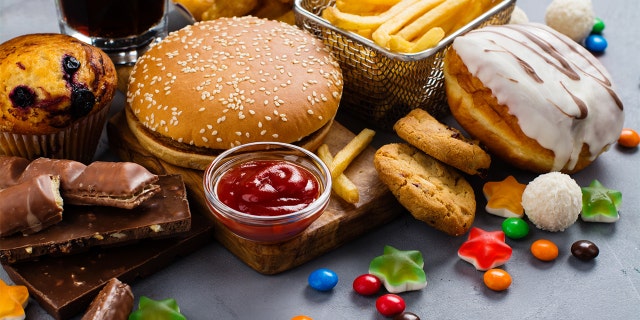
That's just for starters, among the ubiquitous foods found everywhere that fall into the category of ultra-processed foods. They are called food but they are as far from whole foods as processing can possibly produce. And for most people who consume these foods they are simply accepted as their mainstay diet; quick, easy, convenient, available and cheap. What they all have in common, aside from the health risk associated with regularly consuming them, is their long ingredient list and their modified forms.
Food market
While the term ultra-processed food may be new, the health advice will be very familiar: adopt a Mediterranean-style diet.  Getty Images

The same food in basic form, unmodified, has no list of ingredients. But of course, as whole foods they require preparation if they're protein-based. The Spanish study led by professor of preventive medicine and public health at the Universidad de Navarra, Maira Bes-Rastrollo, examined food consumption patterns of an estimated 20,000 university graduates, aged 20 to 91. After factoring for smoking, age, body mass index and gender the heaviest consumers of ultra-processed foods (four servings daily) were found to be 62 percent likelier to die prematurely as opposed to the lightest (fewer than two servings daily).

Furthermore, mortality risk rose by 18 percent accounting for each additional daily eaten portion. How to recognize ultra-processed foods? A large list of industrial ingredients, with few or no whole foods, the product in ready-to-eat form. These are faux foods designed to taste palatable, and the advertising accompanying them meant to be persuasive, alluringly packaged. They are legion. And they are so ubiquitous their presence is taken for granted as completely normal fare.

That they have taken the place in most peoples' daily diets of the whole foods that are natural, nutritious and appealing, but require preparation and forethought, speaks volumes of the popularity of an alternative requiring no thought and no preparation and a lack of curiosity on the part of the consumer about what they're really eating and how it fails to benefit their health and longevity needs while fitting the bill for cheap availability; most of all, no fuss, no mess.
BBC graphic


Labels: , , , , ,

Wednesday, May 29, 2019

Lifestyle Habits : You Decide

"Obesity is unique in that some doctors and much of society feel comfortable moralizing about it."
"Lifestyle has the ability to both treat and prevent a ton of medical problems, but the only one we seem to moralize about is obesity."
Yoni Freedhoff, co-founder, Bariatric Medical Institute, Ottawa

"It's clearly absolute nonsense to think that the current obesity crisis has been caused by a deficit of willpower."
"For that to be true, willpower would have had to have collapsed in every continent of the globe simultaneously across men, women, people of all ages. It's really bizarre that we still want to view that as the main cause of obesity rather than looking for environmental causes, but people just cling onto these ways of thinking."
"We're living in a world in which we're being sold a huge surfeit of calories every day. So you can easily become overweight or obese just simply by choosing among the affordable foods that are available to you."
"We should be so much more critical of the people selling us the food, and so much less critical of ourselves. It makes me upset to think about how many people, especially women, internalize this huge sense of guilt around food and a sense we should be doing better, and we're lacking in willpower when actually the choices we're being offered are crazy. Completely crazy, inhuman levels of choice."
"I just wish we would stop beating ourselves up so much and stop believing there has to be one absolute true answer. Because food isn't really like that. As omnivores, we've always eaten a range of foods; we've muddled along, we've adapted to environments. That middle ground gets lost."
Bee Wilson, author, The Way We Eat Now

"As insulin goes up, the body stores body fat. That's the job of insulin, to tell our body to store body fat. If insulin does not go up, then your body will use it in other ways. It won't store the body fat."
"If you eat 100 calories of cookies versus 100 calories of avocado, the minute you put it in your mouth, the hormonal response is completely and utterly different."
"If you eat cookies, insulin goes up and  your body stores body fat. If you eat avocado, insulin does not go  up. Your body tends to burn body fat because it still needs energy to run the liver and so on."
"All diets work in the short term. But we've been ignoring the long-term problem of insulin resistance. [The solution is to establish the balance between feeding and fasting]; We get so bogged down in carbs and fat and protein that we lose sight of the really important thing. And that's where I wanted to refocus people; 'Hey, we need to look at this meal timing question because it's a question of what to eat and a question of when to eat."
Jason Fung, nephrologist, Toronto author, The Obesity Code


Teenagers, according to Psychology Today, who think of themselves as overweight are so burdened with the vision of themselves as unattractive, unreflective of the ideal body shape, they are likelier than other teens to attempt suicide and to suffer depression. This, aside from the fact that we are killing ourselves, slowly but surely; shortening our lifespans, exposing ourselves to greater likelihood of acquiring life-sapping chronic diseases, by our lifestyle choices; above all by the kinds of food we energize our bodies with.

A major study published recently in The Lancet medical journal points out that poor diets kill 11 million people globally every year, more people dying of that cause than those who die as a result of tobacco use and second-hand smoke. Food security is viewed as having an impact even in developed countries such as Canada as well as elsewhere, while generally speaking most people live with a plethora of food choices. Rates of overweight and obesity have tripled since the mid-1970s.

Obesity is linked to increased risk of many disease, including some cancers, heart disease, high blood pressure, and Type 2 diabetes -- which itself can lead to the previously-named conditions. We are faced with a situation where omnipresent food advertising and the ready availability of calorie-dense, nutrition-absent food rules society. Never has that old adage, "everything in moderation" been more critical to healthy outcomes than at the present time. "Eat less, move more", seems like a simple formula for attaining and maintaining better health, but it seems to fall on deaf ears.

Family walking together outside.
When combined with healthy eating, regular physical activity will help you lose weight and stay at a healthy weight.

In a survey of over 1,500 American adults, three-quarters of the respondents reported their belief that the best treatment for obesity is summoning the self-discipline to go on a diet. Scientific evidence appears, confoundingly, to reject that belief, citing the fact that most grocery supermarkets offer up to 40,000 different food products. Even visiting one of the ubiquitous convenience stores exposes consumers to a wide array of convenience food products, foods whose wholesome quality has been processed and adulterated.

So yes, we should be critical of the manufacturers of this ersatz food. And we should tune out the advertisements that we and our children are exposed to constantly. We should indulge from time to time in a bit of introspection, gauging the food choices we select and going a little further to imagine how healthy those choices are, and what, in the final analysis they do over time to our bodies. The thing of it is, most people can't bother, because they're busy, distracted, time is short, and truth to tell the very thought of preparing whole foods to form a nutritious meal is unappealing.

In this social climate it isn't only the food processing manufacturers that can be held responsible for appealing to peoples' willingness to buy pre-prepared meals heavy on taste-good but lethal amounts of salt, fat and sugar, but those on the other end of the spectrum whose existence is dependent on the desperation of people to lose the extra weight they gain from improvident food choices, who offer a dizzying array of fad diets. Consumers accustom themselves to buying food geared to put on weight, and when they become overweight and obese look for quick solutions to lose that weight.

clock on plate

And along come diets like keto, paleo, carnivore, pegan and fodmap, among the many others that proliferate and promise solutions. Weight loss is celebrated, and soon afterward what melted off returns. Simply because most people after losing weight, lose the diet and return to their 'normal' food consumption habits. A professor of psychology at the University of Minnesota in 2013 updated an exhaustive review  of diets, along with a two-year follow-up. Professor Traci Mann found that while people lost weight in the first nine to 12 months, the following two to five years saw them regain it all with the exception of one kilogram (2.1 lb.).

As for a non-dieter group used for comparison, they gained an average of 544 grams (1.2 lb.) over the same period. In her article published in the American Psychological Association, Professor Mann summarized the situation such that "the dieters  had little benefit to show for their efforts, and the non-dieters did not seem harmed by their lack of effort." This, in an era where advocates of good health succeeded in having all prepackaged food labels reflect calories related to the constituents of the food enclosed in those packages.

Instead of curtailing eating habits contributing to increased rates of obesity, Type 2 diabetes, hypertension and other diseases, national health organizations such as the Canadian Diabetes Association, Heart and Stroke Foundation continue to support calorie counting. According to Dr. Fung, caloric reduction does not reflect a realistic option for weight loss: "It's my opinion that this doesn't work. Look at the obesity epidemic. The only thing (doctors) ever said was 'calories in, calories out'."

Dr. Fung champions another regimen; meal timing. Fasting routinely. In that at one time in the not so distant past people were accustomed to eating breakfast, then fasting, eating nothing else until the evening meal. Breakfast at 8 a.m., dinner at 6 p.m.; ergo a 14-hour fast. 
Intermittent fasting could improve obese women's health
"There are a handful of trendy, reputable, diets people follow and see positive results on, including keto, Paleo, Whole30, and intermittent fasting. Now, a recent study published in the journal Obesity found that intermittent fasting is an effective way for women who are overweight and obese to drop excess weight. Technically, IF is not a diet that instructs you on what to eat, but rather an eating plan that tells you when to eat, and it involves committing to a cycle of eating and fasting within a set amount of time. See the difference? This study showed that women not only lost weight, but they improved their overall health as well."       
Cheyenne Buckingham, Eat This, Not That!

Labels: , , , , , , ,

Wednesday, August 01, 2018

What Price Convenience of Processed Foods....?

"[The report features] some striking and surprising concerns about the lack of attention that these chemicals have received by regulatory agencies. Pound for pound, children eat more food and therefore have a higher level of exposure compared to us adults. In addition, their developing organ systems are uniquely vulnerable. ...There can be fundamental disruptions in various endocrine functions that can manifest not only in early childhood but potentially in later life as a result of prenatal or infant exposure."
"It's not simply calories in, calories out. That used to be a convenient framework for thinking about obesity, but now we know that synthetic chemicals disrupt how calories are processed and ultimately converted into protein vs. sugar vs. fat."
"Even at a basic level, we understand that thyroid hormone is not only important for brain development but also heart function, bone function, muscle. Practically every organ system is touched by thyroid hormone function." 
"There are safe and simple steps that families can take to limit their exposure: reducing canned food consumption, avoiding microwaving plastic. This is also another opportunity to emphasize the need for fresh fruit and vegetable consumption as opposed to other highly processed or packaged foods. Not only because of the nutrients and how they differ but also because of the chemical contamination that is much greater ... in fast food and other packaged foods."
Dr. Leonardo Trasande, director, Division of Environmental Pediatrics, New York University School of Medicine


"Chemicals used in everyday products need to be rigorously evaluated for their full potential of human health impacts before they are made widely available in the marketplace." 
Dr. Maida P. Galvez, associate professor, Department of Preventive Medicine and Pediatrics, Icahn School of Medicine, Mount Sinai

"[Americans] should know that all plastics intended for contact with food are reviewed for safety and must meet stringent FDA safety requirements before they can be used in food packaging."
"Consumers want to know that the products they purchase -- including packaged foods -- will perform as expected, provide the desired benefit and are safe for their families."
"Plastics packaging is critical to protecting the quality and integrity of food, and to help in the safe transportation and storage of food."
The American Chemistry Council represents chemical industry companies 

While Canada has taken some action against risky chemicals in recent years, such as banning some phthalates from children’s products and becoming the first country to ban bisphenol A in baby bottles, many more also pose potential risks, one expert says.  Charla Jones/The Globe and Mail
"I think this kind of statement [from the AAP -- American Academy of Pediatrics] really sends a clear signal to government in Canada and elsewhere that the issue of exposure to hormone-disrupting chemicals and other toxic chemicals in food products is something that shouldn’t be taken lightly."
Muhannad Malas, toxics program manager, Environmental Defence advocacy group
This report issued on behalf of the American Academy of Pediatrics is meant as long overdue heads-up to the medical community and the public at large to advise and inform of the potential risks being taken to children's health through exposure to chemicals of uncertain effect. How the ingestion and other exposure to many of those chemicals may in the long term affect children's health is unknown, but an obvious matter of concern to the American pediatric community. Who fear that insufficient attention to details such as knowing precisely the effects of chemicals being used represents a risk to human health through misplaced trust in the food industry.

Food additives, packaging and chemicals used to make plastic containers and other consumer products are regulated differently in Canada, however, where food additives are regulated by Health Canada under the Food and Drugs Act, prohibiting the use of harmful substances in food. Although the Canadian Environmental Protection Act can be used to regulate toxic substances, there are those critics who feel the federal government should consider toughening up this law to guard against emerging threats, a legal reform issue government appears to be committed to.
In the United States, roughly a thousand chemicals are considered to be "Generally Recognized as Safe" evidently not requiring approval from the Food and Drug Administration. According to the FDA any substance purposed for use as a food additive is subject to its approval, "unless the substance is generally recognized, among qualified experts, as having been adequately shown to be safe under the conditions of its intended use." This laissez-faire attitude failed to impress the academy, which urges government to consider revising its Generally Recognized As Safe process, to ensure it is more transparent and in the process mandating additional tests for toxicity before approving chemicals to be used in food items.
For their study, the involved researchers organized chemicals into direct additives, including colorings and flavors added during food processing, along with indirect additives, such as those contained in the plastics, dyes and adhesives used in packaging that have the potential to contaminate food after processing. The researchers took care to point out that most damaging compounds, such as artificial chemicals like phthalates and bisphenols used in plastic food containers have the post-process capacity to disrupt  the endocrine system and reduce fertility.

The researchers pointed out that Black Americans and those in the population identified as low-income families are frequently found to reflect the highest levels of BPA, known as a potential disruptor of puberty timing which can cause obesity through promoting lipids storage. Low-income families are more given to obtaining foods containing BPA which appears in canned goods -- less costly, more readily available where large supermarkets or convenient access to fresh fruits and vegetables are not as prevalent in their neighbourhoods. That obesity is more prevalent as well among low-income and children of colour in the U.S. possibly links to their higher consumption of processed foods containing BPA.
Colours derived through chemicals used in sweetened fruit juices which despite the name contain a paucity of fruit are linked by studies to their potential to aggravate pre-existing conditions such as attention deficit disorder. Yet another common chemical used in plastic packaging of dry foods, Perchlorate, is known for its potential in altering early brain development and impacting thyroid function. The avoidance of processed meats, most particularly throughout pregnancy, and of food packaged in plastic labelled with recycling codes 3 (phthalates) 6 (styrene; a suspected carcinogen) or 7 (bisphenols), replacing them with plastics labelled "biobased" and alternately "greenware", attesting them to be corn-based, not produced with bisphenols represents good self-defence practise.
When microwaving, glass should ideally be substituted for plastic containers. The simple hygienic basics of hand-washing before and after handling foods and drinks along with washing fruits and vegetables that aren't normally peeled before being consumed should represent normal practise.
"Families can eat organic; they can avoid the use of pesticides in their homes to get rid of unwanted creatures; they can avoid aluminum can food consumption; they can avoid microwaving plastic and machine-dishwashing plastic containers", offered the study lead author, Dr. Trasande.

There are other common-sense things that families can do to protect their health: "Simply air out their homes every couple of days" to help in the removal of chemical dusts emanating from electronics and other materials; in particular flame retardants. "As pediatricians, we’re especially concerned about significant gaps in data about the health effects of many of these chemicals on infants and children", noted Dr. Trasande. "Even small disruptions at key moments during development can have lifelong consequences."
GettyImages-451855586
Pediatricians warn that the common additives found in processed foods severely harm children's development. (Photo by Joe Raedle/Getty Images)

Labels: , , , , ,

 
()() Follow @rheytah Tweet