The Sacred Mother Ganges
"The bacterial levels are 'astronomically high'."
"We are not telling people to stop rituals they've done for thousands of years."
"But the government should do more to control the pollution and protect them."
Dr.Shaikh Ziauddin Ahammad, professor of biochemical engineering, Indian Institute of Technology, Delhi
 |
| Sheep along the
banks of the Bhagirathi River in Harsil Village, about 16 miles from
Gangotri. The high Himalayan waters are cleaner, and scientists have
been puzzled by drug-resistant germs found there. The New York Times |
"[In Canada, he had heard] there is a river where you can get fined if you even touch it -- and it's just a river, not holy at all."
"Here we have a holy river, and it's very dirty and nothing is being done."
Suraj Semwal, 44, resident of Gangotri, India
"When bacteria are stressed, they turn on
their S.O.S. system. It accelerates the rate at which they
rearrange their genes and pick up new ones."
"Until
then [8 years ago when his former student Dr.Ahammad suggested testing Indian waters], I had avoided India because I thought it was
one huge polluted mess."
"[With antibiotic-resistant bacteria so
ubiquitous, it would be hard to design a good experiment — one with a] control; [someplace relatively bacteria-free]."
"We needed to find some place with clear differences between polluted and unpolluted areas."
David W. Graham, professor of ecosystems
engineering, Newcastle University, Britain
 |
| Tests by
scientists show that antibiotic-resistant bacteria appear in the waters
of the Ganges in the Himalayan foothills, hundreds of miles before the
river encounters any of the usual culprits. | | |
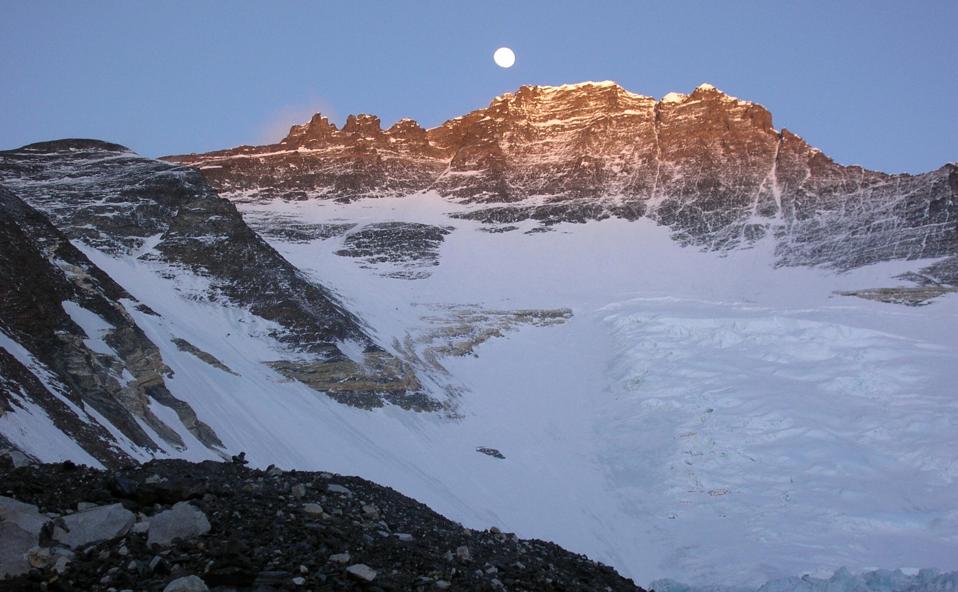
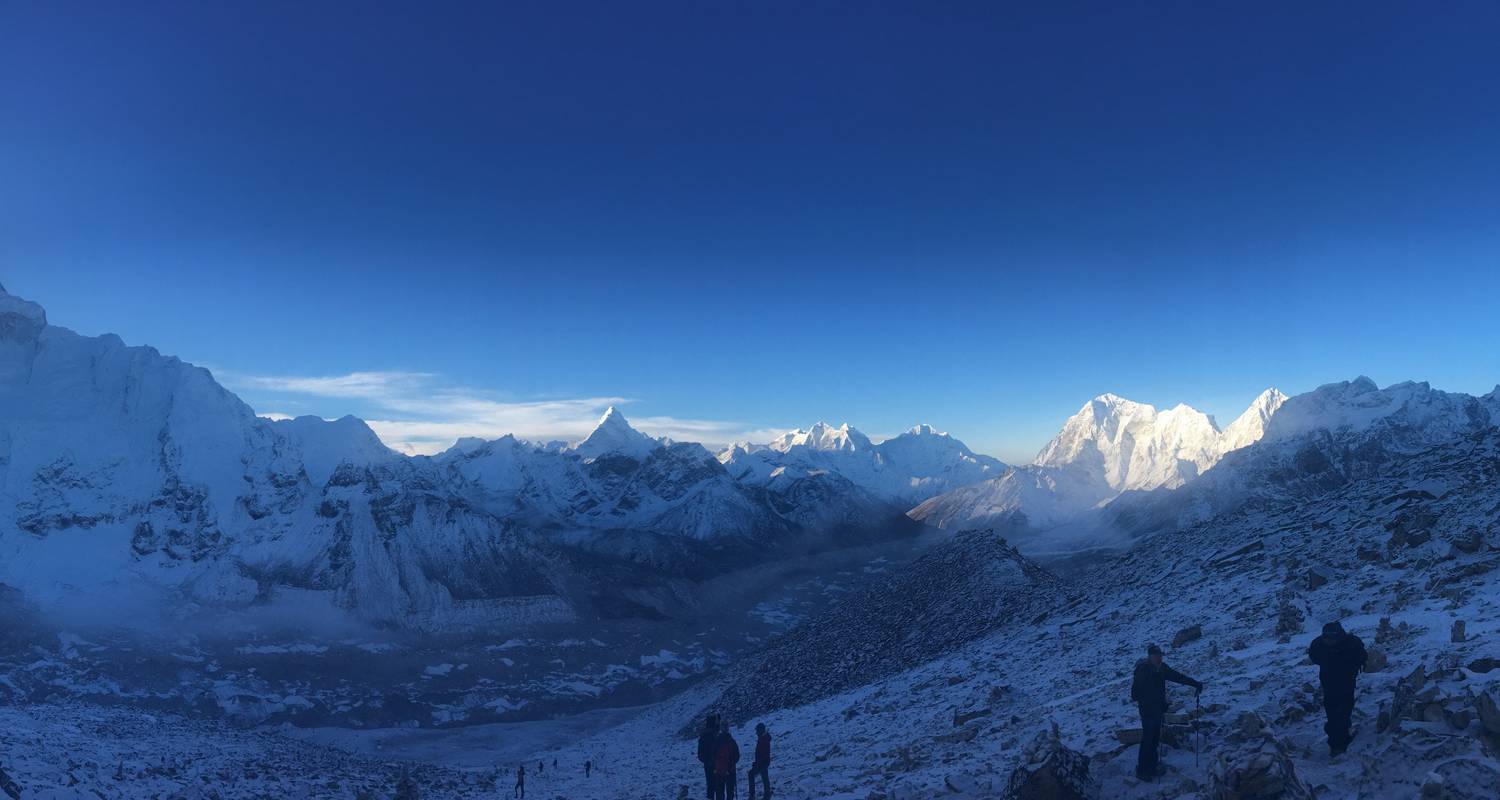
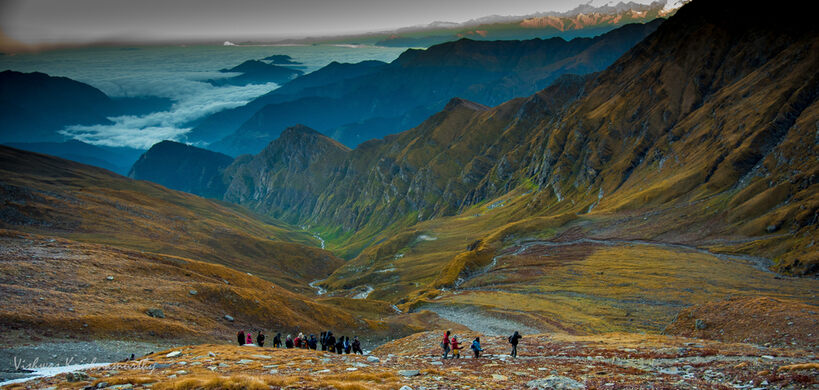
The sacred Ganges River flows out of the Himalayas, draining out of a glacier where rock silt dyes the freezing water torrent an opaque grey shade. The river is biologically considered to be pristine, absolutely free of bacterial content. Yet, suddenly, there is a stark degradation of its purity, long before it winds past big cities, hospitals, factories or farms. A virulent kind of bacteria, resistant to common antibiotics, desecrates the river.
A study of the Ganges has given researchers insight into the prevalence and spread of drug-resistant infections at a time when it has become one of the medical world's most urgent public health problems. Clues as to the manner in which these pathogens have entered the ecosystem lie within the waters of the Ganges as it winds its way over 2,400 kilometers to the Bay of Bengal; the river in its timeless course becomes one of the most polluted rivers on the planet.
 |
| Rafters in
Rishikesh, India. The population in the area swells to from less than
100,000 to 500,000 during tourist and pilgrimage seasons. |
Antibiotic-resistant bacteria have been found, according to annual tests by scientists from the Indian Institute of Technology, while the river is yet at its origins, still flowing through the narrow gorges of the foothills of the fabled Himalaya, well before it encounters a situation that would pollute its waters with resistant germs. India is known to be the second-most populous country in the world. It is a nation of religion-based customs. Researchers readily reached the conclusion that the source of the pollution is humans.
Great throngs of people converge on the Ganges for special occasions. Aside from that, the river is used for bathing, for cleaning and washing clothing, it is where effluent from human waste and tainted garbage from factories and hospitals end up. Ritual bathers flock to the Ganges to wash away their sins and immerse themselves in the holy Ganges.
The research that is being carried on will lead to a better understanding of the mechanism whereby drug-resistant bacteria leap from person-to-person outside a hospital setting.
The numerous watersheds in the mountains across the Deccan Plateau and its vast delta serve the needs of 400 million people, representing a full third of India's massive population. From those sources they take their potable water for humans and animals. Two of Dr. Ahammad's doctoral students twice yearly take samples along the river from Gangotri to the sea, to test for the presence of organisms with drug-resistant genes.
In the river's lower stretches, the high levels of bacterial counts came as no surprise, given the proximity of humanity. It was the unexpected discovery of bacteria with resistant genes discovered in the river's first 160 kilometers, after leaving Gangotri to flow past the next downstream cities. More to the point, the research team discovered levels of bacteria with resistant genes to be consistently low in winter, only to surge during May and June, the pilgrimage season.
 |
| Pilgrims bathed in the Bhagirathi River, at the headwaters of the Ganges, in Gangotri, India. The New York Times |
Rishikesh is the most famous of the Upper Ganges' pilgrimage cities where the population in winter is around 100,000, swelling during the pilgrimage-vacation season to a half-million people. The waste of 78,000 people can be handled by the city's sewage treatment plant, clearly inadequate for the numbers involved at peak season, let alone year-around residents. To augment the treatment plant capacity the government provides portable toilets, vulnerable to the slightest rainstorm that can flush sewage into the river.
Dr.Ahammad and his academic mentor Dr. D.W. Graham of Newcastle University -- a pioneer in drug-resistant bacteria -- in 2014 found the site of contamination where the clean Ganges becomes the contaminated Ganges to be at its starkest at Rishikesh, where upstream the water was found to be fairly clean summer and winter, but downstream in summer bacteria with drug-resistance genes proliferated wildly, a finding that led them to several conclusions.
First, that the resistant bacteria had to have come from people and more specifically from their intestines. Intriguingly, the source of the resistant bacteria appeared to be healthy people; pilgrims who were yoga students or river rafters. Yet these are the people who shed bacteria into the Ganges, according to the research by Drs. Ahammad and Graham. Should someone else pick up the bacteria, then become ill, is given antibiotics, that person's good bacteria can be expunged with the bad ones opportunistically filling in.
The researchers reached the conclusion that pilgrimage areas are
"potential hot spots for antibiotic resistance transmission at large scales".
"Ganga is our mother -- drinking her water is our fate", commented Jairam Bhai, a 65-year-old food vendor, waiting to descend into the water.
"If you have faith, you are safe."
|
| Rafters in
Rishikesh, India. The population in the area swells to from less than
100,000 to 500,000 during tourist and pilgrimage seasons. The New York Times |
Labels: Bacterial Contamination, Ganges River, Glacier Melt, Himalaya, India, Pollution