Smoke Gets In Your Eyes -- Your Lungs and Your Brain
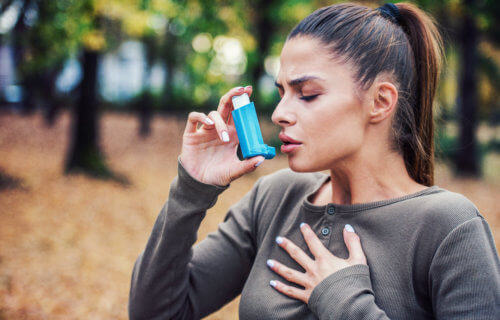
"It's not just a few days in these extreme events that you need to protect yourself.""It is also the days when the sky looks OK [while air quality indexes or weather reports warn of the presence of smoke]."Dr. Kai Chen, associate professor, Yale School of Public HealthThe health effects of short-term PM2.5 exposure, and subsequently smoke, can range from relatively minor (e.g., eye and respiratory tract irritation) to more serious health effects (e.g., exacerbation of asthma and heart failure and premature death). In addition, there is initial evidence that short-term smoke exposure may lead to preterm birth (Picciotto et al. 2024) and impact brain function (i.e., cognitive performance as measured through a brain-training game) (Cleland et al. 2022). Fine particles are respiratory irritants, and exposures to high concentrations can lead to persistent coughing, phlegm, wheezing and difficulty breathing. Exposure to PM2.5 may affect the body’s ability to remove inhaled foreign materials, such as viruses and bacteria, from the lungs. For example, some studies have reported an increase in the risk of COVID-19 cases and deaths in response to wildfire smoke exposure (Zhou et al. 2021; Meo et al. 2021; Schwarz et al. 2022). Although most healthy people will recover quickly from smoke exposure, some may experience health effects such as pulmonary inflammation and transient reductions in lung function (U.S. EPA 2019).United States Environment Protection Agency
 |
| Vancouver skyline Wildfires and smoke have always occurred in British Columbia, but they are becoming more frequent and severe as the climate changes. Wildfire smoke is a form of air pollution that can affect your health. BC Centre for Disease Control |

People who are exposed to smoke from wildfires, according to more recent scientific investigations, are increasingly assailed by lung-damaging toxins, but new discoveries identify that hearts, brains and other body organs are also being damaged by wildfire smoke. Smoke exposure could sound the death knell of up to 1.9 million people in the United States alone, over three decades, according to one 2025 study. Lungs can be penetrated deeply by the concentration of airborne particles known as PM2.5, from wildfires.
PM2.5 is a primary pollutant that air quality indexes measure, but fails to reflect other substances that can be contained in wildfire smoke that include lead, mercury and formaldehyde, cautions Karl Nadeau, dean of the University of California, Los Angeles Fielding School of Public Health. Preliminary research suggests that wildfire smoke may be of greater harm than air pollution from more common sources such as car exhaust. Fire in proximity to urban areas, moreover, may be of particular toxicity, through consuming buildings vehicles and electronics.
 |
| Smoke and flames from the Palisades Fire fill the sky as seen from the Pacific Palisades neighborhood of Los Angeles. | Getty Images |
Associations between wildfire smoke and cardiovascular hospitalization, diabetes complications, preterm birth, cancer, impaired cognition and other problems, as well as respiratory effects including attacks of asthma have been associated through scientific analytical studies. Wildfire smoke was linked in a 2024 study to deaths from cardiovascular, digestive, endocrine and kidney diseases. Asthma attacks and heart attacks can increase within an hour, in the presence of the severity of ambient smoke, pointed out professor Michael Brauer with the University of British Columbia.
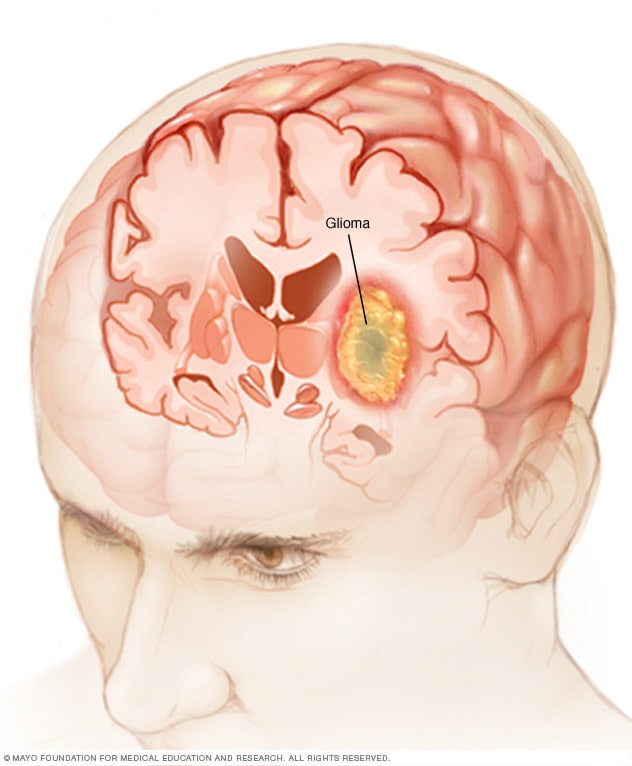
Cognitive effect research has seen a significant expansion, explains Stephanie Cleland, associate professor at Simon Fraser University in British Columbia. Dr. Cleland was lead author of a 2022 study finding smoke exposure to be associated with lower scores on a 'brain training' game. A link between cumulative exposure throughout a school year and lower standardized test scores was also found through research, while other studies indicate a possible association with dementia.
Less dramatic, lower-level exposures over time have an add-on impact, according to Professor Chen, who suggests the wearing of masks to be avoidance-helpful to exposure to ambient smoke during such events, not necessarily only when the surrounding air is redolent of burning, charred wood, and the atmosphere turns grey in reduced visibility with wildfire smoke. One study published in 2025 linked the risk of death from all causes with three-year exposure to wildfire smoke. Yet another 2025 study concluded that as average wildfire exposure increased, North Americans over age 65 suffered a higher risk of dying from chronic obstructive pulmonary disease.
 |
| A woman wears an N95 mask to protect herself from high levels of smoke pollution. Daniiielc, Getty Images |
"The data pretty clearly say that there is no safe level of exposure to wildfire smoke: the more exposure we get, the worse a range of health outcomes. The data also pretty clearly show that our notion of sensitive groups should probably be greatly expanded. In addition to kids, elderly populations, or anyone else with preexisting conditions, like asthma, we need to think about populations like pregnant people whose birth outcomes can be substantially affected by exposure. Portable indoor filtration is often the best option for many households, and well-fitting N95 masks can help when outside. ""Climate change, and in particular increasing fuel aridity brought about by hotter temperatures and variable rainfall, is playing a central role in the recent rapid increase in wildfire activity and smoke exposure throughout the US. It is certainly not the only factor, but is substantially amplifying the risk brought about by other factors, which include a century of fire suppression that has left abundant fuels in our wildlands, as well as increased human construction and activity in the wildland-urban interface. We can say with strong confidence that climate change has made these events much more likely and much more severe."Marshall Burke, associate professor, Stanford Doerr School of Sustainability
Labels: Asthma, Death, Dementia, Diabetes, Exposure to Dangerous Particulates/Chemicals, Heart, Lungs, Public Health, Smoke Inhalation, Stroke, Wildfires
posted by Pieface @ 8:02 PM
0 comments