Ruminations

Blog dedicated primarily to randomly selected news items; comments reflecting personal perceptions

Saturday, May 10, 2025

ALS Clinic Breakthrough, Sunnybrook Health Sciences Centre

https://bloximages.chicago2.vip.townnews.com/thestar.com/content/tncms/assets/v3/editorial/8/8a/88a04e79-1d2a-425a-8239-04346756c739/681e43b4f1309.image.jpg?resize=1200%2C815
A focused ultrasound helmet is attached to an MRI scanner as part of an early-stage clinical trial exploring the delivery of immunoglobulin to the brain of a patient with ALS at Sunnybrook Health Sciences Centre in Toronto on Wednesday, May 7, 2025. THE CANADIAN PRESS/Laura Proctor

"This is a major milestone. Now that we have the capability of opening up the blood-brain barrier to exactly target where ALS starts, I'm really excited about the future."
"ALS is a horrible, terminal, incurable neurodegenerative disease that results in the progressive decline of motor neurons in the brain and spinal cord."
"Sadly, we have about three or four deaths a week in our clinic alone, and it's awful. Literally, thousands of patients have died on my watch. And I think about that every day and how we haven't yet had major interventions to change that."
"We know that the immune system is not normal in ALS. We know that it shifts to sort of a pro-inflammatory state where the immune system is assisting in the destruction of these motor neurons."
Dr. Lorne Zinman, neurologist, director, ALS clinic, Sunnybrook Health Sciences Centre
https://research.sunnybrook.ca/wp-content/uploads/sites/3/2025/05/FUS-and-ALS-treatment-322-1024x683.jpg.webp
The research team comprised of neurosurgeons, physicists from the focused ultrasound lab, ALS clinician-researchers, imaging research technicians, and anesthesiologist. Sunnybrook Research Institute

In a research trial with a 70-year-old patient who was intravenously given immunoglobulin to cross the blood-brain barrier to reach the precise area targeted by researchers there is hope that this new therapy may alleviate and outmatch the ALS process leading to premature death. Dr. Zinman is excited about the significance of the result with this experiment, searching for a therapeutic treatment for the devastating neurological disorder.
 
The 70-year-old is the first to undergo a Phase1 clinical trial to determine safety in administering drugs through non-invasive ultrasound waves to ALS patients. Five others are lined up behind this first trial, to undergo a similar trial, expanding the program. This first trial is the world's first with an ALS patient receiving a drug in this manner. The experimental procedure called focused ultrasound for patients with Alzheimer's disease and those with essential tremor, a neurological disorder causing uncontrollable shaking, was previously studied by Sunnybrook researchers.
 
"The blood-brain barrier is there to protect us, so it keeps viruses, bacteria [and] toxins outside the brain", explained neurologist and co-lead investigator of the clinical trial, Dr. Alessandro Abrahao of the Sunnybrook ALS clinic. The barrier is problematic in that it blocks access to the brain for drugs potentially treatable for ALS. The solution appears by temporarily opening the barrier to allow drugs entrance, and then closing the barrier again once the therapy has been delivered. 
 
https://research.sunnybrook.ca/wp-content/uploads/sites/3/2025/05/FUS-and-ALS-treatment-232-1024x683.jpg.webp
Dallan McMahon (Research Associate) and Ryan Jones (Senior Research Engineer-Physicist) support the neurosurgeon (Dr. Nir Lipsman) in preparing for the non-invasive procedure to deliver focused ultrasound. Sunnybrook Research Institute
 
An intravenous infusion of immunoglobulin, an anti-body therapy, begins the process. Following which a helmet is placed on the patient's head, designed with 4,000 transducers to deliver focused ultrasound waves causing the microbubbles previously injected, to expand and contract in the targeted area blood vessels. The blood-brain barrier is opened by the expansions and contractions where the immunoglobulin needs to get through.
 
With helmet in place, the patient is placed within an MRI machine to enable the research team to view the focused ultrasound targeting the correct part of the brain, in real time. This, the researchers stress, is a very early-stage trial. Later stage trials with a greater number of participants will be required before a potential treatment for ALS develops. Patients diagnosed with ALS are typically given a three- to five-year survival rate. 
 
The immediate follow-up is to determine whether the immunoglobulin has had an effect, when the researchers search for biomarkers of inflammation in the patient's blood and cerebrospinal fluid.
 
https://www.ctvnews.ca/resizer/v2/73TRMFAIQJFYJJJ2AIPCFU6RGQ.jpg?auth=44c19b3e66fdf78f3210ca25ee5d96efff724805bee855dc80b19183f02d4c7b&width=1440&height=808
Canadian researchers have launched a world-first study to fight ALS. (Sunnybrook)

Labels: , , ,

Sunday, August 20, 2023

Aoh, Those Muscle Cramps!

"Experimental data in healthy college-age men suggests that pickle juice inhibits muscle cramps through a reflex involving a nerve in our threats."
"It's why a tablespoon of pickle brine hitting the back of the throat seemed to bring relief within seconds."
"Pickle juice may also work for cramps that aren't induced by exercise. A randomized controlled trial published last year found that a sip of pickle juice reduced muscle cramp intensity in patients with cirrhosis."
"Researchers believe this improvement is due to a similar reflex that occurs almost immediately, rather than by how pickle juice is metabolized by the gut."
Dr. Trisha Pasricha, Ask a Doctor 
Anyone can suffer from leg cramps, they often occur during night-time sleep with no warning; alternately while exercising, and doctors really have no answers that would satisfy the question why it is they occur at all. Muscle cramps are well known to occur frequently among the elderly population and with athletes, during pregnancy, and dialysis, as well as with people with health conditions such as diabetes, cirrhosis or amyotrophic lateral sclerosis.

Midsummer appears to be peak time for leg cramps, while their occurrence has a tendency to decrease during the winter, one study concluded. Athletes experience cramping which tends to increase in periods of hot weather, even while the cramps are not seen to be related to dehydration and electrolyte imbalances from sweating, a popular misconception.

Calf-plantar fascia stretch
There is no evidence available how best to treat cramps. There are however, two simple solutions that doctors may recommend: to stretch the muscle gently. Or to take a sip of pickle juice. Athletes, it appears, have long sworn by the efficacy and instant relief given them by pickle juice, as bizarre as that may seem. Pickle juice, strained from jars of dill or kosher pickles; alternately other acidic substances like mustard or apple cider vinegar.

"A sip is all it takes. We're not telling people to chug pickle juice", hepatologist at University of Michigan Elliot Tapper said, the 2022's study lead author. Additional research on the effect of pickle juice on muscle cramps is needed. The strategy could be somewhat less helpful for those people with rare leg cramps, or cramps that tend to be of short duration, to justify keeping pickle juice available on short order.

Medical practitioners suggest trial-and-error approaches in the prevention of leg cramps; a few weeks of daily calf and hamstring stretching (reducing the severity, not the frequency of nocturnal leg cramps), magnesium (a recent meta-analysis found this likely produces little effect), or vitamin B complex (which showed some promise in a 1990s small study). Long-acting beta-agonists such as found in Advair or Symbicort and diuretics like spironolactone could be exchanged by a physician for alternate medications.

A double-blind randomized controlled trial published in JAMA Internal Medicine in 2017 found that taking magnesium oxide for a month reduced the number of night leg cramps by about three times weekly, significant enough to go from waking to cramps every night in favour of the same every other night.
  • Stretch and massage. Stretch the cramped muscle and gently rub it. For a calf cramp, keep the leg straight while pulling the top of your foot on the side that's cramped toward your face. Also try standing with your weight on your cramped leg and pressing down firmly. This helps ease a cramp in the back of the thigh too.For a front thigh cramp, try pulling the foot on that leg up toward your buttock. Hold on to a chair to steady yourself.
    Apply heat or cold. Use a warm towel or heating pad on tense or tight muscles. Taking a warm bath or directing the stream of a hot shower onto the cramped muscle also can help. Rubbing the sore muscle with ice also might relieve pain.   Mayo Clinic
  • f25aa7bb-8817-4afe-86f4-8b8598e2756a

Labels: , , , , , , , , ,

Tuesday, April 18, 2023

Human Brain : Command and Control Centre

 
als, treatment and research from als.ca

``Medical science does not have a complete understanding of the disease mechanisms to define the optimal therapeutic targets. Also promising therapeutics have limited access to the brain and spinal cord because of a protective layer called the blood-brain barrier, which works as a filter to prevent viruses, bacteria and toxins from getting to the brain. However, it also limits drug access to the regions of the central nervous system affected by ALS"
"ALS is a heterogeneous disease and patients often have a variable progression. For some it starts in the legs or arms, for others the throat muscles, so they can present with speech and swallowing changes. Stephen Hawking had a very slow variant of the disease, whereas others have a fast progression. He also chose to be put on a ventilator once he became completely paralyzed, which prolonged his life [by 50 years]."
"The disease heterogeneity, along with the incomplete understanding of the mechanisms and the cause, have contributed to many negative clinical trials. There are probably different forms of variants of this disease that may have different biological mechanisms in the background."
Dr. Agessandro Abrahan, neurologist, ALS Clinic, Sunnybrook Health Sciences Centre; assistant professor of medicine, University of Toronto
Amyotrophic Lateral Sclerosis (ALS-Lou Gehrig`s disease) is a neurodegenerative motor neurone disease that paralyzes the human body over time. ALS causes muscles to break down to the extent that those afflicted with ALS lose the ability to walk, talk, eat, swallow -- and given enough time -- breathe.  About 80 percent of sufferers will die within two to three years of diagnosis of this dread disease for which there is no cure. Its cause is a mystery.
 
Research
There are therapies of moderate success able to slow the decline and improve quality of life, but modestly. Over 50 drugs are being researched as potential treatments. Three of those drugs have been approved in Canada: Riluzole, an oral medication, helps to protect the motor system from neurotoxicity, slowing the disease progression by five to ten percent over time. Its survival benefit is around two to three months. Edaravone was found in a small clinical trial to slow ALS`s progression by roughly 30 percent in its early stages.
 
The third drug, approved in 2022, is sodium phenylbutyrate-taurursodiol (PB-TURSO) which a small study showed progression was slowed by about 35 percent in early stage disease. None of these drugs are able to halt the progression of the disease, much less return any functional loss; patients continue to decline, albeit at a slower rate.  One drawback is the expense involved with these drugs whose use is effective in early onset stage of the disease. 

Each medication targets a different area; Riluzole, the chemical unbalance causing neurotoxicity; Edaravone, free radicals, and PB-TURSO helps metabolism of the motor neurones. How ALS is caused remains a mystery other than in about 90 percent of cases sporadic AlS typically begins in adulthood and is marginally more common in males than females. The genetic forms of ALS are slightly better understood, and they account for about ten percent of cases.

Dr. Abrahan of Sunnybrook Health Sciences Centre describes a number of clinical trials and research linked to a network formed in 2008 called the Canadian AlS Network, founded by Dr. Lorne Zinman from Univ4rsity of Toronto, which has conducted collaborative research with a goal to better understanding why people contract ALS, how it progresses, and to identify disease markers that can potentially be used to develop therapeutics.

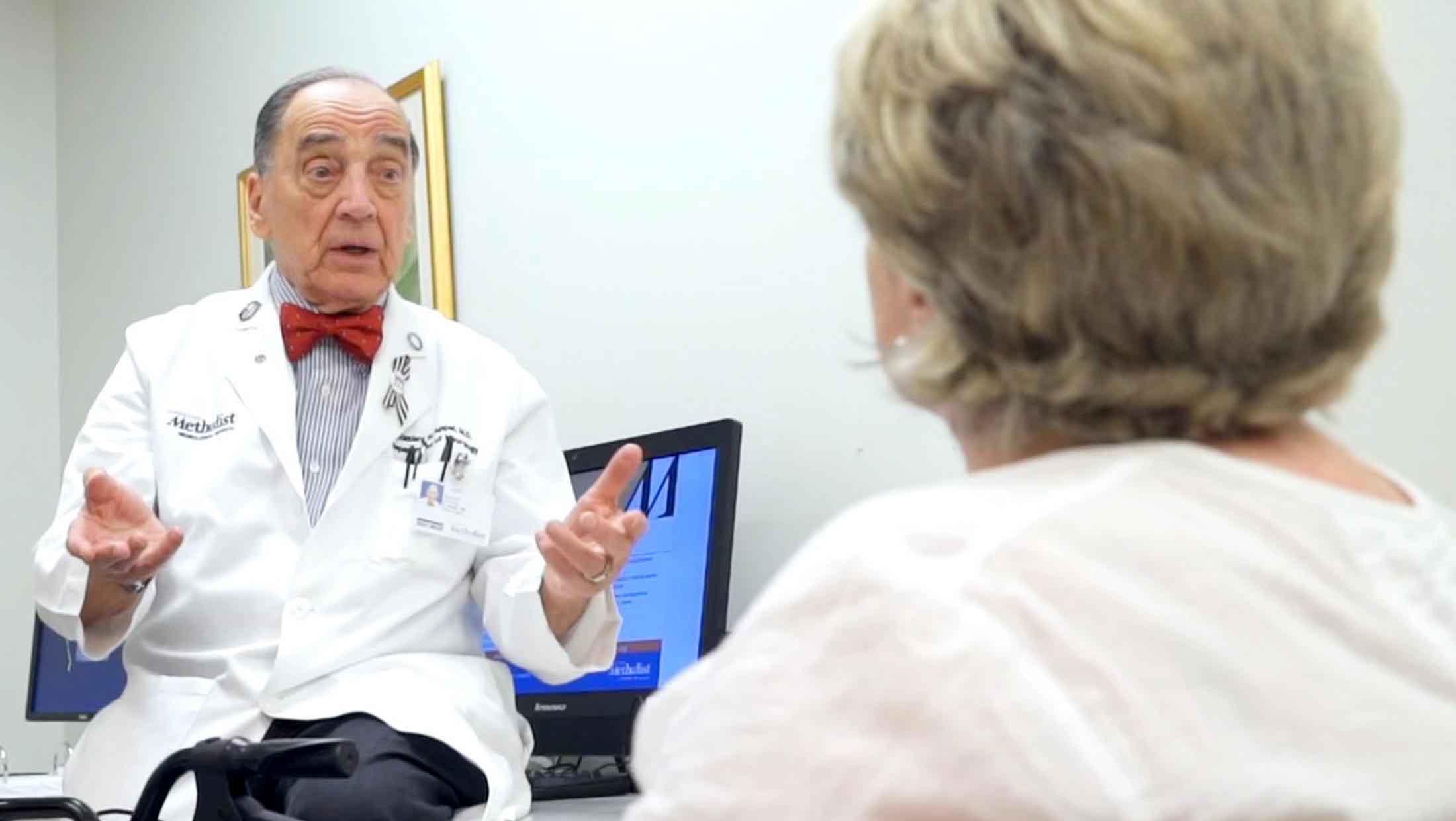
researcher conversing with patient

Labels: , , , , ,

 
()() Follow @rheytah Tweet