Ruminations

Blog dedicated primarily to randomly selected news items; comments reflecting personal perceptions

Tuesday, April 18, 2023

Human Brain : Command and Control Centre

 
als, treatment and research from als.ca

``Medical science does not have a complete understanding of the disease mechanisms to define the optimal therapeutic targets. Also promising therapeutics have limited access to the brain and spinal cord because of a protective layer called the blood-brain barrier, which works as a filter to prevent viruses, bacteria and toxins from getting to the brain. However, it also limits drug access to the regions of the central nervous system affected by ALS"
"ALS is a heterogeneous disease and patients often have a variable progression. For some it starts in the legs or arms, for others the throat muscles, so they can present with speech and swallowing changes. Stephen Hawking had a very slow variant of the disease, whereas others have a fast progression. He also chose to be put on a ventilator once he became completely paralyzed, which prolonged his life [by 50 years]."
"The disease heterogeneity, along with the incomplete understanding of the mechanisms and the cause, have contributed to many negative clinical trials. There are probably different forms of variants of this disease that may have different biological mechanisms in the background."
Dr. Agessandro Abrahan, neurologist, ALS Clinic, Sunnybrook Health Sciences Centre; assistant professor of medicine, University of Toronto
Amyotrophic Lateral Sclerosis (ALS-Lou Gehrig`s disease) is a neurodegenerative motor neurone disease that paralyzes the human body over time. ALS causes muscles to break down to the extent that those afflicted with ALS lose the ability to walk, talk, eat, swallow -- and given enough time -- breathe.  About 80 percent of sufferers will die within two to three years of diagnosis of this dread disease for which there is no cure. Its cause is a mystery.
 
Research
There are therapies of moderate success able to slow the decline and improve quality of life, but modestly. Over 50 drugs are being researched as potential treatments. Three of those drugs have been approved in Canada: Riluzole, an oral medication, helps to protect the motor system from neurotoxicity, slowing the disease progression by five to ten percent over time. Its survival benefit is around two to three months. Edaravone was found in a small clinical trial to slow ALS`s progression by roughly 30 percent in its early stages.
 
The third drug, approved in 2022, is sodium phenylbutyrate-taurursodiol (PB-TURSO) which a small study showed progression was slowed by about 35 percent in early stage disease. None of these drugs are able to halt the progression of the disease, much less return any functional loss; patients continue to decline, albeit at a slower rate.  One drawback is the expense involved with these drugs whose use is effective in early onset stage of the disease. 

Each medication targets a different area; Riluzole, the chemical unbalance causing neurotoxicity; Edaravone, free radicals, and PB-TURSO helps metabolism of the motor neurones. How ALS is caused remains a mystery other than in about 90 percent of cases sporadic AlS typically begins in adulthood and is marginally more common in males than females. The genetic forms of ALS are slightly better understood, and they account for about ten percent of cases.

Dr. Abrahan of Sunnybrook Health Sciences Centre describes a number of clinical trials and research linked to a network formed in 2008 called the Canadian AlS Network, founded by Dr. Lorne Zinman from Univ4rsity of Toronto, which has conducted collaborative research with a goal to better understanding why people contract ALS, how it progresses, and to identify disease markers that can potentially be used to develop therapeutics.

researcher conversing with patient

Labels: , , , , ,

Monday, July 11, 2022

Men Will Be Men

"I don't think [the term 'toxic masculinity'] is helpful because it's not how most guys live their lives."
"There a lot of good blokes out there who are doing good things, who are honourable and have good masculine values and virtues, and it's a pity that the newsworthy story is Will Smith."
"There is evidence that male depression can present with externalizing symptoms including aggression, substance use and risk-taking."
"There is also evidence that male exposures to adverse childhood events [such as] physical and/or sexual abuse, can manifest mental illness challenges and/or maladaptive behaviours."
"We may be missing a lot of male depression in clinical practice because [of these other issues]. Not to excuse the behaviours, but if you have a man in your life who's drinking heavily, negative and angry, it might be that he's carrying some depressive symptoms that might benefit from some therapy."
:"When an intimate partner relationship breaks up, guys are eight times more likely to [commit] suicide than a woman who's had a breakup."
"It's the guys who do the introspection work -- often with counselling - to understand what they can do better, that can help them grow."
"Often they will have emotions that might be discordant -- happy and sad at the same time, for example, and they try to make sense of emotions too quickly. A lot of anger comes from feeling they can't make sense of it."
"Behaviours are usually patterns, and these patterns are hard to correct. But if you have a good foundation, some ground rules and boundaries, your chances [for growth are better.]"
Dr.John Oliffe, professor, Tier 1 Canada Research Chair, Men's Health Promotion, School of Nursing University of British Columbia
Ben Wiseman for The New York Times
 
Men behaving badly. Well, it's inevitable, they're human. Women, in their own way can also behave badly. With men, it's mostly acting out physically. This is a conversation well beyond the psychopaths who go through the world -- a distinct minority that cause social and personal havoc left in their midst -- performing atrocious acts of criminal intensity. Those who prey on women, serial killers, and men who place their intimate partners at risk of great physical and psychological harm. In some, it's frustration, lack of control, confusion, and a lapse in judgement. For others it's all of that along with an inability to constrain themselves, or to feel empathy for others.

These men who conduct themselves so badly, are not in the majority; most men view them and their injurious behaviour with condemnation and bewilderment. At most 15 percent of men in a general population can be among those with impaired judgement and lack of control. And it is these men, and a much smaller contingent among them whose socially deviant exploits get splashed all over the front page of newspapers and take up space on tabloids. They become the face in the minds of some within the public sphere of the majority of men, a contortion of reality.

The most criminally egregious of these behaviours cannot be excused, they are beyond the pale; the sexual offenders, domestic abusers, violent reactions in behavioral excesses. But they are not universally representational of the majority of men. Those who were identified along with their socially unacceptable exploits by the #Me Too phenomenon of accountability have been punished by public shame and rejection and loss of reputation and livelihood.

According to the work and the research conducted by Dr. Oliffe, lead investigator of the Men's Health Research program,  along with the online men's resource portal Heads Up Guys which focuses primarily on mental health including depression and suicidality, the impression gained suggests that there is more than what appears on the surface with respect to the behaviour of some men who lash out unacceptably. Mental stability can help a man get through and try to understand the failure of intimate relationships. Some men are able to successfully make their way through adult relationships that fail.

In others such failures may lead to self-harm through frustration, anxiety, depression and ultimately, attempts at suicide. In Dr. Oliffe's experience, it is not always the case that men are less likely to seek out help than do women. He points out that 60 percent of men in Canada who felt suicidal had been in health care for 12 months previous to their health crisis; the therapy given and practise may be abandoned and its effectiveness diminished. Men are given encouragement to indulge in some introspection, to understand their emotions leading to anger, and to consider other ways of expression.

Unhealthy masculinity reeks of lack of emotion, stoicism, dominance, aggression, sexism, homophobia, in contrast to healthy masculinity which encompasses values of selflessness, openness, kindness, supportiveness, authenticity, and vulnerability. "It's one of the things we need to show [vulnerabiliity], because everything is not perfect; adults don't always have it together, and it's okay to ask for help. When you're struggling with something, it's okay to let your kids see some of that and how you deal with it." 
 
Boys raised with healthy trajts and attitudes become men who gain from everything surrounding themin parental examples from an early age. Children, emphasizes Alyson Schafter, create their blueprint in understanding life within the first five to six years of life, when they are bombarded with subtle messages about masculinity, one being that boys don't cry.
Psycom. by Modern.Affliction on Unsplash
"The fact that we're having this conversation is a sign of progress, even though it could be disheartening to think we're still here in 2022."
"Were shedding [sic] a spotlight on a situation that needs to be improved because we find it untenable."
"We have a long history of [a certain] narrative in cultures. And different cultures have different narratives -- we call them gender guiding lines -- around what it means to be a man, what it means to be a woman. And that may be different in Afghanistan, Australia, Canada, China."
"But culture also speaks to the culture of your high school, your family, your community. It's in [kids'] social media, the movies they watch, the toys they get for Christmas, the way their father [portrayed] manhood, the way their mother [portrayed] motherhood. And every child is tasked with coming up with a story, a representation and understanding of what it is to be these genders."
"[These messages] in totality don't send a good message for what it is to be a human being who also happens to be of the male gender. We are culturally bound, but boys pay the price for subscribing to an unhealthy dictum or cultural stereotype of what it is to be male and we've got to let go of that."
Alyson Schafter, speaker, podcaster, author

Labels: , , , ,

Tuesday, April 19, 2022

Treating Long COVID

"Research into long COVID — which is also known as post-acute sequelae of COVID-19, and is usually defined as COVID-19 symptoms that last longer than three months — has lagged behind studies of the acute phase of infection. People who experience long COVID live with a wide array of symptoms, ranging from mild to severely debilitating. Researchers have proposed a variety of causes for the condition — from lingering viral reservoirs, to autoimmunity, to tiny blood clots. Many think that a mix of these factors is to blame. “It took a while to get going on any serious mechanistic long-COVID research,” says immunologist Danny Altmann at Imperial College London. “It’s hard to piece the big picture together.”
Heidi Ledford, NATURE News
Medical workers care for a patient at the intensive care unit amid the outbreak of the COVID-19 disease in Porto Alegre, Brazil.

Researchers are studying the long-term effects of treatments given to people hospitalized with COVID-19.  Credit: Diego Vara/Reuters'

An informed estimate puts the number of people infected with  COVID-19, suffering symptoms long after the infection period, a phenomenon named 'Long COVID', at up to 30 percent. A miserable condition that can last for months. Many people with that condition are left in a state that makes them incapable of returning to work. Over 200 symptoms are associated with Long COVID, inclusive of pain, fatigue, brain fog, difficulty breathing, and minimal activity causing exhaustion.

Reports have emerged that give new hope that a potential control mechanism is in view capable of reducing Long COVID effects, going so far as to dispel them entirely. Two patients were found to have been given relief from Long COVID, having taken Pfizer's antiviral Paxlovid pill. One of those individuals was herself a researcher, testing the drug off-label on herself, for this was not what Paxlovid was formulated to do.

The Pfizer pill Paxlovid is a combination between an old antiviral, ritonavir, and a new Pfizer formula. Its use was meant for patients very recently diagnosed with COVID and immediately prescribed the pill meant to prevent severe disease occurring from a COVID infection in high-risk patients. Pfizer conducted no studies on Long COVID that would link it to their new medication.
 
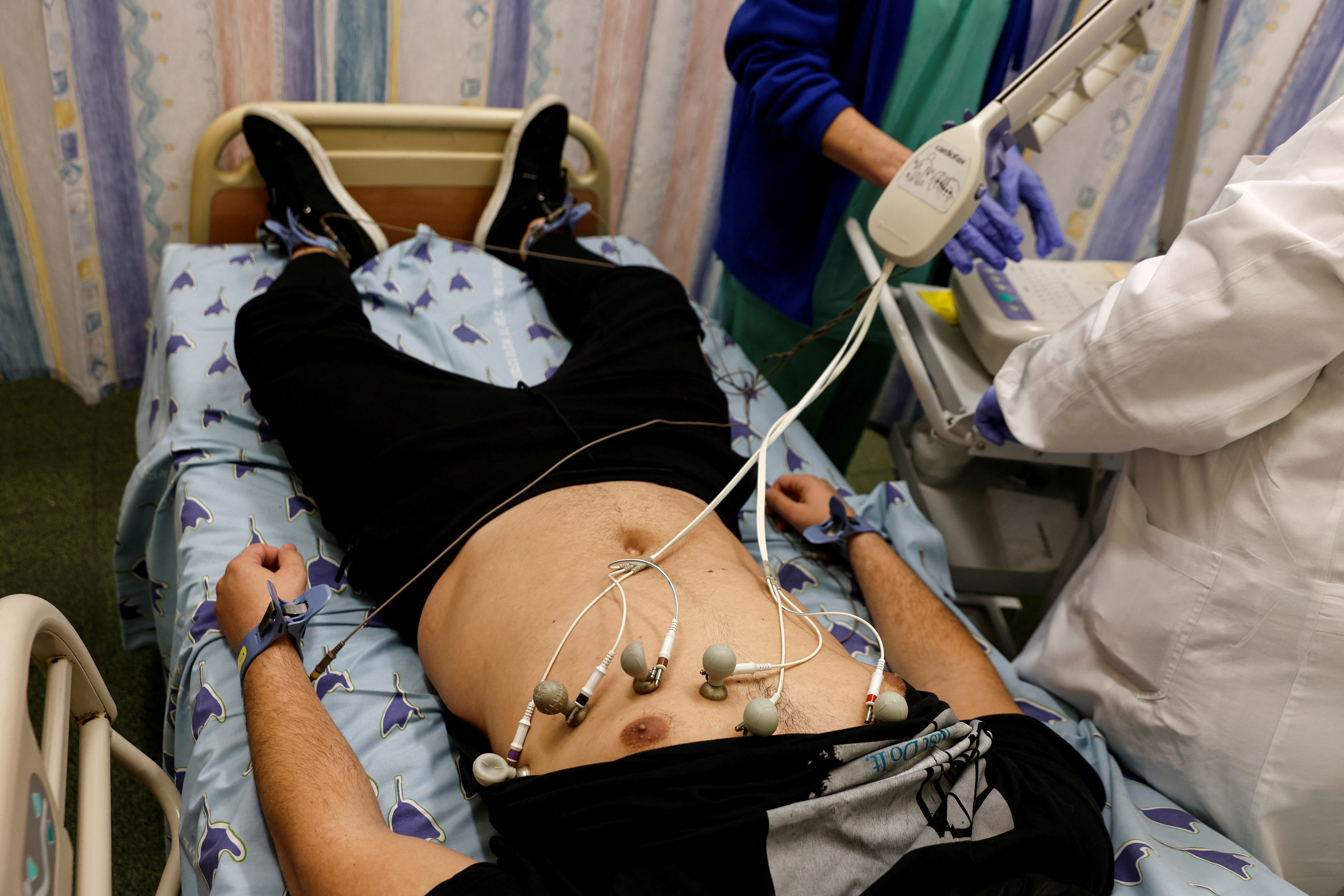
A patient suffering from Long COVID is examined in the post-coronavirus disease (COVID-19) clinic of Ichilov Hospital in Tel Aviv
A patient suffering from Long COVID is examined in the post-coronavirus disease (COVID-19) clinic of Ichilov Hospital in Tel Aviv, Israel, February 21, 2022. REUTERS/Amir Cohen
 
The researcher let it be known that her chronic fatigue symptoms, part of her Long COVID condition, which "felt like a truck hit me" had disappeared since she took the two-drug oral therapy. Scientific researchers urge caution in the situation they speak of as "hypothesis-generating only" with no proof existing that the drug actually gave relief of symptoms associated with Long COVID.

They do, however, support a theory that parts of the body may have seen ongoing infection by the virus in a persistence that causes Long COVID -- affecting the daily lives of patients long after the infection's original acute symptoms dissipate. 

A National Institutes of Health study under peer review saw researchers conducting autopsies on 44 people whom COVID-19 killed, or another compromising illness did, while they had also been infected with the virus -- finding widespread infection throughout the body including in the brain. The conclusion being that the infection is capable of enduring over seven months and beyond, long after the onset of symptoms.

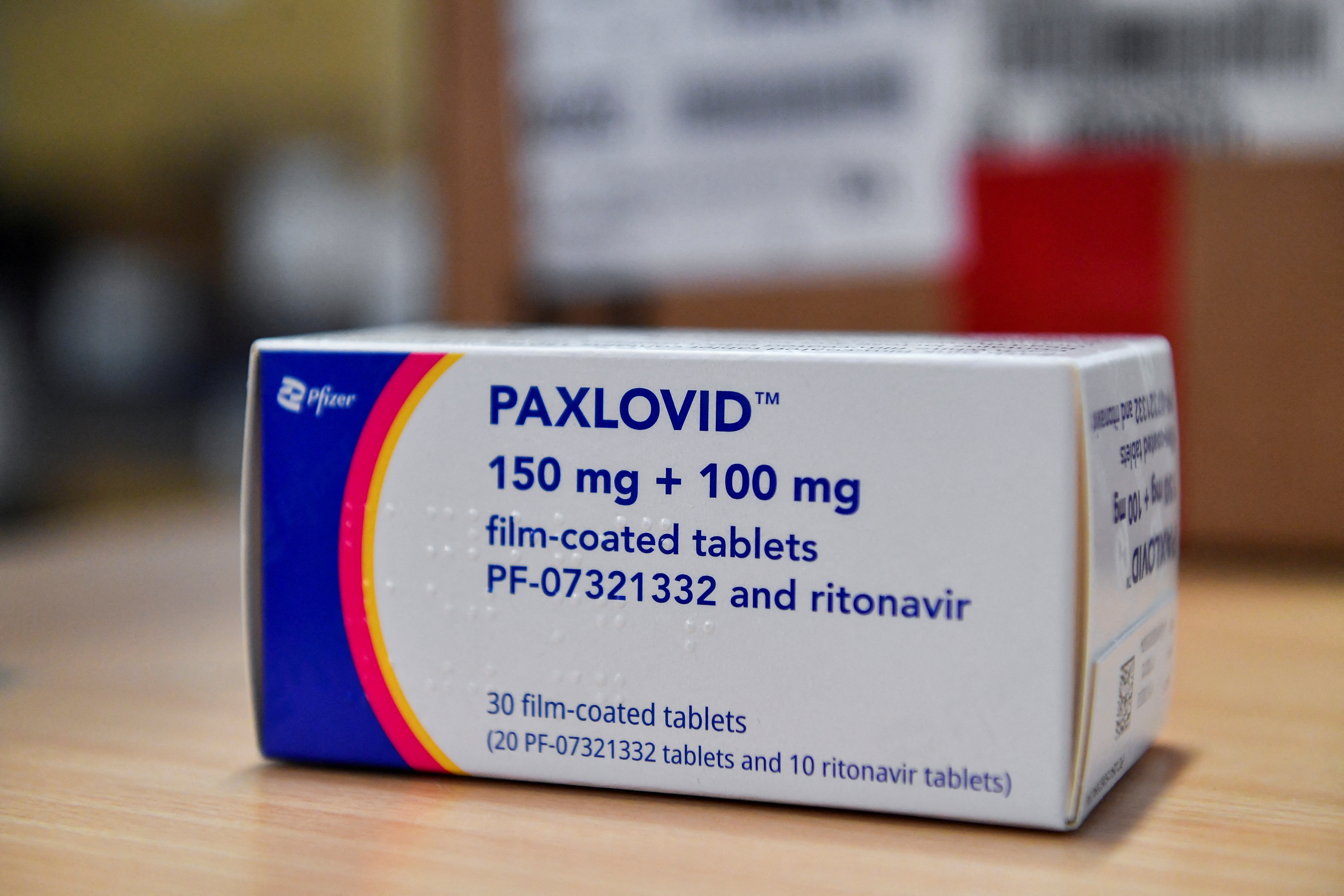
Pfizer and MSD oral COVID-19 pills arrive at Misericordia hospital, in Grosseto
Coronavirus disease (COVID-19) treatment pill Paxlovid is seen in a box, at Misericordia hospital in Grosseto, Italy, February 8, 2022. REUTERS/Jennifer Lorenzini


Labels: , ,

Thursday, February 17, 2022

Stem Cell Transplants From Umbilical Cord Blood

"This is now the third report of a cure in this setting, and the first in a woman living with HIV."
"[The report] confirms that a cure for HIV (Human Immunodeficiency Virus) is possible and further strengthens using gene therapy as a viable strategy for an HIV cure."
"It was previously thought that graft versus host disease might be an important reason for an H.I.V. cure in the prior cases."
"Taken together, these three cases of a cure post stem cell transplant all help in teasing out the various components of the transplant that were absolutely key to a cure."
Dr.Sharon Lewin, president-elect, International AIDS Society

"The fact that she’s mixed race, and that she’s a woman, that is really important scientifically and really important in terms of the community impact."
"Umbilical stem cells are attractive. There’s something magical about these cells and something magical perhaps about the cord blood in general that provides an extra benefit."
Steven Deeks, HIV researcher, University of California, San Francisco
A colored scanning electron micrograph of H.I.V. particles, in yellow, infecting a host cell. The patient received cord blood from a donor with the mutation that blocks H.I.V.’s entry into cells.
   Credit...Thomas Deerinck, NCMIR/Science Source
Worldwide, approximately 38 million people are infected with and live with H.I.V. Some 73 percent of these H.I.V.-infected individuals receive treatment through antiretroviral therapy. Of that staggering number of people afflicted with the virus that causes AIDS, three people having undergone novel new surgeries have now been declared cured of the virus. The latest is an American woman with leukemia, the first woman and only the third person to the present cured after receiving a stem cell transplant, the donor of which was naturally resistant to the virus.

This breakthrough case of a middle-aged woman of mixed race was announced at the Conference on Retroviruses and Opportunistic Infections taking place in Denver, Colorado. The case study also represents the first involving umbilical cord blood, an emerging approach with the promise of expanding such treatment to greater numbers of H.I.V.-infected people.

The woman has been in remission, free of the virus, for 14 months, no longer requiring potent H.I.V. treatments known as antiretroviral therapy, since she received the cord blood treating her acute myeloid leukemia. This is a type of cancer that begins in blood-forming cells located in bone marrow. Before this case, there were two previous ones that occurred in H.I.V.-infected males. They too had received adult stem cells, more frequently used in bone marrow transplants.

The newly reported case outcome is part of a large U.S.-supported study with the intention of following 25 patients with H.I.V. who undergo transplants with stem cells taken from umbilical cord blood for cancer treatment and other serious conditions. At this point, doctors transplant stem cells from individuals having a specific genetic mutation where they lack receptors utilized by the virus to infect cells.

These individuals, scientists believe, then go on to develop an immune system that has become resistant to H.I.V. infection. While a considerable number of H.I.V. patients will go on to take advantage of this therapy, bone marrow transplants do not represent a viable strategy as a curative for most people living with H.I.V. But it is a building block that may lead to additional therapies whose treatment may have similar results.
 
This scanning electron microscopic image shows the presence of numerous HIV virions. Since receiving umbilical cord blood to treat her acute myeloid leukemia a 64-year-old woman from the U.S. has been in remission and free of the virus for 14 months, researchers said. (C. Goldsmith, P. Feorino, E. L. Palmer, W. R. McManus/CDC/Reuters)


Labels: , , , , ,

Thursday, February 25, 2021

Experimentation on Live Animals vs Animal Computer Modelling

"There have been very serious welfare concerns raised about the living conditions of these monkeys in Cambodia and nearby countries, as well as concerns about misleading information being provided from sellers over there. And I think for Canada to be complicit in that is potentially quite concerning."
"Cambodia, Laos and Vietnam are pretty notorious for monkey breeding and taking monkeys from the wild, putting them in facilities and breeding."
"My biggest concern about animal research in Canada, and specifically this situation, is that it's completely non-transparent, and not overseen by public authorities."
"What people deserve is the ability to know about the experiments that are being done, and judge for themselves if they think that that's acceptable or not. But with this system that is as opaque as it is right now, the average member of the public mostly has no idea about any animal tests that are going on in Canada."
Camille Labchuk, executive director, Animal Justice

"This is a serious concern in terms of maintaining a healthy wildlife population in Cambodia for macaques."
"This has great implications in terms of the population numbers and the health of the population and the countries that they're getting them from."
"These animals might have been imported to be used in the COVID-19 vaccine development or there might be another company who [sic] is doing drug trials and requires primates as part of those trials."
Liz White, head, Animal Alliance of Canada
Macaque monkeys used for research, at a breeding centre in Thailand.
According to a 2008 investigation by the British Union for the Abolition of Vivisection, up to 80 percent of macaques trapped in the Cambodian wild die due to trauma or poor treatment, even before they reach a laboratory. In the United States, CBS issued a report in 2010 noting that 30 monkeys had been cooked alive in a Nevada research laboratory, having been erroneously placed through an automatic cage washer.

The government of Canada in 2020 approved importation of 1,056 macaque monkeys of a type called macaca fasicularis. They were imported from Cambodia for "scientific and research" use by private interests. According to documents associated with the recently released story, this is the first time such imports have been permitted after being allowed since 2016. 

It was also revealed that part of the total and possibly all of them were brought to Quebec for use by Charles River Laboratories, a major American importer of non-human primates to be used for breeding and scientific experimentation. The company has a number of laboratories across the province. Canada's government approved the import of about 2,500 non-human primates yearly from the United States, to be used for research testing within the past five years.

It was only in 2020 that an additional number of primates were imported from Cambodia. Animal protection organizations have frequently alleged mistreatment of the animals within Cambodia. The sudden increase in the number of macaque imports to Canada signal to both White and Labchuk that the animals are being used to test potential COVID-19 vaccines and treatments in Canada, based on multiple media reports and documents emanating from pharmaceutical companies indicating vaccines were tested on macaques.

Members of the public who quail at the very thought of subjecting helpless animals to experimentation in laboratories dedicated to the discovery of new medical protocols and therapies have often salved their feelings in the belief that animal computer modelling is advancing to the point where there will be a complete elimination of the use of living, feeling animals for research purposes. A practise that causes immediate revulsion in any animal-empathetic mind.
 
Frederick Banting and Charles Best Isolate Human Insulin
The theory is that science has come a long way since Banting and Best at their utilitarian laboratory at University of Toronto used dogs in their search for a cure for diabetes.

Insulin turned out not to be a cure, but a lifeline for people with diabetes to be able to treat their condition where their pancreas' islets of Langerhans no longer produces insulin, through injecting insulin to enable the body's uptake of sugars, moving it to body tissues for the blood glucose to be converted to energy. Simply put, without injectable insulin, people with Type 1 diabetes would die a painful death; before the advent of the Banting and Best discovery, the diagnosis of insulin-dependent-diabetes was a death sentence. 
 
Similarly, the vaccines produced for the SARS-CoV-2 virus that causes COVID-19 is not a cure, but a therapy, and COVID, like diabetes is managed, not cured. The entirely separate issue of animal cruelty with respect to the handling of these living, feeling monkeys and other research-bound animals that science uses in research and experiments is one that is concerning and requires attention. Countries like Cambodia should be made aware that ill-treatment of animals will lose their custom.
"The importation of macaques occur on a regular basis and is not an unusual event."
"Due to reasons of privacy and confidentiality, the Canadian Food Inspection Agency is not authorized to share personal or confidential information with third parties about importers."
Canadian Food Inspection Agency
 
"Charles River Laboratories is deeply committed to animal welfare and exceeding international standards for the care of research models under our stewardship."
Sam Jorgensen, spokesperson, Charles River Laboratories 
"The advancement of computer technology in the information revolution has been so amazing that we have become convinced that there is nothing an advanced computer can’t do. That is why it is so easy for animal rights organizations to convince the public that we can eliminate animal research and replace it with computer models. Even organizations that supposedly defend animal research have helped this misconception by promoting the idea that eventually it will be Replaced (one of the three Rs) by computer models, in vitro research or clinical trials. That is simply not true. As I have shown here, as scientific productivity increases, so does the use of animals. It has not decreased, we are just using fewer animals of some species (dogs, cats, rabbits, primates) by using more animals of other species, like mice and zebrafish. And, as Figure 4 shows, research using computer models is relatively small and is not growing fast enough to ever catch up with animal research."
"In conclusion, computer models are not replacing and likely will never replace animal research. Computers can do amazing things, but they cannot guess information that they do not have. There are limits to what is possible, and this is one of them."
Juan Carlos Marvizon, Ph.D., David Geffen School of Medicine at UCLA, VA Greater Los Angeles ... Speaking of Research, January 7, 2020


"Monkeys are used in animal research only if a particular phenomenon cannot be studied on any other species of animal, such as mice, fish or fruit flies. In the course of evolution, similar structures and functional principles have developed in the brains of monkeys and humans. Such structures and principles are not present in other mammal groups. Neuroscientists can therefore only research complex cognitive functions relating to perception, attention, memory formation and awareness on monkeys."
Why do researcher investigate primates?

"Because they are biologically so similar to humans, the potential for applying research results to humans is very high. They are therefore used primarily for the final drug safety tests on new medicines before they are used on humans. Moreover, scientists use monkeys to study important fundamental questions on how a healthy organism functions or how to cure fatal illnesses (e.g. Ebola) or severely debilitating disorders (e.g. Alzheimer’s). Monkeys therefore play an important role as laboratory animals in infection research and in the neurosciences."
Max-Planck-Gesellschaft

Labels: , , , , , ,

 
()() Follow @rheytah Tweet