Ruminations

Blog dedicated primarily to randomly selected news items; comments reflecting personal perceptions

Tuesday, June 30, 2026

Weight Loss? No Easy Answers

"Usually when a new medicine happens, we have time to learn how to use it. [But with GLP-1 drugs], everyone is kind of iterating in real time." 
"For the first time, we have medications that target obesity at its root, reshaping how the brain and gut regulate hunger and impact metabolism. These breakthroughs are game-changing, but major barriers remain: high costs, insurance hurdles, lack of real-world data in diverse populations, and persistent stigma."
"Both of them [Ozempic and Wegovy] slow stomach emptying. Both of them decrease appetite. Both of them work at the level of the pancreas and at the level of the brain and other organs in the body."
"It is a blockbuster in the works. [The weight loss it produces is] profound [and might be a good fit for people with a very high BMI]."
Dr. Melanie Jay, director, N.Y.U. Langone Comprehensive Program on Obesity 
 
"Not everybody responds to GLP-1." 
"[Other] people are having tolerance to it. … Over time, somebody who responded to Wegovy really well at the beginning, five, 10, 20 years from now, probably will need some other more powerful or different acting medication."
"For somebody who has a lower BMI of 30, this might be overpowering."
Dr. Shauna Levy, medical director, Bariatric and Weight Loss Center, Tulane University, New Orleans 
 
"Just as there are many classes of medications for diabetes or for blood pressure, there will be many different classes that target different mechanisms of the disease of obesity."
"They are all hormones that communicate to our brain. How hungry are we? How full are we?"
Dr. Ania Jastreboff, director, Yale Obesity Research Center
https://static01.nyt.com/images/2026/06/16/well/08WELL-GLP-1-STEPBACK-image/08WELL-GLP-1-STEPBACK-image-superJumbo-v2.jpg?quality=75&auto=webp
Alvvino
 
World-wide, tens of millions of people take prescribed drugs like Ozempic. A situation that represents a type of real-time experiment offering substantially greater data than would be the case with even carefully controlled clinical trials. Originally prescribed as a weight-loss drug for people with diabetes, the drug has greatly expanded in use beyond diabetes and obesity. Some of the class have been approved for the new purpose of reducing risk of heart attacks and allied cardiovascular issues as well as for the treatment of sleep apnea, severe liver disease, and kidney disease.
 
While the drugs' use has been expanded now to treat a wider variety of health conditions, it is widely acknowledged that it is their weight loss performance that drives their wider use. On the other hand researchers subscribe to the belief that the drugs provide benefits other than weight loss. Leading that  belief is a theory that the drugs' effect diminishes the opportunities for inflammation, involved in many chronic health conditions.
 
Those patients who decide to cease taking the drugs tend to regain weight to a significant degree. Clinical trials of the injectable drugs now in circulation have noted that people lose some 15 to 20 percent of their body weight on average after roughly 72 weeks; numbers supported by other studies. Depending on the drug and the study other real-world  trials indicate average weight loss to range between 8 and 17 percent. 
 
When people  decide to stop taking the drugs it is most often attributed to the result of unwanted side effects, or the costs involved. At least some of the dropped weight will be regained. Records of 180,000 patients underwent an analysis that found over half of those who took semaglutide -- the working substance of Wegovy -- or tirzepatide -- the compound in Zepbound -- retained at least some lost weight or even additional weight two years post-cut-off. 
 
https://domf5oio6qrcr.cloudfront.net/medialibrary/14826/57d958da-a436-458d-b511-7fef021fb099.jpg
GLP-1 drugs for diabetes and weight loss have proven to be very effective, but they do have side effects. Among those side effects is "Ozempic face," where skin on the face sags and wrinkles. "Ozempic face" was coined in reference one of these drugs, although any rapid weight loss can cause it. Harvard Health
 
Patients stopping use of the drugs frequently select other methods to maintain weight loss, including intense exercise, bariatric surgery or other weight-loss medications, according to Hamlet Gasoyan at the Cleveland Clinic in Ohio, who studies these drugs. Unexpected downsides can result with many people on the drugs experiencing side effects reported in clinical trials, such as nausea, fatigue and digestive issues like vomiting and diarrhea.
 
With ever greater numbers making use of the drugs, additional concerns crop up, such as "Ozempic breath" (dehydrated patients whose dampened appetites cause them to consume fewer liquids), and "Ozempic face" that results after fat loss leaves a hollowed-out appearance on the face. More serious issues have also emerged with doctors seeing dialled-down appetites sufficiently extreme to end up with some patients developing nutritional deficiencies.
 
The loss of muscle mass in some patients, another issue -- with many young, healthy patients able to recover or preserve muscle by strength training and consuming more protein, according to doctors. Older adults, however become more frail on these medications, and the risk of falls becomes more troubling. There are some who use the drugs who claim to feel more confident, able to exercise and move about with greater ease. 
 
Other patients claim, according to Marie Spreckley, a researcher at University of Cambridge, that they feel emotionally flatter, abandoned by the delight they once held for food, leaving them less connected to the social element of eating with others. Even others report personalities that feel dull, or being left feeling lethargic under the influence of the drugs. 
 
https://www.uhhospitals.org/-/media/images/blog/2025/04/woman-holds-injection-pen-2190414241-blog-mainarticleimage.jpg?h=450&w=720&la=en&hash=E0E5483A3BD492C0A9AFE0DDA2C7076B
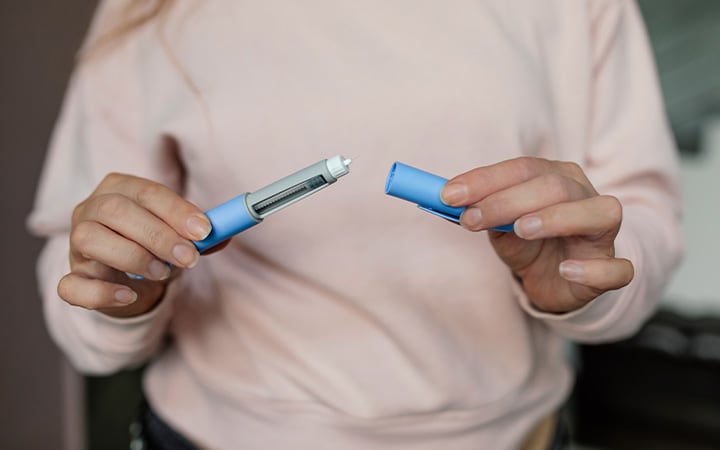
For many years, patients struggling with weight loss were told that success simply required more willpower – eat less, exercise more and the weight would eventually come off. But recent advances in medical science prove it’s often not that simple. The Science of Health
 

Labels: , , , , , , ,

Wednesday, September 08, 2021

Mobility Issues, Abdominal Fat, Low Strength, Older Demographics

"Our comparative analysis showed loss of gait speed occurring mainly when abdominal fat and weak muscles were associated. Gait  speed didn't decline so sharply in older people who had only abdominal fat or only weak muscles."
"In women, fat tends to accumulate around the thighs and hips but more fat also accumulates in the belly after the menopausal hormone drop. That's when the inflammatory cascade occurs. The buildup of abdominal fat fuels the inflammation, which consumes muscle mass and reduces muscle strength, while also impairing neural control of the muscles. The outcome is a steady loss of strength and accumulation of fat."
"Declining gait speed is an important indicator. It suggests mobility problems, a heightened risk of falls and potential incapacity in older people."
"Our aim in this study was to show the usefulness of this predictor for medical teams. A sizable number of elderly people have weak muscles and accumulated belly fat. Both can be corrected by exercise training and diet."
Tiago de Silva Alexandre, professor, department of gerontology, Centre for Biological and Health Sciences, Federal University of Sao Carlos, Brazil

"In the participants with abdominal obesity and muscle weakness, we observed a loss of 0.14 m/s in the eight-year period."
"At this rate there may come a time when they can't cross the street in the time allowed by traffic lights."
Roberta de Oliveira Maximo, study first author, doctoral candidate, UFSCar
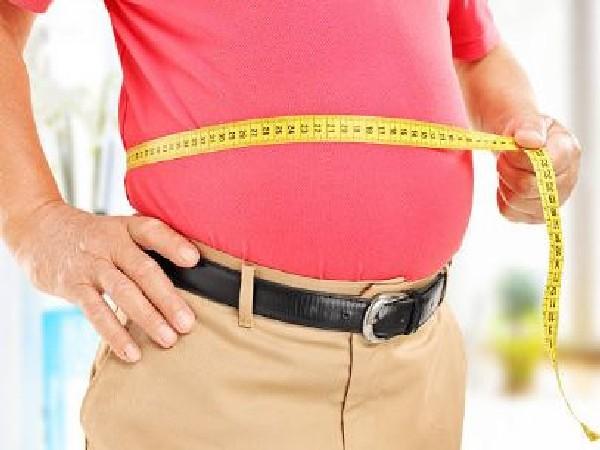
The buildup of abdominal fat fuels inflammation, which consumes muscle mass. Getty
 
Published in the journal Age and Ageing, the study that concluded older people with abdominal fat and weak muscles face increased risk of suffering a deadly fall, emphasized that while a slower gait is natural in the process of growing older, when walking speed diminishes too swiftly ordinary everyday activities, like crossing a busy street at a crosswalk, threatens to become a real problem. Should risk of falling increase, it generally sees a loss of independence follow.

Data from 2,294 adults from age 60 and upwards who had enrolled in the English Longitudinal Study of Ageing formed the backbone of this study. Subject participants formed four groups distinguished by gait speed and dynapenia (age-related loss of muscle strength and power), Dynaspenic and abdominally obese; dynapenic only; abdominally obese only; and finally neither dynapenic nor abdominally obese.

Abdominal obesity was signified by a waist circumference over 102 centimetres for men, and 88 cm for women, for the purposes of the study, while dynapenia's metric was grip strength under 26 kilograms for men and 15 kg for women. At the study outset none of the participants experienced issues with mobility or gait speed, but over the eight-year course of observation, many did. Among people without mobility issues with a baseline speed of 08 m/s (2.88 km/h) the greatest decline occurred in those who were burdened by both obesity and dynapenia.

Abdominal fat, weak muscles develop mobility issues in older people: Study | Abdominal fat, weak muscles develop mobility issues in older people: Study
Mobility-issues-in-older-people-study
The accumulation of abdominal fat is capable of  triggering an intense inflammatory cascade according to researchers, that effectively depletes muscle mass while decreasing strength. "Hence the concept of dynapenic abdominal obesity, which we've been studying in our research group for several years", noted Professor Alexandre. "In previous studies, we found a correlation between these traits, which are very common in the population, and a heightened risk of falls, alterations to the lipid, carbohydrate, glucose and cholesterol metabolism, incapacity and even death. But this is the first study to associate them with mobility."

Both genders are affected by the conditions leading to the loss of mobility, increasing with age. The researchers' intention in releasing their findings was to alert health workers to the need to focus on these factors and identify them as precursors to a loss of mobility -- and following that, an eventual loss of independence.

Labels: , , , ,

Monday, October 07, 2019

Inflammation Guidance

"That's when it [chronic inflammation] becomes detrimental."
"Chronic inflammation is like a grumbling, low level of inflammation, which can go on for years."
"Hippocrates [the Greek 'father of medicine'] BC, in 400 BC said that exercise is man's best medicine, but his message has been lost over time, and we live in an increasingly sedentary society."
"As we get older, levels of inflammation in the body tend to creep up, but if you keep your weight down and keep physically active then you can prevent inflammaging; it is not inevitable."
Dr.Janet Lord, director, Institute of Inflammation and Ageing, University of Birmingham

"In the late '90s, people started saying that heart disease is an inflammatory disease, and you can lower people's risk by treating them with anti-inflammatory drugs like aspirin."
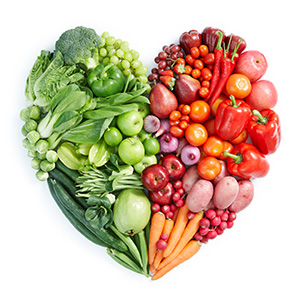
"If I was to write a book on the Mediterranean diet, I would have that exact same picture [colourful fruits and vegetables, olive oil, whole grains and nuts, salmon, red wine]."
"There isn't a magic anti-inflammatory diet; an anti-inflammatory diet is a generally healthy diet."
"That's [weight gain] a danger signal to cells, and the way we respond to danger is through inflammation. Being obese is a risk factor for heart disease and maybe one of the reasons is that adipose tissue drives low-grade inflammation." 
Dr.Philip Calder, nutritional immunologist, University of Southampton

"Diet, exercise, healthy lifestyle, minimizing stress, getting enough sleep; all of these things are beneficial at the molecular level and the cellular level, as well as just making you feel a lot better."
"One of the things they [senescent cells refusing to die] do is to switch on a pile of inflammatory genes. This aging-related inflammation even has a name: 'inflammaging'."
Dr.Lynne Cox, biochemist, University of Oxford
As people age, low-grade inflammation can increase as age progresses where sex hormones estrogen and testosterone -- both anti-inflammatory hormones -- decline, and inflammation creeps up. Senescent cells grow larger and more stressed, refusing to die, as we age. The best proven strategy against what seems inevitable is to continue to use our bodies. When muscles move, the production of anti-inflammatory cytokines, which counteract inflammation in the muscles and elsewhere in the body, is stimulated. Exercise is key.

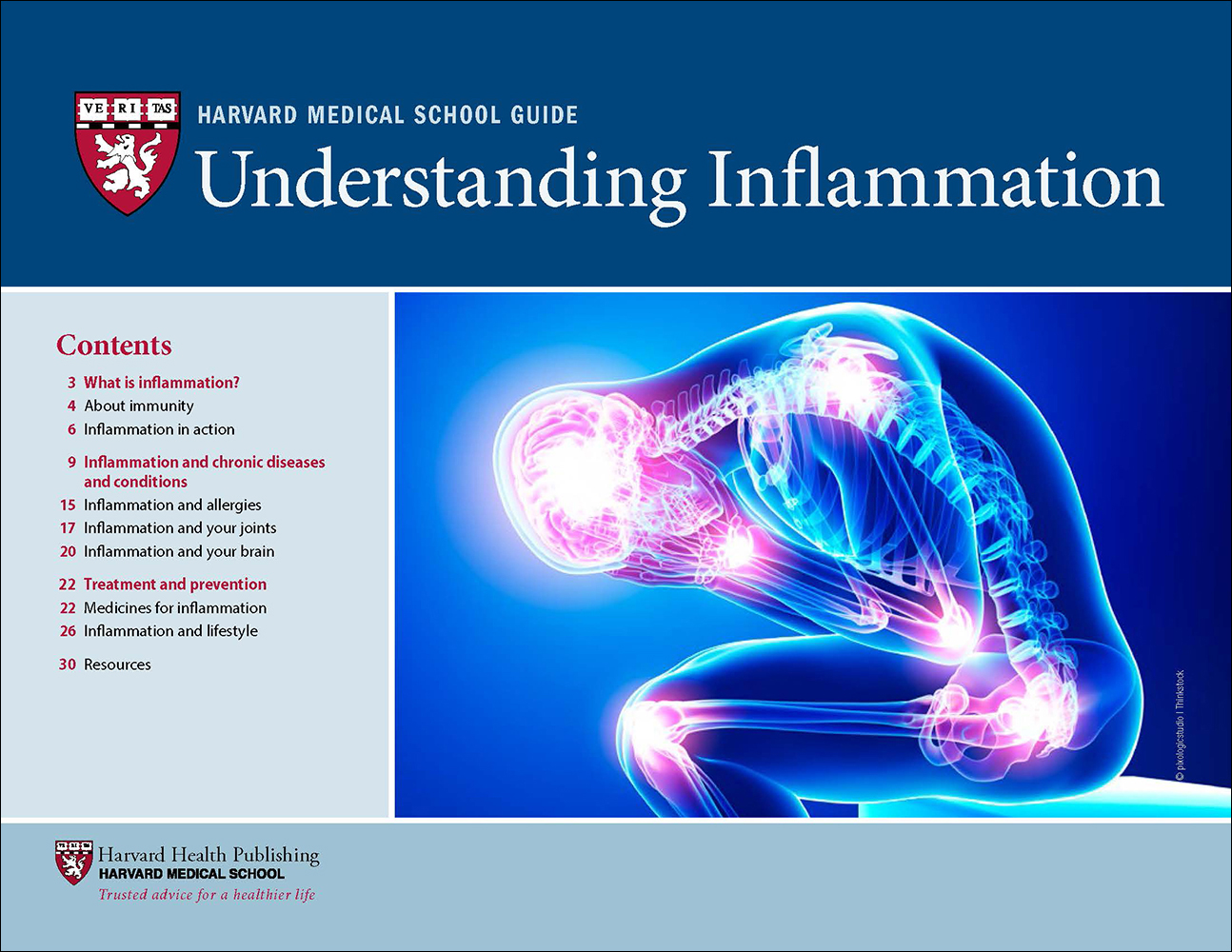
Inflammation has been linked to every major age-related disease; heart disease to dementia, Type 2 diabetes and cancer. The process causing pain, heat, redness and swelling with a fall or a sore threat is recognized increasingly as the start of the journey, through inflammation toward ill-health and frailty. "Inflammation is the way your body tries to defend itself against danger", immunologist at University of Manchester, Dan Davis advises. Inflammation helps to see that wounds don't fester and mild infections don't get worse.

Human tissues respond to injury and bacterium or virus infection through the release of chemicals called cytokines which bring forward immune cells whose function is to kill infectious agents and cells; to aid in repairing any damage through creating new tissue. The resulting inflammation is severe and painful, but generally vanishes once the wound or infection has been healed. Chronic inflammation is another thing; associated with age-related diseases and frailty where inflammatory chemicals are lower, but continue to fester.

In atherosclerosis -- a fatty plaque buildup in the blood vessel walls triggers inflammation. Should part of the plaque break away to trigger a clot, the result can be a heart attack or stroke. The buildup of fatty materials creating plaque may be attributable to the presence of inflammation to begin with. Recent research has revealed that statins, prescribed primarily to help lower cholesterol, have an anti-inflammatory effect as well, helping to reduce the risk of heart disease.
Image result for inflammation
Insulin, the hormone enabling glucose to be released from food becomes impaired in the presence of inflammation; the initial movement toward the development of Type 2 diabetes. The body's tissues irritated as glucose levels in the blood increase, triggers additional inflammation. Chronic inflammation activates enzymes in muscles, producing the hormone cortisol which in turn can trigger the breakdown of muscle and bone. "This is one of the reasons why you become frailer as you grow older", Dr. Lord explains.

In a subset of instances there are some scientists who believe that inflammation may be the cause of clinical depression. In middle age, chronic inflammation is being linked increasingly to memory loss and dementia as people grow older. Obesity researchers too are turning their attention to weight gain and the role inflammation plays there. A major source of inflammation is body fat (adipose tissue); as weight is gained, fat cells find it more and more difficult to receive sufficient oxygen.

Smoking or vaping can exacerbate the situation, since some of the inhaled chemicals trigger an immune response. Lack of sleep, emotional stress and a diet high in sugar and certain types of fat are viewed as other sources of low-level inflammation.

Here’s what you can do to reduce inflammation:
  • Quit smoking: Smoking damages your blood vessels and promotes atherosclerosis. By quitting, you can cut your heart disease risk in half.
  • Maintain a healthy weight: Being overweight increases your risk for multiple diseases. But carrying excess fat around your belly is a red flag for heart disease risk. A type of fat that accumulates in the belly (called visceral fat) secretes a molecule that causes inflammation.
  • Increase activity: Exercising for as little as 20 minutes a day can decrease inflammation. You don’t have to do an intense sweat session: Moderate workouts, such as fast walking, are effective.
  • Eat a heart-healthy diet: Processed and fast foods produce inflammation. Whole foods, on the other hand, are anti-inflammatory. Eat more fruits, vegetables, whole grains, beans, nuts and fatty fish.
John Hopkins Medicine

Labels: , , , , , , , , ,

 
()() Follow @rheytah Tweet