Blog dedicated primarily to randomly selected news items; comments reflecting personal perceptions
Tuesday, June 30, 2026
Weight Loss? No Easy Answers
"Usually when a new medicine happens, we have time to learn how to use it. [But with GLP-1 drugs], everyone is kind of iterating in real time."
"For the first time, we have medications that target obesity at its root,
reshaping how the brain and gut regulate hunger and impact metabolism.
These breakthroughs are game-changing, but major barriers remain: high
costs, insurance hurdles, lack of real-world data in diverse
populations, and persistent stigma."
"Both of them [Ozempic and Wegovy] slow stomach emptying. Both of them decrease appetite.
Both of them work at the level of the pancreas and at the level of the
brain and other organs in the body."
"It is a blockbuster in the works. [The weight loss it
produces is] profound [and might be a good fit for people with a very
high BMI]."
Dr. Melanie Jay, director, N.Y.U. Langone Comprehensive Program on Obesity
"Not everybody responds to GLP-1."
"[Other] people are having tolerance to it. … Over time, somebody who responded to Wegovy
really well at the beginning, five, 10, 20 years from now, probably
will need some other more powerful or different acting medication."
"For somebody who has a lower BMI of 30, this might be overpowering."
Dr. Shauna Levy, medical director, Bariatric and Weight Loss Center, Tulane University, New Orleans
"Just as there are many classes of medications for diabetes or for blood
pressure, there will be many different classes that target different
mechanisms of the disease of obesity."
"They are all hormones that communicate to our brain. How hungry are we? How full are we?"
Dr. Ania Jastreboff, director, Yale Obesity Research Center
Alvvino
World-wide, tens of millions of people take prescribed drugs like Ozempic. A situation that represents a type of real-time experiment offering substantially greater data than would be the case with even carefully controlled clinical trials. Originally prescribed as a weight-loss drug for people with diabetes, the drug has greatly expanded in use beyond diabetes and obesity. Some of the class have been approved for the new purpose of reducing risk of heart attacks and allied cardiovascular issues as well as for the treatment of sleep apnea, severe liver disease, and kidney disease.
While the drugs' use has been expanded now to treat a wider variety of health conditions, it is widely acknowledged that it is their weight loss performance that drives their wider use. On the other hand researchers subscribe to the belief that the drugs provide benefits other than weight loss. Leading that belief is a theory that the drugs' effect diminishes the opportunities for inflammation, involved in many chronic health conditions.
Those patients who decide to cease taking the drugs tend to regain weight to a significant degree. Clinical trials of the injectable drugs now in circulation have noted that people lose some 15 to 20 percent of their body weight on average after roughly 72 weeks; numbers supported by other studies. Depending on the drug and the study other real-world trials indicate average weight loss to range between 8 and 17 percent.
When people decide to stop taking the drugs it is most often attributed to the result of unwanted side effects, or the costs involved. At least some of the dropped weight will be regained. Records of 180,000 patients underwent an analysis that found over half of those who took semaglutide -- the working substance of Wegovy -- or tirzepatide -- the compound in Zepbound -- retained at least some lost weight or even additional weight two years post-cut-off.
GLP-1 drugs for diabetes and weight loss have proven to be very
effective, but they do have side effects. Among those side effects is
"Ozempic face," where skin on the face sags and wrinkles. "Ozempic face"
was coined in reference one of these drugs, although any rapid weight
loss can cause it. Harvard Health
Patients stopping use of the drugs frequently select other methods to maintain weight loss, including intense exercise, bariatric surgery or other weight-loss medications, according to Hamlet Gasoyan at the Cleveland Clinic in Ohio, who studies these drugs. Unexpected downsides can result with many people on the drugs experiencing side effects reported in clinical trials, such as nausea, fatigue and digestive issues like vomiting and diarrhea.
With ever greater numbers making use of the drugs, additional concerns crop up, such as "Ozempic breath"(dehydrated patients whose dampened appetites cause them to consume fewer liquids), and "Ozempic face" that results after fat loss leaves a hollowed-out appearance on the face. More serious issues have also emerged with doctors seeing dialled-down appetites sufficiently extreme to end up with some patients developing nutritional deficiencies.
The loss of muscle mass in some patients, another issue -- with many young, healthy patients able to recover or preserve muscle by strength training and consuming more protein, according to doctors. Older adults, however become more frail on these medications, and the risk of falls becomes more troubling. There are some who use the drugs who claim to feel more confident, able to exercise and move about with greater ease.
Other patients claim, according to Marie Spreckley, a researcher at University of Cambridge, that they feel emotionally flatter, abandoned by the delight they once held for food, leaving them less connected to the social element of eating with others. Even others report personalities that feel dull, or being left feeling lethargic under the influence of the drugs.
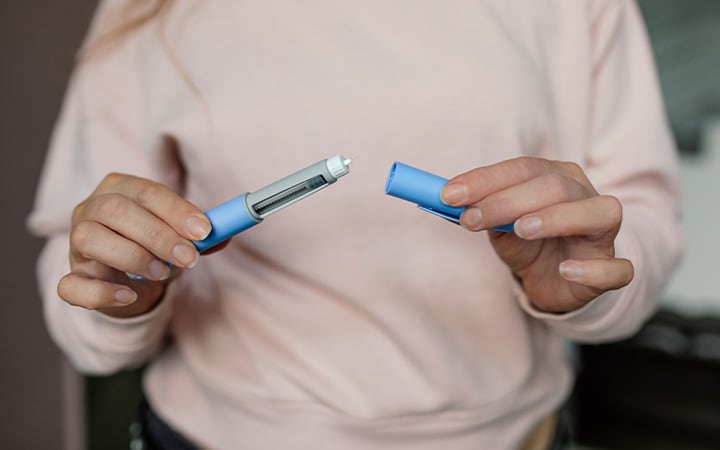
For many years, patients struggling with weight loss were told that
success simply required more willpower – eat less, exercise more and the
weight would eventually come off. But recent advances in medical
science prove it’s often not that simple. The Science of Health
"Our study reinforces dietary guidelines recommending vegetable oils such as olive oil and suggests that these recommendations not only support heart health, but potentially brain health as well."
"Opting for olive oil, a natural product, instead of fats such as margarine and commercial mayonnaise is a safe choice and may reduce the risk of fatal dementia."
"It is also possible that olive oil has an indirect effect on brain health by benefiting cardiovascular health."
"Given that olive oil is the primary source of added fat in a typical
Mediterranean diet, we were interested in examining its association with
fatal dementia."
"Olive oil may play a beneficial role in cognitive health through its
rich content in monounsaturated fatty acids, which may promote neurogenesis. It also contains vitamin E and polyphenols, a trusted source that have antioxidant activity."
Dr. Anne-Julie Tessier, Harvard T.H.Chan School of Public Health
An Auburn University study tested the effects the consumption of extra
virgin olive oil or refined olive oil had on participants
Uncertain what precisely drives the salubrious effect of including olive oil in one's daily diet, the educated guess by experts is that the antioxidants in olive oil is able to pass through the blood-brain barrier, having a direct effect on cognition. It is well known and accepted that olive oil improves heart health; again, the assumption that it may have an indirect impact on maintaining a healthy brain, according to the speculation of nutritional science.
A new study out of Harvard University goes a little further; researchers followed 90,000 people in the United States over a thirty-year period. In that time frame, 4,749 of the study subjects, around 5.2 percent, died. According to the results of the study people who consumed over half a tablespoon of olive oil daily acquired a 28 percent lower risk of dying from dementia during that time, in comparison with others who never, or rarely consumed olive oil.
Evidently the study concluded that replacing one teaspoon of margarine or mayonnaise with the equivalent amount of olive oil daily was associated with up to a 14 percent lower risk of dying from dementia. Still, the link between olive oil and dementia mortality risk remained, even when a superior diet was accounted for, leaving the impression that the oil may contain properties uniquely beneficial for the brain.
Previous studies have linked higher olive oil intake with a lower risk
of heart disease. Incorporating olive oil as part of a Mediterranean
dietary pattern has also been shown to help protect against cognitive
decline. Credit: Neuroscience News
"Other compounds such as oleocanthal and oleuropein are [also] considered beneficial."
"There
is also some evidence showing that it is the combination of all these
different compounds more than a single element responsible for the
positive effects."
"EVOO [extra-virgin olive oil] enhanced the blood-brain barrier function and functional connectivity between different brain areas in individuals with mild cognitive impairment (MCI), which could emphasize EVOO-phenolics’ effect."
"Our findings showed that EVOO and ROO improved cognitive function
as determined by the improved clinical dementia rating and other
behavioral scores."
"Interestingly, the MRI scans results were not the same between EVOO
and ROO. While EVOO enhanced the blood-brain barrier function and the
functional connectivity between different brain areas, ROO increased the
functional brain activation to a memory task in brain regions involved
in cognition."
Dr. Amal Khalil Kaddoumi, professor, Harrison College of Pharmacy, Auburn University
Professor Amal Kaddoumi, standing, recently completed a study that found
extra virgin olive oil may have positive effects on individuals with
mild cognitive impairment. Auburn University
"These results are exciting because they support the health benefits of
olive oil against Alzheimer’s disease,"
"Based on the
findings of this study and previous pre-clinical studies by us and
others, we can conclude that adding olive oil to our diet could maintain
a healthy brain and improve memory function."
Electron microscope image COVID-19. CP/NIAID-RML via AP
"[It is clear that COVID-19] is a disease that affects multiple organ systems. Everyone thinks of the lungs first and foremost, but we know there are quite a few patients who have involvement of the heart." "What is really scary about this infection is its unpredictability. You have the occasional story of the 25-year-old marathon runner in perfect shape who dies from COVID. That can happen. That freaks everybody out." "We know that COVID and heart disease don't marry very well. You don't want to bring the two together." "I think we are going to have to manage both threats for a long time -- the COVID threat, but also the heart disease threat, and make sure people don't forget to seek medical attention when they need it." Dr.Marc Ruel, head, cardiac surgery, Heart Institute, Ottawa
Doctors and nurses inspect a patient’s scans in Istanbul.
Concern is growing that the lungs and other organs can struggle to heal
after infection. Chris McGrath/Getty Images
Specialists at the University of Ottawa Heart Institute are on alert in recognition of medical experts now acknowledging that COVID-19 constitutes an especial threat to the heart-health of those who contract the virus. Though once it was felt people with heart disease were likelier to become infected with COVID-19 now evidence has shown that those with heart disease, though not likelier to contract COVID-19, are nonetheless likelier to have a severe form of the disease.
An even stronger link between COVID-19 and the heart has been revealed by new research. Research that leads to the belief that COVID-19 could result in long-term detrimental impacts on the state of heart health of some patients with no prior heart disease condition. Dr. Ruel of the Ottawa Hospital Heart Institute estimates that the number of patients with heart involvement resulting from COVID could be as high as 20 percent.
Because COVID-19 stresses the body in a number of ways, it specifically does so to the cardiovascular system. In that it can both reveal the presence of previously unknown heart disease and on the other hand, become the catalyst to produce new issues in some patients, though its frequency is not yet clear. According to Dr. Ruel, COVID-19 ultimately will have a profound effect on the heart health of some patients once recovered from the disease.
A recent study from Germany, published in JAMA Cardiology discovered troubling cardiac signs in patients recovered from COVID-19 in comparison to people who were similar but never infected. Comparing cardiac MRIs of 100 relatively healthy previously infected patients and 100 non-infected patients, the study found those who had COVID-19 likelier to come out of the experience with signs of heart disease, including structural changes to the heart in 78 percent of recovered patients.
Yet another study found elevated levels of the virus in the hearts of patients who had died as a result of having contracted COVID-19 early in the appearance of the pandemic. Some characteristics of COVID-19 clearly have direct influence on the heart. Unusual blood clotting issues in a significant number of patients, along with widespread inflammation which can damage cells and affect the function of the heart, included.
There have been instances of relatively young and healthy people suffering serious outcomes, even death, while many other people who contract COVID-19 recover completely. No cases of COVID-19 have occurred among open-heart surgery patients at the Heart Institute, but the potential of such an occurrence must be contemplated, with the continuation of the global pandemic.
Another issue is raised in the presence of the pandemic, one of persuading people reluctant to enter a hospital for fear of contracting COVID-19 there. Evidence exists globally of patients deliberately avoiding entering hospital for any reason, for fear of contracting the virus there, leading to more severe illness of various types; in some cases death.
"These are two studies that both
suggest that being infected with Covid-19 carries a high likelihood of
having some involvement of the heart. If not answering questions, [they]
prompt important questions about
what the cardiac aftermath is." "The question now is how long these
changes persist. Are these going to become chronic effects
upon the heart or are these — we hope — temporary effects on cardiac
function that will gradually improve over time?" Matthew Tomey, cardiologist,
assistant professor of medicine, Icahn School of Medicine, Mount
Sinai Health System, New York
1 Brain fog Difficulty thinking can occur after acute COVID-19infection. The virus may damage brain cells, and inflammation in the brain or body may also cause neurologic complications.Other viral infections can also lead to brain fog.
2 Shortness of breath Doctors are eyeing lung and heart complications including scarring.Patients who become critically ill with COVID-19 seem more likely to have lingering shortness of breath, but those with mild cases are also at risk.
3 Heart arrhythmia The virus can harm the heart, and doctors are concerned about long-term damage. How the heart heals after COVID-19 could help determine whether a patient develops an irregular heartbeat.
4 Hypertension Some patients have high blood pressure after an acute infection,even when cases were relatively mild and people were previously healthy, possibly because the virus targets blood vessels and heart cells. V. Altounian/Science
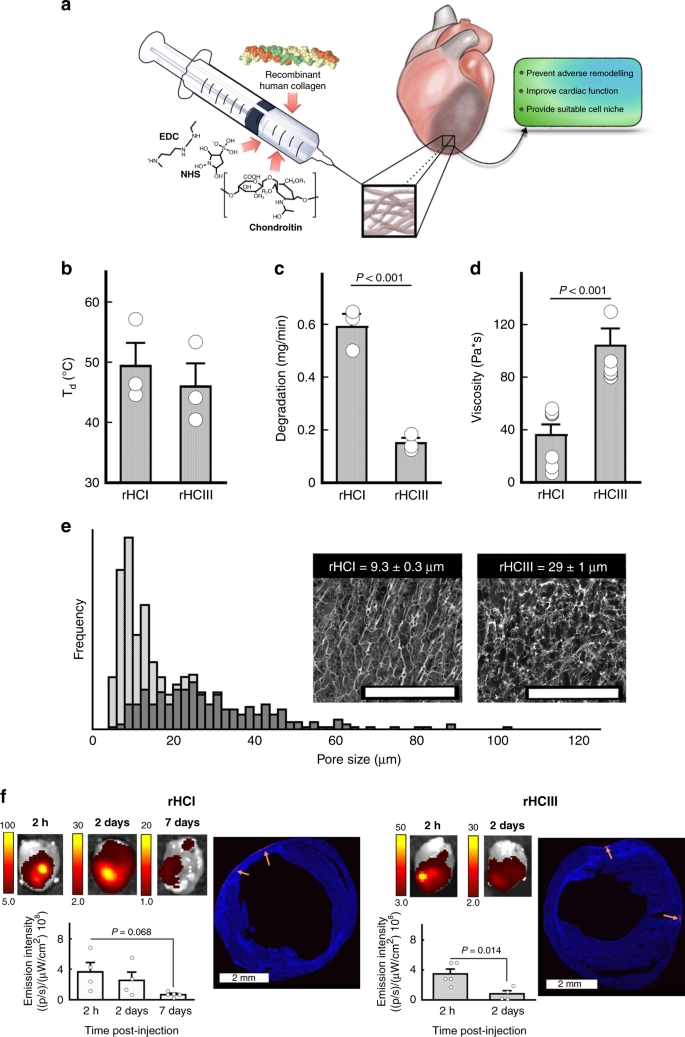
"This injectable material is the first in the world prepared using human collagen." "As a standalone therapy, we believe the rHCI gel performs better than
any cell-based therapies or pharmacological treatment currently
available, allowing for easier future translation to the clinic." "The treatment works, in part, by increasing the number of
cardiac muscle cells and blood capillaries in the tissue surrounding the
damaged area. The gel also promotes the recruitment of more wound
healing cells to the site of injury." "We had to complete it [research study] many times because we couldn't believe it [the findings]." "[The heart institute's BioEngineering and Therapeutic Solutions team [BEaTS] are hopeful their human collagen gel will one day lead to a recovery of heart function and prevent heart failure in humans, but more testing is required." Dr.Emilio Alarcon, Scientist, Division of Cardiac Surgery, Director, Bio-nanomaterials Chemistry and Engineering Laboratory, University of Ottawa Heart Institute
"As people with damaged hearts are living longer, the incidence of heart
failure is increasing. Therefore, a treatment capable of recovering
cardiac function and preventing heart failure would have a tremendous
health and societal impact worldwide." "The therapy developed
here in Ottawa by the BEaTS team is a promising approach to
accomplishing this." Dr. Marc Ruel,
Division Head of Cardiac Surgery at the UOHI
Gordon Keller Lab. Heart cells beating in a culture dish
Roughly ten percent of people experiencing a heart attack [myocardial infarction] will see scarring and thickening of the heart wall developing, a situation that can lead to heart failure. The development is costly to treat and there is a high mortality rate attached to the condition.
Added to which people living away from urban areas, remote from health care, along with individuals who fail to seek out immediate treatment or have no idea they've suffered a heart attack, are likelier than others to suffer heart muscle damage.
Within Canada an estimated 600,000 patients cope with managing advanced heart failure, with health-care costs amounting to over $2.8 billion annually. This is a situation compounded by the fact that with professional health care of the greatest quality available, people are living longer and inevitably the numbers of people being treated with advanced heart failure through therapeutic means will rise even while treatment cost will inevitably increase.
Any new protocols that aid in prolonging life and making the condition more manageable would be a huge assist in terms of quality of life for patients and in alleviating the burden somewhat on the health care system.
Dr. Alarcon and his colleagues at the Heart Institute have been absorbed for years in the concept of a remedial gel for heart patients post-heart attack. They had developed a gel containing human collagen able to repair damaged hearts in laboratory mice. Because of the startlingly positive results, they methodically and studiously repeated the study, to find that randomized, blinded results validated their aspirational success.
The five years spent dedicated to the project saw publication in the journal Nature Communications, with Dr. Alarcon and Dr. Erik Suuronen, a scientist in the Division of Cardiac Surgery, and director of its Biomaterials and Regeneration program, as lead authors. The injectable gel their research produced is now viewed as an unprecedented leap toward addressing cardiac muscle repair following a heart attack, with the use of the injectable material recognized as the first ever prepared with the use of human collagen.
The gel is designed for injection directly into patients' hearts to help heal damaged heart tissue following a heart attack. The research team feels the gel is a vast improvement over any other cell-based therapies or drug treatments reflecting current therapeutic protocols. The gel treatment, explained Dr. Alarcon, works through increasing the number of cardiac muscle cells and blood capillaries in the tissue surrounding damaged areas of the heart as the gel helps to produce greater numbers of wound-healing cells to promote repair.
Abstract: Despite the success of current therapies for acute myocardial infarction
(MI), many patients still develop adverse cardiac remodeling and heart
failure. With the growing prevalence of heart failure, a new therapy is
needed that can prevent remodeling and support tissue repair. Herein, we
report on injectable recombinant human collagen type I (rHCI) and type
III (rHCIII) matrices for treating MI. Injecting rHCI or rHCIII matrices
in mice during the late proliferative phase post-MI restores the
myocardium’s mechanical properties and reduces scar size, but only the
rHCI matrix maintains remote wall thickness and prevents heart
enlargement. rHCI treatment increases cardiomyocyte and capillary
numbers in the border zone and the presence of pro-wound healing
macrophages in the ischemic area, while reducing the overall recruitment
of bone marrow monocytes. Our findings show functional recovery post-MI
using rHCI by promoting a healing environment, cardiomyocyte survival,
and less pathological remodeling of the myocardium.
Injectable human recombinant collagen matrices limit adverse remodeling and improve cardiac function after myocardial infarction Nature Communications
"...We can't eliminate use of these [cardio-toxic] treatments completely because they are needed to cure cancer." "While anthracycline chemotherapy may induce heart disease, many patients require these treatments to survive." "[It's important to] make sure survivors and their doctors are aware of the risks and [know] what to look out for." "The close connections between lifestyle, metabolic disorders and
cardiac disease warrant careful follow-up and monitoring of the
childhood cancer survivor population." Dr.Paul Nathan, professor of pediatrics and health policy, management and evaluation, University of Toronto "There are half a million childhood cancer survivors in the U.S. and that number continues to grow as treatments get better." "[The good news is that this is] something we can actually affect." Dr.Kirsten Rose-Felker, pediatric cardiologist, UPMC Children's Hospital of Pittsburgh
Heart Failure in children and adolescents, American Heart Association
Research is now pointing in the direction of suspected survivors of childhood cancer future risks for heart problems associated with the treatment protocols -- a problem already in the realm of medical knowledge -- is actually far more urgent than suspected. A new study of over 43,000 children led Canadian researchers to the insight that young cancer survivors in actual fact have up to a three-fold increased risk of developing other cardiovascular problems, according to the report published in Circulation.
Study co-author, staff oncologist at The Hospital for Sick Children Dr. Paul Nathan, stresses that these new conclusions should compel survivors of childhood cancers to focus on identifying and improving risk factors for modifiable heart disease. Particular attention must be paid to high blood pressure and diabetes until the evolution of cancer treatments lead to less toxic treatments to the heart. Dr. Nathan points out that the newly-identified increased risk should ensure that survivors of childhood cancer be regularly screened to identify at an early stage symptoms of heart disease.
Dr. Nathan and his research colleagues made use of a cancer registry named the Pediatric Oncology Group of Ontario Network Information System to enable them to closer scrutinize the impact of childhood cancer therapies on the heart. Health data from the general public collected by The Institute for Clinical Evaluative Sciences was also made use of.
The focus was on the 7,289 cancer survivors diagnosed before the age of 18 who were treated between 1987 and 2010 at a pediatric cancer centre, and who survived for at least five years, where the study was designed for each of those survivors to be matched in age, gender and postal code to five cancer-free people from the general public; a total of over 36,000 individuals representing the control group.
For over a decade, 50 percent of the patients were tracked and during followup 203 survivors representing 2.8 percent of the total experienced one or more cardiac events, in comparison to 331 such events that the control group experienced (0.9 percent). It was discovered that even at relatively young ages, cancer survivors ended with a three-fold increased risk for any type of heart event; as great as a ten-fold increased risk for heart failure compared to their peers, once the researchers analyzed their data.
According to Dr.Kirsten Rose-Felker of the Children's Hospital of Pittsburgh, many pediatric cancer centres follow survivors of childhood cancers for possible heart damage. A protocol based on previous knowledge of links between the drugs used to battle childhood cancers, and their deleterious effects on the heart. The difference being that this new study establishes that those heart risks are even greater than what had been perceived, making the urgency of follow-up and swift remedial action more acutely required.
"[Being female is a] statistically significant risk factor for dying after surgery." "These established sex differences explain our overall observation of lower estimated long-term survival in women after cardiac surgery and of female sex being an independent risk factor for long-term mortality." "[The risk of dying after bypass surgery remains low; in the one percent rage.] But out of that one percent, we are seeing more women than men." Dr. Louise Sun, cardiac anesthesiologist, clinical scientist, University of Ottawa Heart Institute
"Given the substantial sex differences in patient presentation for coronary and valvular heart disease, further efforts need to be directed at the education of both physicians and patients in the early recognition of acute presentation of cardiac disease in women." Research Study authors
Cardiogram monitor in surgeryFotolia
A study recently published in the Journal of the American Heart Association where over 72,000 Ontario cardiac patients were involved, found women likelier to die than their male counterparts following coronary artery bypass surgery or valve surgery, including both combined, within thirty days -- including in the longer term. Researchers at the University of Ottawa Heart Institute and the University Health Network in Toronto, conducted the study which now becomes part of the evidence steadily mounting pointing out that heart disease and surgical outcomes are vastly different between men and women.
Of the 72,824 Ontario patients who had undergone cardiac bypass and valve surgeries in the years 2008 to 2016, the majority represented male patients, a reflection that heart disease afflicts a greater number of men than it does women. Of those studied, twenty-five percent were women. While women were seen to have significantly higher rates of death compared to men following coronary artery bypass surgery and combined bypass and mitral valve surgery, women had lower rates of long-term mortality after isolated mitral valve replacement.
Men, on the other hand, experienced lower death rates after isolated mitral valve repair, findings that led researchers to the conclusion that women are plagued with "long-term mortality" in the wake of cardiac surgery. Several plausible reasons were considered, explaining women's high death rates; one, that women tend to be more age-advanced than men when cardiac bypass surgery is required; they are more physically frail, and more medically complex, frequently associated with additional health issues like diabetes and hypertension.
Apart from those common gender-difference reasons, women frequently experience treatment delays where men do not tend to, leading to their conditions becoming more seriously impacted by the time surgery appears on the horizon. Among medical complexities in female patients, pointed out Dr Sun, is that some patients undergoing bypass and mitral valve surgery have had a previous undetected heart attack which might explain why they require surgery to replace a leaky mitral valve.
Additionally, sex-specific risk-prediction models for patients undergoing cardiac surgery is needed, for which a suitable protocol is currently being worked on.
Heart attack symptoms for women
The most common heart attack symptom in women is some type of pain,
pressure or discomfort in the chest. But it is not always severe or even
the most prominent symptom, particularly in women. And, sometimes,
women may have a heart attack without chest pain. Women are more likely
than men to have heart attack symptoms unrelated to chest pain, such as:
Neck, jaw, shoulder, upper back or abdominal discomfort
"Our findings provide evidence that pushup capacity could be an easy,
no-cost method to help assess cardiovascular disease risk in almost any
setting. Surprisingly, pushup capacity was more strongly associated with
cardiovascular disease risk than the results of submaximal treadmill
tests." "Using push-ups could be a no-cost and simple method to assess one’s
functional capacity and predict future cardiovascular event risk. For clinicians this is really important since a lot of tests vary
in their results and are very expensive and time consuming. This can be
done within a minute." "With firefighters pictured on calendars as muscular and very fit, we
tend to think of them as different from everyone else, but this group is
pretty much the same as the rest of the population. Half
of them were overweight or obese." Justin Yang, occupational medicine resident, Harvard University
"It's one snapshot assessment, but the fact that you can do less than 10
push-ups doesn't necessarily mean you're at high risk for heart
disease. There could be other factors at work.: "And the fact that you can
do more than 40 doesn't mean you're at low risk." Dr. Stefanos N. Kales, co-author, Harvard study
Master Sgt. Jesse Lawhorn, 49th
Maintenance Squadron, completes 289 push-ups during the annual Push
up-a-thon held at the Domenici Fitness and Sports Center here Dec. 11.
Sergeant Lawhorn won the category for having the most push-ups for males
over the age of 30. (U.S. Air Force photo by Airman 1st Class Veronica
Stamps)
"You have to be pretty fit to do that many push-ups." "You would probably have to do a
good amount of exercise on a regular basis to get to the level of 40 or
more." Kerry Stewart, professor of medicine, director, clinical and
research exercise physiology, Johns Hopkins School of Medicine,
Baltimore, Maryland
"We have long known that physical inactivity constitutes a risk factor
for cardiovascular disease and is associated with worse [health] outcomes." "Conversely, physical activity decreases
cardiovascular risk." Dennis Bruemmer, associate professor of medicine, cardiologist,
Heart and Vascular Institute, University of Pittsburgh Medical
Center, Pennsylvania
Men, able to produce 40 pushups at a time, are recognized through a new study appearing in JAMA Network Open as less likely to experience a heart attack or any cardiovascular problem in following years, than those men who manage to complete ten or fewer pushups in a single exercise session. Although the medical community has long recognized the utility of exercise in keeping a body healthy, what is meaningful about this study and its conclusions is that pushup capability might present as a simple method of assessing heart health.
It is universally acknowledged that cardiovascular disease represents the most common cause of global death events. Surviving heart attacks and strokes leads invariably to disability, a lapse in work capability and a considerable diminution of quality of life. The issue here is to recognize the presence or impending signals of cardiovascular disease onset and while there are medical tests to diagnose heart health such as treadmill exercise-stress testing or heart scans, they tend to be complicated and are expensive to prescribe.
These are not tests that are predictive in nature, picking up alerts that heart health is being compromised; what they mostly do is recognize heart disease once it has developed. This very fact spurred Harvard University researchers and those at Indiana University along with other related institutions to study the health and fitness of a group of over 1,500 Indiana firefighters who were instructed to report annually to a single clinic in the state for a medical check, including standard assessments of weight, cholesterol, blood sugar and allied health data.
Part of the annual report included a submaximal treadmill stress test to estimate their current endurance capacity. It was that last measurement of endurance capacity that piqued the interest of researchers, building on past studies that have linked high aerobic fitness with a reduced risk for heart disease onset. The purpose was for the researchers to compare stress test results to cardiovascular problems in the future for a sense of how prescient the treadmill testing might turn out. It then came to the notice of the researchers that over 1,100 of the firefighters had as well completed pushup tests as part of their yearly exams.
Taking advantage of the pushup data available, the researchers included that information as a second set of data, to categorize the men in groups reflecting the number of pushups they were able to complete. Then they discovered that pushup capacity proved to be a more statistically accurate predictor of future heart problems than the treadmill tests. This was a strictly observational study, showing that a greater number of pushups are linked with fewer heart problems, but not that arm strength directly improves heart health or whether ability to perform more pushups would drop the risk for heart problems over time.
However, according to Dr. Stefanos Kales, professor of medicine at Harvard Medical School, and senior author of the new study, "muscular strength is one component of good fitness". A further takeaway from the proficiency in performing pushups is that those who demonstrated that ability are assumed to have an interest in consuming nutritionally healthful food, to indulge in regular exercise and to maintain a normal weight, all of which contribute to healthier hearts.
"I think the iterative technological advances will continue [in the field of cardiology]. But the big frontier is going to be in marshalling more resources to address the intersection of the emotional heart and the biological heart." "I had this [personal] fear of the heart as the executioner of men in the prime of their lives." "Sitting numbly in that dark room [after a CT angiogram revealed coronary artery blockages], I felt as if I were getting a glimpse of how I was probably going to die." "You can't suture something that's moving [a beating heart], and you couldn't cut it because the patient would bleed to death [accounting for surgeons' fear of operating on the heart until the emergence of the 20th Century]." "What came out of it [the 1948 Framingham Heart Study] were the risk factors that we now know and treat. What was eliminated were things like emotional dysfunction and marital health [impacting on heart health]." "I used to be so wrapped up in the rat race that I was probably putting an inordinate amount of stress on myself. Now I think about how to live a little more healthfully, to live in a more relaxed way. I have also bonded more with my patients and their fears about their own hearts." Dr. Sandeep Jauhar, cardiologist, director, Heart Failure Program, Long Island Jewish Medical Center, New York
Though Heart is his third book, it’s his first foray into stories that revolve around the body’s most vital organ. SergeyNivens/Getty Images/iStockphoto
Heart disease, despite enormous advances in treatment, pharmaceutical regimens, surgical interventions and associated care, remains North America's leading killer of adults. Even though in North America, post-heart attack mortality has dropped tenfold since the late 1950s. Yet, as much as medical science knows about the physiological-biological link with heart health, it knows very little of the psychological-emotional ties with the health of the beating, hard-working heart.
Dr. Jauhar, a best-selling author and frequent contributor to The New York Times, deplores this lack of attention to the part the human psyche and its stability plays on the health of the heart. He feels that when the Framingham Heart Study investigators set out to study thousands of Americans to identify vital cardiovascular risk factors in 1949, such as cholesterol, blood pressure and smoking, they overlooked the potential of psychosocial determinants in heart health as representing an unneeded complication.
It is now, he feels, past time that due recognition be given to that health component and he has himself addressed that link between emotional health and heart health for starters in his new book, Heart: A History. In the book he follows the history of cardiovascular medicine, exploring the immense technological advances, from open-heart surgery to the artificial heart. And he argues the need to devote greater attention to emotional factors influential in heart disease, citing unhappy relationships, poverty, income inequality and work stress.
There is no more vital organ in the human body than the heart; it is the engine that keeps everything running in good order. If it is not in good order the rest of the machinery is threatened. The heart's centrality to existence has long been recognized. In many cultures it is seen as symbolic of romance, sadness, sincerity, fear and courage (Latin word for heart: 'cor'). The heart in fact, is a pump circulating blood throughout the body, the only organ capable of moving itself as it beats three billion times in the average lifetime.
Its vitality, yet perceived fragile state made doctors fearful of approaching it at a time when all other organs of the body were addressed with surgical procedures when they went awry. It took the introduction of the 20th Century to give medical scientists the courage to assure themselves that the heart too could undergo operations in efforts to mitigate problems that arose with it. Since then, once-miraculous surgeries have become commonplace.
Studies indicate that stress and despair can have a huge impact on the condition of the heart. A condition known as Takotsubo cardiomyopathy (broken-heart syndrome), where the death of a life-partner, financial concerns or some other life-altering personal catastrophe is capable of weakening the heart, causes symptoms similar to that of a heart attack. Scientist Karl Person a century ago undertook a study of cemetery headstones, noticing that husbands and wives frequently died within a year of one another.
Dr. Jauhar's own family history with heart disease where several of his close relatives died after morbid run-ins with a failing heart, spurred him to study the link between emotional well-being and heart health. His paternal grandfather died at age 57 when an encounter with a black cobra triggered a fatal heart attack. Following graduation from medical school, Dr. Jaubar took a cardiology fellowship and became director of the heart failure program at Long Island Jewish Medical Center.
He was 45 when he experienced his own frightening encounter with heart disease. A man who exercised regularly, led a healthy lifestyle, still found that his heart health had been compromised. He reviewed radiographic images of his heart with the realization that proceeding along the path that he had taken in concentrating on his professional career and perhaps abandoning some moderating elements in his personal life came at a price.
Studies indicate that people who feel chronically stressed by work or relationships, along with those who feel socially isolated become more susceptible to heart attacks and strokes. Some studies have shown that doctors allow their patients roughly 11 seconds to explain their reasons for a clinical visit before cutting them off. Dr. Jauhar appreciates how important it is to allow patients to talk of matters that concern them, to enable him to more fully understand their emotional lives.
In the process, he has also attempted to introduce new habits in his own life, in hopes of reducing stress. Trying out relaxation techniques in yoga and meditation, as an example. He has committed to daily exercise, devotes himself more frequently to time spent with his children. And finds in the process that he is now better able to relate to his patients.
The
book isn’t meant to be an exhaustive recitation of history, as Jauhar
punctuates his accounts with interesting notes about these physicians –
including their failures.
"This should set the record straight. There's a lot of folks on both sides of this but
this study should end the question. There is no benefit for seniors who
do not have vascular disease." "I've spent the last five, six
years trying to get all my seniors to stop taking Aspirin [based on the
clear risks and unproven benefit]." "If
you look at the new findings, at best it's neutral and at worst it
increases the bleeding risk." Dr. Vincent
Bufalino, Advocate Heart Institute, Chicago
The study 'could not identify any subgroup in whom Aspirin was beneficial in preserving good health.' (Gary Cameron/Reuters)
"Taking low-dose aspirin daily doesn’t preserve good health or delay the onset of disability
or dementia in healthy older people. This was one finding from our
seven-year study that included more than 19,000 older people from
Australia and the US." "We also found
daily low-dose aspirin does not prevent heart attack or stroke when
taken by elderly people who hadn’t experienced either condition before.
However it does increase the risk of major bleeding." "It has long been established that aspirin saves lives when taken by
people after a cardiac event such as a heart attack. And it had been apparent
since the 1990s there was a lack of adequate evidence to support the
use of low-dose aspirin in healthy older people. Yet, many healthy older
people continued being prescribed aspirin for this purpose." "It means millions of healthy older people around the world who are
taking low-dose aspirin without a medical reason may be doing so
unnecessarily, because the study showed no overall benefit to offset the
risk of bleeding."
John McNeil, Professor, Head, School of Public Health & Preventive Medicine, Monash University, Australia
Published in three articles in the New England Journal of Medicine a week ago, a new study of over 19,000 people who were prescribed low-dose Aspirin to be taken daily for an average of 4.7 years found that the long-held trust that Aspirin would reduce the potential of stroke or prevent heart attacks, even dementia and cancer, was not borne out by the study results.
The elderly who were taking this prescribed medication for that very important purpose were not at all advantaged as it was presumed they should be. Their risks of cardiovascular disease, dementia or disability were not reduced, thanks to the supposedly miraculous effects of regularly taking low-dose Aspirin as a preventive. What that regular intake did do, however, was increase the risk to the individual of bleeding of a health-averse, significant effect in the digestive tract, brain or other sites, which required remedial blood transfusions and hospital admission.
The study leader, Dr. John McNeil of the department of epidemiology and preventive medicine at Monash University in Melbourne, Australia, emphasized that "the ugly facts which slay a beautiful theory", came to the researchers as a surprise; not at all what they had anticipated would be the finding when they set out to test the medically accepted theory of Aspirin as a deterrent to adverse heart conditions in the elderly. They had in actual fact, anticipated that their research would support the belief that Aspirin would help prevent both heart attacks and strokes in the participants of the study.
Not only were the researchers taken by surprise, but it can be safely assumed so will doctors all over the world who have regularly prescribed Aspirin intake for their elderly patients as a preventive, much less the millions of patients who have been faithfully following doctors' orders. Of course, many of those patients, having taken low-dose Aspirin as prescribed in their advanced age for decades, may now be in the position of having heart disease, and the Aspirin use will be continued since under that condition, it is still recognized for its preventive effect in recurring heart attack, as example.
The simple fact being that evidence does exist that Aspirin is still recommended for people who have already experienced heart attacks or strokes or who are in a high-risk category that such will occur. For elderly people less at risk, however, the results of this research appear to clearly indicate that it helps not at all, but does pose a risk of internal bleeding. Moreover, the researchers were confronted with one result that has left them in a puzzled state for its inexplicability.
It was found that there was a slightly higher rate of death among those patients who took daily Aspirin, attributable for the most part to an increase in deaths from cancer. The researchers point out that a greater focus through additional studies must be undertaken before firm conclusions can be drawn from that finding, since they've no real idea what to make of it, all the more so since earlier studies suggested that Aspirin could in fact, lower the risk of colorectal cancer.
"Women often have atypical heart disease presentation and often present later in the disease spectrum. Medical treatments also have different effects on women and men." "[This new study should] highlight the need for further research to understand these differences and to improve care and outcomes in women." Dr. Louise Sun, anesthesiologist, researcher, University of Ottawa Heart Institute "Unfortunately, we have seen almost no advance in the strategy used to treat the heart failure that affects women predominately." Dr. Lisa Mielniczuk, co-principal study researcher, Ottawa Heart Institute
When women present with difficulties in their health condition exhibiting symptoms unfamiliar to medical specialists whose education and practise traditionally reinforces male-presented symptoms linked to heart disease, women frequently are labelled with respiratory problems rather than heart problems in seeking treatment. Women tend to be older when their symptoms appear and because they are older often have other chronic illnesses at diagnosis, thus rendering diagnosis even more fraught.
Women, to begin with, tend to suffer from a variant form of heart failure, different than what afflicts men, and so their symptoms become more difficult to diagnose. To complicate matters further, once they are diagnosed, and treatment proffered, that treatment tends to be less effective for women than it is for men. Though treatments for the type of heart failure common to men is making great strides, the same cannot be said for protocols involving female treatment.
All this to explain why it is that women are likelier than their male counterparts to be hospitalized and die as a result of heart failure. Two investigators at the University of Ottawa Heart Institute recently completed a study published in the Canadian Medical Association Journal; the latest such study to recognize the existence of a gender gap in heart disease presentation, diagnosis and treatment failing the needs of women.
These simple facts appear to explain why it is that women die more often than men with misinterpreted symptoms of heart failure, a chronic progressive condition where the heart muscle is no loner capable of pumping sufficient blood to meet the needs of the body. Outcomes for women are worse despite the fact that survival rates have long been known to be troubling for women since women display different symptoms than do men, yet they receive immediate and appropriate treatment less often.
As a major cause of illness and death, heart failure accounts for 35 percent of female cardiovascular mortality. Hospitalization rates for men with heart failure has decreased, as death rates due to heart failure continue to decline. On the other hand, hospitalization rates for women increased between 2009 and 2014, the period studied by the researchers. In their research, data linked to over 90,000 patients diagnosed with heart failure in Ontario during that time frame was studied.
All of the patients were not hospitalized at the time of diagnosis, and the women identified in the study, representing 47 percent of the patients, tended to be older and frailer, with lower incomes and with multiple chronic illnesses besides their heart symptoms. In the one-year window after diagnosis, 16.8 percent of the women in the study died, while 14.9 percent of men did so. Hospitalization rates for women were higher among women than for men, with 98 women per 1,000 hospitalized in 2013 compared to 91 per 1,000 men.
The goal of the study itself was, according to the researchers, to raise awareness in general that heart failure is quite common within the general population -- as well as to emphasize the phenomenon of gender discrepancies, in the hope of motivating other researchers to engage themselves in similar research which may result in solving some of these gender-specific problems in health symptoms, diagnoses and treatment.
Heart
disease and stroke is the number one killer of women around the world,
accounting for more deaths every year than all cancers combined
Surprised? There’s more.
Heart disease and stroke are a leading cause of death among women in Canada, claiming 33,000 lives each year.
Women are 16 per cent more likely than men to die after a heart attack.
That number rises to 50 per cent if you just look at the first year following a heart attack.
In Canada, stroke kills 36 per cent more women than men.
Nine in 10 Canadian women have at least one significant risk factor for heart disease and stroke.
Many women are unaware of these risks and how to manage them.
Many women ignore their symptoms until it’s too late.
Women can reduce their risk of heart disease and stroke by as
much as 80 per cent by managing risk factors, which include eating a
healthy diet, being physically active, being smoke-free, limiting
alcohol, maintaining a healthy weight, and reducing stress.
Why does this heart health gender gap persist? And how can we do a
better job of preventing, diagnosing and treating heart disease in
women? heartandstroke.ca
"Some people have suggested the idea of putting a warning on individual cigarettes and using what we call sliding shell." "I have to tell you these ideas are being studied and I also have to tell you I really like them. They are quite bold." "When I look at the rates of tobacco use, we have certainly come a long ways[sic], but I personally believe a lot of work needs to be done in this area [persuading smokers to cease imperilling their health]." "We want to make sure that programs are developed for Indigenous communities by Indigenous communities [with typically high rates of tobacco consumption]." Federal Health Minister Ginette Petitpas Taylor, Ottawa
"The tobacco companies place the brand name and logos on the cigarette themselves, it's a very good way to communicate with consumers." "Under plain packaging, they will no longer be able to have that [straight-up advertising] so it is a great idea to have a health warning." "[It could be as simple as a word like] 'cancer' [or] 'emphysema' [on a cigarette]." "There are 27 billion cigarettes sold [every year] in Canada. If we can have a health warning on each of those, it's going to inform consumers, it's going to create public discussion, it's going to make the product less appealing and it'll help fight contraband because it will have a unique marking on cigarettes, legitimately sold in Canada." Rob Cunningham, spokesman, Canadian Cancer Society
AP Photo/Nati Harnik,
"How
a committee can pass a tobacco bill without hearing from a tobacco
company that has close to 50-per-cent market share is beyond us." "Plain
packaging is perhaps the greatest gift the government can give to the
illegal operators." "Plain packaging forces the legal
industry to make our products look like illegal ones." Eric Gagon, spokesman, Imperial Tobacco
Cancer, and particularly lung cancer, directly linked to tobacco use, can be reduced by influencing people who smoke to realize that their habit is self-destructive. While tobacco use is not the only determinate for cancer onset, it is the most obviously responsible one. Treatment of patients with emphysema and cancer related to smoking takes up a large part of the Canadian universal health system, a costly exercise in fear and frustration for those afflicted and a use of medicine that could be reduced because it is environmentally caused through a harmful substance and habitual use.
In heart clinics where patients with such issues are treated, posters urging people not to smoke, for a healthier lifestyle, longevity and enjoyment of life make the case for smoking cessation. Hospitals run programs for smokers attempting to quit their habit. Tobacco use deleteriously affects the heart as well as other organs of the body. Four million Canadians out of a population of 36 million remain smokers, the result of which, an estimated 45,000 people die each year as a direct cause of smoking.
Cancer, lung disease, heart disease, the most dread medical conditions arise through tobacco addiction.
"The Quit Smoking Program (QSP) is a nurse-led clinic that provides you
with one-on-one support during your attempt to quit. The program
provides a non-judgmental and supportive environment where a “quit plan”
is tailored to meet your individual needs. Anyone may self-refer to the
program, or be referred by a healthcare provider. The cost is covered
by OHIP." University of Ottawa Heart Institute
Health Canada is currently examining a proposed measure to dis-enhance the packaging of tobacco products. Not an entirely new idea by any means, but one that builds on past packaging warnings of the outcome of tobacco use on human health. On the agenda is a stark move to have tobacco manufacturers who pall at the very idea, entomb their product in absolutely plain packaging. Once Bill S-5 designed to make it a legal reality is given royal assent, new packaging regulations for tobacco products will prohibit promotional information, branding and logos.
Tobacco, apart from posing as a health threat to those who smoke, along with other non-smokers who are in close proximity constantly to smokers, causes other kinds of accidents that impact on people's lives. Cigarettes improperly snuffed out, left to smoulder, can flare up and cause house fires. Fires that can themselves be lethal, and at the very least, lead to loss of property and possessions. Because smoking is more prevalent among the least educated and the poor, cigarette-caused fires have the potential to burn up multiple dwellings at a time, leaving large numbers of people homeless.
Study finds link between vaping now and smoking later in life; still from video
The strategy the Health Department is now pursuing is meant to reduce the current rate of smoking in the public from its 15 percent status to five percent or less with the help of the new legislation. Funding is to be provided for investments to protect youth, increase scientific research, fund non-governmental organizations and to make inroads in curbing smoking in Indigenous communities where smoking rates are known to be much higher than among the general population.
"Smoking cessation is a health priority for the University of Ottawa
Health Services Family Health Team. In 2009, our providers adopted the
Ottawa Model for Smoking Cessation (OMSC) in Primary Care. It focuses on
helping patients quit smoking long term by providing counselling and
cessation medications. The program helps patients identify their smoking
status, provides advice on strategies to quit smoking; and provides
assistance with quitting. The program includes collaboration with the
Heart Institute to provide follow-up counselling to help patients remain
smoke-free." University of Ottawa, Smoking Cessation Program