Ruminations

Blog dedicated primarily to randomly selected news items; comments reflecting personal perceptions

Sunday, November 01, 2020

Educating Youth Over Marijuana Use

"Marijuana is terrible for the developing brain. We know that there are strong associations between adolescent marijuana use and psychosis."
"In many cases, it's reversible in about two months. And I've definitely seen it go the other direction too, where it leads to chronic schizophrenia."
Dr.Christian Thurstone, child and addiction psychiatrist, adolescent substance treatment, Denver Health, Colorado
Johnny Stack
"I just can't believe that he had to grow up in Colorado -- the first one to legalize it, and my son has to be the victim."
"They're distilling the THC and it doesn't even have any plant material left, it's just a chemical."
"I said, it's perfectly natural to be nervous about not making friends. And he texted me: 'Is it perfectly natural to think about killing yourself every day'?"
"That was his first mental hospital stay. He was very suicidal. And he's on the phone with me, telling me, 'When they let me go, I'm going to try to kill myself. I begged them not to let him go. I'm just crying. I'm desperate on the phone. I'm like, 'He's going to try to kill himself'. And sure enough, the minute we leave -- to go get all his stuff from the dorm room -- he tries to hang himself in his bedroom closet [at home]. And he calls me and says, 'I just tried to kill myself."
"He had all the burn marks on his neck. They took him to the hospital. He was just completely psychotic, just suicidal, psychotic. He called me at three o'clock in the morning and said his phone was bugged, his dorm was bugged. We didn't know at the time he had stopped taking his anti-psychotics."
"He just said, 'I want  you to know you were right. You told m that marijuana would hurt my brain. And it's ruined my mind and my life, and I want you to know that I'm really sorry. And he told me that he loved me."
Laura Stack, resident of Denver, Colorado 

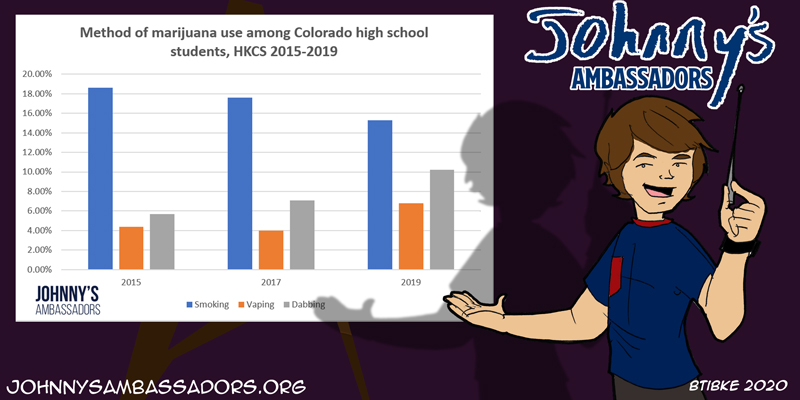
Johnny’s Ambassadors (www.johnnysambassadors.org) recently walked to #StopDabbing in 11 cities across the United States. The walks raised funds to build an online curriculum focused on educating youths and parents about the dangers of marijuana use in teens.
 
Canada may have been the first country to officially make it legal to possess recreational marijuana in 2018 and a year later legalized cannabis extracts or concentrates, but Colorado was the first jurisdiction in North America where marijuana was legalized for recreational use, with the passage of Colorado Amendment 64 in 2012. And then a transition in the potency of marijuana, which began in 1995 altered its THC (hydrocannabinol) content from around four percent upward. To the point where, at the present time, the main psychoactive ingredient in the plant has left its buds with a 25 percent potency.

Even more refined are the concentrates or extracts which can attain an active psychoactive potency of over 80 percent. Laura Stack's then-16-year-old son Johnny began the use of "dabs" (marijuana concentrate or extract) in 2015, a fairly new, popular method of using concentrated THC stripped out of the cannabis plant with the use of butane (butane hash oil) or propane. Further processing strips away the butane to leave a vapourized, odourless dabbable concentrate.

A report from the Canadian Centre on Substance Use and Addiction reads: "Regular use of cannabis concentrates is associated with tolerance, withdrawal, and cannabis use disorder". Concentrates use exacerbates the known risks of marijuana use in those under 21. In Colorado a growing realization faces up to the fact that the drug has become so potent it has triggered cannabis-induced psychosis in teens for whom the regular use of cannabis even outside of extracts use can increase the risk of developing psychosis and schizophrenia.

In Johnny Stack's case, he went from a happy teen with a commendable grade point average to failing classes and becoming a socially withdrawn young man. He eventually dropped all extracurricular activities he was involved with "We stopped hearing about the same friends. He became more defiant", recounted his mother. "I felt like we could work through it, and eventually he would be okay", his father John, added. Throughout this period, neither of his parents realized that marijuana was involved in their son's changed mentality.

By age 18 Johnny moved out amidst quarrels with his parents over his marijuana use, and Johnny began his university years, starting at Colorado State University, but even there he was using on a daily basis. A mere two weeks into college his mother found a troubled text from her son that he felt nervous about making friends at college. Soon the messages took a desperate turn and Laura and John travelled to Fort Collins and disenrolled their son and had him hospitalized to try to deal with his mental disequilibrium.

There were two disparate hospitalization, following in the young man's increasingly desperate plight of suicidal ideation. After the second hospitalization, when all traces of marijuana had dissipated, his mother said over the following three months her son managed to sober up, avoiding marijuana while he lived at home, worked at a kennel while attending classes meant to help him manage his anxiety attacks. And then he informed his parents it was time to return to college, to a different campus. "He seemed fine", his mother said.

And then it began all over again at the University of Northern Colorado in Greeley, taking no time before he was once more delusional. By then he was 19 years old, so his parents were blocked by law from accessing his medical information under the U.S. health privacy laws. Soon enough he ended up at another mental hospital for several weeks where doctors attempted several antipsychotic medication therapies to stabilize him and enable his brain to recover. His parents were told the process could take between six months to a year, if it worked at all.

Dr. Thurstone of Denver Health quoted scientific evidence that indicates adolescent marijuana use predicts a two- to four-fold increase in the risk of developing schizophrenia; Johnny evidently hit all the buttons. In Canada federal health guidelines warn that "especially for people who begin using cannabis at a  young age, cannabis use increases the risk of developing mental illnesses such as psychosis or schizophrenia with frequent use associated with an increased risk of suicide, depression and anxiety."

On November 20 2019, Johnny leaped off a six story building to end his life. His devastated parents mourned their son's death, and determined they would memorialize their son's troubled life by warning other parents and educating their children about what possibly would lie ahead for them if they entered the same trap their son did in his early teens forward; their project named Johnny's Ambassadors.
 

"I saw him every day, talked to him every day, but I didn't that day. I could have stopped him and I ... He had to have just been in so much pain."
"The psychosis never went away. Sometimes even after the marijuana is withdrawn, it has flipped the switch and the mental illness doesn't go away. And that's what is happening to a lot of our children."
"We just decided that the best way that we could keep his spirit alive was to help him tell people what he told us -- that the marijuana [ruined my mind and my life'."
Laura Stack, in memory of her son: Johnny's Ambassadors

Labels: , , , ,

Friday, October 04, 2019

Pot Concerns from the Scientific-Medical Community

"I'm not here to demonize cannabis. We don't need to go back to reefer madness. But we can't say it does not harm."
"If we have several million people smoking marijuana every day, we want to know what the effects are."
"When we study a new drug, like a statin, for example, it is a single drug -- a single molecule. We know what receptors it works on, why it works, how it works, and have tested it extensively under rigorous conditions to ensure it is both safe and effective."
"To expect 70 chemicals of unknown dose to exert a specific effect, or even a net positive effect, is magical thinking."
"From a public health perspective, the balance of evidence so far is that using marijuana is not good for your heart, blood vessels and brain."
Dr.Chris Simpson, cardiologist, 2014/15 president, Canadian Medical Association
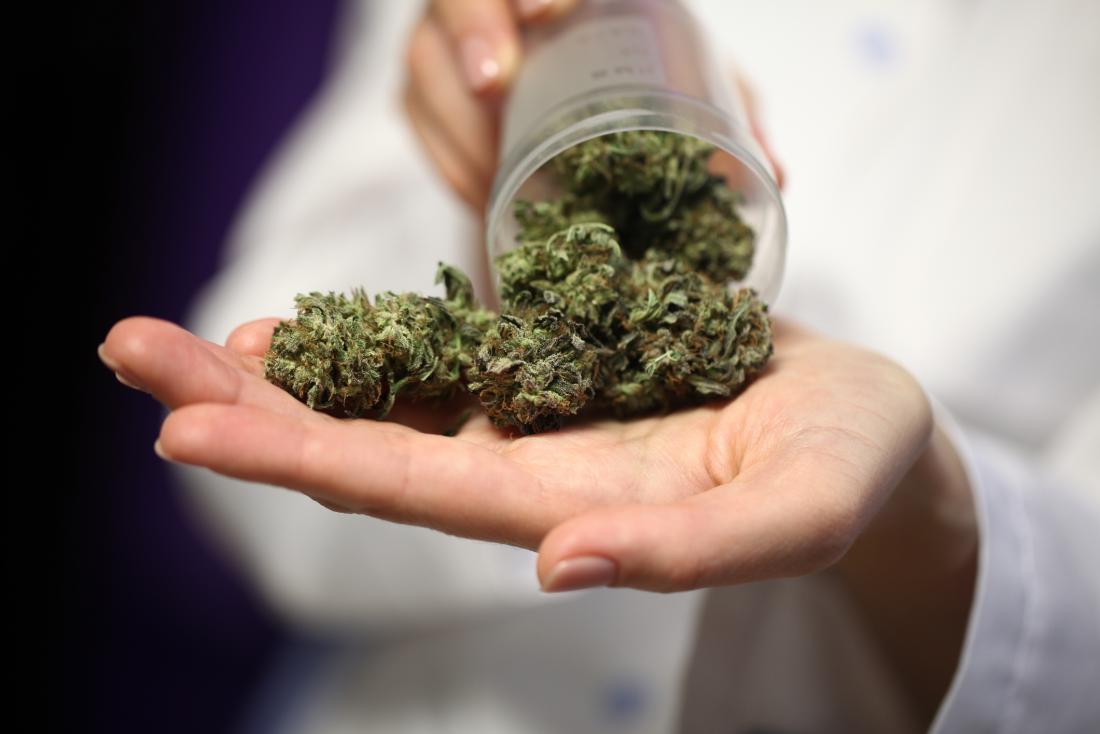
Marijuana in hand
Marijuana in edible form may have cardiovascular risks for people at risk.
There are 70 cannabinoids of unknown dose in each joint of marijuana. What is a great unknown is the manner in which these chemicals interact with the endocannabinoid system, and thus the effects are unpredictable. Since the growing incidence in North America -- federally in Canada, and state-by-state in the United States -- of cannabis legalization, the belief has grown of the safety and usefulness of marijuana for medical purposes. And nor do recreational users of cannabis think otherwise than that their use of the now-regulated drug is perfectly fine.

That, aside from the growing numbers of high-school students using pot, or e-cigarettes in vaping, grown immensely popular. And with its popularity another concern from the medical-science community over the effect of an unknown substance which is known to have a deleterious effect on the still-maturing brain of people under 21. Much less that vaping has now been associated with lung disease, to the effect that it has now been attributed as the cause of death of 18 people in the United States, and the hospitalization of one thousand. In Canada this same phenomenon is beginning to emerge.

According to Dr. Simpson, preparing to address researchers, health professionals and policy-makers at the Canadian Stroke Congress, someone who has smoked a joint becomes as vulnerable within the passing of an hour to a heart attack as someone who has just finished shovelling a heavy load of snow. The greater the THC content -- the psychoactive compound in marijuana, the higher the risk, stresses Dr. Simpson, explaining that THC serves to activate certain blood vessel receptors. So that, when THC binds to the receptors the buildup of plaque results, making blood "stickier", a condition then leading to blood clot creation.
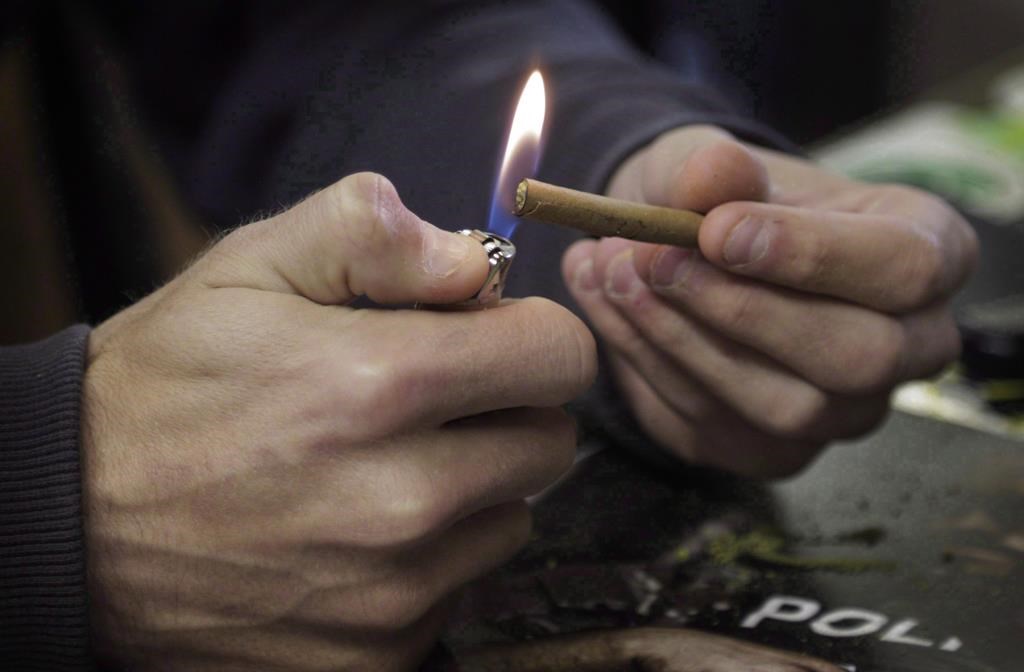
A man lights a marijuana cigarette  THE CANADIAN PRESS/Joe Mahoney

"In the case of a stroke, a blood clot lets go and travels to the brain", this expert on cannabis interaction with the heart muscle and health conditions leading to stroke explained. He acknowledges the potential that some of the 70 chemicals known to make up marijuana may be useful. On the other hand, marijuana remains a largely unknown quality with respect to human health. It becomes even more complicated to judge the effect on health in marijuana use since people who smoke pot also frequently are cigarette smokers.
"There is this huge popular misconception about cannabis, driven by social media and the cannabis industry, that it is a medicine or it is harmless. "I worry when people say that cannabis is a natural product that has been used for a thousand years and so it must be safe. Countering that belief is tough. There are huge gaps between what people believe and what is reality."
"It hits you like a ton of bricks at the one-hour mark or so and you can overdose very quickly because of the delayed reaction."
A five-year study of hospital statistics from the U.S., looking at a period from 2010 to 2014, shows the incidence of stroke has risen steadily among marijuana users even though the overall rate of stroke remained constant over the same period. The study was presented on Friday during the third day of the World Stroke Congress in Montreal. (Sean Gallup/Getty Images)

Labels: , , , , , ,

Friday, March 29, 2019

Focus on Investigating Cannabidiol [CBD]

"There's a lot of hype about everything about CBD [Cannabidiol]."
"There is certainly data that it has a variety of anti-inflammatory effects, but whether that translates into improving human health is unknown."
Dr. Orrin Devinsky, director, Langone Comprehensive Epilepsy Center, New York University

"Let's do the research."
"It's crazy that this substance is being consumed by everybody, yet we still don't know the mechanism of action."
"[Expectations around the substance are unrealistic]. People are making it out to be a nirvana kind of drug, and that's a problem."
"One compound cannot cure everything."
Dr. Yasmin Hurd, director, Addiction Institute, Mount Sinai Hospital, New York City

"There actually really is very, very little scientific evidence to support its use as a treatment for anxiety at this point."
Dr. Michael Van Ameringen, director, anxiety research center, Hamilton, Ontario
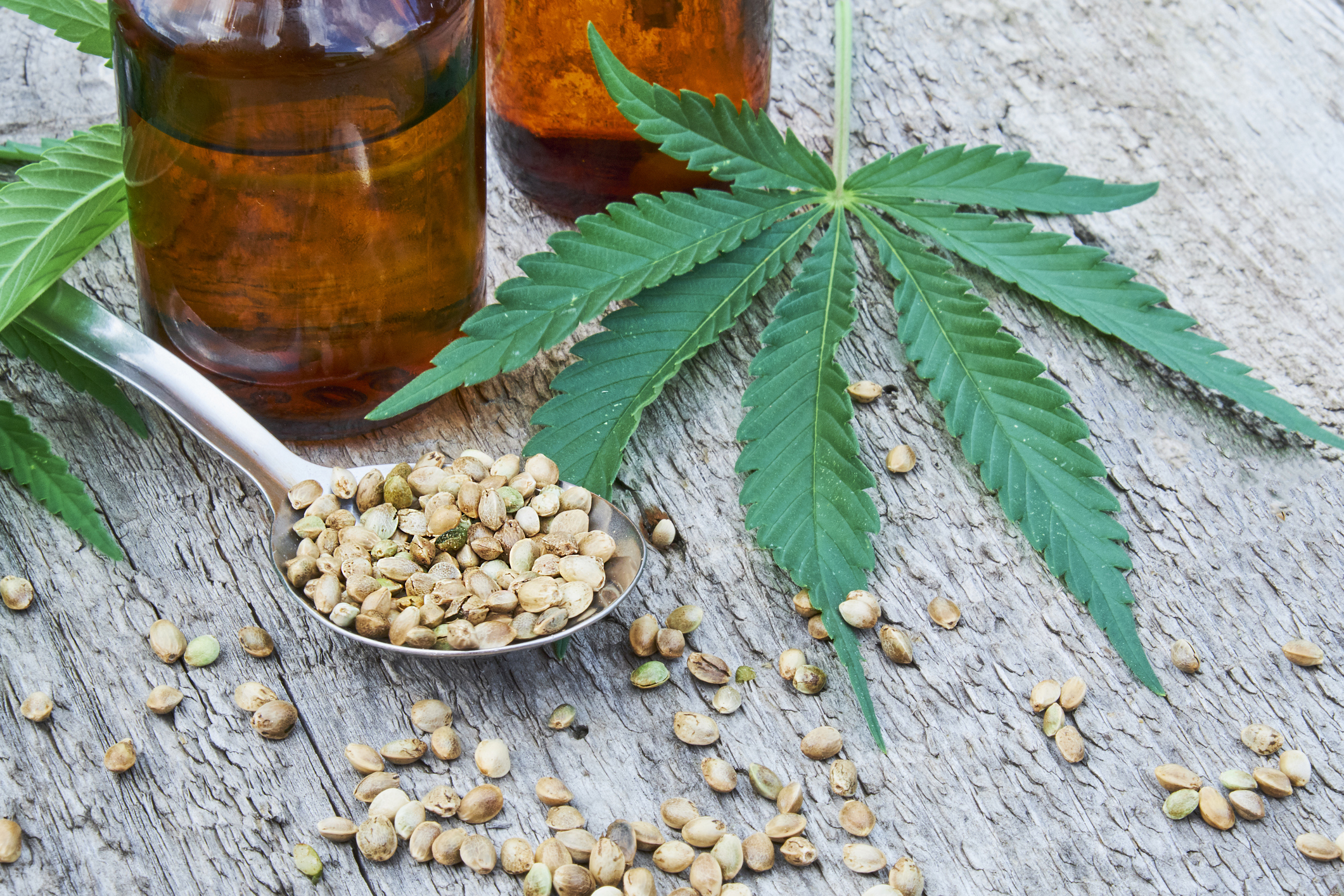
cannabidiol

CBD, the non-intoxicating component of the cannabis plant, has been relentlessly promoted to ease pain, anxiety, insomnia and depression; in short a magic remedy for whatever ails society, psychologically and physically. There are many forms and types of application containing CBD from salves and sprays to tinctures and oils marketed as balms for eczema, pimples and hot flashes, as aphrodisiacs, and as treatments for chronic, serious, life-disabling diseases such as diabetes and multiple sclerosis.

People with Crohn's disease improved with the use of cannabis, according to one Israeli trial. Despite which a randomized controlled trial of CBD found for patients with treatment-resistant Crohn's there was no benefit, despite investigators concluding the dose used might have been too modest to be effective. Pointing out that figuring the correct therapeutic dose assigned in tests is a challenge, reflecting the early stage and paucity of CBD research.

Source: M. Bonn-Miller et al/JAMA 2017

Results obtained through a recent study evaluating dozens of products containing CBD available by order online found close to 70 percent of the products had either higher or lower concentrations than was indicated for the ingredient on the label. Some, in fact, contained THC, the hallucinogenic component of marijuana. It all comes down to one simple, hard truth: scientists know little about CBD; scant research has targeted the compound.

Some children with severe epilepsy, like this boy from Texas, have found remarkable relief from seizures with a drug called Epidiolex. The medication is the first CBD-based drug to get FDA approval.

Only one drug containing CBD -- Epidiolex -- has been approved by the U.S. Food and Drug Administration, after clinical trials found it reduced seizures in children with rare forms of epilepsy. While skeptical about the wide range of claims made for CBD, Dr. Hurd of Mount Sinai agreed that the compound seems to reduce heroin cravings in recovering addicts and that it has an appreciable safety profile: "hands-down safer generally than THC".

It can however, she also pointed out, cause adverse side effects such as sleepiness and diarrhea. In the Epidiolex trials, patients were susceptible to more infections and rashes and experienced depressed appetite, sleep problems and elevated liver enzymes. CBD is one of more than 100 biologically active components called cannabinoids derived from the cannabis plant; the second most abundant cannabinoid after THC. The possibility also exists that CBD may interact negatively with other medications.

At the present time, studies to evaluate whether CBD will alleviate anxiety or post-traumatic stress disorder, help with tobacco cessation or even enhance cancer therapies, are all underway. There are suggestions through animal studies that anti-inflammatory effects may help in the management of chronic pain or in the treatment of arthritis of inflammatory bowel diseases such as Crohn's. Even as a potential treatment for autism.

In response to many of his patients enquiring of Dr. Van Ameringen about the use of CBD he was spurred to review the medical literature, finding little there to advance the use of the compound, on available conclusions. Last year European scientists, reporting on patients with schizophrenia given CBD to complement their regular antipsychotic medications, found that fewer patients hallucinated and had racing thoughts. Other studies have failed to validate that conclusion.

CBD pizza
This shop in Fort Lauderdale, Fla., offers CBD-infused pizzas and smoothies, a growing trend as companies tout the oil’s ability to treat anxiety, depression, pain and more.

Labels: , , ,

Wednesday, February 06, 2019

With a Grain of Cannabis

"These findings are not consistent with a deleterious role of marijuana smoking on testicular function as initially hypothesized."
"Whether these findings are reflective of the previously described role of the endocannabinoid system in spermatogenesis or a spurious association requires confirmation in further studies."
New study on pot smoking and testosterone, Harvard University

"We know a lot less than we think we know. These unexpected findings highlight how little we know about the reproductive health effects of marijuana, and in fact of the health effects of marijuana in general."
"[This paper] does not mean that using more marijuana is going to increase sperm counts, or testosterone or your masculinity."
"But who knows -- it may turn out that marijuana is actually positive for sperm production, and we've been getting the answer wrong [up to the present]."
"The problem is we can't tell which of those two interpretations is the correct one."
"Our results need to be interpreted with caution and they highlight the need to further study the health effects of marijuana use."
Dr. Jorge Chavarro, associate professor of nutrition and epidemiology, Harvard University
GettyImages-829446642 (1)
Photo: Getty


The results of a study undertaken by Dr. Chavarro and his colleagues surprisingly points to a tentative conclusion, that men who have smoked marijuana were imbued with notably elevated sperm concentrations and counts, along with higher testosterone levels, challenging expectations to the contrary, given previous studies' opposite conclusions and generally accepted as fact. Not only did he study conclude that men who had never smoked weed had inferior sperm concentrations and counts, but marijuana users' sperm appears to be of superior grade.

Hitherto studies, most of them with laboratory rats yet several with human males, have posited a link with heavy pot use and a slump in sperm production. Dr. Chavarro's study links casual, light use of marijuana with upgraded sperm count, however. Men smoked, on average, two joints a week with the new study. Dr. Chavarro, in attempting to rationalize his team's findings hypothesizes that males with higher circulating testosterone concentrations might be more likely to smoke pot, along with other "risk-taking behaviours".

On the other hand, indulging minimally in pot might result in sperm production being boosted, skewing the finding that high pot use depresses sperm production to give a green light to random, lesser use of marijuana as a potential bonus. A corollary can be found in alcohol consumption, considered mildly beneficial in small amounts, and hugely detrimental when taken in large proportions.

A widely regarded study that took place in 2014 of close to 2,000 British men found that under age 30 males with fewer than four percent normal sperm almost twice as likely to have used cannabis in the previous three months. This study represented the largest done to date in exploring how common factors in lifestyle can influence sperm morphology.  Researchers found as well that sperm size and shape was degraded in samples taken during summer months.
Overall, the sperm of past and current marijuana users seemed to be of superior quality. Getty Images

In the new study recently published in the  journal Human Reproduction, 1,143 semen samples collected from 662 men enrolled at the Massachusetts General Hospital fertility centre were studied along with blood samples collected from 317 of the men and analyzed for reproductive hormones. On average 36 years of age and mostly Caucasian university educated, just over half reported smoking some marijuana at some time. Of this number, 44 percent were past smokers, and 11 percent current smokers.

Average sperm concentrations of 62.7 million sperm per millilitre of ejaculate linked with men who had smoked pot, in comparison to 45.4 million/mL for men who had never used marijuana. No significant differential in sperm concentration was noted between the two streams, however, and a similar pattern was expressed for total sperm count. Sperm concentration below 15 million/mL reflects a mere five percent of marijuana smokers, the WHO's threshold for "normal" levels, compared with 12 percent of men who had never smoked pot.
Activist Ray Turmell calls for the legalization of marijuana in Toronto, Canada, September 28, 2015.
Quartz

"As the authors point out, men with higher sperm concentrations are likely to have more testosterone in their bodies and thus may be more likely to smoke marijuana because simply they are willing to take more risks."
"In conclusion, I am not convinced that this paper moves us any further forward in this debate.
"Moreover, nor does it give support to any apparent fertility benefits of smoking marijuana."
"In my opinion, this should be avoided at all costs in any couples trying to start a family."
Allan Pacey , Professor of Andrology,  University of Sheffield, Great Britain

Labels: , , , , ,

Friday, June 29, 2018

The Pot Boom

"[There are 65-year-olds who smoked marijuana in college and universities in the '60s and '70s] who became grown-ups with jobs and families [and stopped using cannabis and may now feel somewhat nostalgic for the herb]."
"If they never tried it in college and they don't know the creeper effect ... they end up taking more, and that's when they get into trouble."
"[Nine out of ten people over 50 using cannabis reported to a study having] no emotional or functional problems [with the use of weed]."
Dr. Brian Kaskie, professor of health policy, University of Iowa
Why More Americans in Their 50s and 60s Are Smoking Pot
Credit: Justin Sullivan/Getty Images

Now that marijuana has assumed an aspect of respectability for a drug that is recognized as an aid to improving impaired health conditions, many older people are increasingly turning to pot to manage their chronic pain condition, neuromuscular diseases like Parkinson's and multiple sclerosis, glaucoma, along with other age-related health conditions. It seems clear enough that not many elderly people are driven suddenly to marijuana use for the fun of it, according to Dr. Kaskie.

He and colleagues published a study last year focusing on the increased use of marijuana among older Americans, to discover that most people past fifty years of age using cannabis are healthy Caucasians. Men, they found, are likelier than women to use cannabis but overall most users turned to pot less frequently than once in every ten days. A quarter of those studied used the herb fewer than five times during the past year.

According to experts, those new to marijuana use would find benefit in searching out facts about its use. To that end, Dr. Benedikt Fischer, a senior scientist at the Centre for Addiction and Mental Health headed an expert panel recently for the purpose of developing useful advice to act as practical guidelines respecting the recreational use of pot, in the hopes of minimizing the occurrence risks of harm.
About 4.9 million Canadians consumed cannabis in 2015, according to a new research study released by Statistics Canada. (Justin Tang/Canadian Press)

Emphasized is that marijuana users should select carefully, to obtain products with low THC content; not smoke pot (the most fraught use); avoid "deep inhalation" leading to an increase of toxic material intake to the lungs; avoid marijuana altogether, under age 16, pregnant or at risk for mental health problems; not drive (or operate any machinery) for six hours at least after using; and use occasionally, preferably on weekends, or one day a week at the very most.

Colorado, Washington, Aslaska, Oregon and Washington, D.C. -- states which have relaxed their laws respecting marijuana use, have realized few changes in cannabis use among twelve- to seventeen-year-olds after legalization. Pot use among teens has actually dropped to its lowest level in a decade, in Colorado. It is the older generations, parents and grandparents where a surge of pot use is anticipated as a new cannabis "naive" generation comes on stream, raising concerns of risks to first-time users.

Among older Canadians, where marijuana is set to become legal by October of this year, its use is already on the increase. In applying reverse logic, a decrease in teen use may be linked to the perception that if older people use pot, it has lost its appeal. In Canada, people aged 45  to 64 represented 23 percent of consumers in 2017 figures, up from four percent in 1975, according to Statistics Canada.
America's golden years turn green (Drug Policy Alliance)

The Parliamentary Budget Officer has estimated that the number of cannabis consumers age 15 and over will increase from 4.6 million to 5.2 million by 2021 in Canada. In other words, approximately 600,000 people who don't now use cannabis will begin its use once it becomes legal. According to a 2017 Nanos poll, an estimated 1.9 million more people in Canada will become marijuana users. The odd aspect is that it is not from among the very young that the increase will occur, but among the elderly.

Concerns are being raised over dosage which people respond differently to. Some new users experience nothing whatever while others can come away with some quite unpleasant reactions. That marijuana is now more potent than it ever was is another concern. The U.S. drug enforcement agency released results of a recent study of illicit pot where it was discovered that THC levels -- the main psychoactive in pot -- have risen from about four percent in 1995 to 12 percent by 2014. Back in the 1970s THC levels were held to be close to one percent.

At high dosages, THC levels of more than 20 percent can produce anxiety attacks and psychotic-type symptoms. Pot mixed with liquor (or prescription drugs) has the potential to lead to increased heart rate, blood pressure and other health-risk side effects. When smoked or inhaled through a vaporizer, THC enters the lungs, becomes absorbed rapidly into the bloodstream then travels to the brain. Ingested as a food, the process is considerably restrained.

Cannabis is digested in the stomach, metabolized by the liver, and takes from 30 to 90 minutes for the active ingredient to reach the brain. Symptoms of pot poisoning most commonly observed are cannabinoid hyperemesis (nausea, vomiting, cramping), psychosis and chest pain. In Colorado, a marked increase in emergency visits with "possible marijuana exposures" in the first year of legalization was experienced the first year of legalization.

This was largely attributed to people overdosing on edibles, the majority of them lacking previous experience, and many being out-of-state tourists. Recently, two Toronto police constables illicitly took possession of several bars of seized marijuana-laced chocolate bars. While on surveillance duty they both ate part of one of the chocolate bars, causing them soon afterward to call 911 for emergency health aid, suffering severe ill effects requiring medical attention. Both have been suspended with pay and face disciplinary charges.
Const. Vittorio Dominelli, 36, has 13 years of service. He has been suspended with pay. (Natalie Kalata/CBC)

Labels: , , ,

Saturday, March 31, 2018

 Marijuana and Pain Management

The Globe and Mail
Fred Lum/Globe & Mail - an employee of a medical marijuana lab handling product

"I think we're in a desperate need for information at the moment."
"Obviously, we need information on both efficacy as well as safety. Does the drug [marijuana] work for a particular condition? Is it safe for patients to use?"
"Though it’s a preliminary study, this clinical trial is significant because we’re looking at two important things. 
"We’re studying how patients respond to the delivery system of vaporized cannabis and we’ll see if there’s a particular ratio of the two major compounds most likely to give an analgesic response. It’s groundbreaking in many ways. The study and people involved will help build our knowledge base. We’re acutely aware of how little information there is out there to help physicians make decisions with respect to medical cannabis."
Mark Ware, pain specialist, associate professor, Family Medicine and Anesthesia, McGill University
Canada s First Medical Cannabis Trial Seeks New Options For Arthritis Patients   The Production Process CanniMed Facilities  CanniMed

Medicinal cannabis lacks the "high" that distinguishes recreational marijuana, resulting from lower levels of THC present in the product. It is frequently prescribed for low-level pain management, targeting patients suffering with chronic pain. The drug is prescribed for various conditions, including glaucoma, post-traumatic stress disorder, Parkinson's-related tremors, and for pain originating from irritable bowel syndrome and Crohn's disease.

A new study on chronic pain has resulted in findings suggesting medicinal cannabis may present as an alternate prescription other than opioids, to offer relief to pain sufferers. Apollo Applied Research of Toronto funded this new research tracking the experiences of over 300 chronic pain patients over a three-year period, where over one-third of participants had been prescribed a regimen of opioids; oxycodone and fentanyl among them, known for the risk associated with addiction and the potential of fatal overdose.

Resulting surveys of participants in the study -- observations rather than experimental in nature -- found that 45 percent of opiate users reduced their dosage once they began cannabis treatment, with another 35 percent cutting out their opiates altogether. There are problems inherent in the use of any drug, and long-term overuse of marijuana has been linked with decreased memory capacity and impaired cognitive function, along with bronchitis.

Making it mandatory that rigorous scientific evidence be required with respect to potential health benefits. A group of ten medical professionals last month published a peer-reviewed guideline in the journal Canadian Family Physician, suggesting caution requires limited medical cannabinoid use because of "a lack of high-level research". Health Canada approved a first experimental trial in 2015; a randomized, double-blind study by researchers at McGill University, on the efficacy of cannabis treatment for osteoarthritic knee pain.

In the Apollo study every participant was given an individualized treatment plan formulated by their own physician. Researchers followed up by having each participant complete standardized surveys, to determine whether they felt any reduction in the intensity and frequency of pain, along with any other improvements perceived to their quality of life. Participants overall responded with a 20 percent reduction in the severity of symptoms as well as a dramatic reduction in opiate use.

"In total it was close to about 75 percent to 80 percent of [opioid users] that stopped or reduced their opioid use", stated Apollo Applied Research's director of clinical research, Genane Loheswaran. Who elaborated, explaining that the Apollo researchers have as well been searching out cannabis effects among patients suffering from post-traumatic stress disorder, with equally promising results. Apollo has spent over $1-million on this study, but it earns a profit from its relationship with licensed cannabis producers.

Neither of its studies has been published by a peer-reviewed journal as yet. Apollo Applied Research is a division of Apollo Cannabis Clinics, which operates a national referral service for medical marijuana, along with two dedicated clinics in Toronto. They cannot possibly be considered a disinterested source. In defence of his company's interests, Bryan Hendin, company president, stated: "If you look at it for Pfizer, to get a medication out, they're not asking someone else to pay for their clinical trial. At the end of the day, this data will speak for itself."

Dr. Ware, a renowned pain specialist who had been involved in the osteoarthritis study, is himself funded by industry producers Prairie Plant Systems and CanniMed, believing that studies are reviewed, crucially by an ethics board and that findings are submitted for peer review within a credible journal. "I think we still have got a long way to go before we can make recommendations, but it's an area that deserves very serious and very careful attention", he concluded.
"Many physicians are worried that patients who ask for medical cannabis want to use it for recreational purposes. Yet we hear repeatedly from patients that they’re trying to control severe symptoms and cannabis appears to be helping them. They want to achieve a quality of life they can’t have with other medication. By studying medical cannabis we’re trying to strike a balance between what patients tell us and address physicians’ concerns. The hope is to find a happy medium, a dose patients can safely use that minimizes side effects but helps them live with less pain."
Mark Ware, pain specialist, associate professor, Family Medicine and Anesthesia, McGill University

Labels: , , , , ,

Friday, October 13, 2017

Be Advised :  Rough Road Ahead

"It will be essential for those tasked with [educating youth about Cannabinoid Hyperemesis Syndrome -- CHS] this massive undertaking to figure out what to say by engaging stakeholders, including the Canadian Association of Emergency Physicians, in order to shed some light on CHS."
"We need to find out how to say it and who should say it so youth will listen."
"And, this all needs to be done starting now; we are on a tight time frame, after all. July 1 [2018, when Marijuana possession becomes lawful in Canada] is coming up fast, and we aren't ready."
Dr. Jessica Ross, emergency physician, Ontario
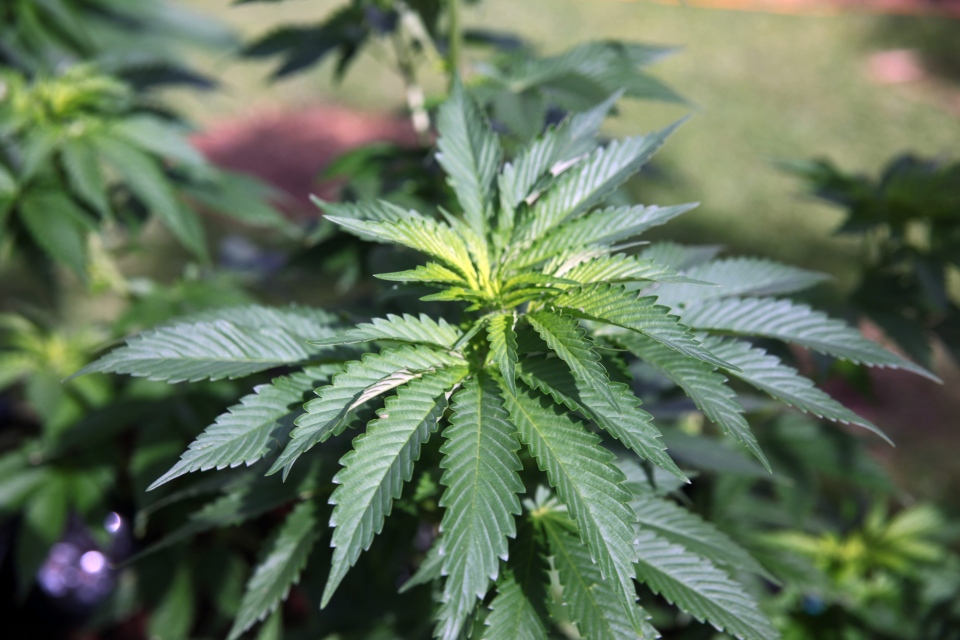
Marijuana
In this Feb. 17, 2016 photo, plants grow at the home of Jeremy Nickle, in his backyard in Honolulu, Hawaii. (AP / Marina Riker)

Abdominal pain, nausea and intractable vomiting resulting from chronic, regular cannabis use is a condition with a name: Cannabinoid Hypermesis Syndrome. Some doctors are familiar with the symptoms to enable them to make an accurate diagnosis and proceed with appropriate treatment, which of necessity includes persuading teens that it is not in their best interests to smoke pot. And some physicians have never heard of CHS, much less are knowledgeable about its symptoms; ergo, no diagnosis will be made in identifying an ill teen accompanied by a worried parent.

Dr. Ross, on the other hand -- in her capacity as an emergency physician, once she had ascertained that the very sick young man who had been admitted to her hospital in the company of his frantic mother had no fever, no diarrhea, and hadn't recently been on a trip to the tropics -- was able to identify the symptoms and link it to the cause. Her questioning of the 14-year-old boy and his mother elicited few clues, but the light slowly began to dawn when Dr. Ross suggested that the boy's mother briefly withdraw. And then it was that the boy admitted that he is a casual imbiber of alcohol and a daily pot smoker.

At the ripe old age of 14, the tow-haired boy said he was actually a veteran pot user, had been smoking it daily for a full two years. Making Dr. Ross quite confident in diagnosing his symptoms. She ran a few tests and then informed her patient and his mother that his vomiting was a result "of all the pot you've been smoking". Dr. Ross is becoming fairly confident and comfortable about such diagnoses, even while she is fairly perturbed and definitely uncomfortable that the syndrome is on the increase.

That being so, she is more than slightly concerned at the impending legalization of recreational marijuana. All the more so that cannabis use in the youth of Canada is taken as a casual reality, with more young people using the drug than most parents are prepared to credit. Young people feel relaxed about their cannabis use -- after all, 'everybody does it' and whatever is popular is a must for youth who are otherwise engaged in proving how 'different' they are from everyone else.

Young people in grades 7 through to 12 in responding to surveys affirm that one in five have tried cannabis, with over one in ten using it in the past month, while the average age of initiation into the ritual use of pot appears to be 15 years of age. In the United States, Colorado legalized marijuana use and if a dependable example is sought, they can qualify as a model for avoidance given they experienced close to a doubling of CHS cases following liberalization.

Hazards such as dangerous dehydration can result from CHS, which also contributes to absenteeism from school and from the workplace, even if setting aside the effect it has on an already overburdened health care system with emergency departments seeing the same sufferer on multiple occasions. And diagnosis is often elusive, leading to needless and expensive tests and prescribed treatments after consultation, which bypass correct diagnosis until an accurate diagnosis finally occurs.

Despite which the belief persists among young people that marijuana use is pretty safe. Education for parents, their children and health-care practitioners must be dependably in place to inform all parties. Health Canada has made it a priority to educate about the health effects of  cannabis, particularly among the young, while the Canadian Pediatric Society and the Canadian Psychiatric Association have produced positions statements giving warning of  cannabis harms to youth.

Risks such as impaired brain development, increased prevalence of mental illness and diminished school performance as well as lifetime under-achievement are real potentials and people need to understand this to be fact, not fiction, as they would prefer to believe. All to the good; Dr. Ross applauds their efforts, yet on the other hand, wonders why mention of CHS in these documents is completely absent.
Cannabis use has become one of the most commonly abused drugs in the world. It is estimated that each year 2.6 million individuals in the USA become new users and most are younger than 19 years of age. Reports describe marijuana use as high as 40–50% in male Cyclic Vomiting Syndrome patients. It is this interest in cannabis in the World, coupled with recognition of a cyclic vomiting illness associated with its chronic use that beckons a review of the most current articles, as well as a contribution from our own experiences in this area. The similarities we have demonstrated for both cannibinoid hyperemesis syndrome and cyclic vomiting make the case that cannibinoid hyperemesis syndrome is a subset of patients who have the diagnoses of cyclic vomiting syndrome and the role of marijuana should always be considered in the diagnosis of CVS, particularly in males.
Mithun B. Pattathan, Reza A. Hejazi, and Richard W. McCallum  U.S.National Library of Medicine: National Institutes of Health: Published online 2012 Jun 29.

Labels: , , , ,

Friday, September 01, 2017

Marijuana and Impaired Fertility

"The weight of the evidence is that marijuana does affect sperm counts. [Though the odd use here and there is not likely to cause harm, with] heavy users it will definitely affect the quality of the sperm."
"The weight of the evidence is that marijuana probably has a negative impact not only for sperm counts but sperm function."
"[The male fertility effect is notable because] sperm is a very rapidly turning-over cell."
Dr. Victor Chow, clinical associate professor, University of British Columbia 

"The science of it is not very strong, I have to say, because we don't have that many clinical or experimental studies."
"Even though we may not have the strongest data on this, there's some evidence to support what I am saying [suspend marijuana use to conceive]."
Dr. Armand Zini, associate professor of urology, McGill University

"Regular marijuana smoking more than once per week was associated with a 28 percent ... lower sperm concentration and a 29 percent ... lower total sperm count after adjustment for confounders [such as additional factors like weight, smoking and time between the sample given and last ejaculation]."
"Our findings are of public interest as marijuana use is common and may be contributing to recent reports of poor semen quality."
2015 Danish study
Heavy pot smoking may lower your sperm count says a new study.(Photo: Jim Mone, AP)

There it is, studies that point to regular pot smoking leading sperm to become "more mellow and swimming in circles". Rather than aggressively seeking out their target resulting in conception. Studies have taken place to focus on lowered sperm counts, but Dr. Chow's new study appears to validate that marijuana affects sperm's motility, the manner in which it moves. With marijuana legalization on the near horizon in Canada, experts are focusing more directly on discussing the issues of sperm count and function.

The emerging consensus appears to be that heavy marijuana use can lead to immediately affecting sperm production in view of the fact that males produce new sperm every three months. Dr. Chow is at pains to point out that women too attempting to conceive should be aware that they should treat marijuana in the same cautious manner as they would other drugs, tobacco and alcohol, before and during pregnancy.

As far as Dr. Zini is concerned, in his research on male infertility he is committed to advising heavy marijuana users experiencing problems conceiving to cut back on their marijuana use in view of the growing evidence relating to the direct effect of pot use and lower sperm counts and their deteriorating quality. He is also anxious to see more clinical studies so that the issue can be more fully understood.

Marijuana receptor 4 Has That Myth About Marijuana Lowering Sperm Count Just Been Busted?
Herb.co

In the 2015 study undertaken in Denmark, with over 1,200 young men participating, allowed the researchers to determine that smoking marijuana more frequently than once weekly was definitely associated with lower sperm concentration and count. Clearly, not everyone is impressed with these findings and simply doesn't believe the conclusions. The owners of Cannabis Culture who advocate for marijuana appear to feel that Health Canada should remove lowered sperm count from its list of marijuana side effects.

Past studies often focused on THC, the mood elevating component in marijuana, while the complex cannabinoids in pot must also be brought into account, for the complex nature of the drugs may          aid men struggling with infertility. A specific cannabinoid receptor was tagged as a potential aid in triggering cannabinoid receptors enhancing sperm production, resulting from a 2015 study published in the British Journal of Pharmacology.

Disparate claims that only add to the confusion about cannabis use and fertility.  By triggering one element another may be impacted, pointing to the need to embark on further research elaborating on the characteristics of cannabis use, focusing on both its benefits and its hindrances to optimum human health.

Credit: Stokkete/Shutterstock.com   Live Science

Labels: , , , ,

Sunday, July 09, 2017

Paying Justice Forward

"Such individuals [those whose Criminal Code conviction is for marijuana possession only] would benefit [by a universal pardon] in terms of not experiencing possible travel restrictions and being able to access more labour market opportunities, resulting in economic benefit to governments as well."
Anindya Sen, economics professor, University of Waterloo

"It doesn't require a resume, it doesn't require a job interview, sometimes it doesn't even require start-up capital -- someone will just give you something on consignment [selling marijuana]."
"You walk down Yonge Street and people come up to you [young black men] all the time, 'Hey man, you got weed'?"
"[Black youths are] targeted and over-policed [making them ineligible for many well-paid jobs. [Facing unemployment they turn to selling marijuana]." 
"Amnesty is an economic and social imperative. But first and foremost it's a moral imperative."
"There should be an amnesty because the application of the [marijuana] law was unjust and biased. [And it was] arbitrarily enforced along race lines."
Kofi Hope, executive director, CEE Centre for Young Black Professionals
Flowering marijuana plants are pictured during a tour of Tweed in Smiths Falls, Ont., on Thursday, Jan. 21, 2016. (Sean Kilpatrick/THE CANADIAN PRESS)
Flowering marijuana plants are pictured during a tour of Tweed in Smiths Falls, Ont., on Thursday, Jan. 21, 2016.
(Sean Kilpatrick/THE CANADIAN PRESS)

"He [Pierre Elliott Trudeau] reached out to his friends in the legal community, got the best possible lawyer and was very confident that he was going to be able to make those charges [against son Michel for marijuana possession] go away."
"People from minority communities, marginalized communities, without economic resources, are not going to have that kind of option to go through and clear their name in the justice system. [That is a] fundamental unfairness of this current system ... that it affects different communities in a different way."
Prime Minister Justin Trudeau
THE CANADIAN PRESS/Adrian Wyld

"It just seems like that discussion hasn't been happening at all and it really feels like they're [government] riding this wave of legalization, and how great it's going to be with the Cannabis Act, and how this is putting us forward into the future -- and they're not taking a look at what it's done in the past at all. And that is seriously concerning."
"It's the same story all the time in the justice system. Those who can pay for and afford justice will get it."
"If they were serious about this, why are they not engaging with more groups who are directly legally representing the people who have been most affected by these laws?"
Caitlyn Kasper, lawyer, Aboriginal Legal Services, Toronto
Perhaps because the privileged, like the Trudeaus, don't give all that much thought to the consequences of what they take for granted and how it will affect others, without their privileged access to very special justice. As, for example, when Margaret Trudeau was charged with Driving While Under the Influence. A serious public and social misdemeanor, one that is responsible for dreadful accidents and death, both to the impaired driver and helpless victims. In Margaret Trudeau's instance no accident occurred, she was seen to be driving erratically and stopped.

And nothing stopped her from playing the system of the privileged wealthy paying for the costly professional guidance and representation that would see her found not guilty, playing the mental health card to milk all the public sympathy in support of not holding her responsible for her choice that would agree with the finding that she was not responsible, poor thing. And citing in her defense the Charger of Rights and Freedoms with gratitude to her husband. Just as her husband chose to lift their son out of charges, so did their son's mother do likewise. Canadian justice, Trudeau-style.

This is the same Trudeau style that casually hit upon a number of election promises during the last general election that saw oldest son Justin, Margaret's "golden boy"  elected to the same Canadian political pinnacle as his father before him. Whereas his father had genuine political experience, was an academic intellectual, writer of treatises, the son was suited to government on a number of counts the first of which was his ownership of the Trudeau name. His varied experience limited to drama coach at a private school, and snowboarding expert.

Within Canada's illicit drug scene, marijuana is the most used and the most popular of all drugs. It is  used by people of all walks of life, as a recreational relaxant. The 2015 Canadian Tobacco, Alcohol and Drugs Survey put its usage at roughly one in ten Canadians age 15 and older and one-third of Canadians reported having used marijuana at some point in their lives, and that would include our current Liberal Prime Minister. So his electioneering promise to make the recreational use of marijuana legal, past the previous government's initiative to legalize medical marijuana, was immensely popular.

Legalization is set to take place by July of 2018. In the interim, the possession and sale of marijuana remains illegal, and criminal penalties apply. There will eventually be a legal marijuana industry for the sale of both medical and recreational marijuana. Like any other industry particularly one that services peoples' cravings, there is huge profit to be made, and entrepreneurs are anxious to get the show on the road. According to Canadian police and Statistics Canada, drug-related offences rose by 52 percent from 1991 to 2013.

It has become a profound absurdity that a popular substance given medical-use clearance, and the promise that its recreational use is to become legalized, remains illegal and charges are laid against those using it for other than authorized medical use. Under the Controlled Drugs and Substances Act, in 2013 two-thirds of 109,000 police-reported drug offences involved cannabis. Half of all offences represented possession of cannabis; cocaine coming in a lame second at 16 percent.

Police have taken to using discretion to ensure that many marijuana cases are kept out of the courts. To do this, some marijuana-related offences are"cleared"; disposed of before reaching court. As an example, a first arrest for simple possession can result in an unconditional release called a "diversion" with no criminal record, but the system reflects that first charge so that should a second arrest occur the penalty increases; conditions are placed that lead to administrative charges for breaching conditions and jail time can result.

Key details in the legislation
  • Sales to be restricted to people age 18 and older, but provinces could increase the minimum age.
  • New fines or jail time for anyone who sells cannabis to youth or creates products appealing to youth.
  • Adults could publicly possess up to 30 grams of dried cannabis.
  • Sales by mail would be allowed in provinces that lack a regulated retail system.
  • Adults could grow up to four cannabis plants.
  • Adults could produce legal cannabis products, such as food or drinks, for personal use at home.
  • At first, sales will entail only fresh and dried cannabis, cannabis oils and seeds and plants for cultivation.
  • Possession, production and distribution outside the legal system would remain illegal.
  • The existing program for access to medical marijuana would continue as it currently exists.

Labels: , ,

Tuesday, May 30, 2017

CMA Calls for Age Increase for Youth Using Legalized Marijuana

"Simply put, cannabis should not be used by young people. It is toxic to their cortical neuronal networks, with both functional and structural changes seen in the brains of youth who use cannabis regularly."
"Most of us [doctors] know a young person whose life was derailed because of marijuana use."
"You can end up with a bright boy or girl with promise, who's ended up basically on the fringes of society. That is why I wrote this editorial. My worry is this legislation will increase the likelihood that kids who are vulnerable will have easier access to marijuana."
"There is a higher risk of having these mental-health disorders [among young people who smoke marijuana]."
Dr. Diane Kelsall, interim editor-in-chief, Canadian Medical Association Journal
4/20 cannabis
In this April 20, 2016, file photo, people smoke marijuana during a 4/20 cannabis culture rally in Toronto. (Mark Blinch/The Canadian Press via AP, File)

It was a campaign promise that the current Prime Minister of Canada made to the electorate, one among many, most of which promises have not in fact been kept. But the promise to pass Bill C-45, to legalize marijuana use with certain provisions is one that appears to be on track for implementation. And if and when passed, this Bill would legalize marijuana use for adults over the age of 18, even though current research shows the human brain reaches maturity around age 25.

That's a problem, given the fact that a Canadian Paediatric Society position paper on cannabis points to its effects on children and youth making them vulnerable to serious potential effects such as increased mental illness, including depression, anxiety and psychosis. Lowered school performance and diminished lifetime achievement are linked to the use of marijuana by young people whose brains are still developing. Developing out of marijuana use is an increased risk of smoking tobacco; the risk of impaired neurological development and allied cognitive decline; and addiction risk.

Canadian youth were recognized to rank highest in use of cannabis among 43 countries in Europe and North America, according to a 2010 study. By the time Canadian youth reach age 15, one third had smoked marijuana at least once. Although the Liberal government states its bill is meant to prevent youth from acquiring cannabis, the bill permits up to four plants to be grown for personal use. "If it's a public health approach, why would you have that available in people's homes?" asks Dr. Kelsall.

"What is going to happen over time is you're going to have people with four very, very (potent) plants and there's no way that you would know that youth aren't accessing those plants." That, in the face of studies of MRI's show definite changes in people's brains who smoke marijuana is extremely worrying for its link to mental-health problems, particularly concerning young people. Bill C-45 would make it possible through changes to the Criminal Code, for anyone selling marijuana to youth to be sentenced up to 14 years in prison. Tougher punishments for driving under the influence are also contemplated.

The Canadian Medical Association has recommended that government raise the legal age for buying marijuana to 21, that the quantity and potency of marijuana those under 25 could access be restricted. These, adds Dr. Kelsall are "pragmatic recommendations" meant to balance the need to protect young people, in recognition that youth who cannot buy marijuana legally will manage to acquire it from illegal sources.

A pot smoker has a joint at the annual 4/20 day, which promotes the use of marijuana, in Vancouver. Cannabis shouldn't be used by young people, a medical journal editorial says.
A pot smoker has a joint at the annual 4/20 day, which promotes the use of marijuana, in Vancouver. Cannabis shouldn't be used by young people, a medical journal editorial says. (David Horemans/CBC)

Labels: , , , , ,

Friday, April 14, 2017

Progress ... Or Problems .... ?

"There is some preliminary research indicating that a breath test can be developed for cannabis. It's slow, expensive and not yet reliable. So we're a long way from a breath test for cannabis ... [despite] some promoters out there who have been touting miraculous, easy, cheap [breath tests."
"The difficulty is that the request for a sample [of urine, blood or saliva] is likely that person is not going to test positive."
"And the simple fact is that our courts haven't been very receptive to the DRE [drug recognition evaluation] evidence."
"We have more people on our roads who are positive for drugs than for alcohol. And yet drug-impaired driving charges constitute two to three percent of all impaired driving charges."
Dr. Robert Solomon, professor of law, University of Western Ontario, London, Ontario
Fullerton police Officer Jae Song conducts a field sobriety test on a motorist suspected of driving while under the influence of marijuana. The suspect was later arrested. (Photo by Bill Alkofer, Orange County Register/SCNG)

The Government of Canada tabled proposed new laws to legalize recreational marijuana for people aged 18 and up in the House of Commons on April 13, to initiate a process set to be completed in a year's time, by July of 2018. The ruling Liberal party made it a campaign promise to legalize pot, and this is the first step in a year-long process to do just that. While legalizing pot, the government asserts it to be the best way to keep marijuana out of the hands of young people.

Canadians also happen to be the heaviest marijuana users in the developed world, and policing the illegal drug is estimated to cost around $3-billion annually. At the present time, its use thrives on the black market where criminals realize hefty profits and push its use. The returns are said to average around $7- to $8-billion annually. The fact that its use threatens normal brain development in young people is sufficiently concerning that it was hoped it would be illegal for anyone under age 25 to use it. But the age chosen is 18 for recreational marijuana use.

The additional looming concern is the issue of driving under the influence of drugs; an existing problem that will be certain to increase substantially with decriminalization. Most people in the general public interested in using cannabis, young and old, think it to be non-addictive, but in a certain percentage of people it does become an addiction. And like any other substance of its nature there are other penalties to the body and the mind that cannabis use can cause.

No doubt the government will ask the Department of Health to launch an education program in that regard. But it is the provinces and the territories that will be responsible for educating, policing, regulating and setting up parameters to be met to remain within the law, and municipalities will be responsible for permits to set up commercial outlets. The quality of the products will also be a concern that one or two levels of government will have to address.

As for policing the issue of driving under the influence, the manner in which those thought to be impaired behind the wheel are to be assessed presents a giant headache at this preliminary stage. Normally when police make an initial assessment of whether a driver is impaired, a simple field sobriety test is engaged: Can you walk a straight line? Can you follow with your eyes the movement of this object? Can you stand on one foot?

Should that line of testing fail, a breath test is taken. And a DRE test follows, a 12-part test dealing with physiological aspects; pulse, temperature, signs of needle marks and symptoms of impairment. After which if impairment is validated, the demand is made for a sample of urine, blood or saliva. And therein lies a problem: cannabis dissipates quickly from the blood while it may be up to two hours where the investigative point is reached where a driver is asked to provide a sample.

Still from video : Global News

Labels: , ,

 
()() Follow @rheytah Tweet