Ruminations

Blog dedicated primarily to randomly selected news items; comments reflecting personal perceptions

Friday, December 24, 2021

Purchasing the Wrong Drug for COVID

 "...You have to purchase the right drug, not the wrong drug [to be prepared with effective COVID-19 treatments]."
"If they haven't spent the money, hold off for the good drug. If they have, try to get a refund."
Dr.Jeffrey Glenn, virologist, Stanford University
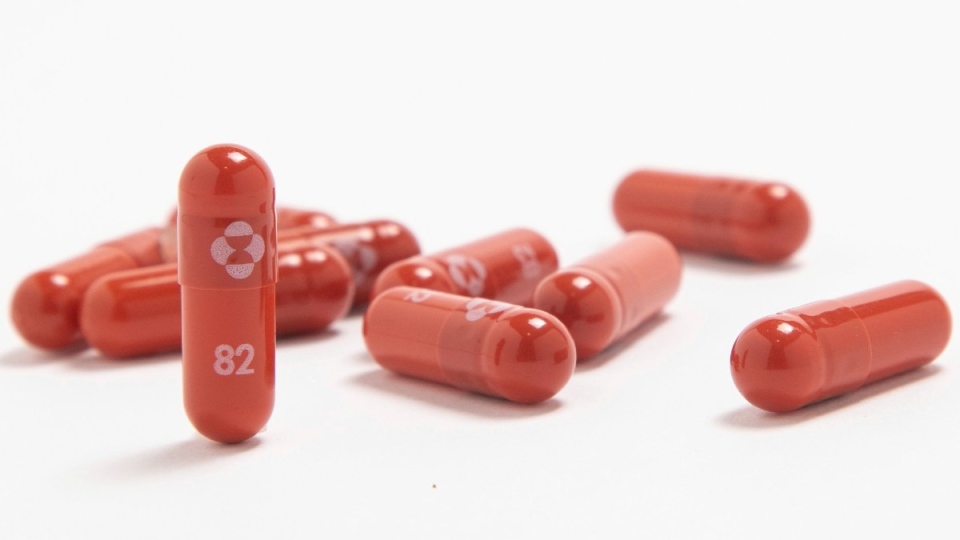
Merck's new antiviral medication for COVID-19
Image of antiviral medication Molnupiravir. (Merck & Co. via AP)
 
Good advice, but advice Canada, reacting rashly, failed to observe. Instead, the government of Canada proceeded directly, even before Health Canada had sufficient background investigative data through completed pharmaceutical research, to decide whether to give the Merck drug Molnupiravir, clearance for use in Canada as an approved drug. Health Canada is in the process of evaluating Molnupiravir under a "rolling submission" that began in August. Full data from its phase 3 trial has not yet been transmitted.

Despite which, the Canadian government has taken it on good (naive) faith that the drug will live up to its manufacturer-touted expectations, absent affirmatively positive results. So it has committed itself by buying 500,000 courses of the yet-to-be-approved medicine at a cost of approximately $450 million, with an option to purchase yet another half million courses with the pills to be manufactured in Ontario.

Now, a new analysis by British scientists argue Merck's phase 3 trial's main finding boasts a 30 percent reduction in hospitalization among patients taking the pills in early COVID onset. That modest reduction is held not to be statistically significant, particularly since the second half of the trial saw superior outcomes for patients receiving a placebo in place of the drug. Moreover, according to the U.K. paper, patient-level databases that could be investigated for "the risk of bias or medical fraud" have not been made available.

"Spending money on a drug that at best is only minorly effective is inappropriate use of Canadian taxpayers' money", observed Ed Mills, part time McMaster University professor, heading one of the world's largest COVID treatment studies. And several days previously the French health minister, stating study results "weren't good" revealed that the French government had cancelled its order for the drug.

In its defence Merck Canada spoke of its MOVE-OUT trial recently published in the New England Journal of Medicine, where it found the drug to have significantly reduced risk of hospitalization and death for high-risk, unvaccinated patients with mild to moderate COVID symptoms. Merck had licensed several generic manufacturers in India to produce the drug for lower-income countries.

Two of the companies -- Aurobindo and MSN -- conducted trials on moderately affected patients but stopped their trials when they indicated no benefit from the drug. A third Indian trial of over 1,200 mild patients reported that Molnupiravir did reduce hospitalizations with other benefits, in as-yet unpublished results.

Whether Canada could under its contract with Merck cancel its agreement is under question. Andrew Hill, a University of Liverpool pharmacologist and co-author of the British paper, evaluated the cost of the Merck pill, concluding with his colleagues that the company is charging wealthy countries like Canada approximately $898 per course of Molnupiravir. 
 
Convenient, easy-to-take oral treatment to prevent hospitalization and death in the unvaccinated and "breakthrough" vaccinated patients is generally viewed as an important medication.

Pfizer has also announced its creation of such a pill and its product was the more impressive of the two, in that its Paxlovid was seen through trials to reduce the risk of hospitalization for high-risk unvaccinated patients given the pill five days within exhibiting symptoms by 88 percent. The U.S. Food and Drug Administration granted it approval on Wednesday.

Molnupiravir was originally developed as a possible antidote to an encephalitic-causing virus, at Emory University, and then as a flu treatment. It was transformed from flu to a COVID treatment once the pandemic began, with Merck partnering with Ridgeback Biotherapeutics. The drug interferes in RNA replication, inhibiting reproduction of the virus.

Merck announced October 4 that its drug cut hospitalization in 762 unvaccinated patients with such risk factors as cancer and obesity by a substantial 50 percent, then halted enrolment of new patients through its multi-country MOVE-OUT trial which randomly assigned patients to Molnupiravir or a placebo within five days of symptoms appearing. However, when results returned on the other 646 already enrolled patients, the benefit shrank to 30 percent, only just qualifying as statistically significant.

Added to which the surprising outcome that patients in the second half of the group who received a placebo performed better than those who received Molnupiravir -- effectively reversing the first-half results. 15 patients of the 322 on placebo ended up in hospital, while 20 of the 324 drug-treated patients were hospitalized. A rather inexplicably awkward turn-about. "That almost never happens", concluded Dr.Hill.

Dr.Hill recommended that rather than buying the Merck drug, Canada should turn to investing in fluvoxamine, a generic anti-depressant that the Together trial headed by Dr. Mills found to reduce hospitalization in similar patients by a like 30 percent, but at a much smaller fraction of the cost.

Merck’s experimental oral COVID-19 antiviral drug, molnupiravir.
  Credit...Merck

Labels: , , , ,

Tuesday, November 10, 2020

Calling the Miraculous Great Day for Science Into Question

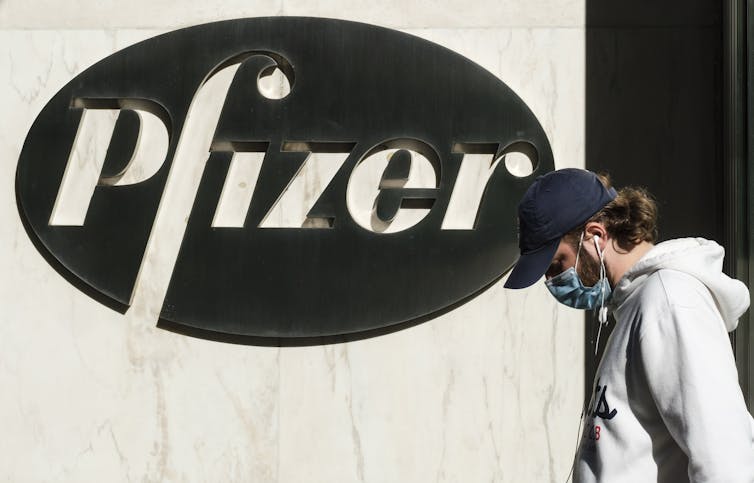
Man wearing a face mask walks past Pfizer sign on building.
Pfizer/BioNTech vaccine has 90% efficacy. Justin Lane/EPA
"[Early data suggests the BNT152b2 vaccine is more than 90 percent effective, a] Great day for science and humanity."
"As the study continues, the final vaccine efficacy percentage may vary [from its initial 90%]."
"The case split between vaccinated individuals and those who received the placebo indicates a vaccine efficacy rate above 90 percent, at seven days after the second dose."
"Today is a great day for science and humanity."
Pfizer Inc. press  release
"It's well known in clinical trials that sometimes when you have really, really positive effects in the interim analysis, those positive effects get smaller as you complete the trial."
"You'd really need to see the full array of safety information to have a critical appraisal of the vaccine."
"If there is a reversal of fortunes for this vaccine, people in the public begin to have more doubts about what companies or various sponsors are reporting ... You really want to be confident that you have worked out all the kinks, that you have reliable findings before you go public."
"Presumably, Pfizer is making this information public because they think it ought to inform some people's decisions. Why not wait until you have carefully vetted the data, that you've completed the trial, before you issue these results?"
Jonathan Kimmelman, professor of biomedical ethics, McGill University 

"[A vaccine that provides over 90 percent protection against COVID-19] would be absolutely amazing and would definitely go a huge way to leading us out of the pandemic."
"I just want to see the evidence." 
"Does [the Pfizer/BioNTech vaccine] attenuate the disease? Does it reduce spread to other people?"
Dr.Andrew Morris, infectious diseases specialist, Toronto
https://images.theconversation.com/files/368661/original/file-20201110-19-70s6ki.jpg?ixlib=rb-1.1.0&rect=0%2C20%2C6720%2C3360&q=45&auto=format&w=1356&h=668&fit=crop
The Conversation
 
Successful vaccines are developed to produce a dual result; protect the individual who has been vaccinated from becoming infected with the disease while protecting the next person he comes in contact with from being infected. Many experts in the field of epidemiology were taken by surprise when they read the release from Pfizer, since the acceptable minimum target the U.S. Food and Drug Administration felt would be the minimum for it to grant emergency use authorization for such a vaccine stood at 50 percent effectiveness.

Pfizer's press statement sent global stock markets upward, and hope to spring into the minds of a public weary of lockdowns and concerns over contracting the illness that has been so destructive globally and in particular to the United States in caseloads, hospitalizations and deaths. The basis for the pharmaceutical company's confidence in releasing the results of its third-stage trial before peer review or publication was the conclusion the vaccine appears safe, no serious concerns surfacing, but information on safety yet to be assembled.

The statement of confidence and jubilation is based on an interim analysis. The stakes are "beyond imagination", Albert Bouria, chairman and CEO of Pfizer stated. Experts in the field are somewhat less convinced, urging caution rather than rushing to a somewhat rash conclusion, pointing out that there is as yet too much unknown; whether the vaccine prevented serious infections, or mainly mild cases. Throw in that it's too soon to know how long any immunity that does result from the vaccine will continue to protect from the disease.

https://images.theconversation.com/files/368508/original/file-20201110-14-1x56ov.jpg?ixlib=rb-1.1.0&rect=0%2C468%2C6016%2C3008&q=45&auto=format&w=1356&h=668&fit=crop
The Conversation
 
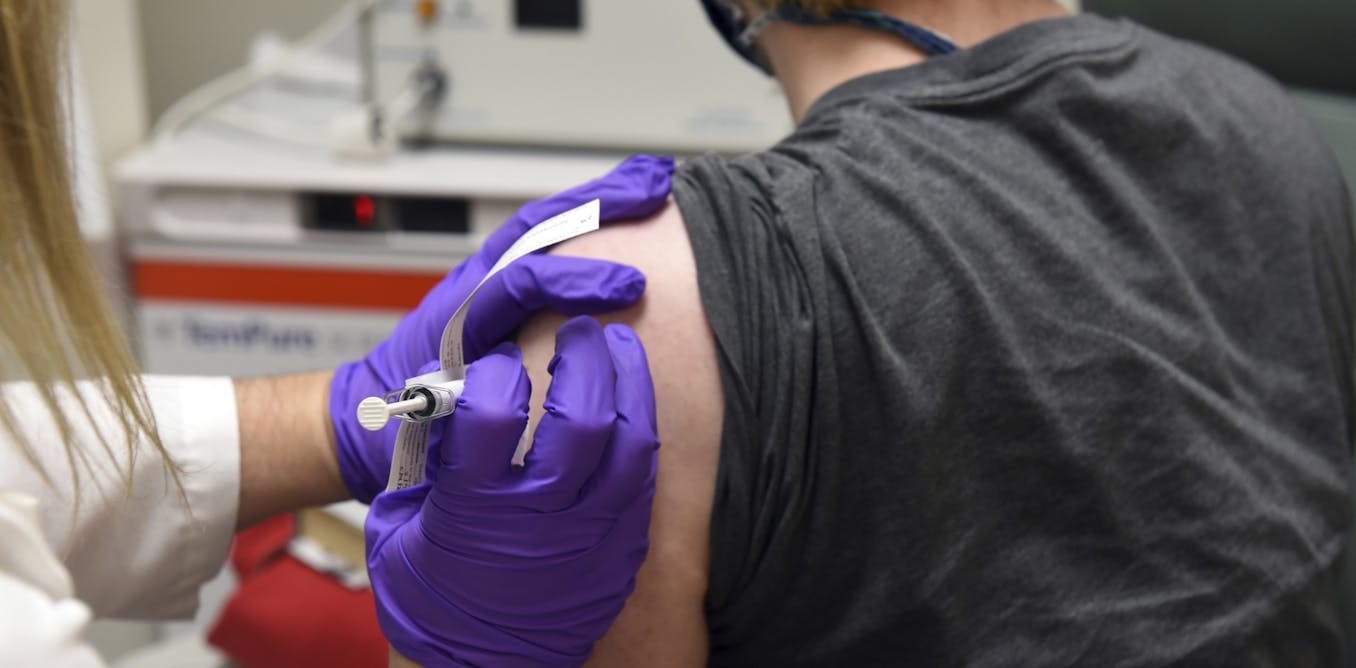
The statement by Pfizer and German partner BioNTech reflected an early analysis of the final stage Phase 3 trial to determine the new vaccine's effectiveness. Either the experimental vaccine, administered in two stages, or a placebo was used with volunteers, no one knowing which was apportioned to whom. The vaccine known as BNT152b2, has been designed to target the spike protein surrounding the surface of the virus causing COVID-19; a formula also used by other vaccine candidates.

The fact is, nonetheless, that a 90 percent efficacy rate has been reported; vastly superior to the 50 percent minimum target set by the US. Food and Drug Administration. The trial is set to continue until such time as there are 164 confirmed COVID cases among the total 44,000 volunteers receiving both doses of the experimental vaccine. Of that number 94 contracted cases of COVID-19, hence the 90 percent success designation.

fauci
Dr. Anthony Fauci ... Al Drago - Pool/Getty Images 
"It's a really good day for biomedical research and clinical application of biomedical research. This is very good news looking forward."
"[The result] validates the mRNA platform, [which could indicate that a separate mRNA vaccine developed by Moderna could also have positive results]." 
"[This] validates greatly [the virus' spike protein as the immune-response target, which is important because it's also the target for] virtually every one of the other vaccines."
"It's not only immediate good news, it really is optimistic about what's going to roll out in the next several months with the other vaccines."
Dr.Anthony Fauci, infectious disease expert, director, U.S. National Institute of Allergy and Infectious Diseases


Labels: , , , , ,

Monday, September 07, 2020

Russian Vaccine : First In The World

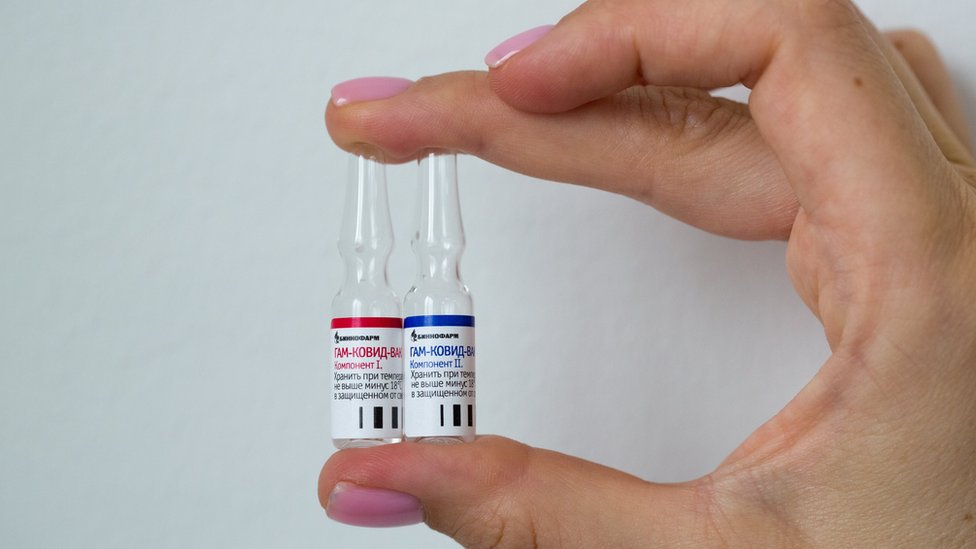
The Russian vaccine
Vaccine created in Russia has shown signs of an immune response  Reuters
"I am not a vaccine specialist. So, I called the doctors who deal with vaccinations, I called immunologists. They said, 'don't do it, by no means, the vaccine is raw.'"
"Explain to me: how could it be that such powerful European and international organizations could not do it, but a relatively small Gamaleya Institute could? I cannot understand it."
"Totalitarianism remains [in Russia]. The two most helpless sectors are education and health care. Everything is done forcefully here. Last year I had a flu shot, everyone was told they needed to be vaccinated. And everyone did it, because if you don't, there will be penalties."
Unnamed surgeon at hospital in northeast Moscow
Vladimir Putin sitting at a large desk, watching a videoconference, with a flag behind him.

Russian President Vladimir Putin receives a video report about the approval of a coronavirus vaccine. Credit: Alexei Nikolsky/Sputnik/EPA-EFE/Shutterstock

"The two 42-day trials -- including 38 healthy adults each -- did not find any serious adverse effects among participants, and confirmed that the vaccine candidates elicit an antibody response."
"Large, long-term trials including a placebo comparison, and further monitoring are needed o establish the long-term safety and effectiveness of the vaccine for preventing COVID-19 infection."
The Lancet report
An antibody response in all participants in early-stage trials points the way to vaccination success on the part of Russia's 'Sputnik-V' COVID-19 vaccine. The Lancet medical journal published the results which appears to completely validate Moscow's claims to success and a head-start on the world community of scientists all racing against time to produce a vaccine to release the world from its  hostage situation, cowering in helpless fear of the still-relatively unknown SARS-CoV-2 virus.

The two trials referred to, conducted in June-July of this year involved 76 participants and demonstrated that every single trial member developed antibodies to the novel coronavirus with no serious side effects occurring. The double-shot inoculation has been licensed by Russia for domestic use as of August, making it the first country and only one to date to do this. And it was licensed in advance of data being published, much less a large-scale trial initiated, as recommended by The Lancet.

All those who took part in the initial trials were volunteers. A tentative list of professions that Russian authorities feel should be inoculated first off included doctors and teachers, for obvious reasons. But it would seem that many doctors are hesitant to be inoculated with the as-yet unproven vaccine, as are teachers and their unions, unwilling to become part of a large trial, as they see it, of an as-yet fully safety-and-efficacy-untested vaccine.

Named in honour of the Soviet Union's coup in launching the world's first satellite in 1957, Moscow clearly is anxious for a repeat of those glory days. To which ambition, among experts in the West there is unease about the precipitate use, even in the current emergency circumstances, to make wide use of the vaccine until all internationally approved testing and regulatory steps have been taken.

"With this [publication] we answer all of the questions of the West that were diligently asked over the past three weeks", stated Kirill Dmitriev, head of the Russian Direct Investment Fund, the nation's sovereign wealth fund which backed the vaccine. Moscow clearly feels justified in proceeding since its initial results were published in a prestigious international peer-reviewed journal, its 40,000-strong later-stage trial just launched.

There can be no denial that this global pandemic is a world-wide emergency which has caused the death of over 850,000 people on a global scale. On the other hand, a World Health Organization spokeswoman has noted that the organization has no expectations that widespread vaccinations will be available until mid-2021, in recognition of the need for rigorous scientific checks on effectiveness and safety. 
'This is just naked 'vaccine nationalism', which is really the last thing we need right now. I don’t want to see any country [including the US] beating its chest in this fashion and using the pandemic to declare the superiority of its system or its scientists. Coronavirus research needs to be as international as possible, with ideas, approaches, publications, and trials coming from around the world. This sort of stunt is taking us backwards – now people will be agitating for the 'approved' Russian vaccine and wondering why the others aren’t ready yet, etc. It just creates confusion and discord – don’t we have enough of those already? Unless, of course, creating confusion and discord is the point. . ."
Derek Lowe, Science Translational Medicine
On the other hand, one country or another which felt with confidence it had mastered a new, effective and safe vaccine and intended to use it internally on its population to enable it to emerge from the straitened circumstances forced on the world by the appearance of this novel coronavirus, would with little doubt act no differently than Russia has. It is yet to be seen whether any other country, satisfied it has achieved its goal in producing such a vaccine, would first coordinate with other nations and take steps to ensure that all have equal access rather than service itself first.
 
Russian vaccine
Putin said one of his own daughters had been inoculated (AFP)
"On Aug 11, 2020, Russia became the first country in the world to approve a vaccine against severe acute respiratory syndrome coronavirus 2 (SARS-CoV-2). The vaccine, which is based on two adenovirus vectors, was developed by the Gamaleya National Center of Epidemiology and Microbiology (Moscow, Russia). Its approval was announced by President Vladimir Putin. “I know [the vaccine] works quite effectively, helps to develop strong immunity, and has gone through all the necessary tests”, declared Putin at a cabinet meeting. Nonetheless, there are widespread concerns that the approval is premature. At the time of approval, the vaccine had not even started phase 3 trials, nor had any results on the earlier stage trials been published.
Since then, the phase 1/2 results have been published in The Lancet. The vaccine induced a strong immune response in all 76 participants. Presumably these results were available to the Russian Ministry of Health. For regulators such as the US Food and Drug Administration (FDA) and the European Medicines Agency, however, data on immune response alone would not generally be an adequate basis for approving a vaccine. “Immune response might not be directly proportional to the degree of protection—you can only find this out in large-scale trials”, explains Peter Openshaw, professor of experimental medicine at Imperial College London (London, UK).
“We have no idea whether this vaccine is safe or whether it works”, cautions Ashish Jha, Dean of the Brown University School of Public Health (Providence, RI, USA). “It is really worrying when people start to bypass the standard process we have for vaccine development.” Those behind the Russian vaccine have offered a combative response to such criticism. The official website was established with the stated aim to “provide accurate and up-to-date information about Sputnik V and to combat the misinformation campaign launched against it in the international media”.'
Dmitriev has confirmed that Russia has received international requests for 1 billion doses of its vaccine. On Aug 26, 2020, Russian news agency TASS reported that the country would supply more than 2 million doses of Sputnik V to Kazakhstan. Openshaw points out that the places that have expressed interest in the vaccine are unlikely to start mass administration until they are assured that it is safe and effective. “There is a huge difference between Russia registering a vaccine within its own borders, which it is entitled to do, and international approval or WHO prequalification”, he said.
Talba Khan Burki, The Lancet Respiratory Medicine
Moscow, Russia
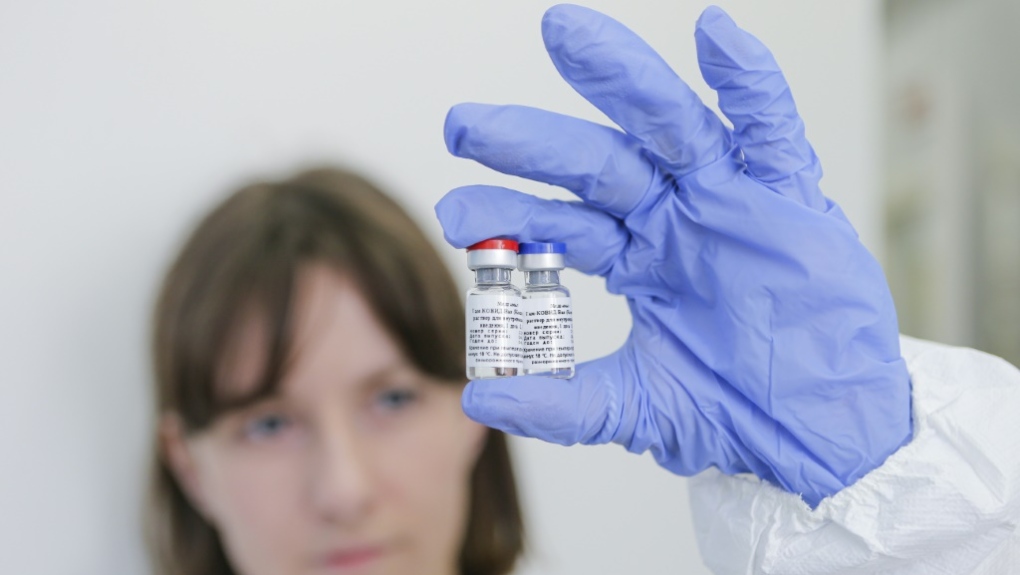
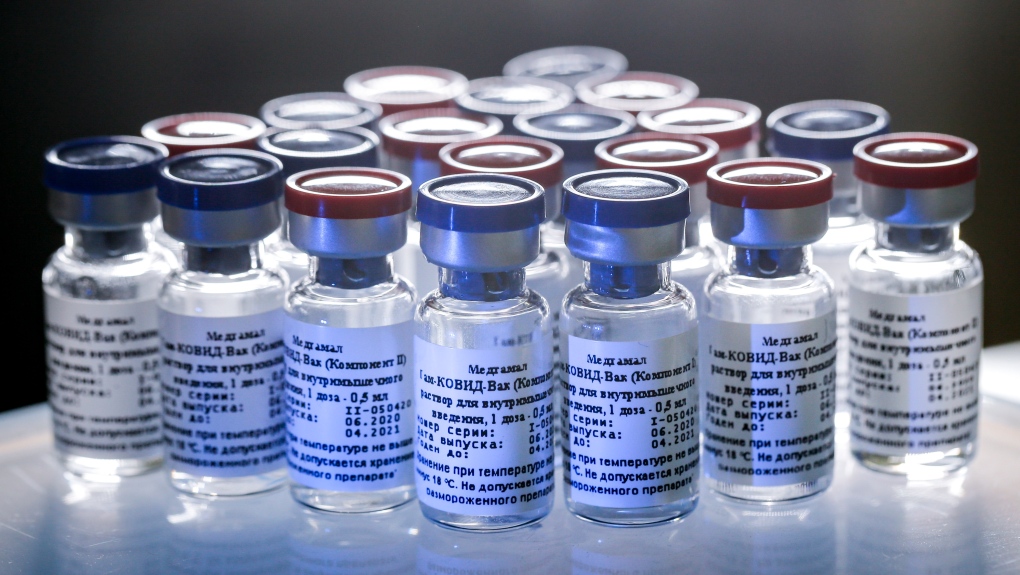
In this handout photo taken on Thursday, Aug. 6, 2020, and provided by Russian Direct Investment Fund, a new vaccine is on display at the Nikolai Gamaleya National Center of Epidemiology and Microbiology in Moscow, Russia. Russian President Vladimir Putin's announcement that his country is the first to approve a coronavirus vaccine hasn't provoked the awe and wonder of the Soviet Union’s launch of the first satellite into orbit in 1957. Instead the announcement was met by doubts about the science and safety of the vaccine. (Alexander Zemlianichenko Jr/ Russian Direct Investment Fund via AP)


Labels: , , , , ,

Thursday, June 04, 2020

Verdict No.1 on Hydroxychlooquine

"We conducted an international, randomized controlled trial to look at whether the use of hydroxychloroquine in patients who'd had a high-risk exposure to COVID-19 would prevent the development of symptomatic disease compared to placebo."
"The approach was if we could load the patient with hydroxychloroquine in the tissues before the incubation period was over, then maybe we could prevent those people who've been exposed from getting sick."
"There was some observational, anecdotal stories suggesting that this was going to be effective, and the purpose of the randomized controlled trial was to demonstrate whether that was true or not true."
"We found that there was no statistical difference between patients who got the placebo -- which was a vitamin pill -- versus those who received the active drug hydroxychloroquine."
"I would have loved to have a positive study, but in circumstances like this you need the negative studies too so you can redirect attention."
Dr.Todd Lee, Research Institute of the McGill University Health Centre
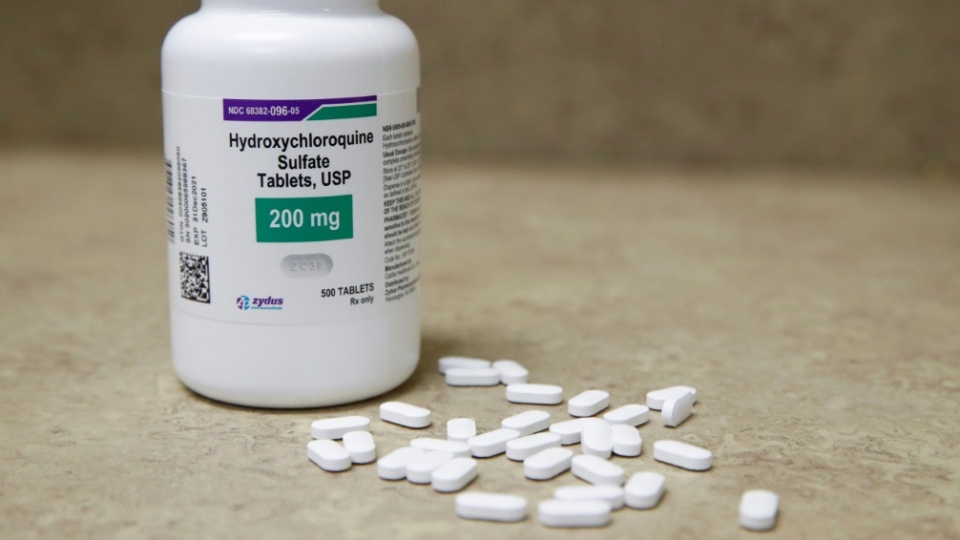
The drug hydroxychloroquine, pushed by U.S. President Donald Trump and others in recent months as a possible treatment to people infected with COVID-19, is displayed by a pharmacist at the Rock Canyon Pharmacy in Provo, Utah, U.S., May 27, 2020.   George Frey/Reuters
Conclusion: Hydroxychloroquine is ineffective in preventing the development in people exposed to the novel coronavirus, according to a new study whose results were published in the New England Journal of Medicine. The clinical trial, led in Canada by Dr.Todd Lee and Dr.Emily McDonald, both with the McGill University Health Centre, took place in conjunction with partners at the University of Manitoba and University of Alberta.This was a study co-ordinated within a larger one by Dr.David Boulware of the University of Minnesota.

As the first double-blind, randomized, placebo-controlled trial in completion to assess the possible effectiveness of the malaria drug in preventing COVID-19, its results will, without doubt, be a disappointment to many. Recruits for the study came from Quebec, Manitoba, Alberta and across the United States, for a total of 821 asymptomatic adult participants, exposed at home or in a health-care setting to an individual diagnosed with COVID-19. Within the group, 719 of the participants reported an unprotected, prolonged encounter with a confirmed case of COVID.

Most of the participants were healthy young adults with an average age of 40. Participants were sent either the placebo or hydroxychloroquine by mail, within four days of exposure; the protocol requiring the substances received to be taken for a five-day period, the first day starting with a higher dose of the medication. Neither researchers nor participants were informed which treatment was being administered to whom; the spirit of a double-blind protocol.

Hydroxychloroquine
Hydroxychloroquine is often used to treat arthritis. (AFP)
Of the 821 participants, COVID-19 was developed by 107 people, confirmed by a test or compatible symptoms throughout the 14 days of followup. Of those who received hydroxychloroquine, 49 developed the disease with accompanying symptoms (symptoms such as fever and cough) in comparison to 58 in the group which had taken the placebo. Statistically, in other words, the drug was no more effective than the placebo turned out to be. Two of those diagnosed with COVID, one from each group, were hospitalized, though no one among the entire group died of the disease.

Those who took the malaria drug experienced side effects, such as nausea and abdominal discomfort -- more commonly than those receiving the placebo. The drug continues to be studied around the world. Hope remains that it could reduce the risk of infection during exposure, or lower the risk of hospitalization in infected patients. However, from the outcome of this controlled trial, it appears remote that any other, more successful trial will conclude that the drug could be useful against COVID-10.

Labels: , , ,

Thursday, April 30, 2020

The Research Rush to Control SARS-CoV-2

"There's now enough data to support consideration of access under an emergency use authorization by FDA."
"The data from NIAID [National Institute of Allergy and Infectious Diseases] study should push this firmly over the line."
Scott Gottlieb, former commissioner, U.S.Food and Drug Administration

"The study demonstrates the potential for some patients to be treated with a five-day regimen, which could significantly expand the number of patients who could be treated."
Chief Medical Officer Merdad Parsey, Gilead Sciences Inc.
Remdesivir trial posted online prematurely was 'inconclusive,' Gilead says

"As part of the FDA's commitment to expediting the development and availability of potential COVID-19 treatments, the agency has been engaged in ... discussions with Gilead Sciences regarding making remdesivir available to patients as quickly as possible, as appropriate." 
Michael Felberbaum, spokesman, U.S. Food and Drug Administration

"The data shows that remdesivir has a clear-cut, significant, positive effect in diminishing the time to recovery."
"Although a 31% improvement doesn't seem like a knockout 100%, it is very important proof of concept."
"What it has proven is that a drug can block this virus."
"[But] whenever you have clear-cut evidence that a drug works, you have an ethical obligation to immediately let the people in the placebo group know so that they can have access."
Dr. Anthony Fauci, immunologist, director, National Institute of Allergy and Infectious Diseases
Trump administration launching operation to accelerate development of coronavirus vaccine

"[The drug is] not the end of the story [when it comes to treatments for Covid-19]."
"We have work to do. We are looking for other therapies. This trial is going to continue."
"Four days [fewer] in a hospital is, for me as a clinician -- as a clinical practitioner -- it is not only significant but very meaningful. [This would matter] to all my patients and even to myself, if I would be in the same situation."
Dr.Andre Kalil, principal investigator behind the clinical trial
Bottles of Remdesivir
The experimental antiviral drug remdesivir, according to results out of Gilead Sciences' Inc.Bottles of remdesivir in a hospital for Covid-19 patients in Wuhan, China. FeatureChina via AP
The experimental antiviral drug remdesivir, according to conclusions reached through a clinical trial launched by Gilead Sciences Inc., helped to improve outcomes for patients diagnosed with COVID-19, the data indicating that the drug  worked more efficiently when used earlier in the course of the illness that has caused a global pandemic, infecting over a million people world-wide and leading to countless deaths.

Several studies had previously been released whose outcomes presented a contradictory picture of the drug's effectiveness. There were two clinical trials linked to Gilead; a study conducted by the NIAID met its major goal helping patients suffering a severity range of symptoms from the disease caused by the novel coronavirus. That trial compared how patients receiving remdesivir fared in comparison to others given a placebo, expected to definitively demonstrate any benefits provided by the drug.

Gilead announced that 62 percent of patients given early treatment with remdesivir were able to be discharged early from hospital, as opposed to 40 percent of patients who were given the drug treatment later in the course of the infection. The trial, with 397 patients taking part, evaluated safety and efficacy related to the five-day regimen. Still, there have been doubts expressed that it may not present a significant benefit.

The Lancet medical journal published results of a trial conducted in China which reached the conclusion that remdesivir had failed to improve the condition of patients. Gilead expressed its opinion that the Chinese trial was inconclusive merely as a result of the study being terminated too early. The result of the Chinese trial had been inadvertently released by the WHO's emergencies program. Dr.Mike Ryan who heads the WHO program declined comment.

WHO Remdesivir Screen
A screenshot from the WHO website. Screen capture

Labels: , , , ,

 
()() Follow @rheytah Tweet